
On my trip to India, I spent time in the central state of Madhya Pradesh, visiting both Pench and Kanha National Parks. Known for their rich biodiversity and strong tiger populations, these parks offer a more remote and less trafficked safari experience compared to some of India’s more widely visited reserves.
Pench and Kanha each have their own distinct character. Pench is often associated with the landscapes that inspired Rudyard Kipling’s The Jungle Book, while Kanha is one of India’s largest and most well-managed national parks, known for its successful conservation efforts and varied terrain. Together, they provided a diverse and rewarding wildlife experience, from dense forest encounters to open grassland sightings.
Photo Galleries from These Parks
• Pench and Kanha National Parks – Main Gallery (78 Photos)
• Pench and Kanha National Parks – Extended Album (190 Photos)
More from My India Trip
This journey also included time in other parts of India. You can explore those here:
• Varanasi – Full Post – Main Gallery – Extended Album
• Agra & Delhi – Full Post – Main Gallery – Extended Album
Pench National Park Overview
Pench National Park is a renowned wildlife reserve located primarily in Madhya Pradesh, with a smaller portion extending into Maharashtra. It is best known for its population of Bengal tigers, as well as leopards, wild dogs, sloth bears, and a wide variety of bird species.
The park’s landscape is characterized by teak forests, open grasslands, and seasonal rivers, which create excellent visibility for wildlife viewing. This combination of terrain, along with relatively lower visitor traffic compared to some other parks, makes Pench an appealing destination for those looking for a quieter safari experience.
Kanha National Park Overview
Kanha National Park, located roughly 100 kilometers from Pench, is one of India’s largest and most celebrated wildlife reserves. It features a diverse landscape of dense sal forests, expansive meadows, and bamboo thickets, supporting a wide range of wildlife.
Kanha is particularly known for its successful conservation efforts, most notably the recovery of the hardground barasingha (swamp deer), a species once on the brink of extinction. In addition to tigers, the park is home to leopards, sloth bears, wild dogs, and numerous herbivores, making it one of the most well-rounded wildlife destinations in India.
Every photo featured on this post and in the albums can be viewed in full screen and zoomed in to full resolution.
So please, zoom in and enjoy all there is to see with these wonderful animals.
After landing in Nagpur, I took a 2-hour taxi ride to the hotel/camp where I would be staying for the next four nights, in order to spend the following three full days inside Pench National Park.
To enter most national parks in India, you must go on guided safaris during designated time periods and obtain a permit for each time slot. There are two permitted safari windows each day: one in the morning from sunrise to 10:00 AM, and one in the afternoon from around 2:30 PM until sunset. In addition to these time frames, there are multiple entry gates you can obtain permits for, some of which are more popular due to higher wildlife activity. You can either book a single-seat permit, where you are placed on a vehicle with other visitors, or reserve a full vehicle for you and your group.
Due to the reported higher odds of seeing tigers and leopards, I reserved multiple permits for the Turia gate, which is the most popular for that reason. Of the six safaris I took in Pench, five were at Turia, with the remaining one at Rukhad.
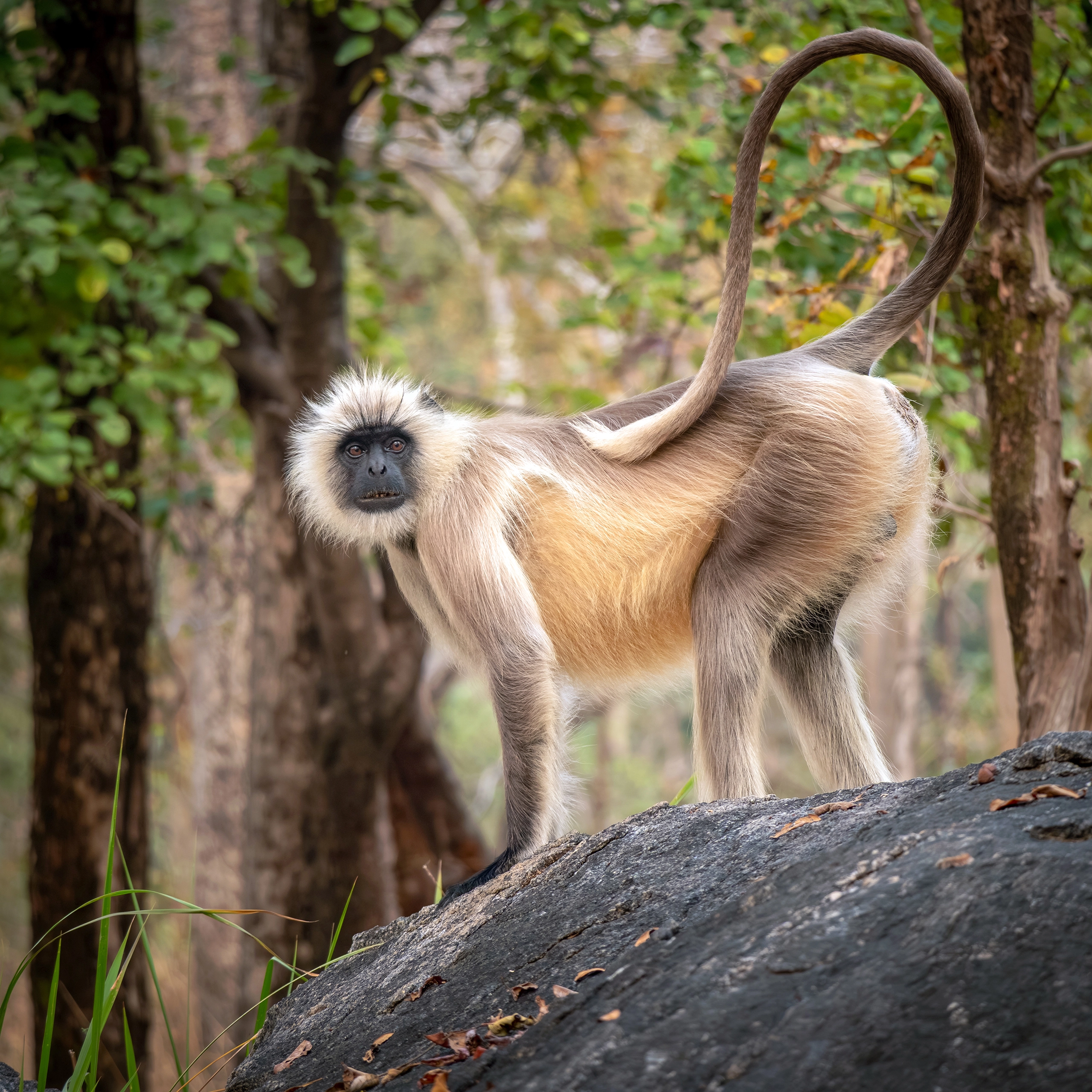
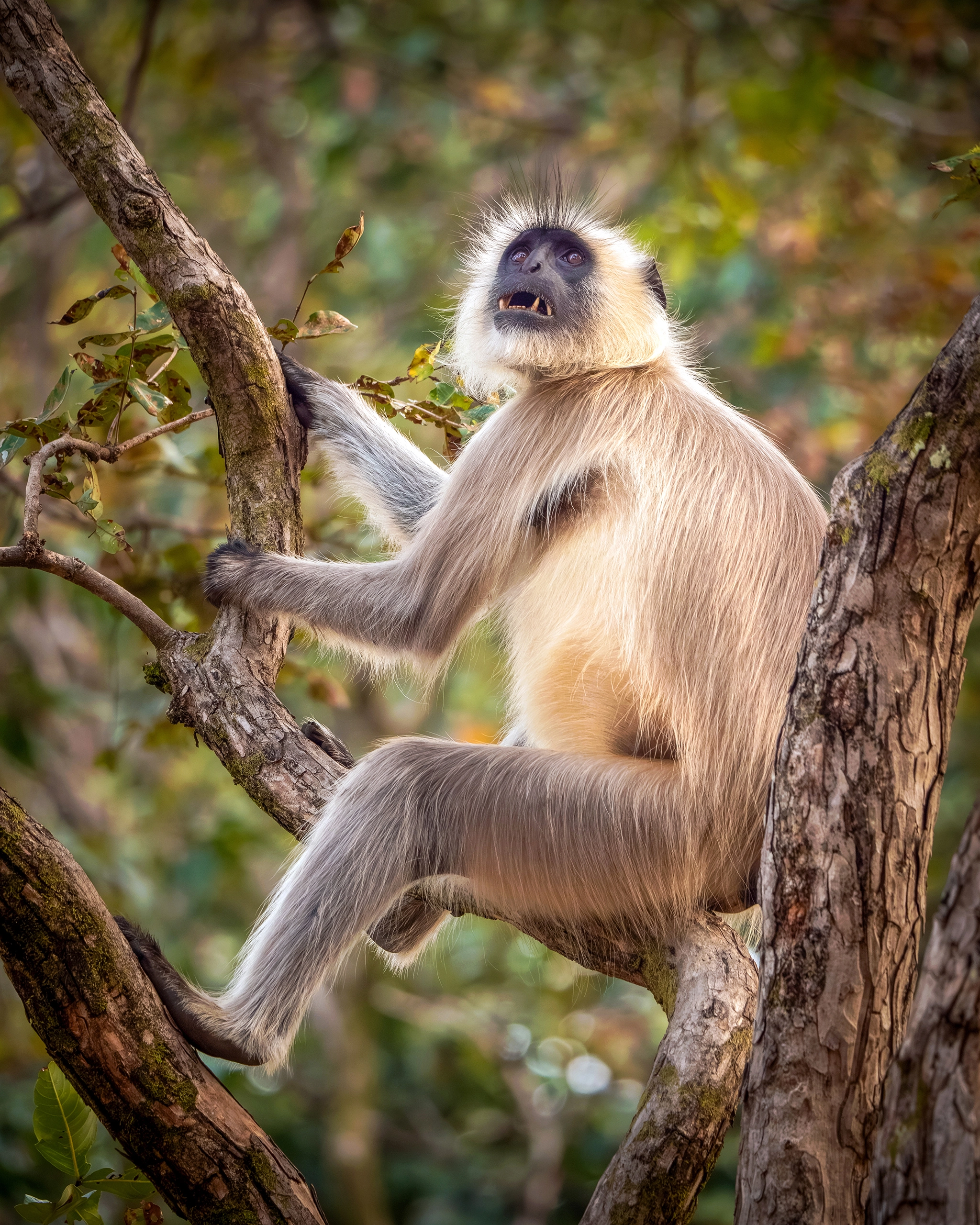
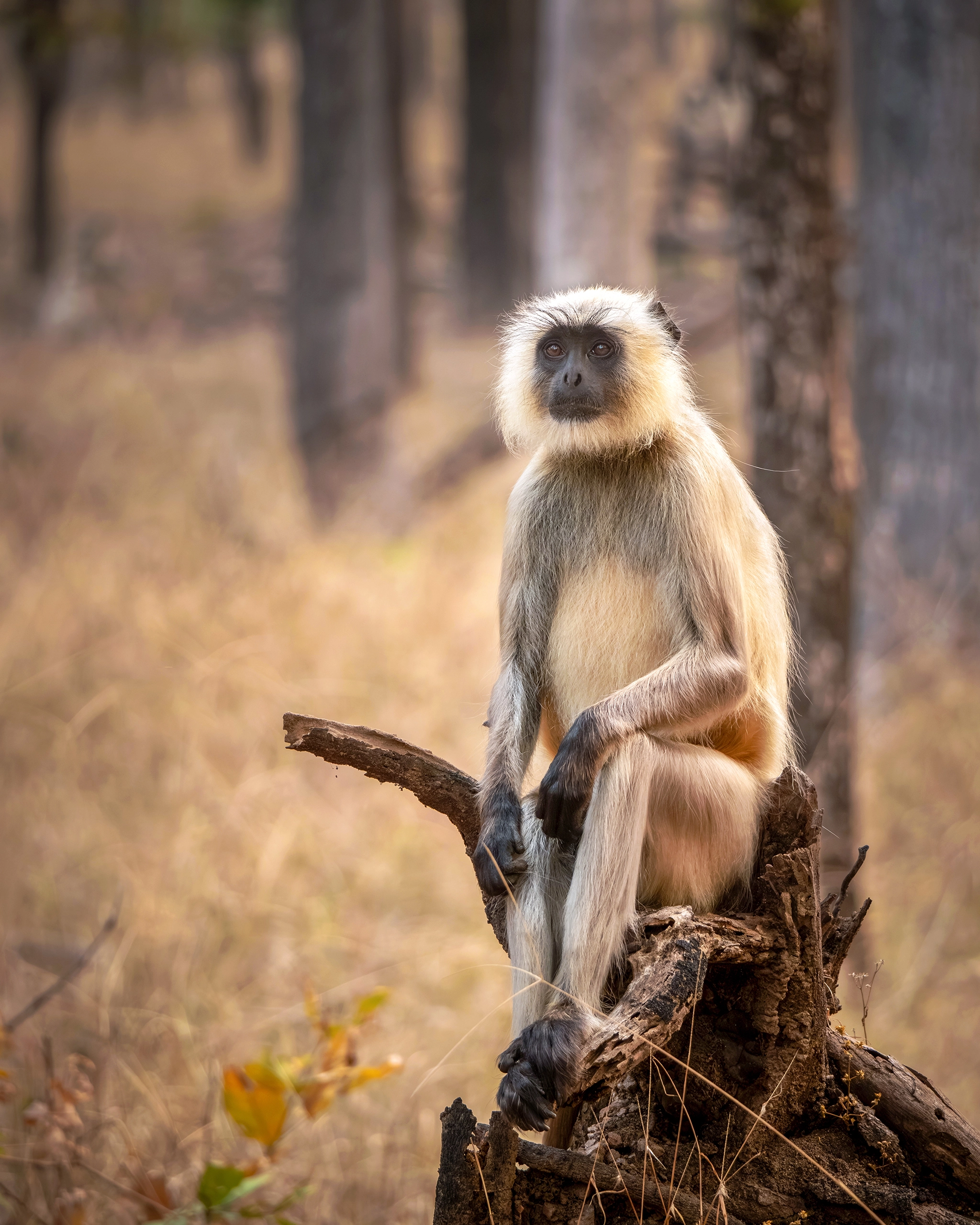
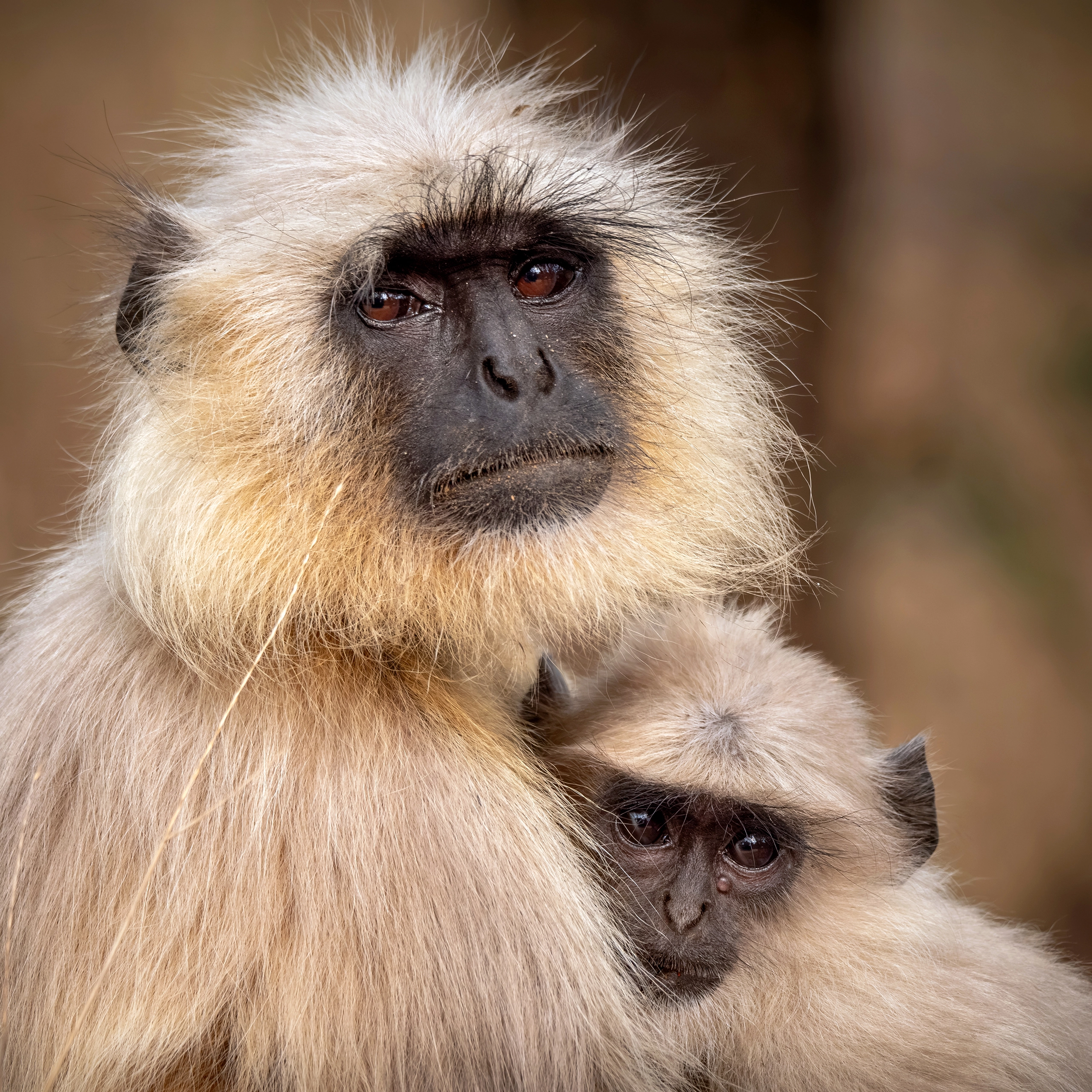
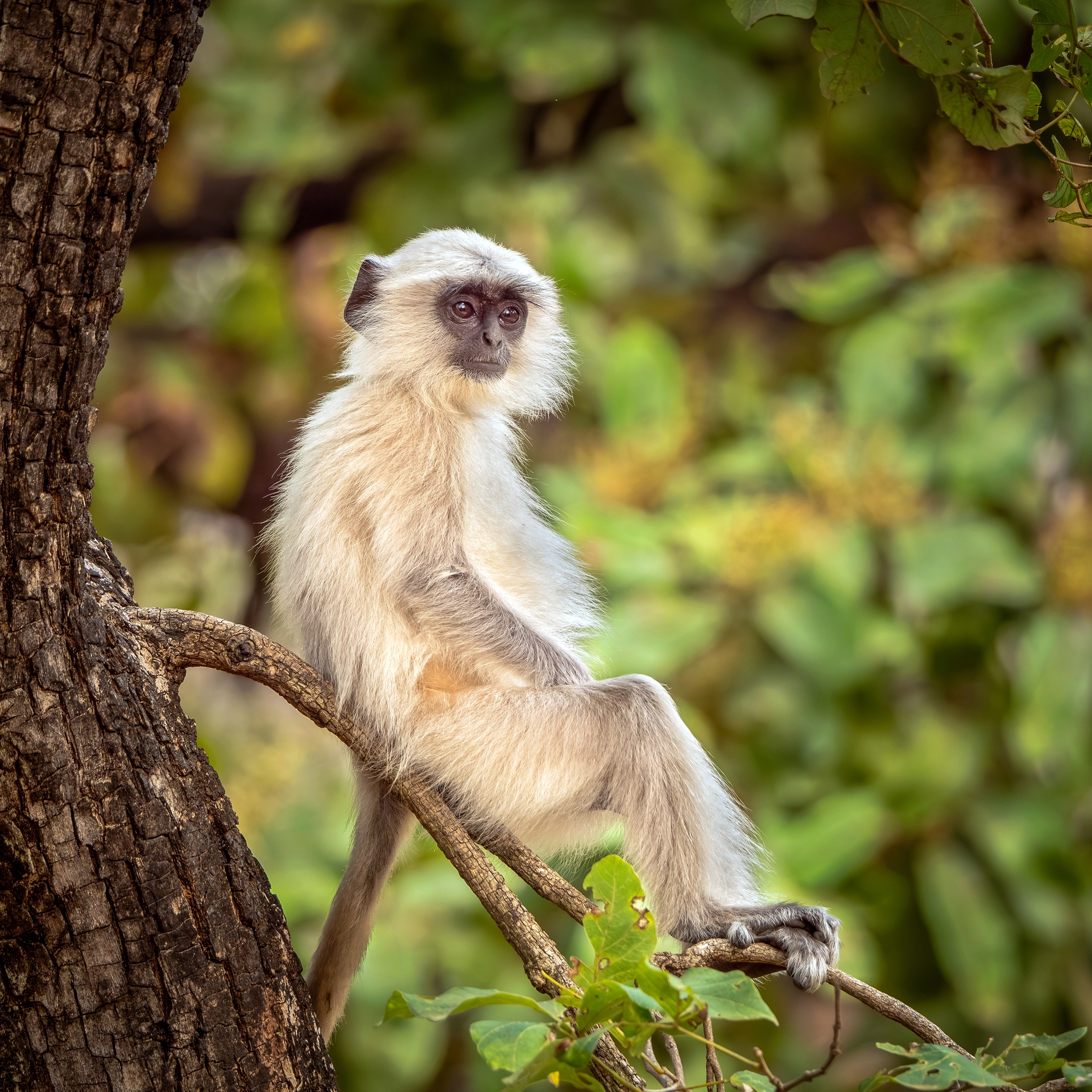
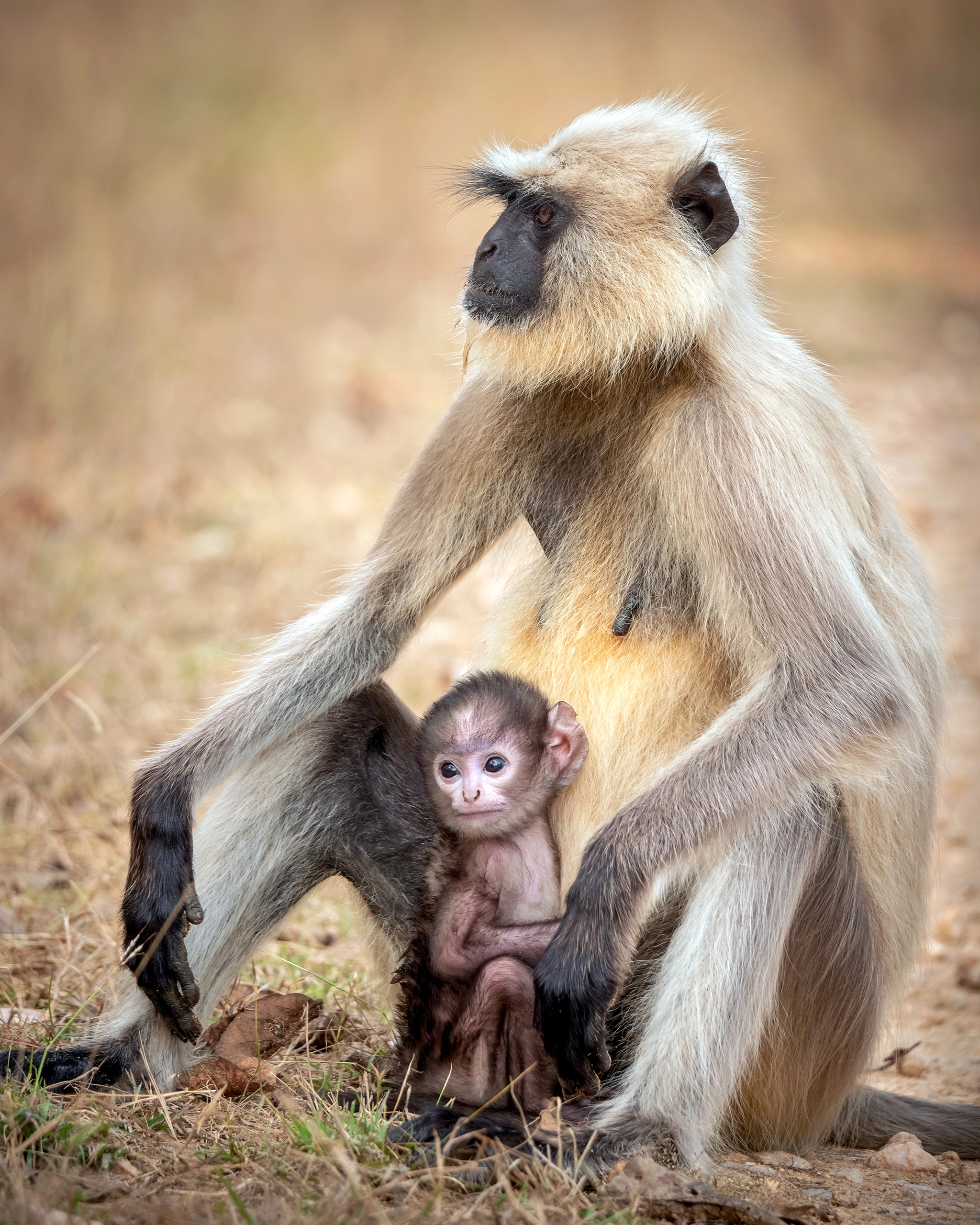
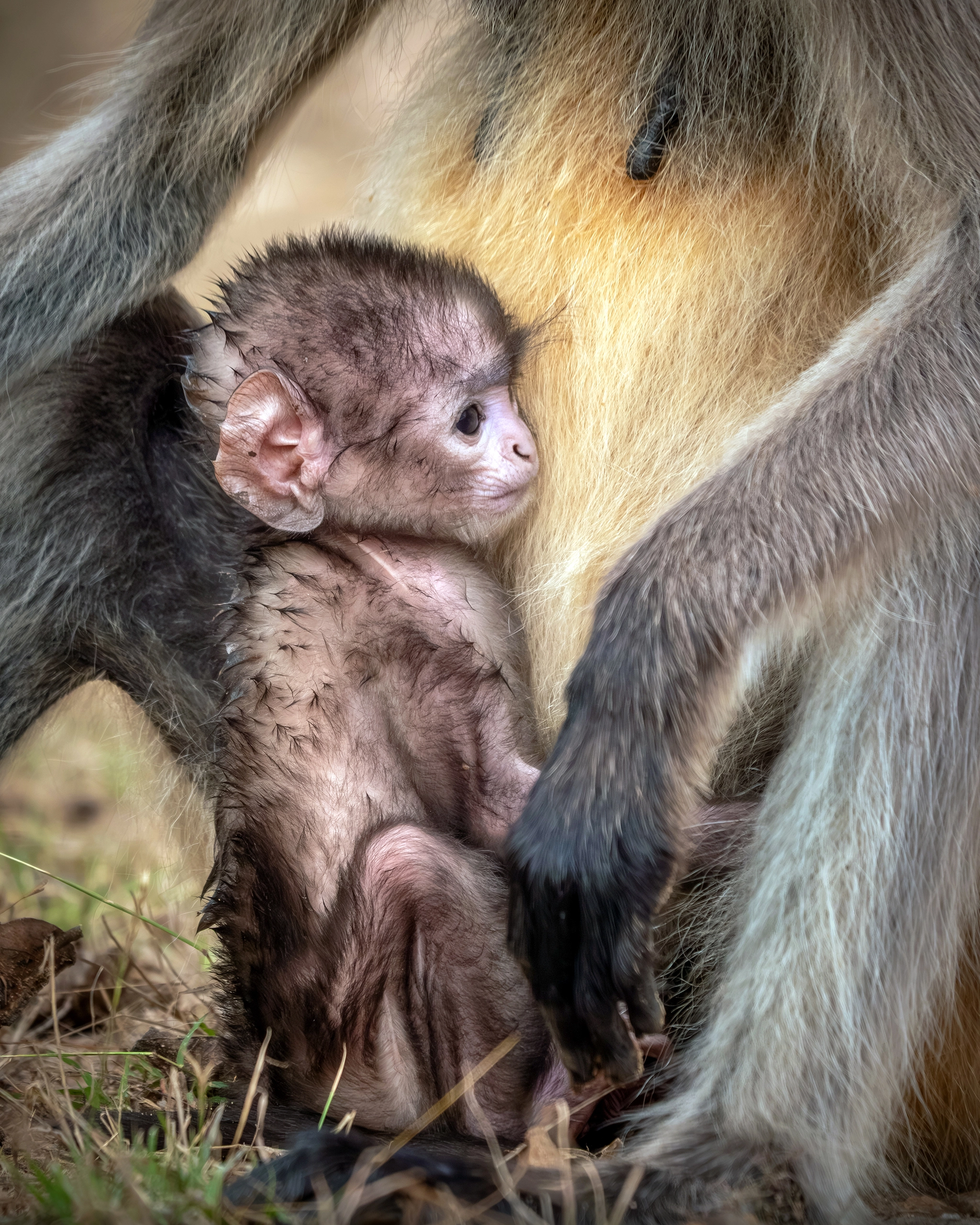
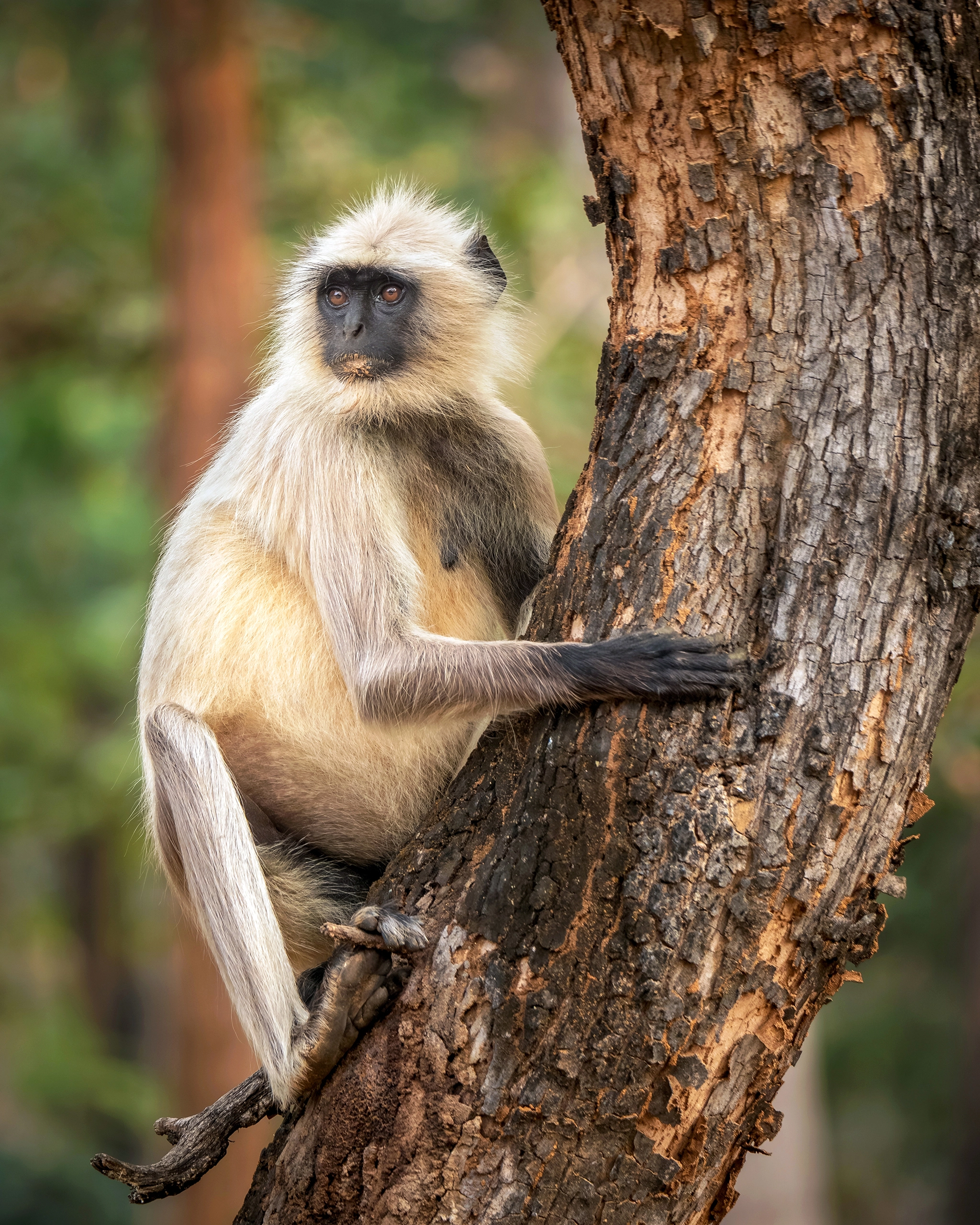
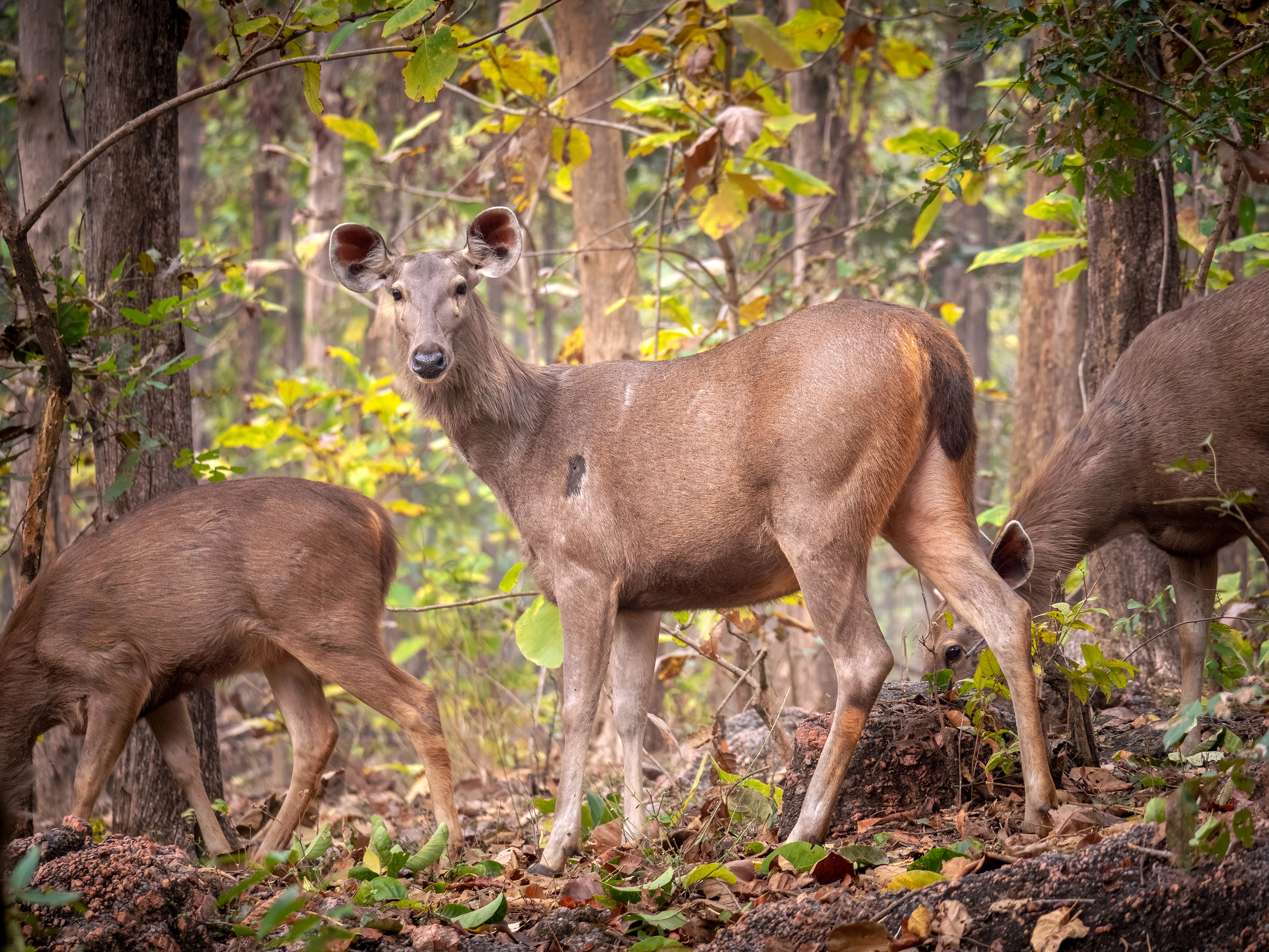
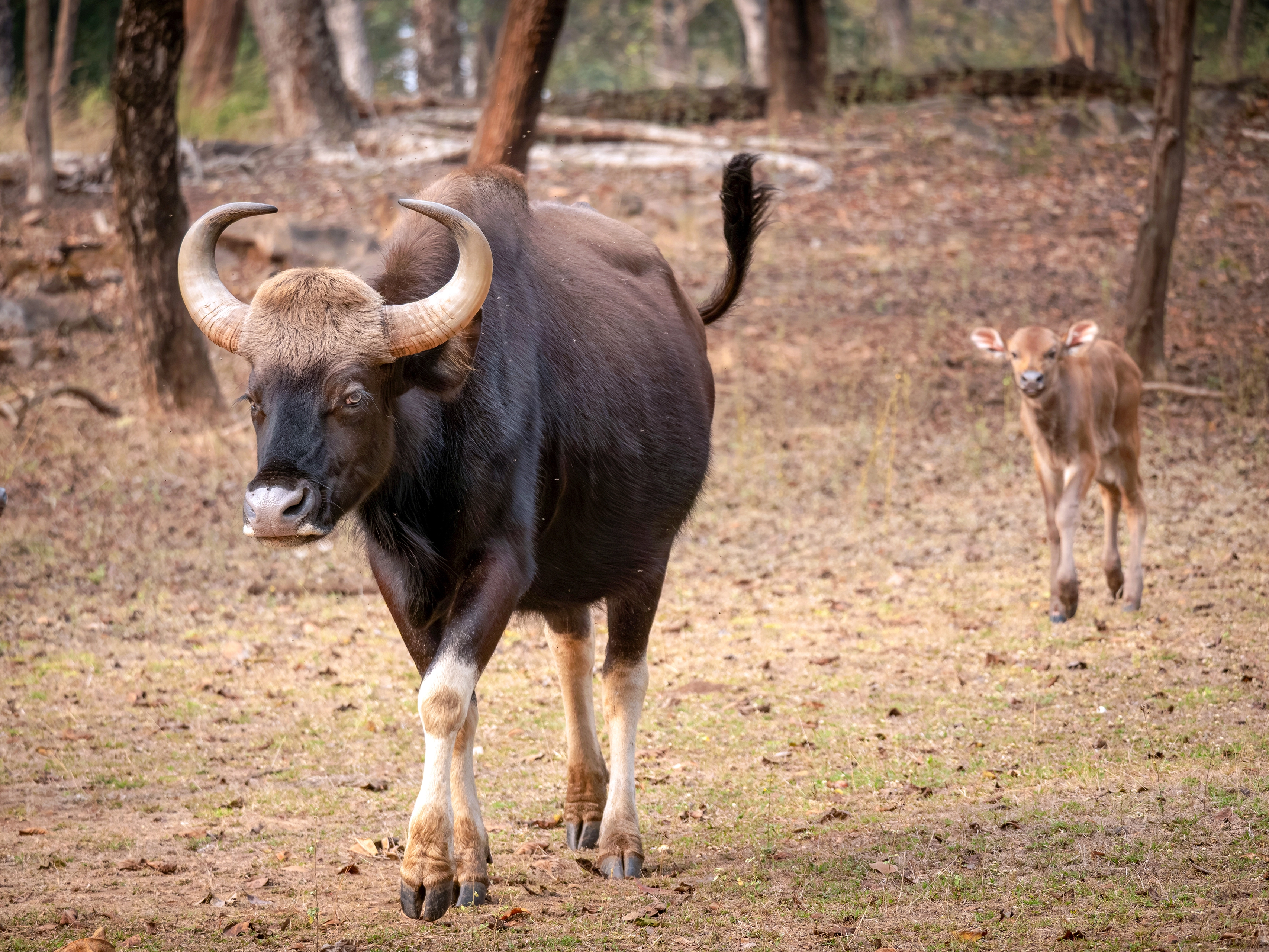
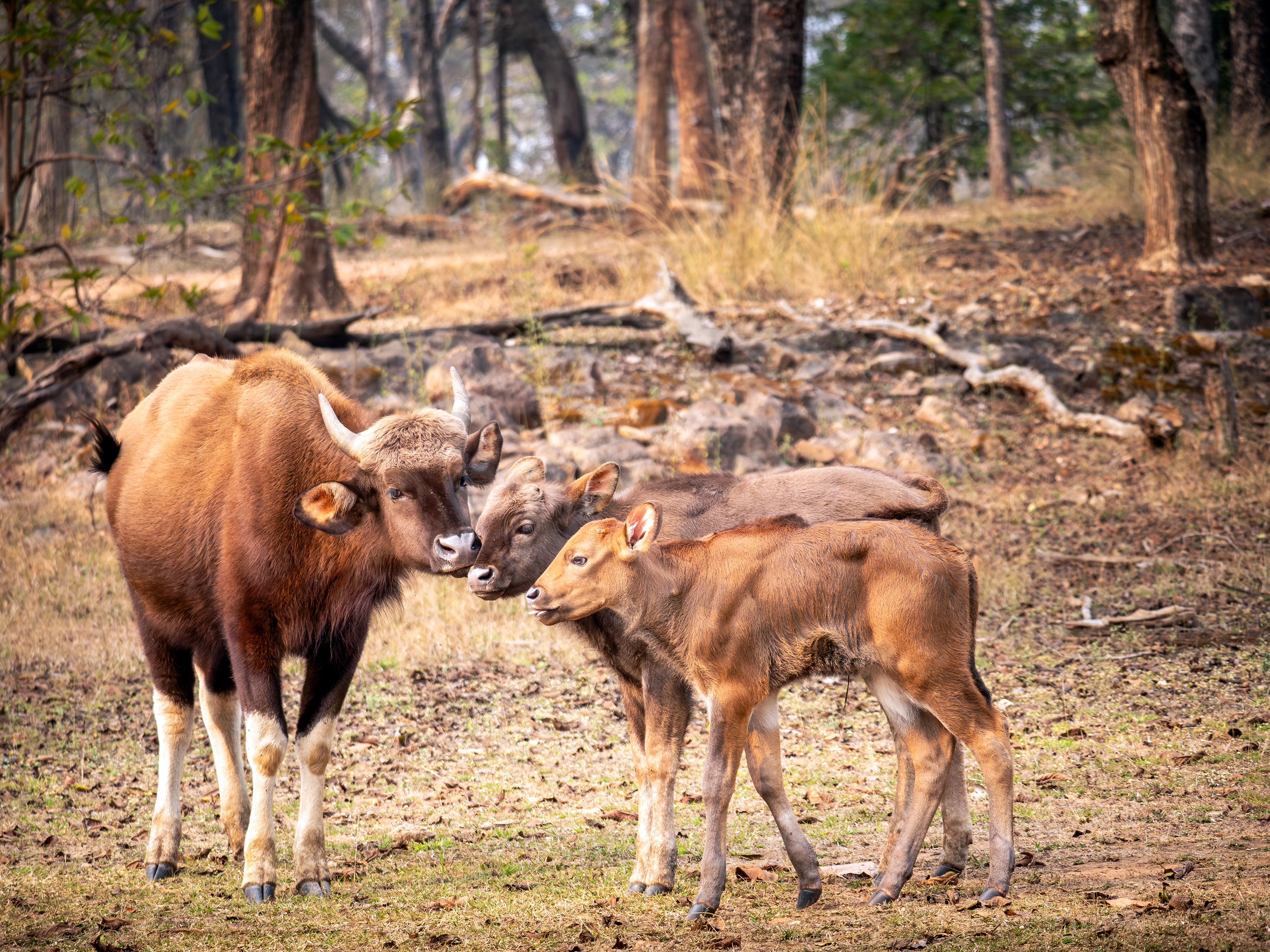
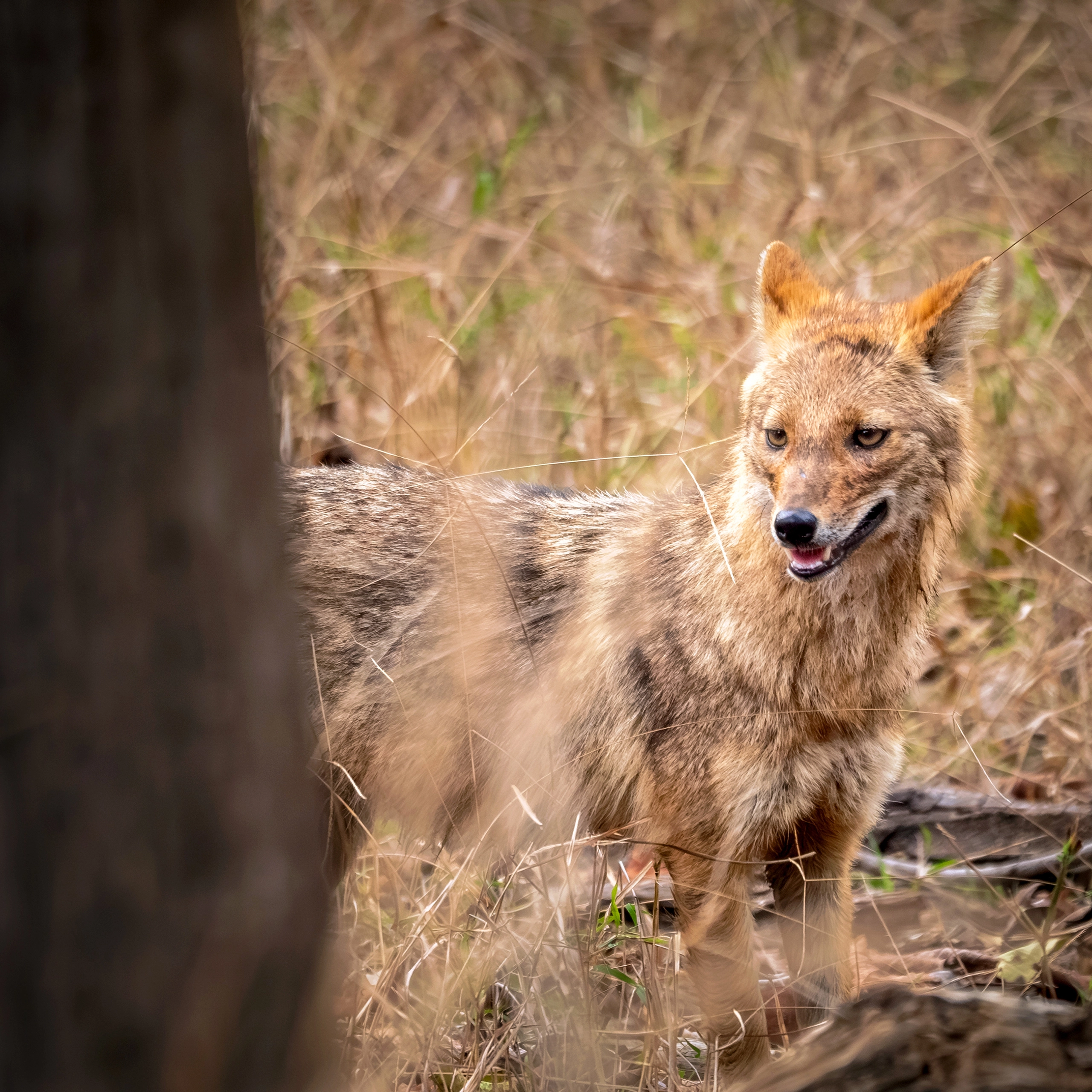
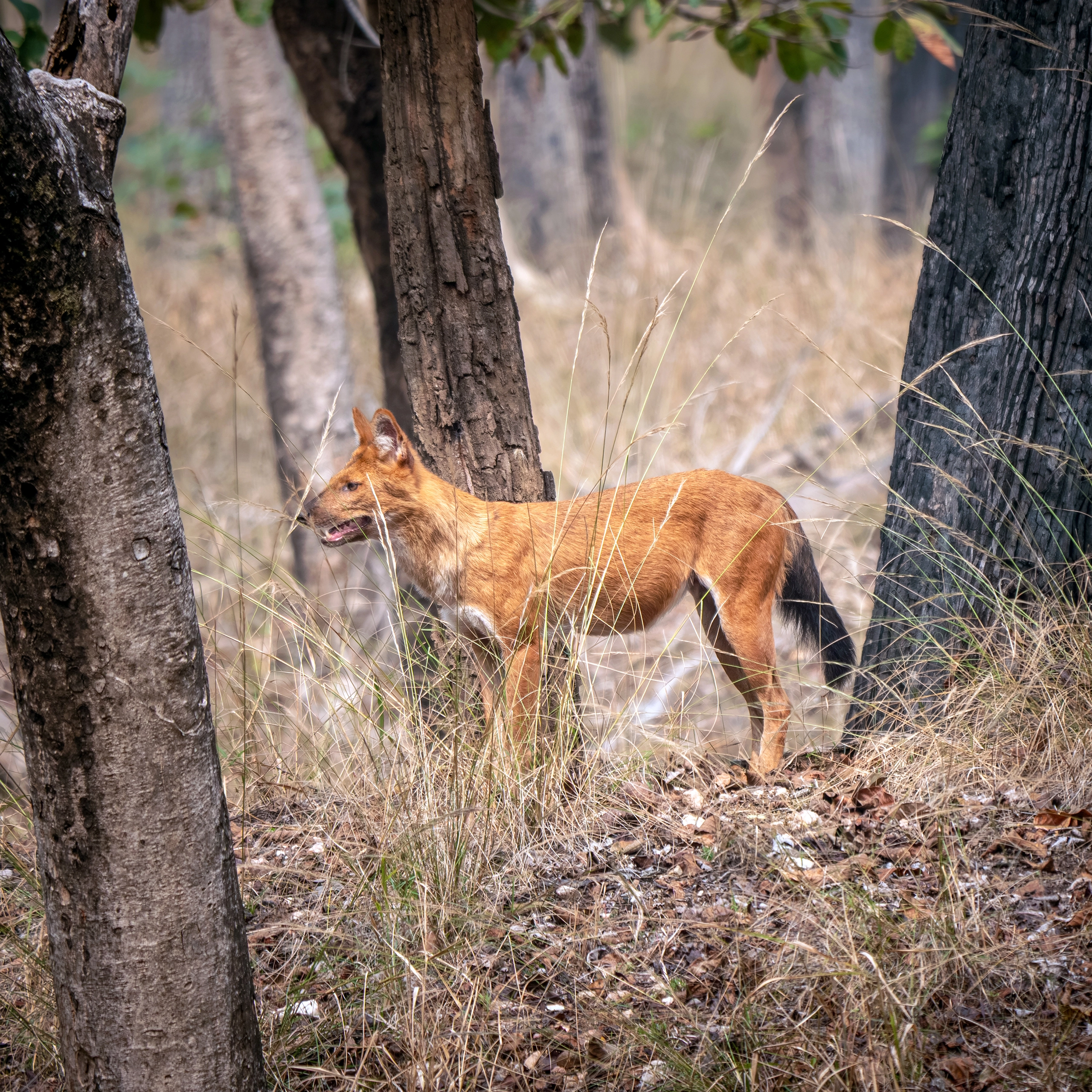
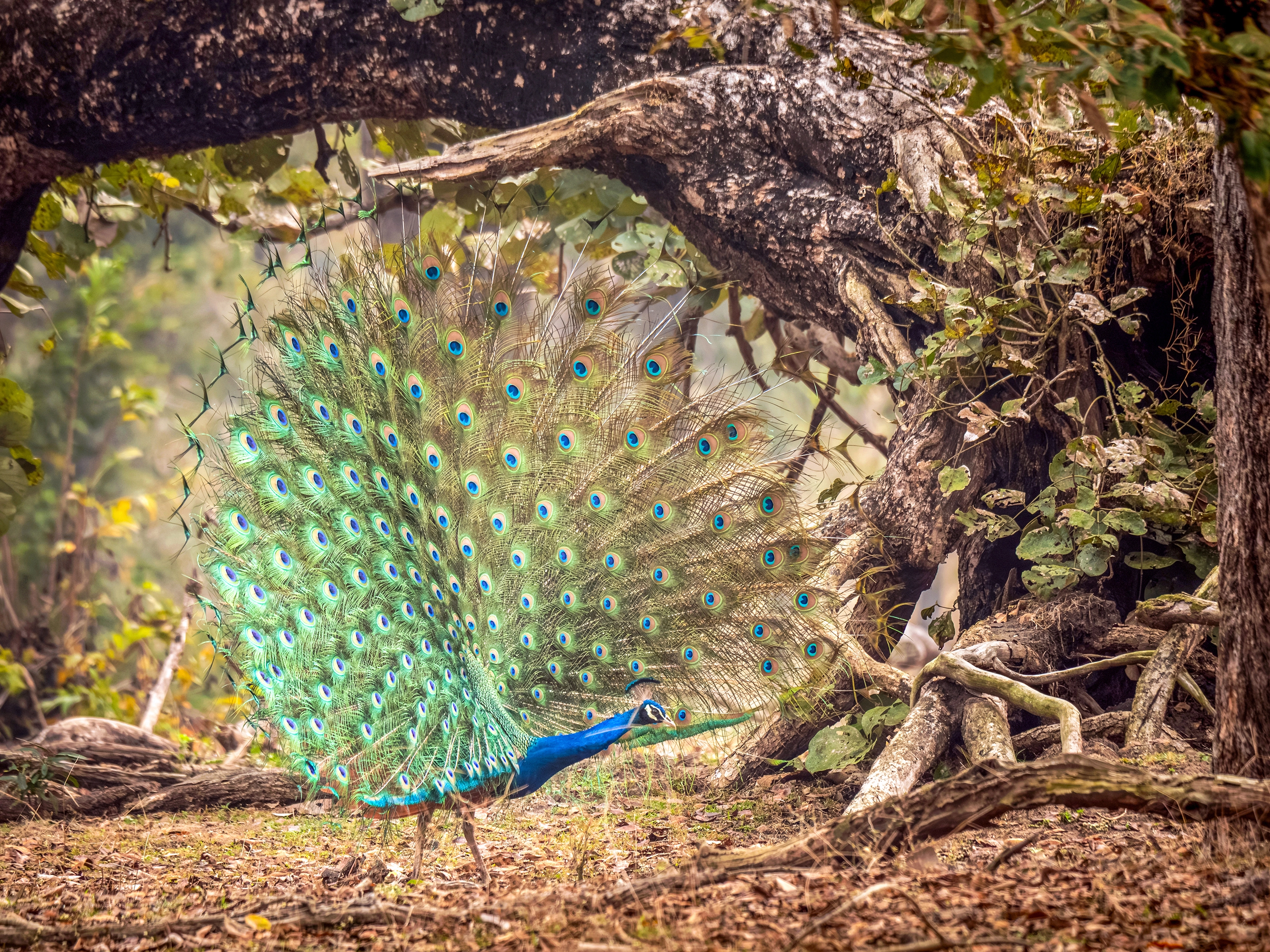
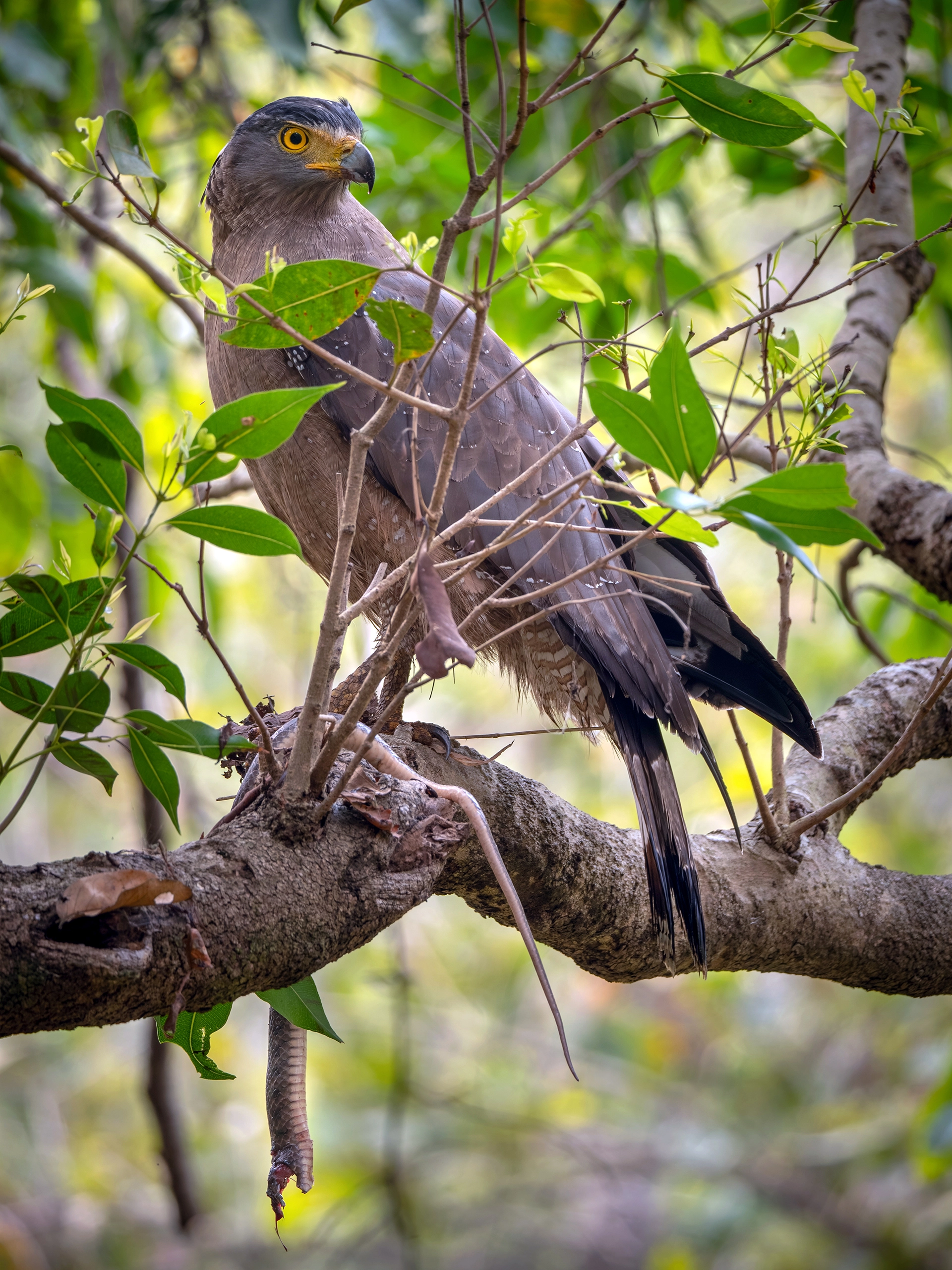
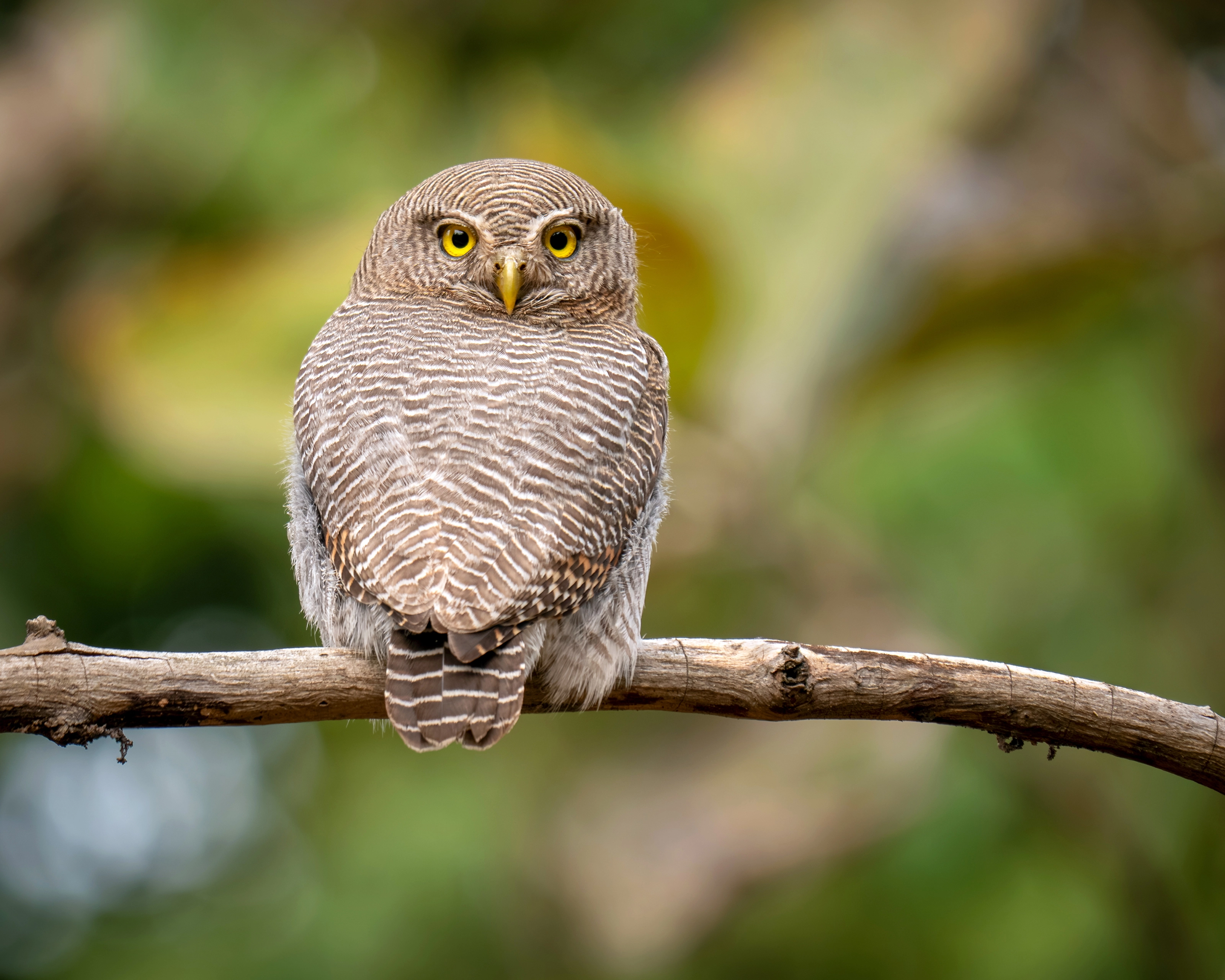
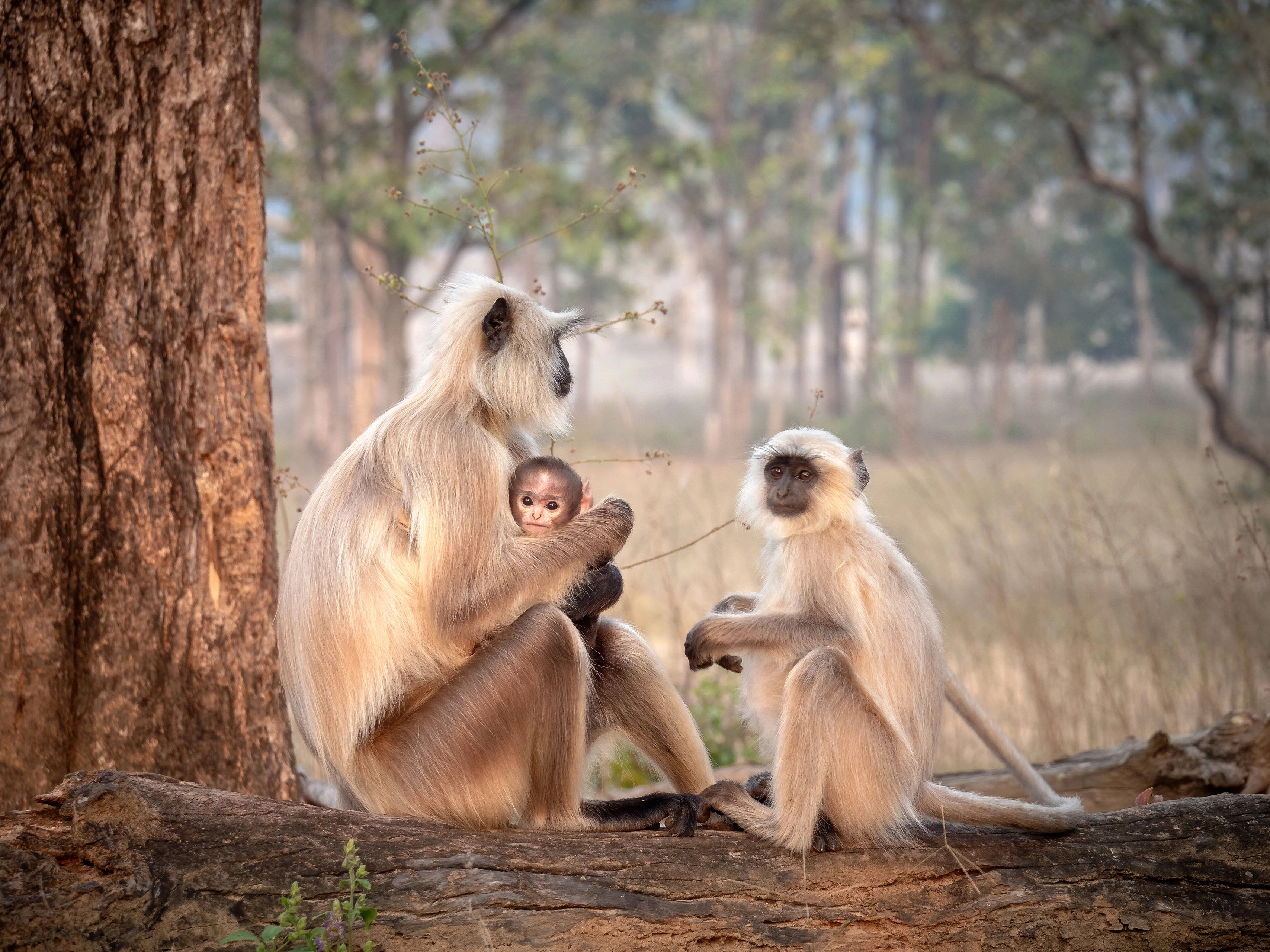
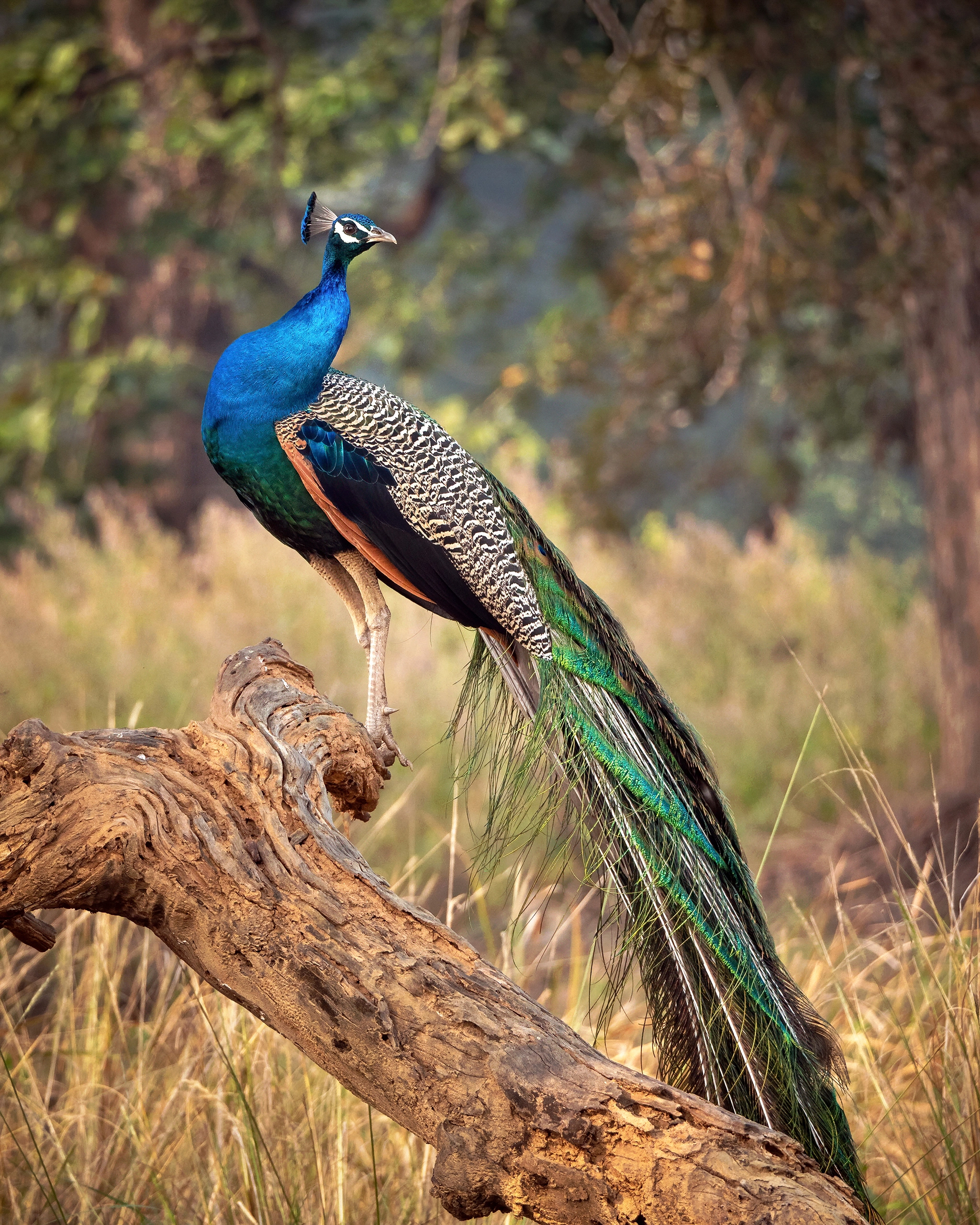
The most common animals I saw were, by far, the langur monkeys and spotted deer. Their abundance made it clear how such a large population of predators can be supported, as there was no shortage of prey. Other commonly seen animals included gaur (Indian bison), jackals, sambar deer, and a wide variety of birdlife, including the Indian national bird, the peafowl.
Here are some highlights of the more common animals I encountered inside Pench National Park.
Langur Monkeys
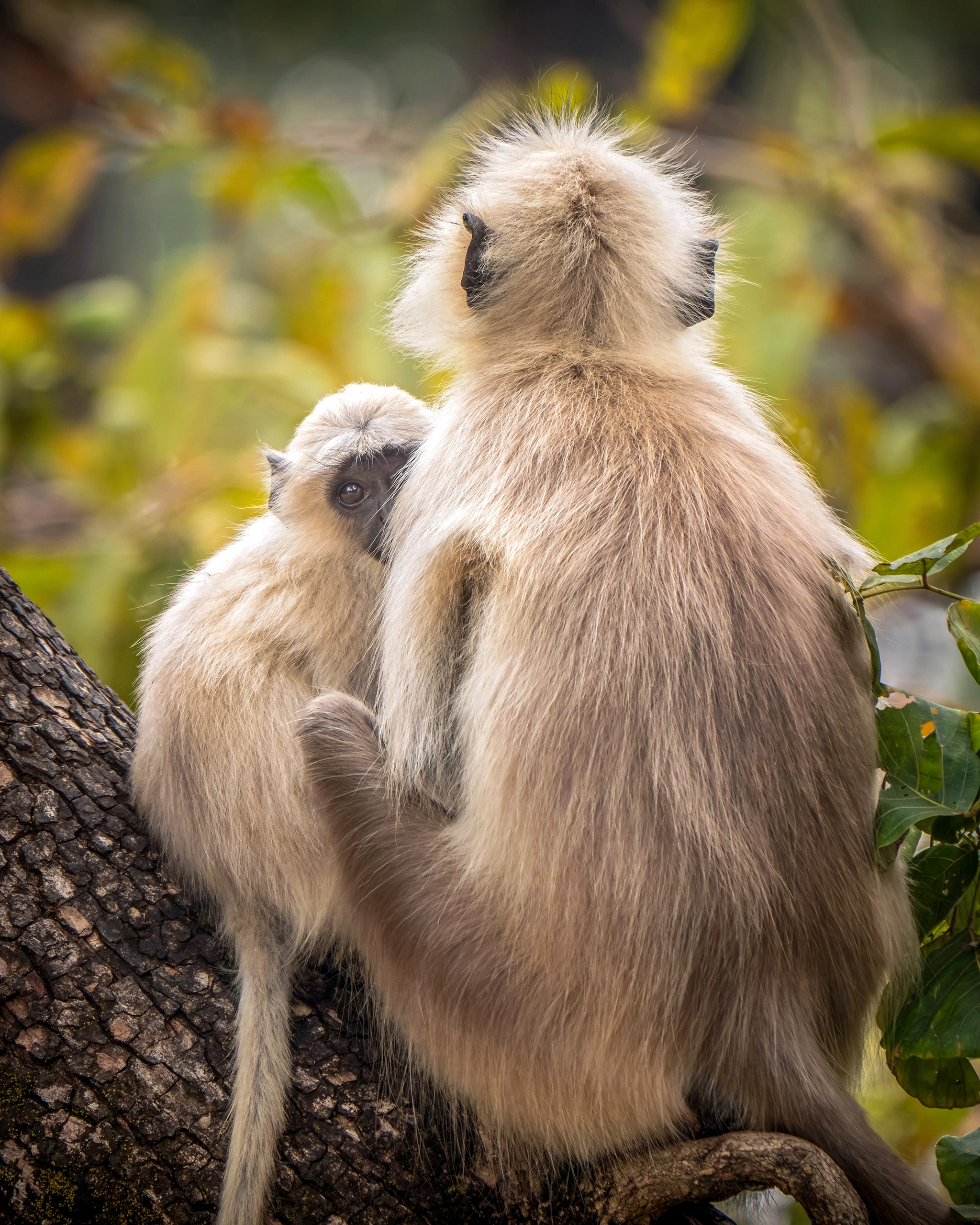
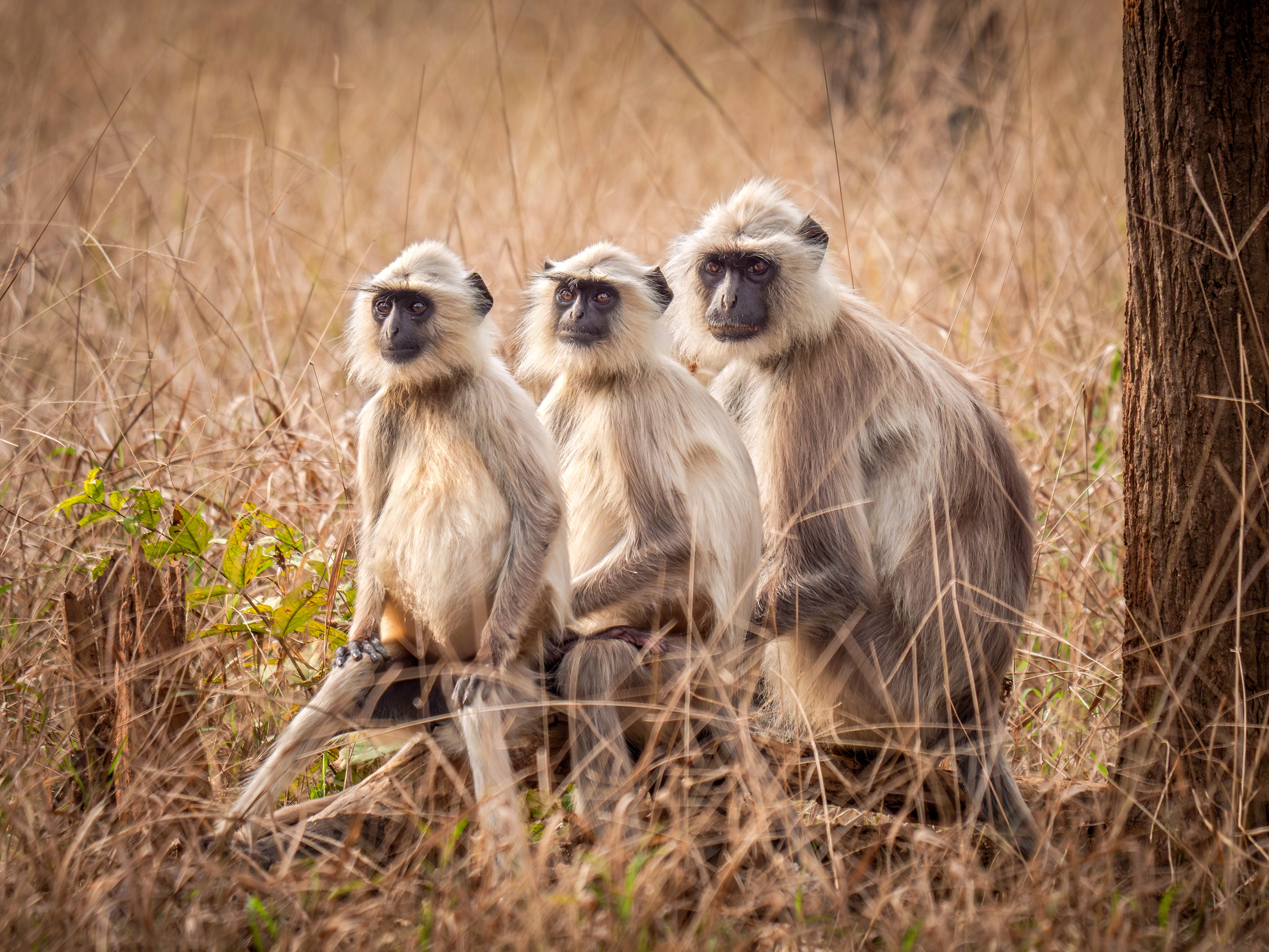
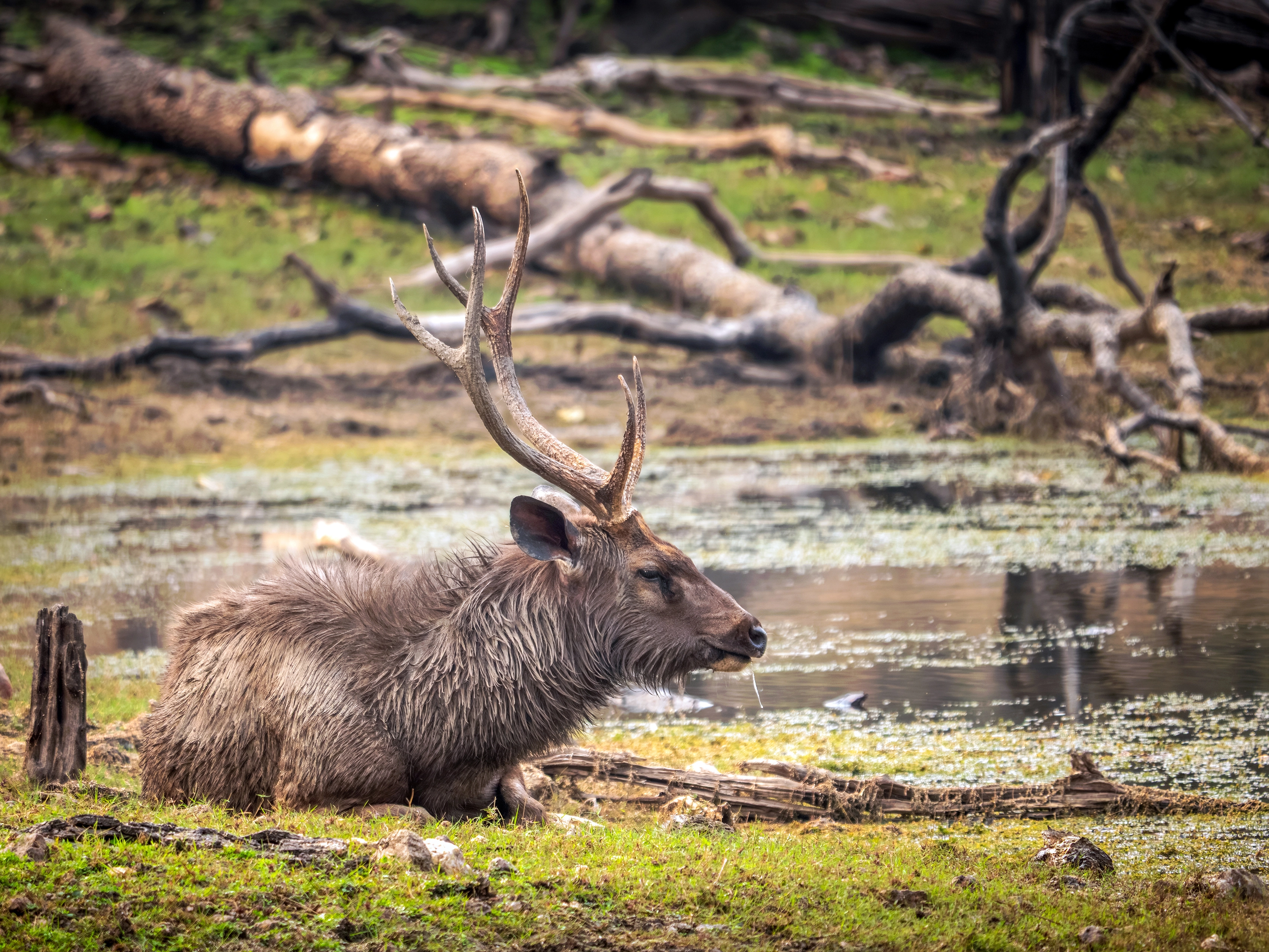
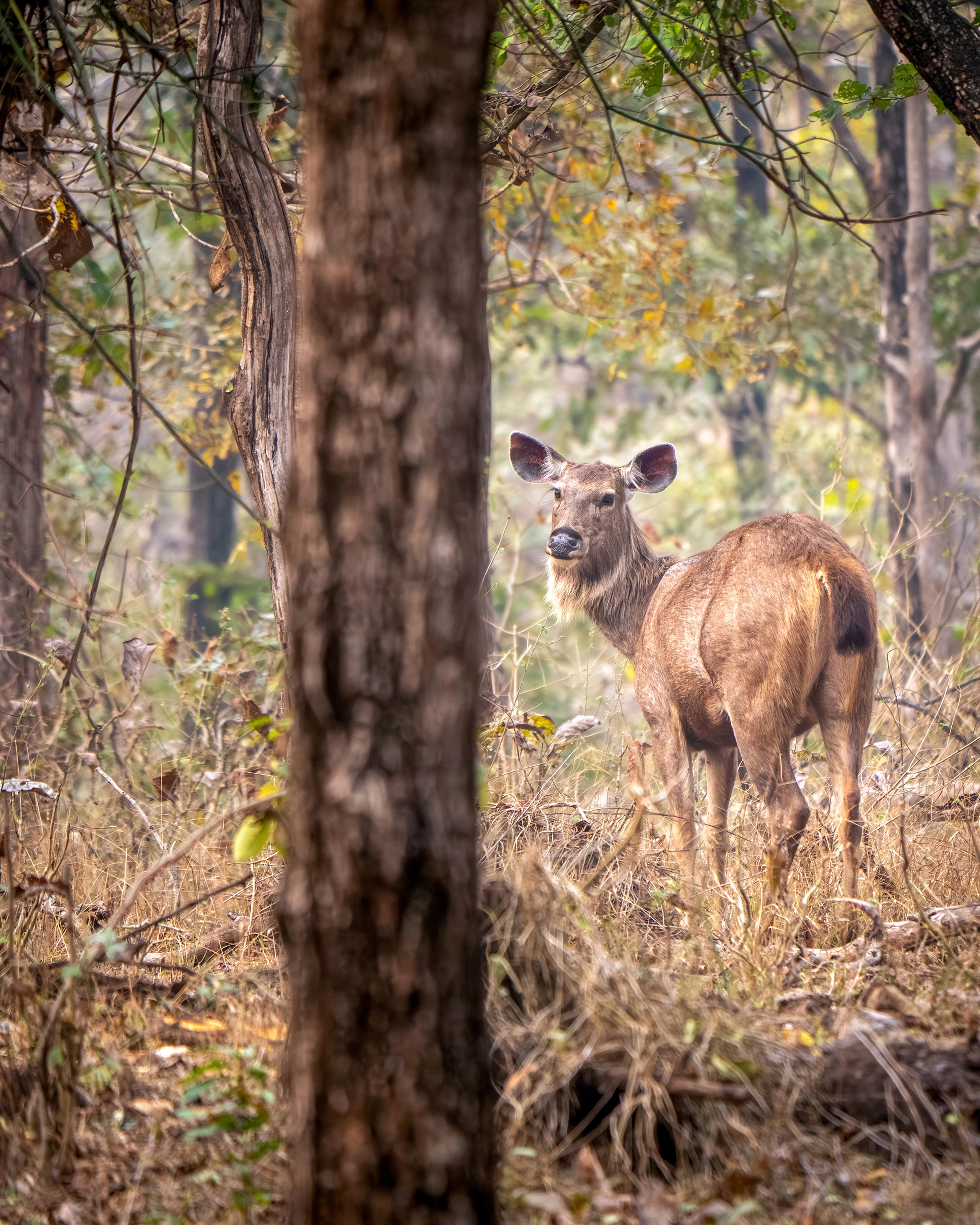
Gaur
Indian Jackal & Dhole
Birds
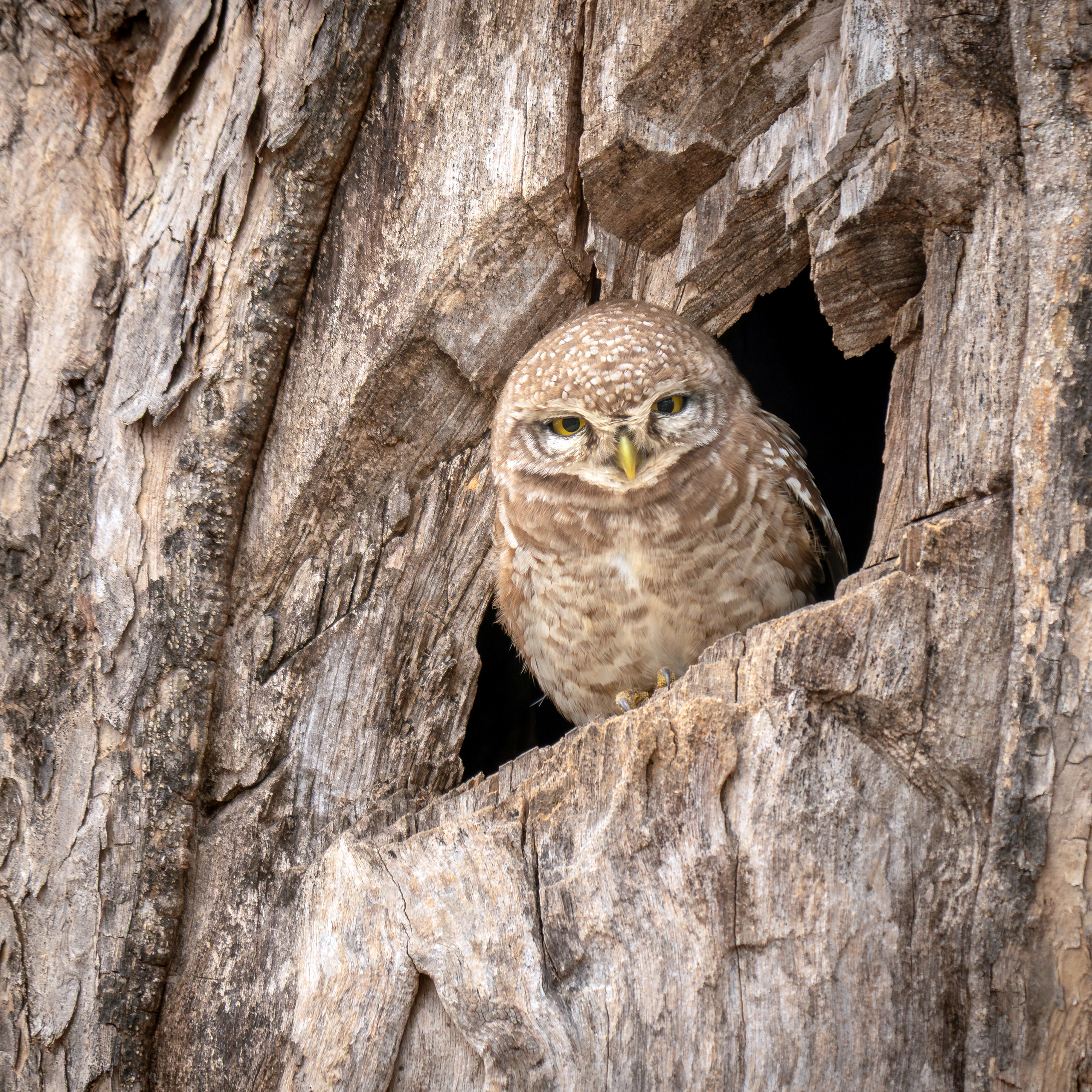
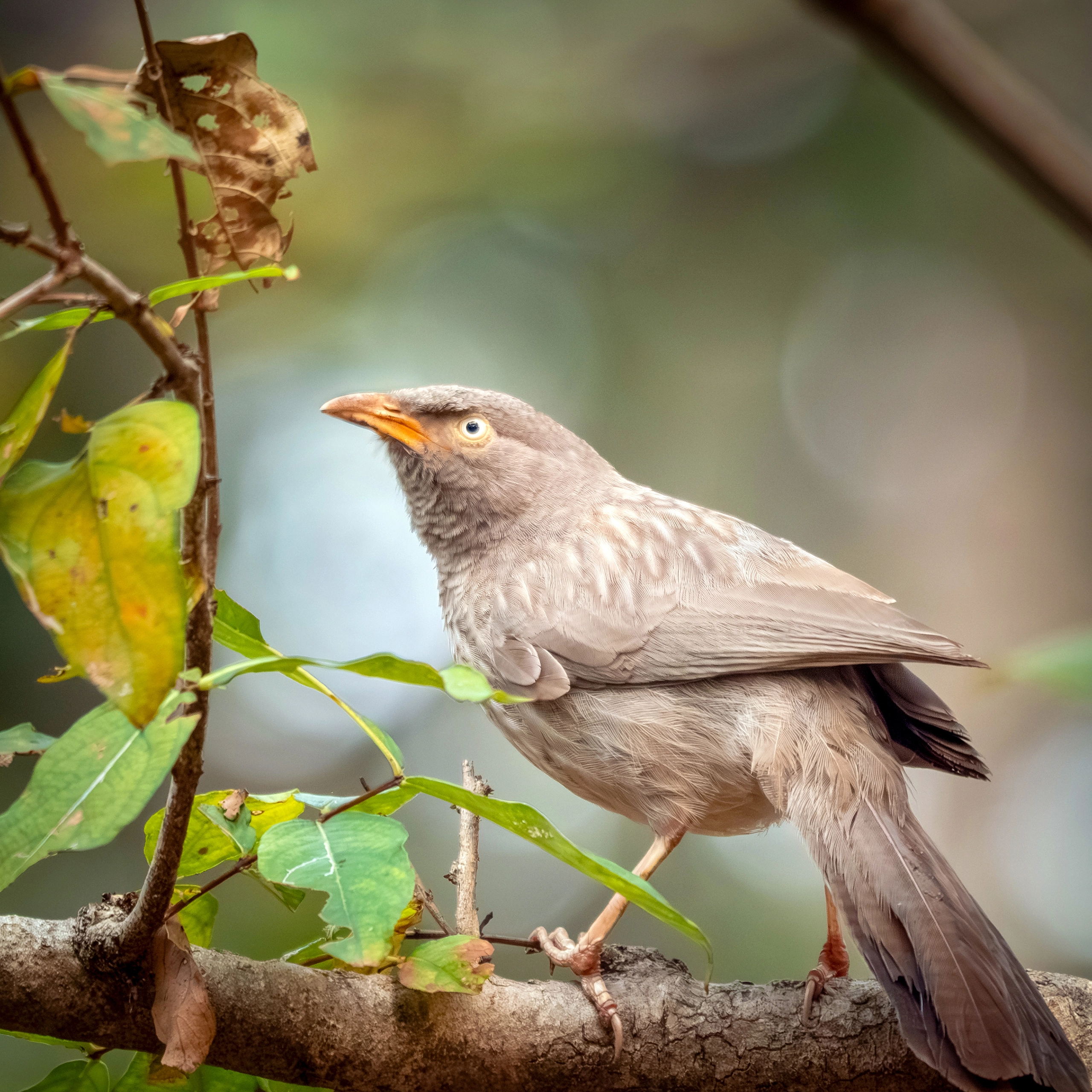
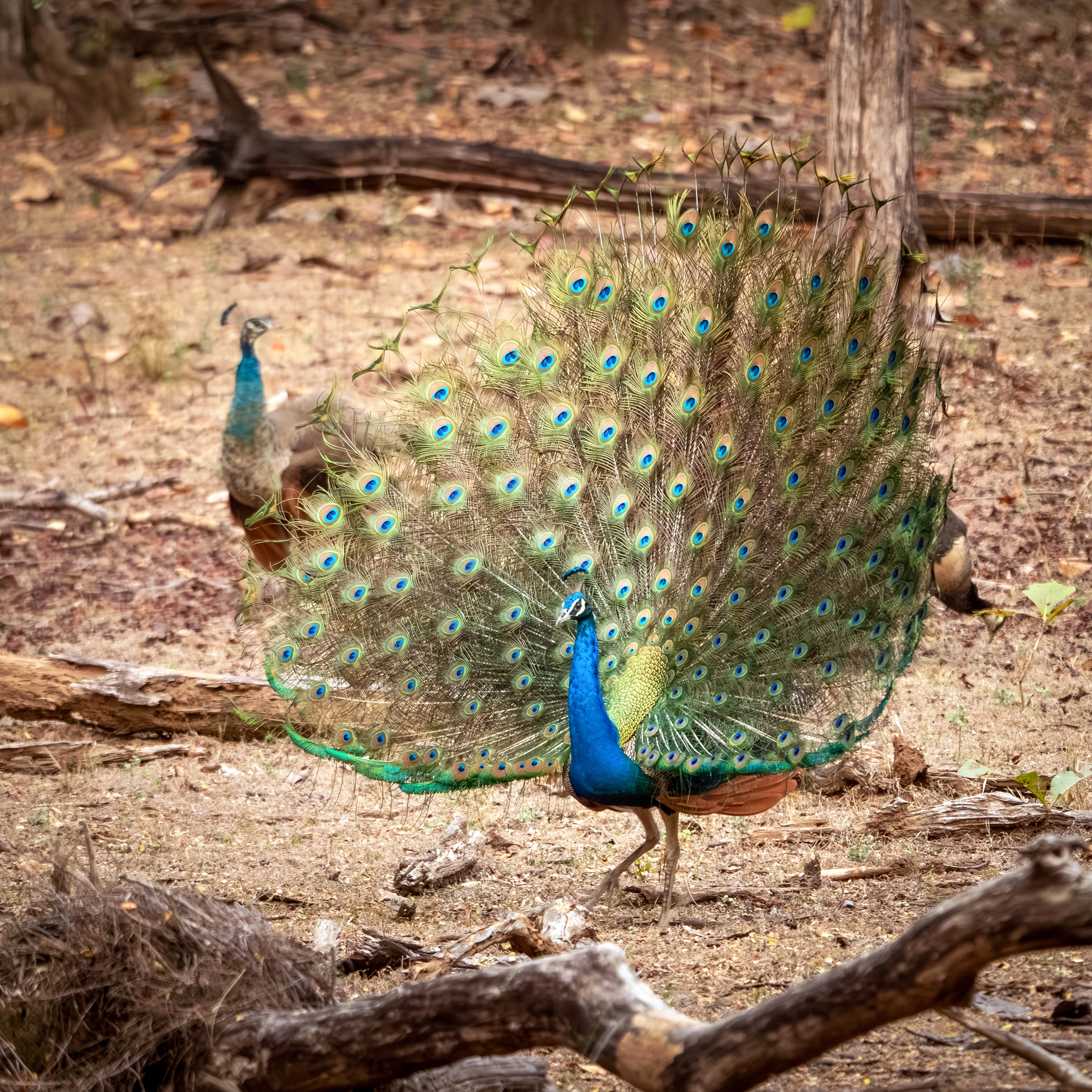
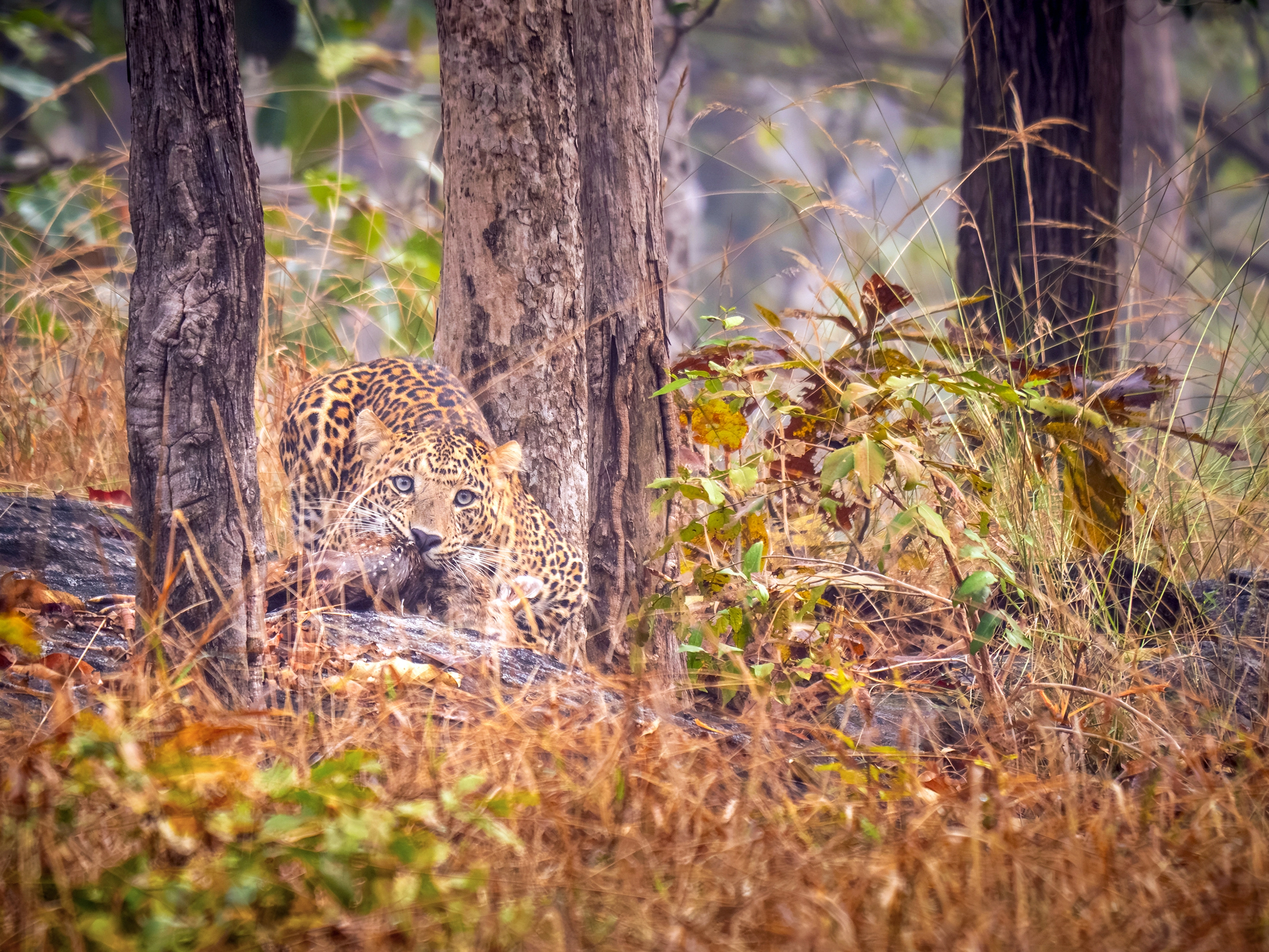
But the main attractions that everyone hopes to see are, of course, tigers and leopards. While their presence is often felt and heard throughout the park, typically through alarm calls from monkeys and deer, actually seeing them can be quite challenging. At the Turia gate, the general estimate was about a 25% chance of seeing a tiger on any given safari, and only a 5-10% chance of spotting a leopard. Leopards are more elusive, tend to stay in denser cover, and are overall harder to detect due to their camouflage.
That is why I was fortunate to have this encounter with a leopard carrying a recent catch, a baby spotted deer. When we arrived at the scene, the leopard was lying behind a rock, with the carcass resting on top. Knowing the leopard would eventually move, it became clear that waiting here would likely lead to a great photographic opportunity. After about an hour and a half, the leopard stood up, picked up its meal, turned around, and carried it further into the jungle, making the long wait well worth it.
Leopard
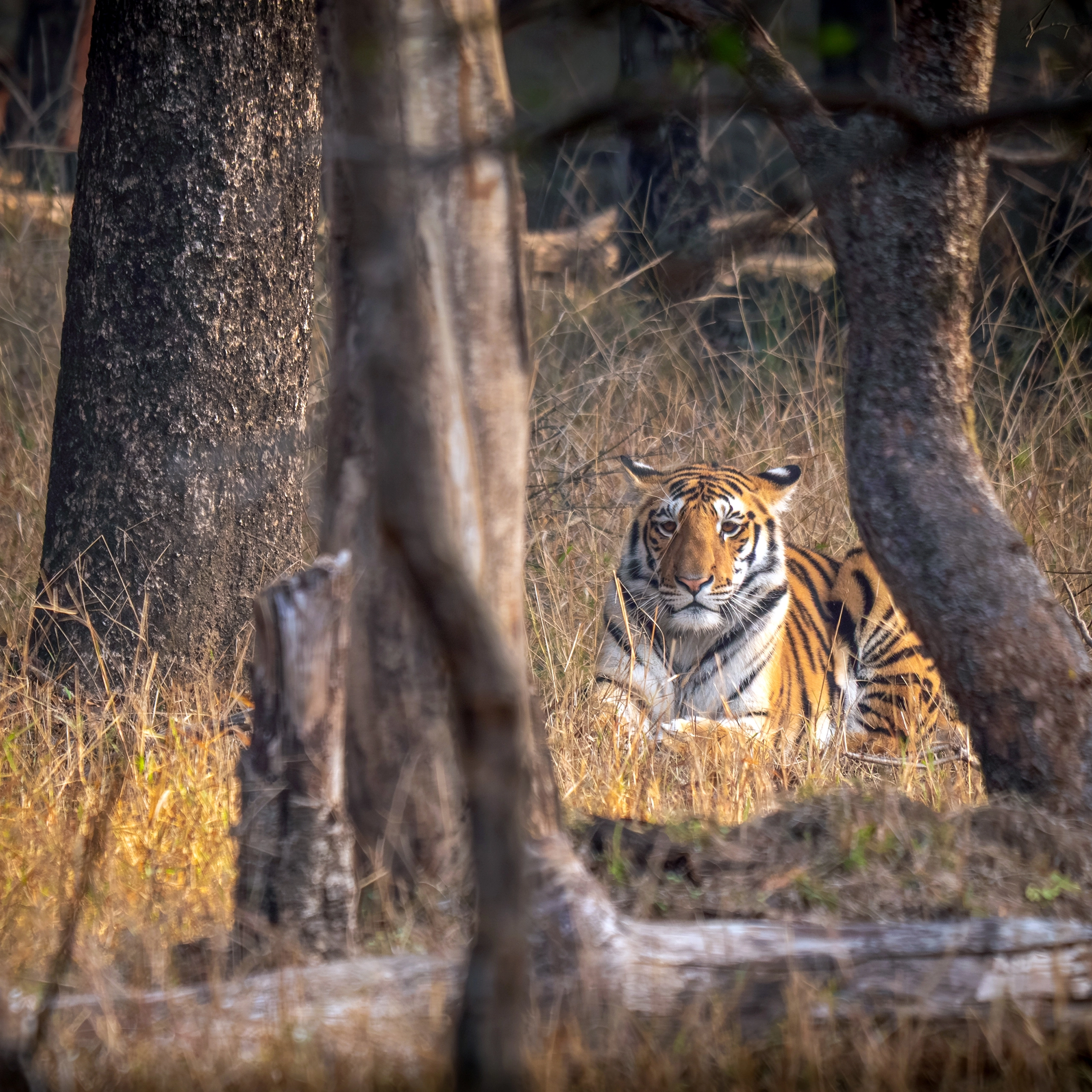
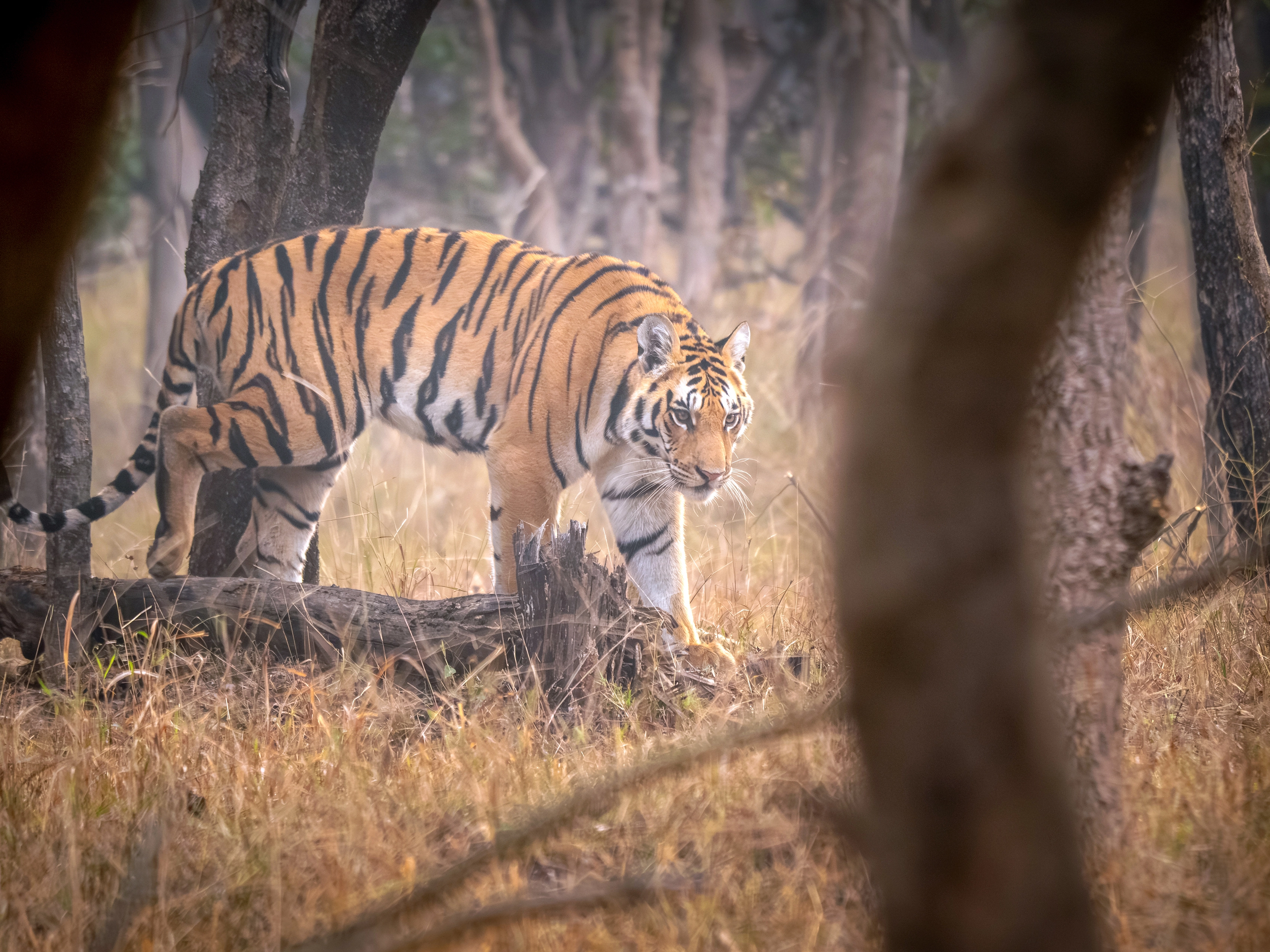
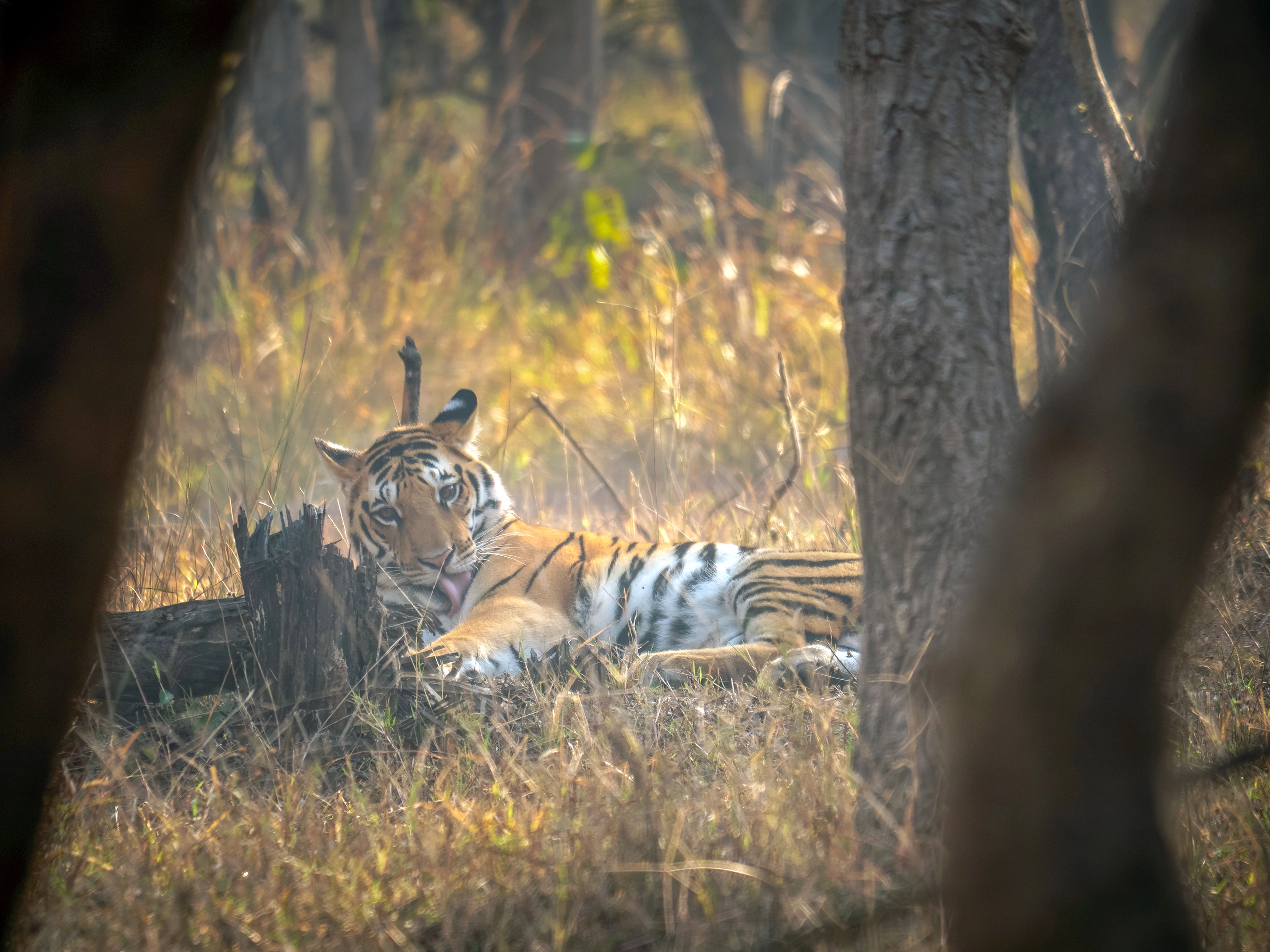
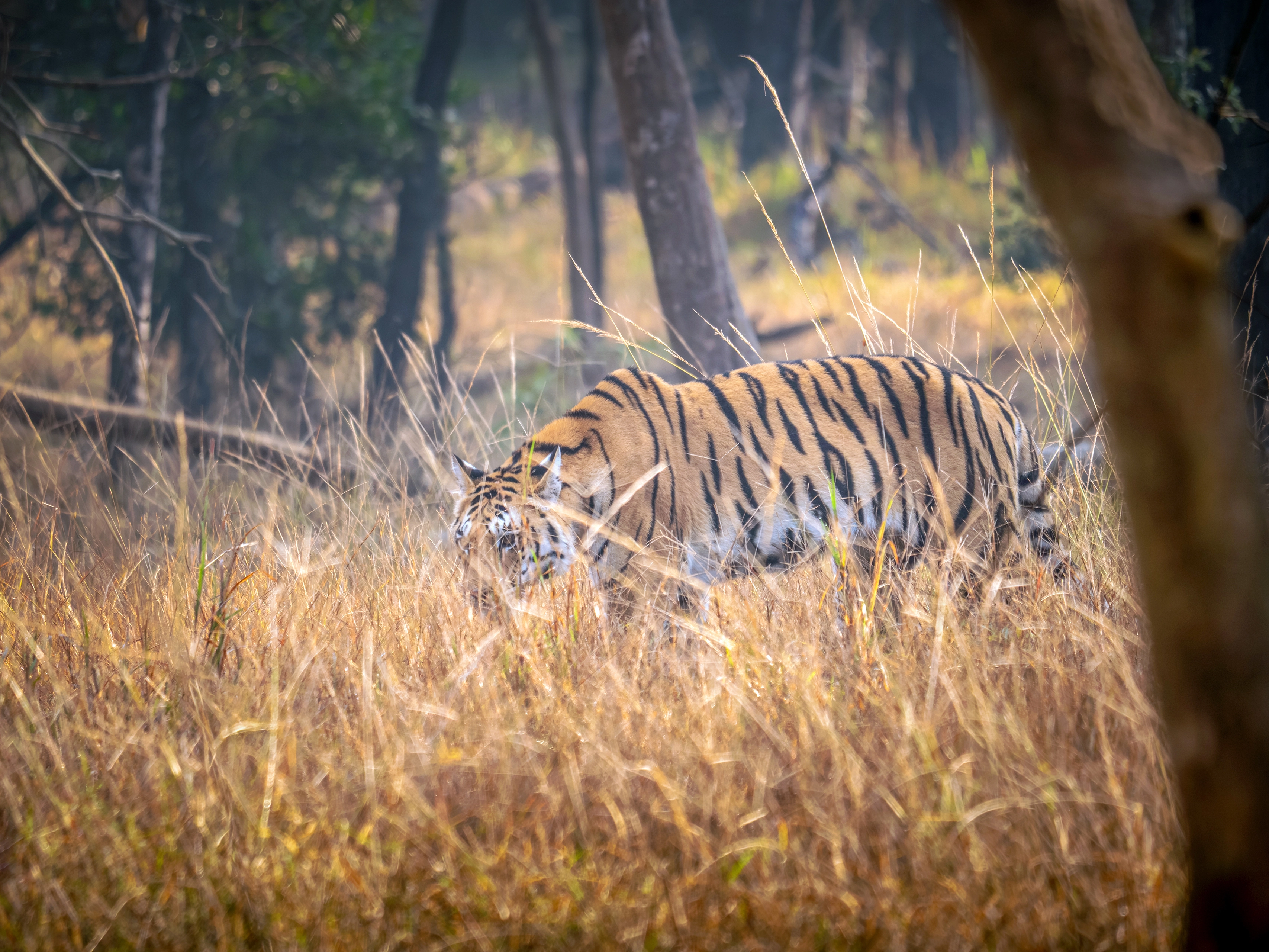
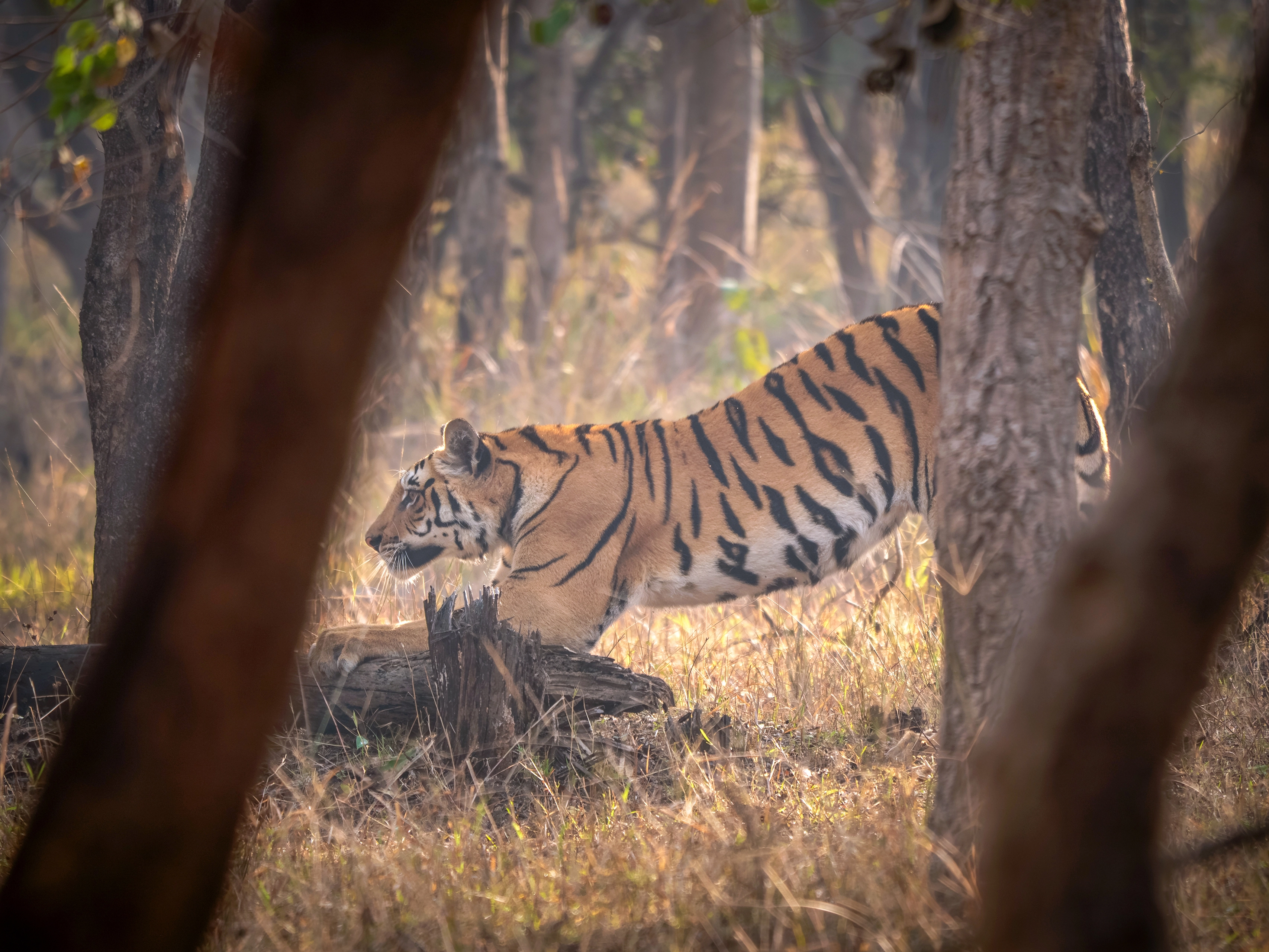
On the last of my three days inside Pench, with no tiger sightings up until that point, we were exploring a deeper area of the Turia zone, where grasslands and dry teak forests intersect. There, we came across two tiger cubs resting in the shade, each a few hundred feet apart, but close enough to the road that we were able to spend some quality time observing and photographing them.
Tiger Cubs
After a very eventful and wildlife-packed three days in Pench, I embarked on what is normally a 4-5 hour drive to Kanha National Park. However, on this day, it seemed like my driver was in a race against time itself. The journey ended up taking only about 3.5 hours, as we sped through rural villages and hilly terrain with the determination of a Formula One driver.
It was now time for the second half of my six-day national park journey through Madhya Pradesh, spending the next three days inside the incredible Kanha National Park.
Kanha National Park has a similar assortment of flora and fauna to Pench, but with some notable differences. Pench features a drier, more open landscape, with patches of grassland and teak forest. Kanha, in contrast, is slightly lusher and more diverse. The sal forests here are denser and are interspersed with grassy clearings that support large grazing herbivores. Overall, the forests feel thicker, more enclosed, and greener due to increased moisture.
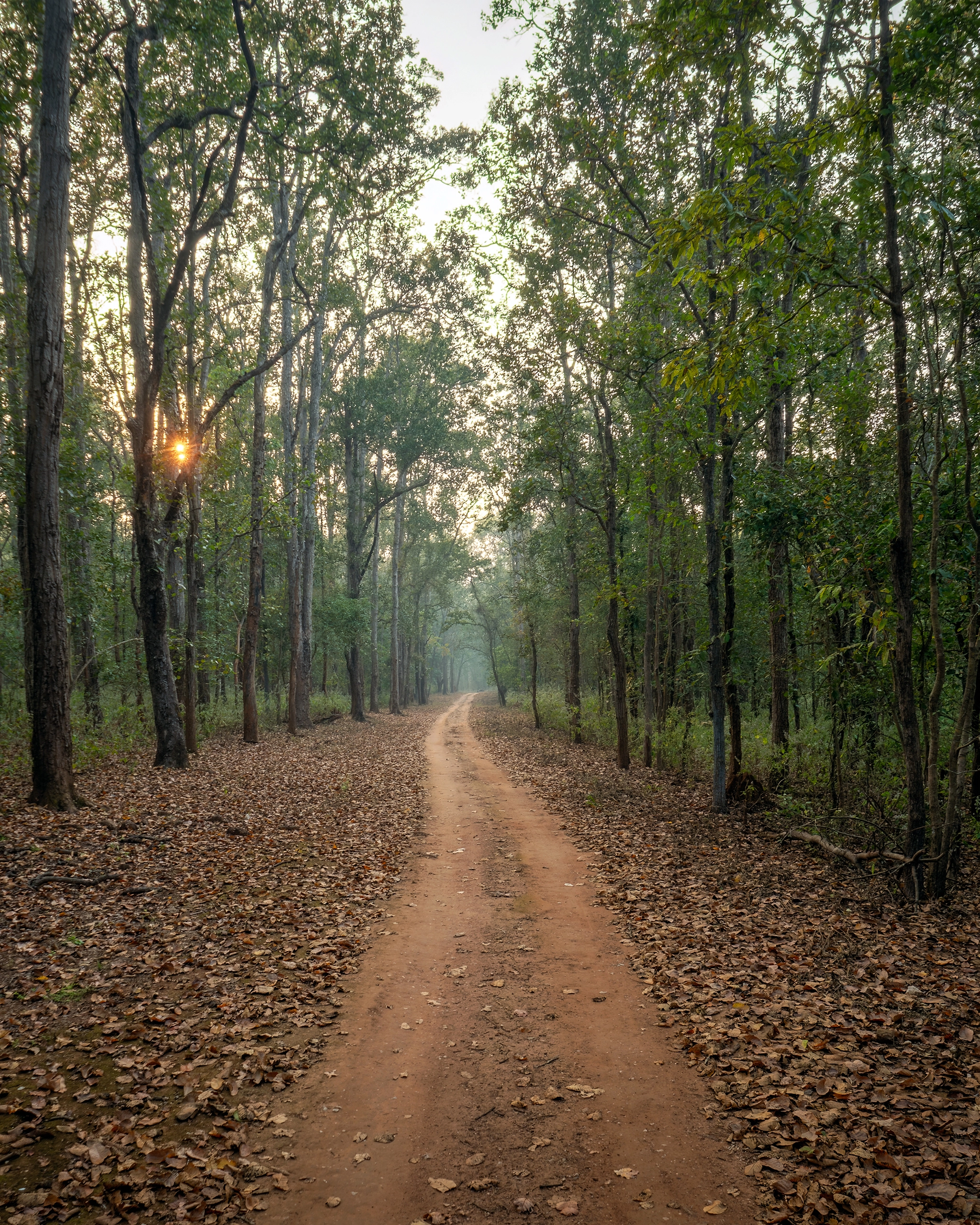
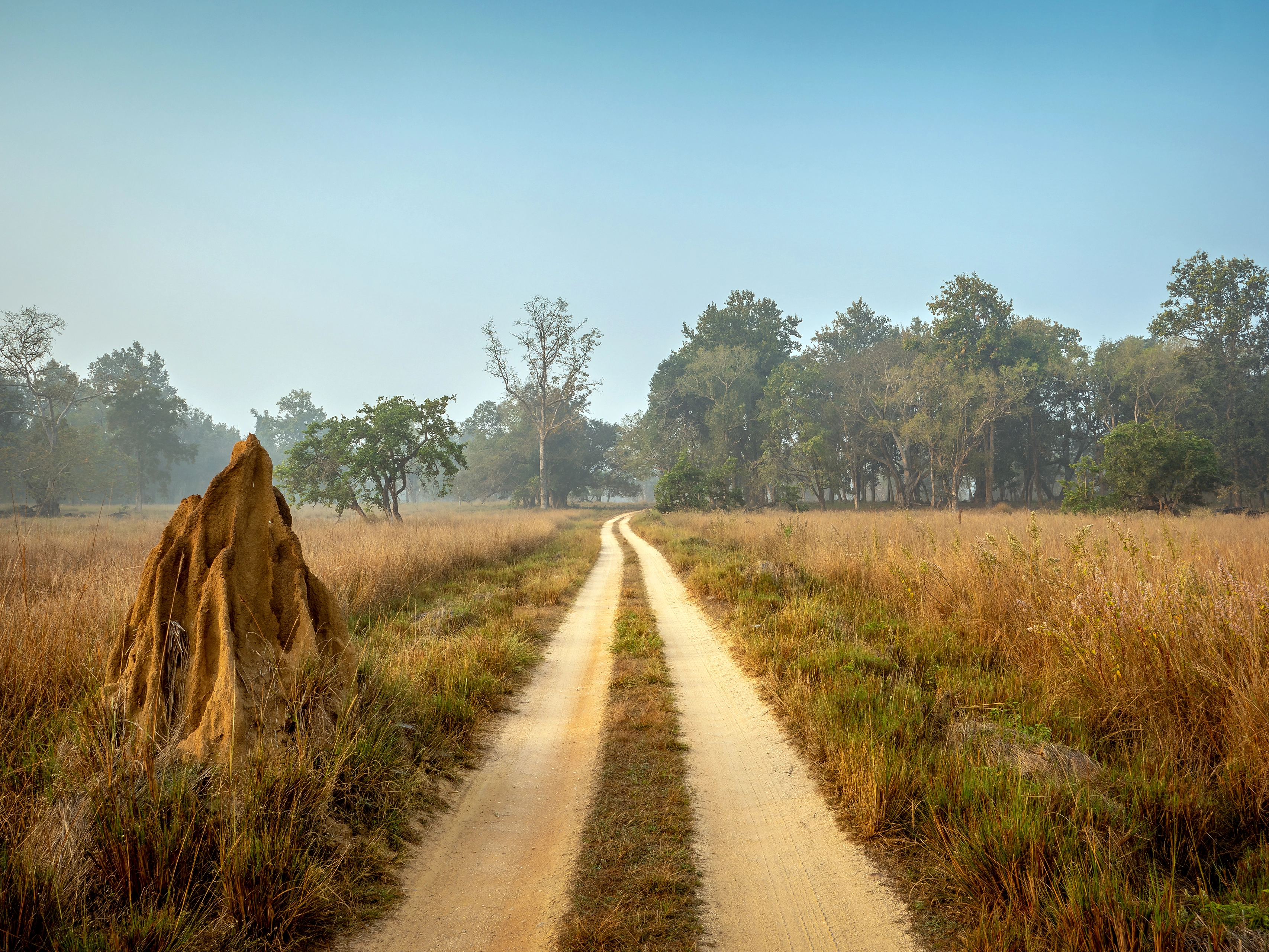
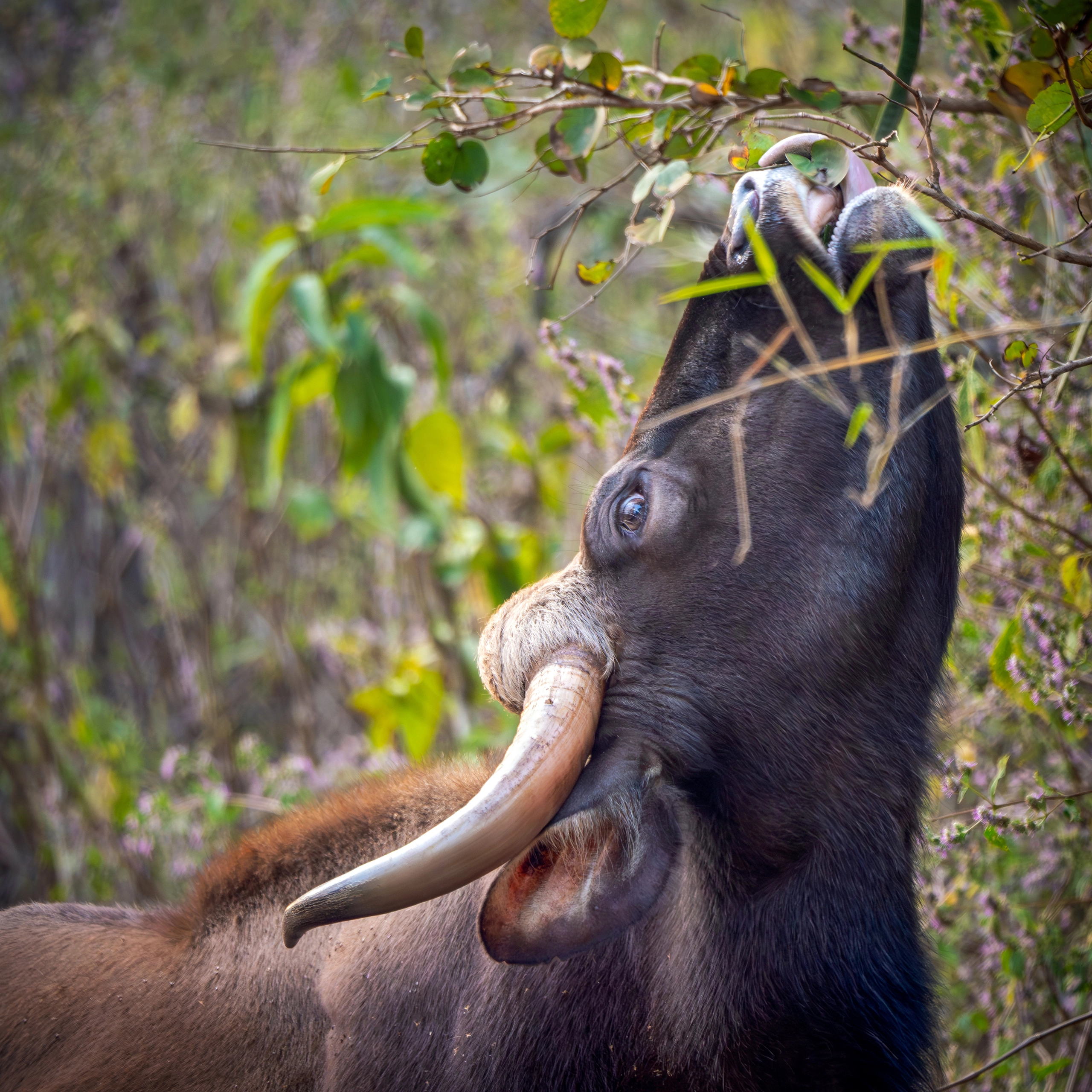
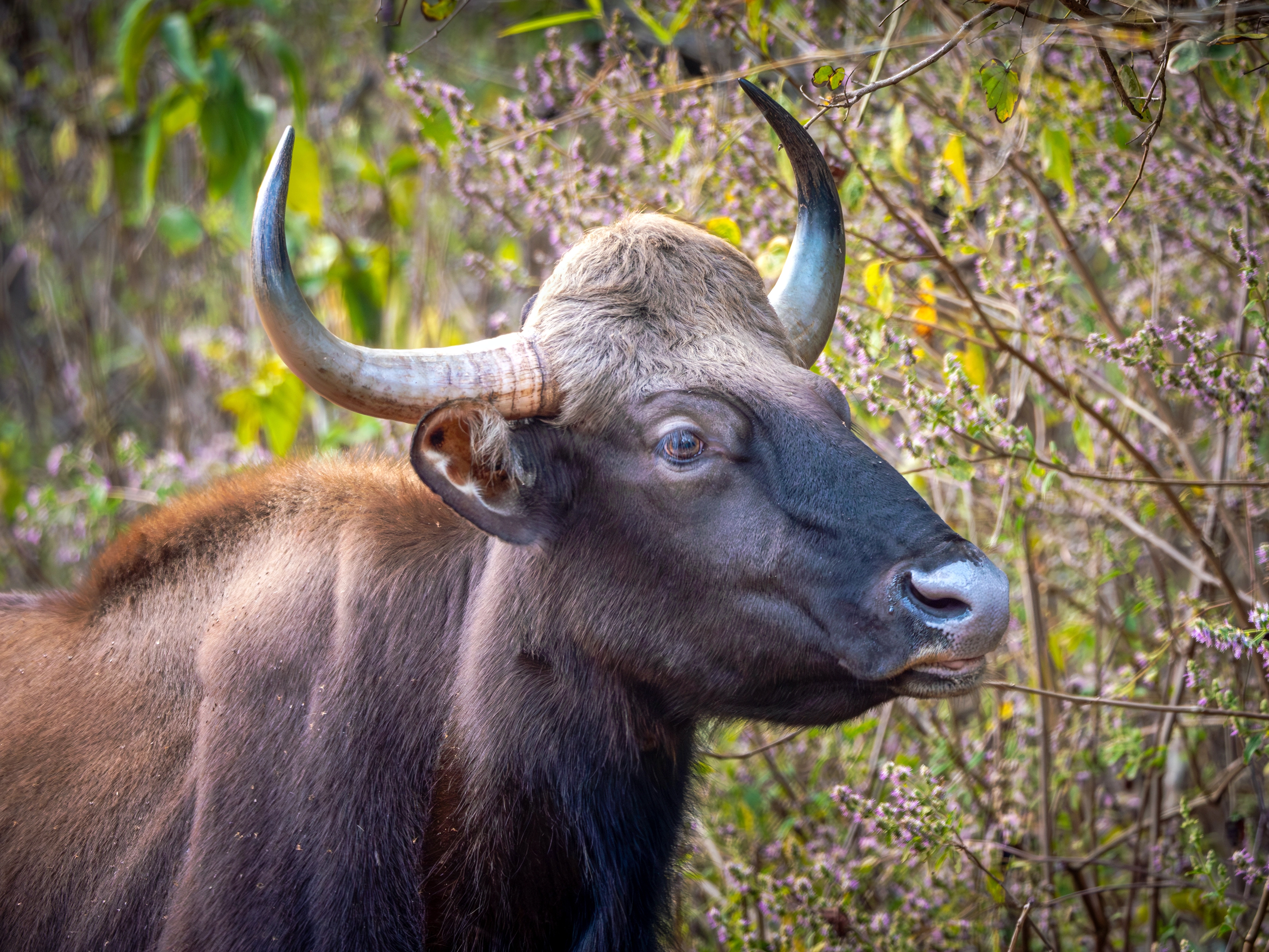
The core wildlife in Kanha closely resembles that of Pench, as both are part of the central Indian ecosystem. Species include Bengal tigers, leopards, dholes (Indian wild dogs), spotted deer, sambar deer, wild boar, and gaur, among others. Some key differences are that leopards are more commonly seen in Pench, while gaur populations are larger in Kanha.
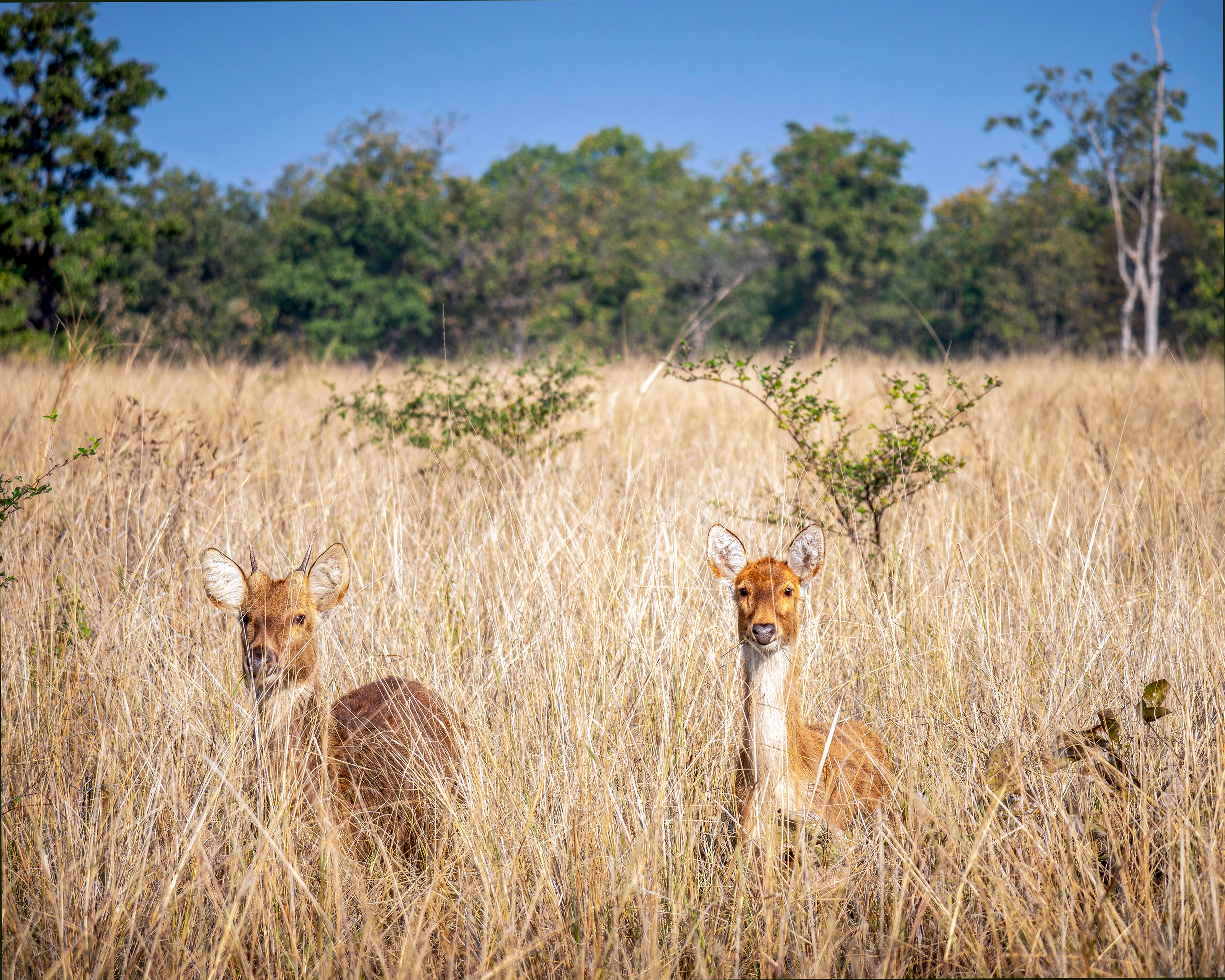
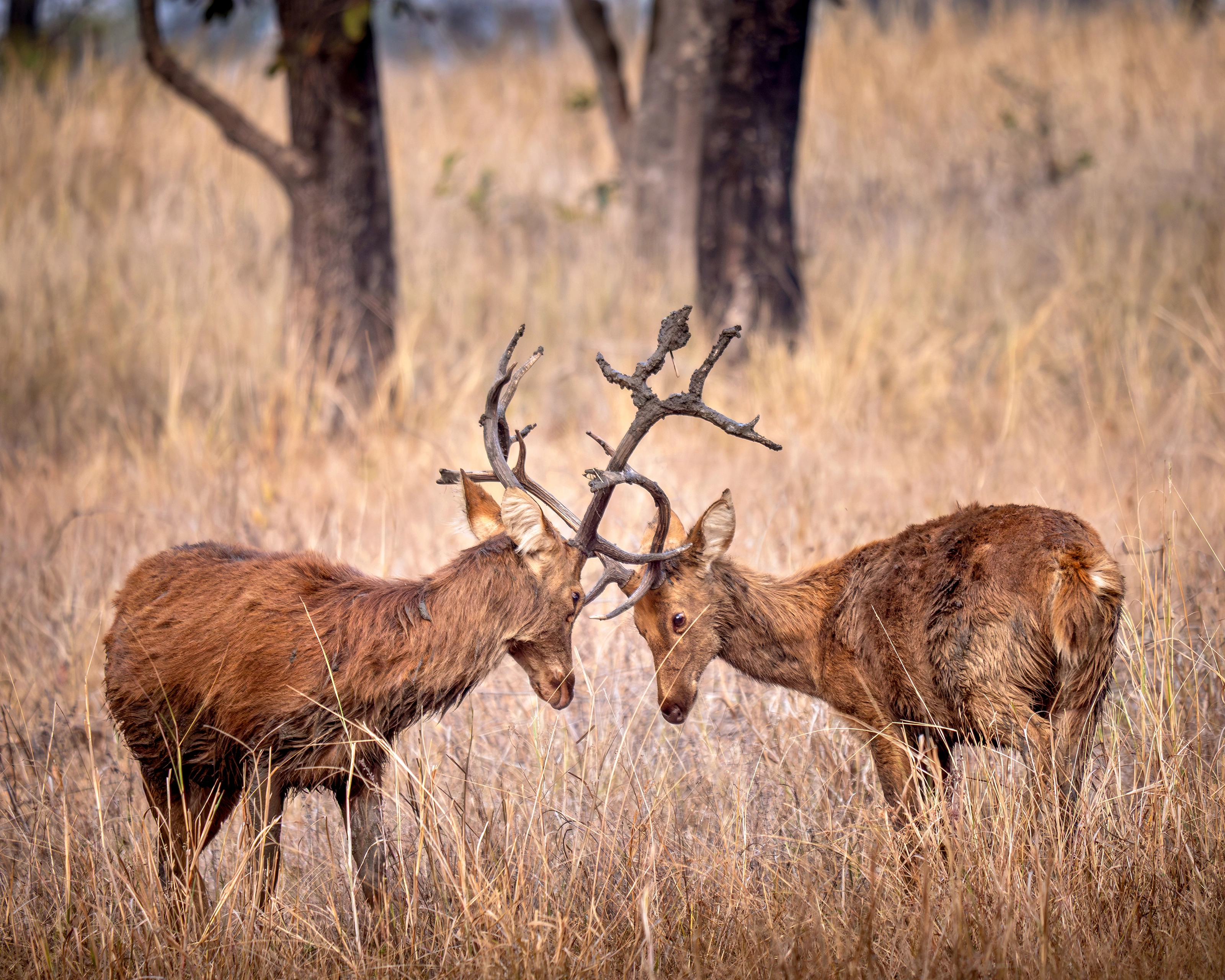
A major distinction between the two parks is the presence of barasingha (swamp deer), which are found almost exclusively in Kanha.
Barasingha once faced near extinction due to the destruction of their natural habitat, primarily swampy grasslands and meadow systems. In the 1970s, Kanha established a conservation program that restored and protected these habitats, allowing the population to recover from just 66 individuals to over 1,000 today.
Barasingha stags engage in controlled sparring as a way of assessing strength, interlocking antlers and applying pressure gradually. The goal is not to injure, but to establish dominance hierarchies before peak breeding begins. They typically avoid full combat unless absolutely necessary, instead opting for these measured interactions. Only when rivals are evenly matched and neither backs down does true combat occur, and even then, it is quite rare.
Barasingha (Swamp Deer)
Here are some of the other species I encountered inside of Kanha National Park.
Gaur (Indian Bison)
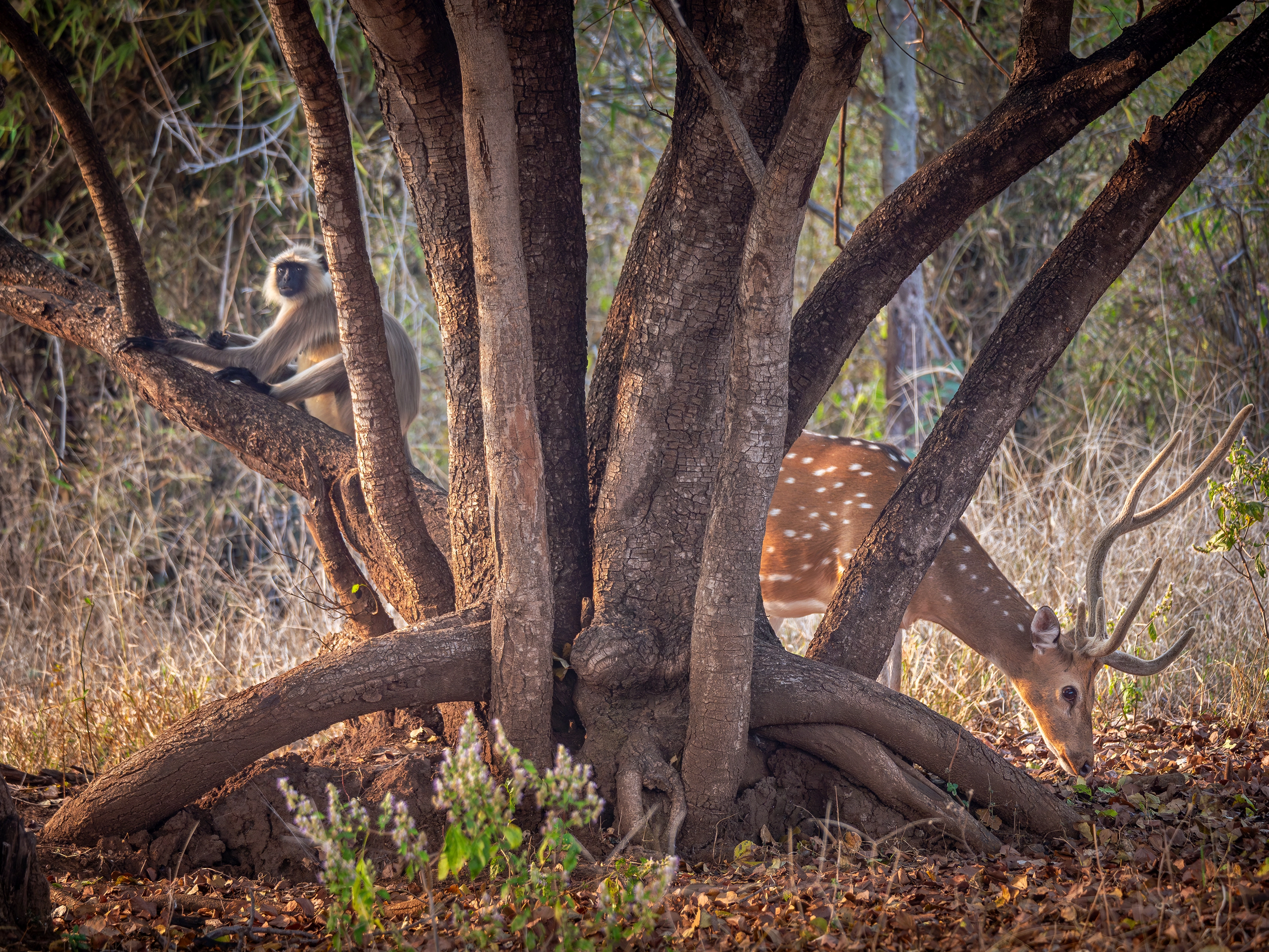
Langur Monkeys
Chital (Spotted Deer)
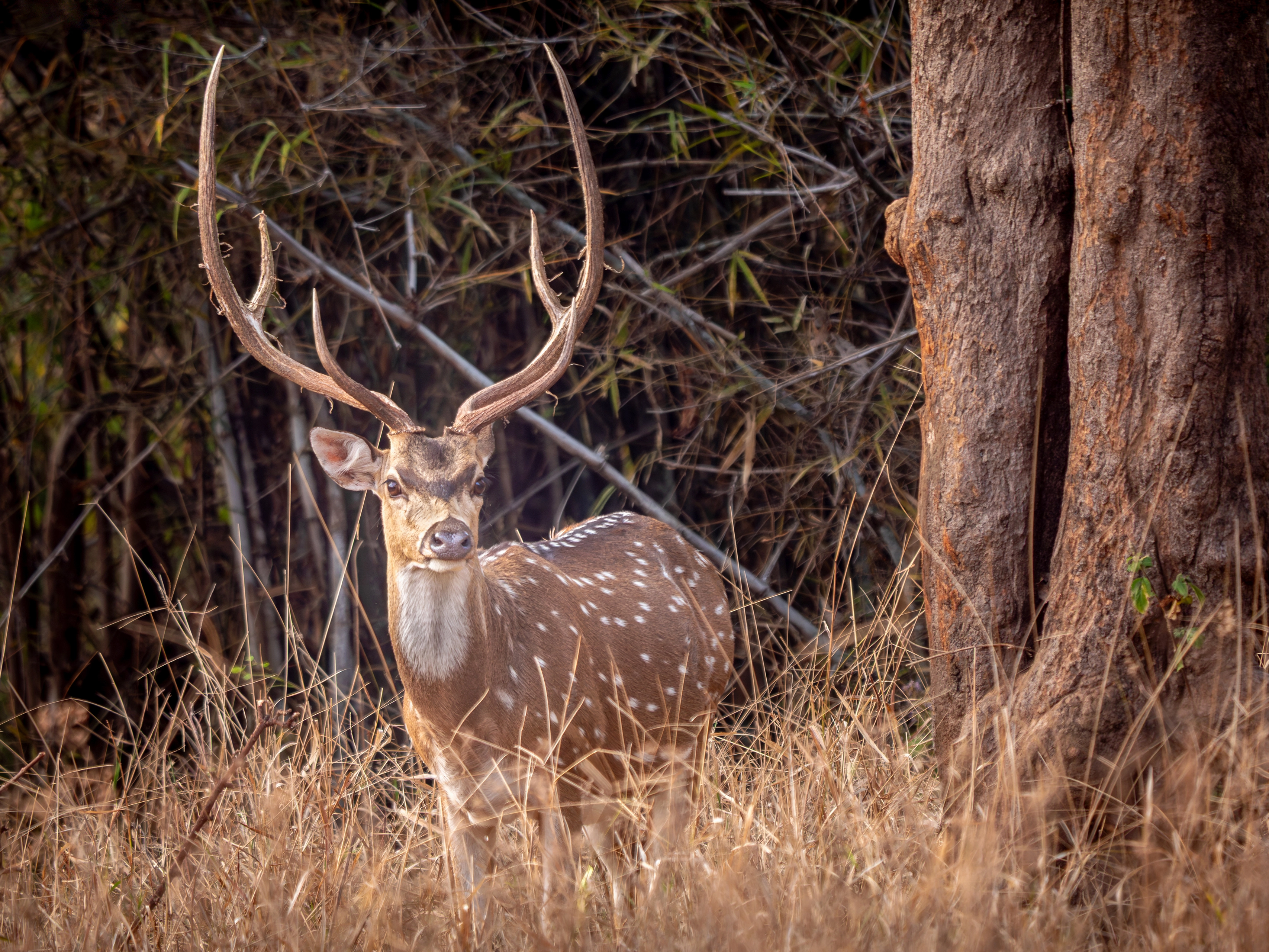
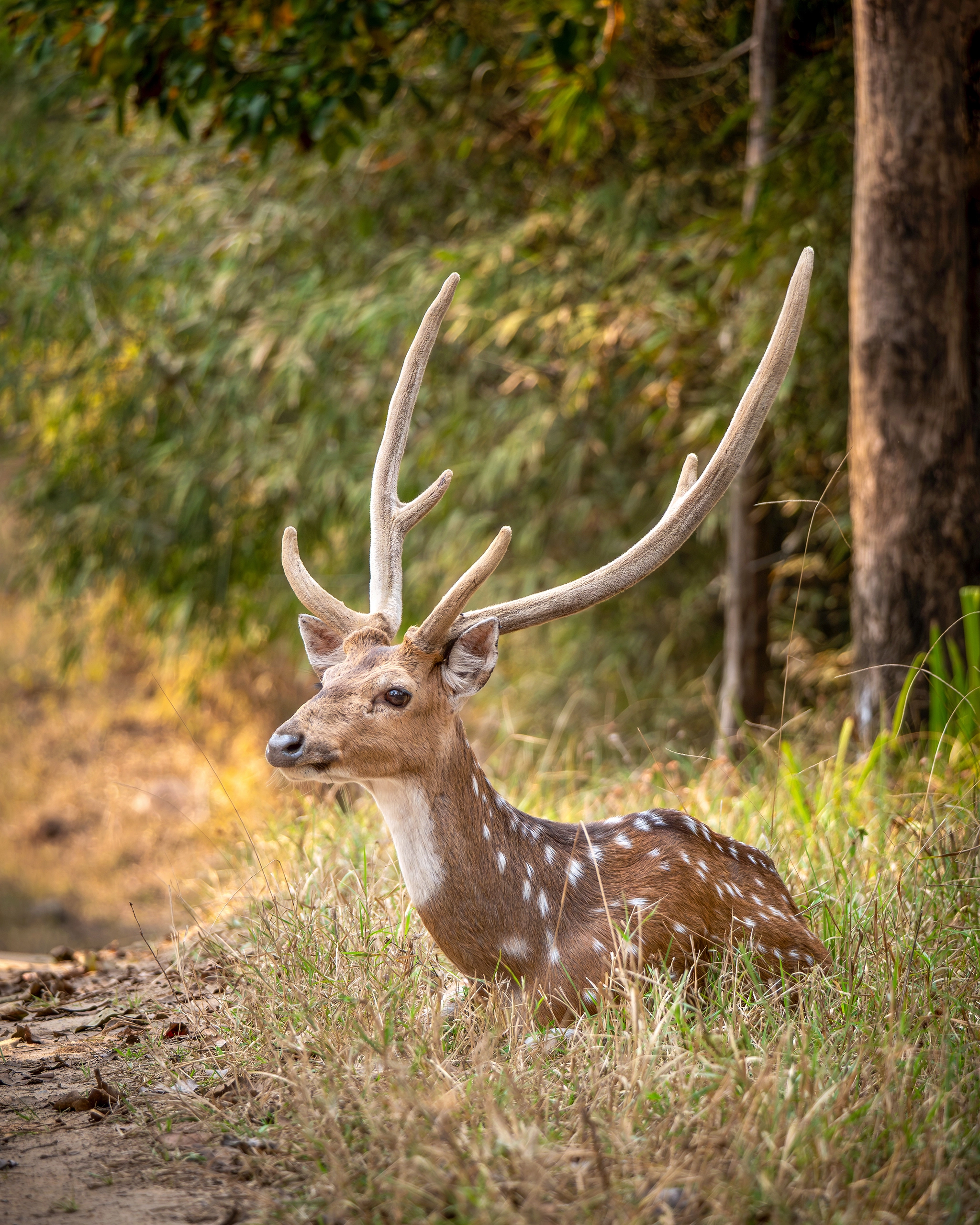
Langur & Chital
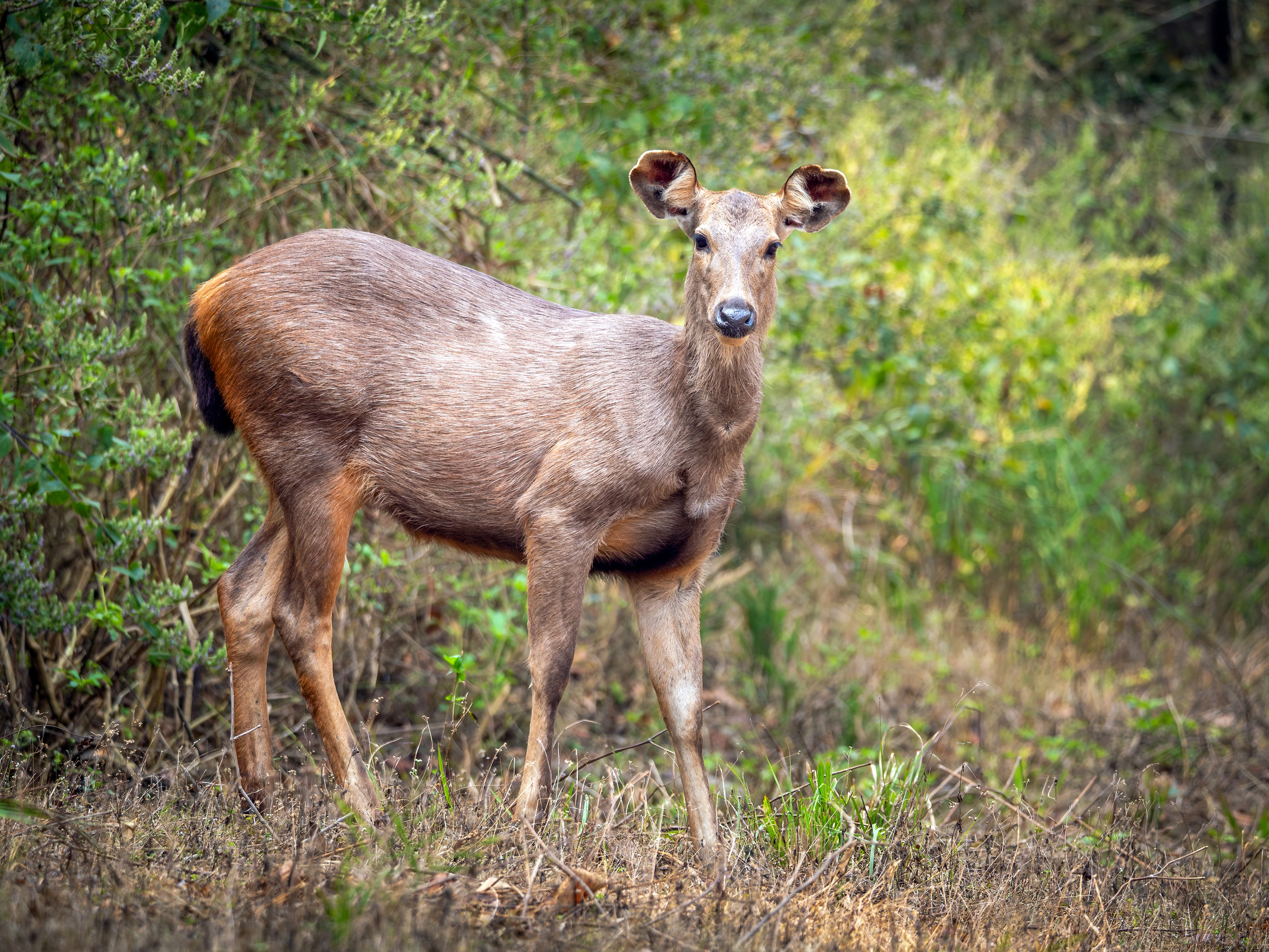
Sambar Deer
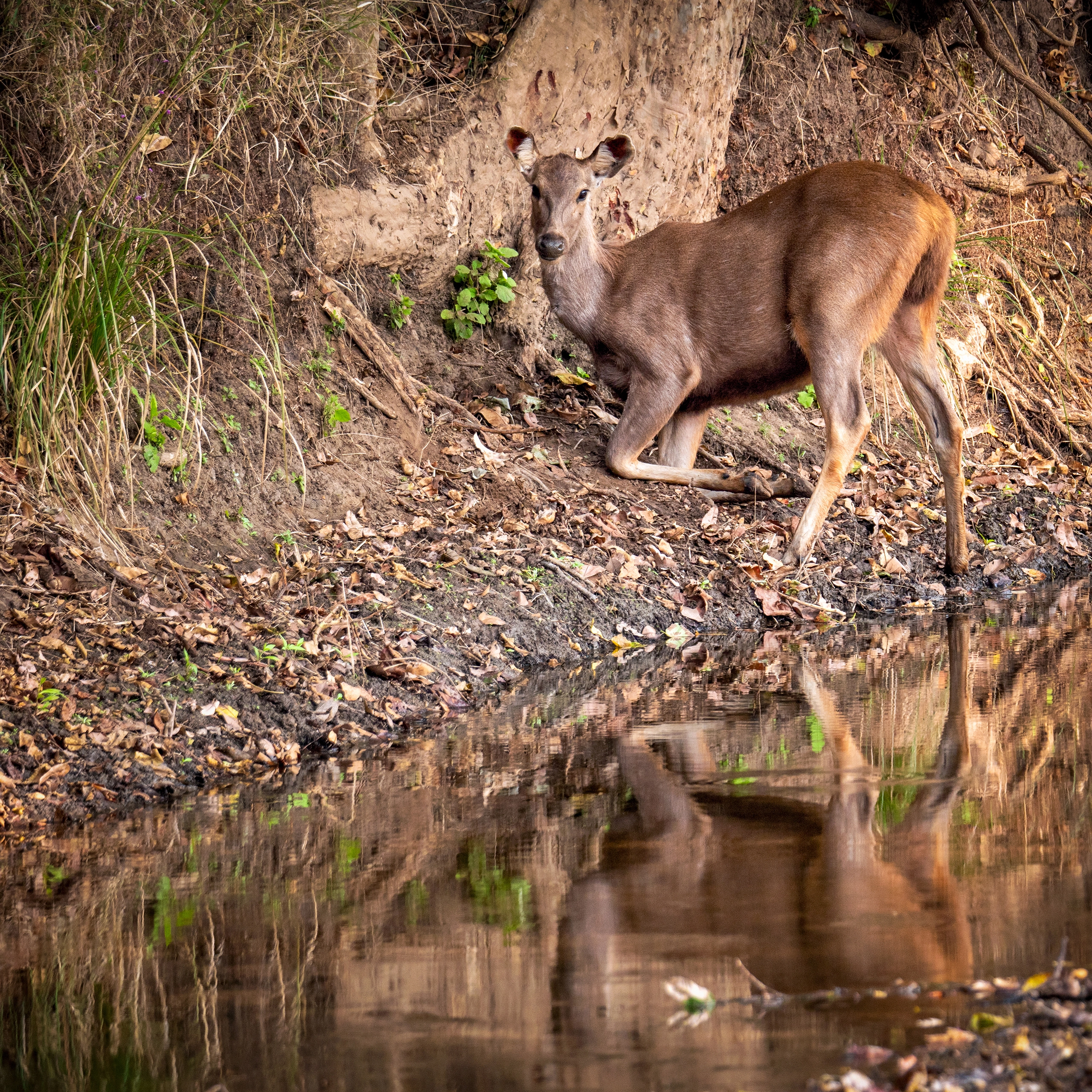
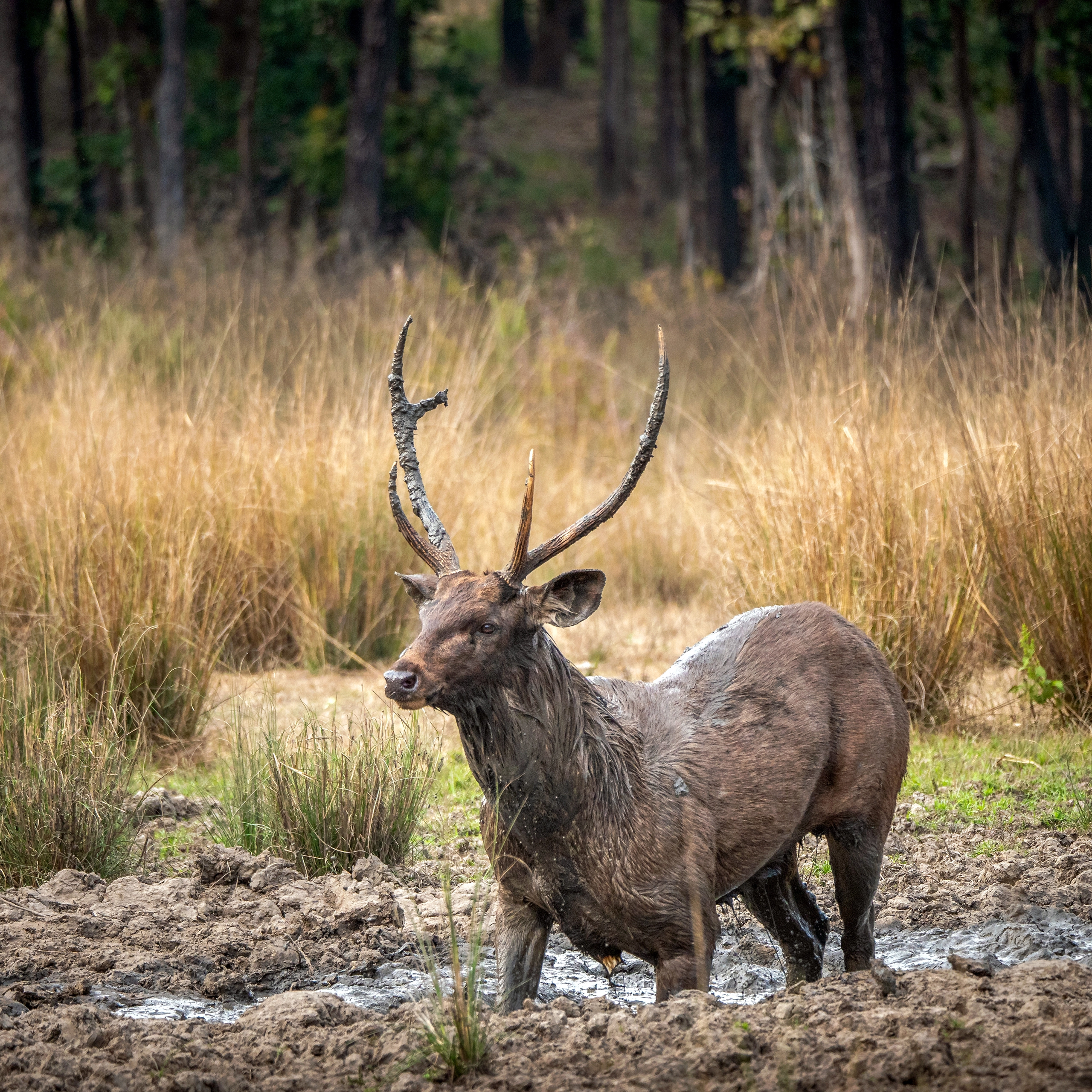
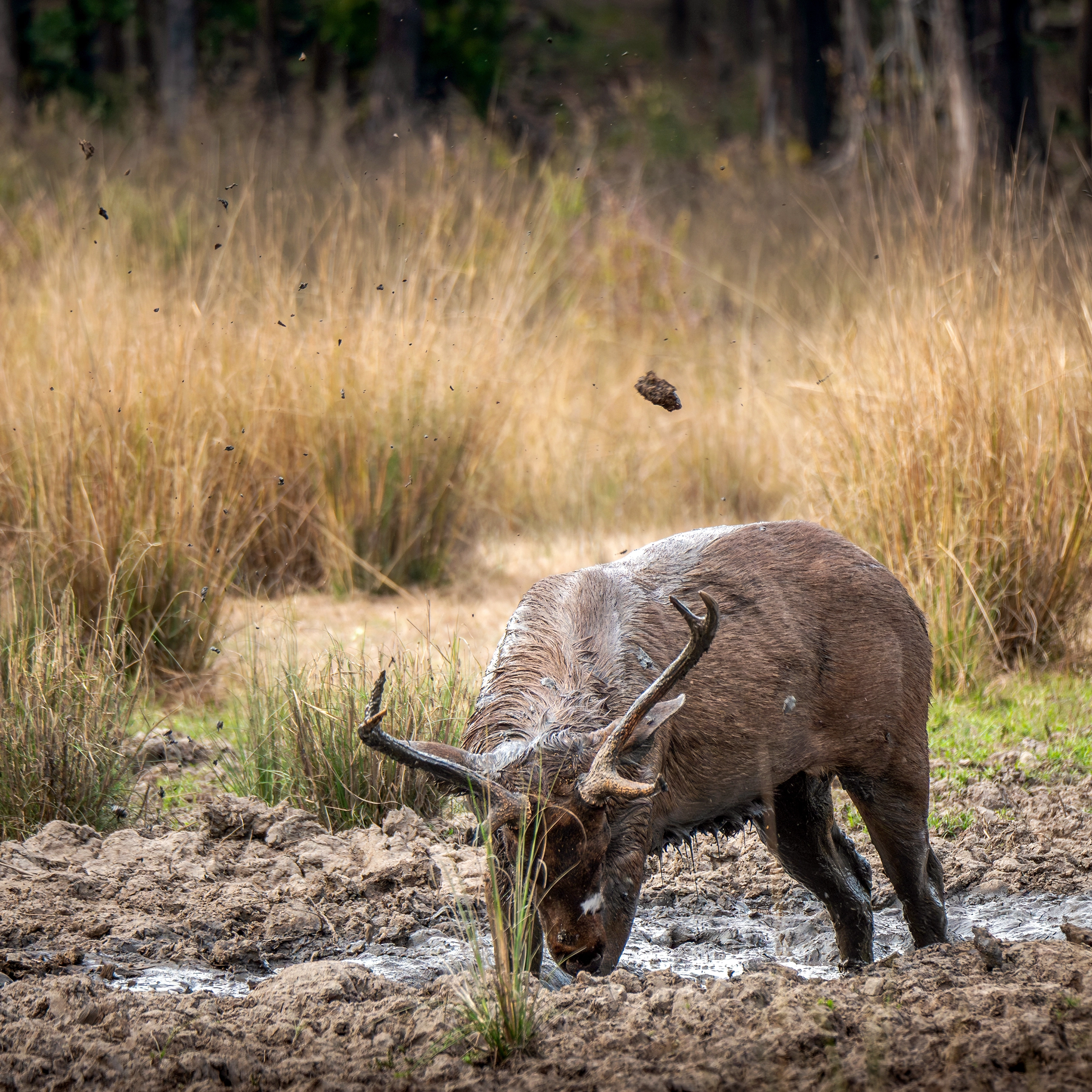
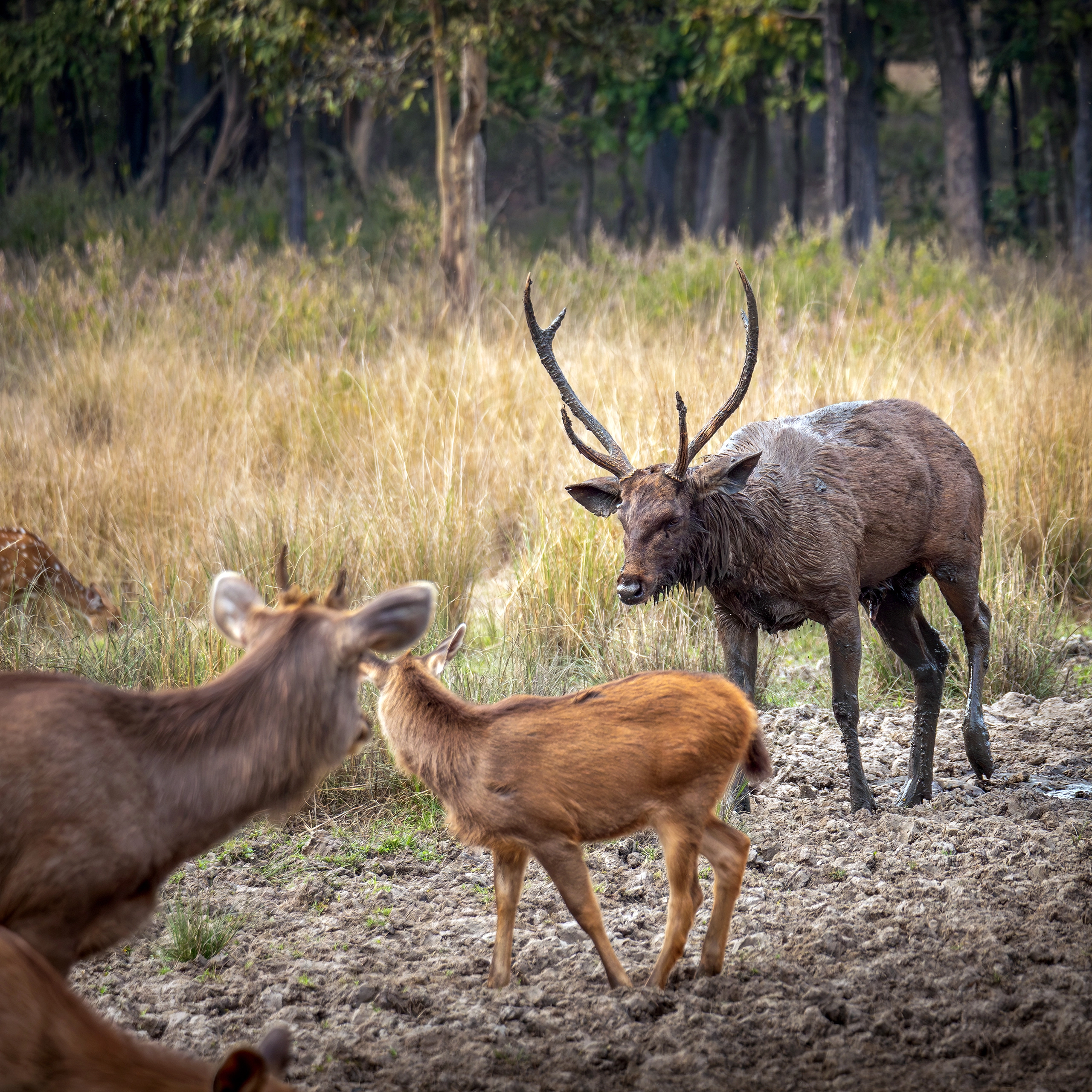
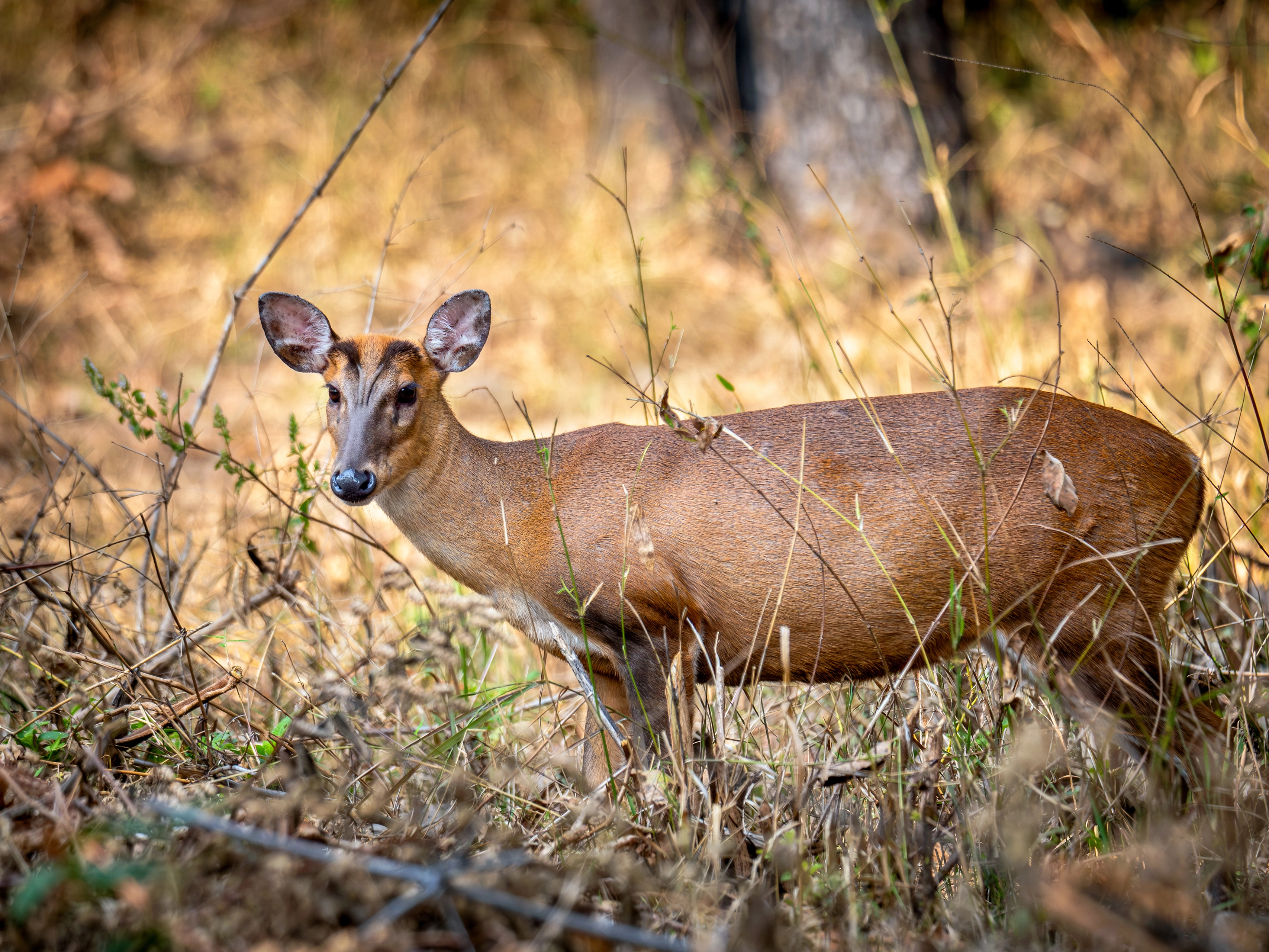
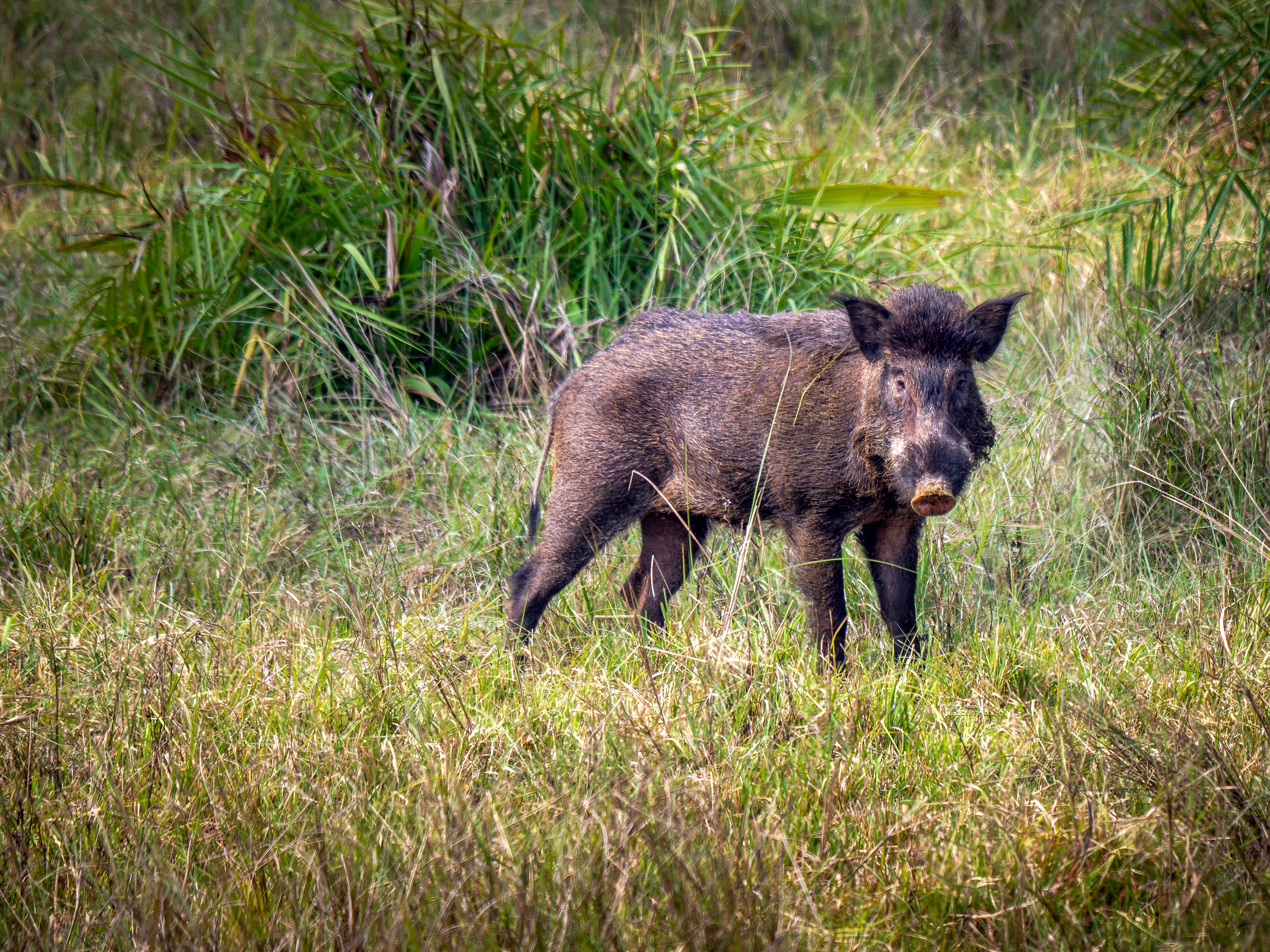
Muntjac (Barking Deer) & Wild Boar
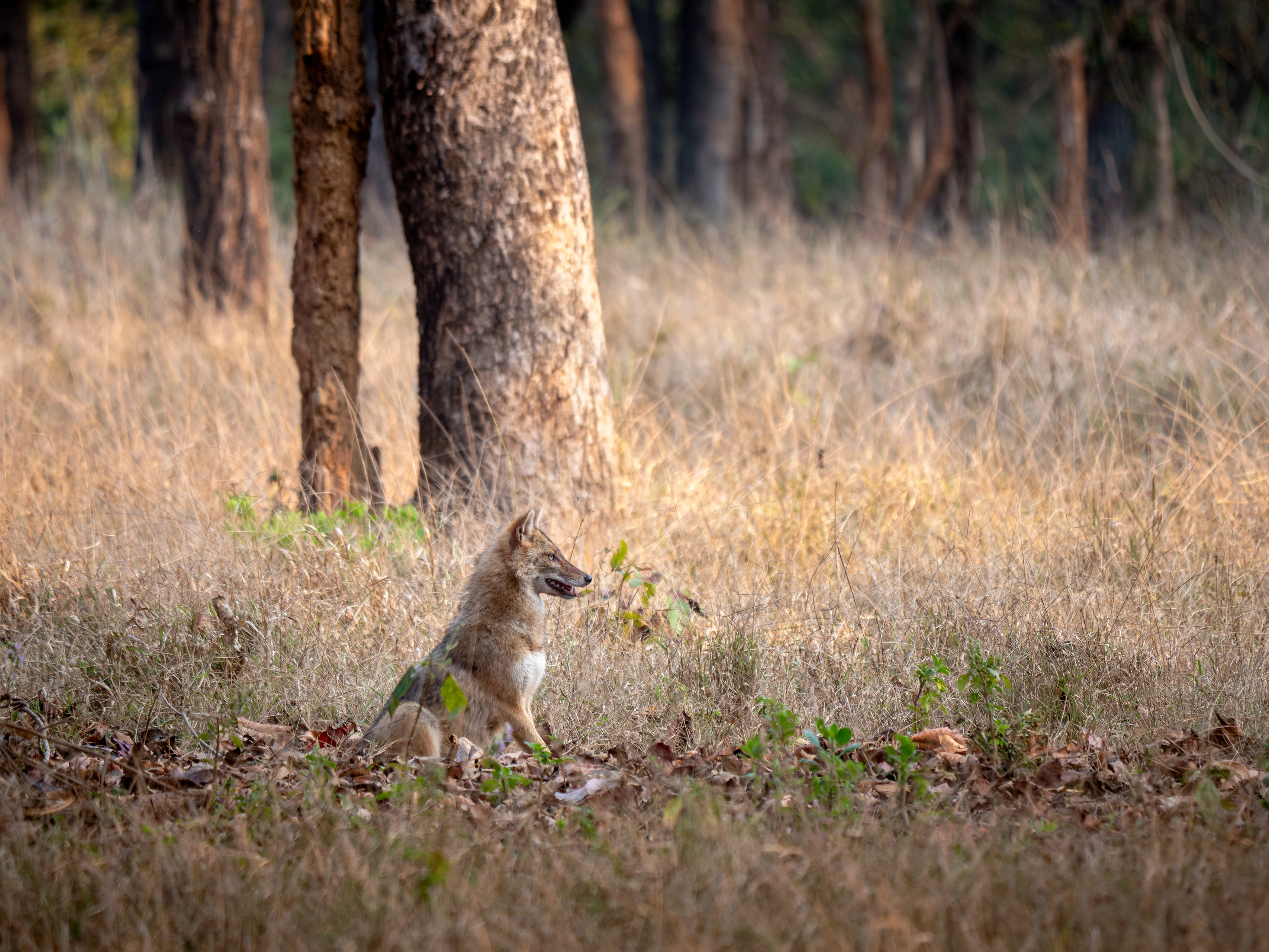
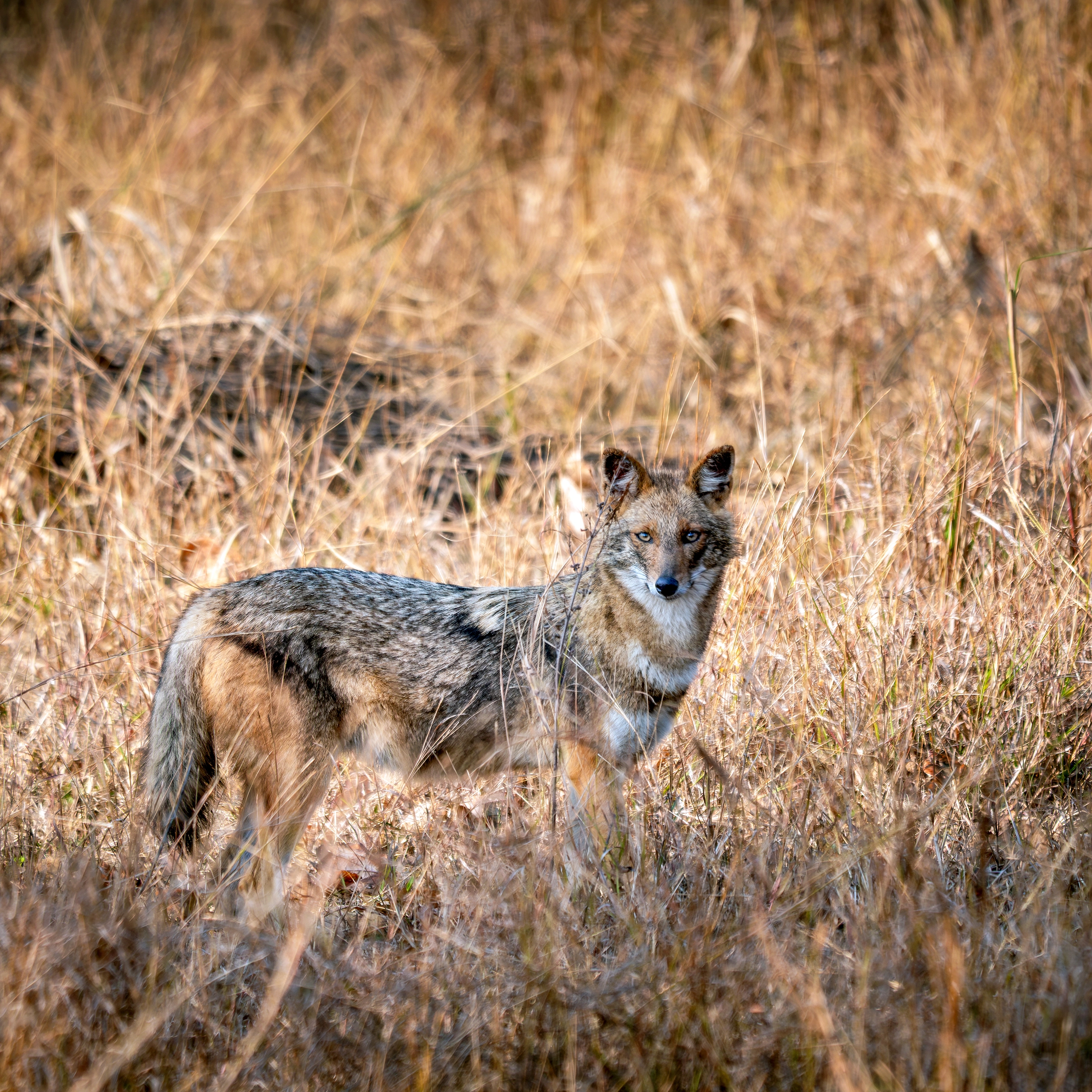
Golden Jackal
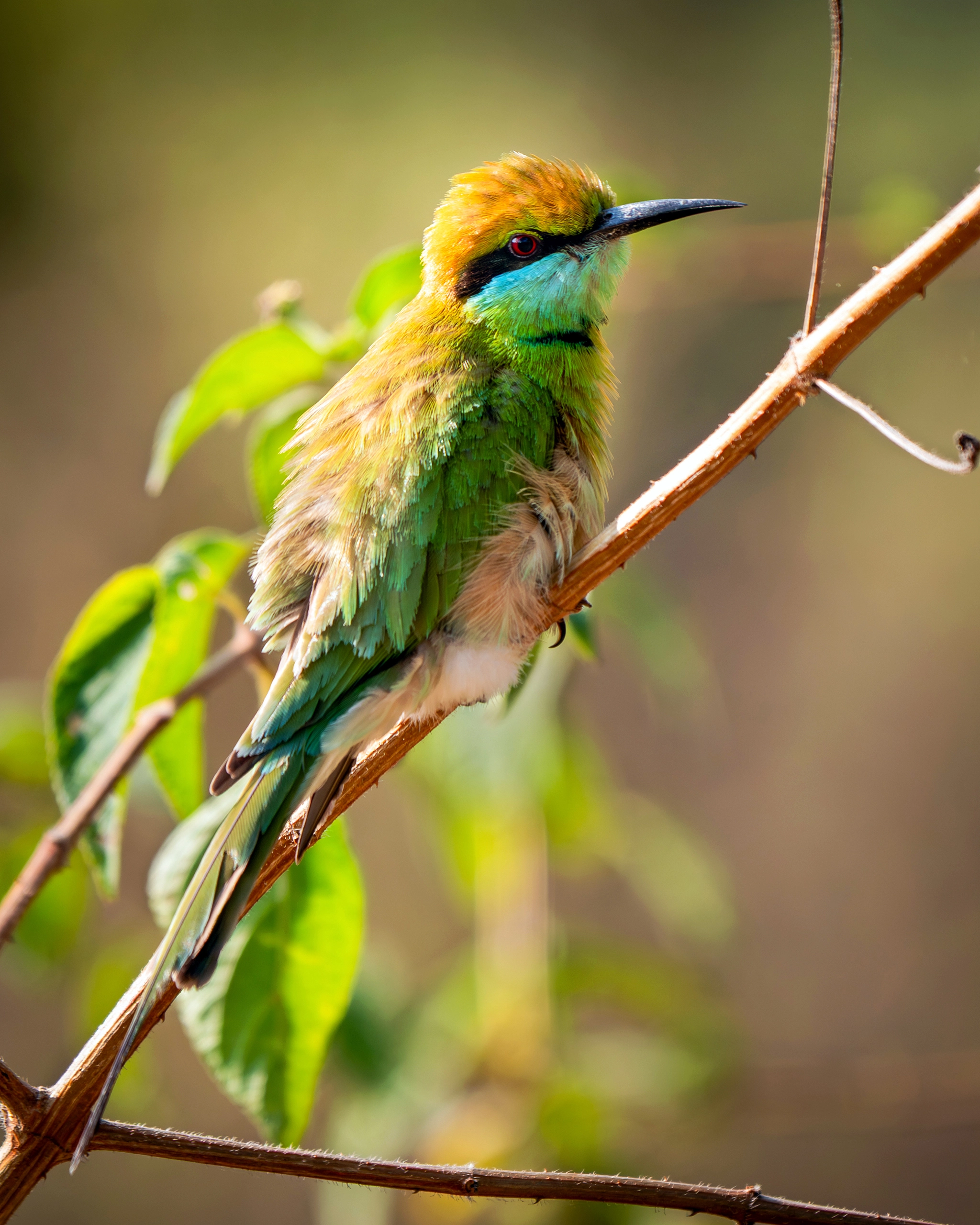
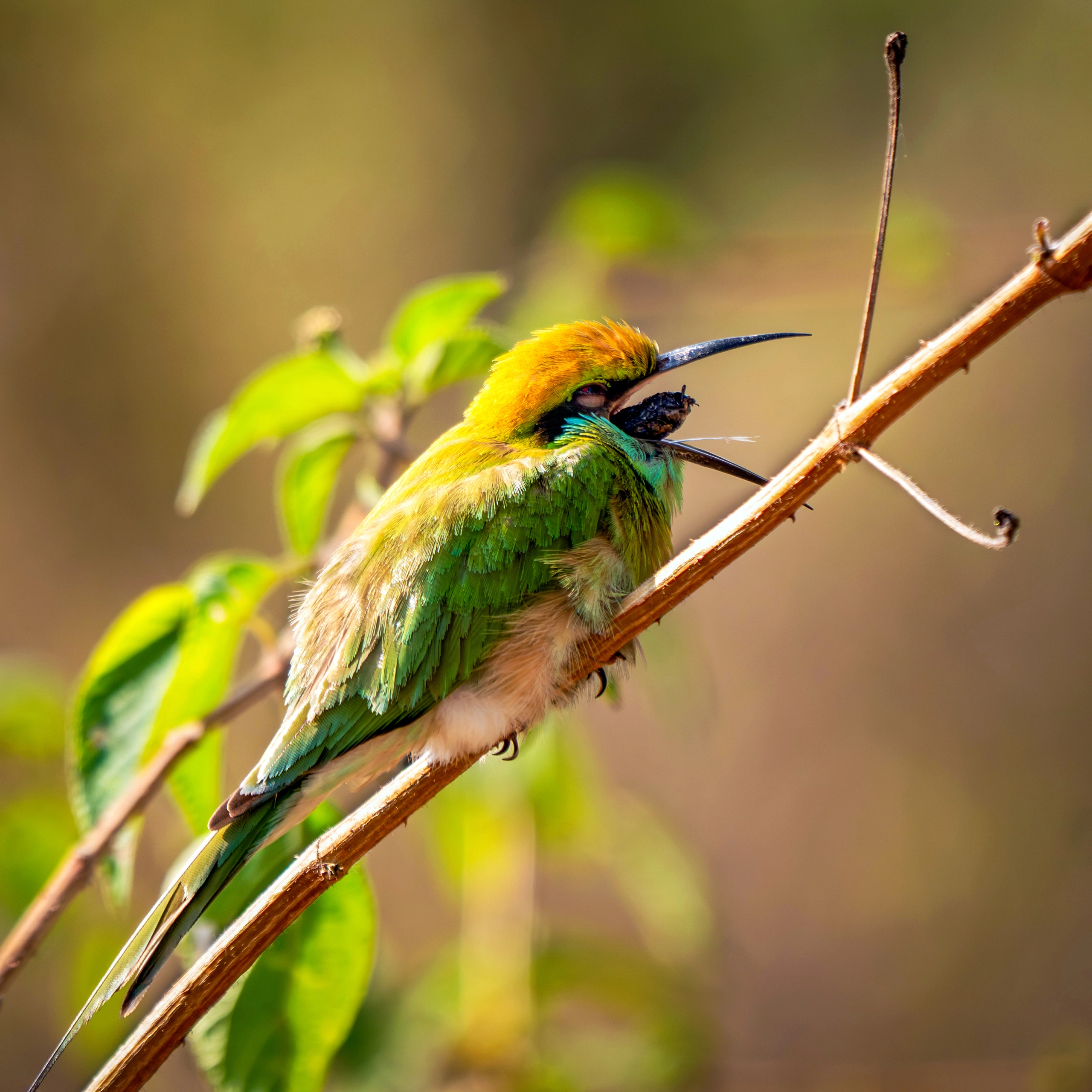
Green Bee-Eater
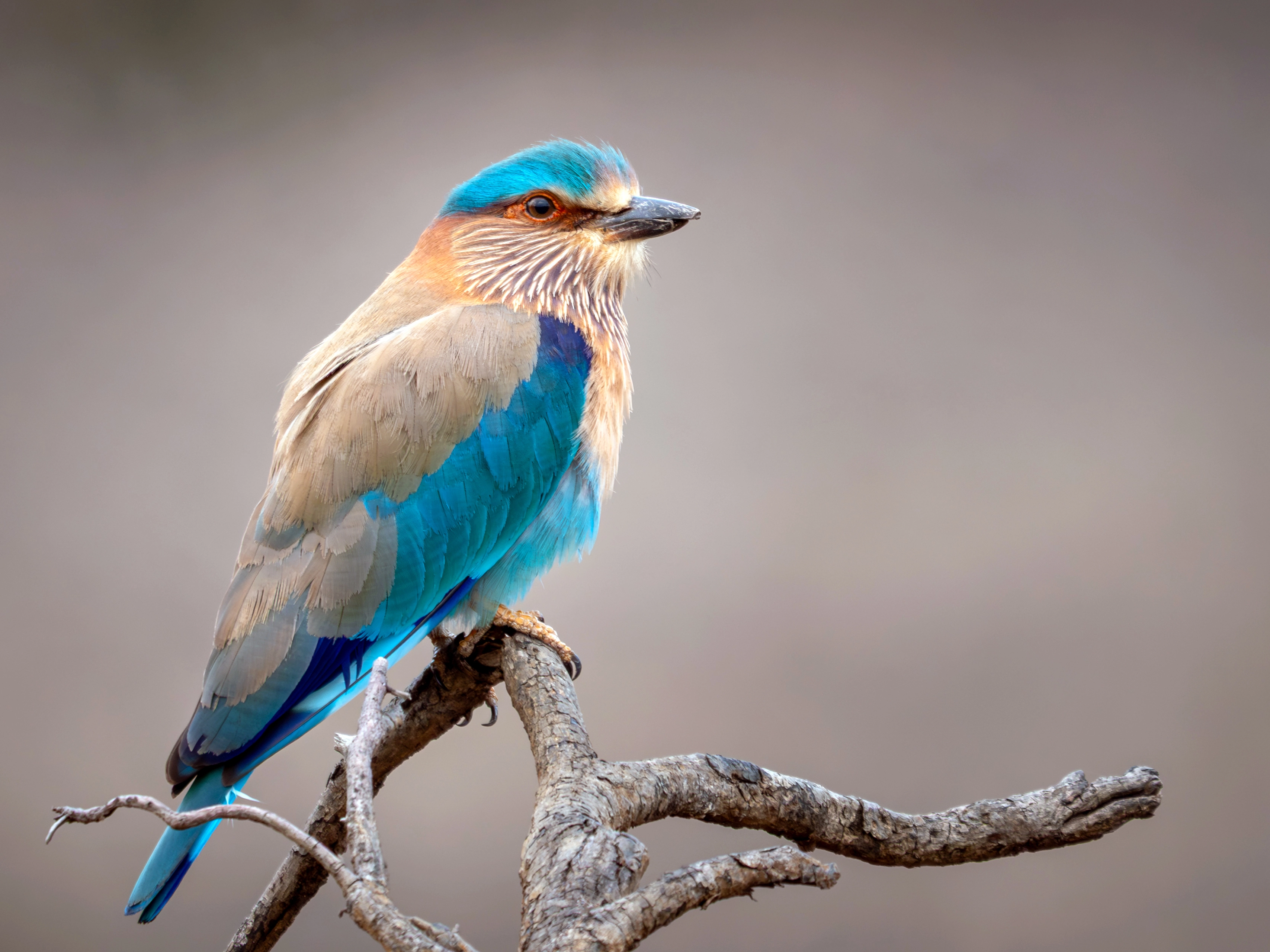
Indian Roller
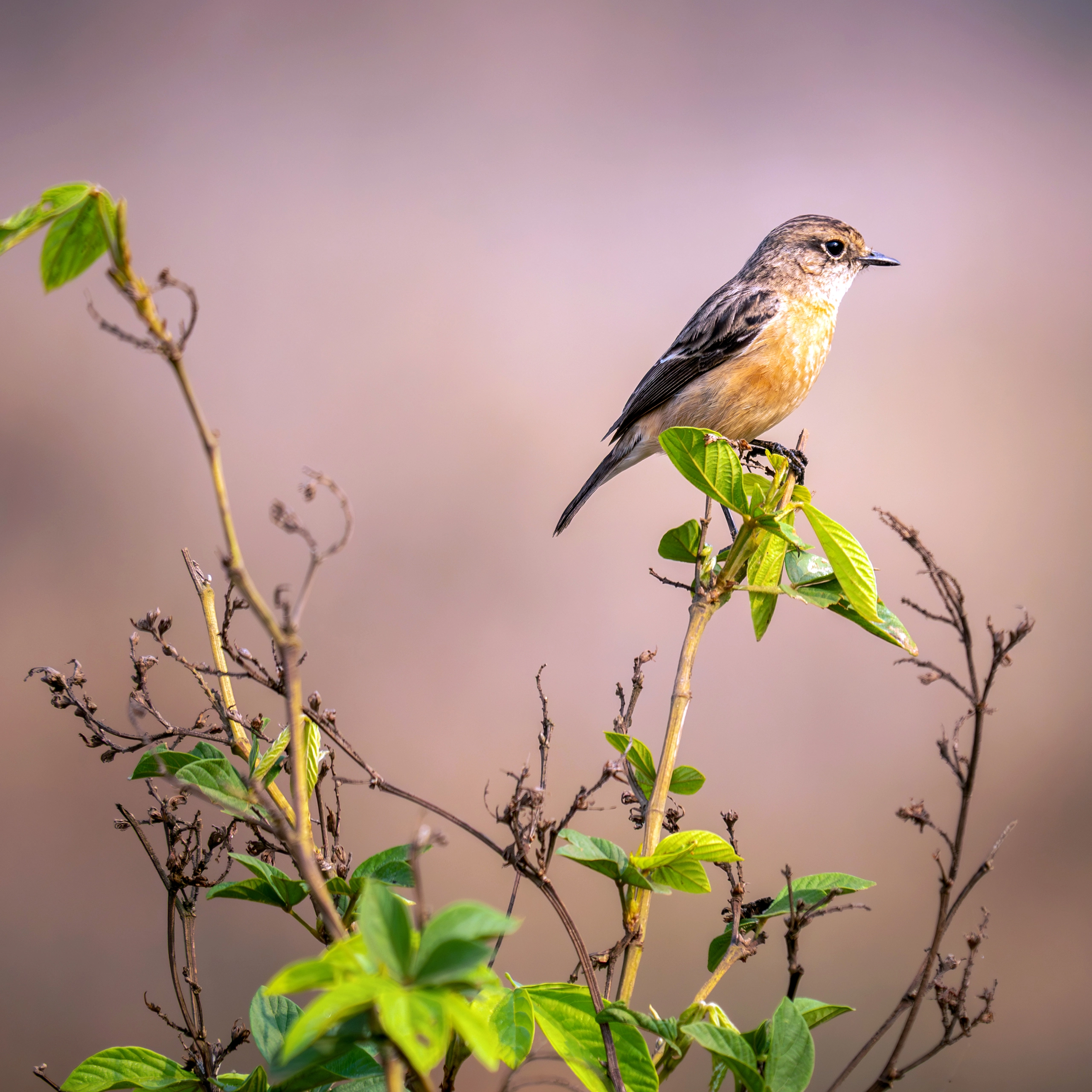
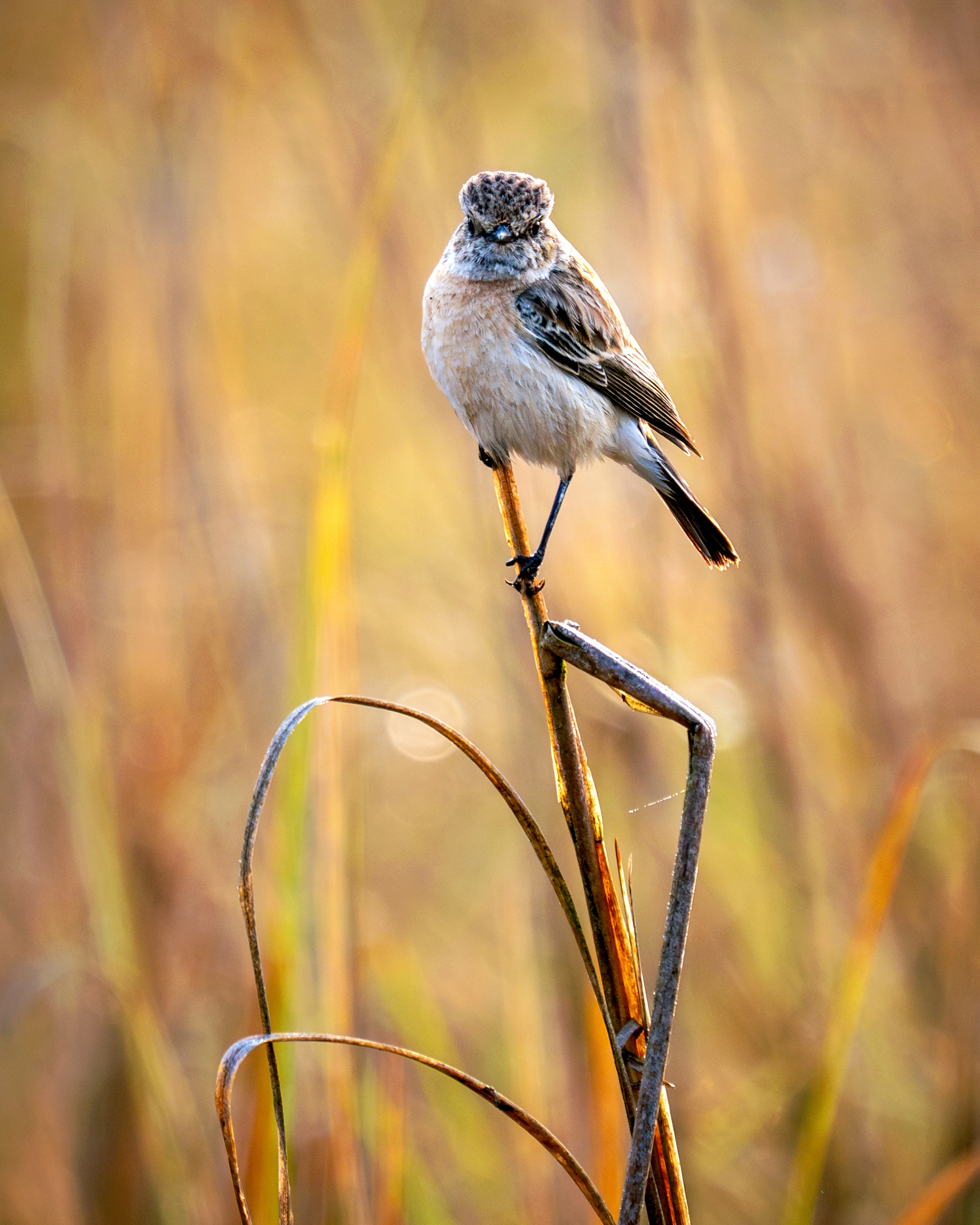
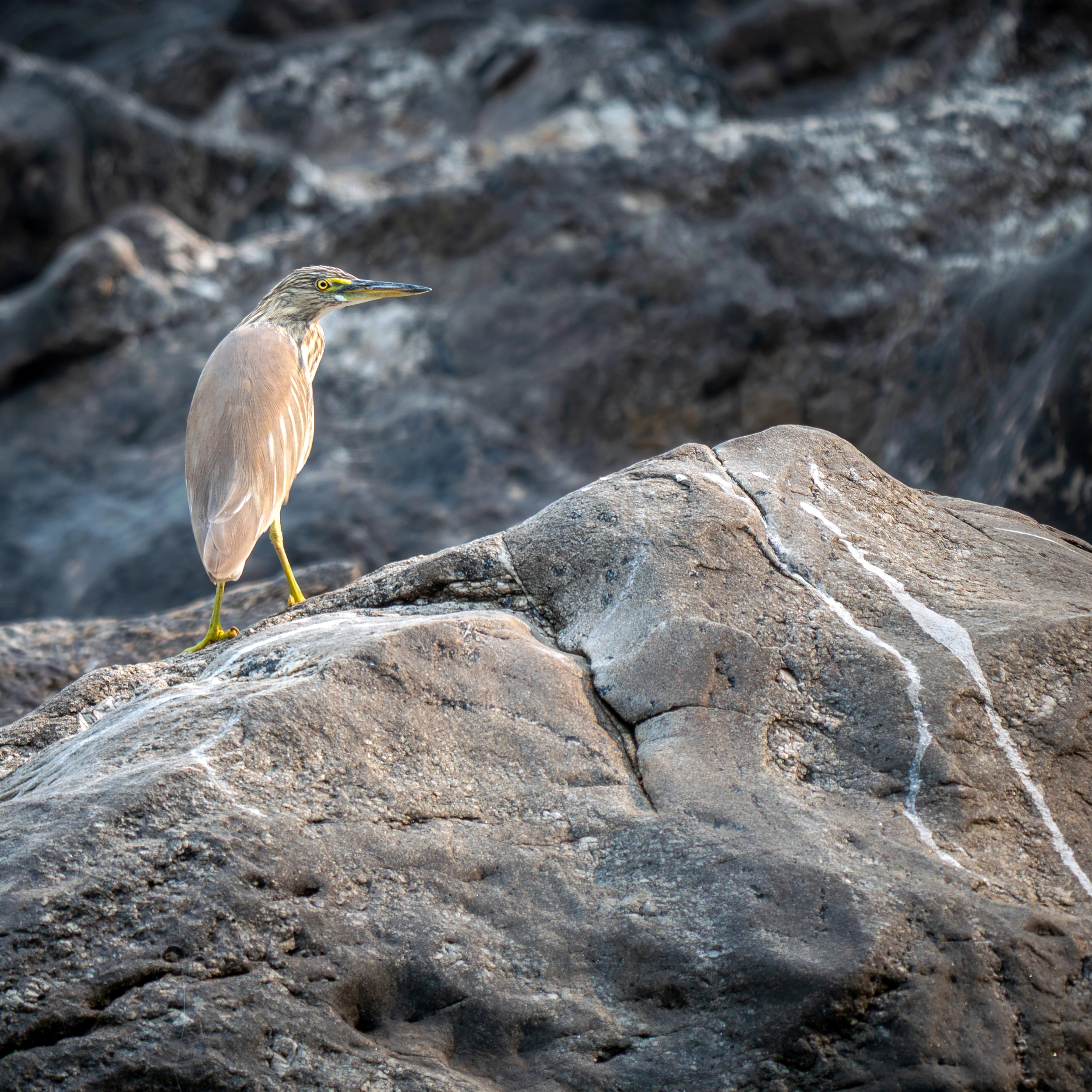
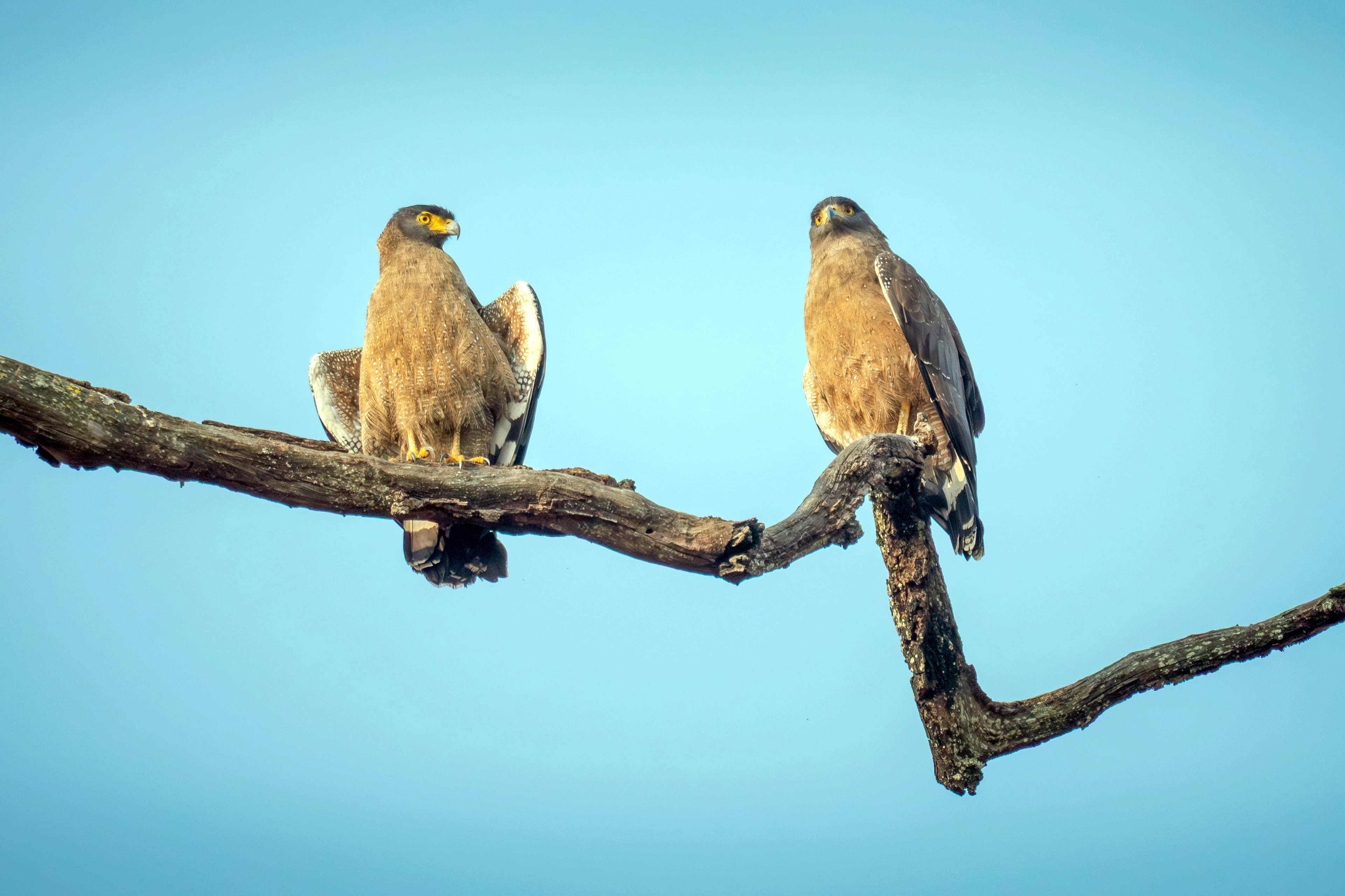
Other Birds
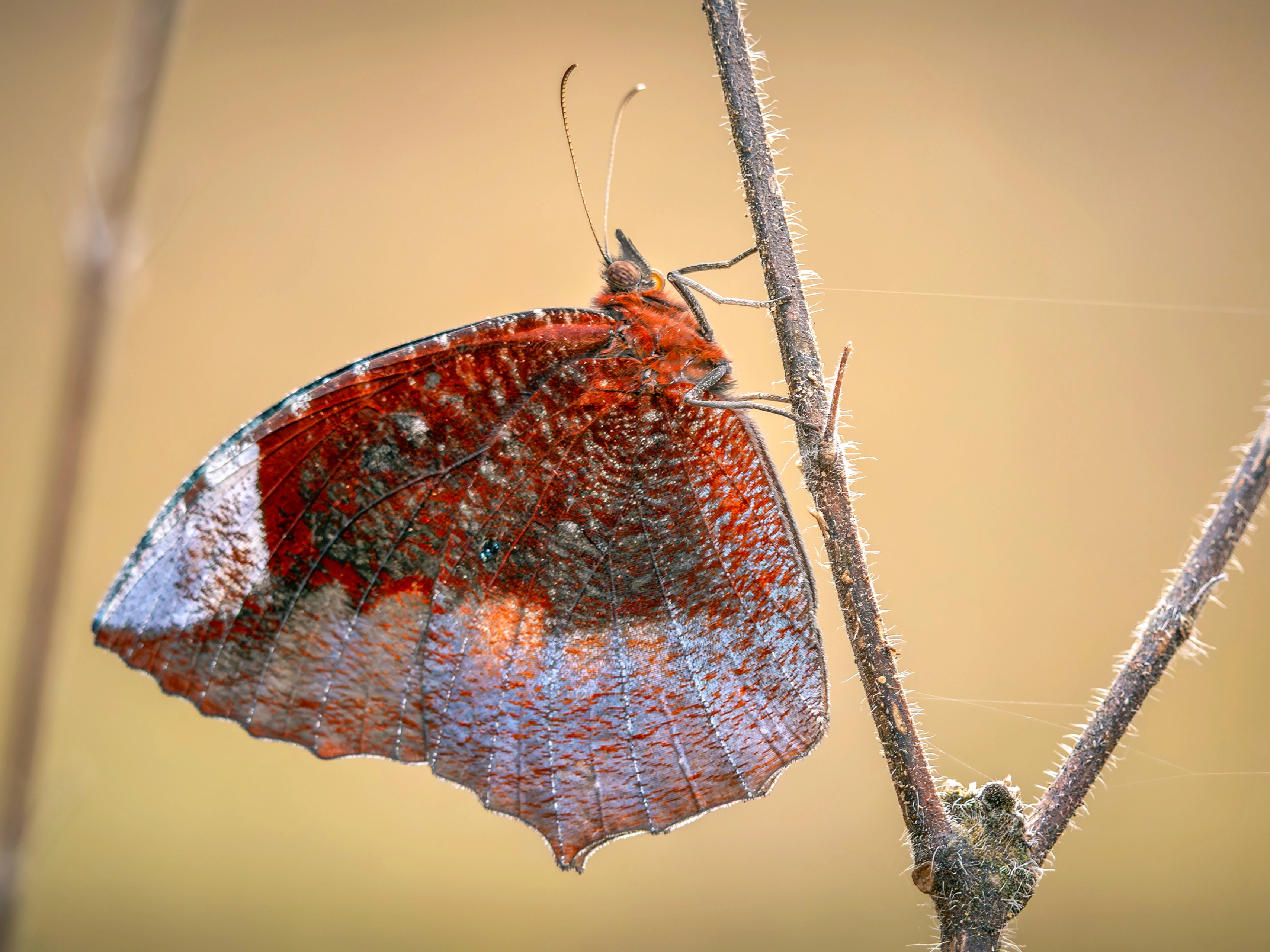
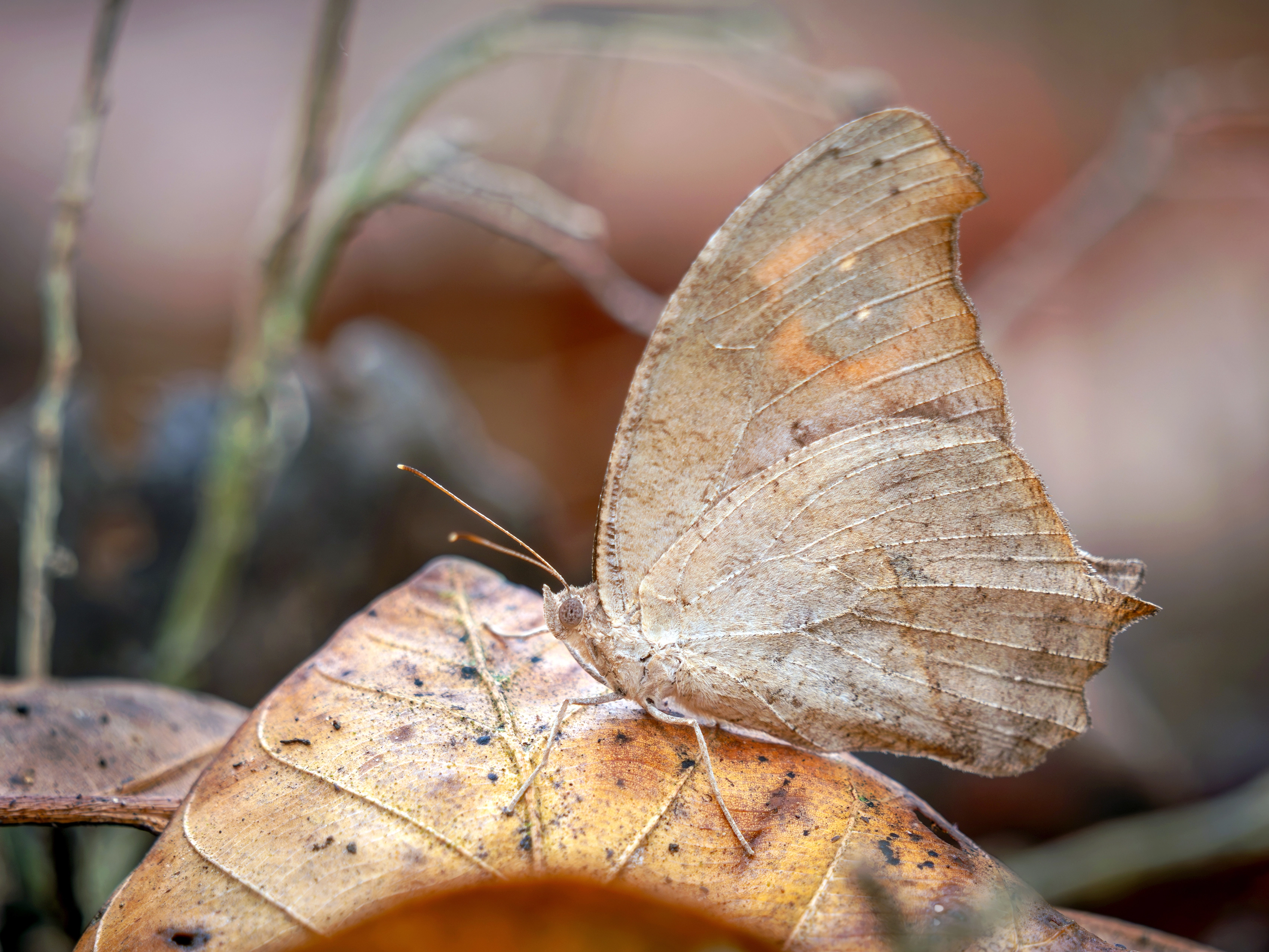
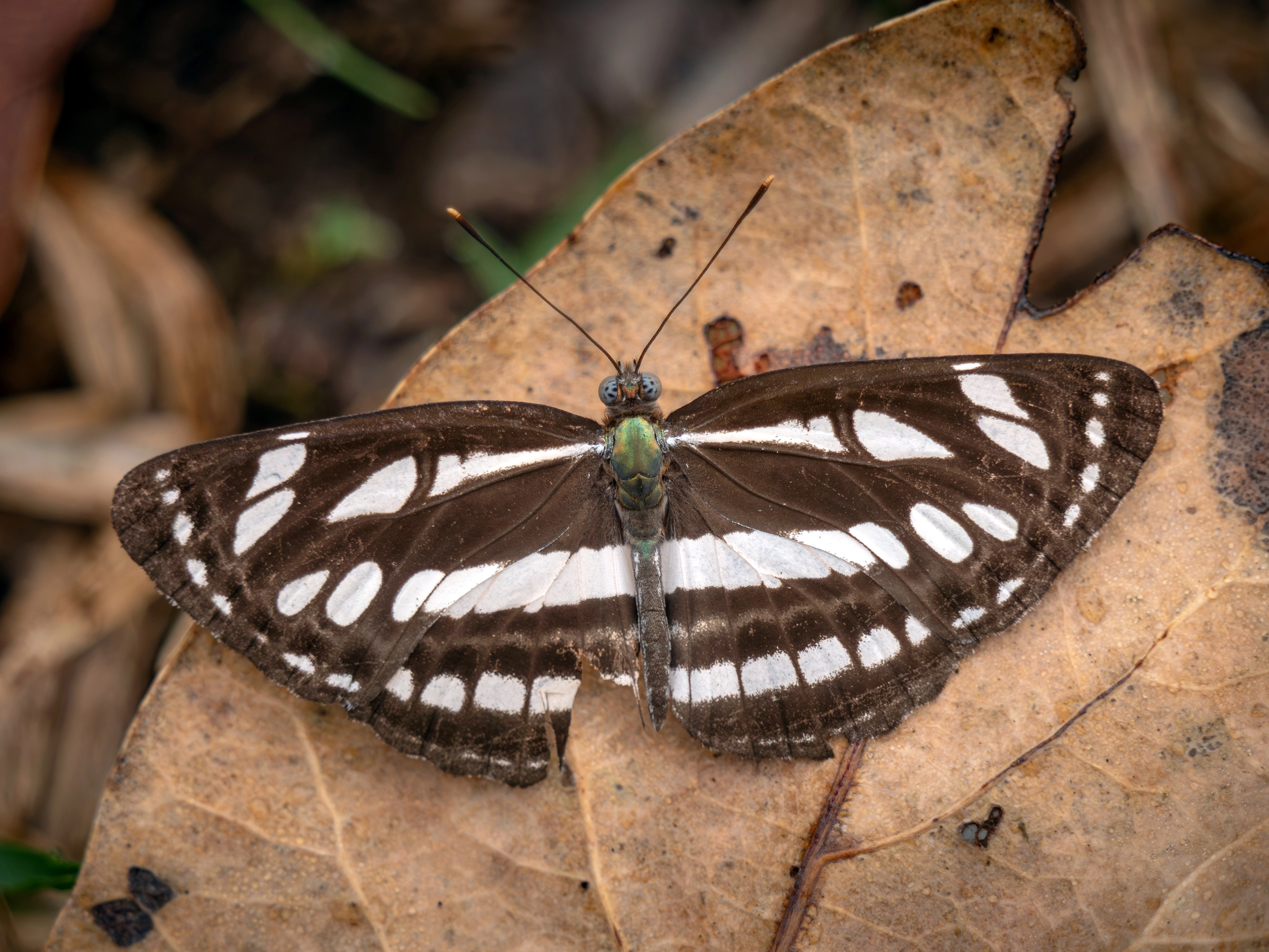
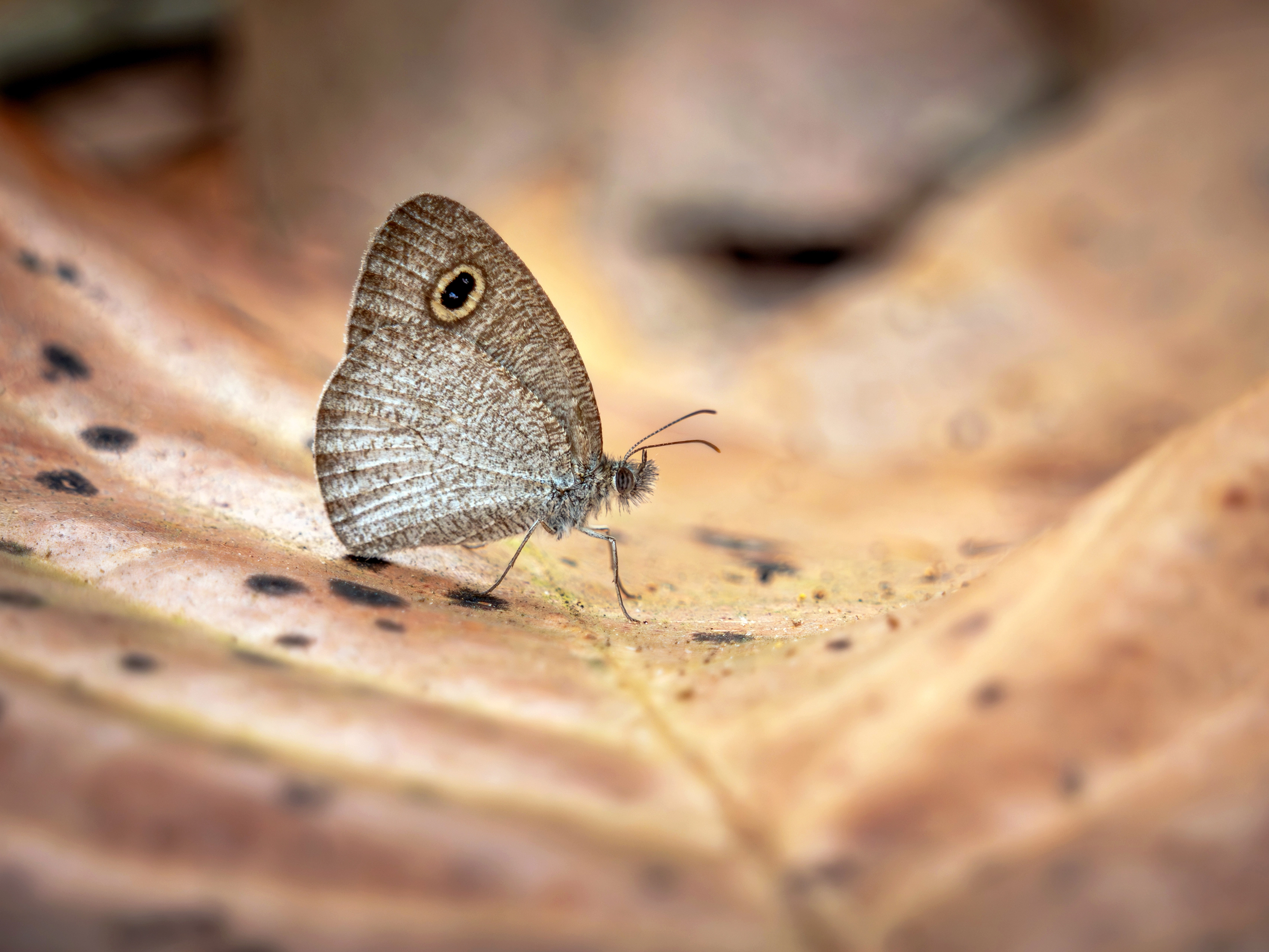
Butterflies
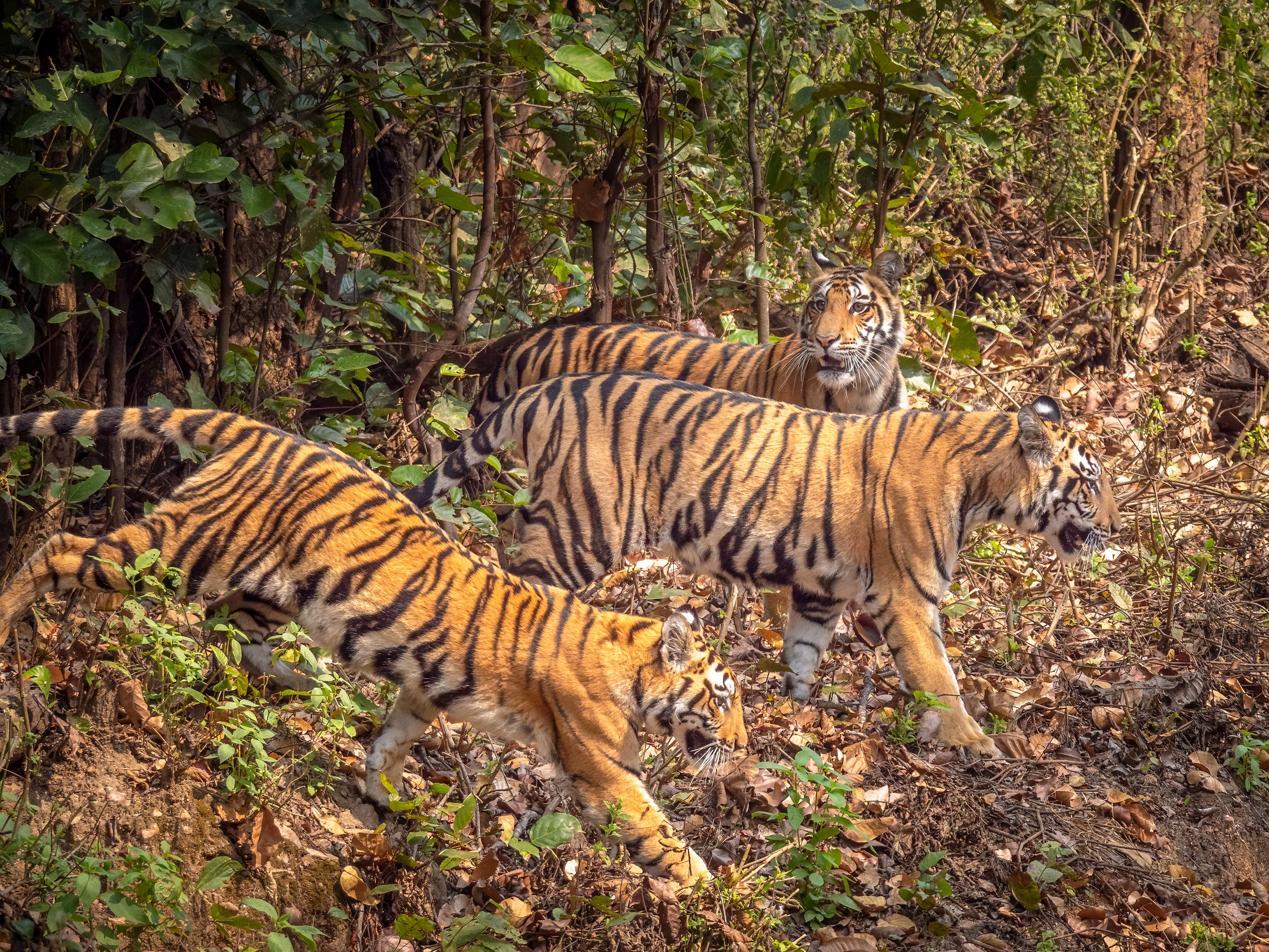
As anyone visiting Kanha hopes, I was fortunate to have two separate tiger sightings. In one instance, three cubs briefly crossed the dirt road in front of us before entering the forest. One of them settled just off the roadside behind a bush, allowing for a short but memorable observation.
Tiger Cubs
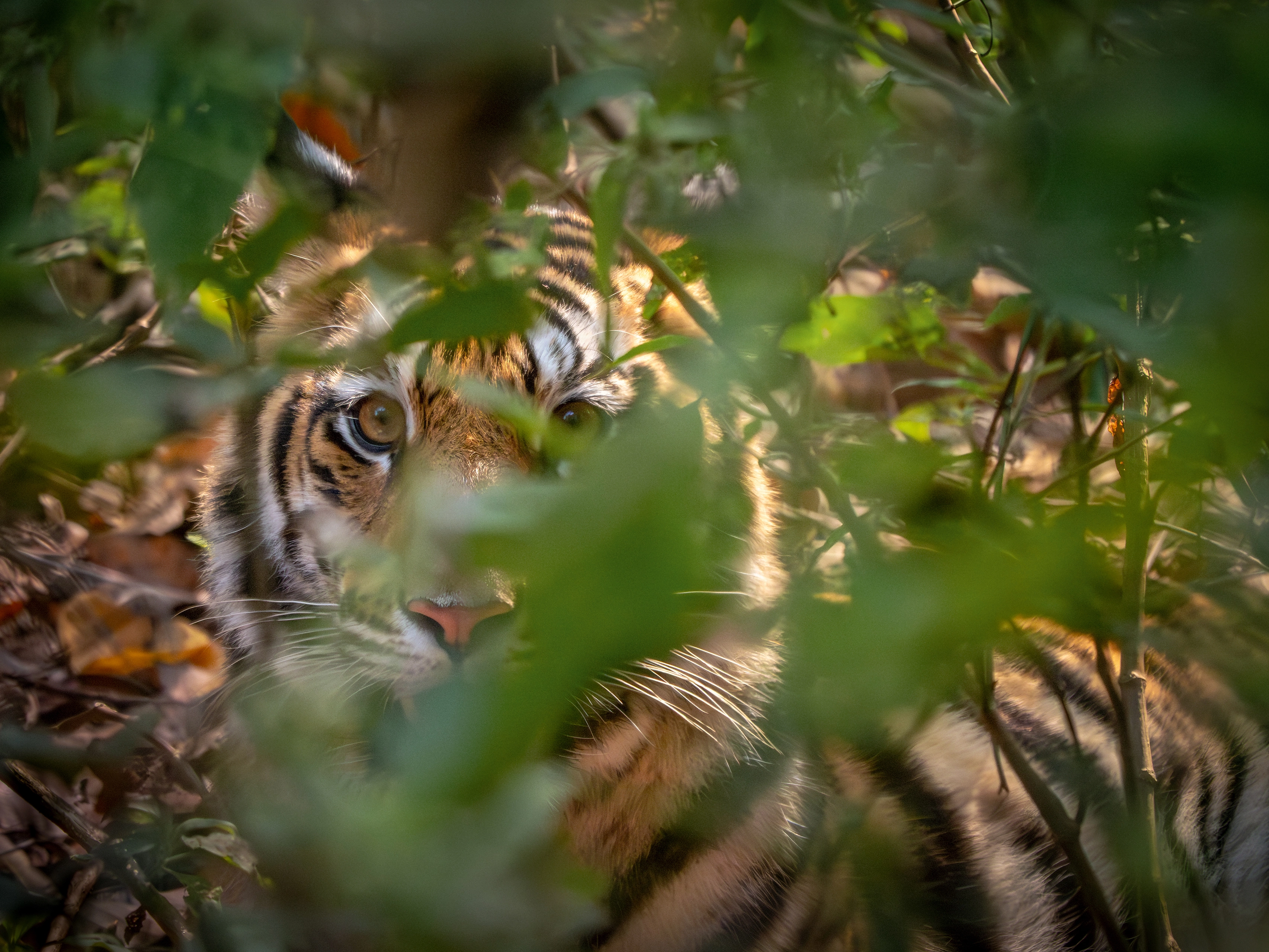
My final encounter came on the last safari of the trip, in the final 30 minutes of our permitted time slot. Up until that point, I had only seen tiger cubs and no adults. While I felt extremely fortunate for those sightings and would have been completely satisfied regardless, there was still a part of me that hoped to see an adult before the trip ended.
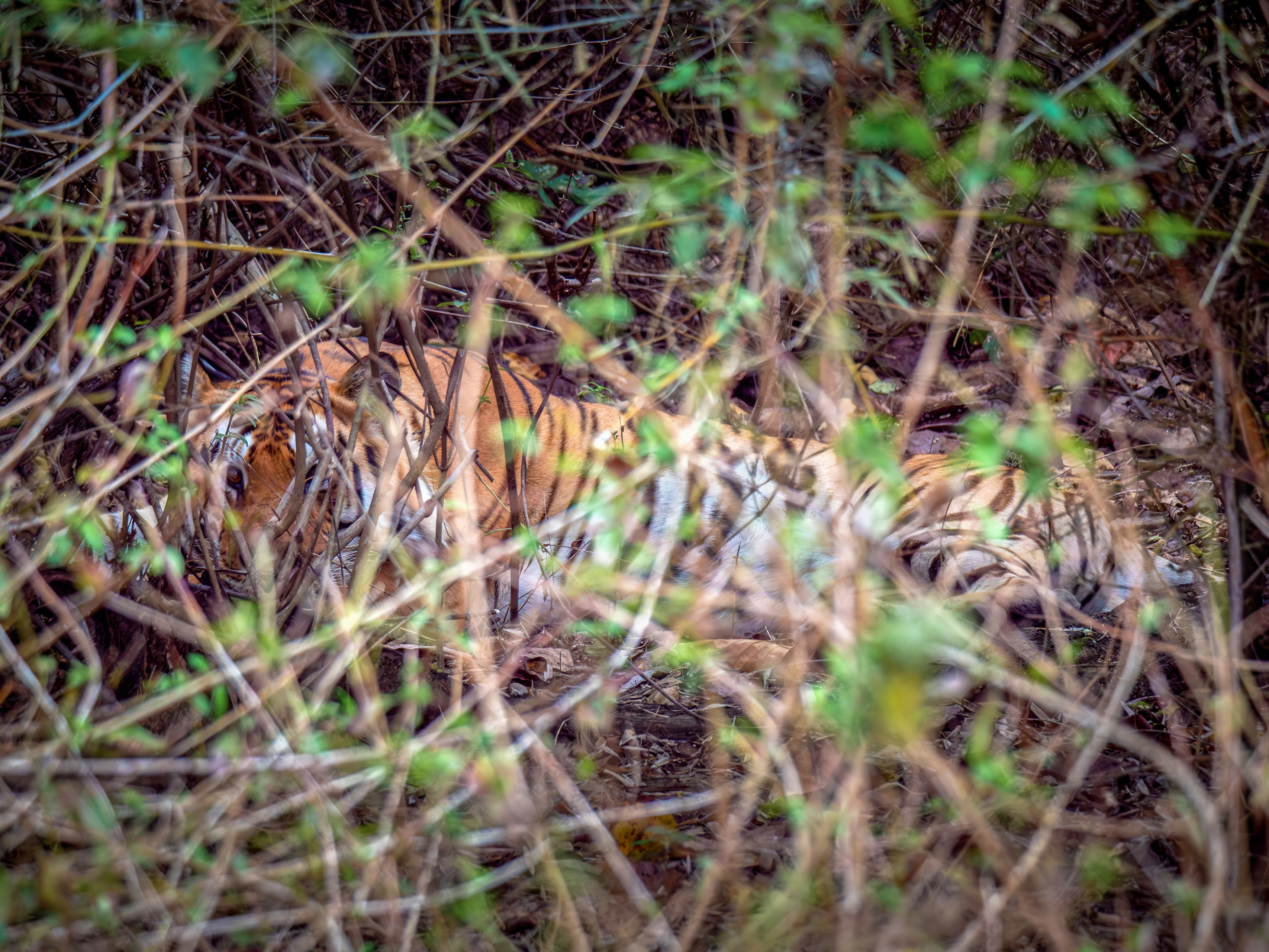
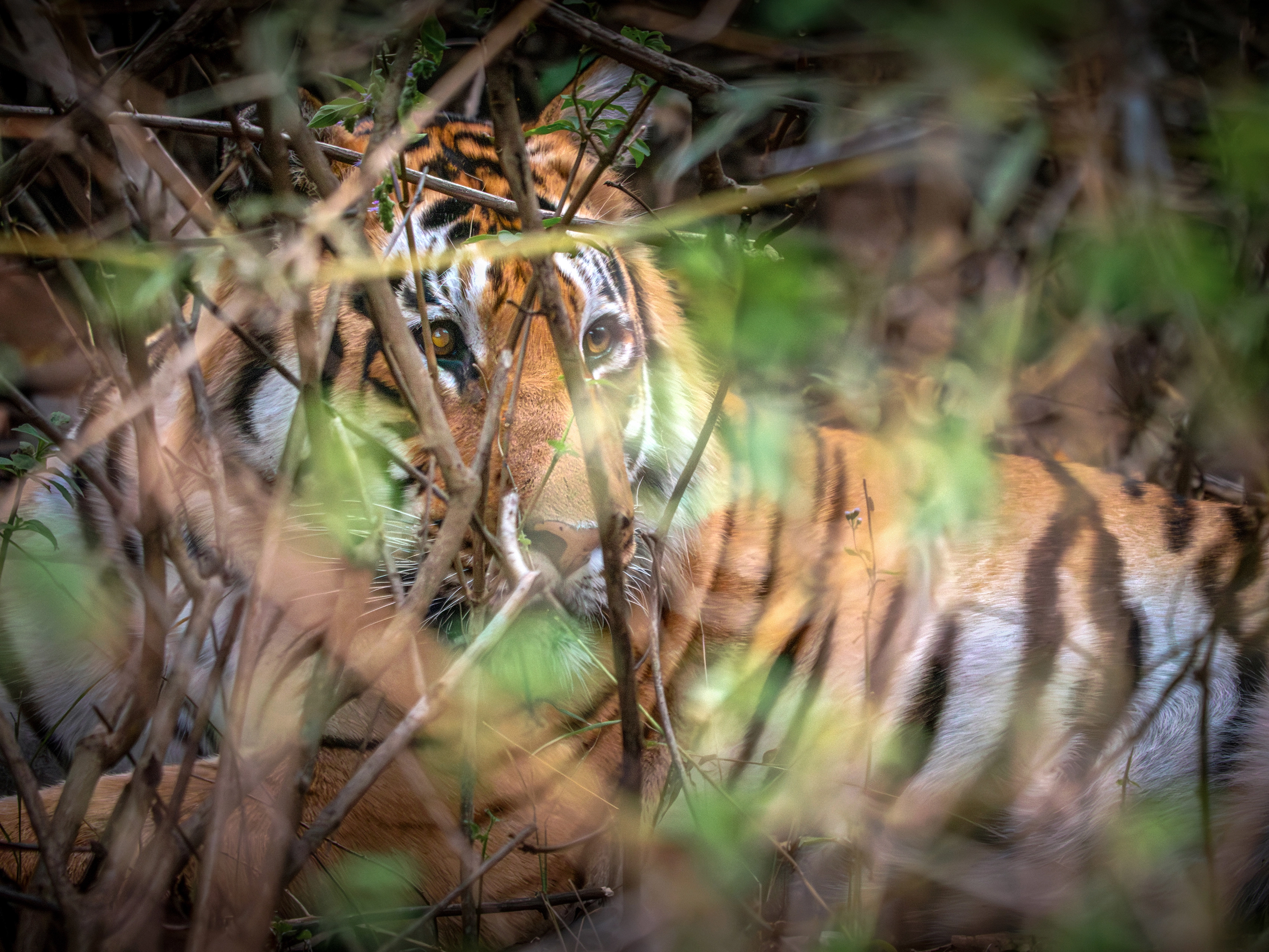
At the very last moment of the very last safari, we spotted a large adult tiger resting behind some bushes. It was quite dark, and the vegetation partially obstructed the view, but I was able to capture a few quick photographs before we had to quickly return to the main gate before closing.
Adult Tiger
That’s all for my beautiful and fortunate six days inside of Pench and Kanha National Parks.
Again, here are the links to the album versions and the rest of my trip to India:
Photo Galleries from These Parks
• Pench and Kanha National Parks – Main Gallery (78 Photos)
• Pench and Kanha National Parks – Extended Album (190 Photos)
More from My India Trip
This journey also included time in other parts of India. You can explore those here:
• Varanasi – Full Post – Main Gallery – Extended Album
• Agra & Delhi – Full Post – Main Gallery – Extended Album