
On my 15-day trip to India, I spent time in the cities of Agra, Delhi, and Varanasi, as well as six days in Pench and Kanha National Parks. Normally I would create one post for my entire trip, but since I took such a large volume of photos, and where I visited and what I saw are so incredibly rich and diverse, I felt it appropriate to separate my entire trip into 3 posts, this one (Agra and Delhi), Varanasi, and the national parks.
Photo Galleries from Agra and Delhi
• Agra and Delhi – Main Gallery (147 Photos)
• Agra and Delhi – Extended Album (261 Photos)
More from My India Trip
This journey also included time in other parts of India. You can explore those here:
• Varanasi – Full Post – Main Gallery – Extended Album
• Pench & Kanha National Parks – Full Post – Main Gallery – Extended Album
Delhi is the capital of India and a city where deep history and modern life collide, with an electric energy that can feel chaotic. The history of Old Delhi, with its Mughal forts and ancient temples, is complemented by the packed markets flooded with rickshaws and food stalls that line its narrow streets. New Delhi has a much more modern feeling, with wider streets, lush parks, and national monuments reflecting the political and cultural heart of modern India.
Agra, being about 145 miles (230 km) south of Delhi, ends up being a 2 hour train ride (assuming no delays… good luck), or around a 4 hour drive, is a city defined by its strong connection to India’s Mughal past. It is best known as being the home of the Taj Mahal, but also features the massive Agra Fort, and a handful of other impressive monuments. Besides its history, Agra is rooted in its artistry, with an emphasis on marble workshops, most using the same techniques employed during the construction of the Taj Mahal.
Every photo featured on this post and in the albums can be viewed in full screen and zoomed in to full resolution.
So please, zoom in and enjoy all there is to see.
After arriving in Delhi, I spent the night at an Airbnb hosted by the most welcoming and warm Indian family imaginable. It was the perfect introduction to the country, and a precursor for the level of friendliness and hospitality I would receive throughout my trip. My stop in Delhi would be brief (this time around), as I would be heading to Agra early the following morning, via the Gatimaan Express train. This is the most direct (and probably easiest) way to access Agra from Delhi, although don’t be like me and accidentally get off the train one stop too early, resulting in a bit of a logistical scramble. I didn’t realize the train had experienced a delay mid-route, and I knew that my train was supposed to arrive at 9:05 am. So when we arrived at the (wrong) train station at exactly 9:05 am, I assumed it must be the right one. Unfortunately it was not, and I ended up having to take an Uber between the two stations, resulting in about a 45 minute delay, as there would be no additional trains coming on this specific route for a few hours, leaving me with few options.
By the time I arrived to my hotel, checked in and got some lunch, I met up with the local guide I was using in the early afternoon, and set off to the Tomb of Itimad-ud-Daulah, which is more commonly referred to as the “Baby Taj,” due to its resemblance to and also being a precursor for many of the design elements featured in the Taj Mahal, such as the extensive marble use, detailed stone inlay and symmetrical gardens. It is often seen as a “draft” or early inspiration for the Taj itself, thus the name “Baby Taj.”


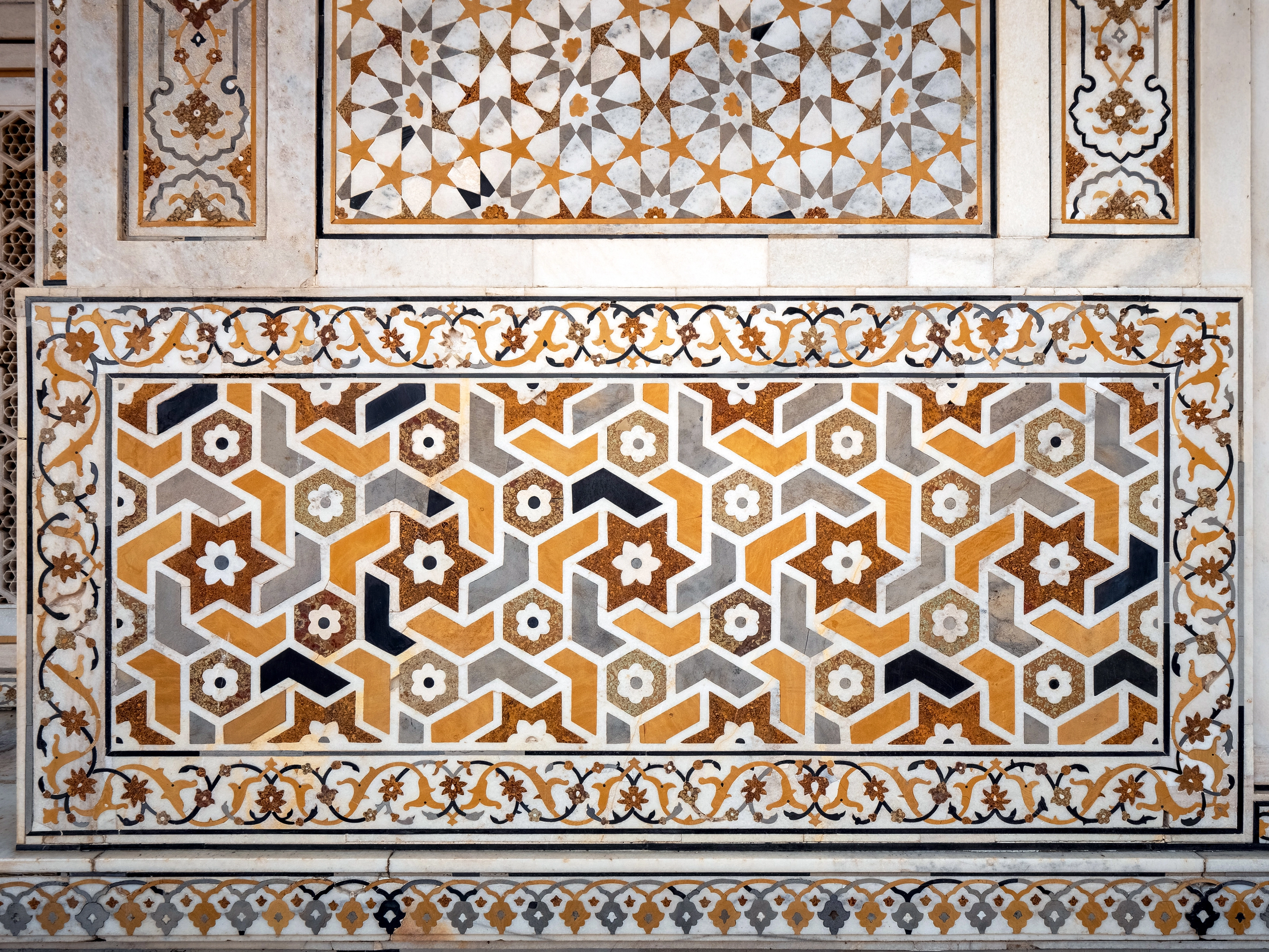
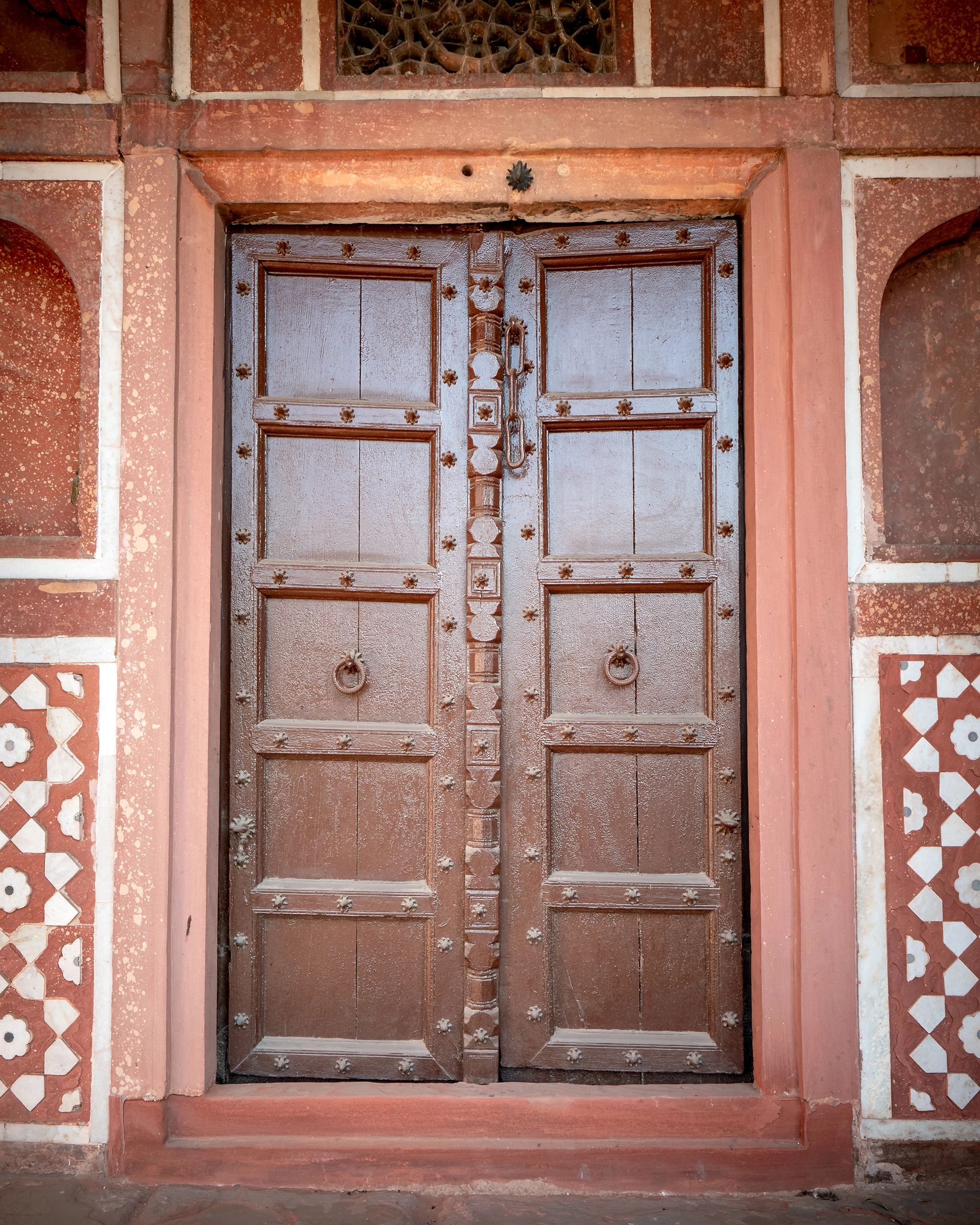
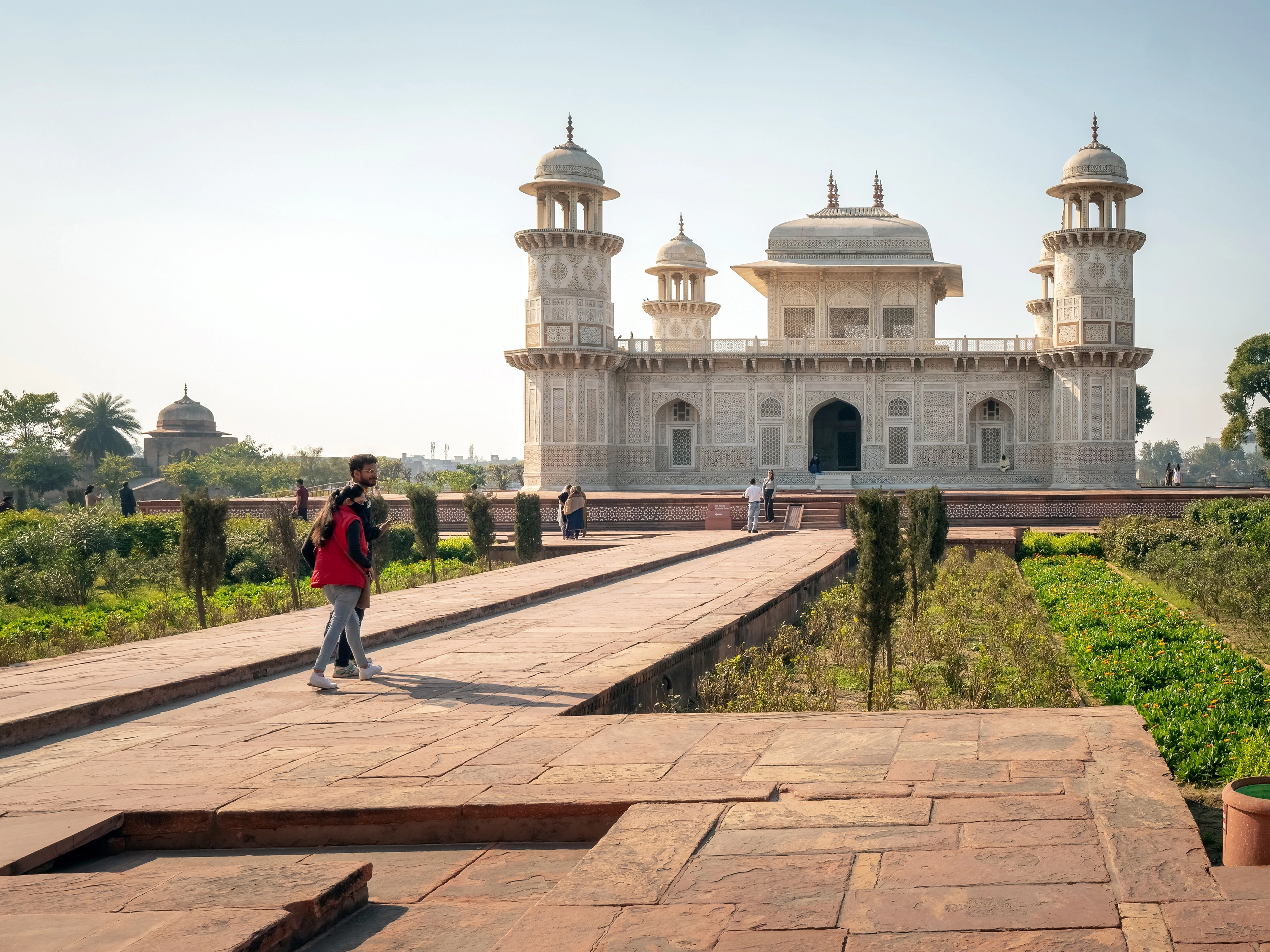
After spending some time inside and outside of the Tomb of Itimad-ud-Daulah, there was a very specific, and quite hard to get to, viewpoint of the Taj Mahal that I really wanted to see, and photograph the sunset from. My plan was to go to the actual Taj the following morning, right when they opened, but I also wanted to see it from a variety of different viewpoints around the city, so I could get a sense of its geographic context to the rest of Agra.
The area I went to on this evening is not one I would probably recommend you seek out yourself, as it is technically closed, no longer maintained, and lacks the railings or safety features required to make it safe for visitation. Plus there are usually some people and activities taking place in these ruins, that can be challenging to navigate. But, that being said, it is possible to access, if you are willing to proceed through the physical and social structures to do so. This viewing platform on the Yamuna River was likely either a guard watchtower or riverside recreational viewing platform back in the Mughal era, and is, hands down, the best view of the Taj (as well as the Yamuna) that I could possibly imagine. It was stunning.

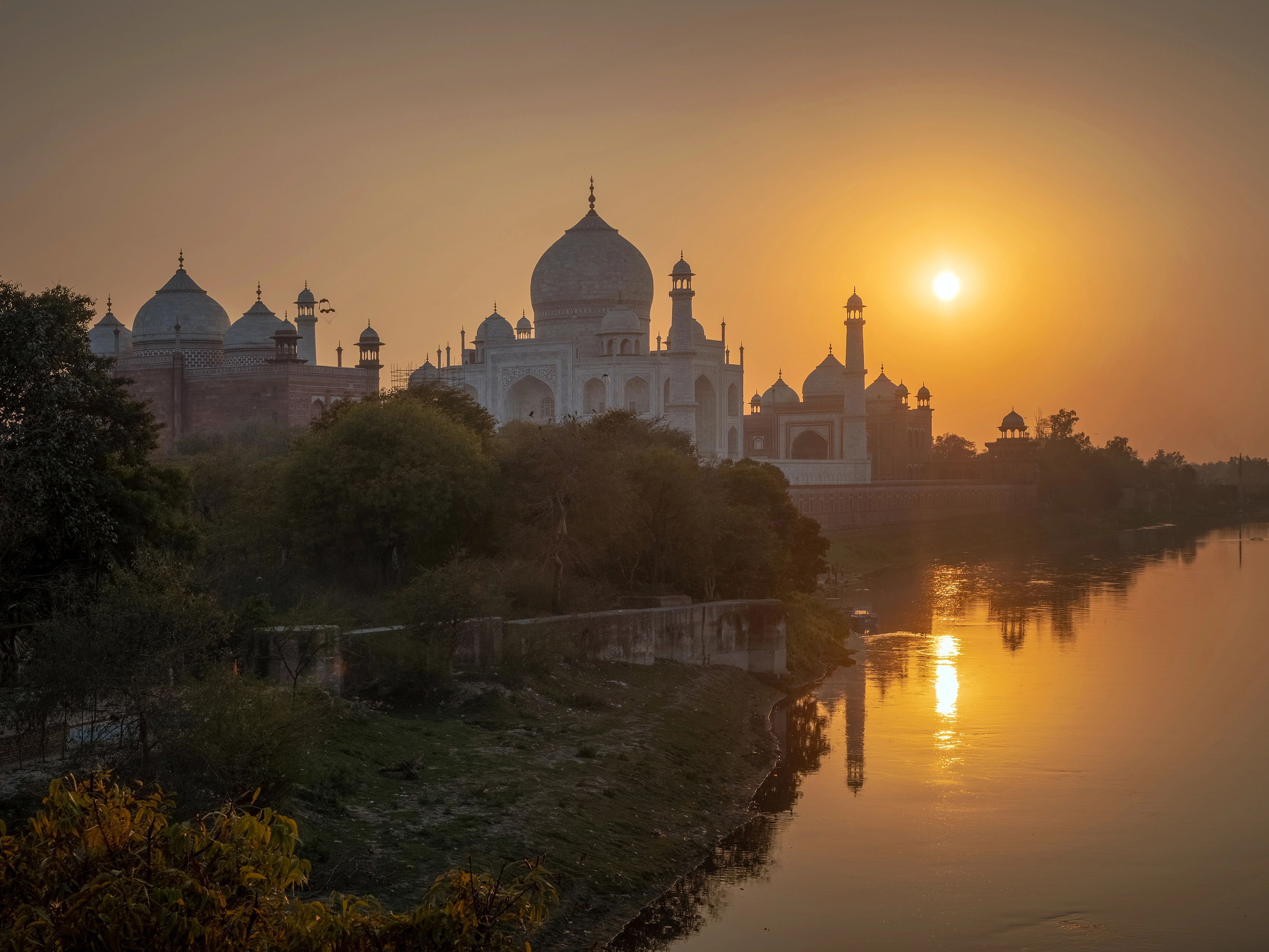


After that stunning sunset it was time to regenerate, and prepare for the following morning, of getting to the Taj Mahal for when they open, in an attempt to avoid the massive crowds which pour through its gates throughout the day, and also see the Taj when it is at one of its most beautiful viewing points of the day, at sunrise.
There are three main entrances to get into the grounds of the Taj, some being more popular than others. The East Gate is one of the less busy entrances, and is actually closest to the iconic view of looking down the reflecting pools. To get into the mausoleum itself, a separate entrance ticket is needed, and lines for the inside get quite long, so doing so as early as possible is to your advantage. You are allowed to stay within the grounds of the Taj Mahal for a maximum of three hours, in an attempt to help control the massive number of visitors, around 50,000 daily. It is worth noting that in addition to the remainder of the monuments around Agra (and Delhi), no tripods are allowed at all. So if you are there for photography, plan accordingly. Here are some of the photos I captured on my morning at the Taj.
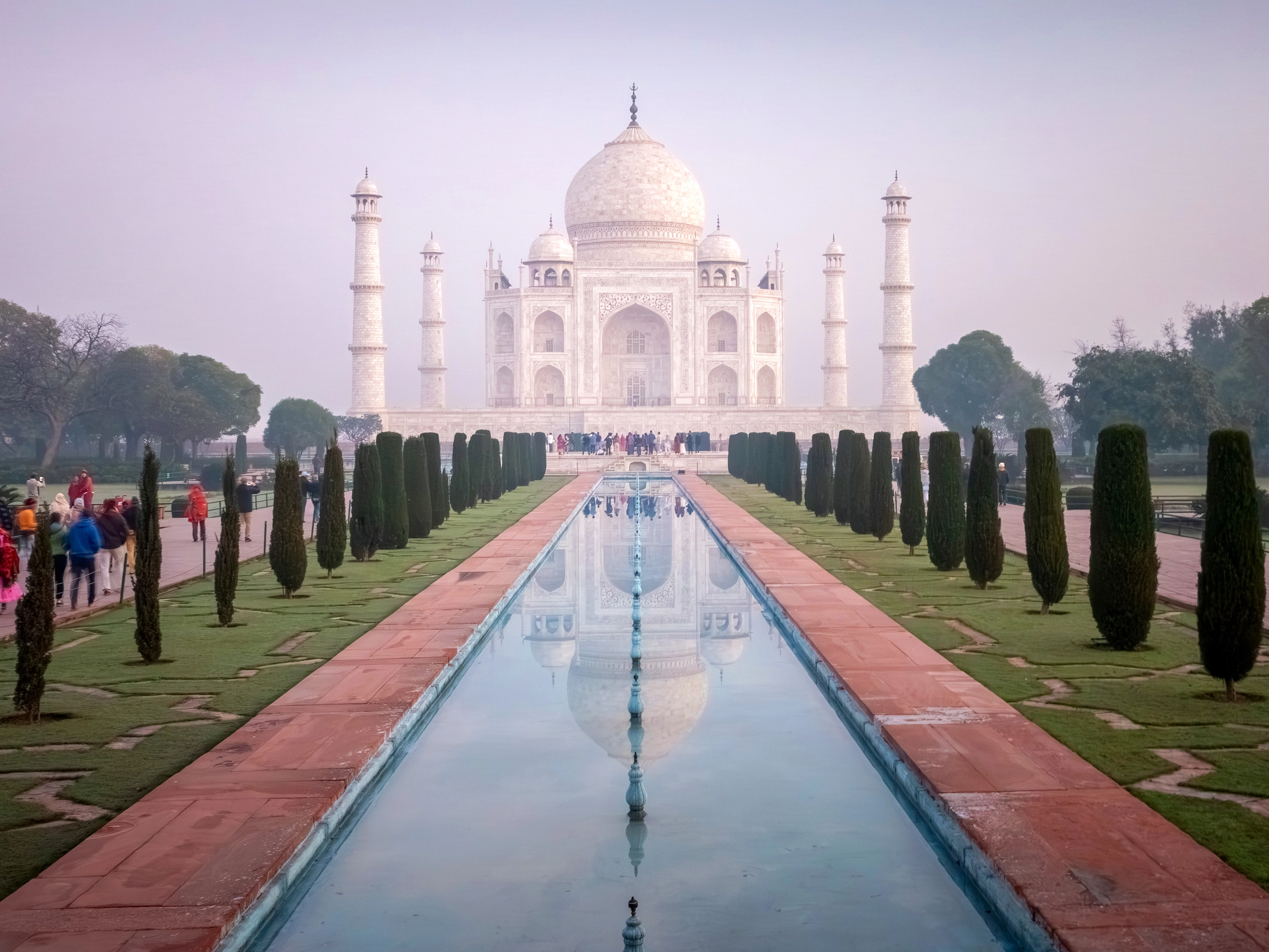

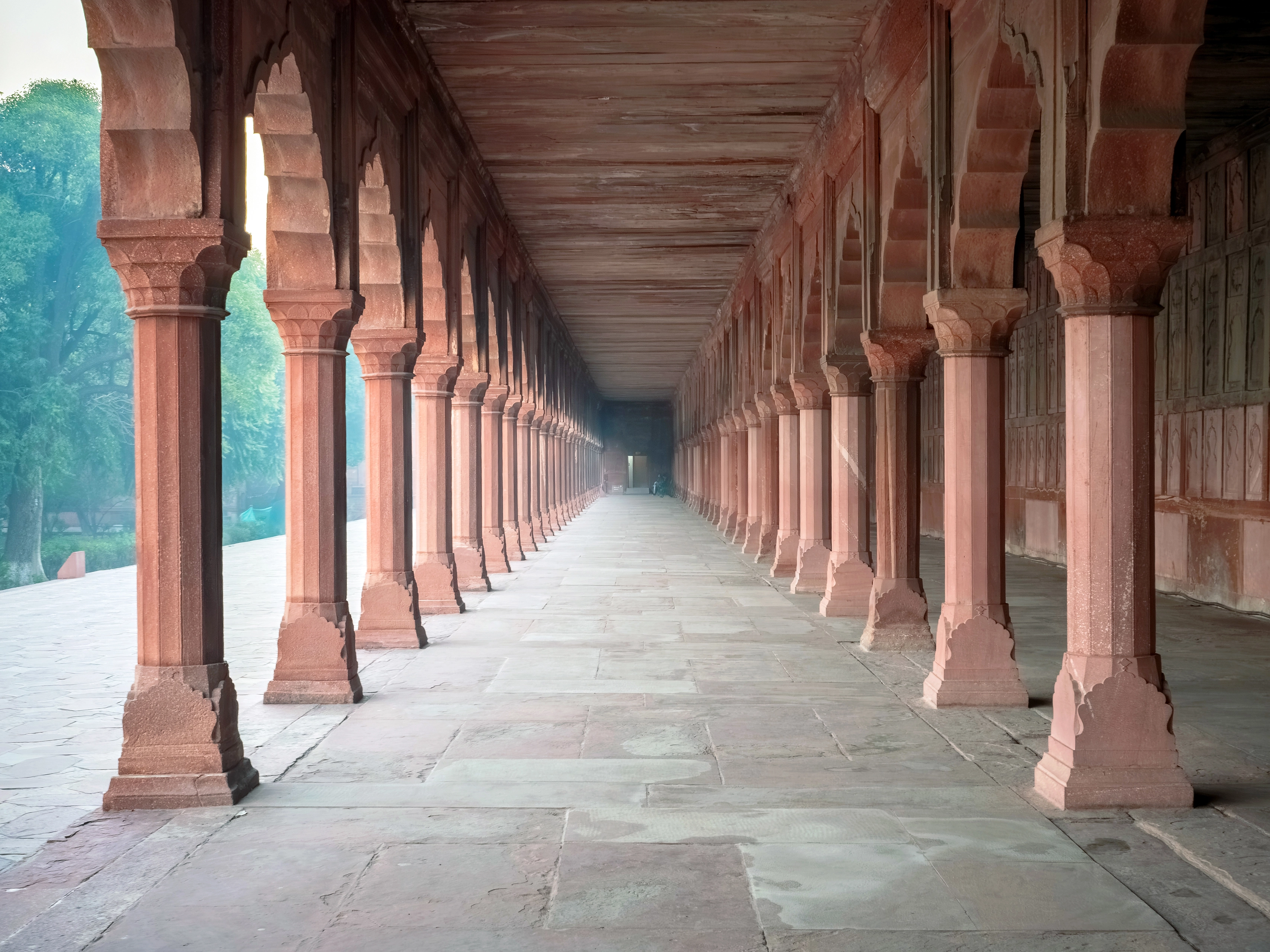


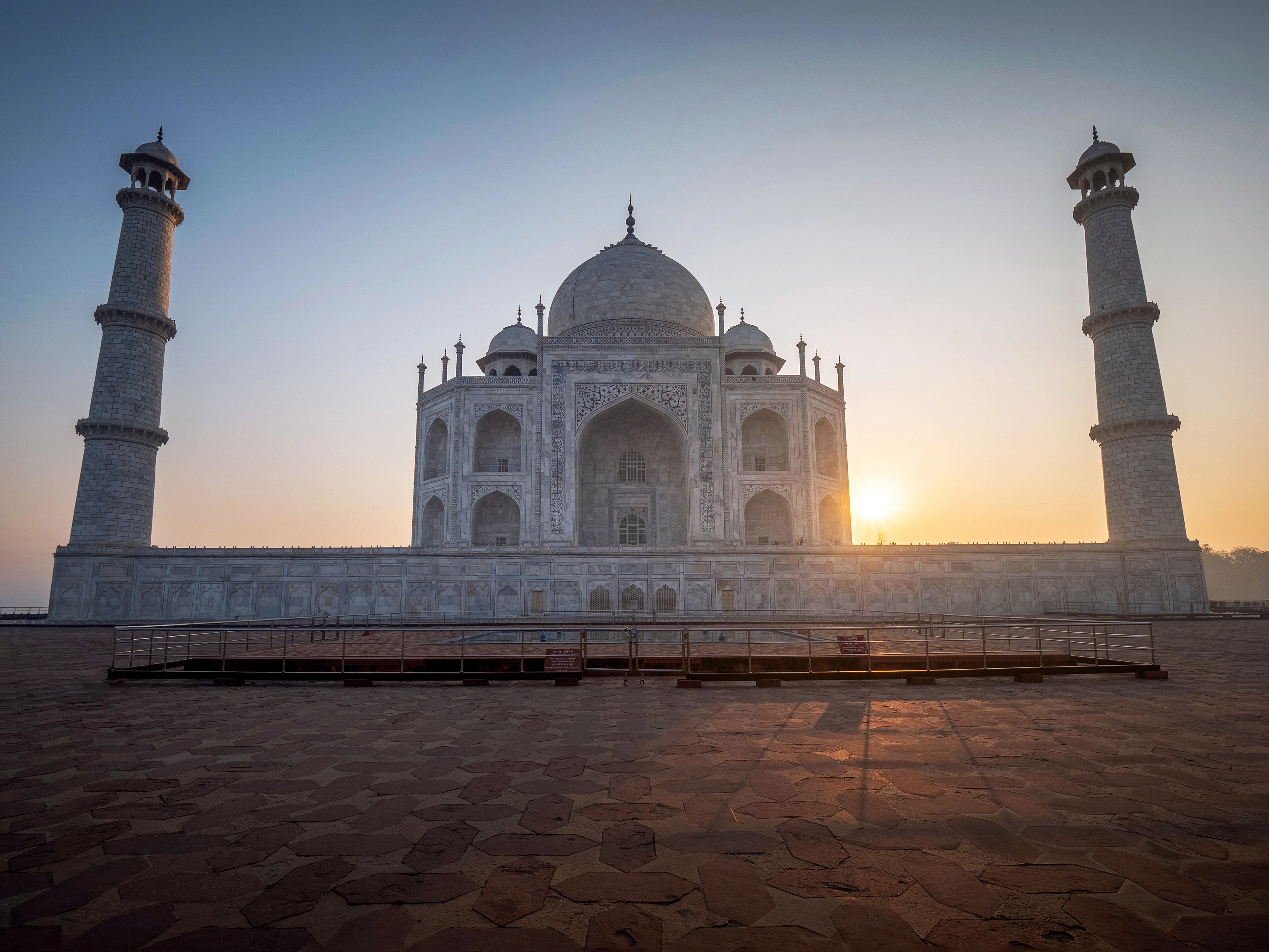


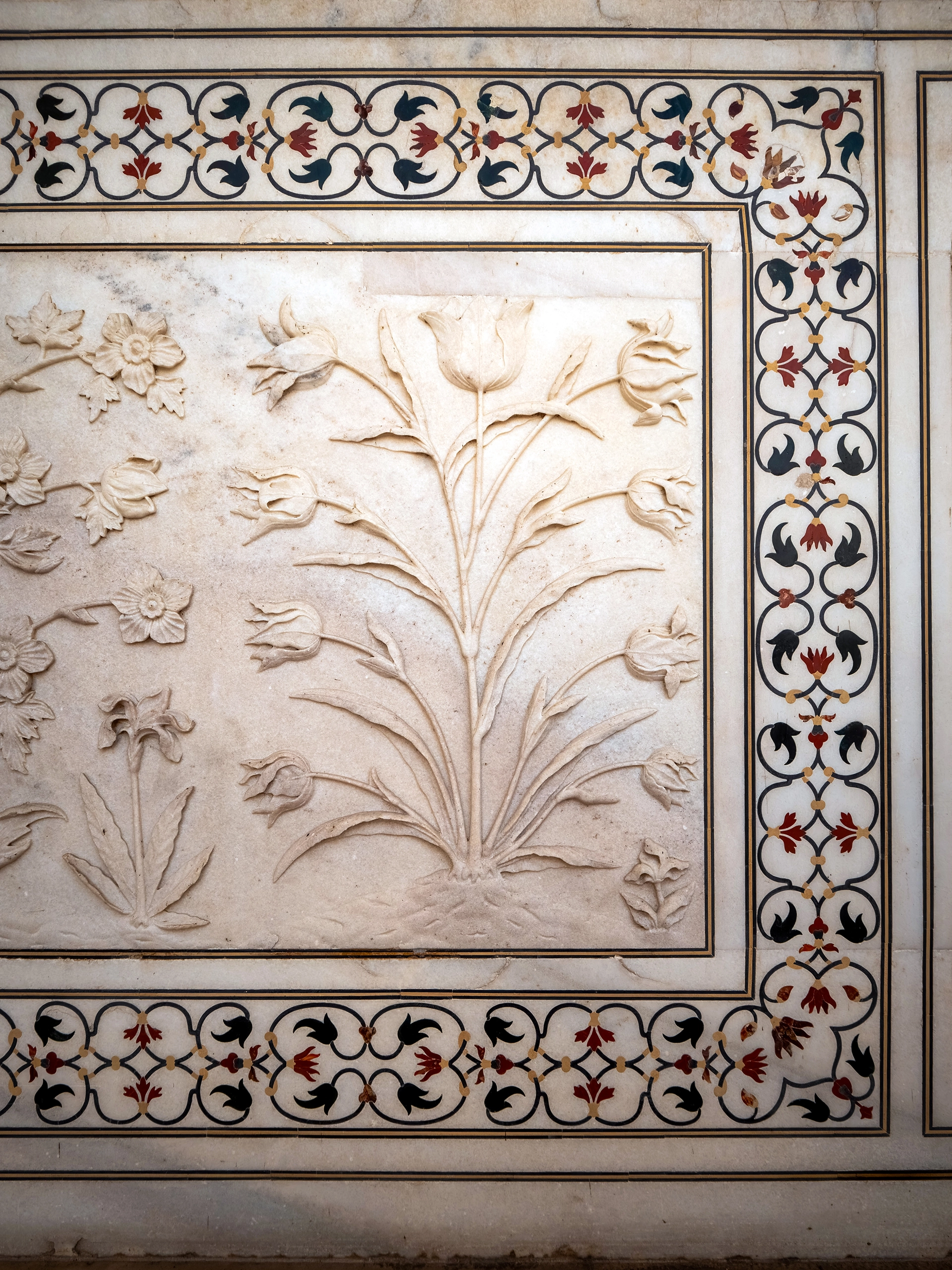
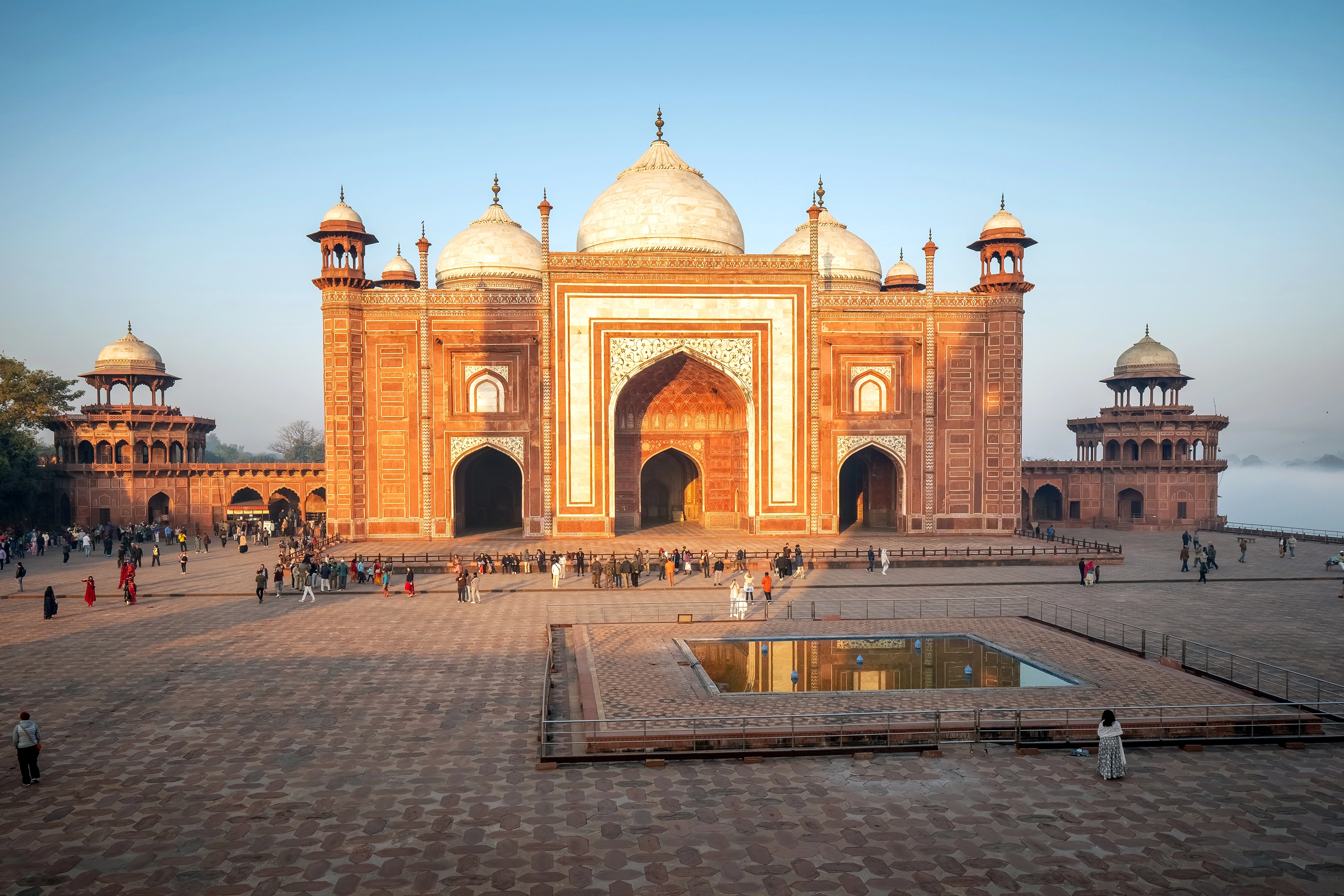

When I was talking with the guide I was using in Agra, I had mentioned that I wanted to see the Taj Mahal from unique and often not seen vantage points. He happened to have a friend who lived in the nearby residential buildings, not too far from the gates of the Taj. He was nice enough to let me on to his rooftop, giving me a view of the Taj in the context of the residential buildings surrounding it. The photographs may not be as beautiful as the ones from proper viewpoints, but I like the juxtaposition of the basic residencies versus the opulence of the Taj.


After visiting the Taj Mahal, and the quick rooftop detour, it was on to Agra Fort, a massive, red-sandstone stronghold which was once the main residence and power center of the Mughal emperors. It is surrounded by towering walls and a deep moat. Its more than just a military fortress, as it is a self-contained royal city, whose walls housed centuries of political drama and the daily life of an empire.
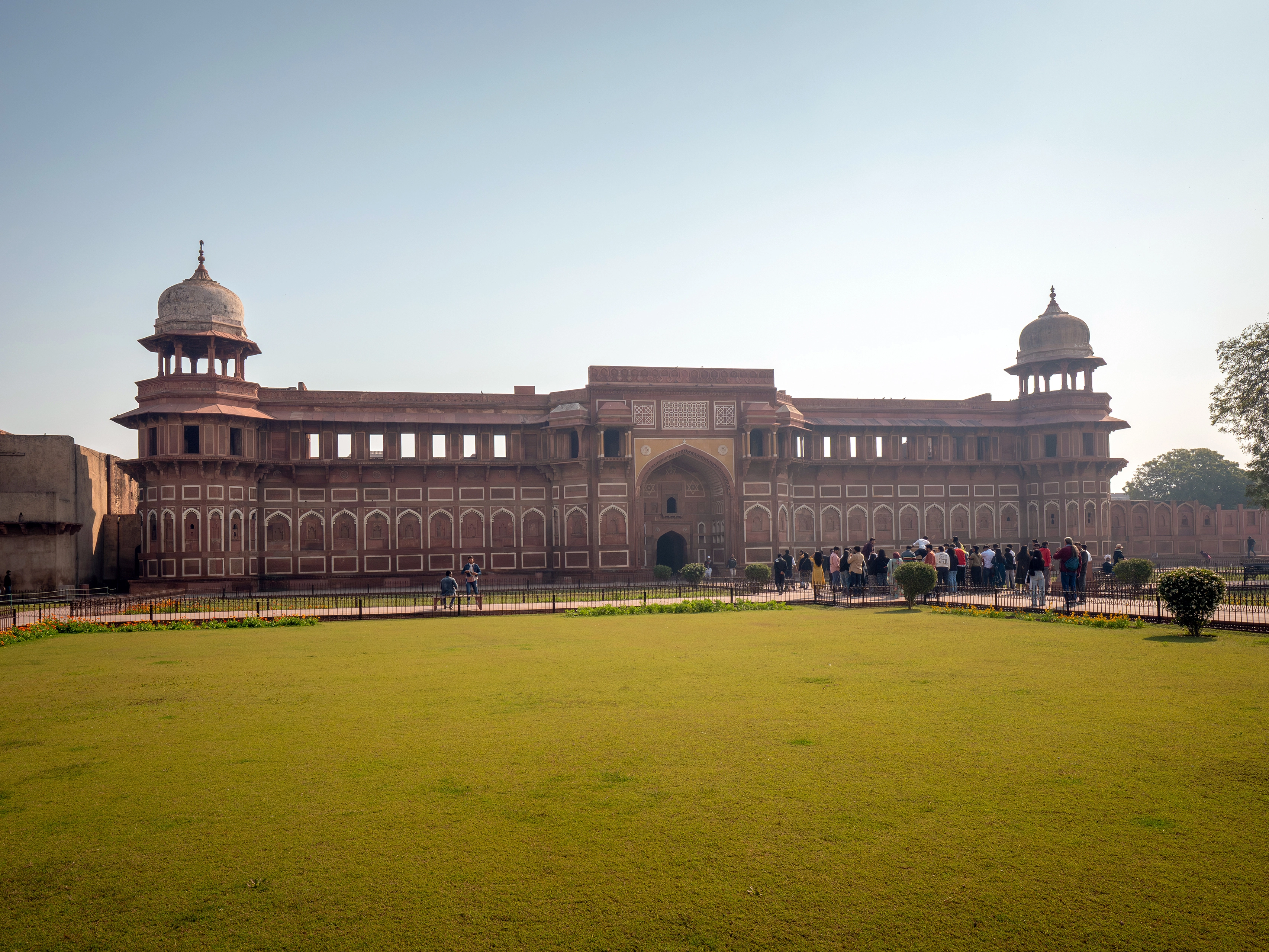


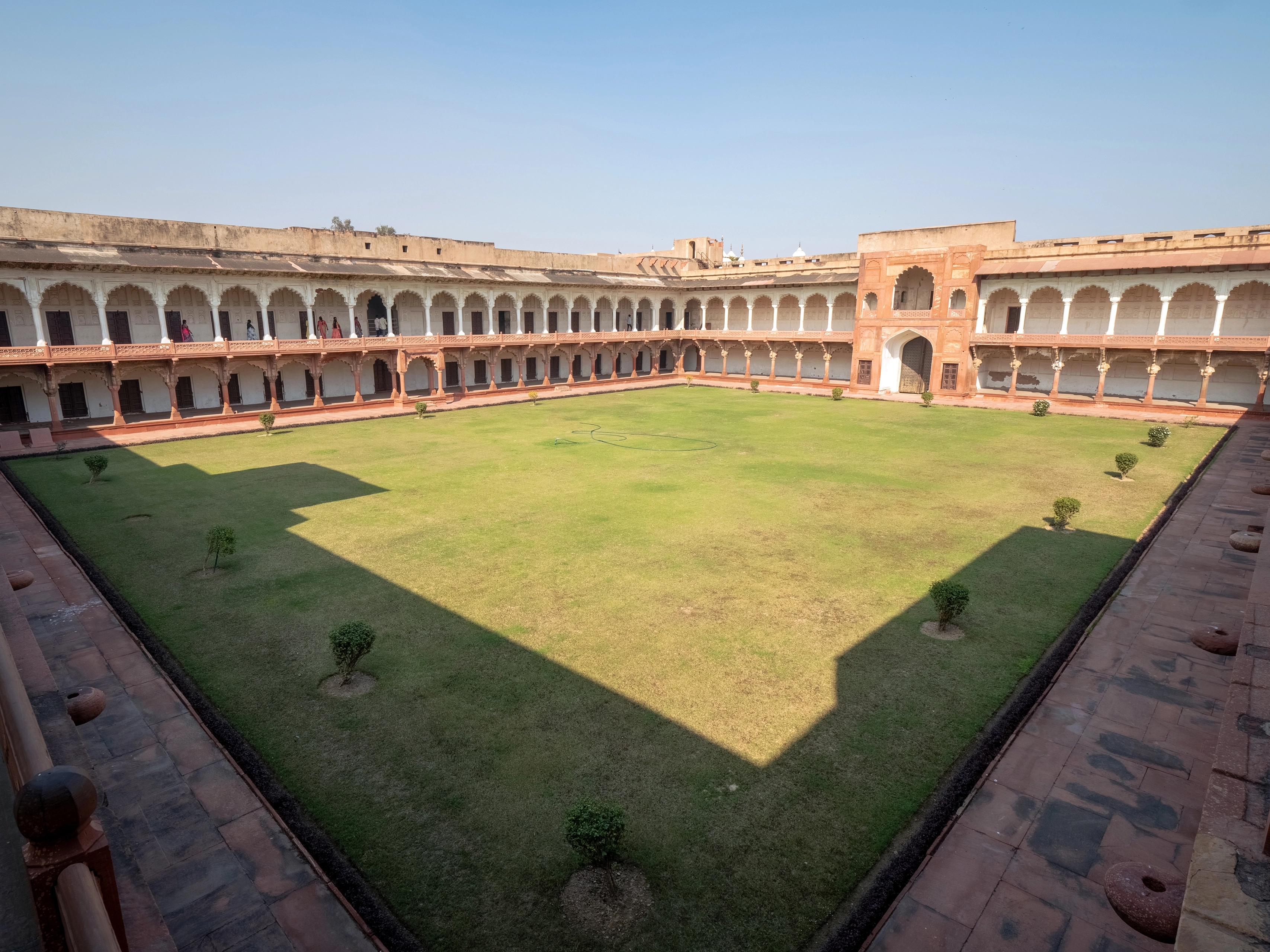


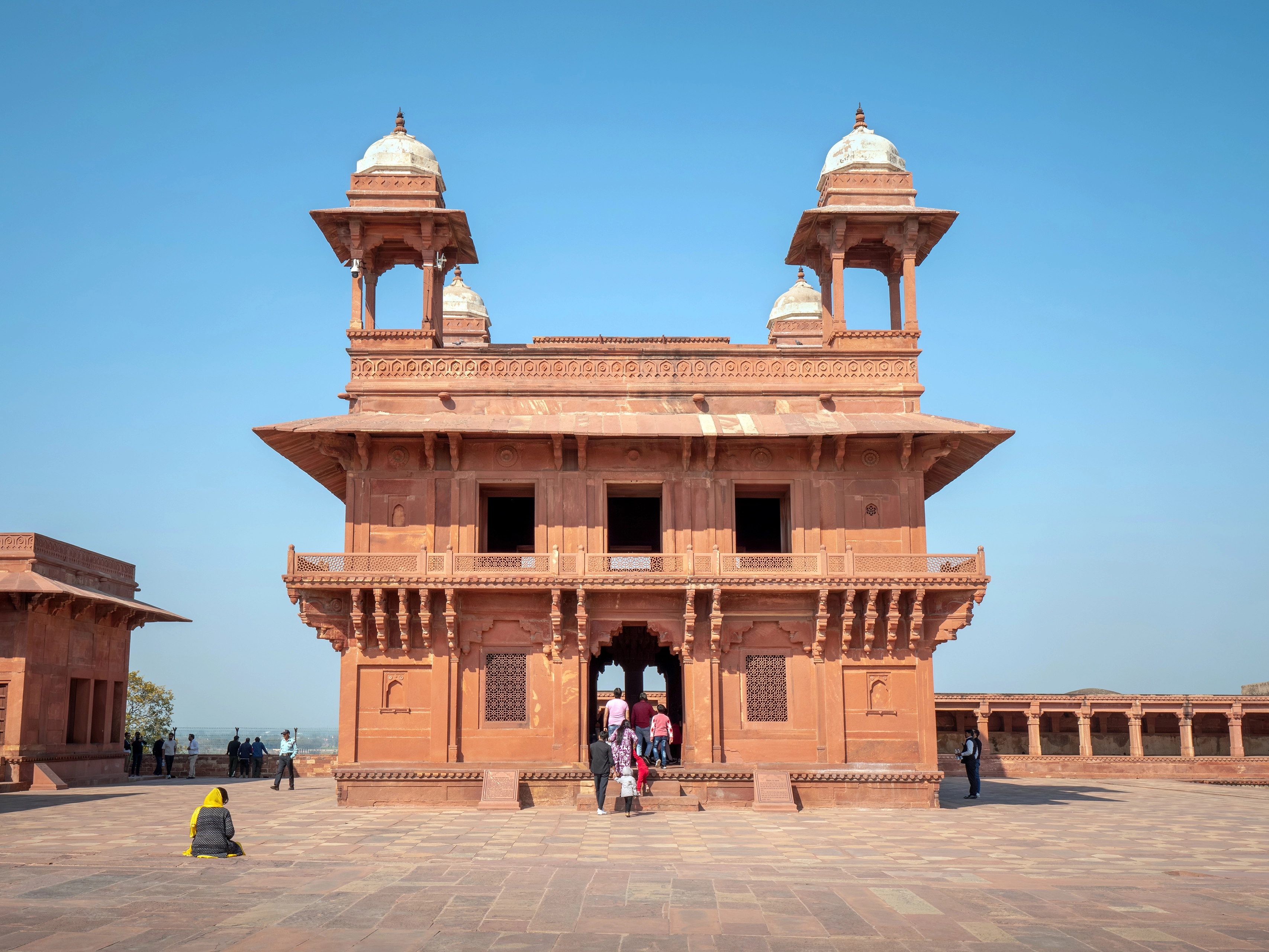
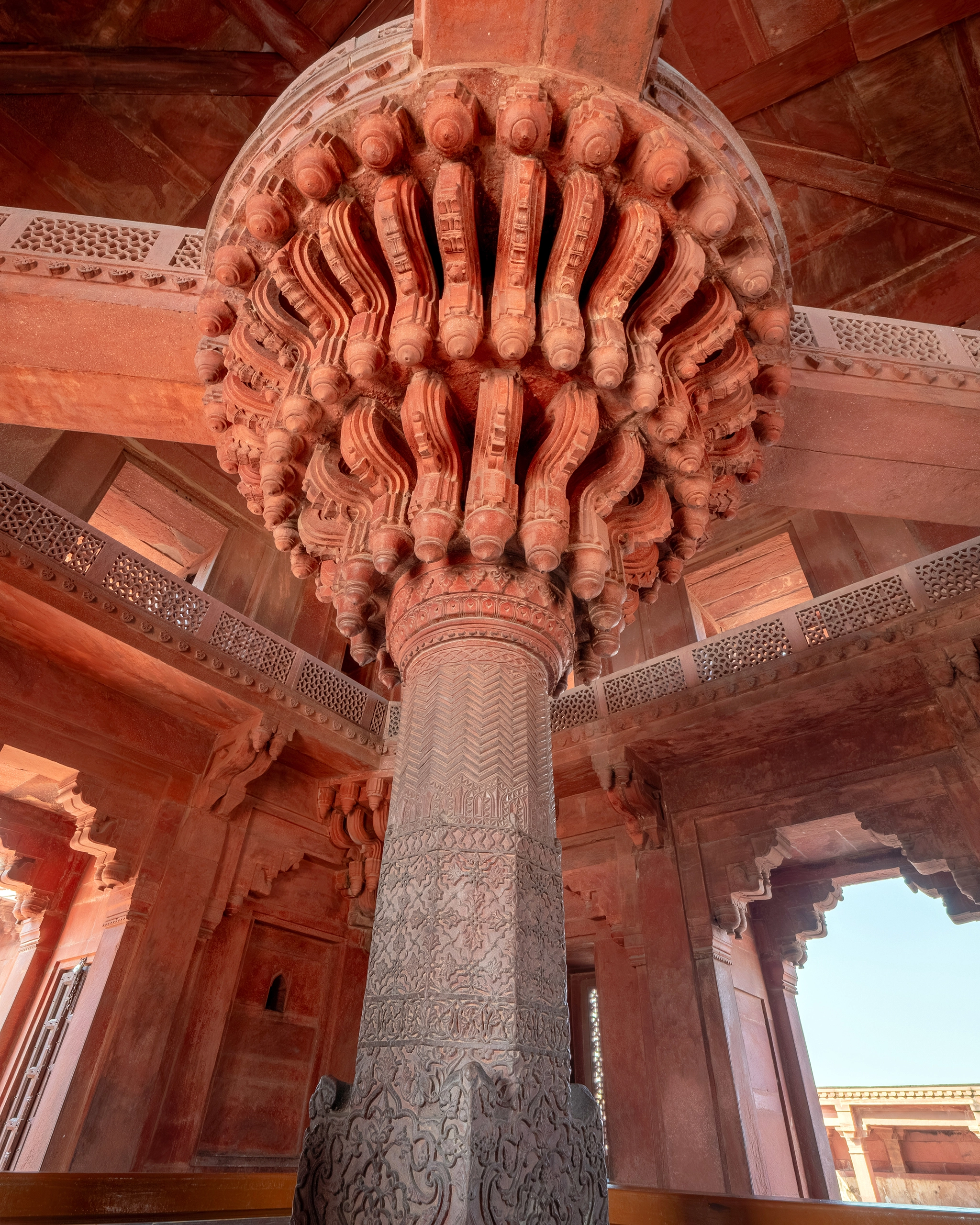
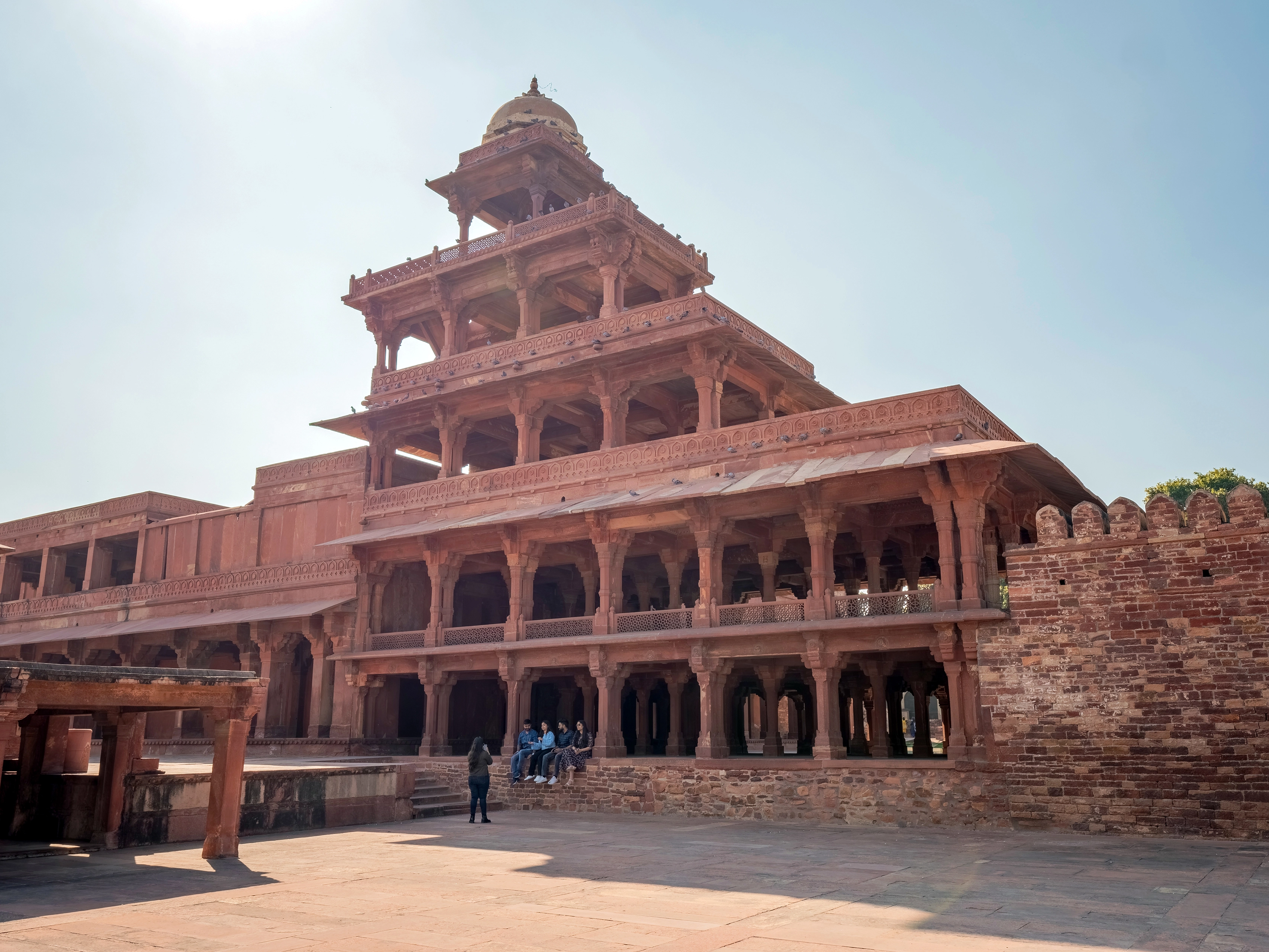

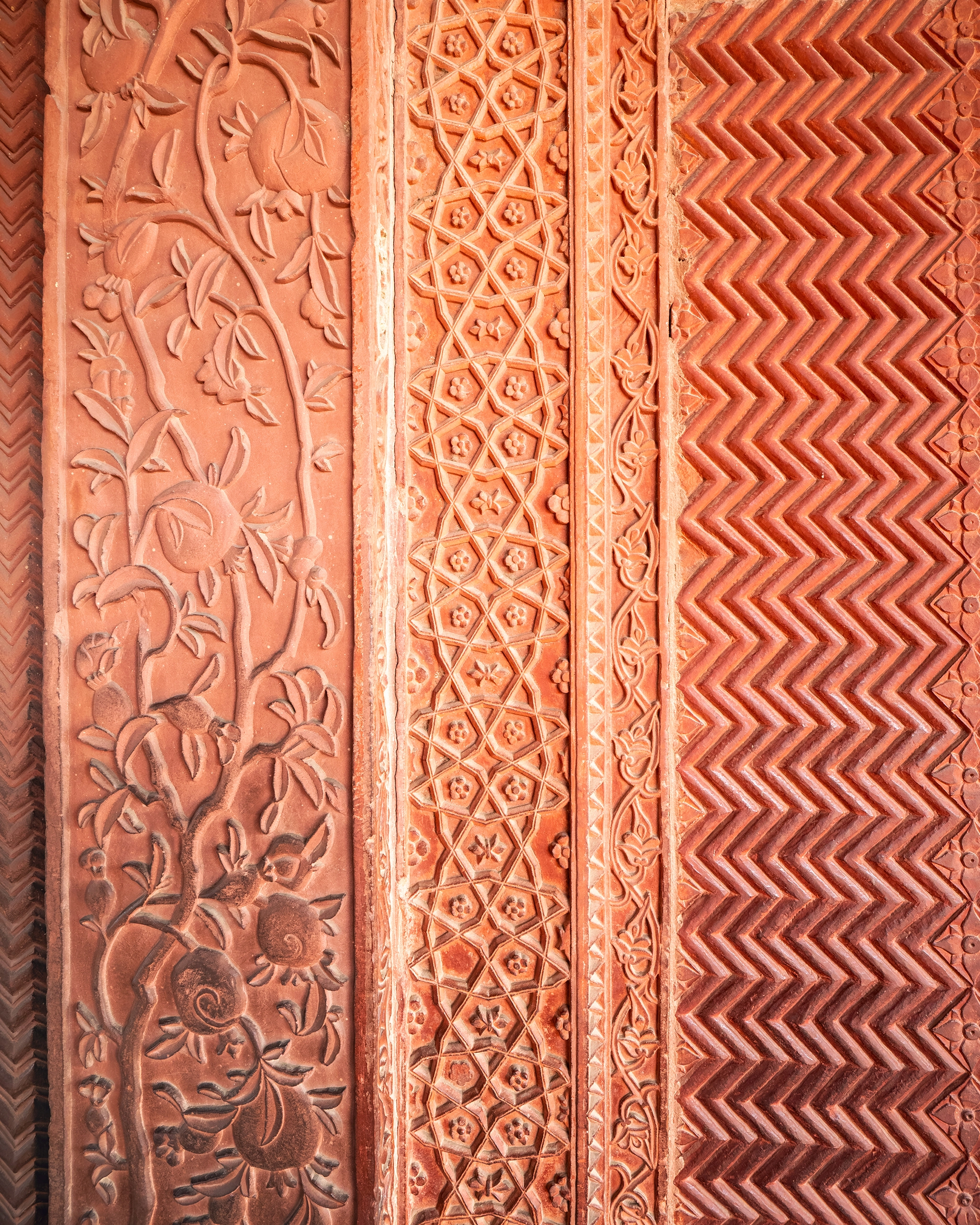
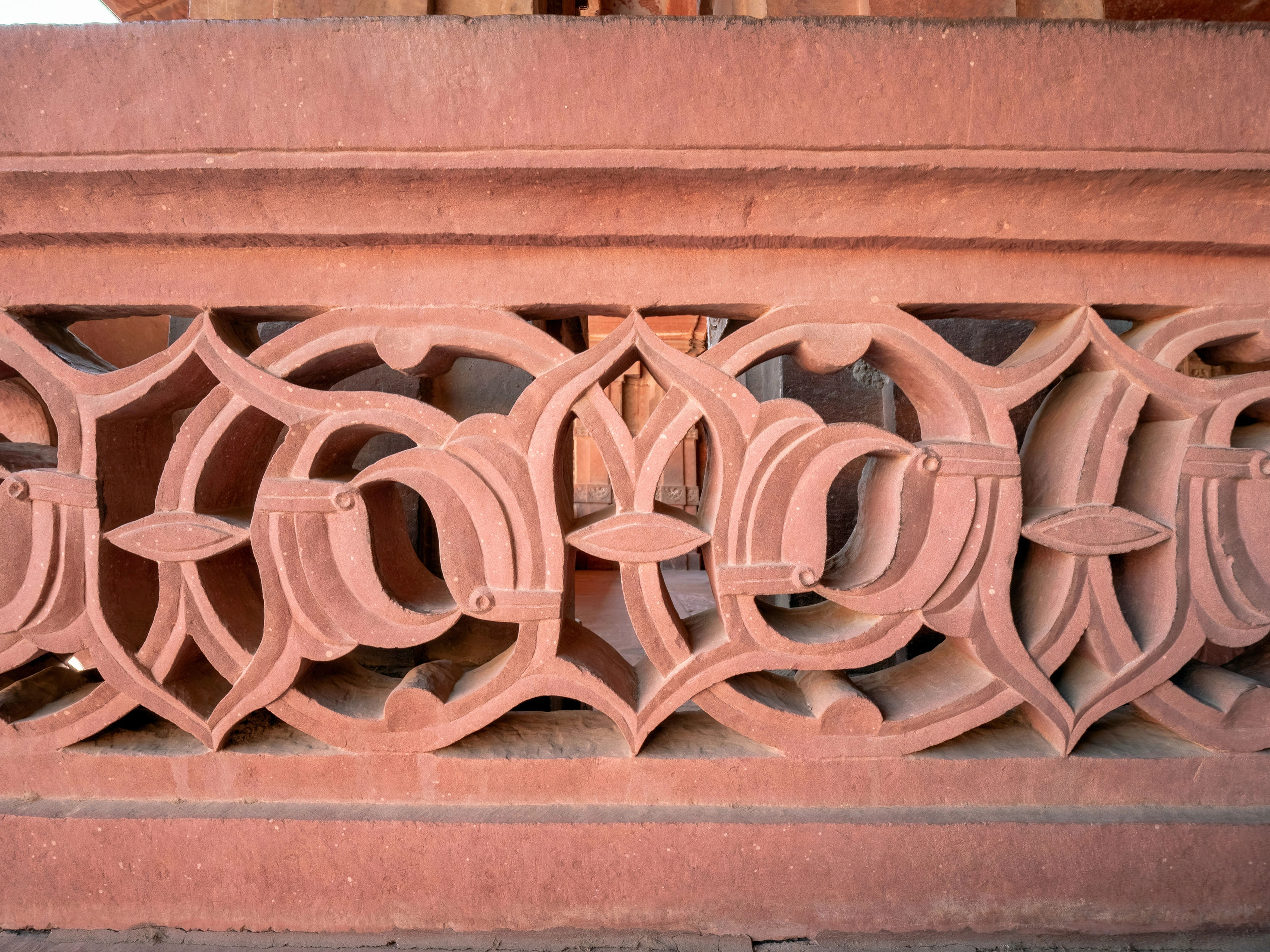


That would be the extent of the main points of interest I saw while in Agra, and for the 2 days I was there, I felt happy with all I was able to see and experience. Using the same Gatimaan Express train I took to get here, I returned to Delhi, where two days of sightseeing awaited me, as well as the incredible hospitality of the same Airbnb hosts I had the pleasure of staying with when I first arrived on day 1.
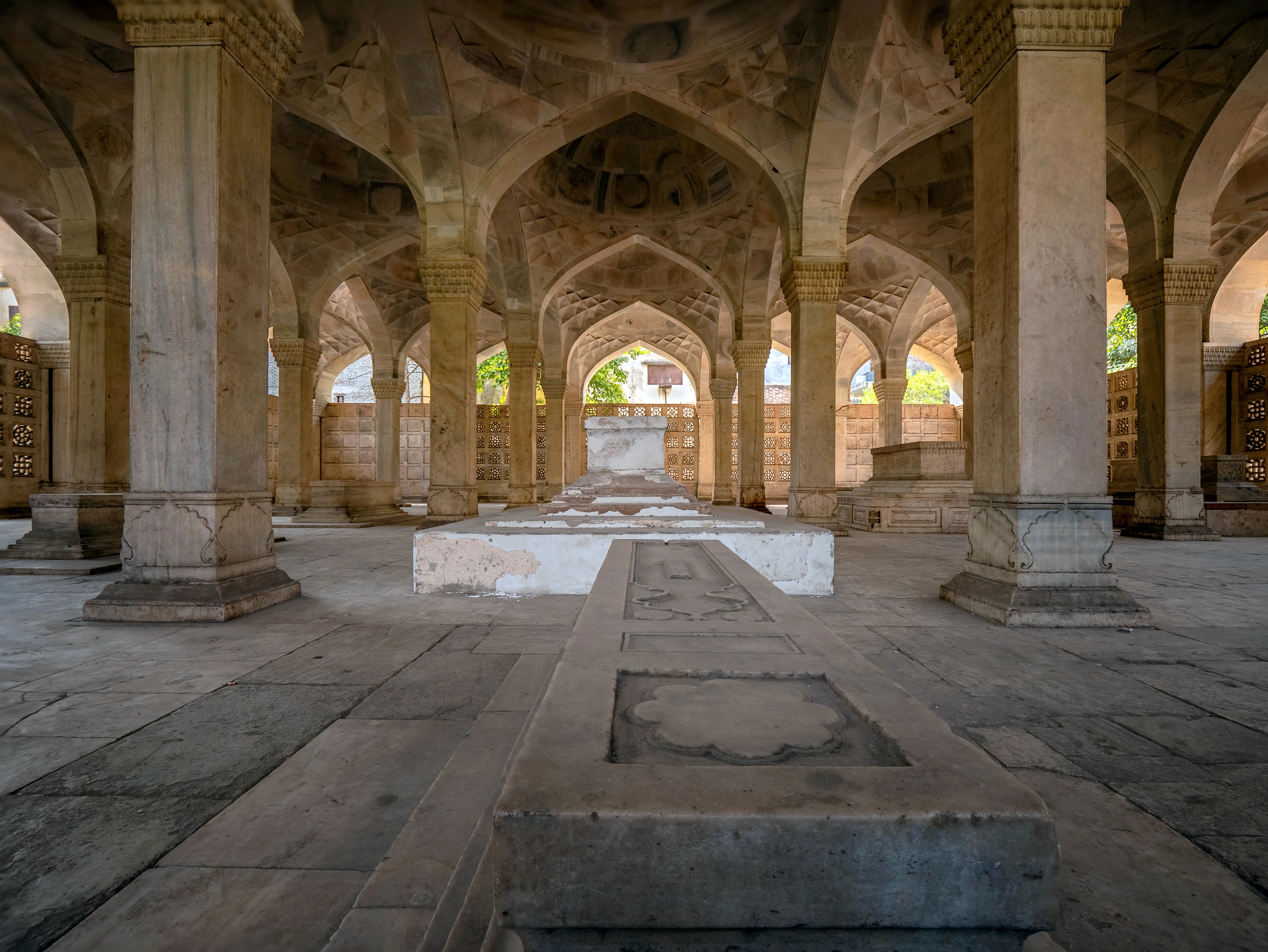
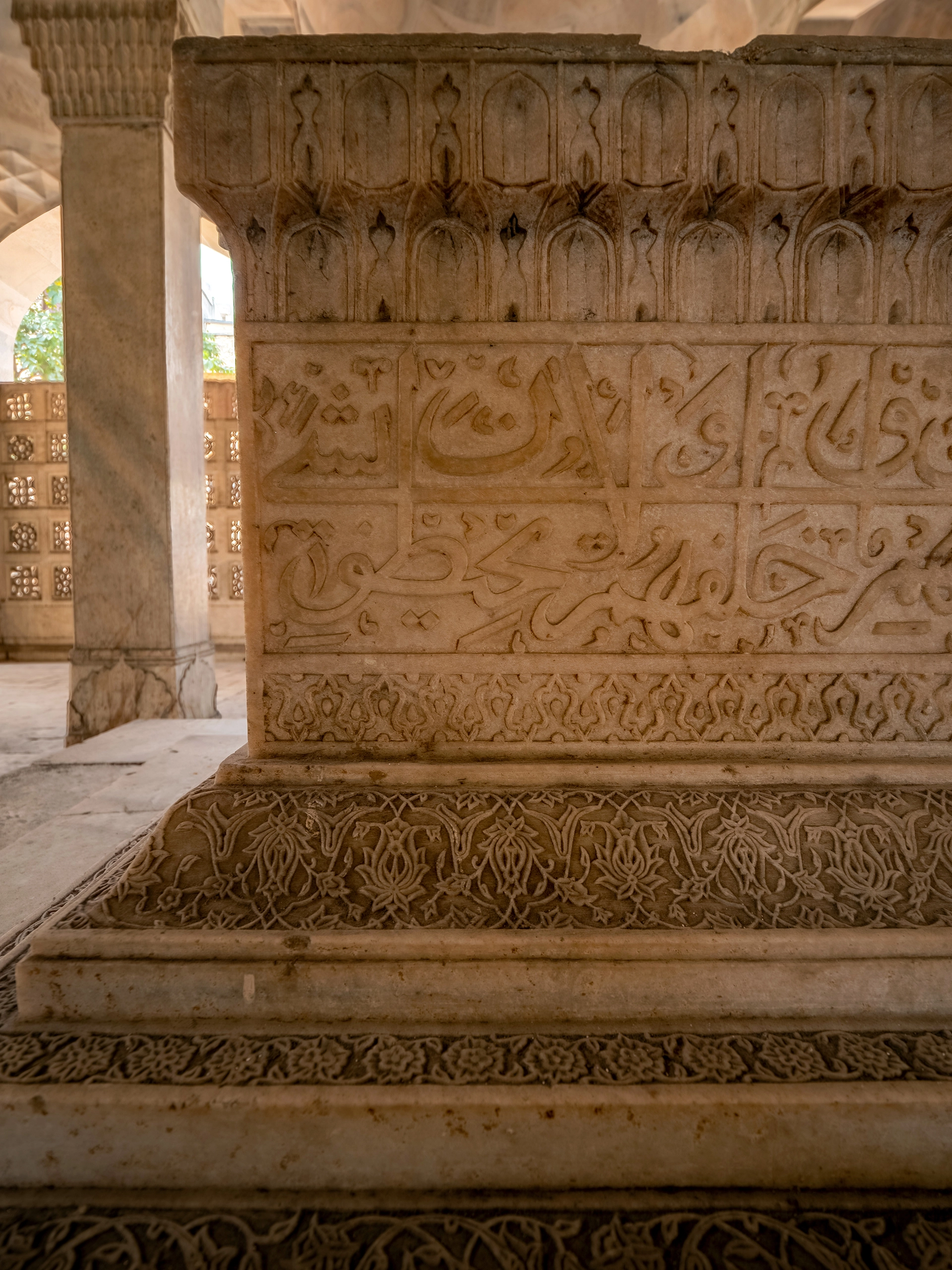
One of the first places I stopped at during my tour of Delhi was the Chausath Khamba, a 17th-century tomb built entirely of white marble. It was constructed between 1623 and 1624 by Mirza Aziz Koka, a foster brother of the Mughal Emperor Akbar, as a mausoleum for himself and his family.


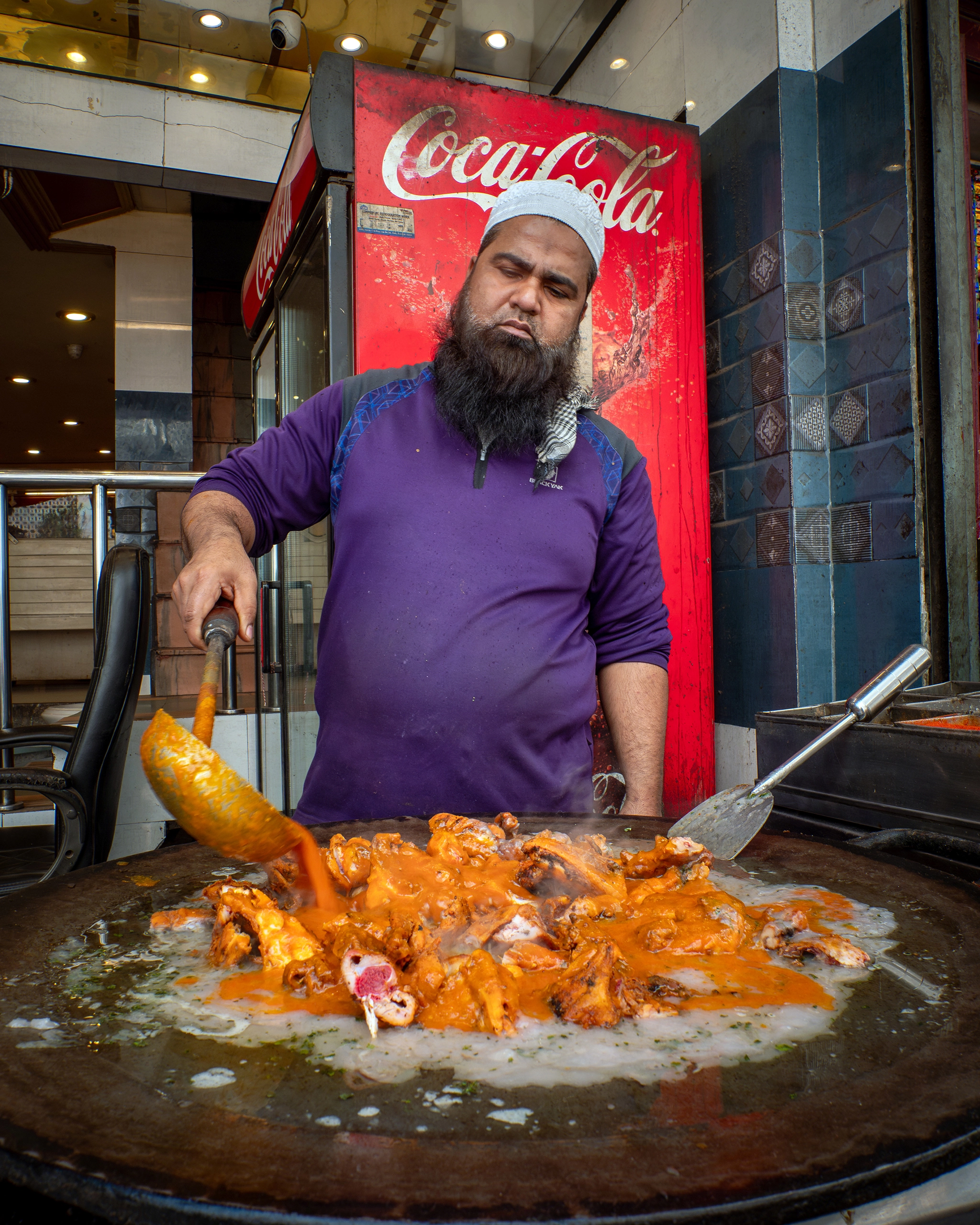
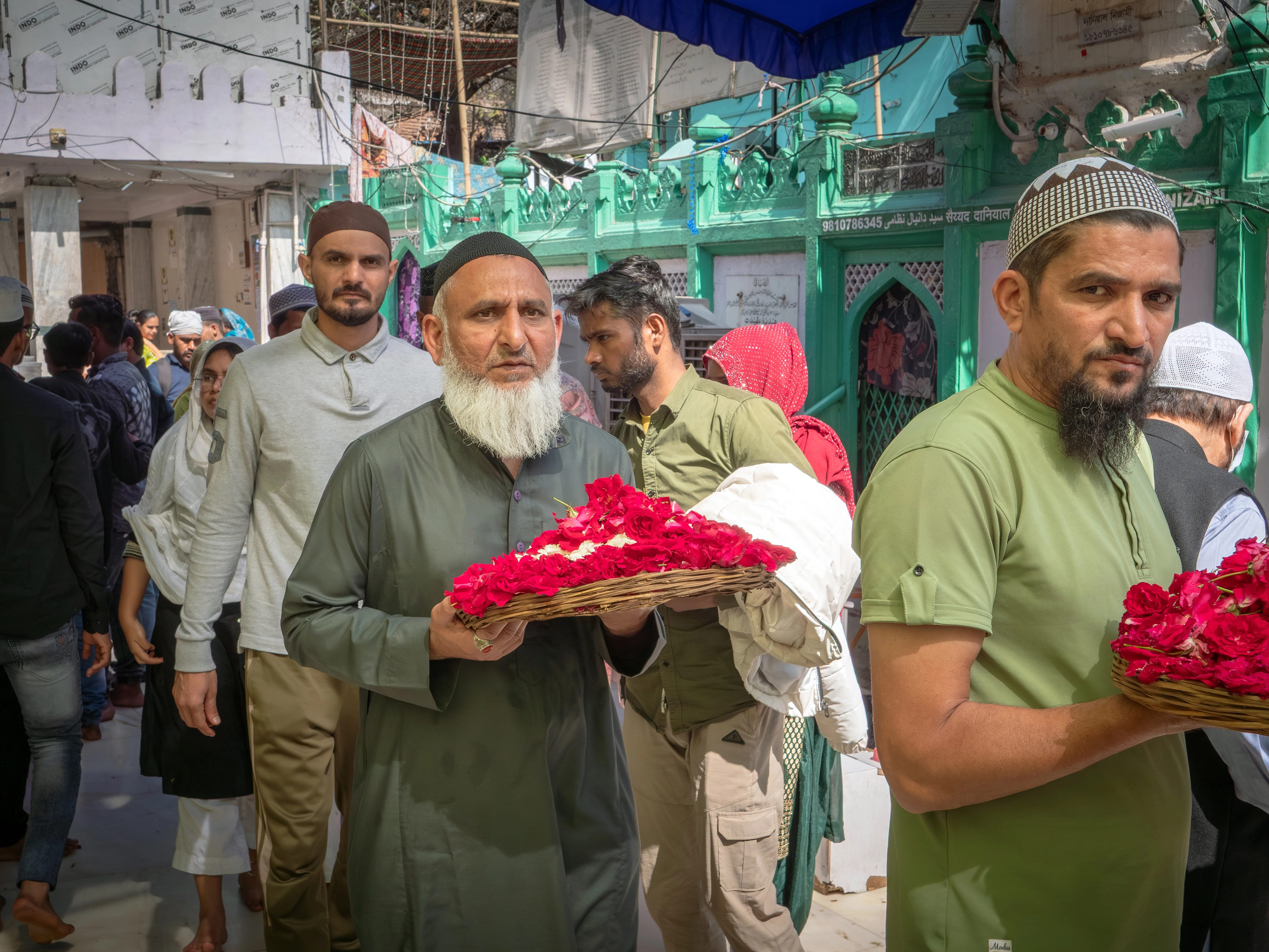
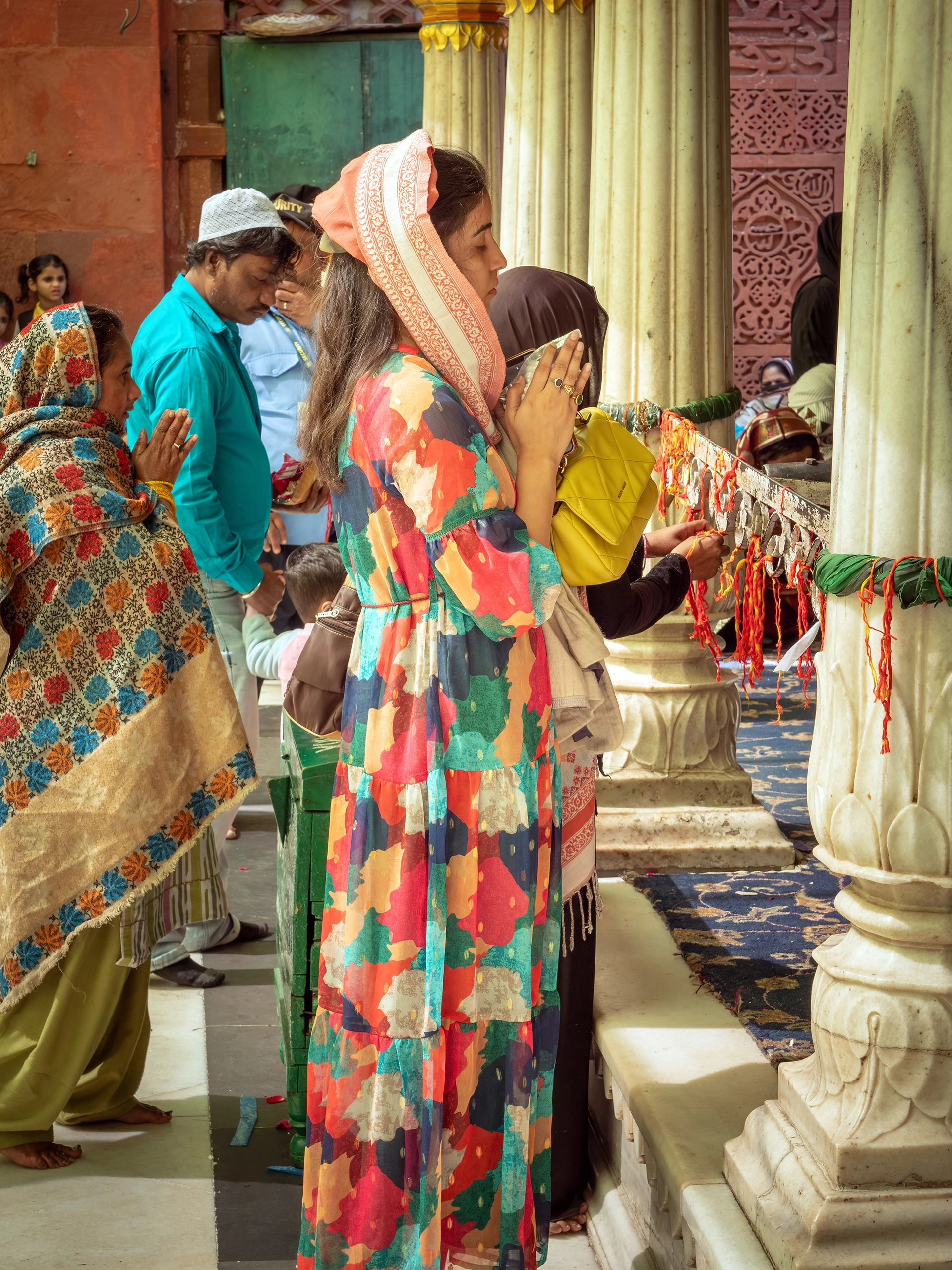
After that, I walked around the Hazrat Nizamuddin Dargah, a mausoleum and mosque complex in New Delhi, and its surrounding streets. Here are the people and places seen.




Then it was to Agrasen Ki Baoli, a stepwell in New Delhi which was originally likely constructed sometime between the 3rd century BCE and 4th century CE, and then heavily renovated in the 14th century, during the Tughlaq period of the Delhi Sultanate.


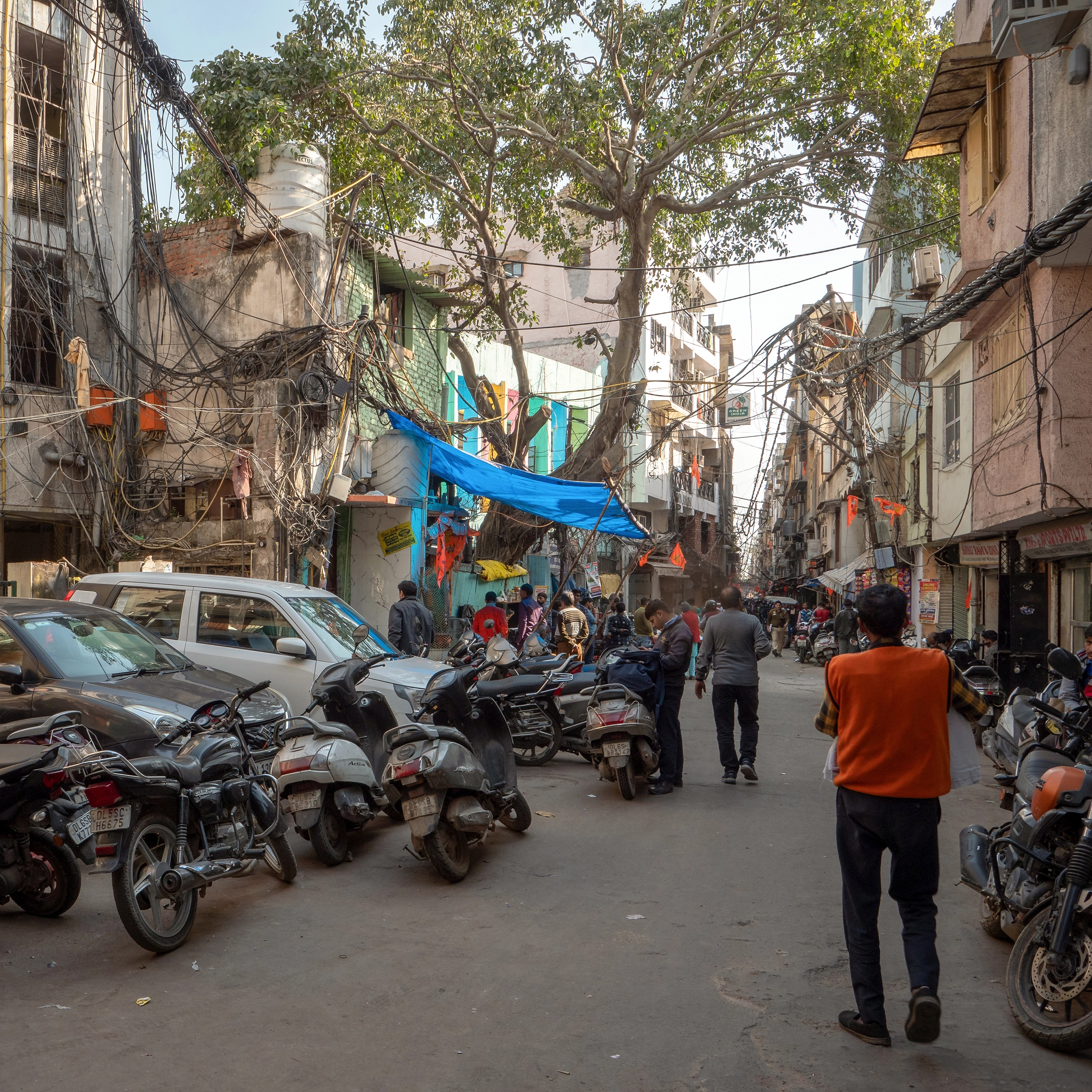
After leaving the stepwell, it was off to Old Delhi, specifically Khari Baoli, Asia’s largest wholesale spice market. The level of activity here was incredible, with constant commerce and movement happening everywhere you look. Here are some of the photos I took while walking around its alleys and streets.




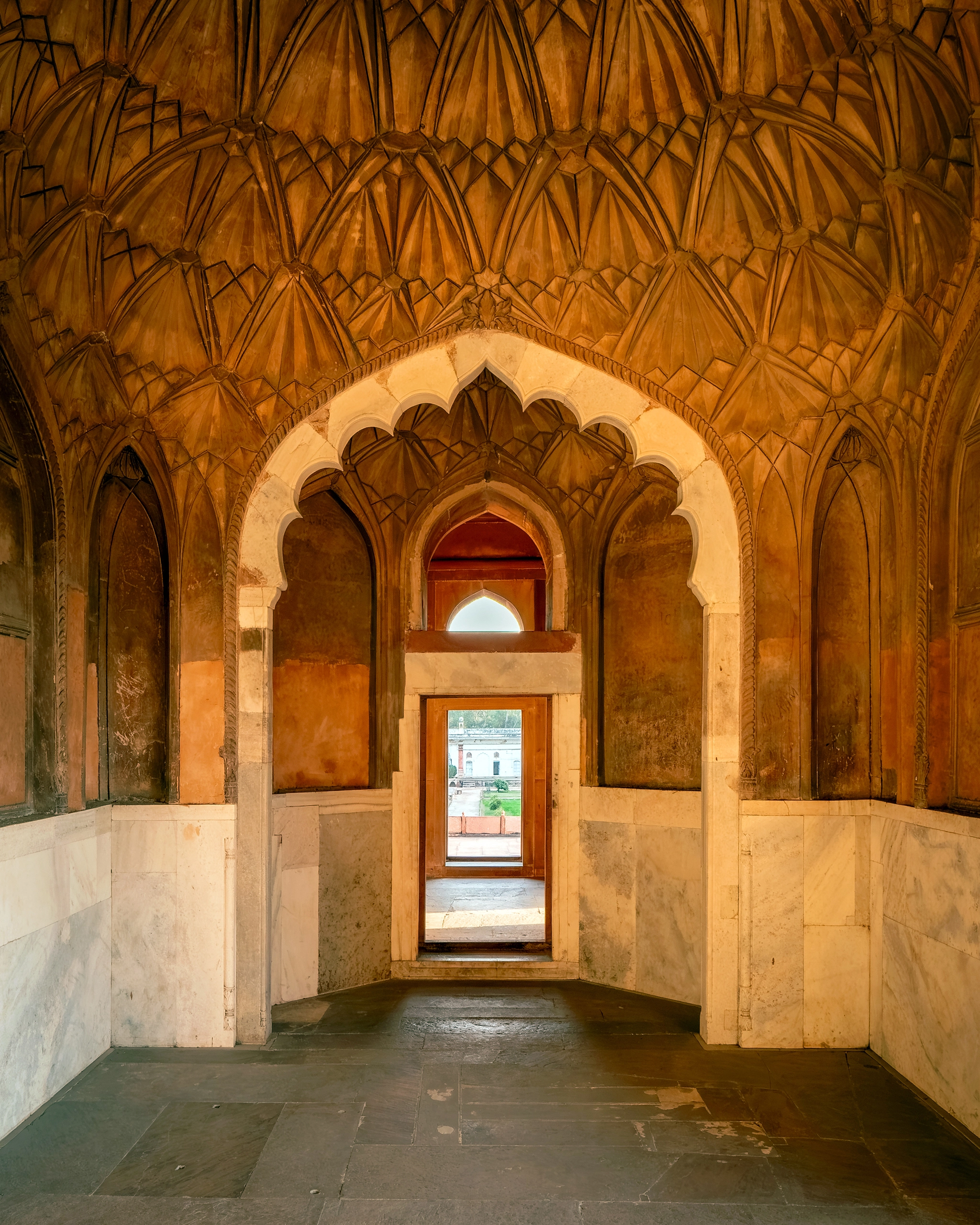
As the day came to a close, it was off to Safdarjung’s Tomb, a large sandstone and marble mausoleum in New Delhi, where the sun happens to fall right behind the backside of the monument, setting up a perfect sunset opportunity. Built in 1754 during the Mughal Empire, to honor Nawab Safdarjung, statesman and Prime Minister of India.



With that ending the night, it was time to get to sleep early, as tomorrow’s wake up would need to be around 2:30 in the morning, as I had flowers to wake up for.
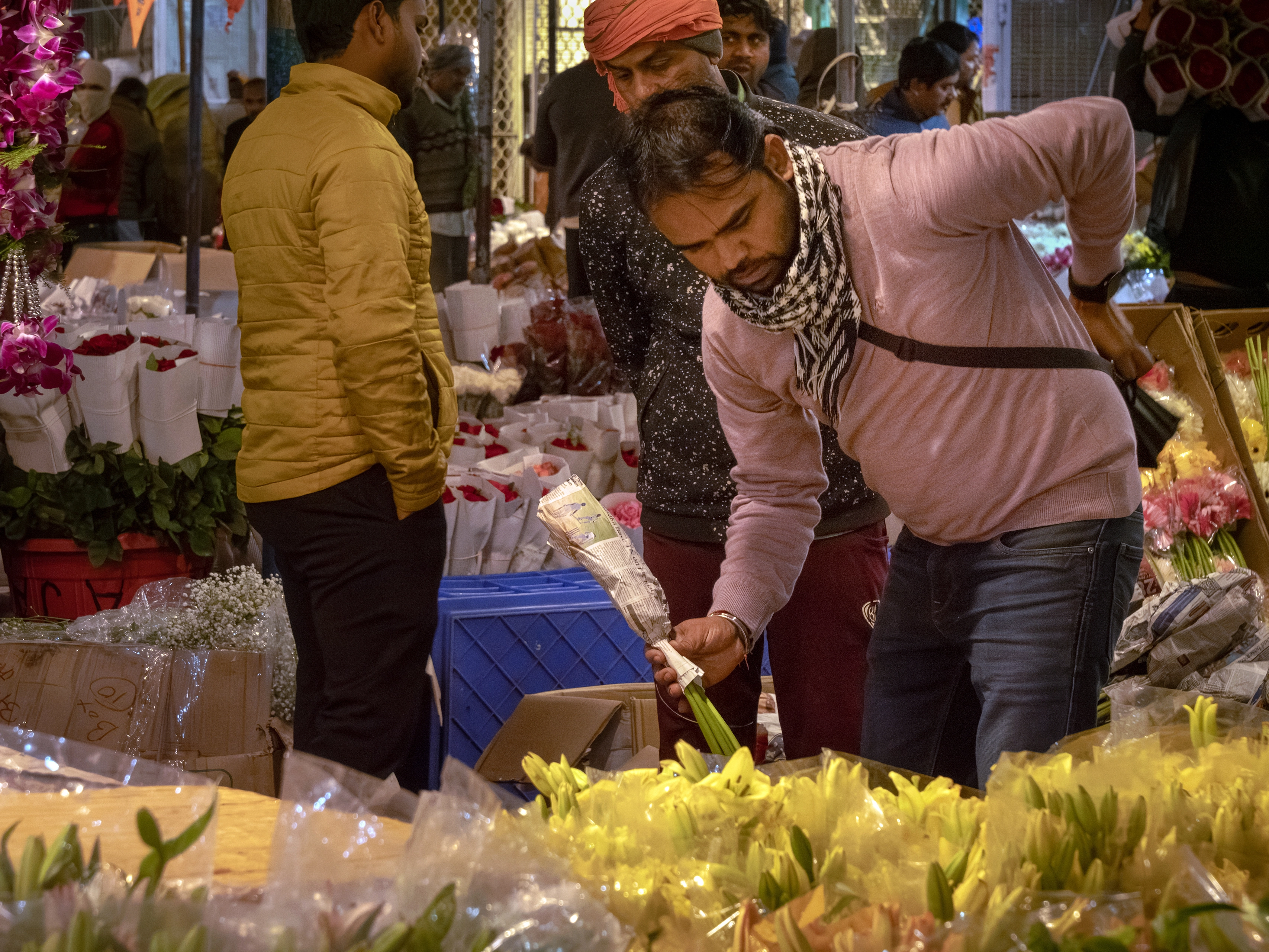
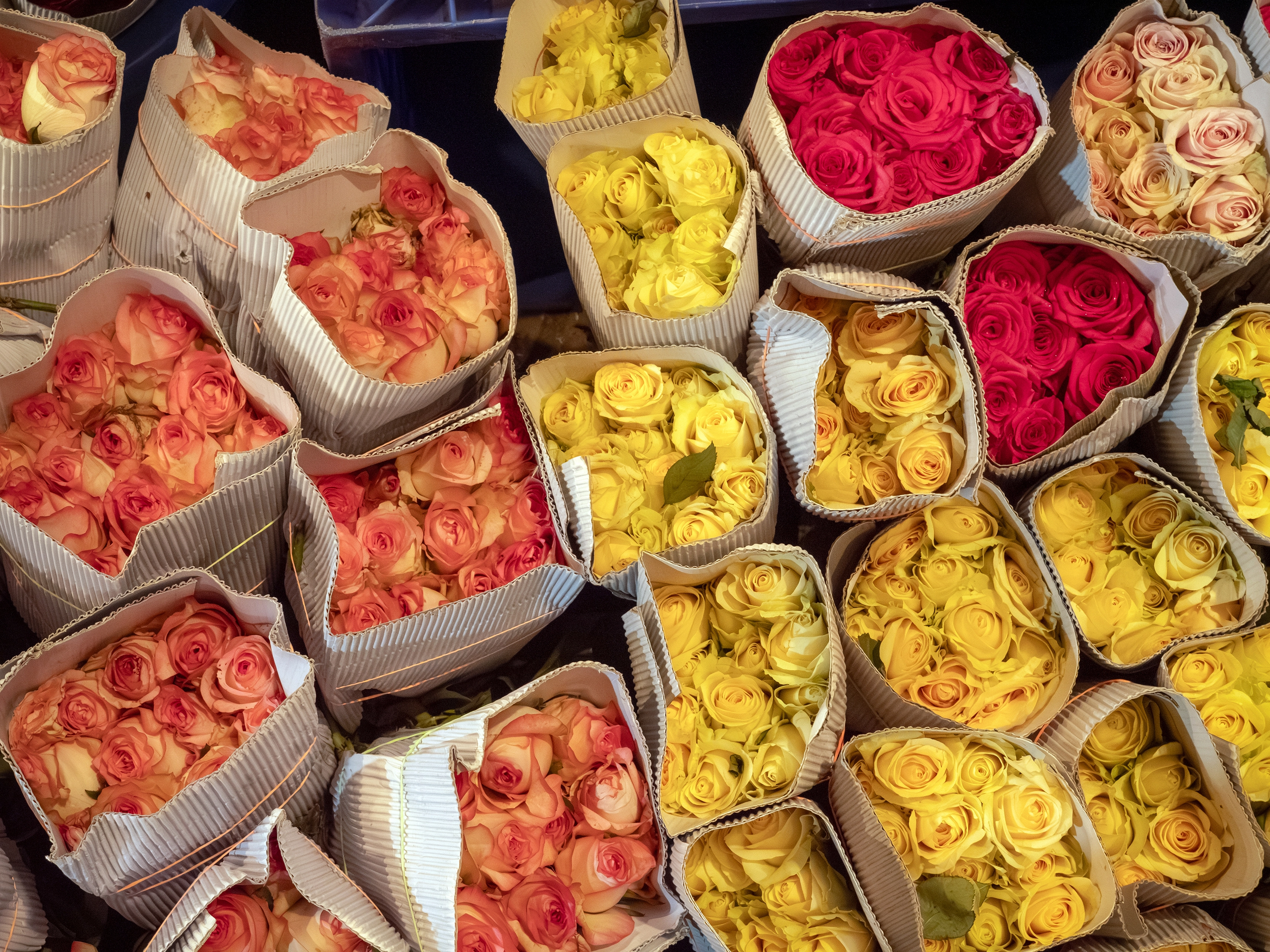
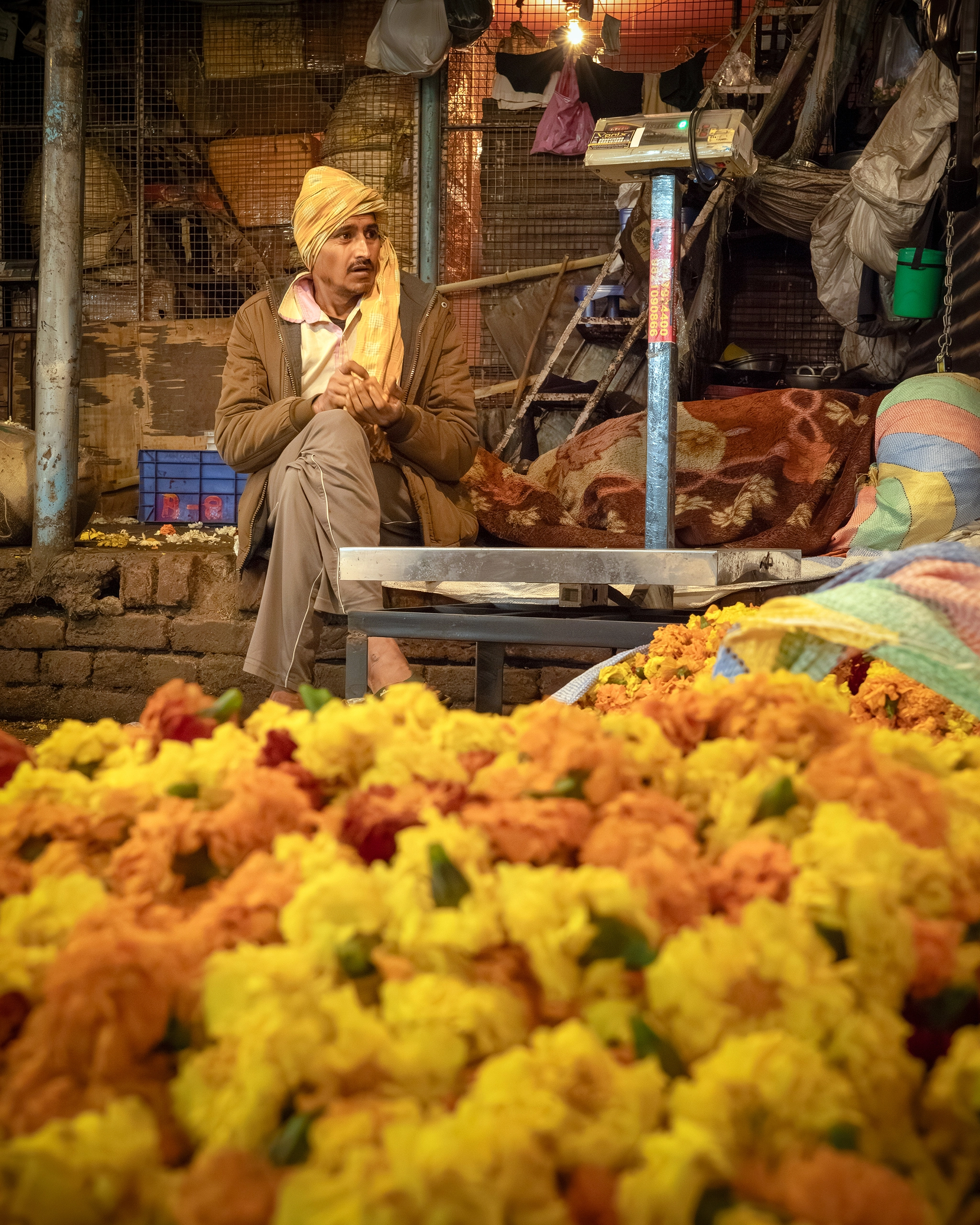
Before the rest of the world starts waking up, vendors at the Ghazipur flower market begin arriving at its opening time of 3 AM to display their flowers of the day. This large wholesale market caters to florists, wedding planners, event decorators, temple caretakers, and street sellers. The vendors are usually the farmers directly, or wholesalers from across India.
Out of all of the locations I photographed at during my 15 days in India, this is the one which resulted in my personal favorite photos of the trip, and felt like a location you could take infinite beautiful photos at. It was constantly evolving. Flower displays were changing, product being sold and moved, alongside the vendors and customers moving amongst the aisles and booths. I had fun keeping up with it all.
I took a ridiculous amount of photos here. Here are just some.







The nice thing about photographing somewhere at 4:00 in the morning, is that once you are done, you’re still able to photograph the sunrise afterwards. And what better place to do so, than at India Gate
Originally called the All India War Memorial, construction of this massive arch started in early 1921, completing in 1931. This memorial was dedicated to the 74,187 Indian soldiers who died during World War I and the Third Anglo-Afghan War.


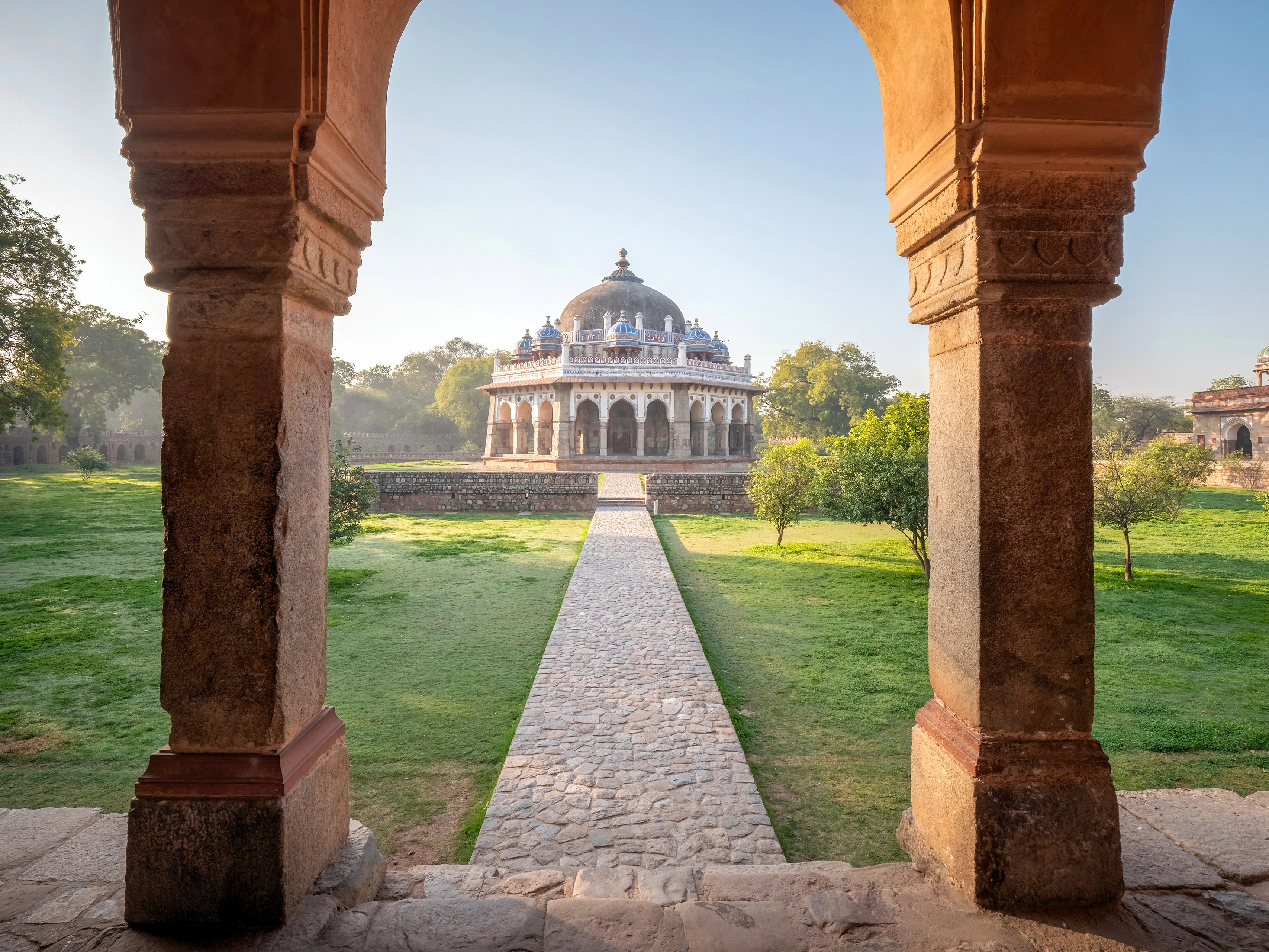
After sunrise at India Gate, it was off to Humayun’s Tomb, a massive red sandstone and white marble Mughal-era tomb completed in 1572 in Delhi, India. Humayun, or Mirza Nasir‑ud‑Din Muhammad, was the second emperor of the Mughal empire. Most emperors were known for commissioning their own tombs during their lifetimes, as Mughal rulers before him had done. But since Humayun never built his own, it was up to his widow to follow through with such a construction.



One of the more modern (yet equally spectacular) points of interest in Delhi is the Lotus Temple, a Bahá’í house of worship and architectural marvel. This temple was completed in 1986, and since then, over 100 million people have visited it, making it one of the most visited buildings in the world. During peak seasons, over 10,000 people visit it each day. It is one of only 10 Bahá’í Houses of Worship in the world, and like all Bahá’í temples, it is open to people of all religions, races, and nationalities.
It is constructed from white marble sourced from the Penteli mountain in Greece, the same marble used in the Parthenon. Its design features 27 free-standing petals, arranged in three clusters of nine, leading to the nine-sided circular structure on the outside, resembling a blooming lotus flower.


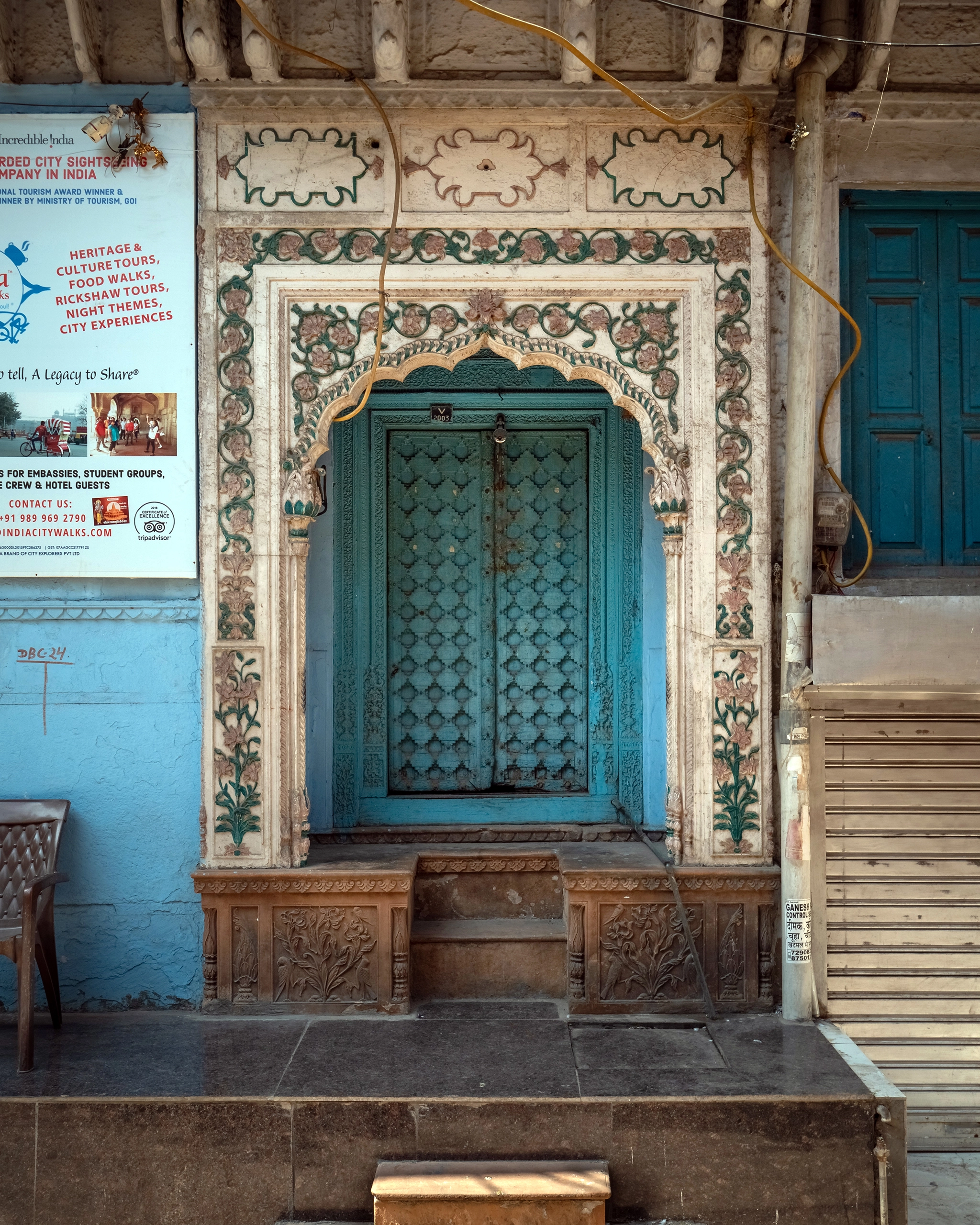
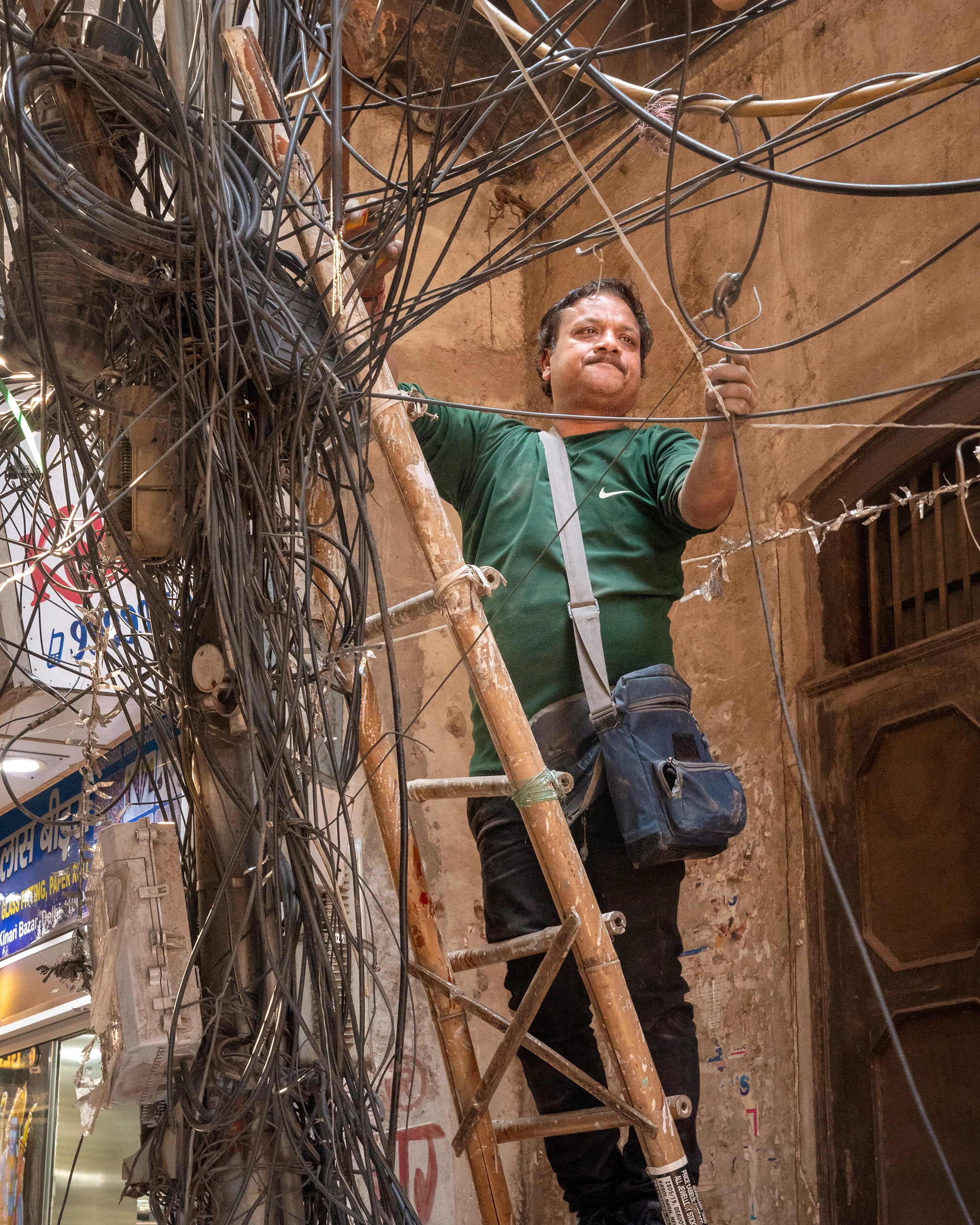
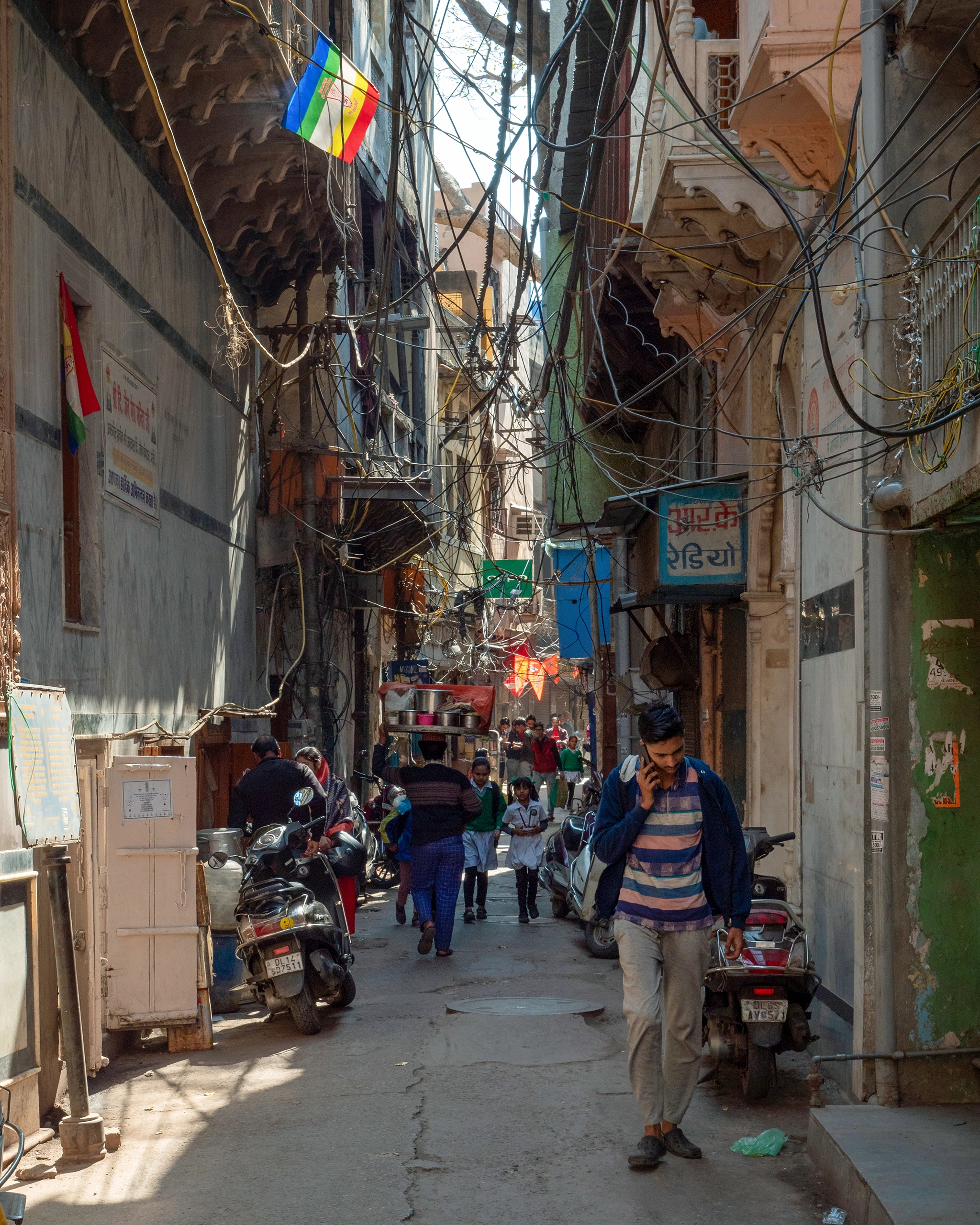
At this point I headed back to Old Delhi. Even though I had been there the day before, there were parts of it I still wanted to explore, and food I still wanted to try. It is worth pointing out, that when you are eating food either in Old Delhi, India as a whole, or any country you are unfamiliar with the food hygiene practices, the general policy is to only eat food which is piping hot. I followed this rule on my entire 15 day trip, but made the mistake of breaking it on this last day, as the guide I was using assured me of the reliability of the restaurant we were eating from. Learn from my mistake, no matter how assuring your guide is, stick to the piping hot rule. As I was almost immediately made aware of my mistake, and my walk through Old Delhi needed to be cut short, and action needed to be taken. But, here are some of the photos I took shortly after eating, before things took a sour turn.




Luckily I had planned for the possibility of food poisoning before my trip, and brought two Azithromycin pills for this exact emergency. One for a mild case, two for severe. Two did the trick, and I went back to the Airbnb to rest for a few hours, as my flight back home (16.5 hours non-stop) was later that evening, and having food poisoning and being stuck in an airplane for 16 hours did not sound ideal.
But, there was still one more place I really wanted to see before I left, and I didn’t want to let an upset stomach stand in the way of seeing this spectacular monument.
Qutb Minar is a massive tower which was primarily constructed between 1199 and 1220, as a monument of victory to commemorate the defeat of the Rajput king Prithviraj Chauhan, standing 238-feet (72.5 m) tall. It was designated a UNESCO World Heritage Site in 1993., and although I spent about 2 hours there at sunset, it all feels like a giant blur, due to still being in a food poisoning haze. There were even a couple people who asked me to photograph them when I was there (as they saw me with my camera gear), and it wasn’t until they reached out to me through Instagram a few weeks later that I even (barely) remembered meeting them in the first place.
I still had massive apprehension at this point, as my stomach was still not stable and I was staring a long-haul flight in the face. As it inched closer to needing to head to the airport, my stomach felt better and better. Although this tower was constructed to commemorate a victory hundreds of years ago, in that moment it felt like my personal victory tower, celebrating my emergency medicine kicking in, allowing me to semi-confidently board my 16.5 hour flight, heading back to the United States.
Here are my photos from Qutb Minar. I did not take many and I did not move around the site much at all. I feel fortunate to have made it here at all.


Even with this minor speedbump in my trip, especially given it was my fault for breaking the piping-hot food rule, I cannot thank my hosts, guides, and the people of India as a whole, enough. I was met with warmth, hospitality and generosity every step of the way, allowing me to see and photograph an incredible diversity of history, culture, people and nature. I can’t wait to return!
That’s all for Agra and Delhi. Again, here are the links to the album versions and other content from India:
Photo Galleries from Agra and Delhi
• Agra and Delhi – Main Gallery (147 Photos)
• Agra and Delhi – Extended Album (261 Photos)
More from My India Trip
This journey also included time in other parts of India. You can explore those here:
• Varanasi – Full Post – Main Gallery – Extended Album
• Pench & Kanha National Parks – Full Post – Main Gallery – Extended Album