Evan T Photography

Different types of photography, with short and longform photo album stories.

Follow me

  • instagram
  • reddit
  • mail
  • facebook
  • youtube
  • x
  • tiktok
  • pinterest
  • Home
  • Photo Posts
  • Photo Albums
  • Gallery
  • About
  • Contact
  • Shop
  • 0 items – $0.00
  • Home
  • Photo Posts
  • Photo Albums
  • Gallery
  • About
  • Contact
  • Shop
  • 0 items – $0.00

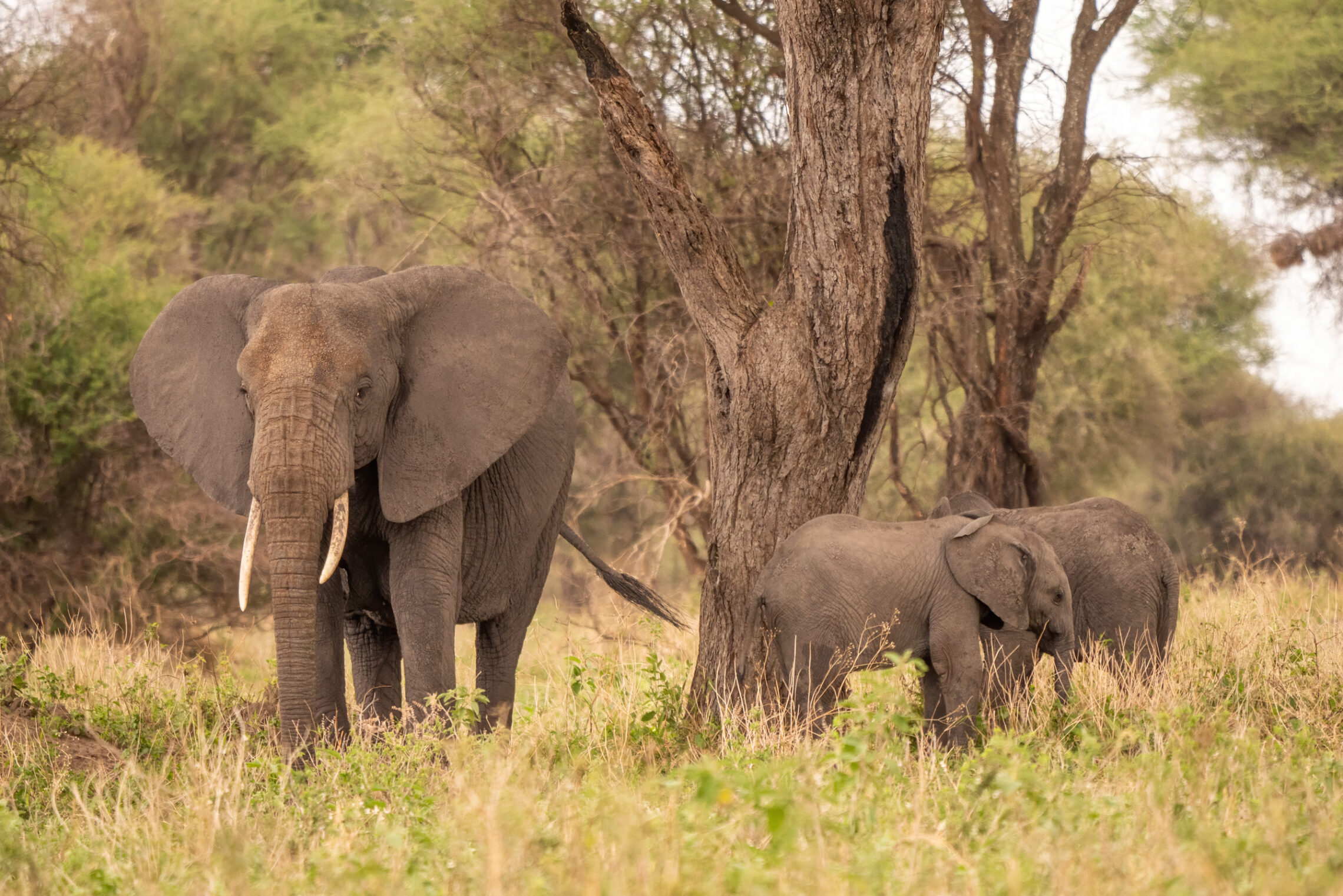
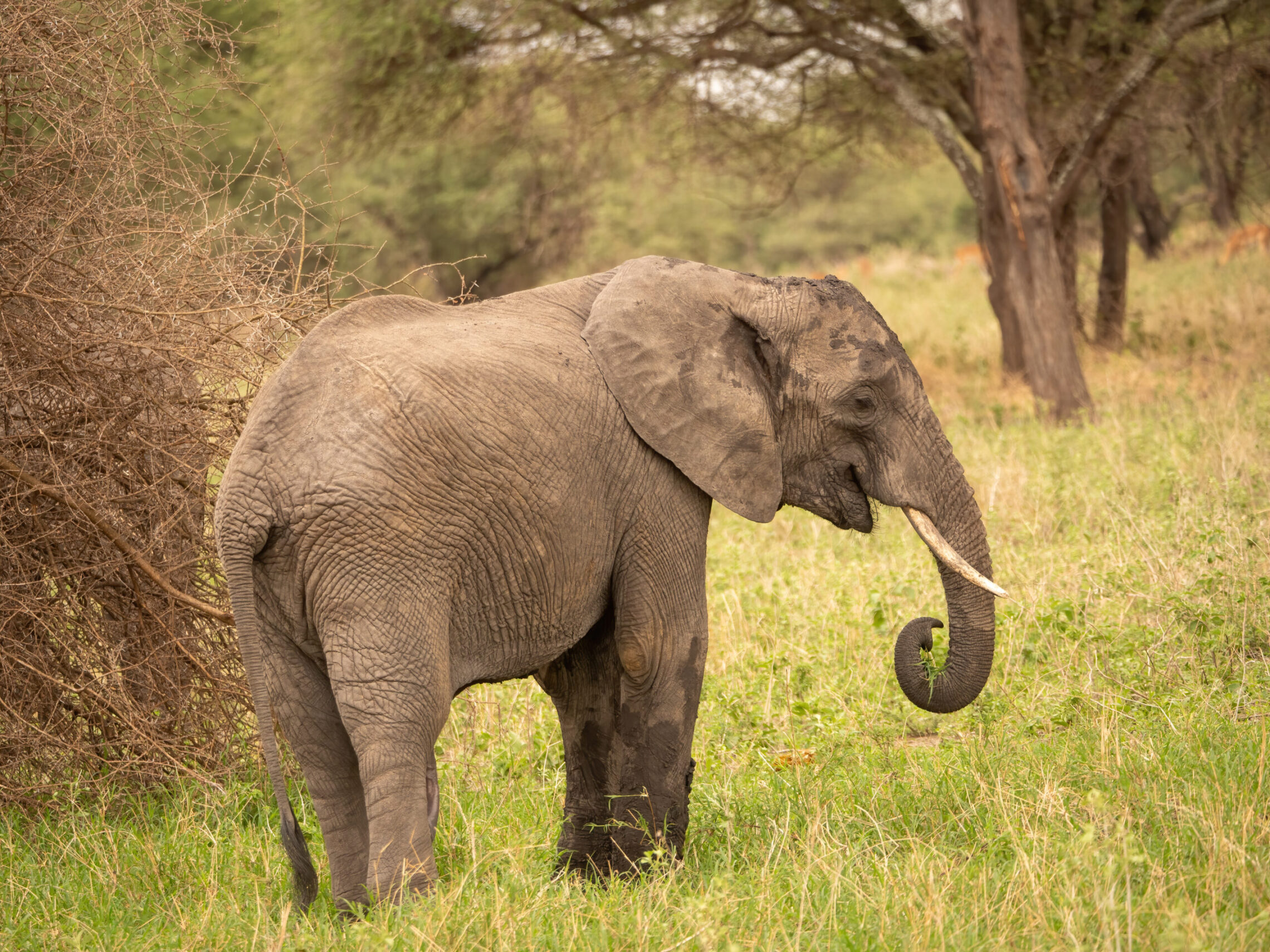
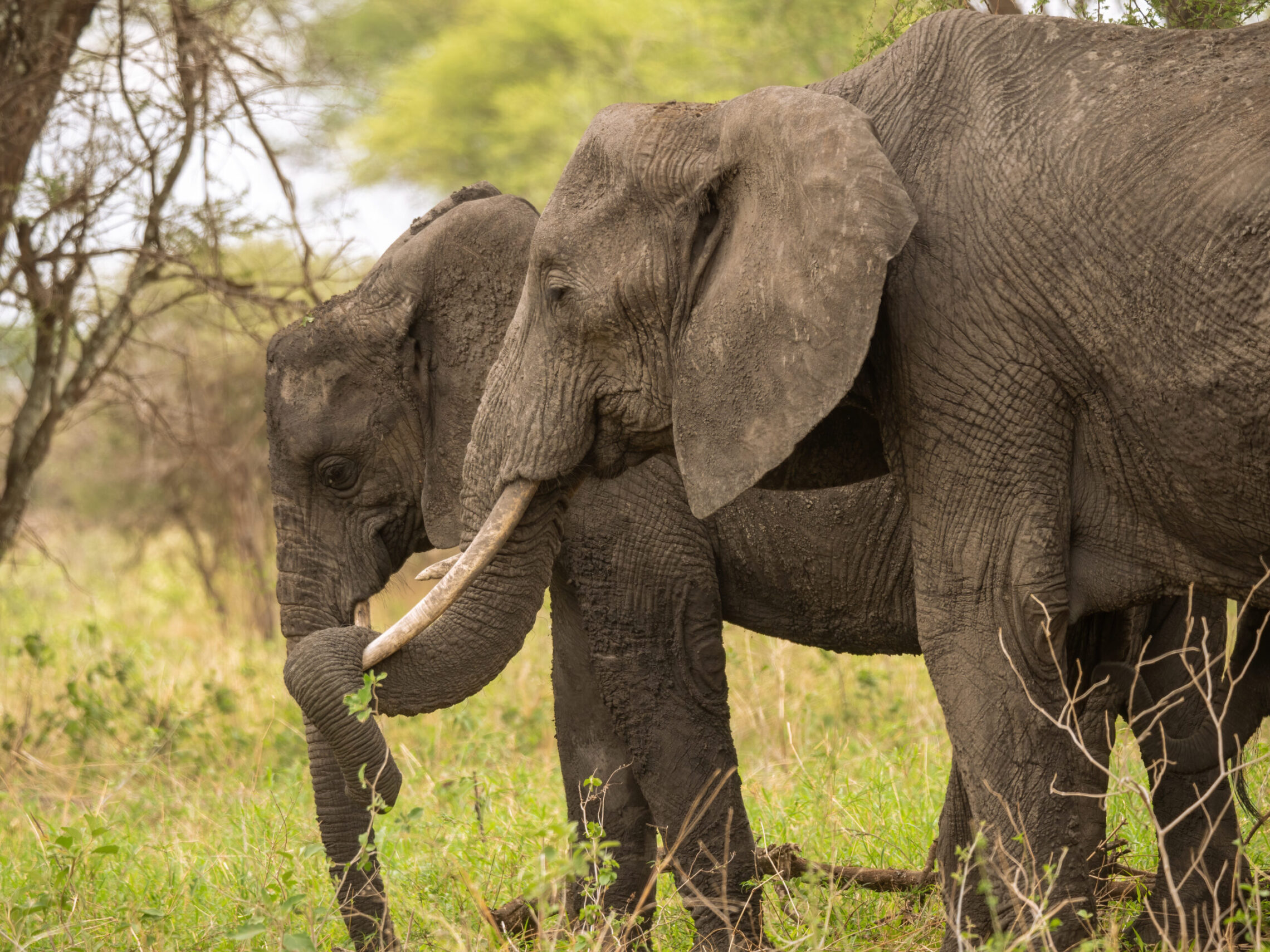
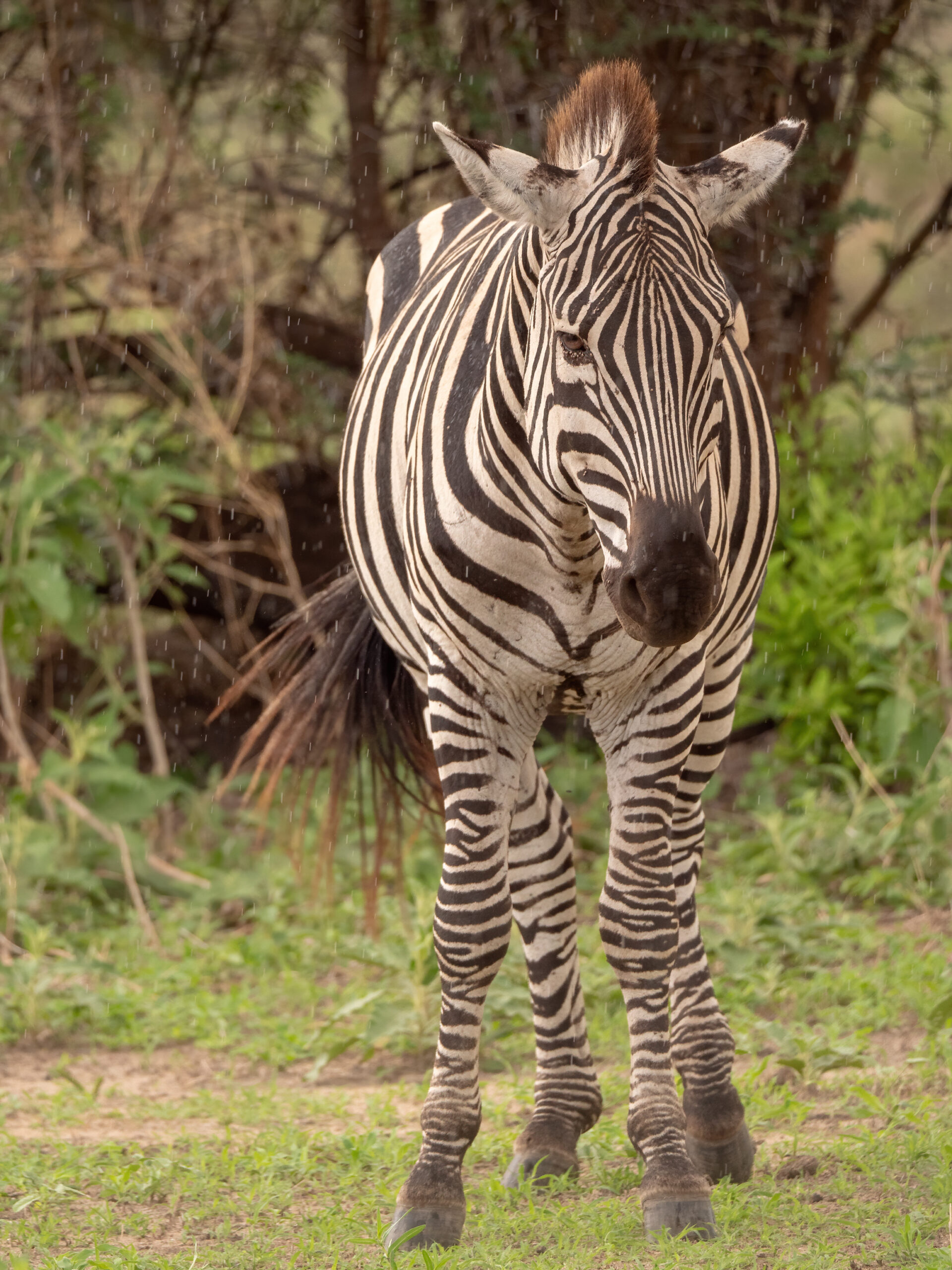
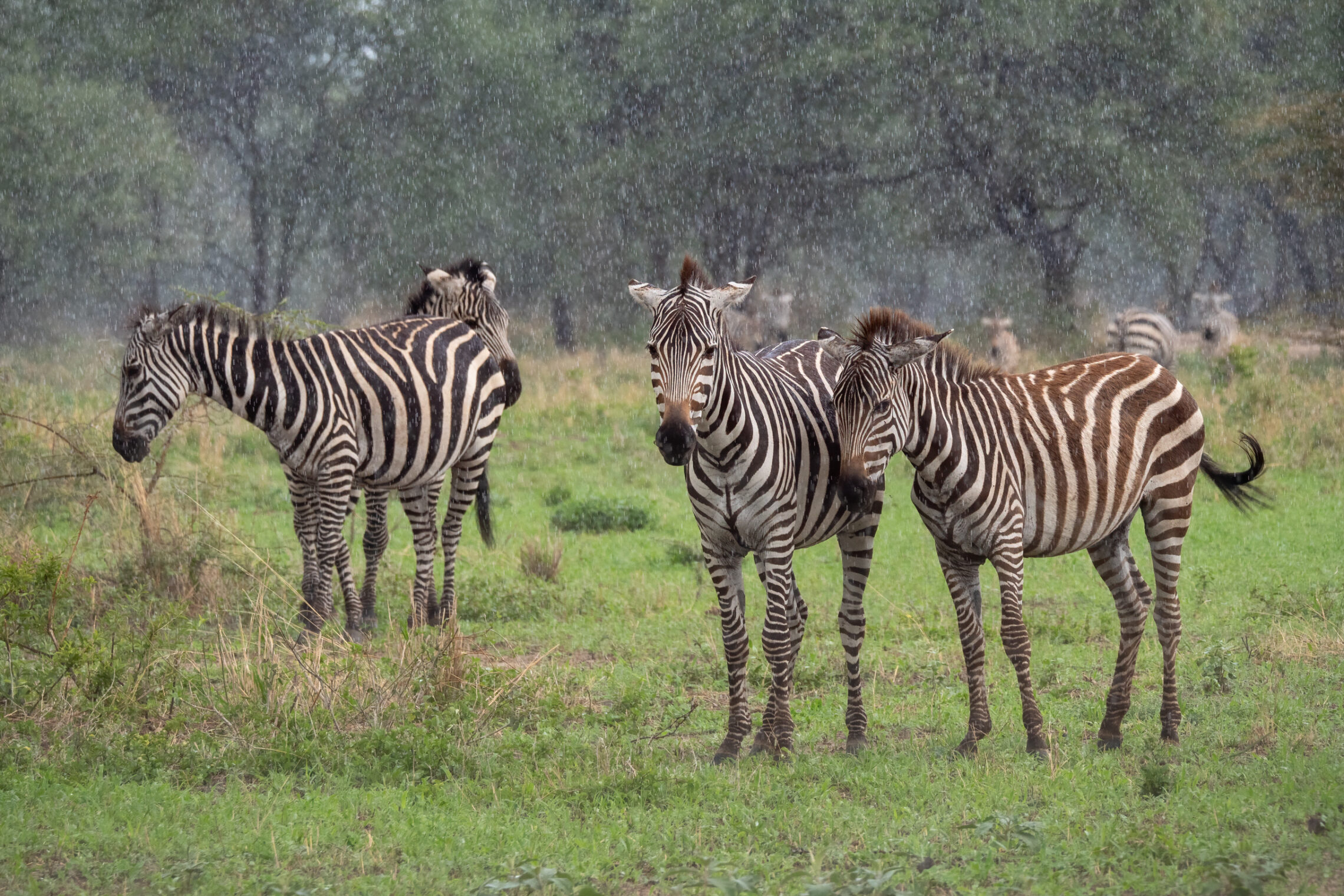
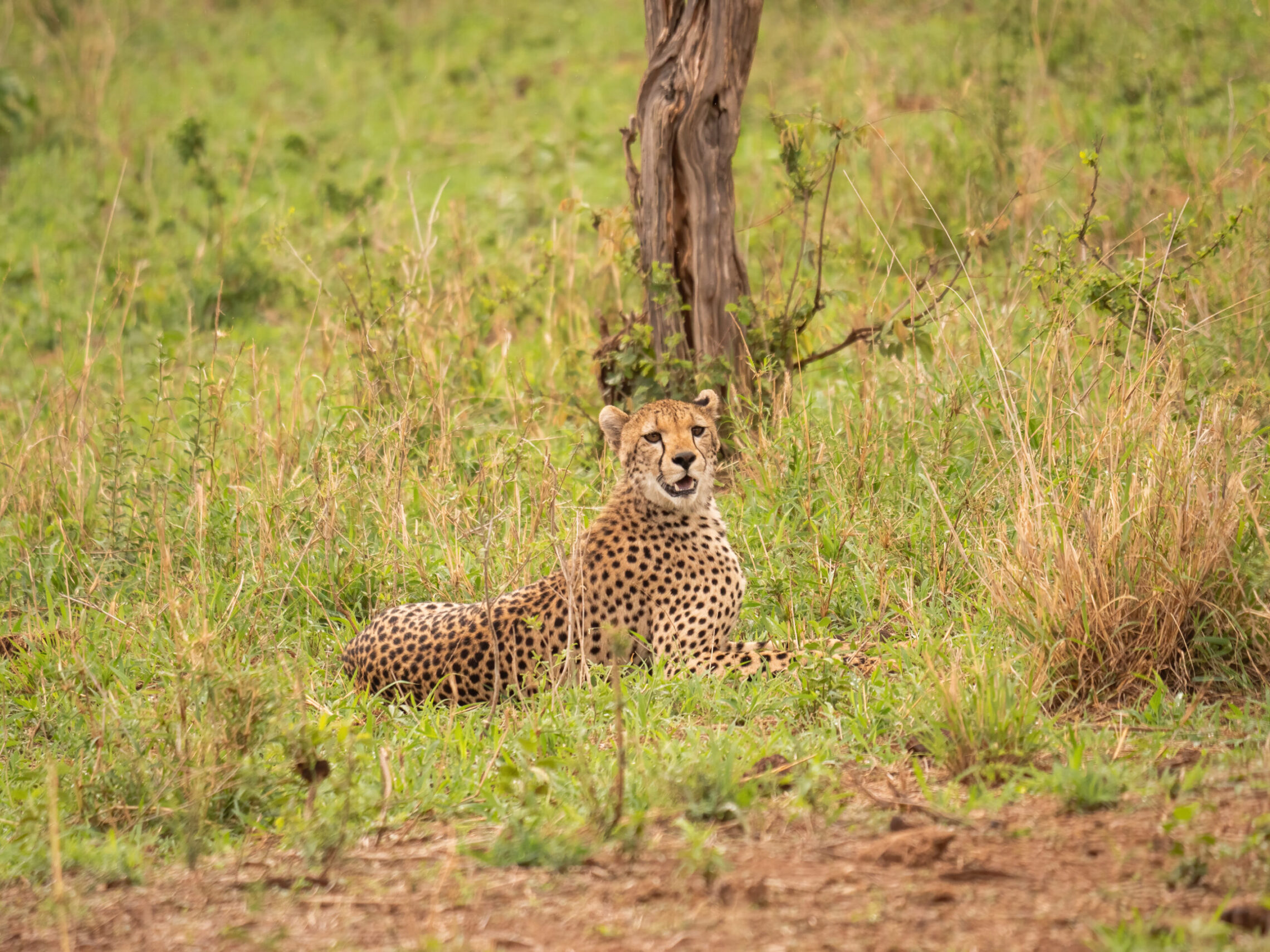
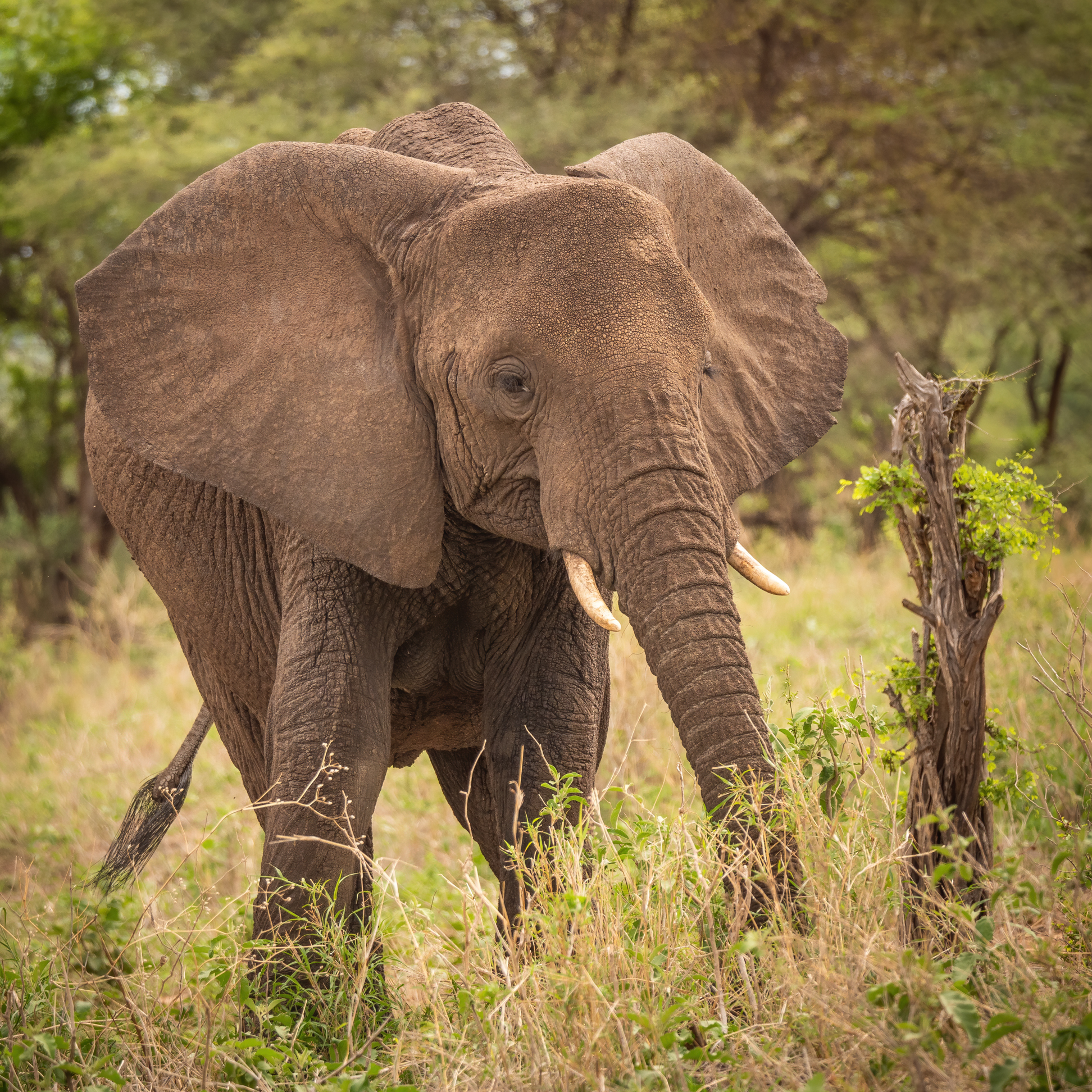
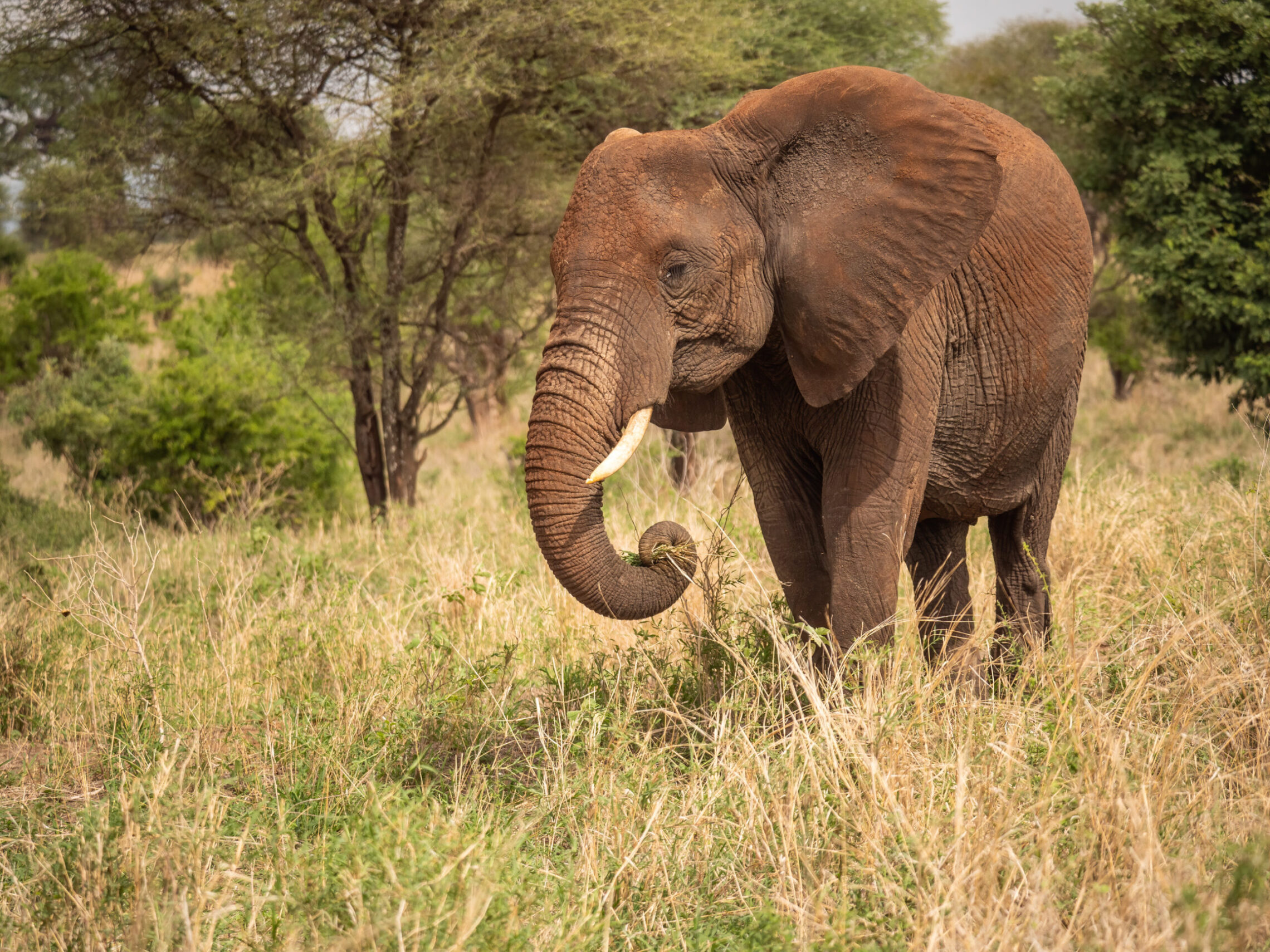
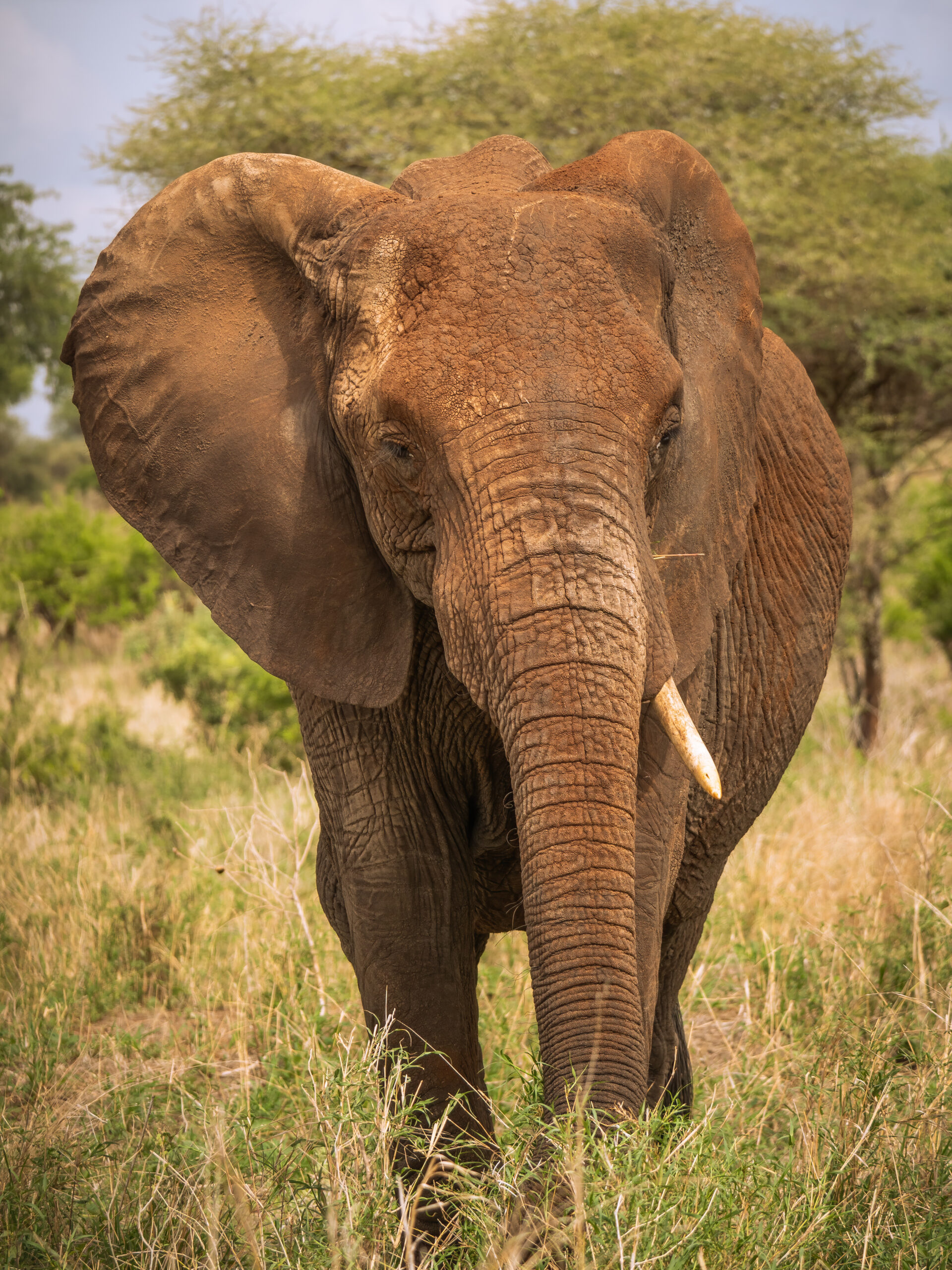
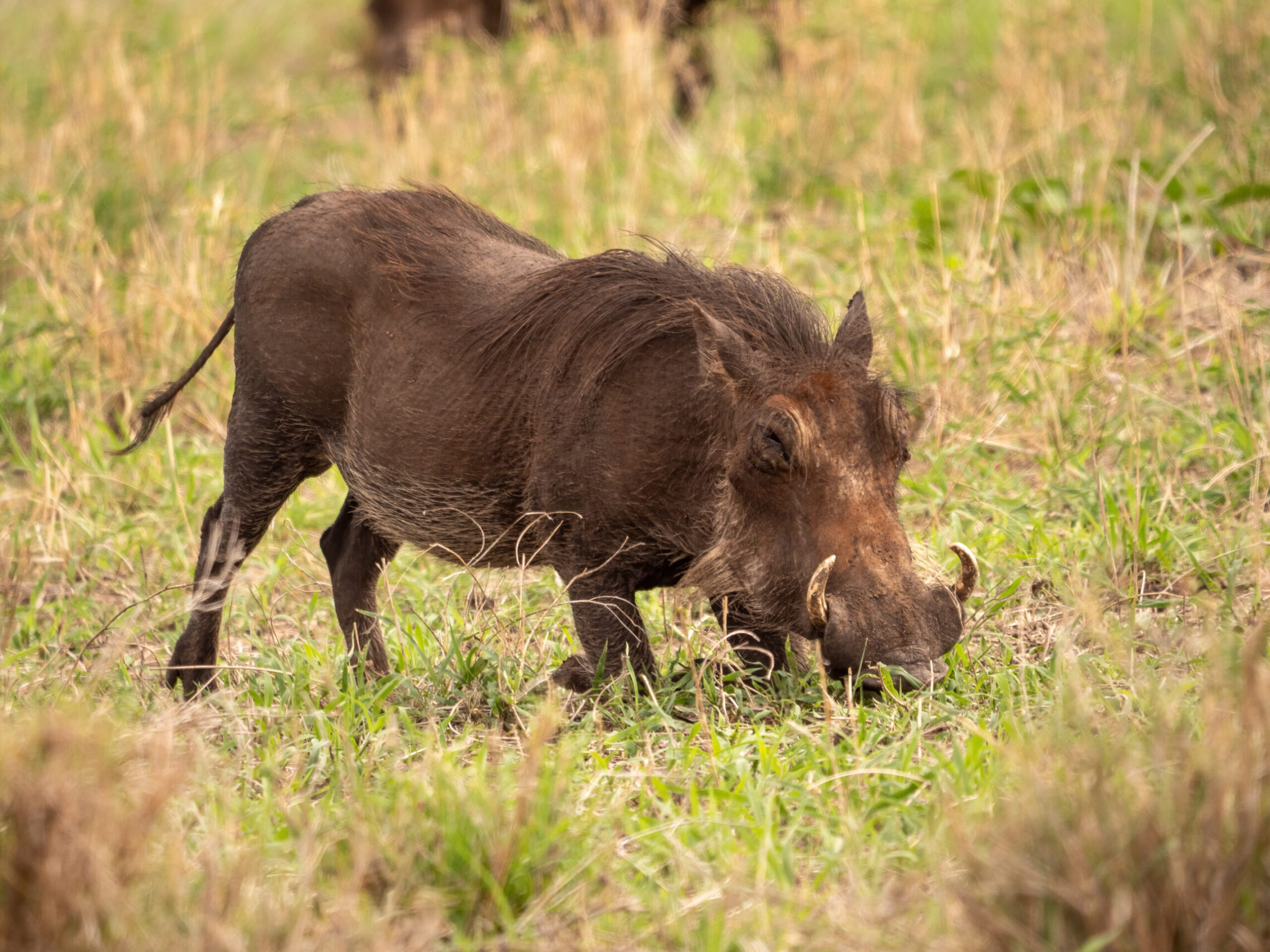
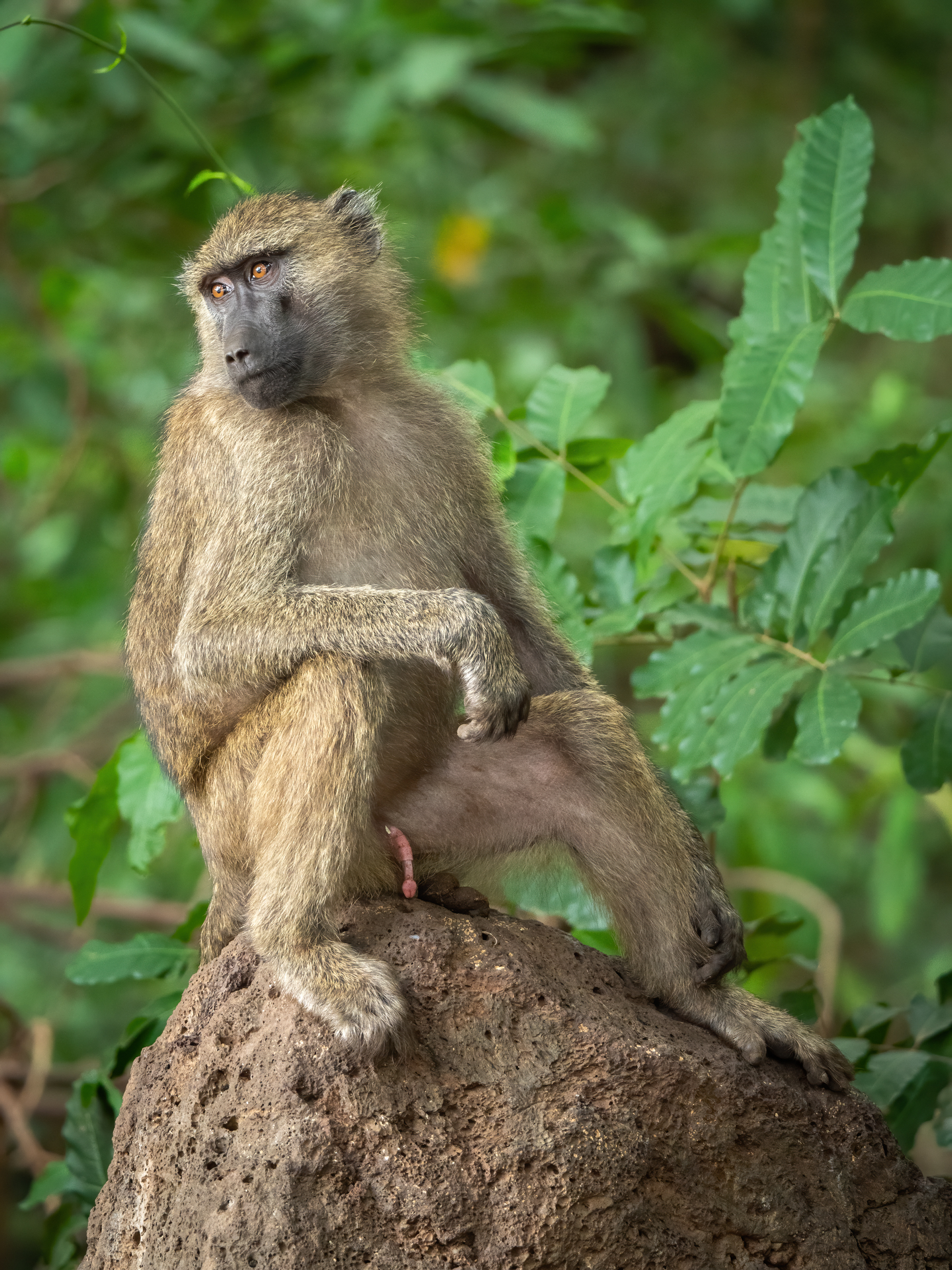
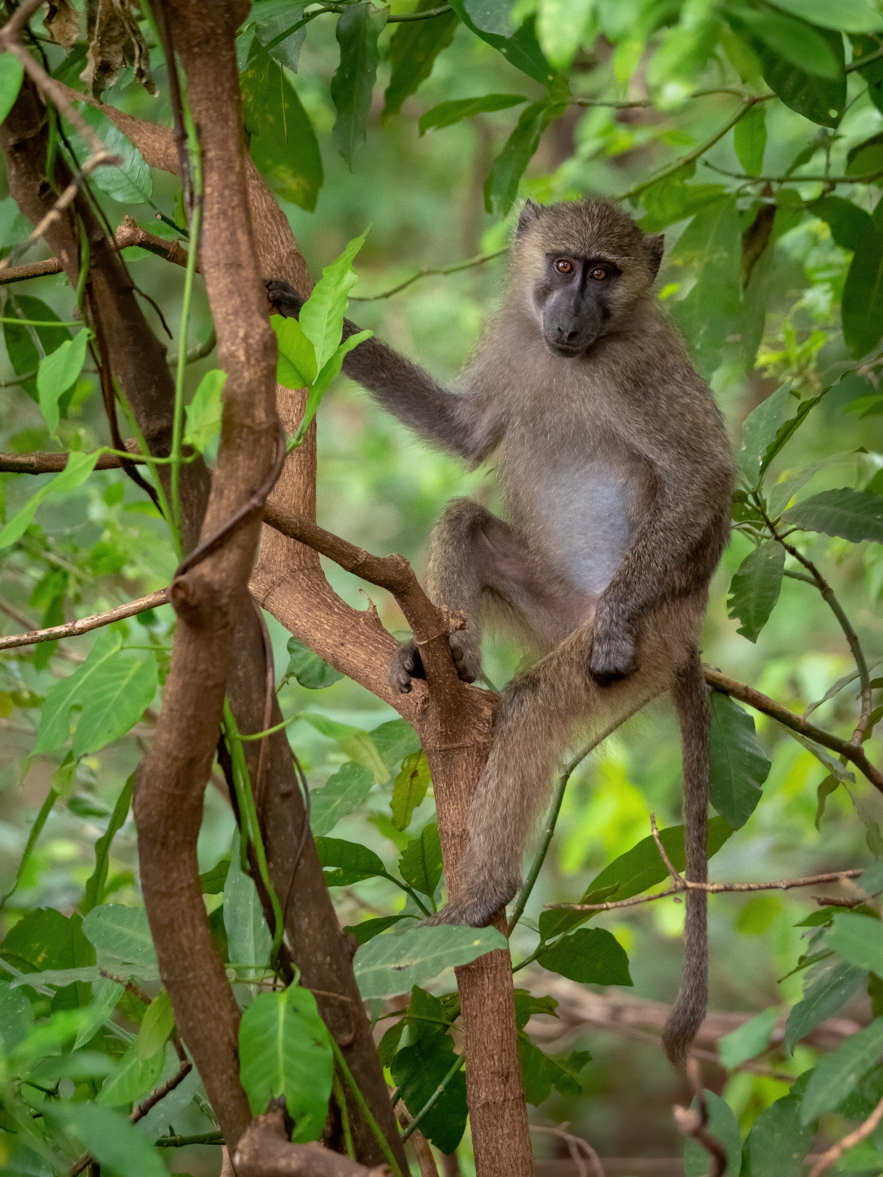
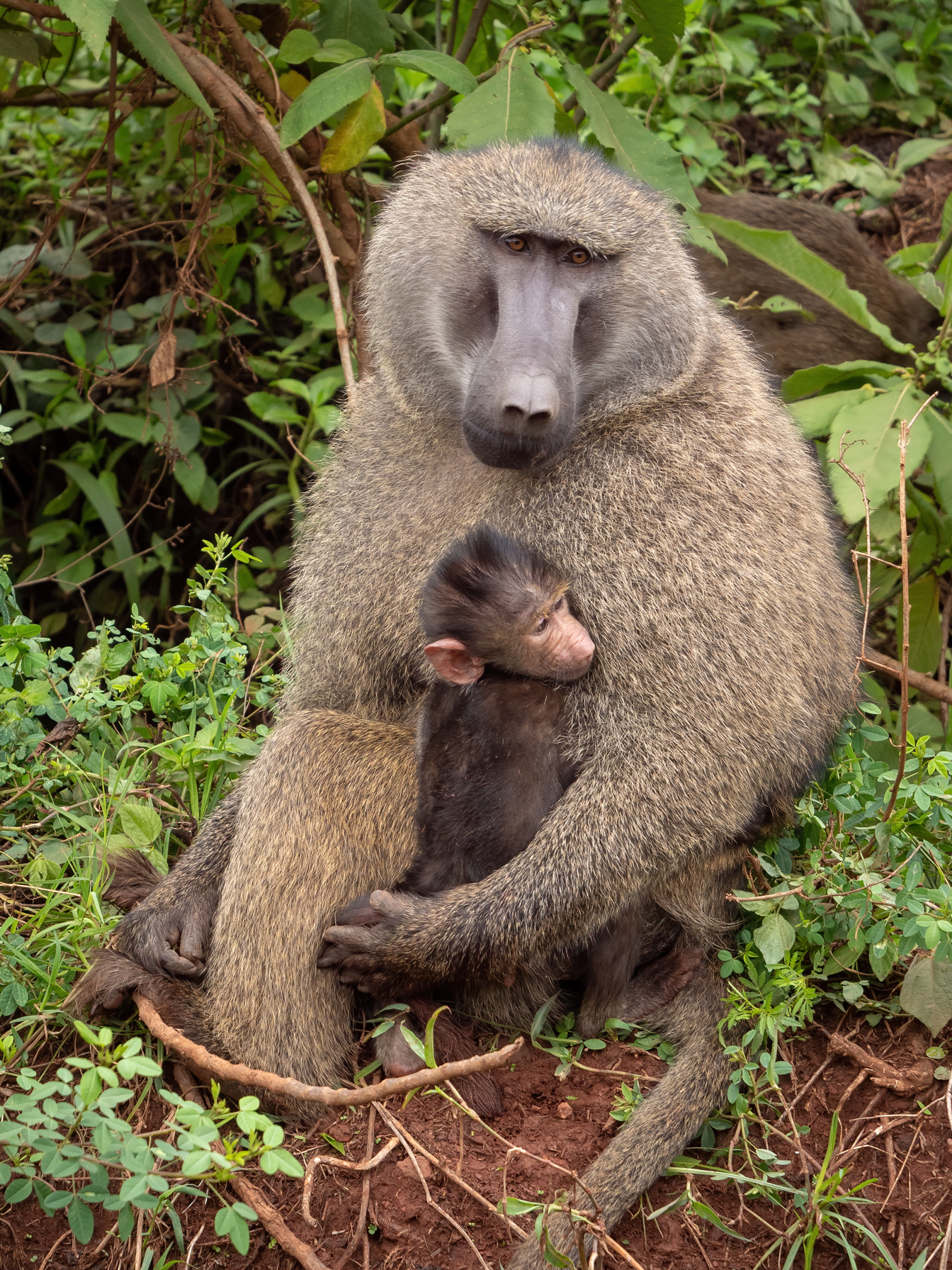
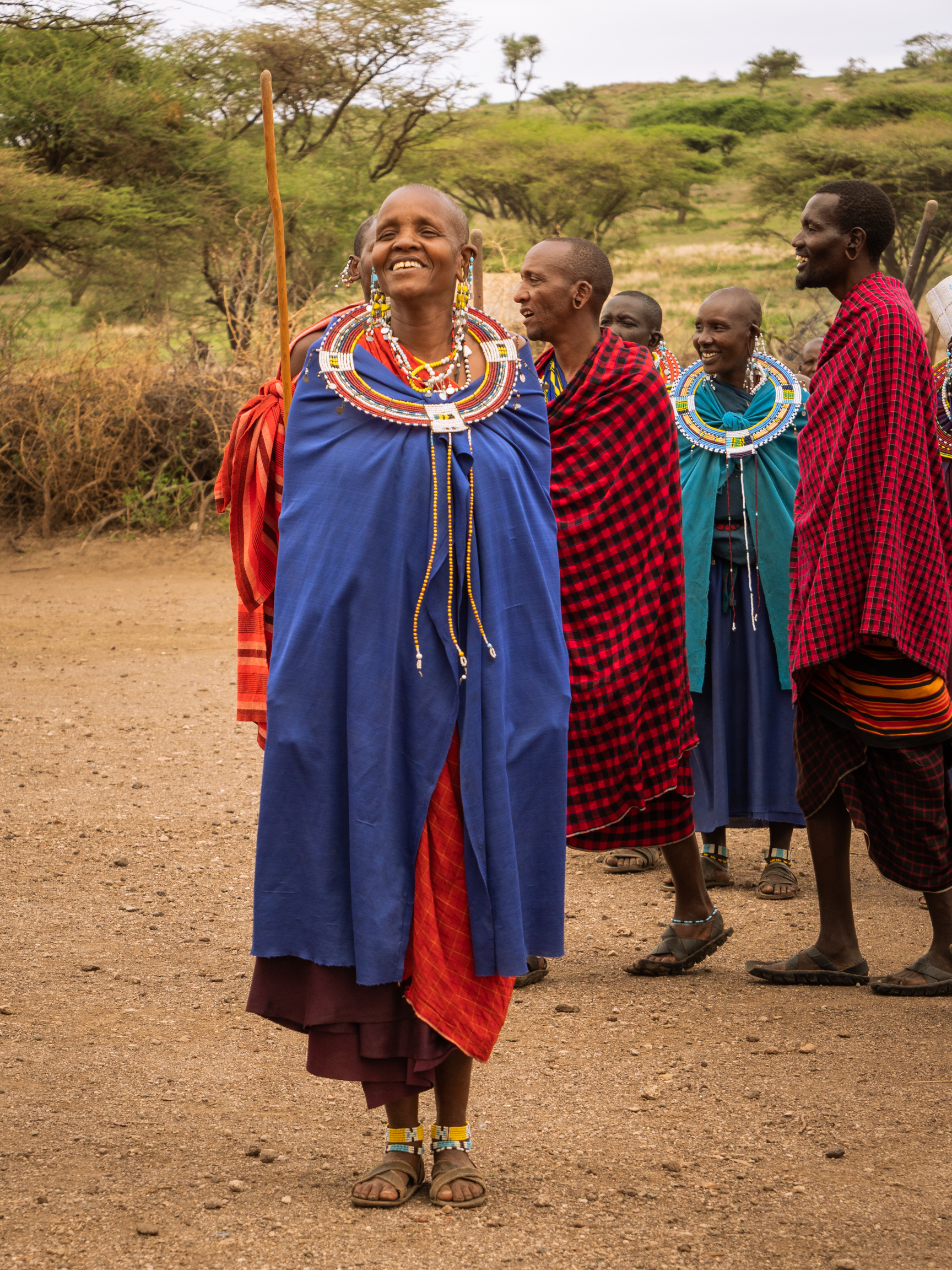
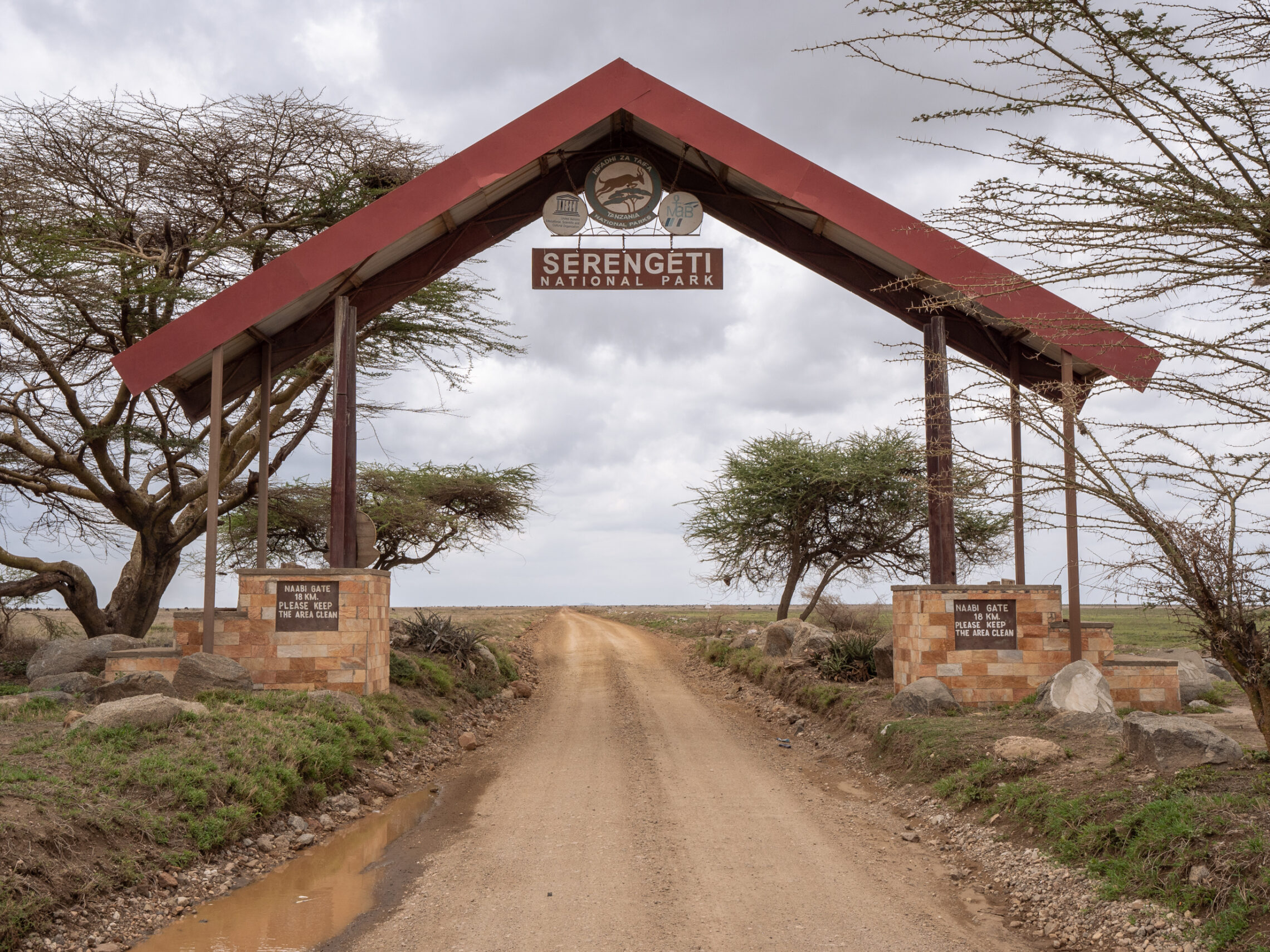
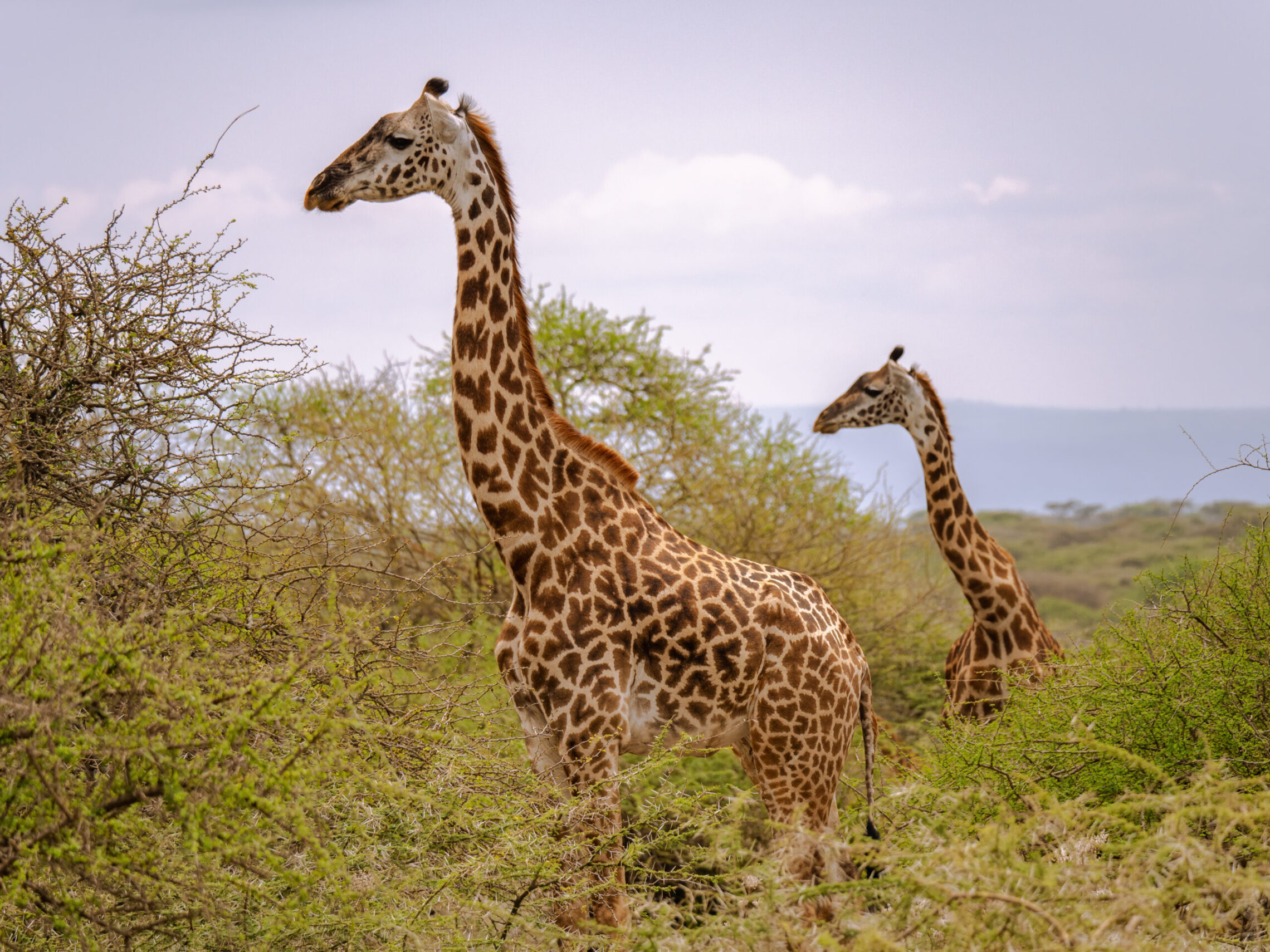
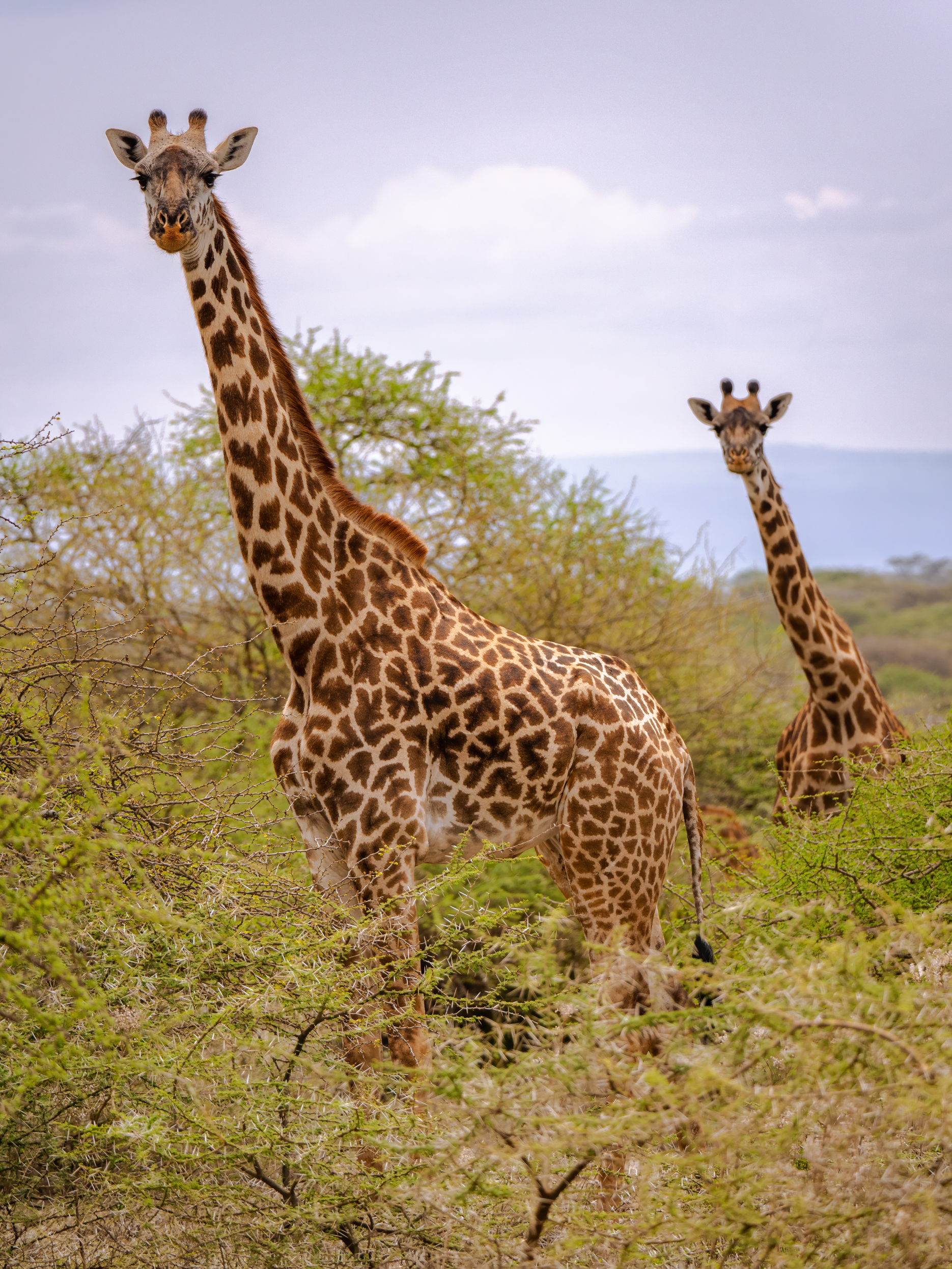
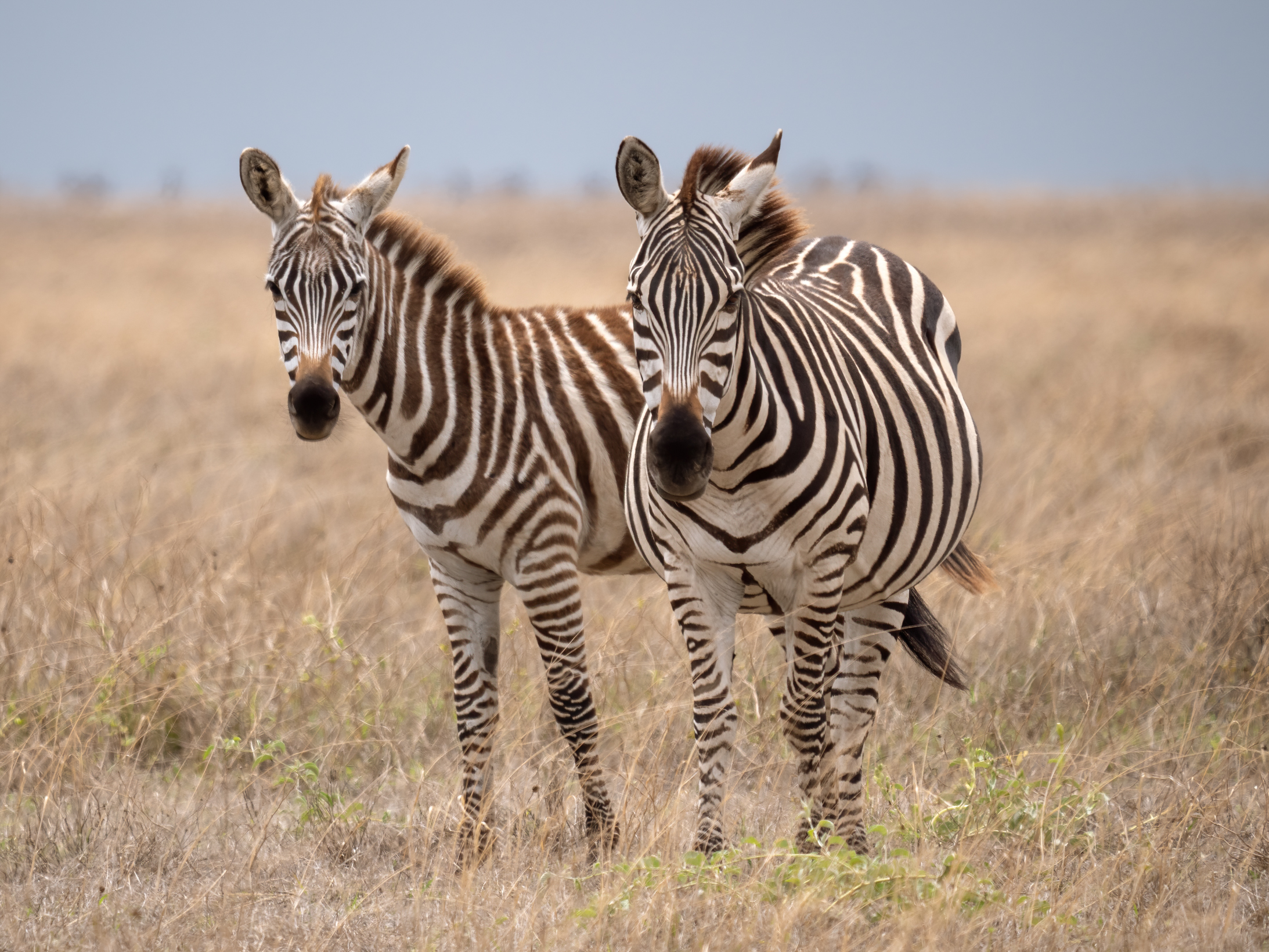
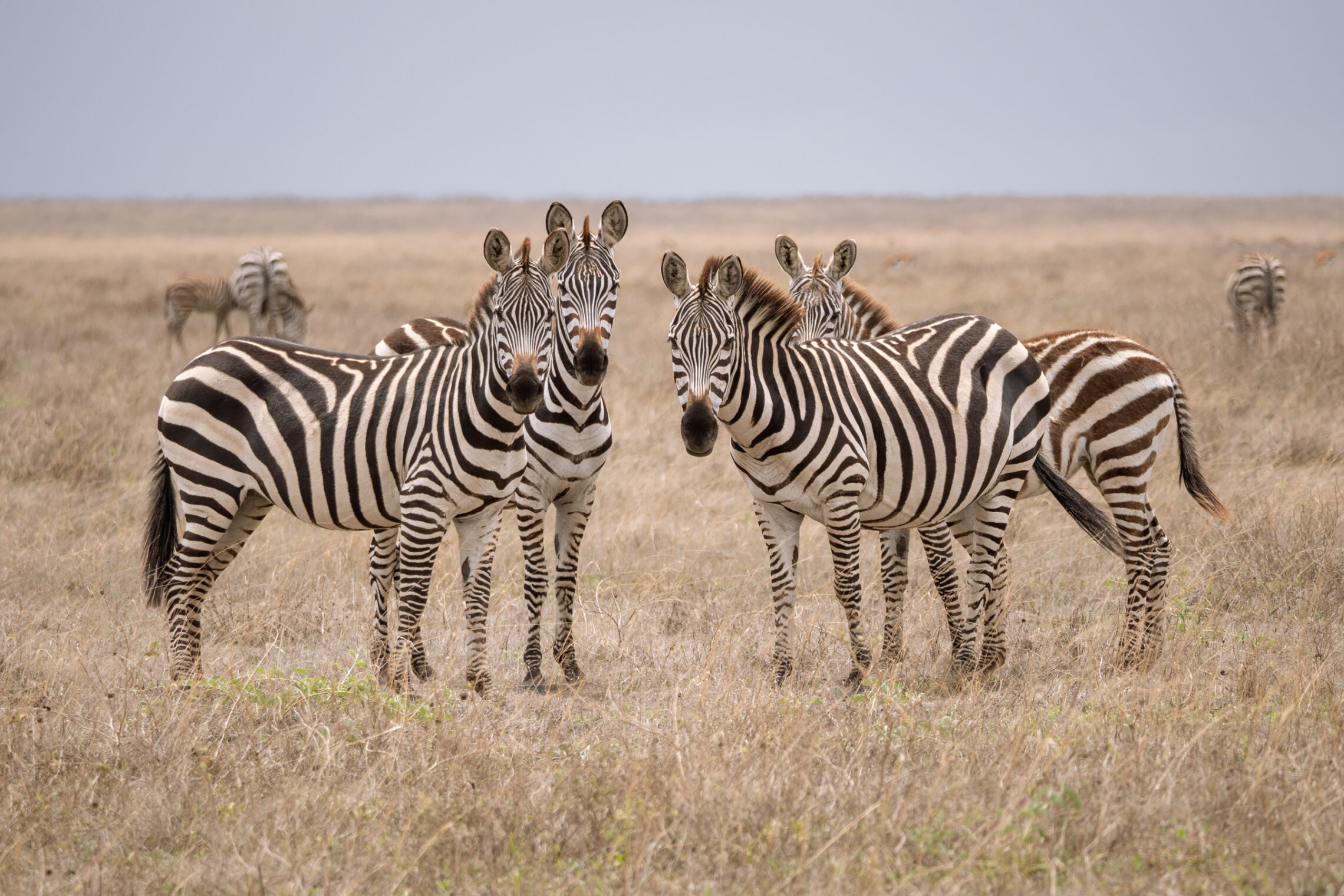
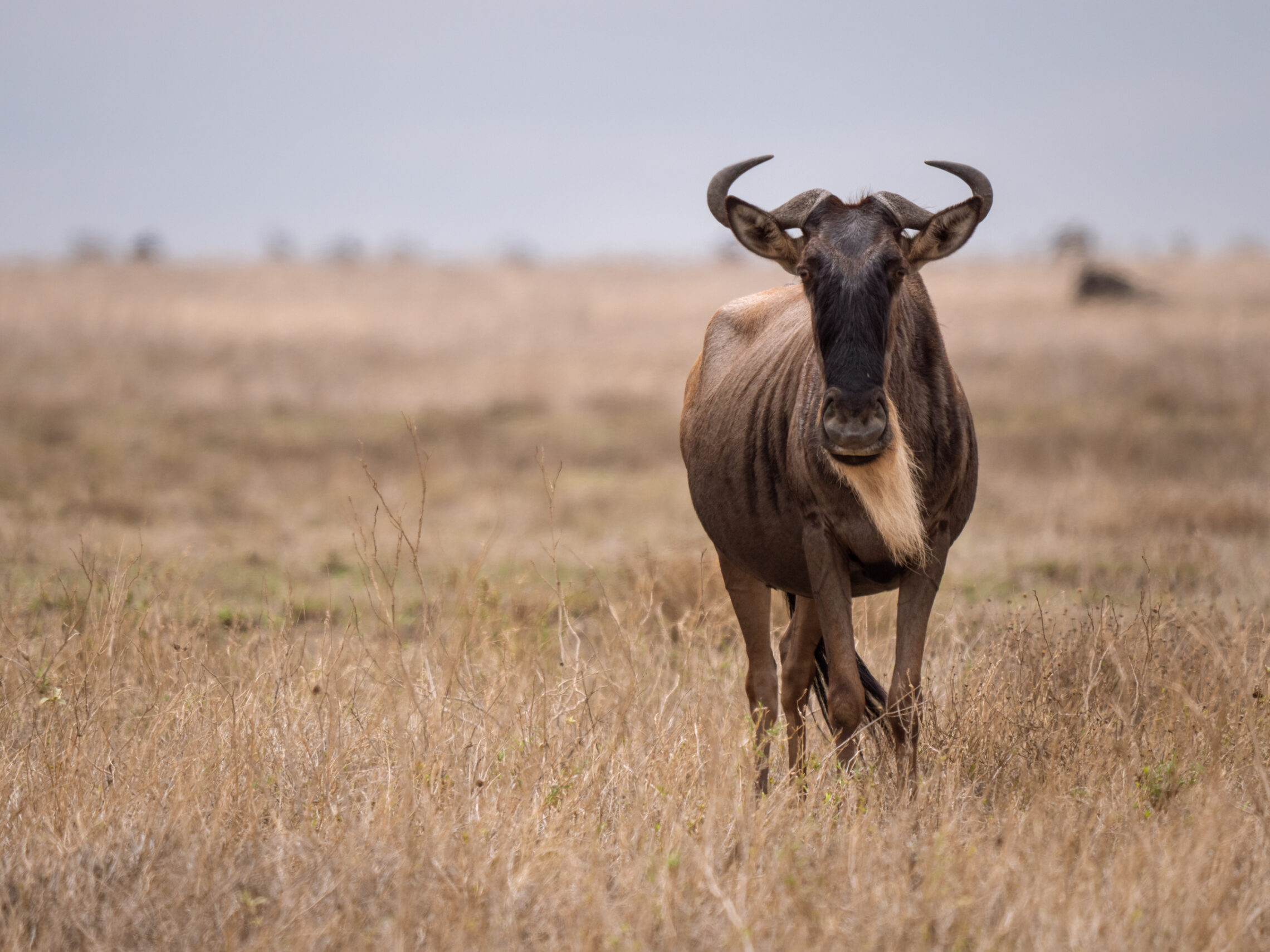
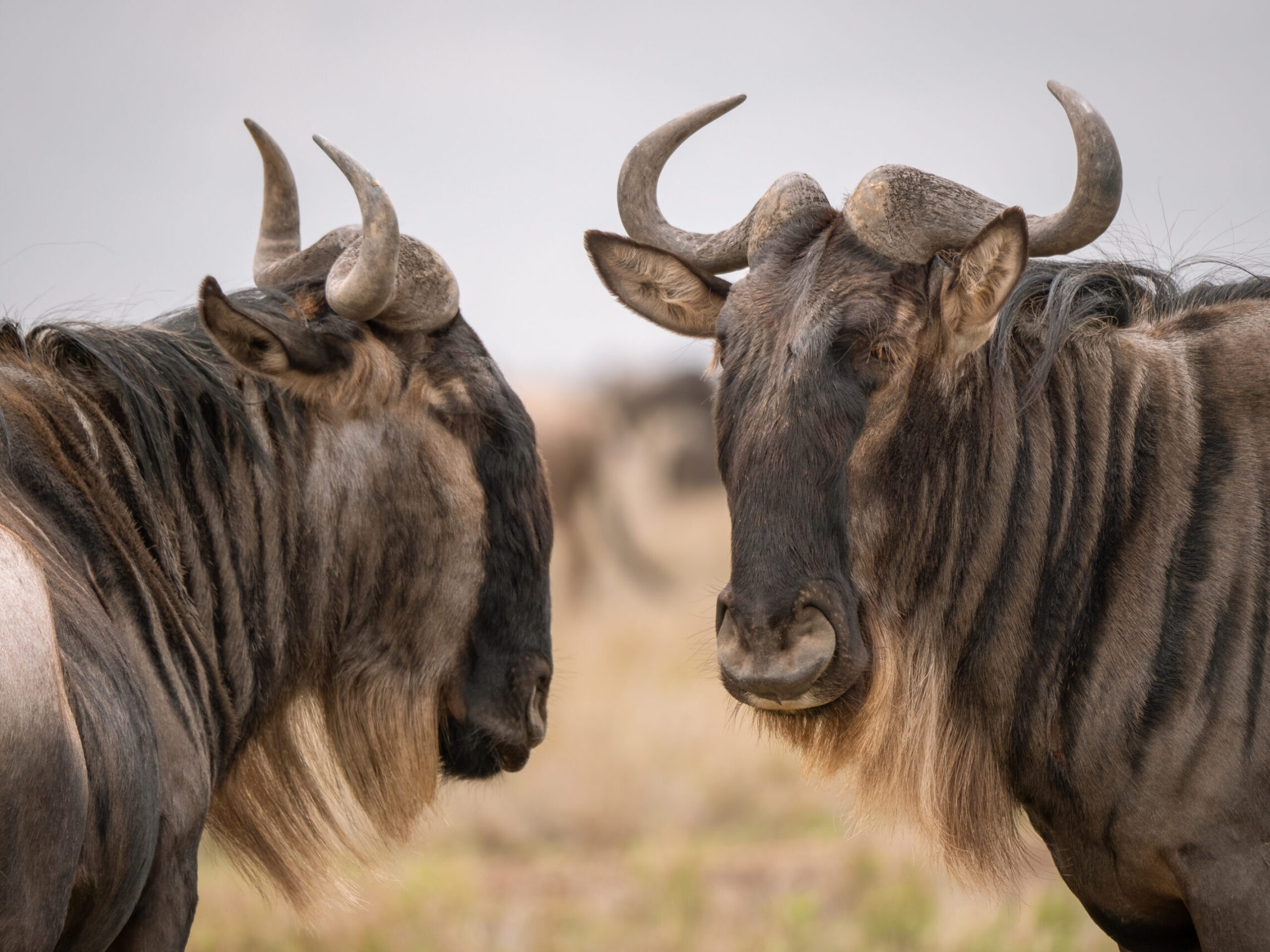
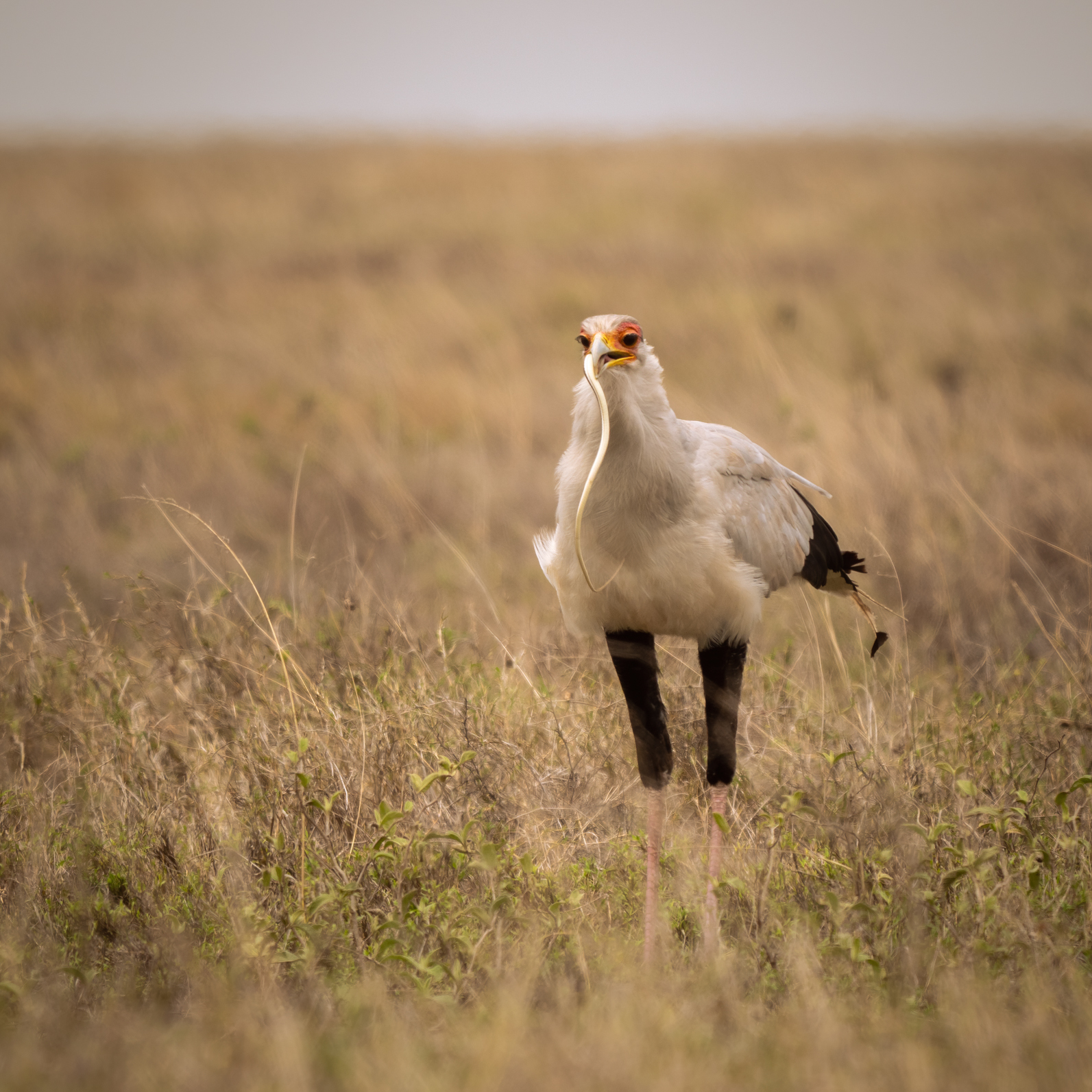
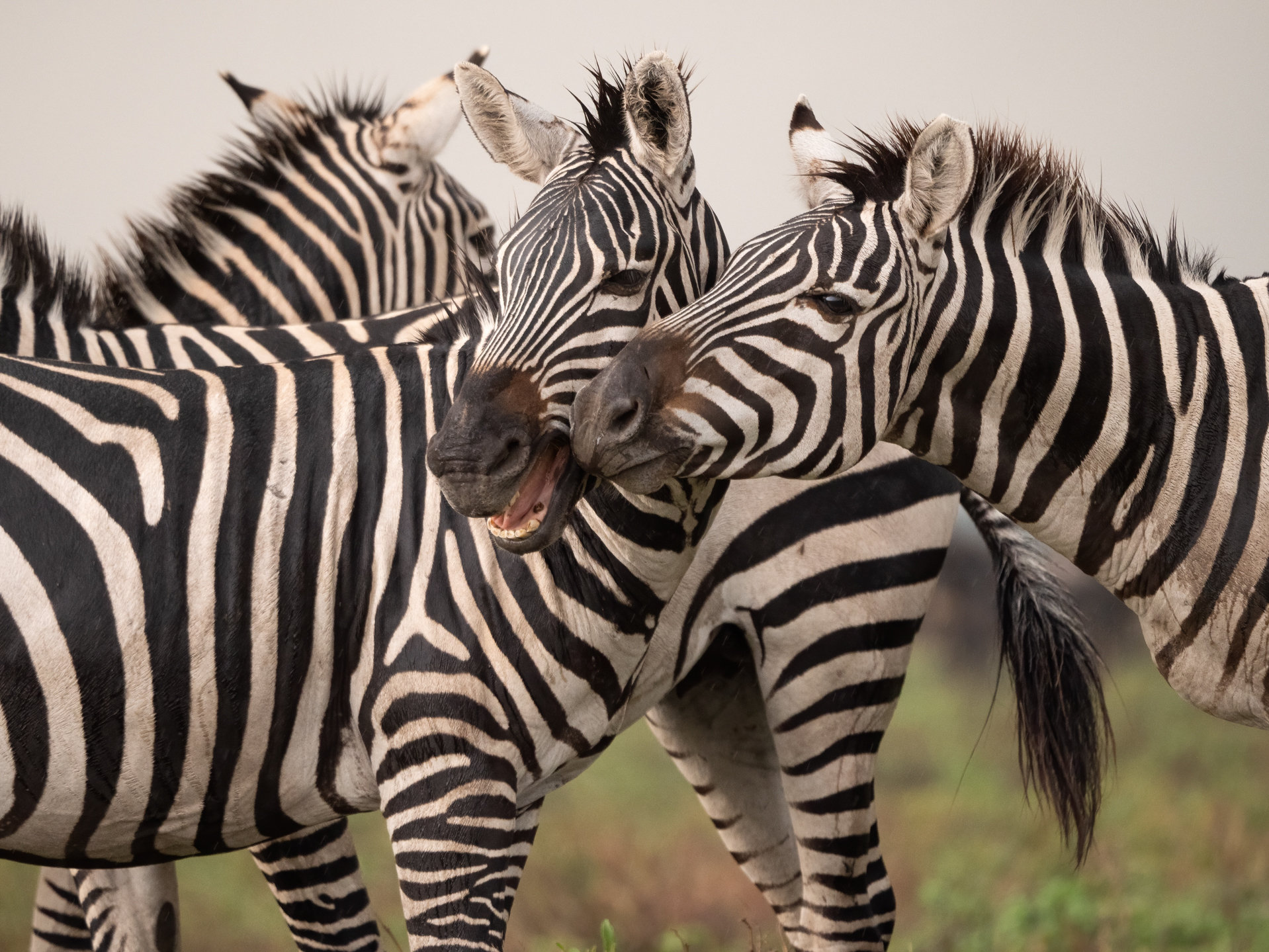
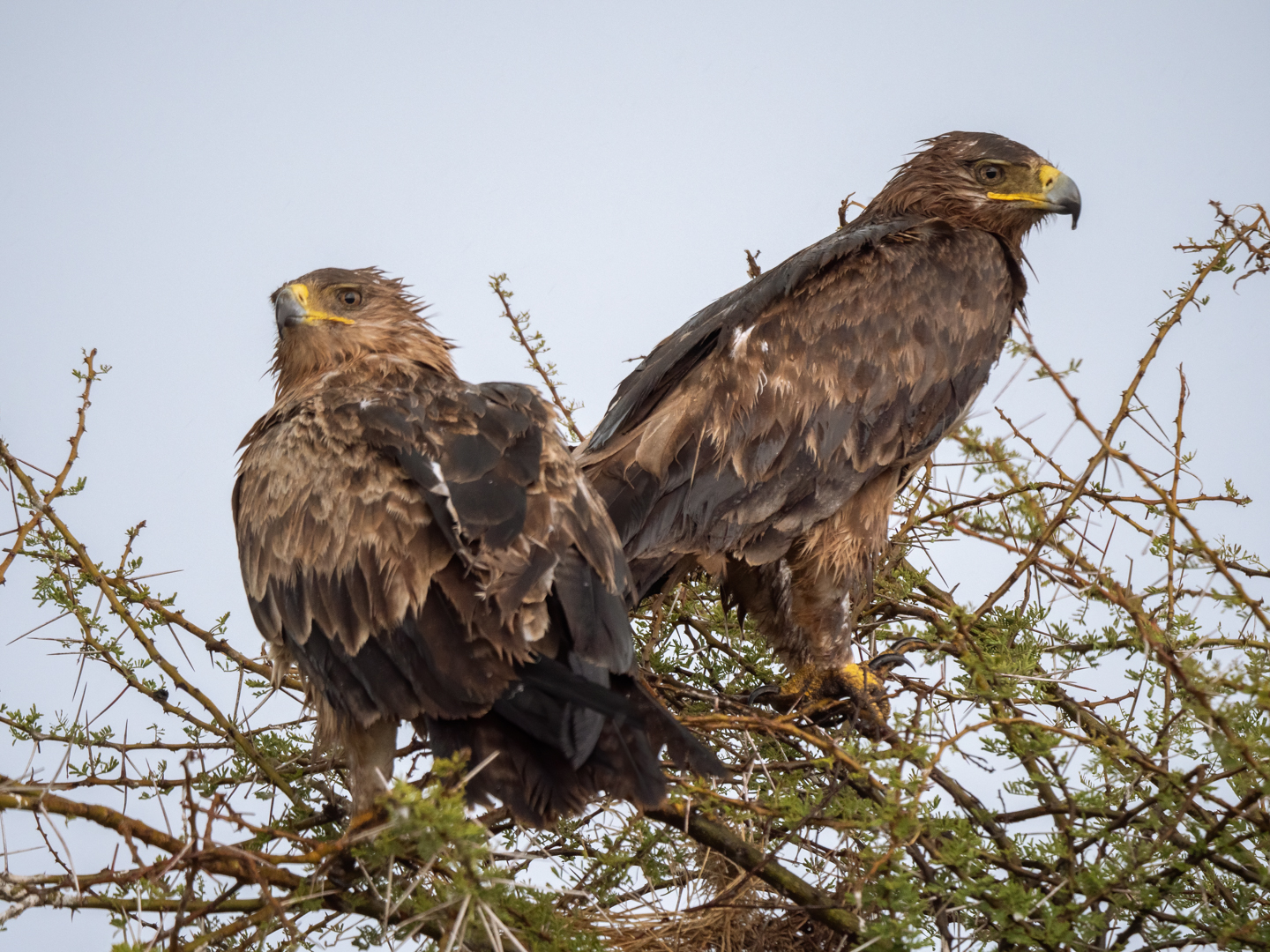
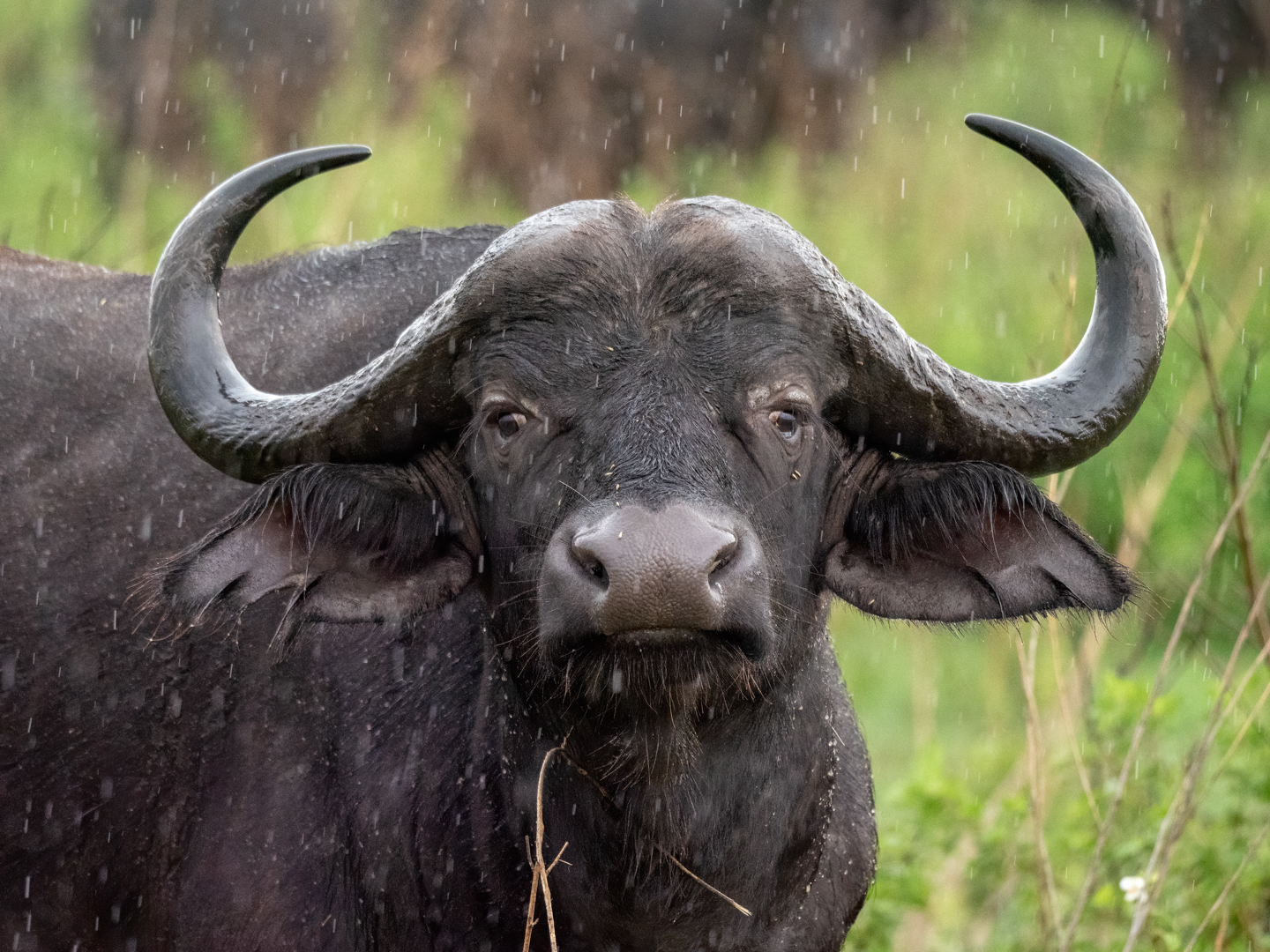
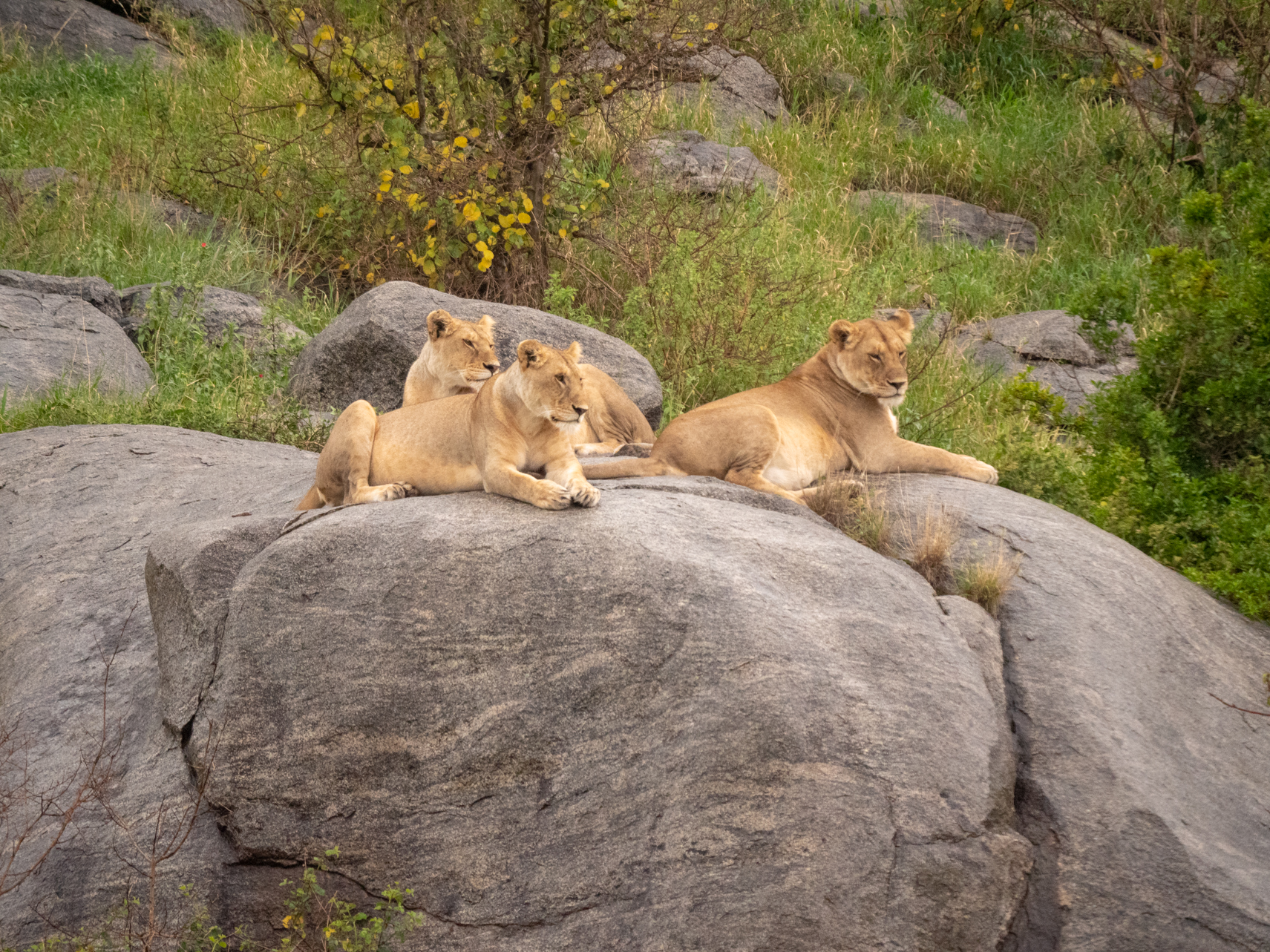
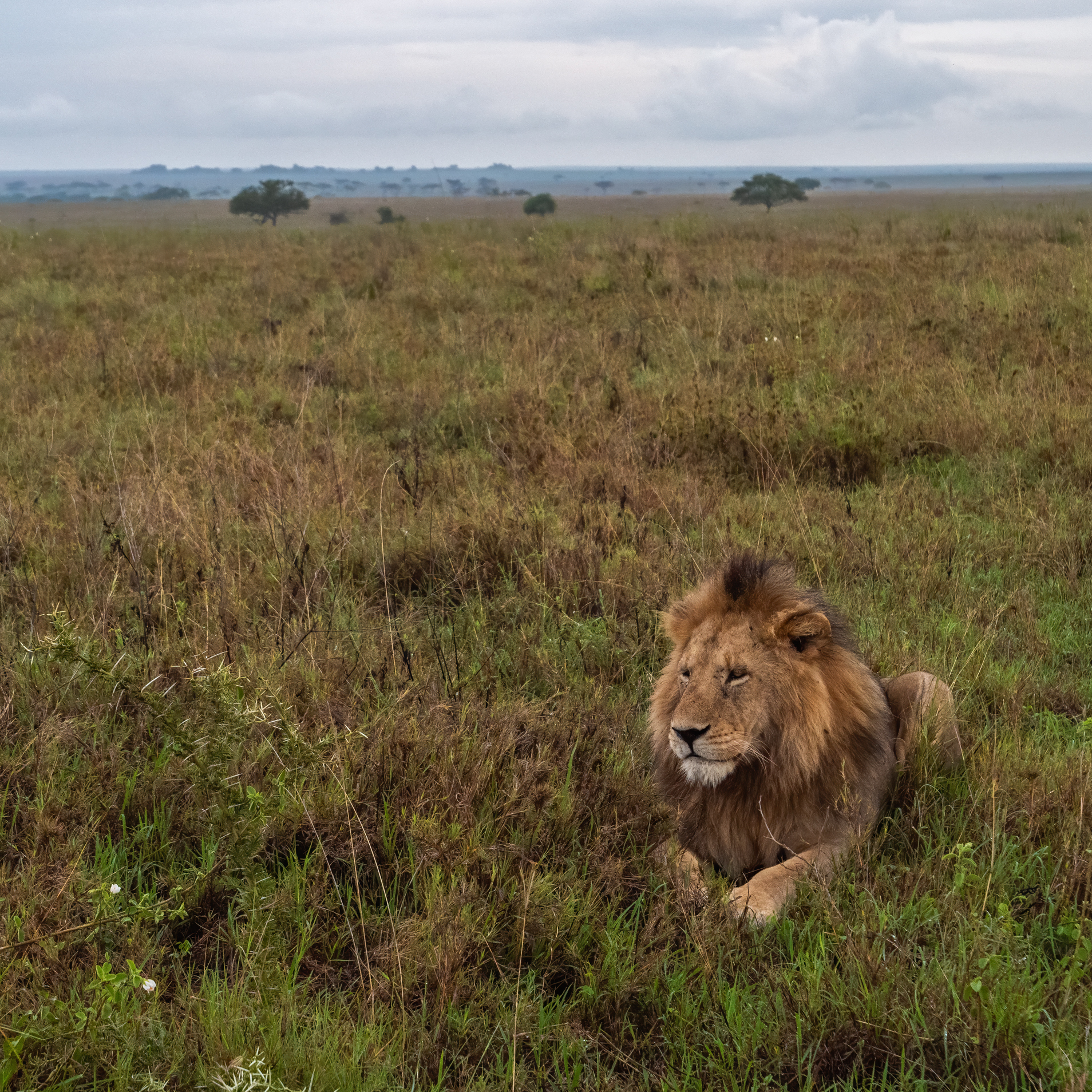
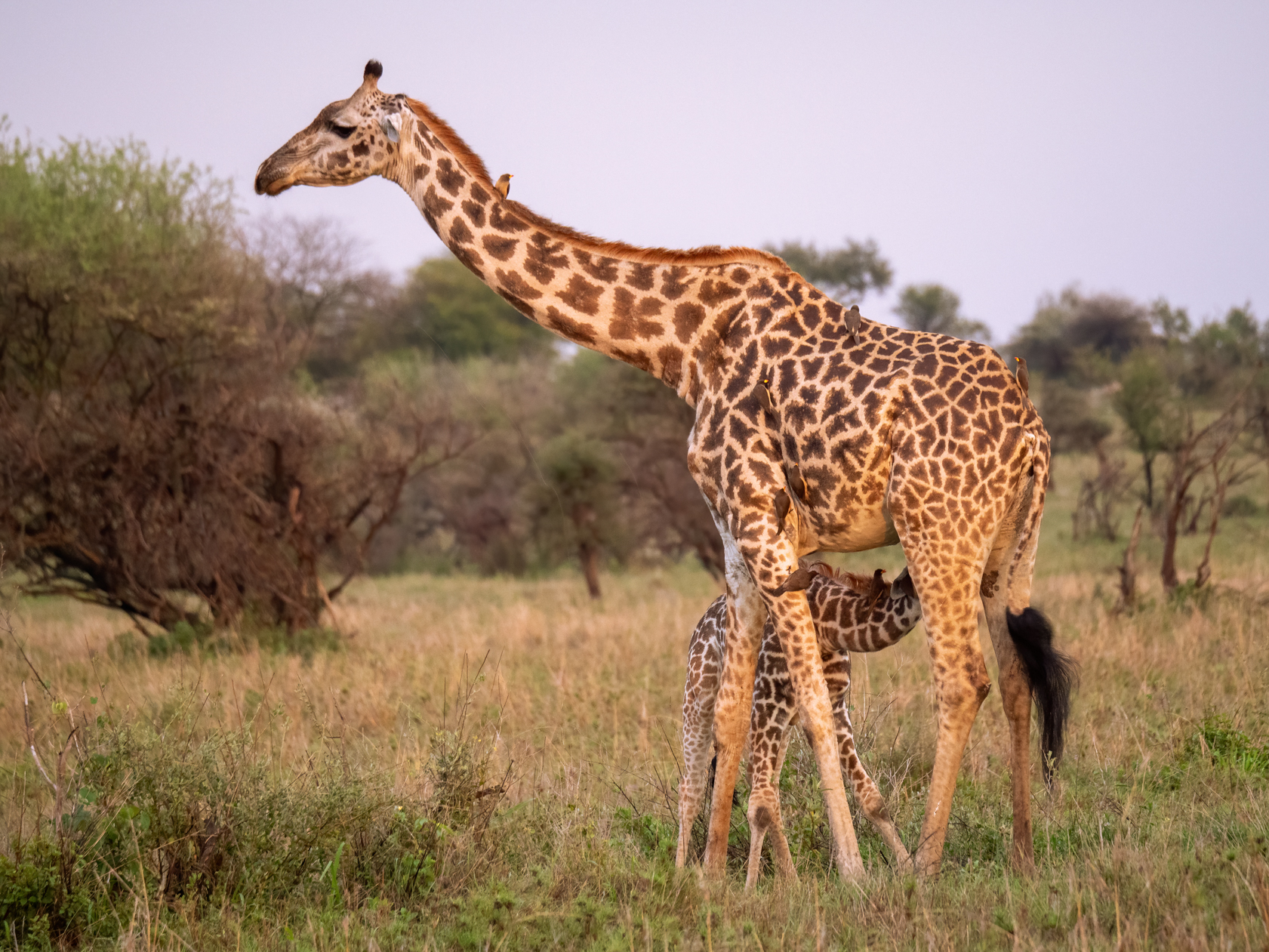
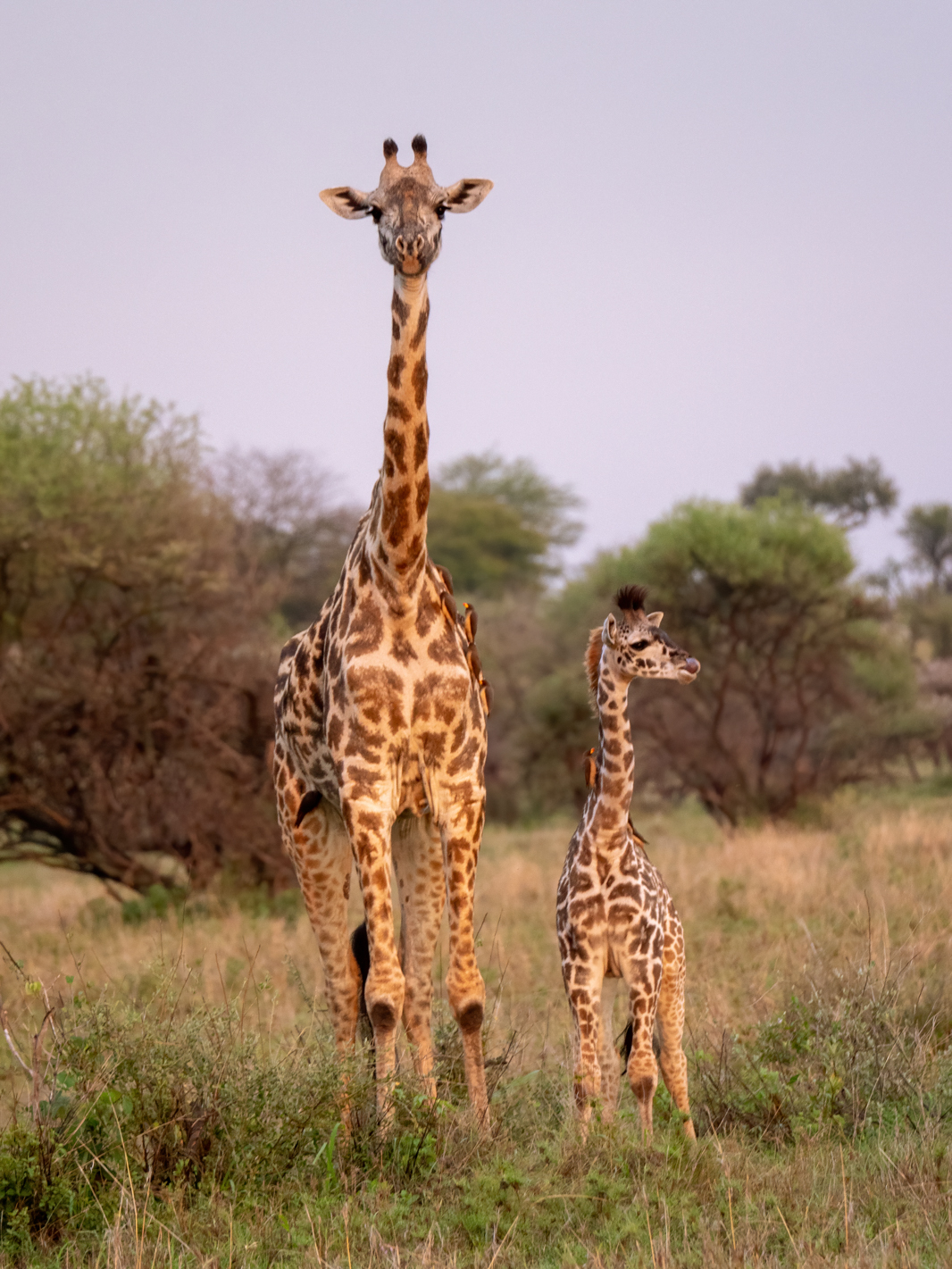
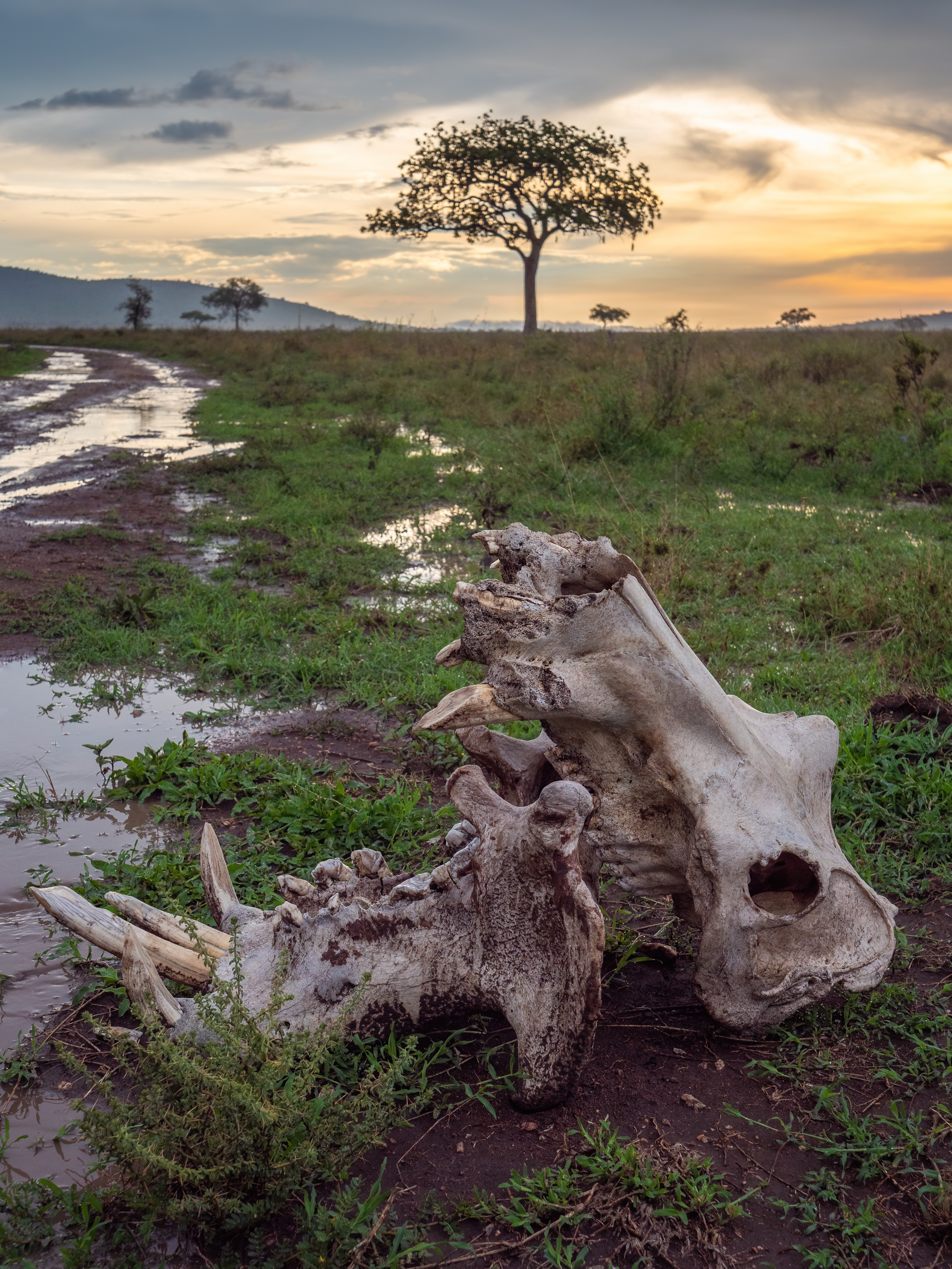
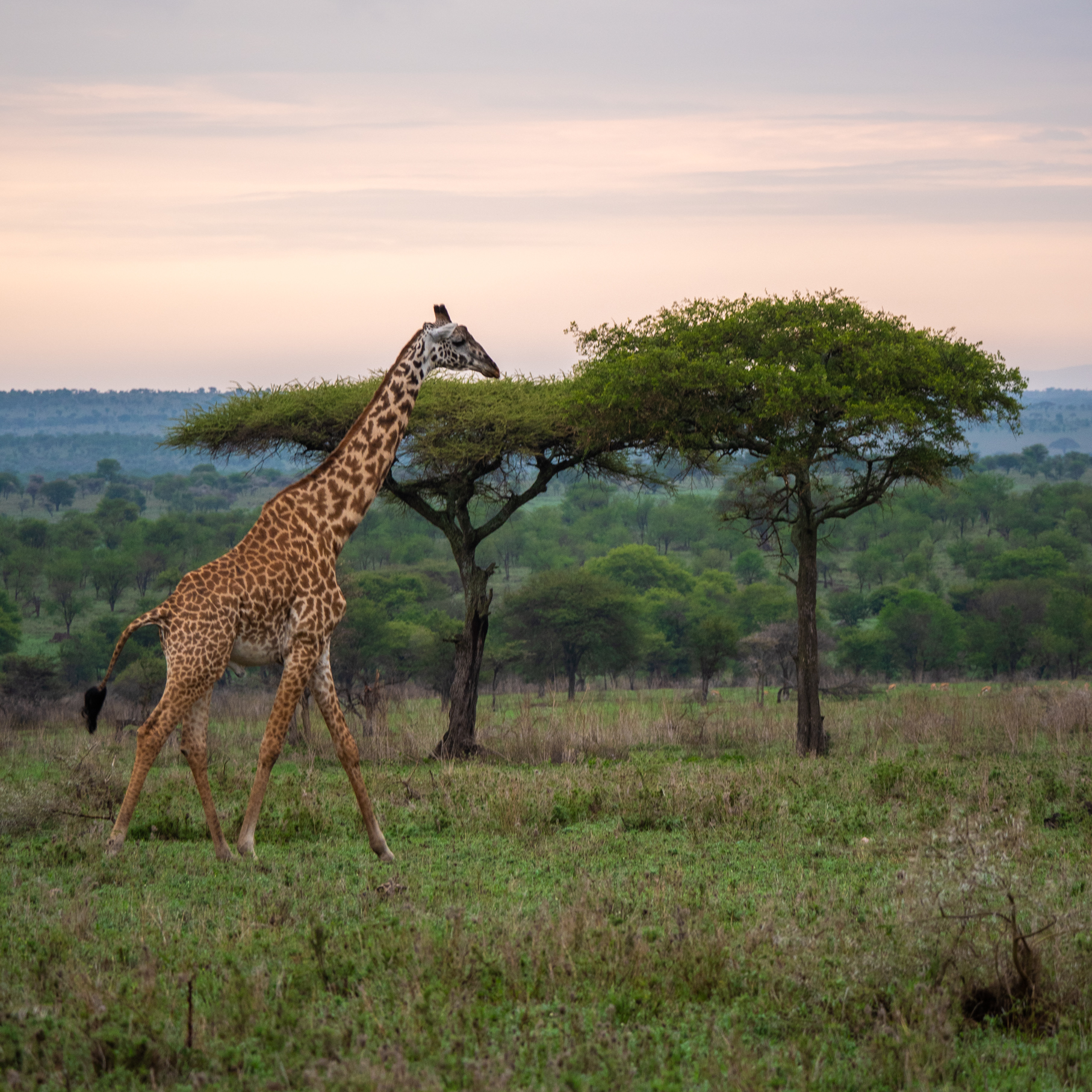
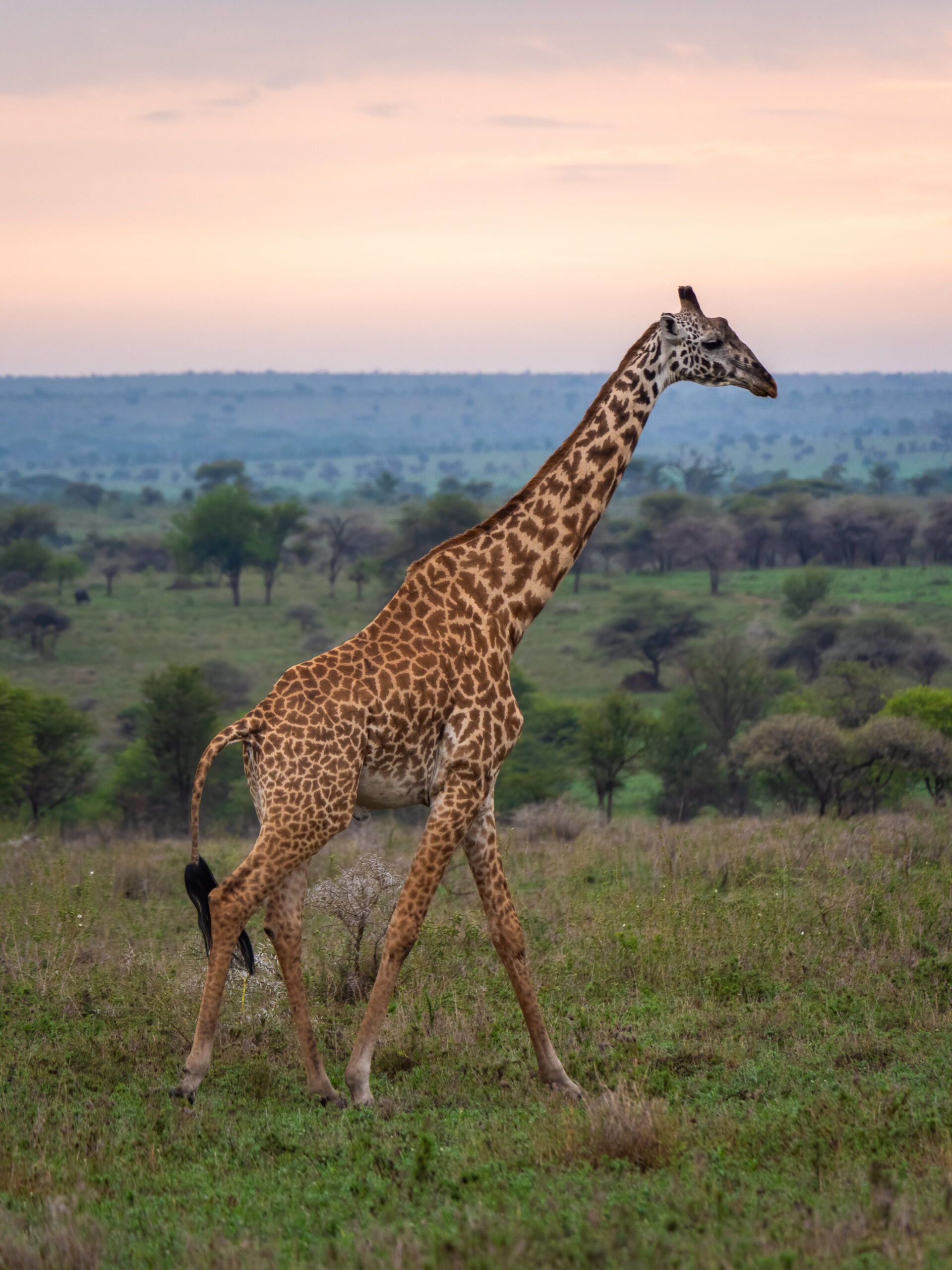
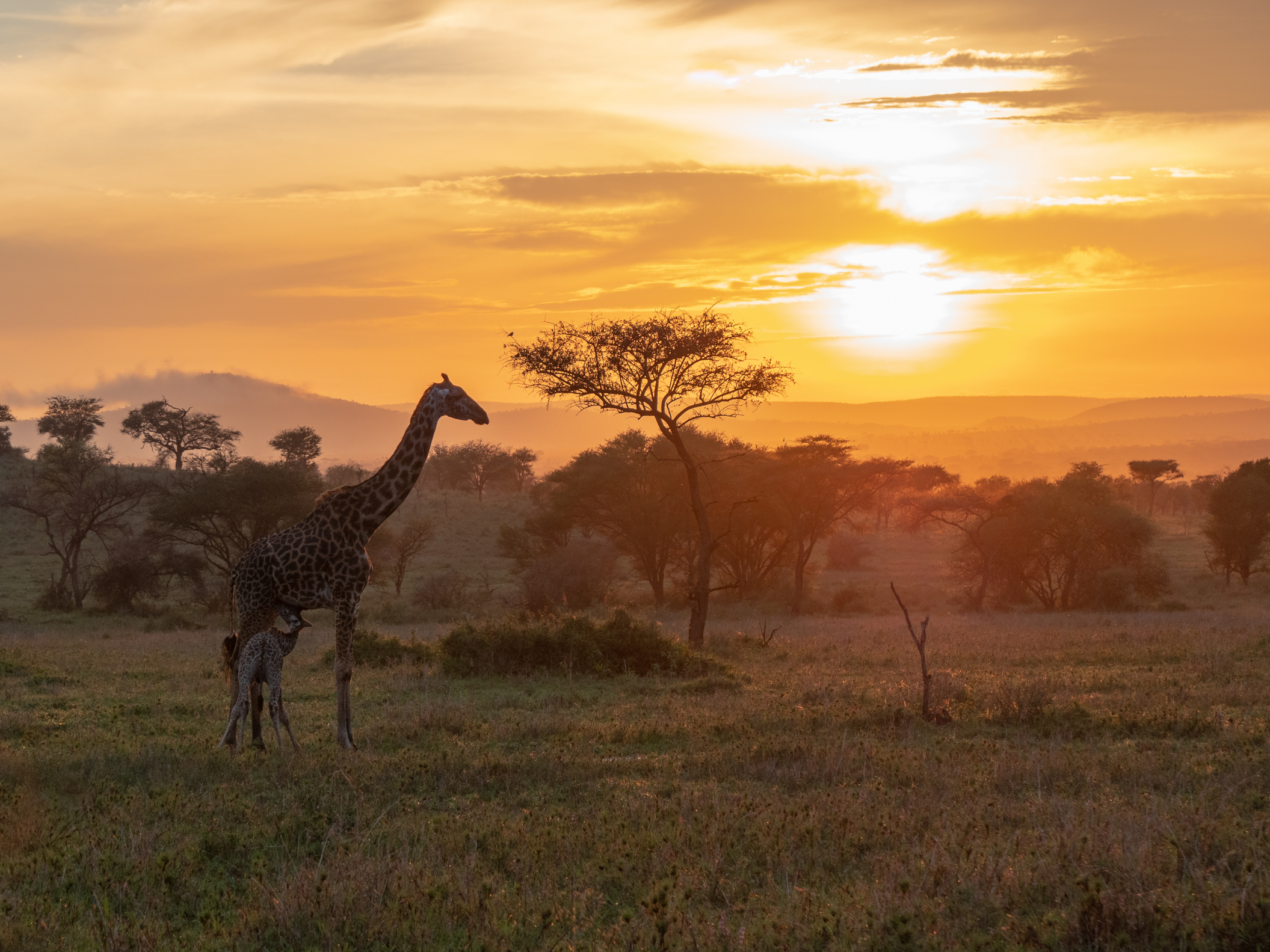
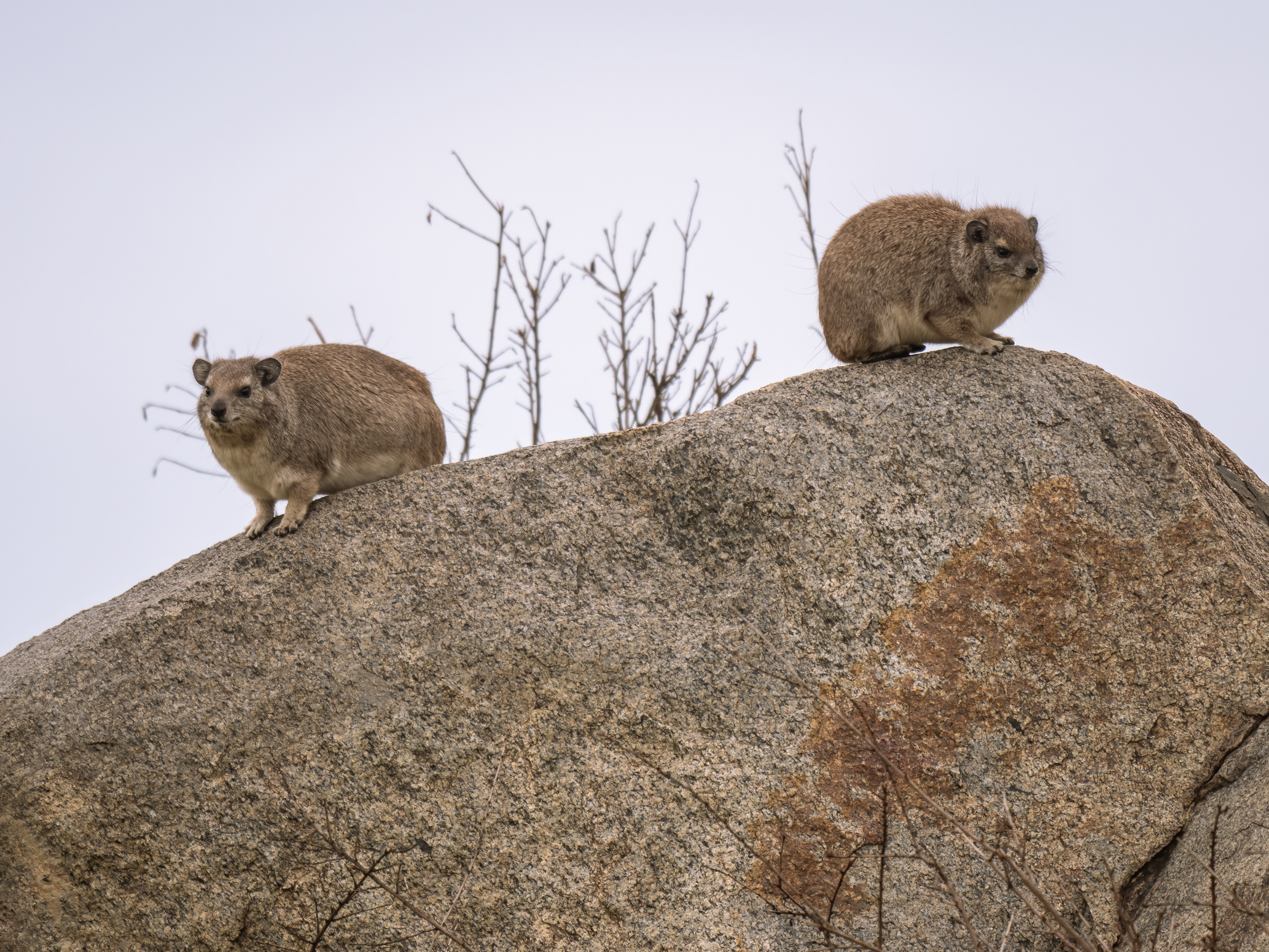
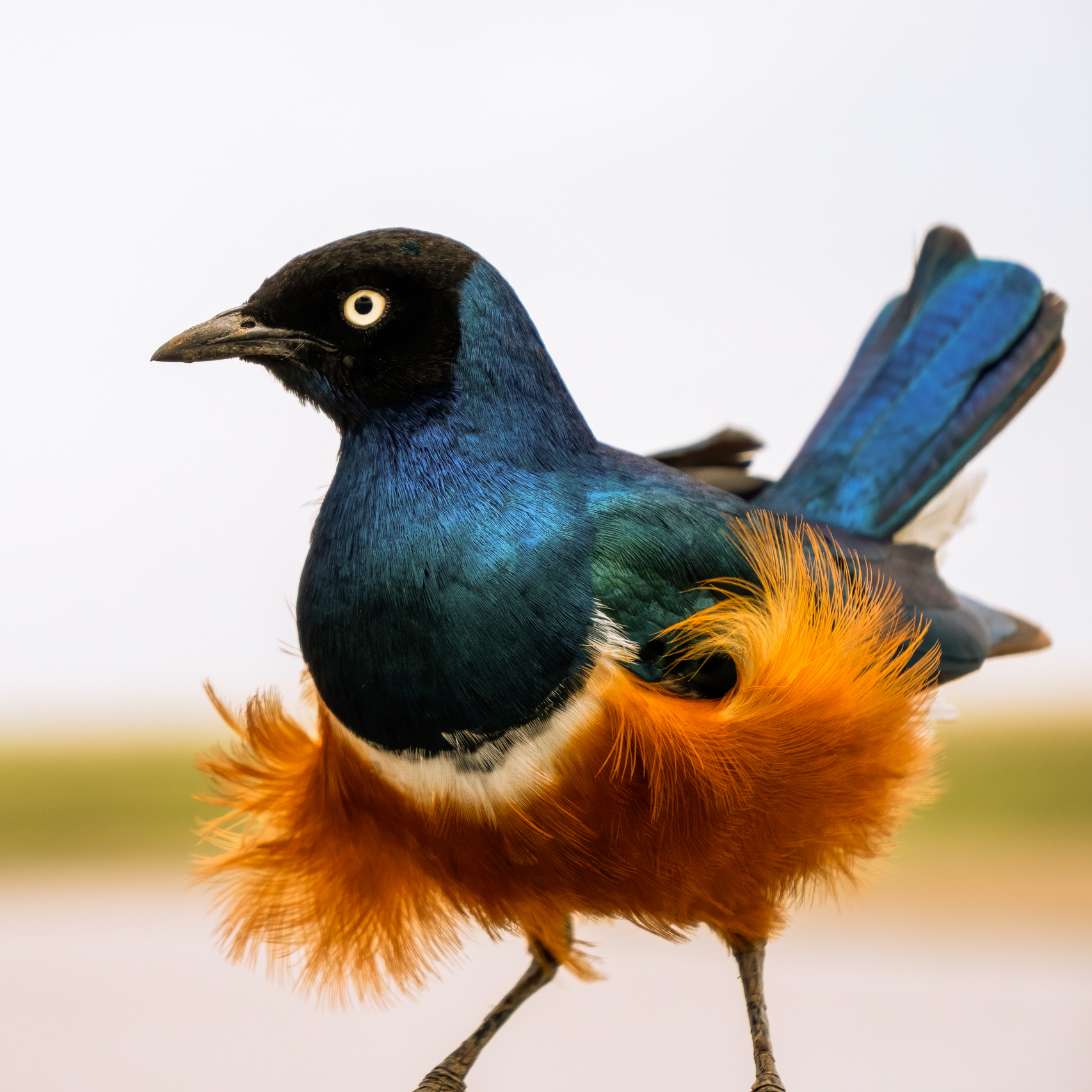
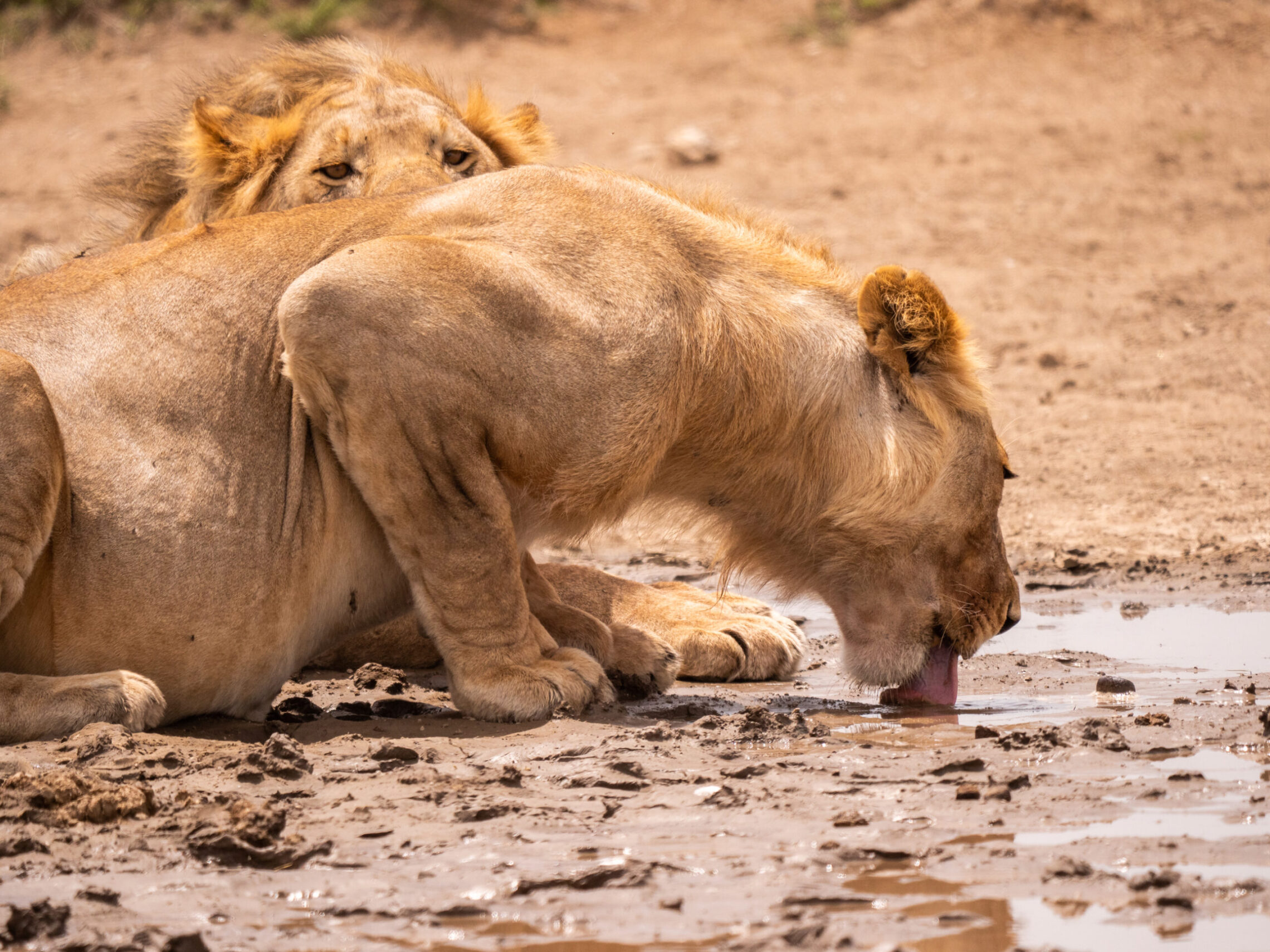
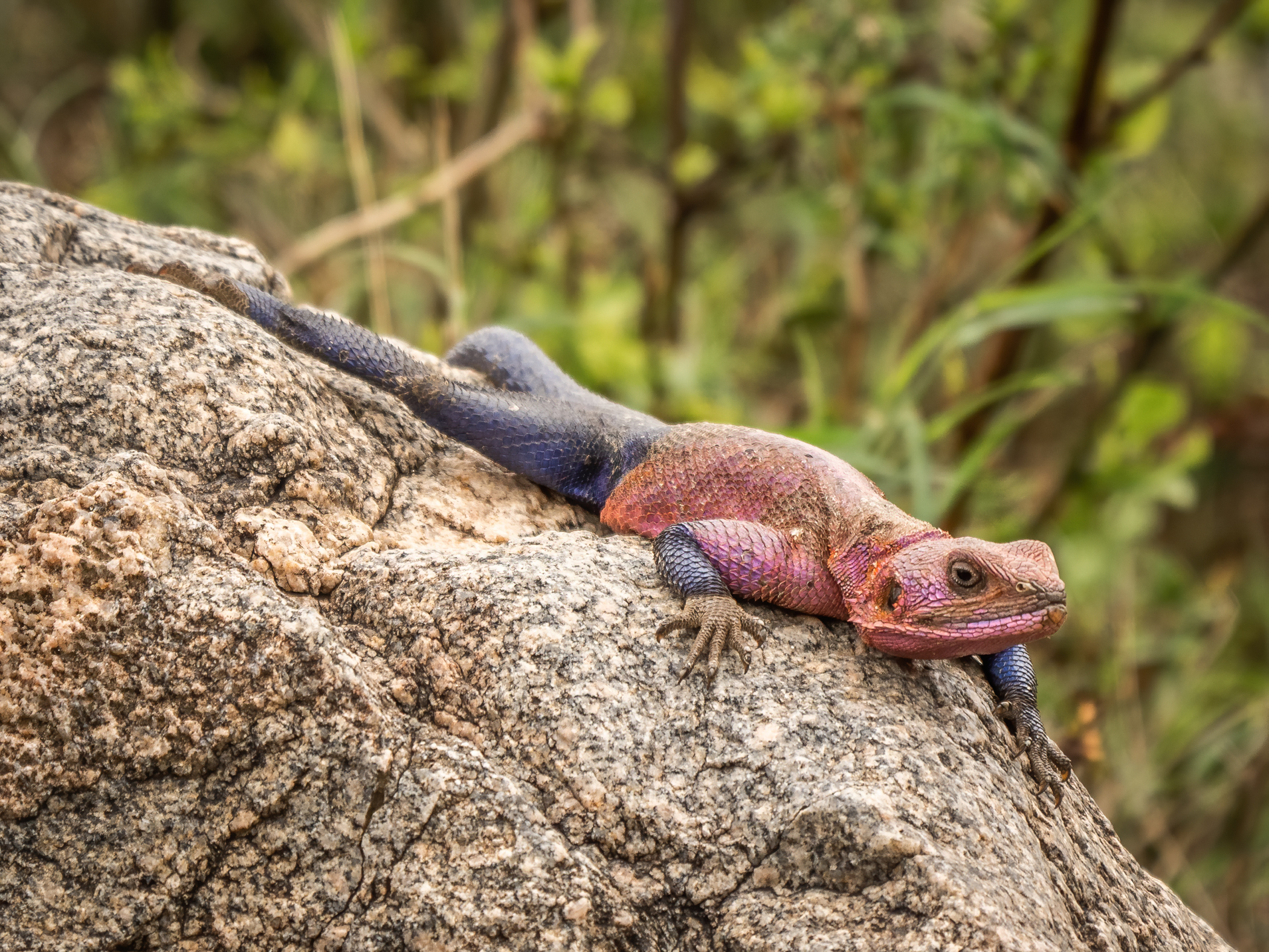
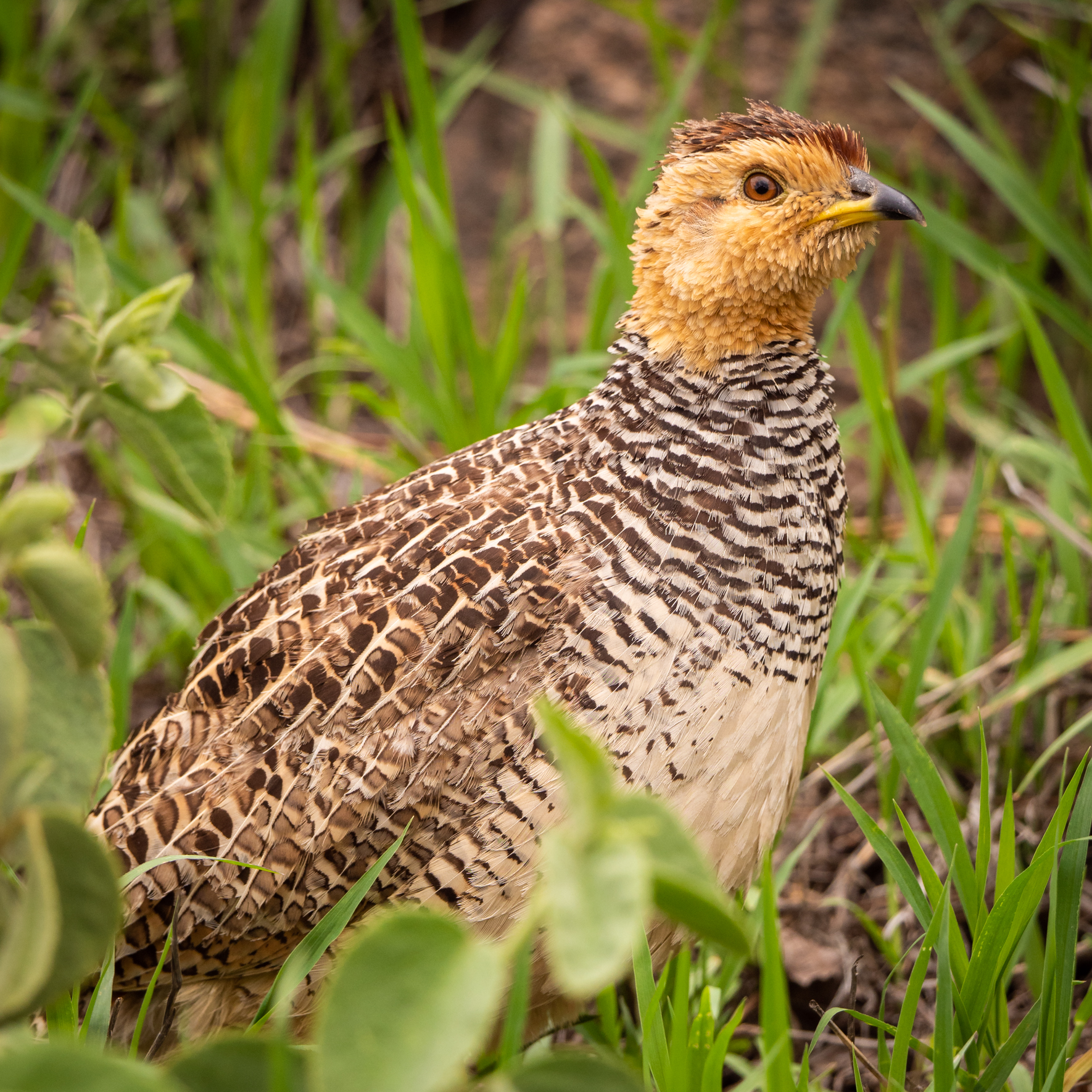
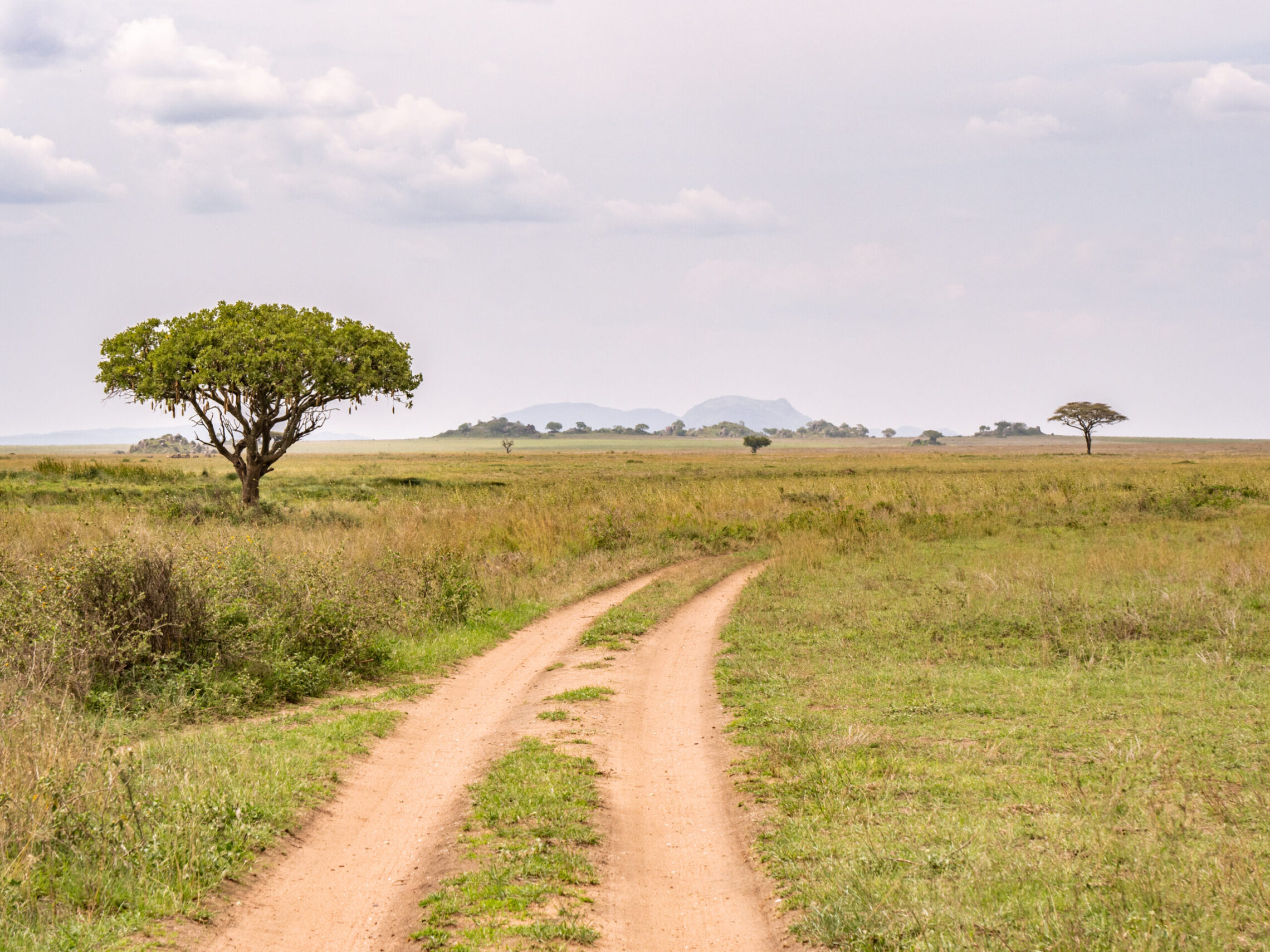
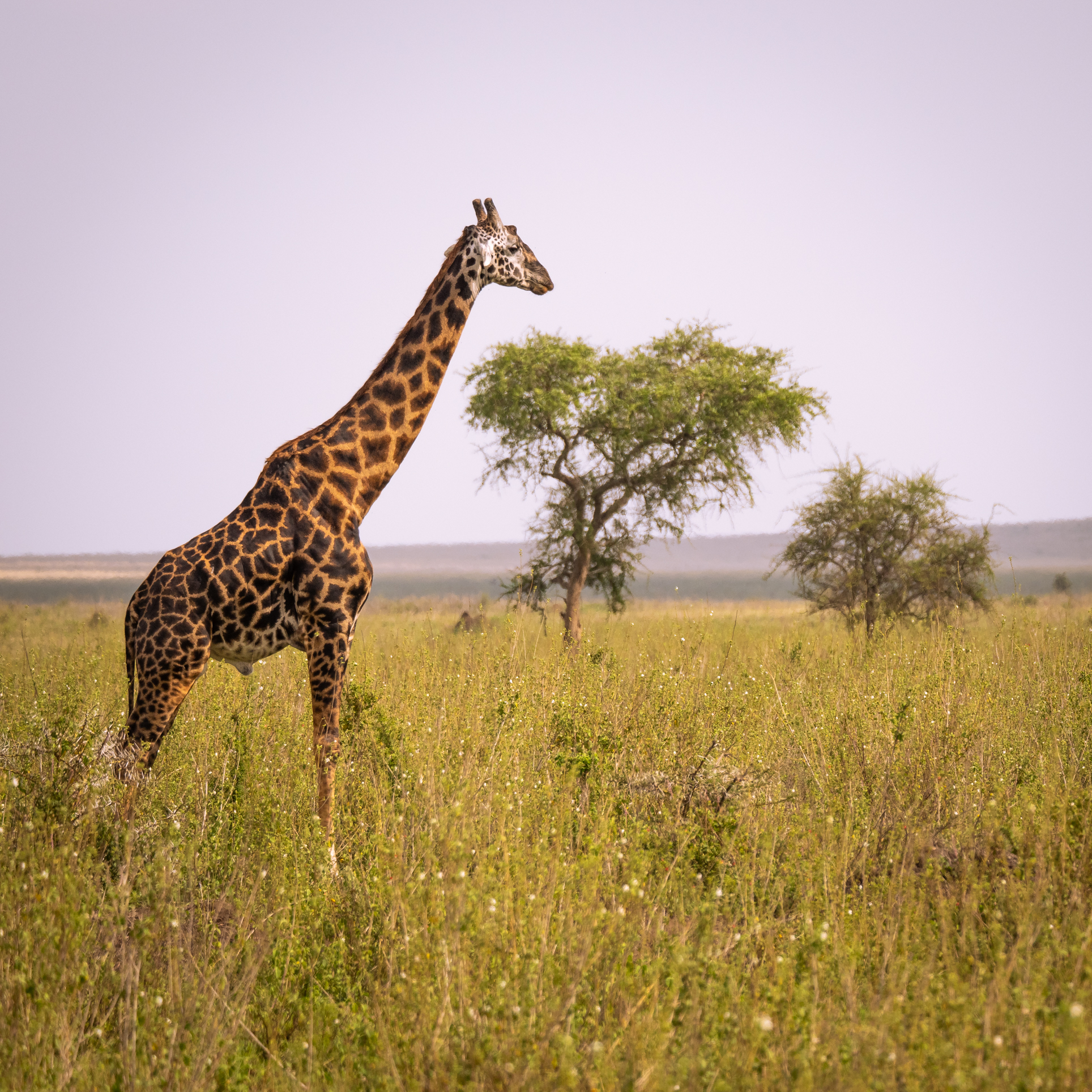
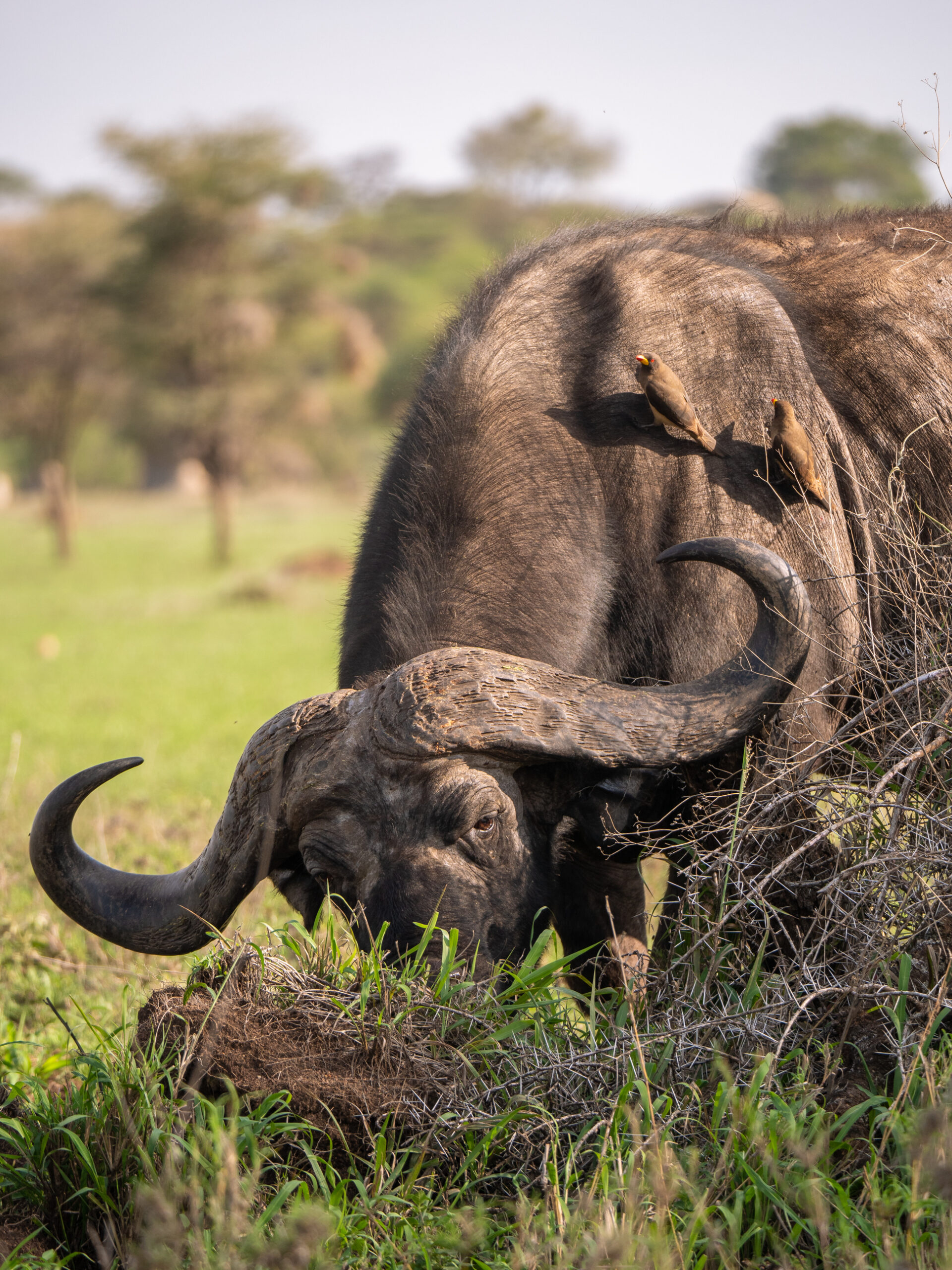
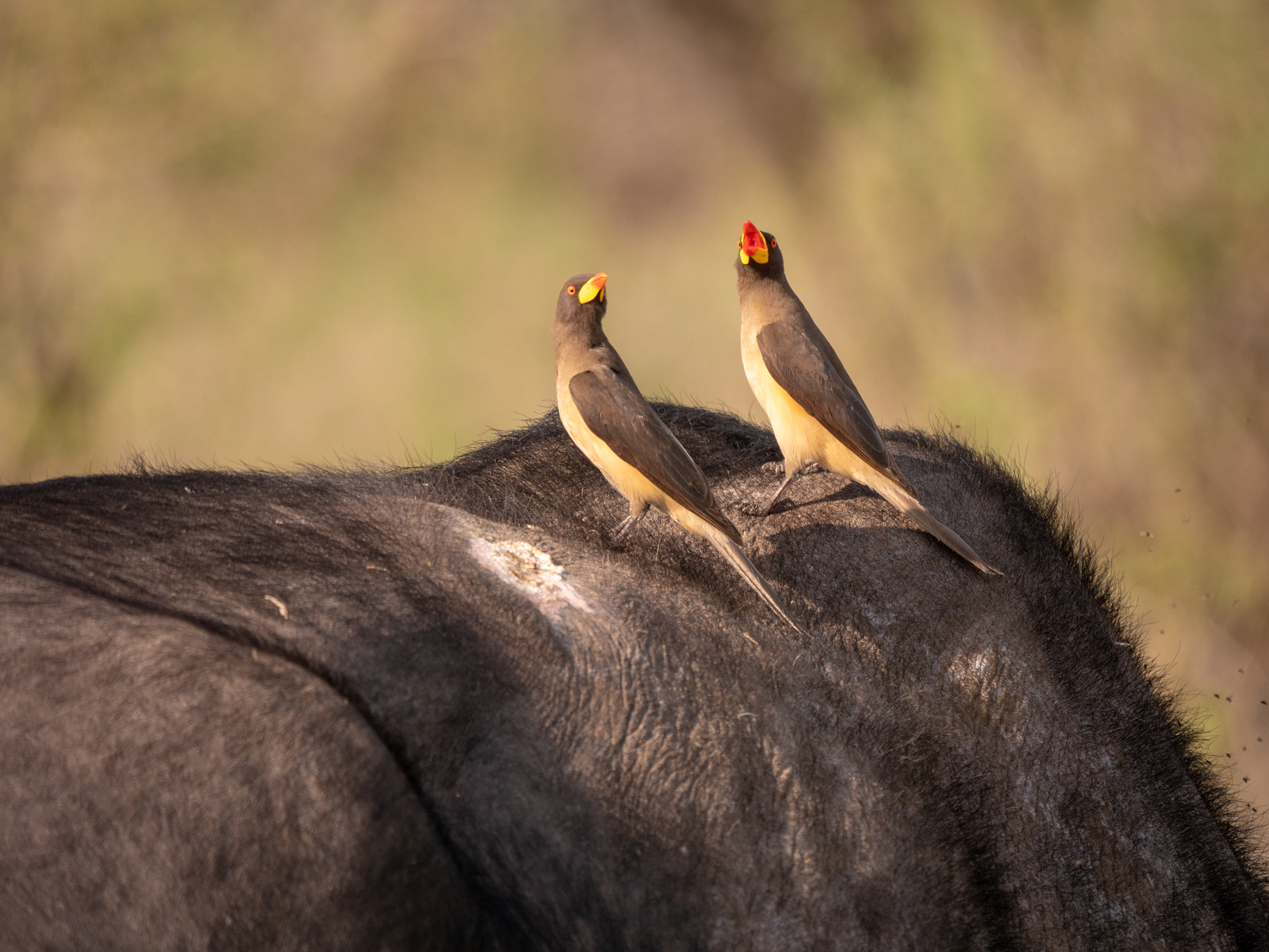
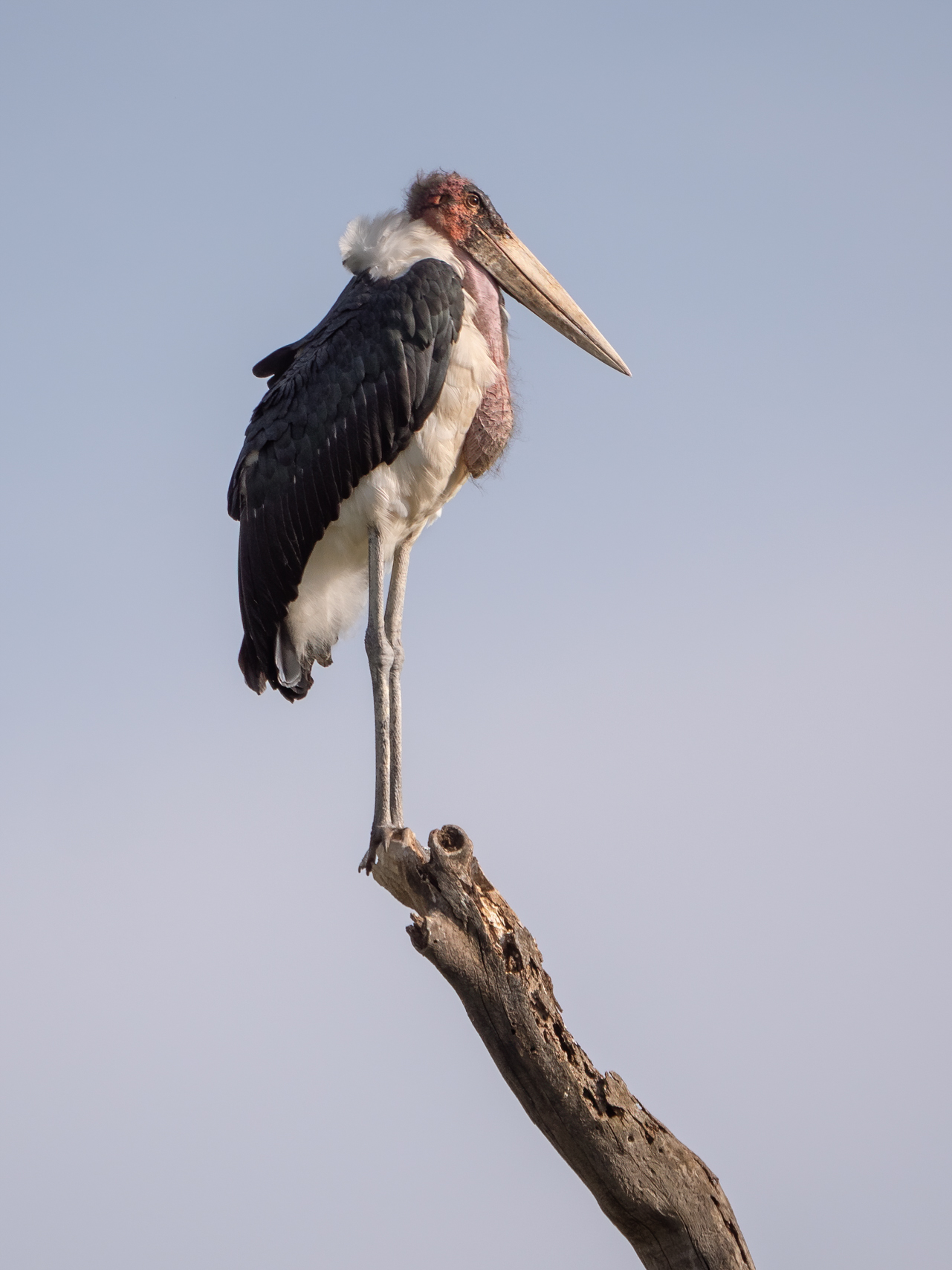
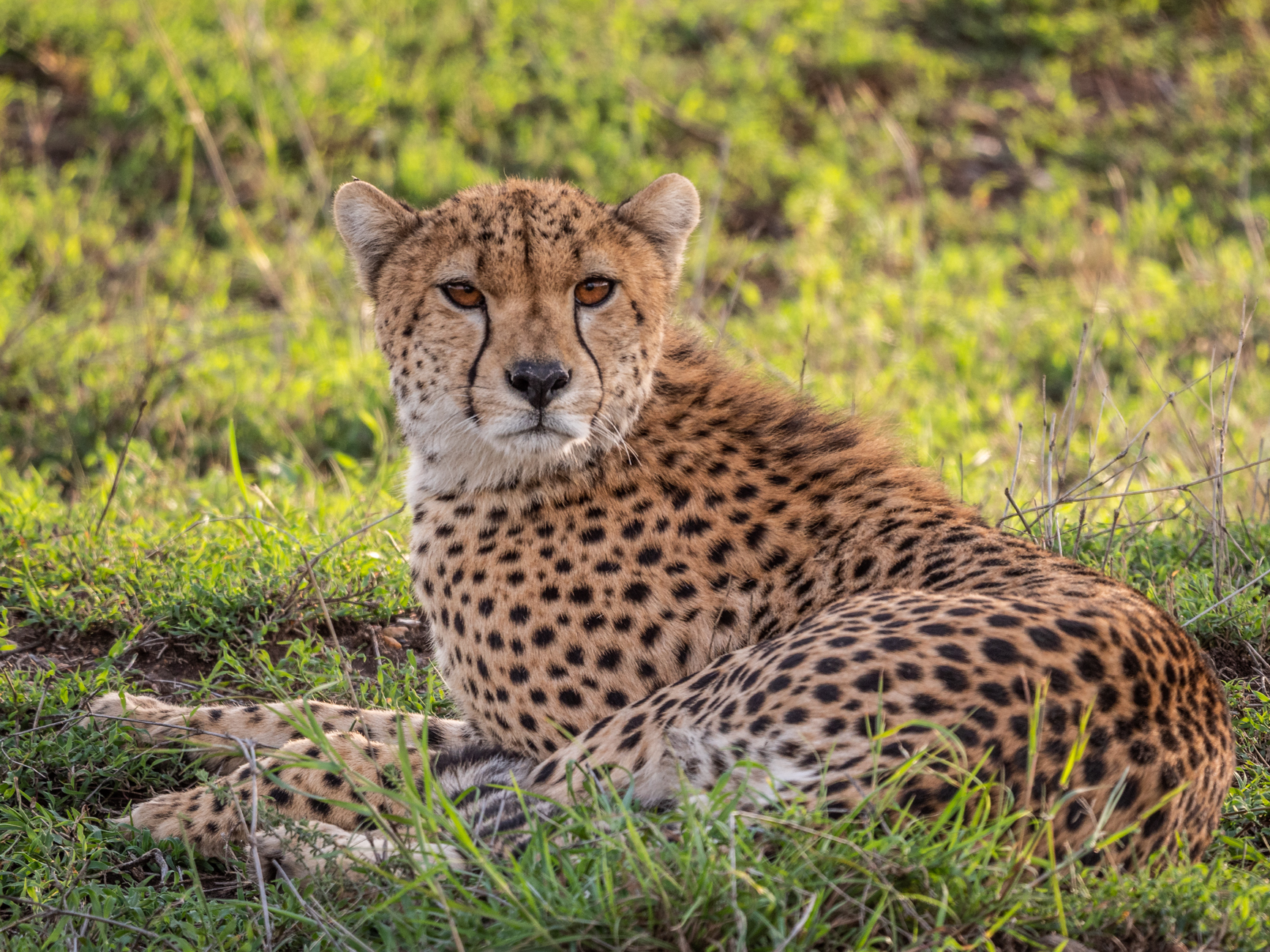
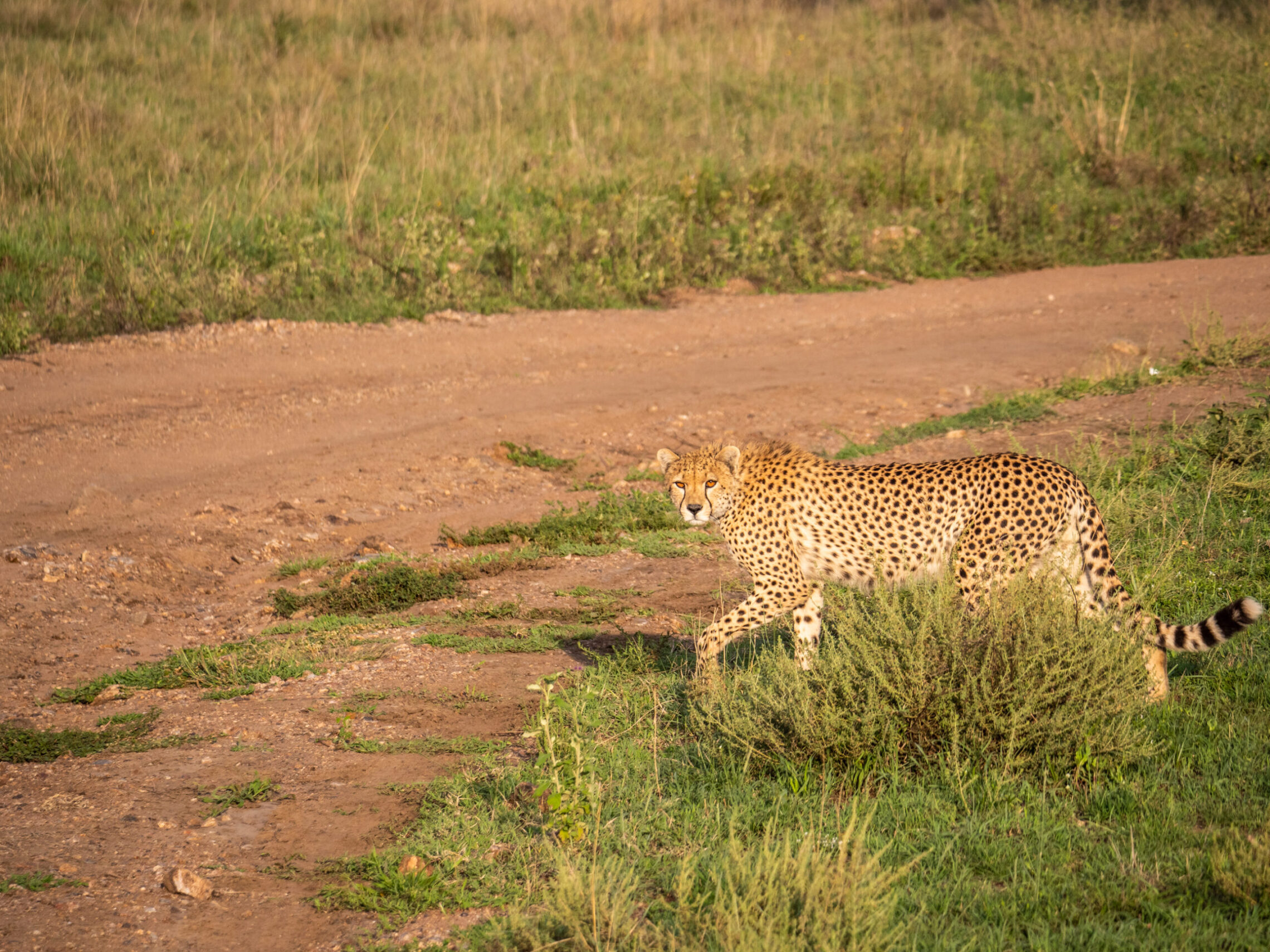
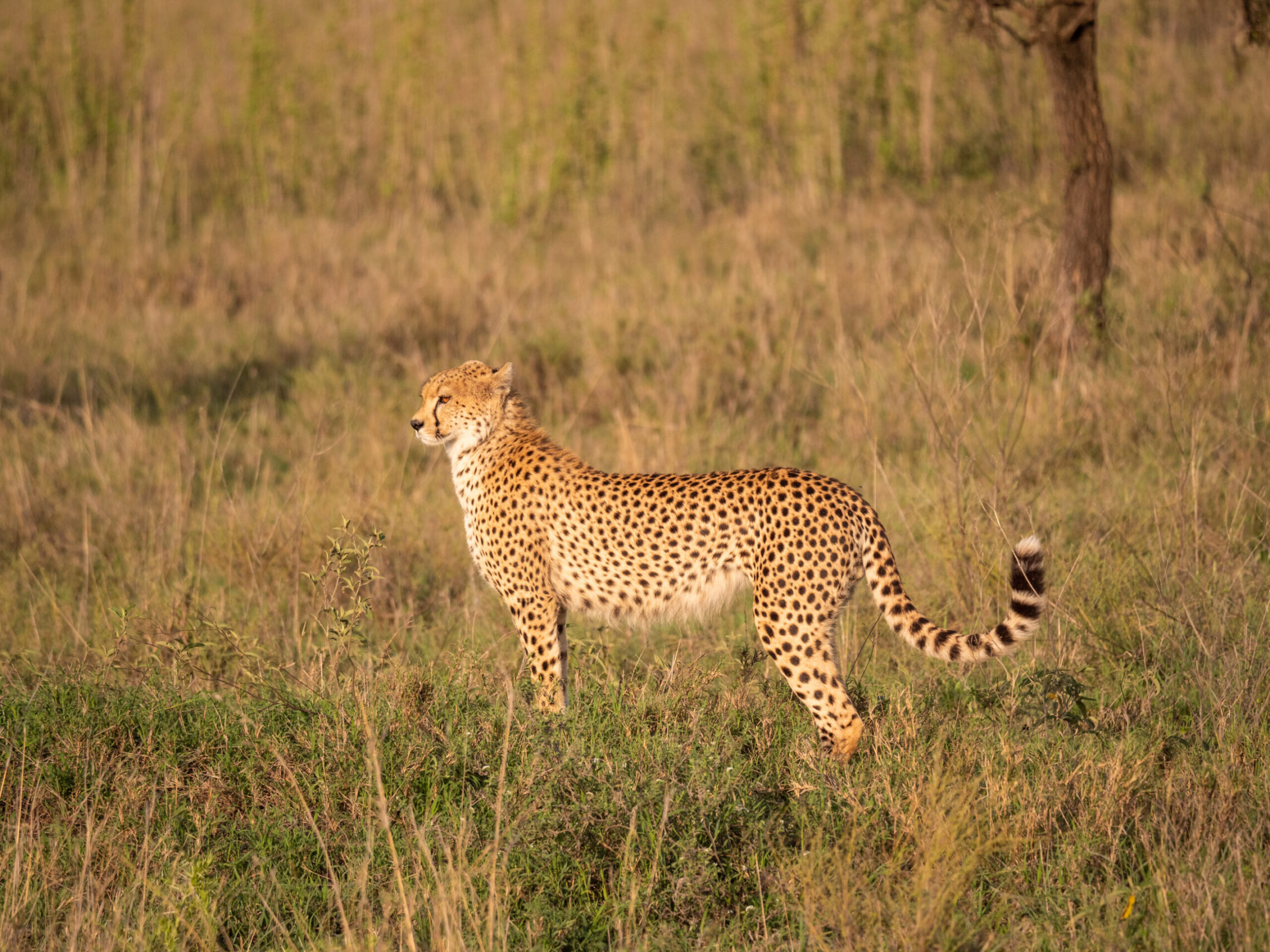
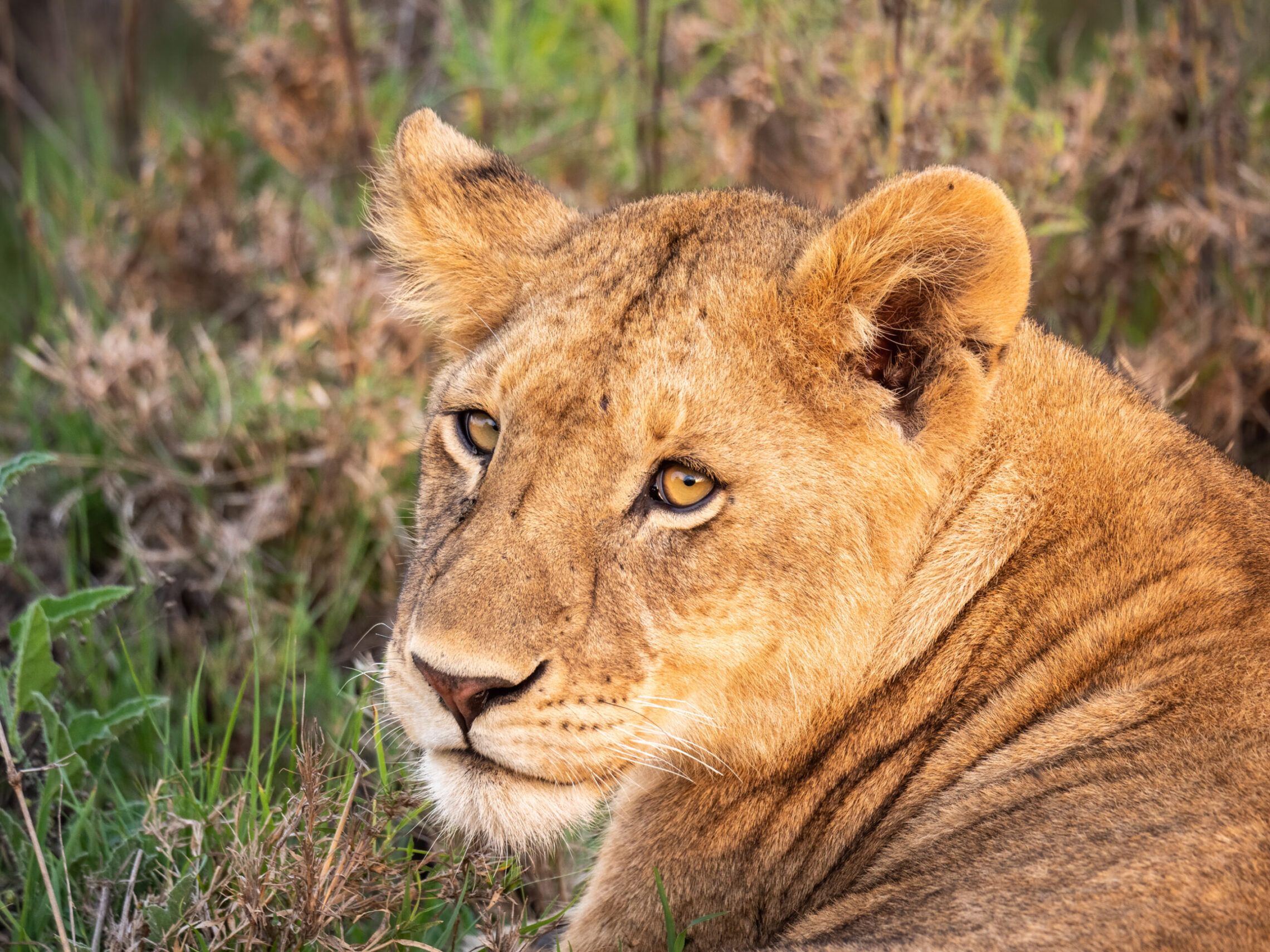
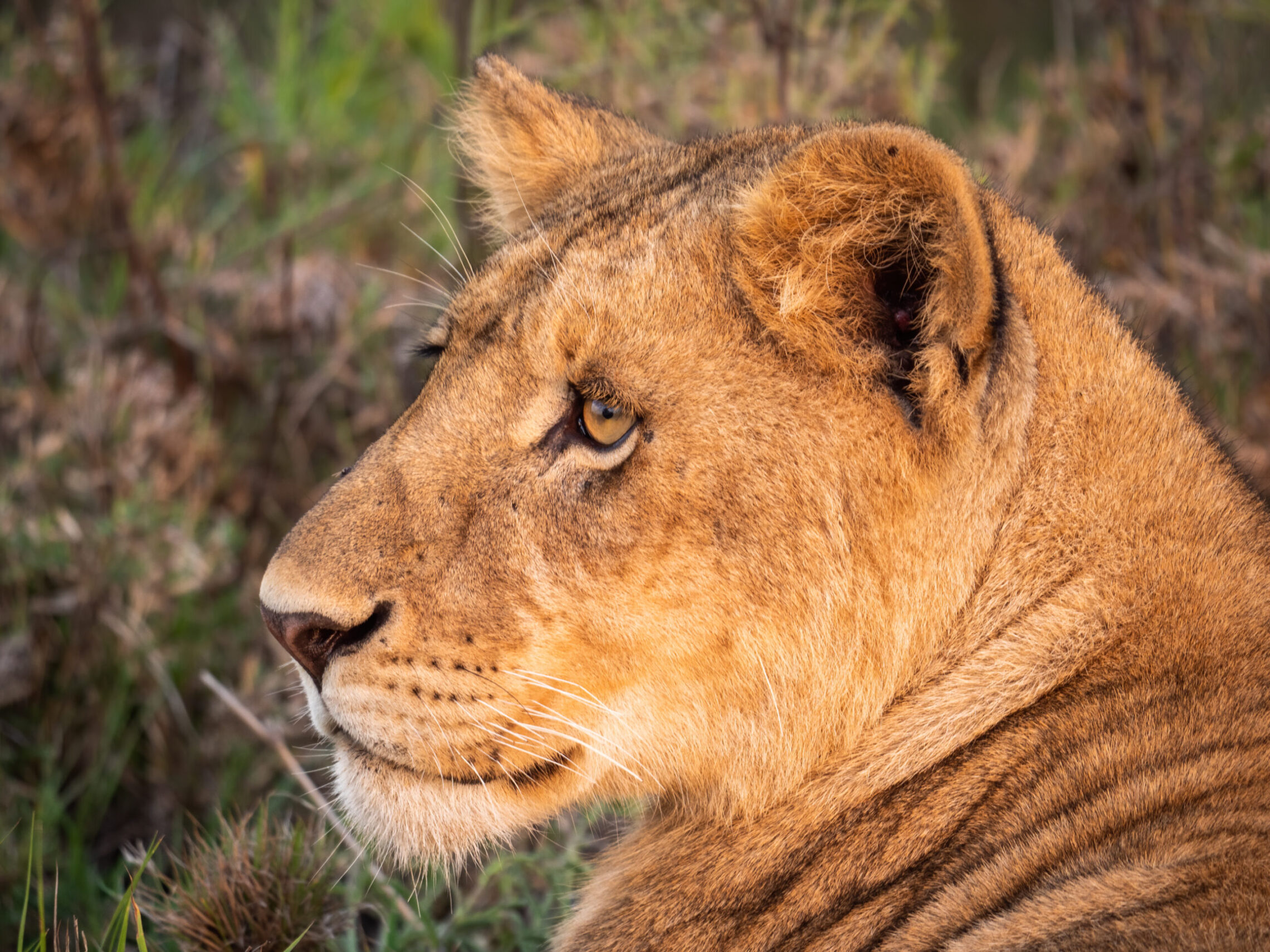
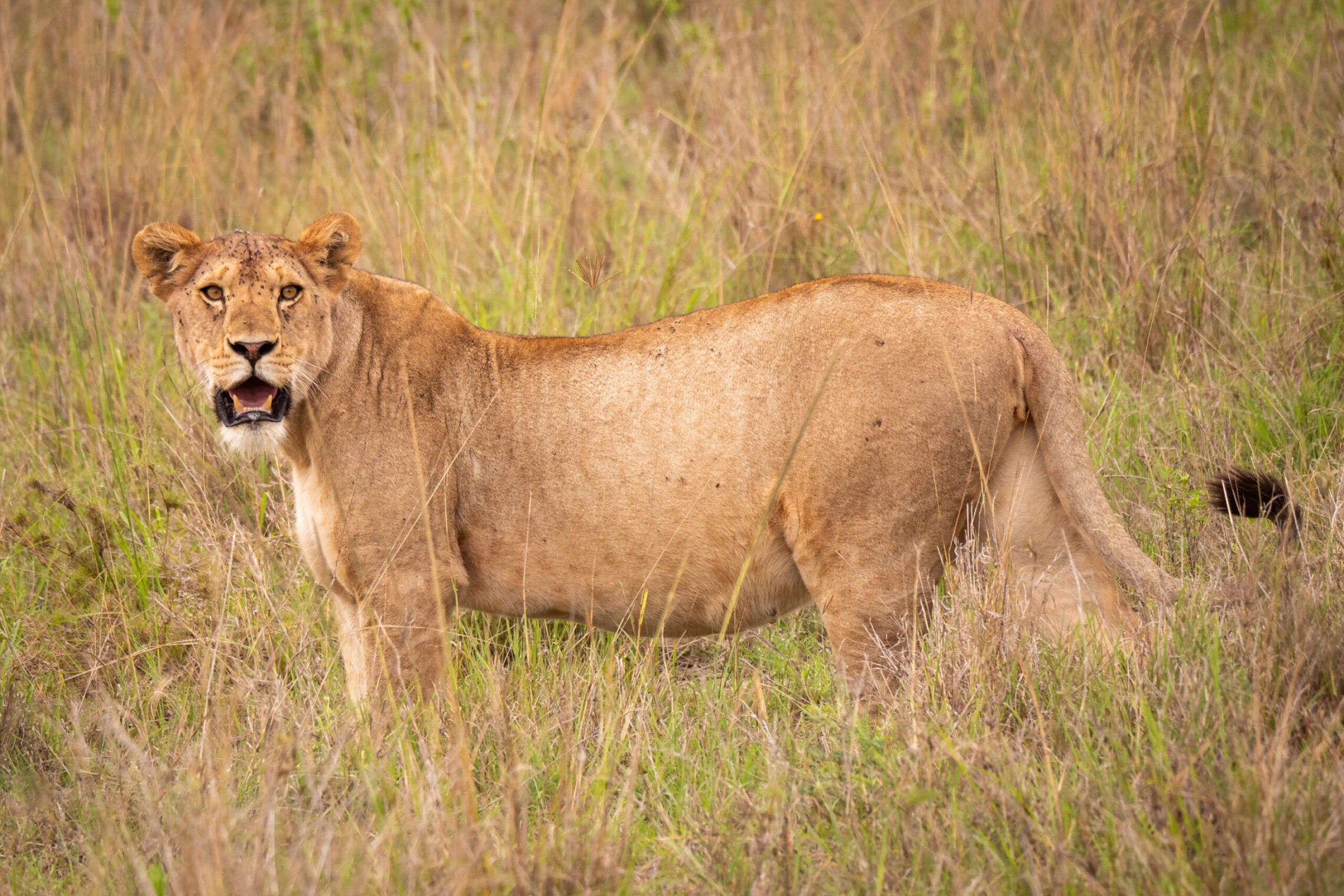
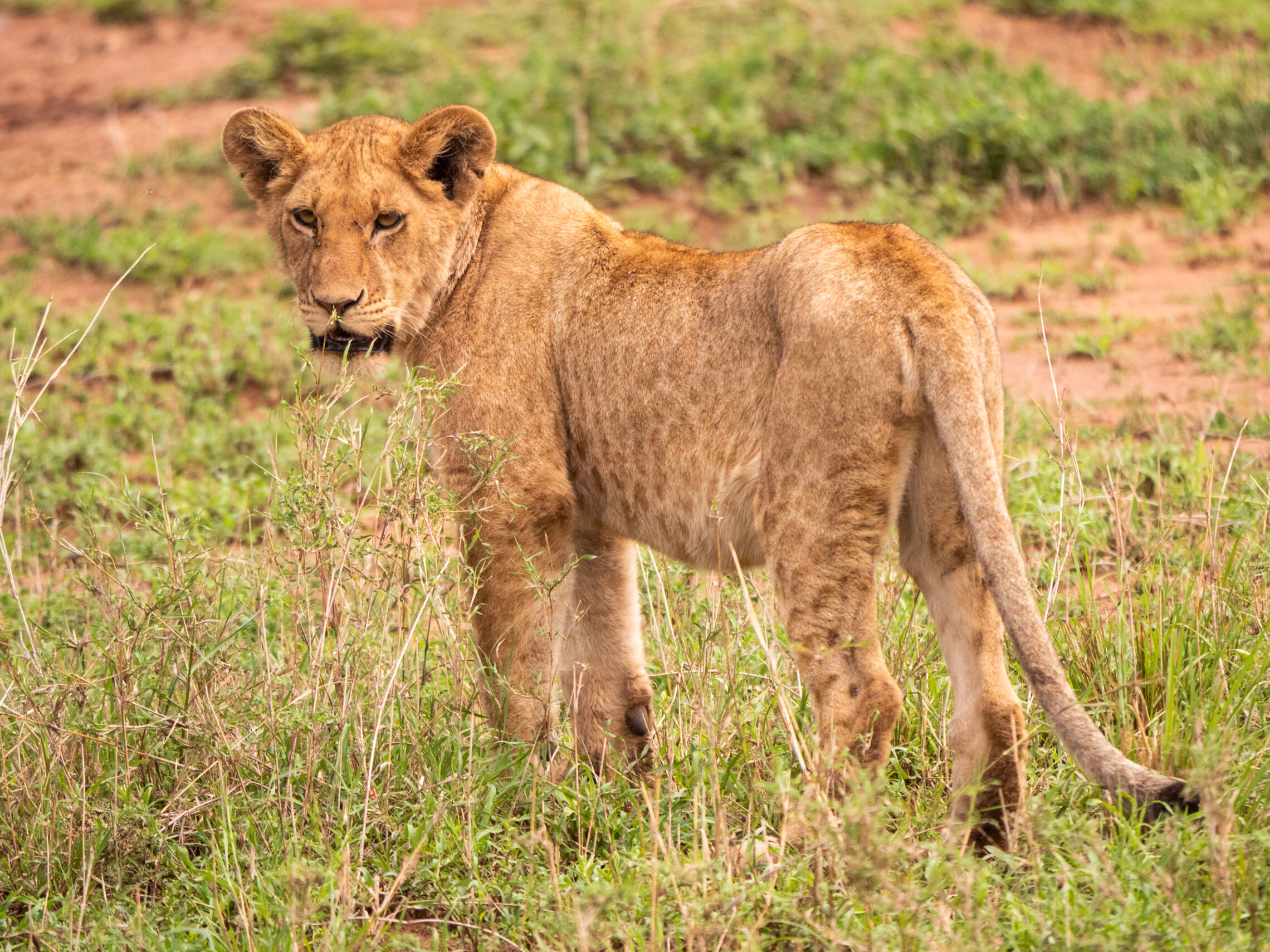
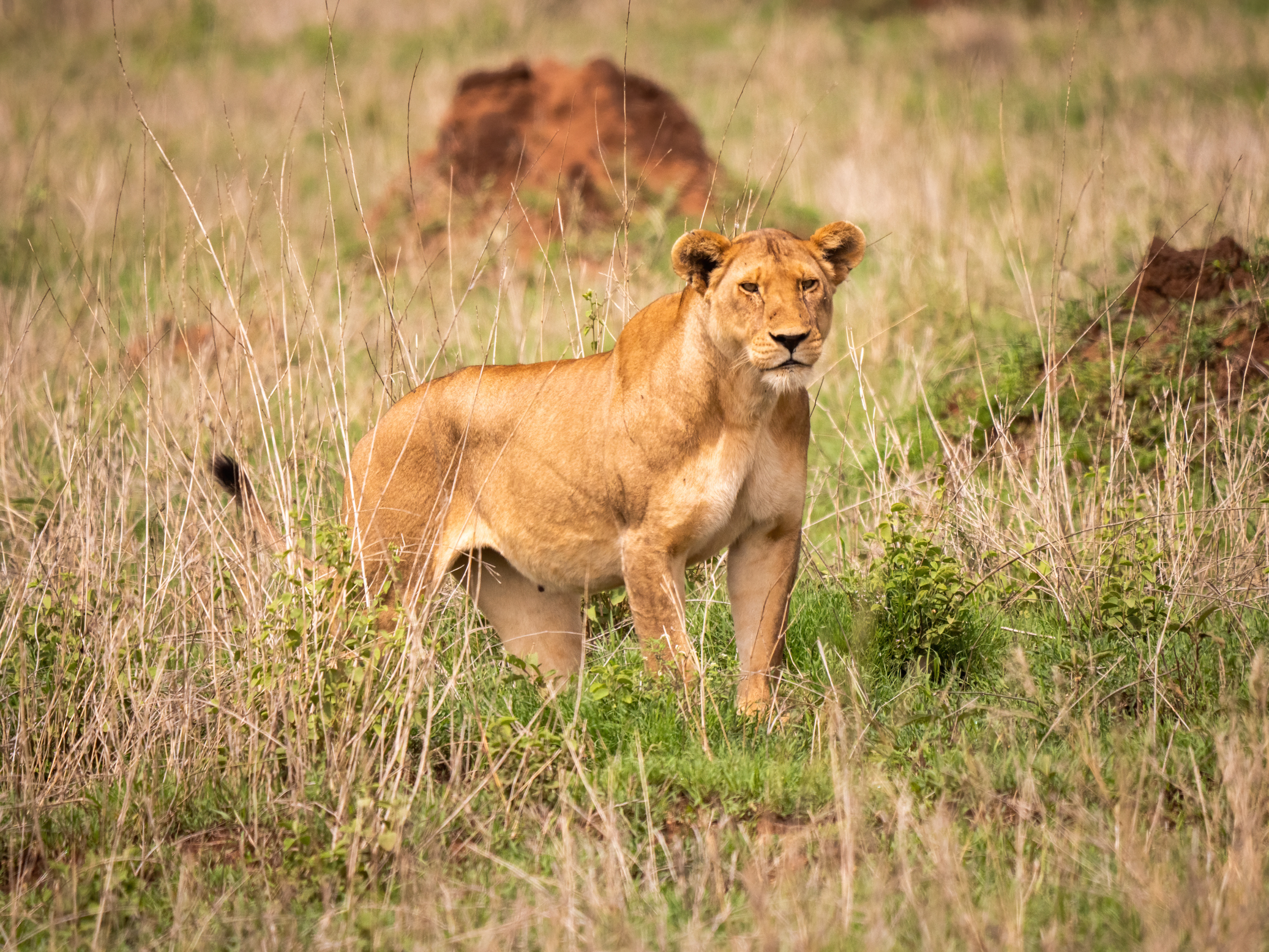
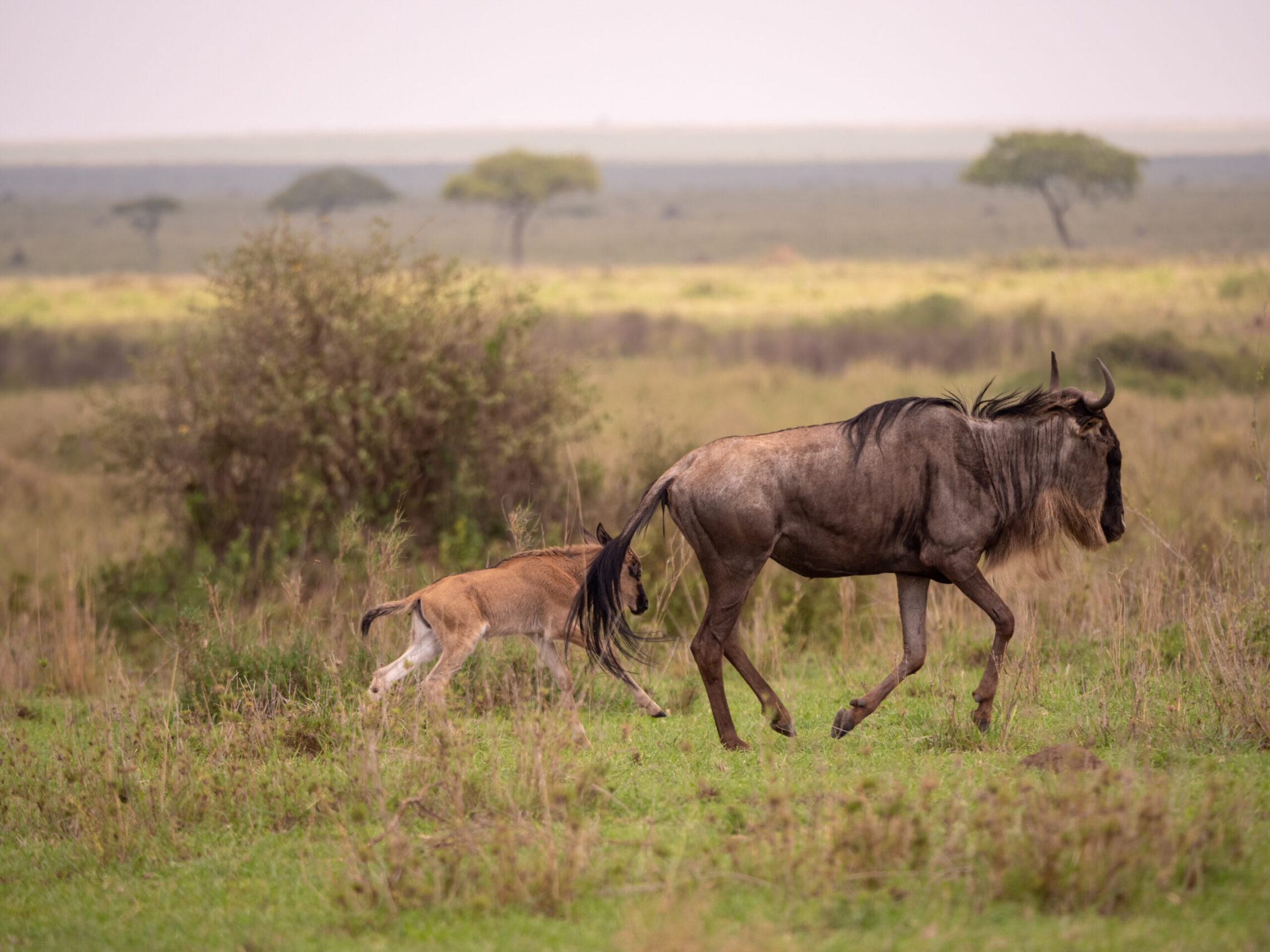
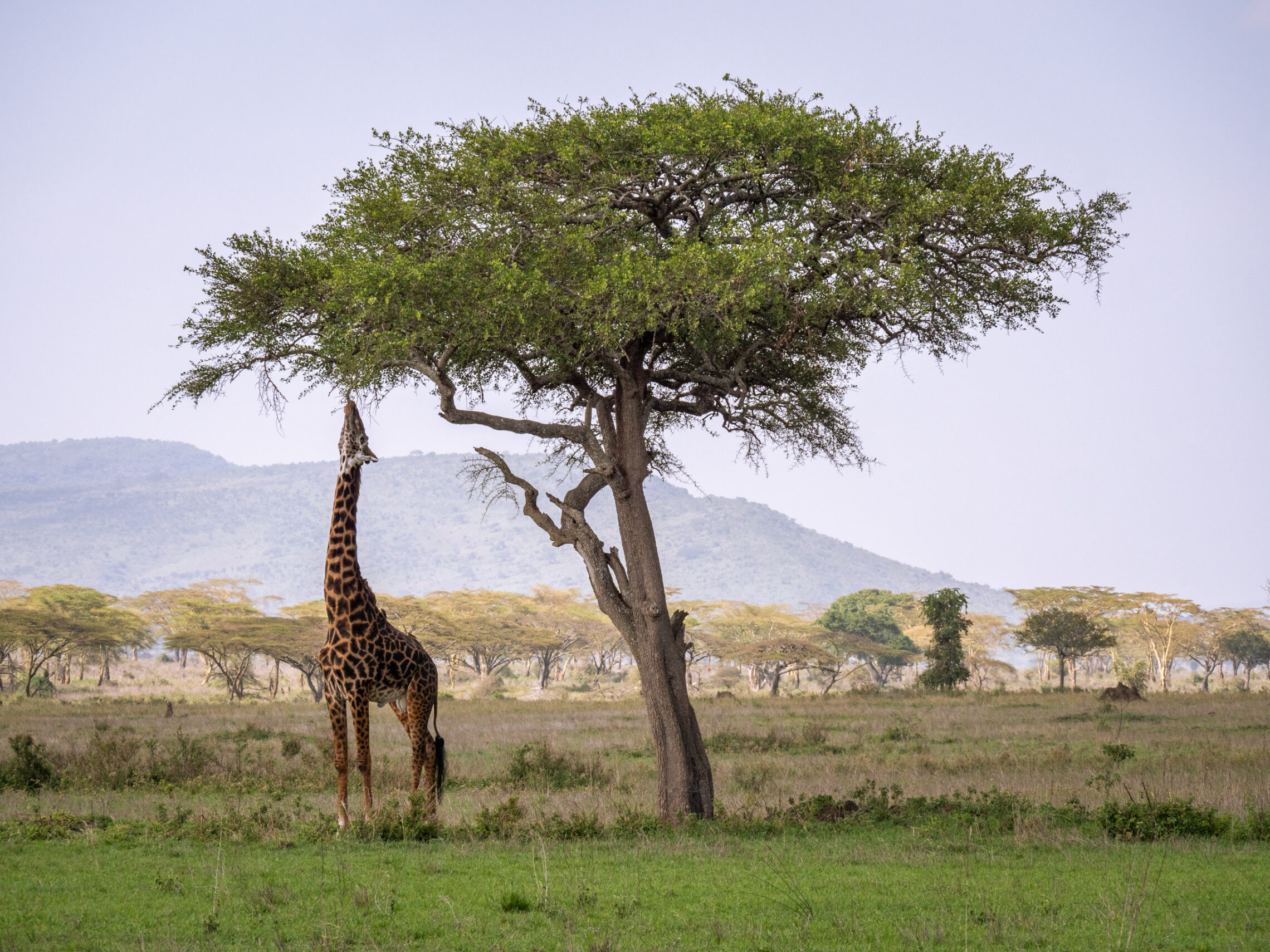
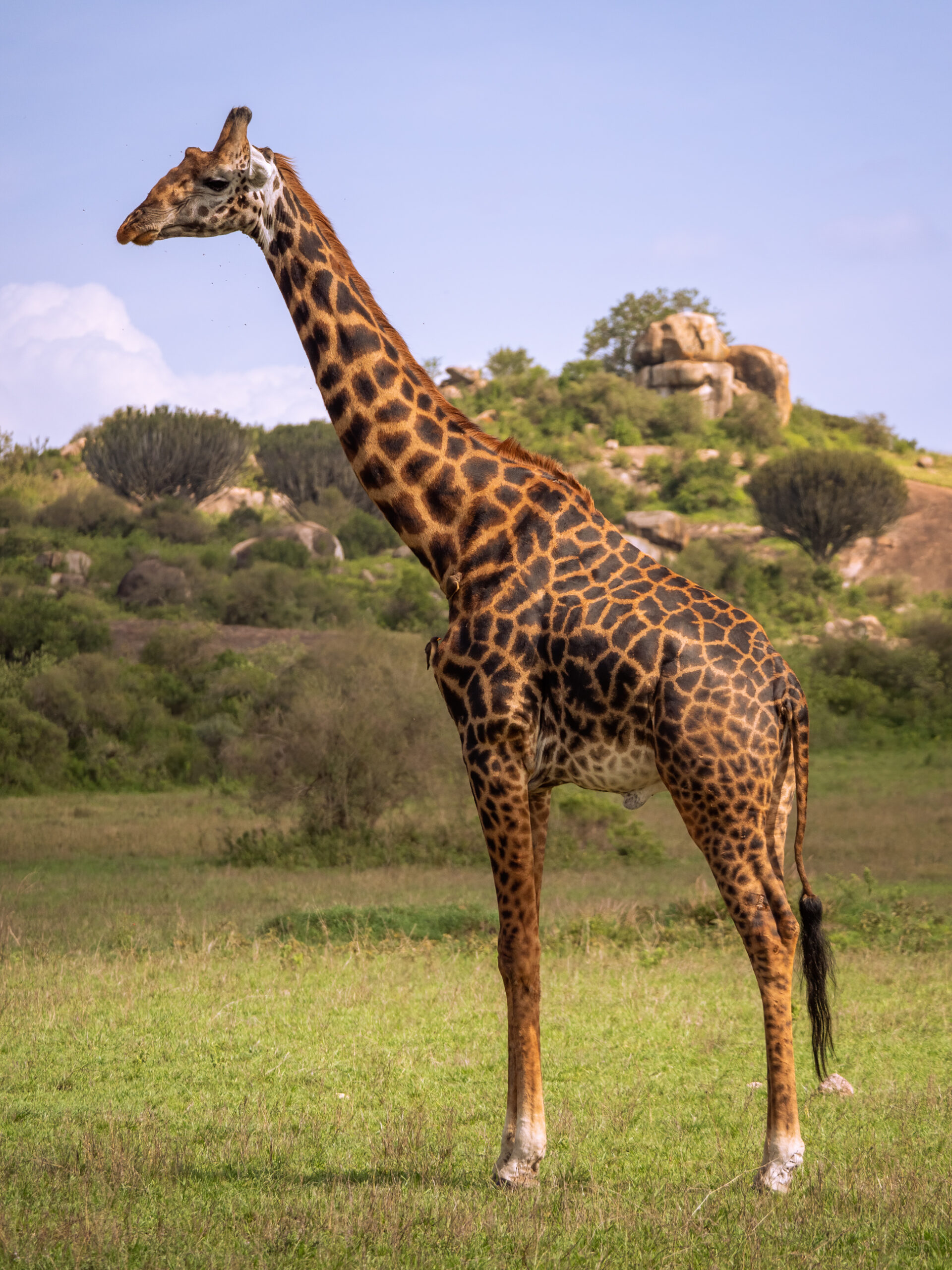
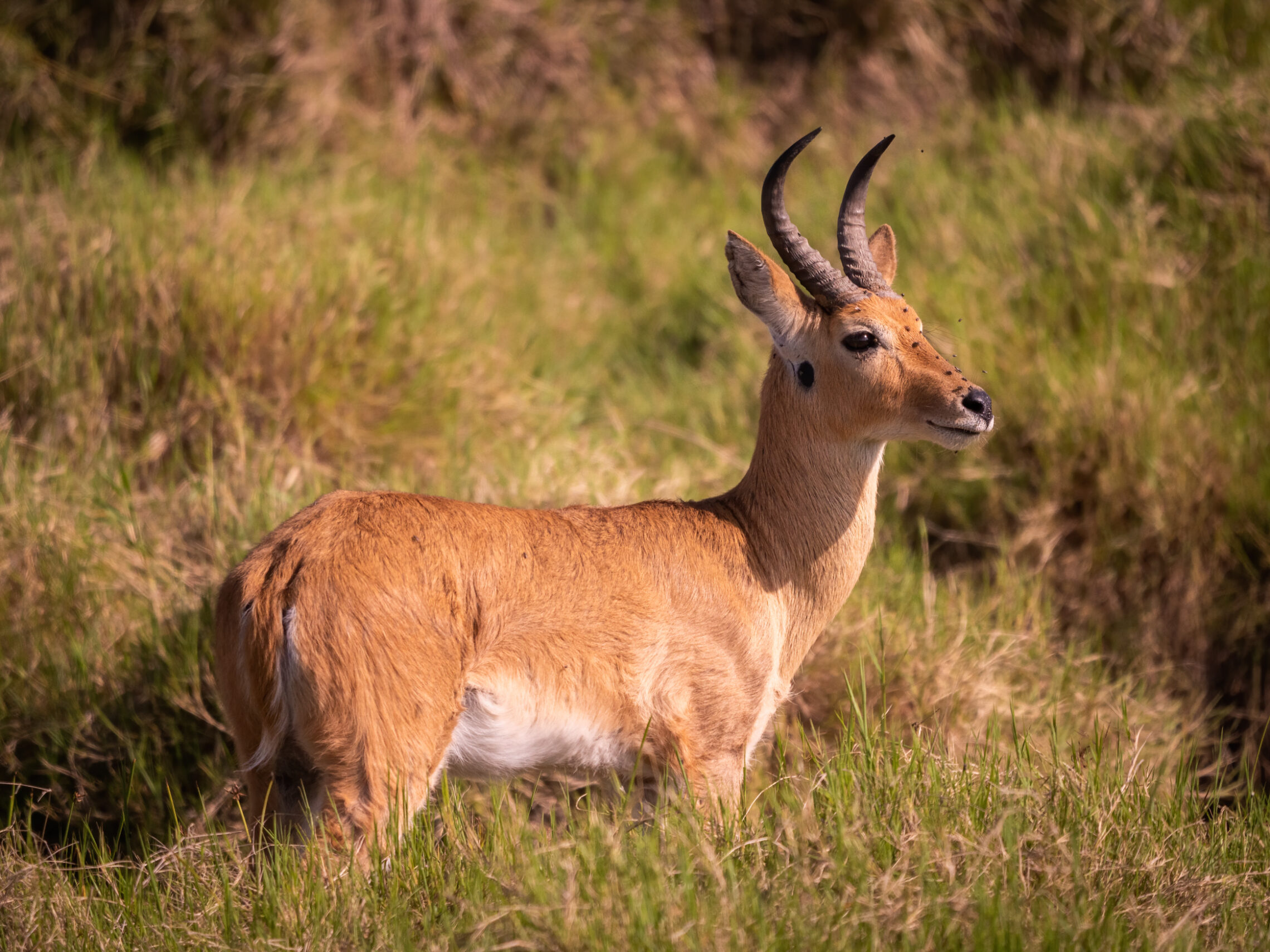
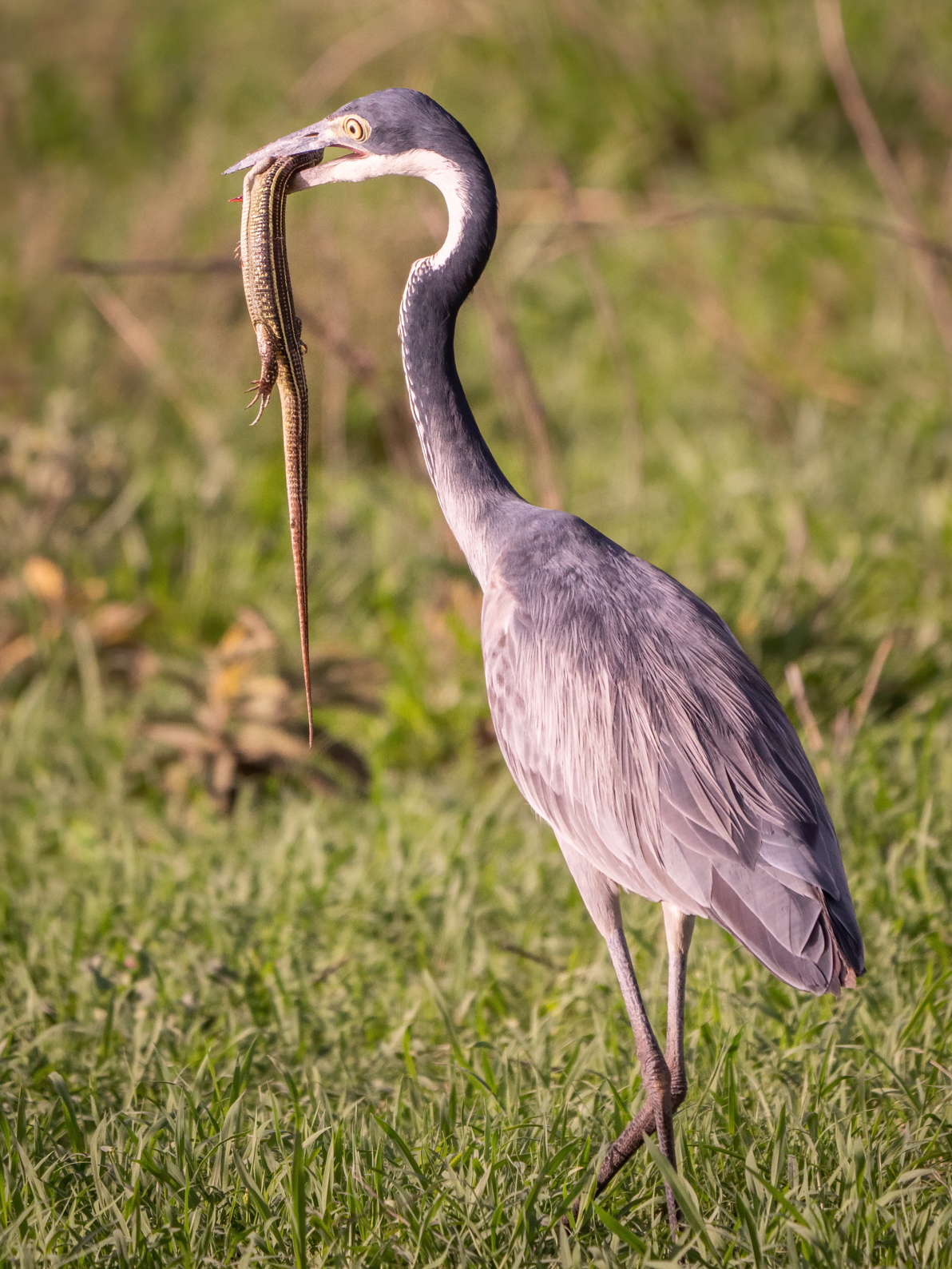
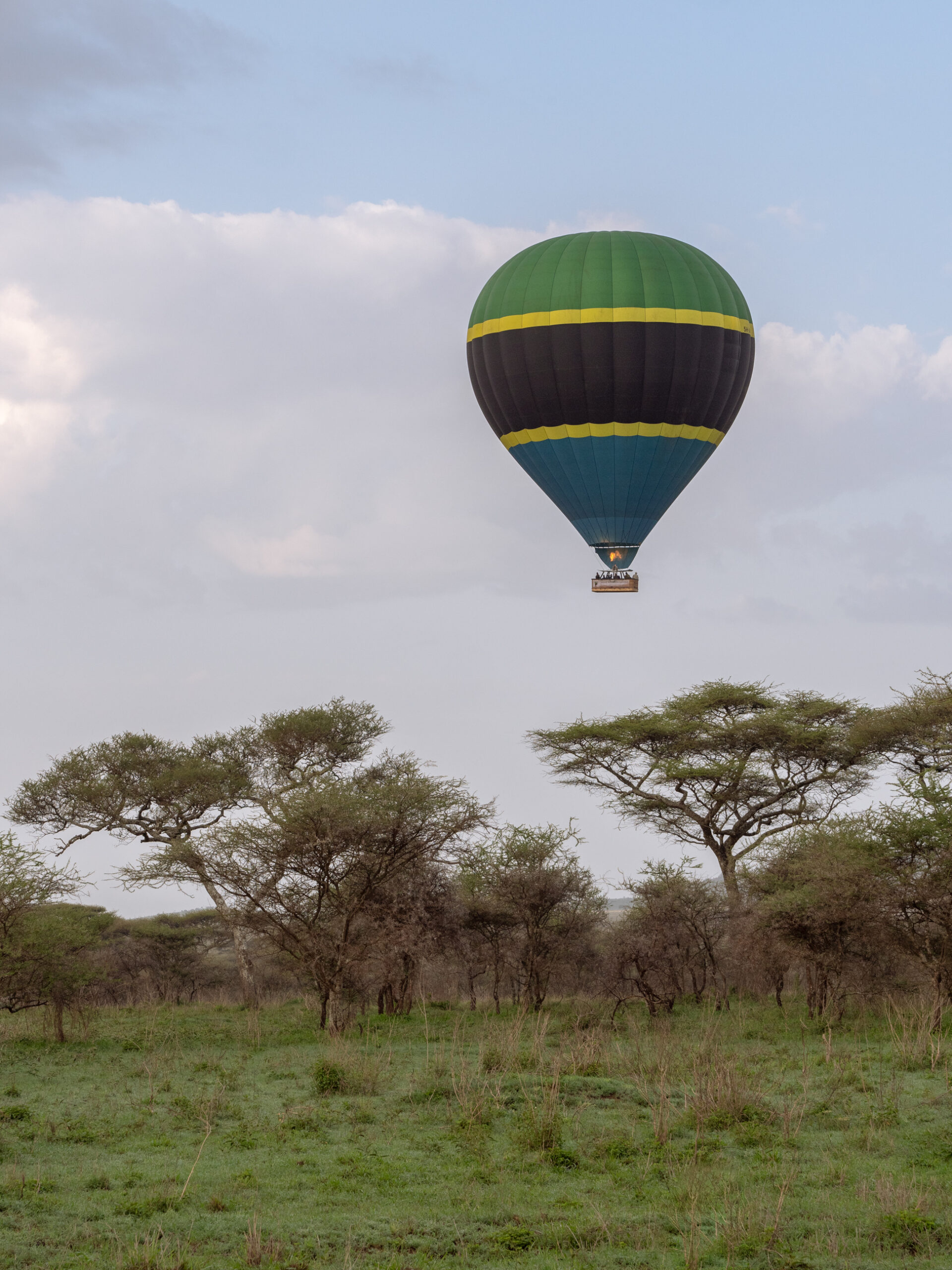
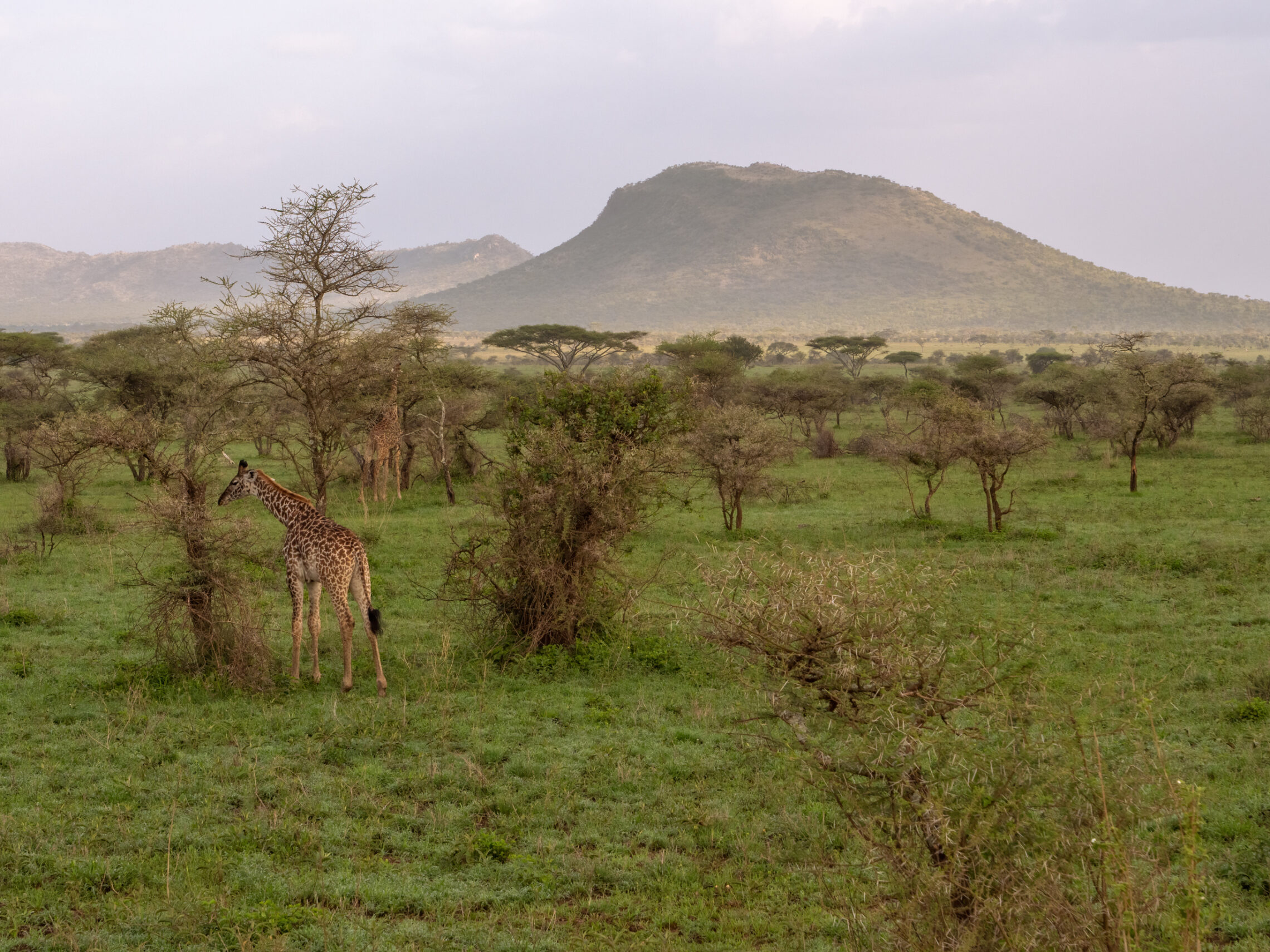
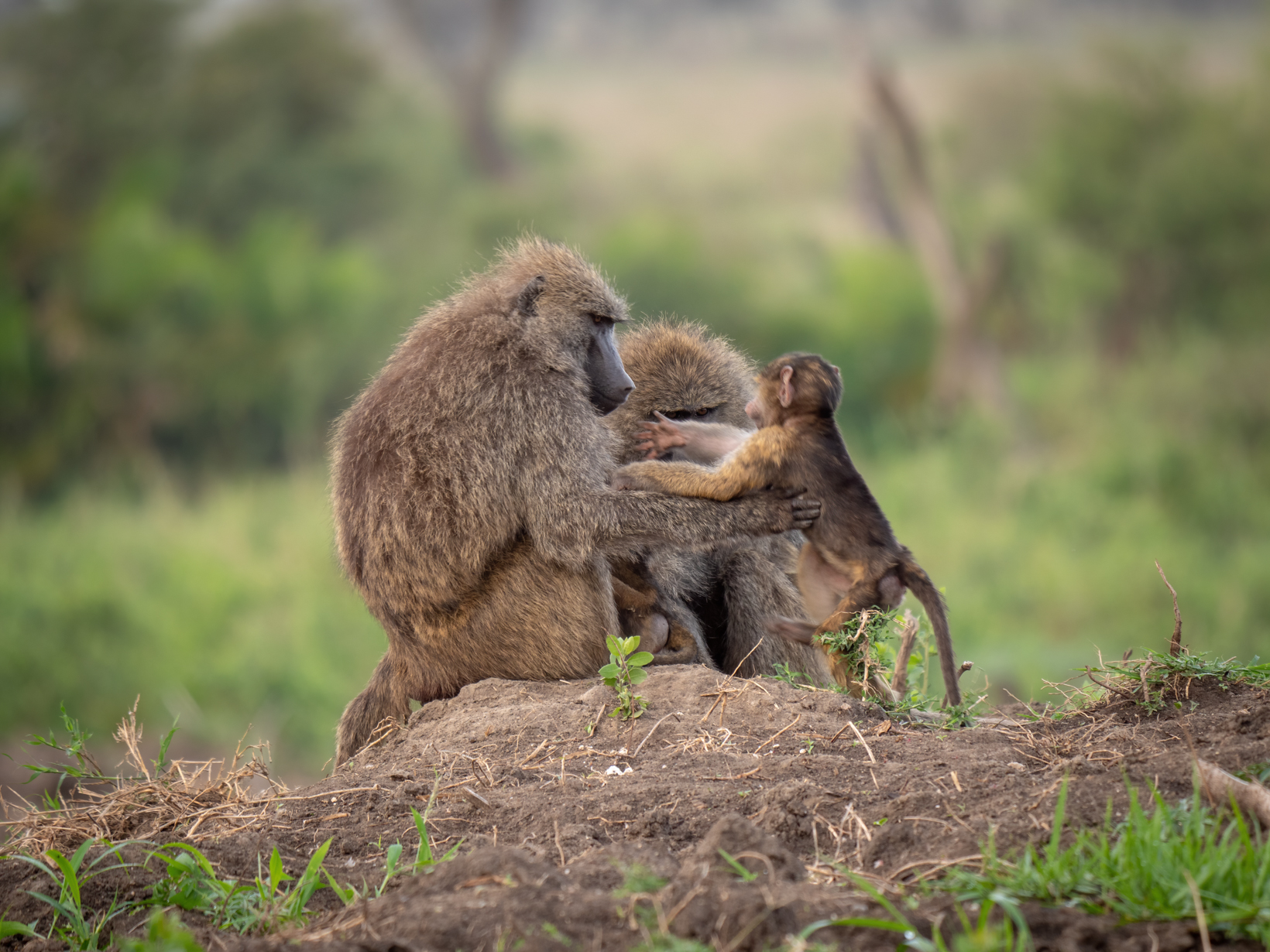
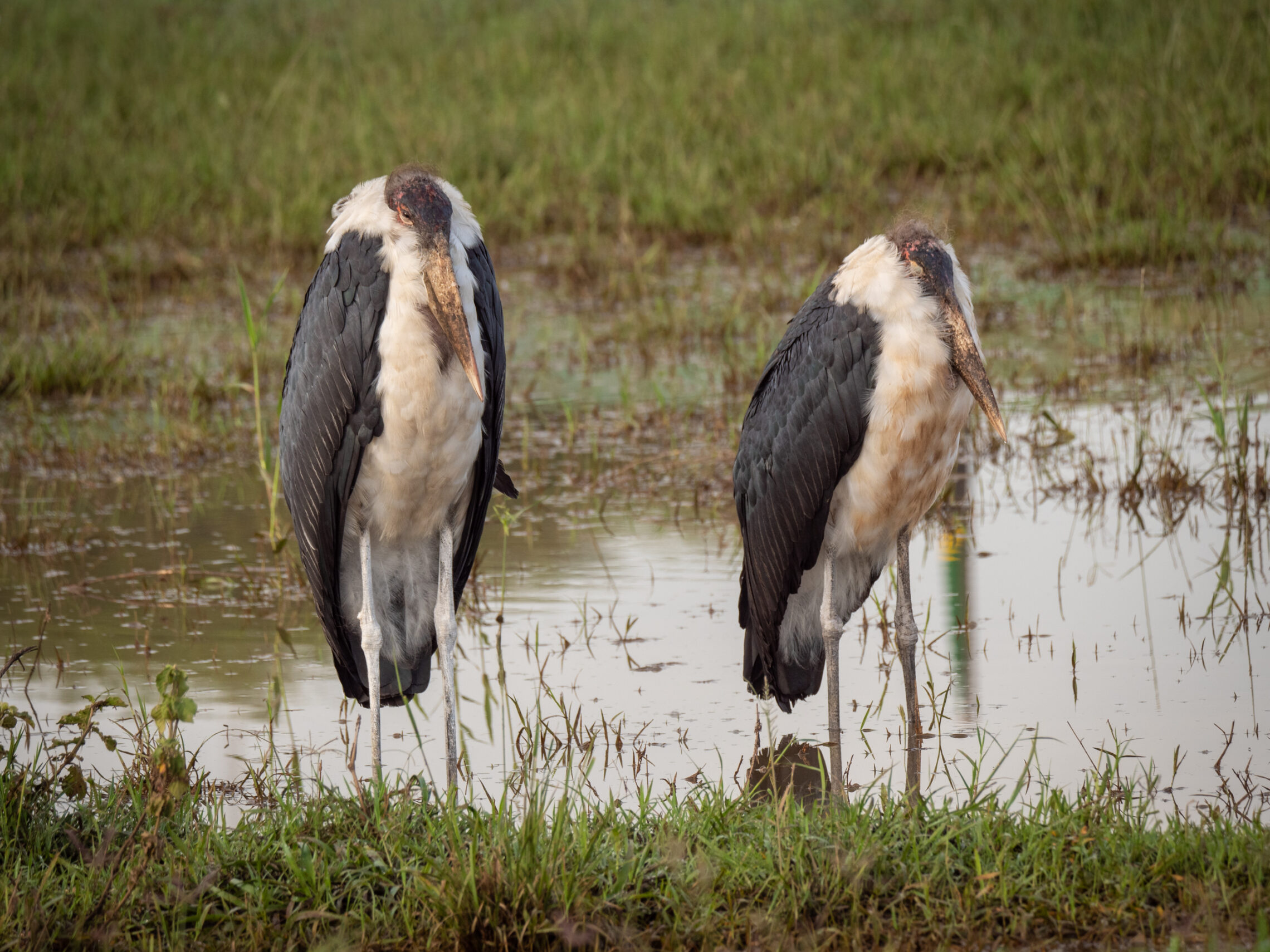
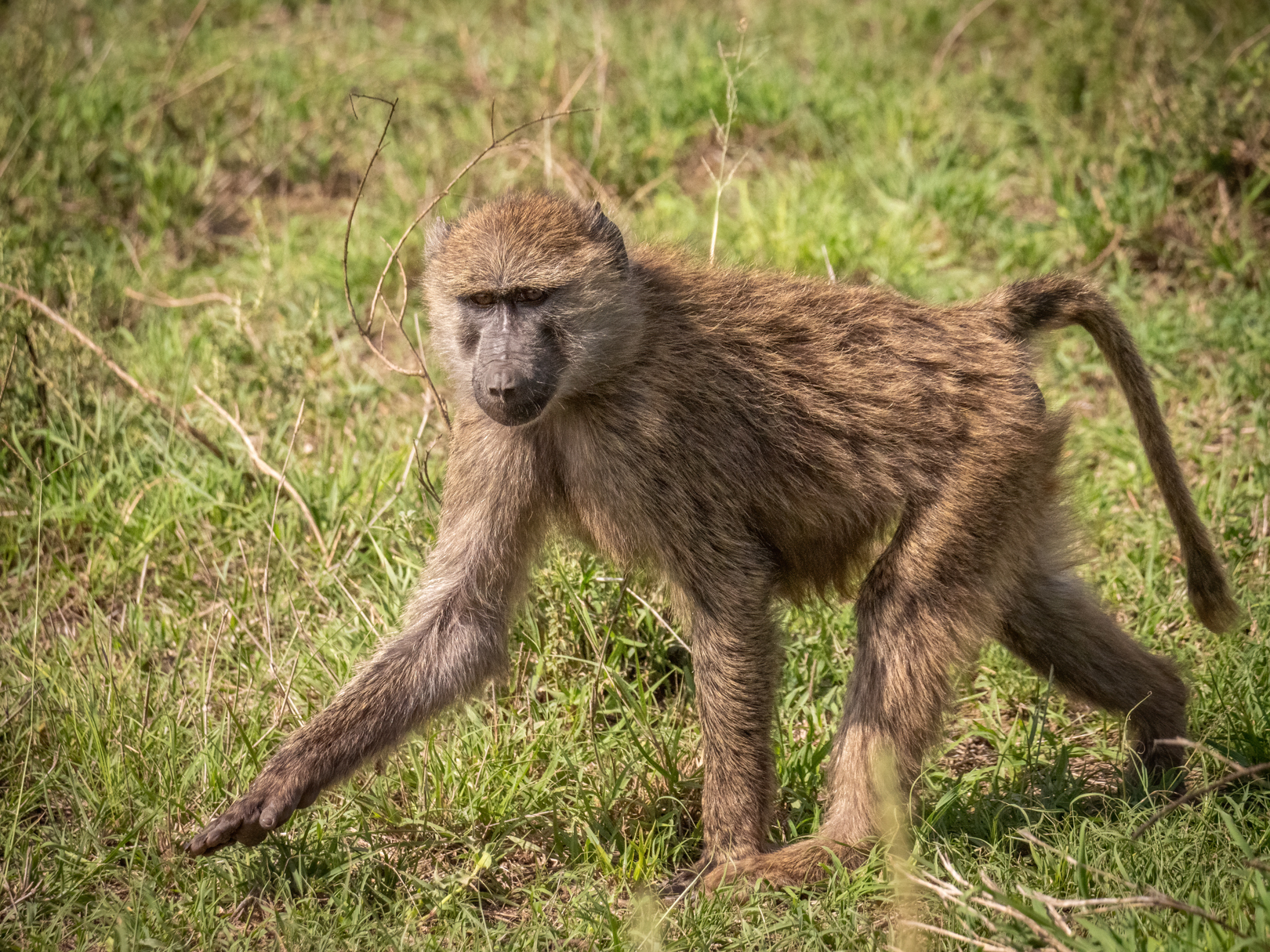
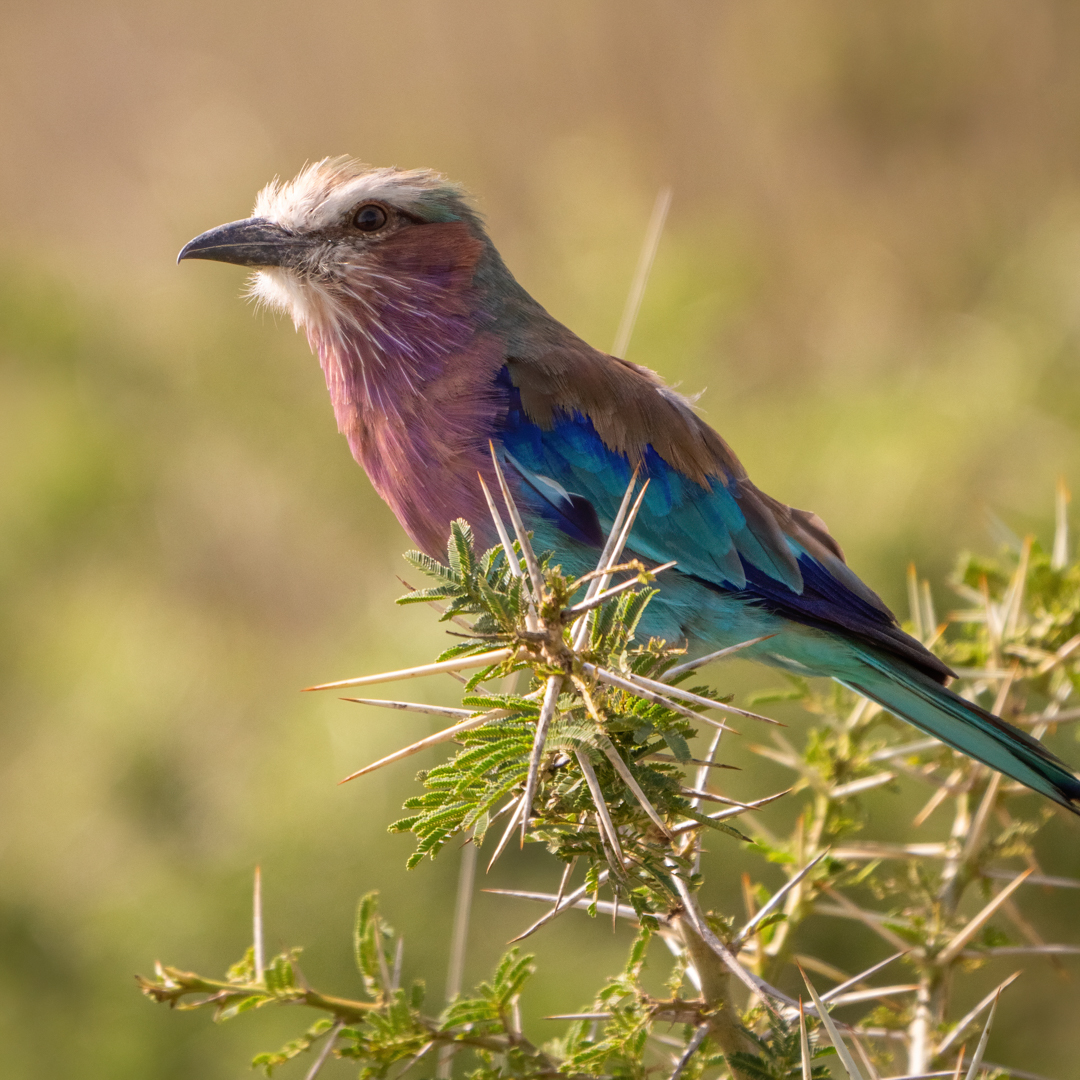
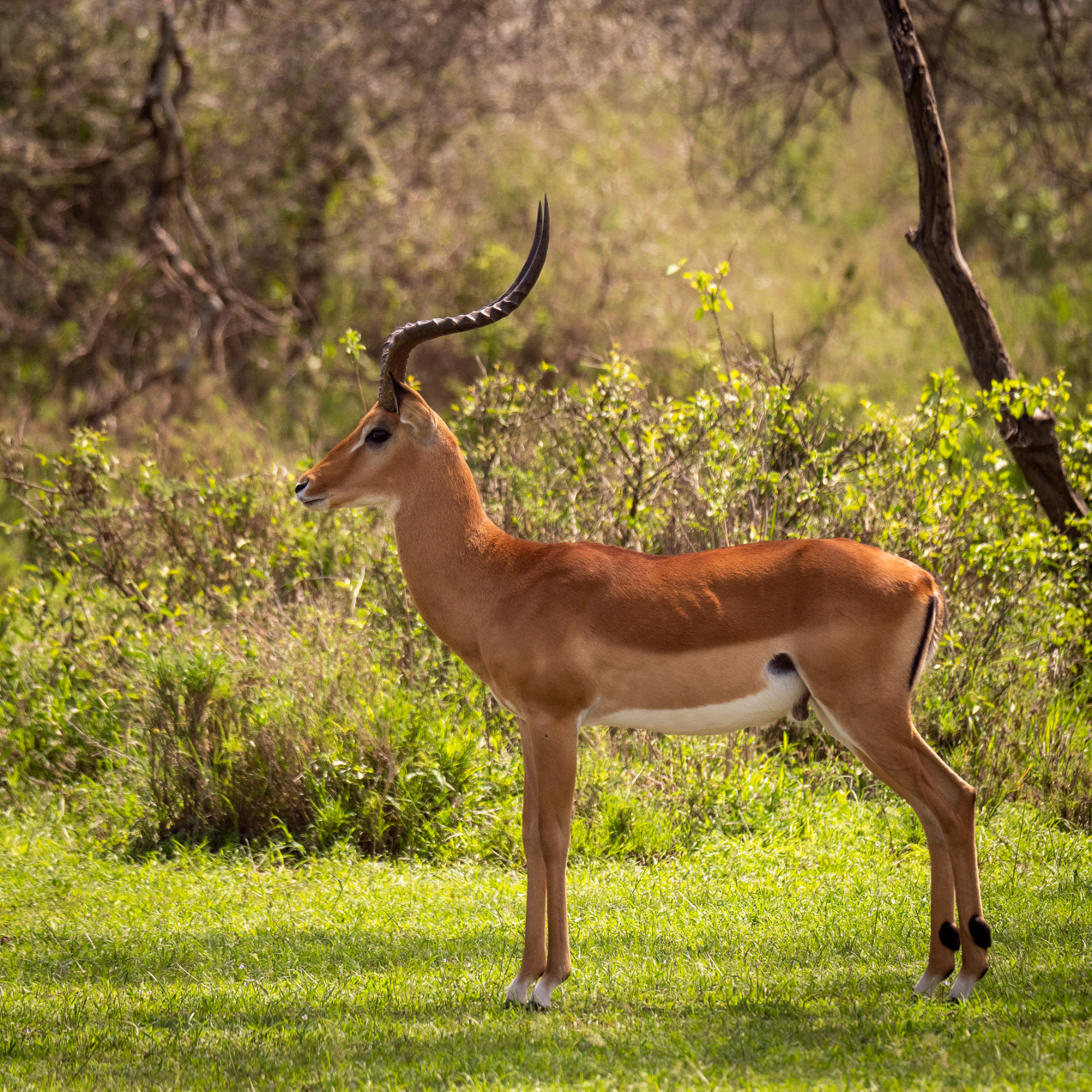
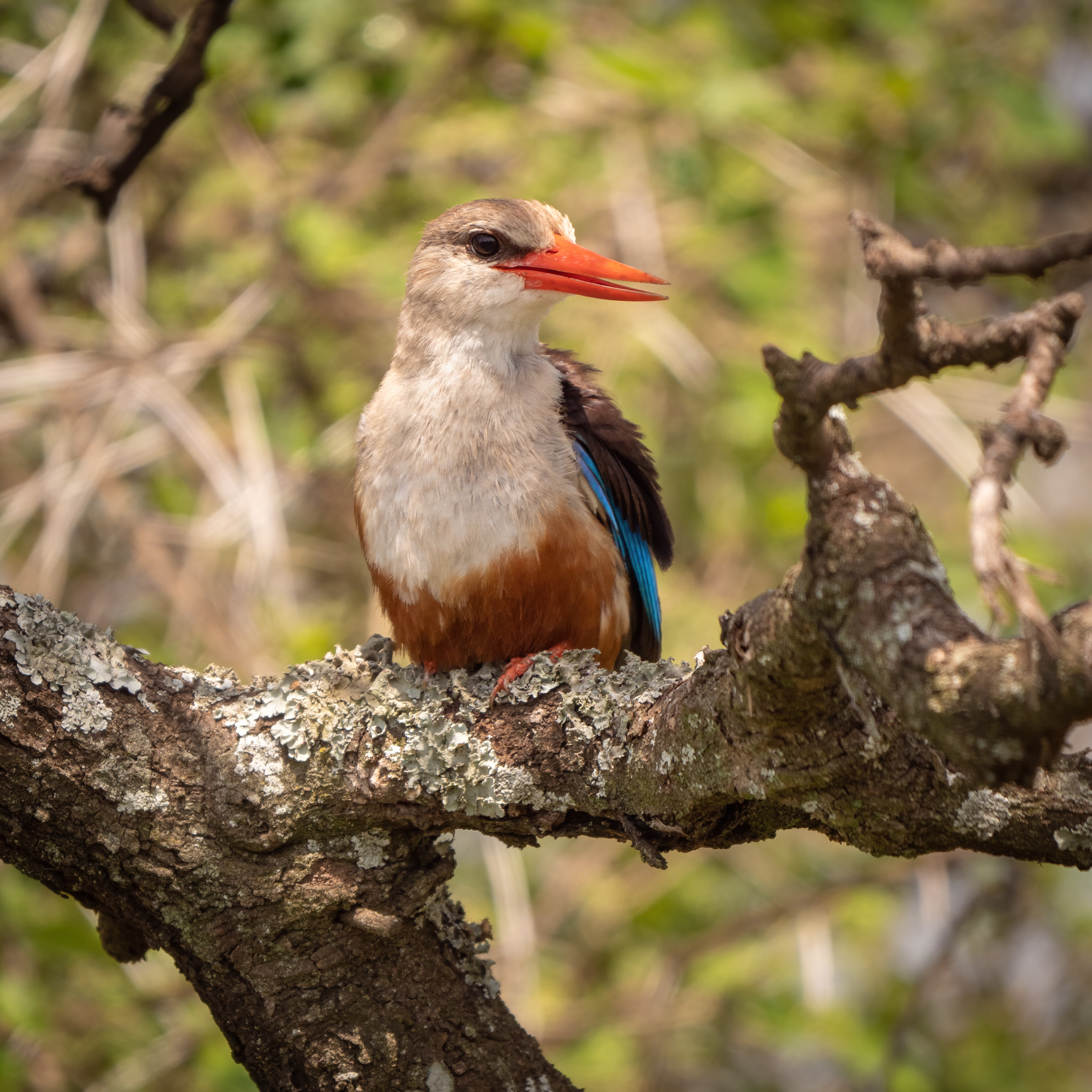
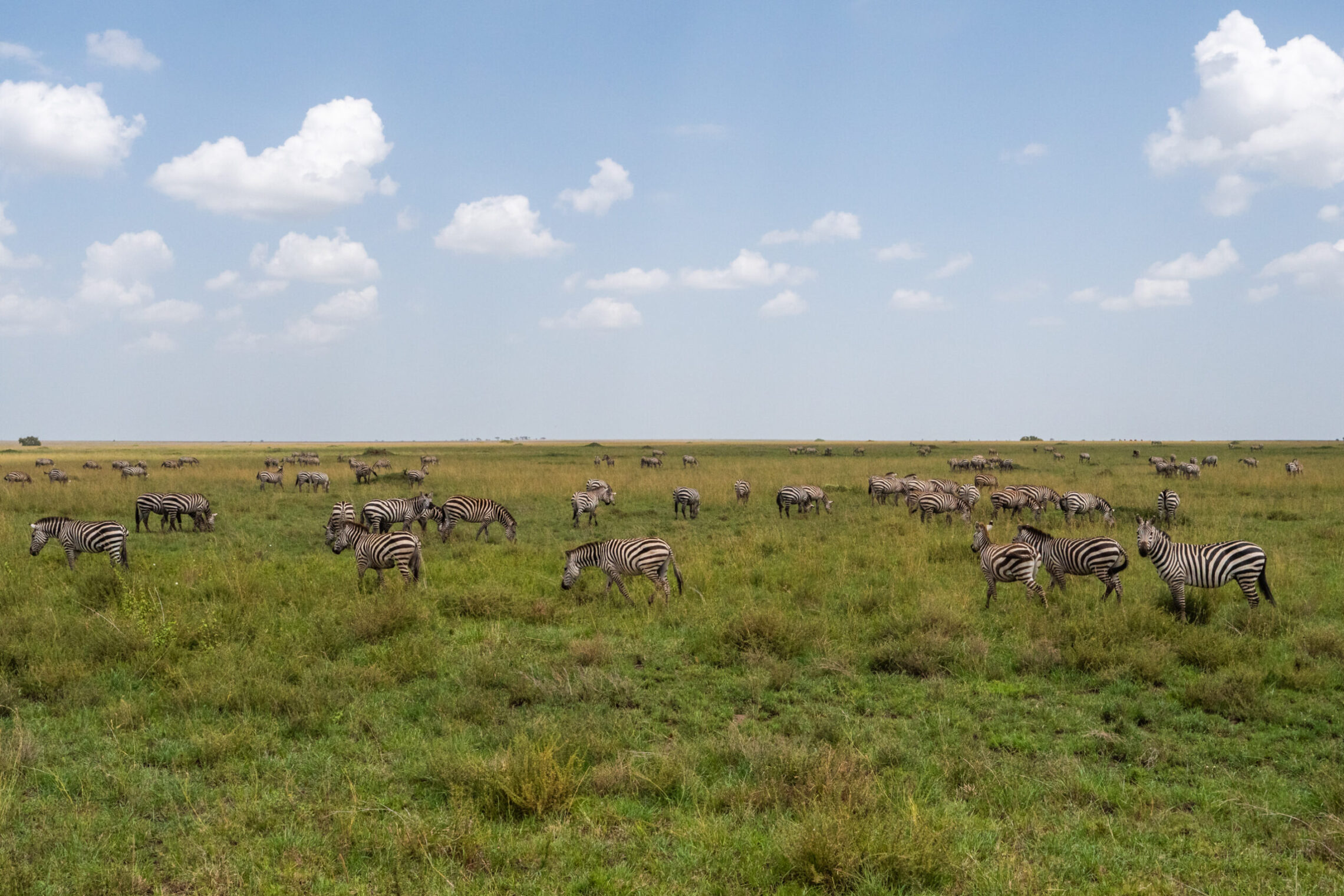
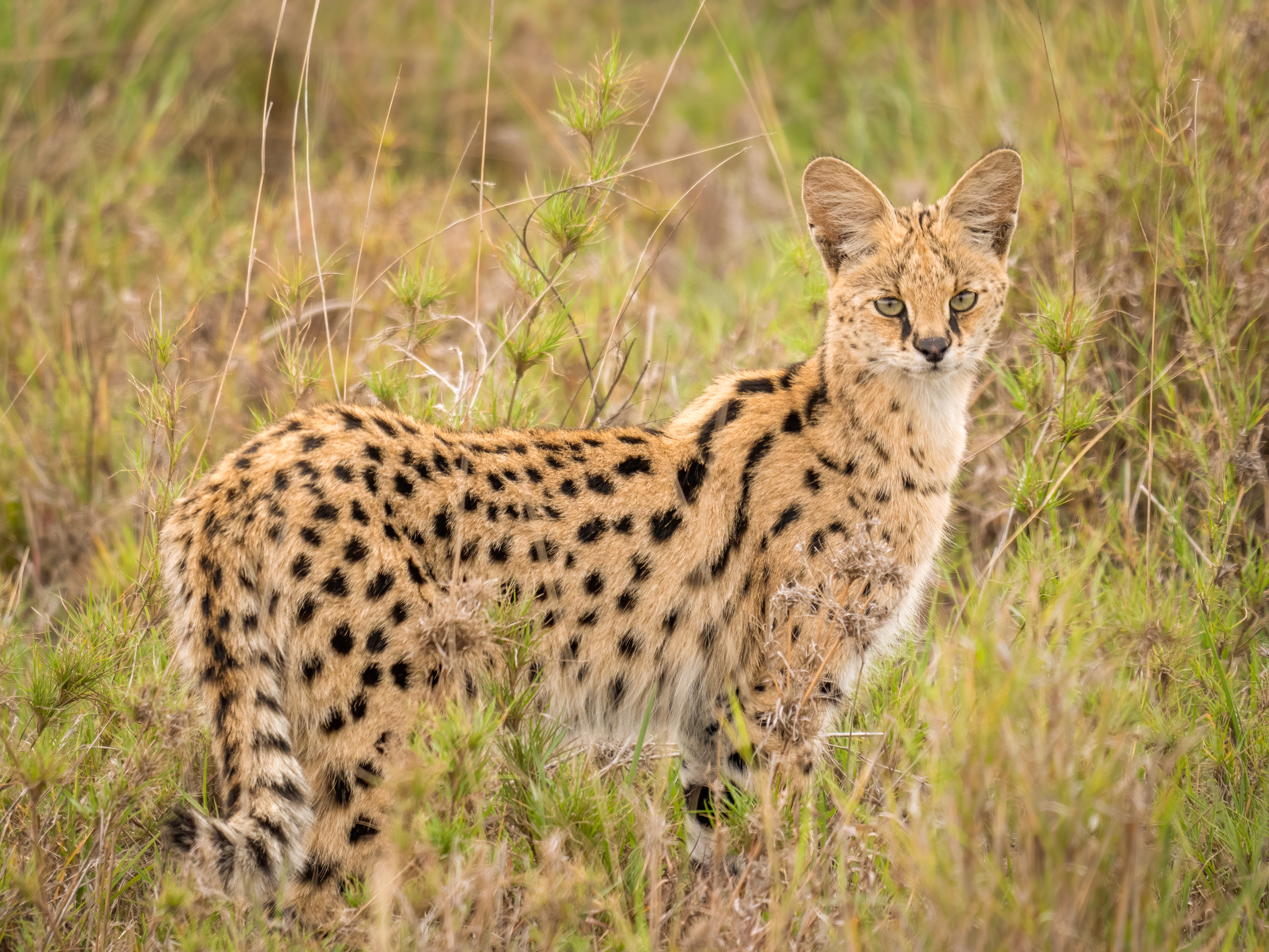
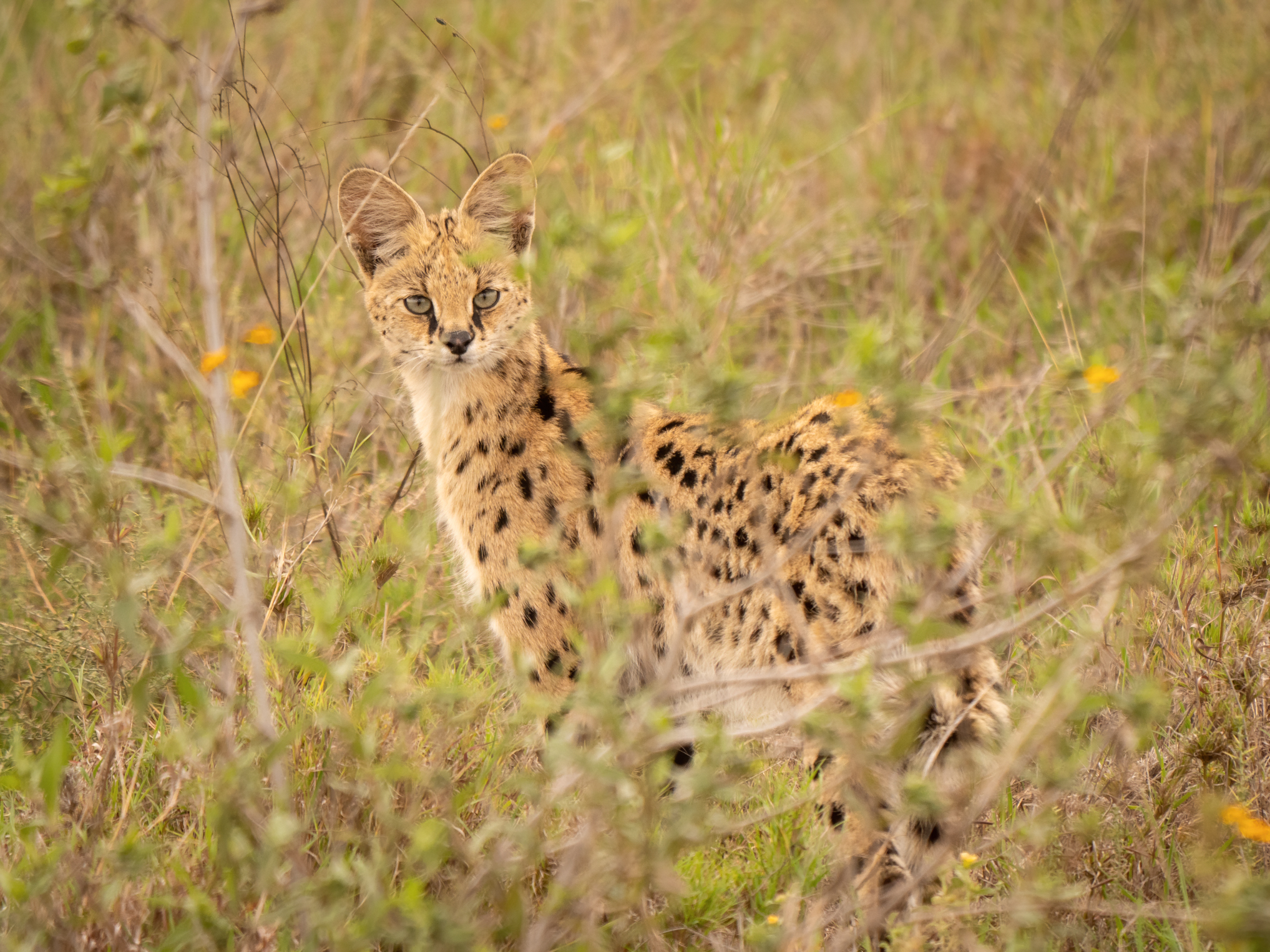
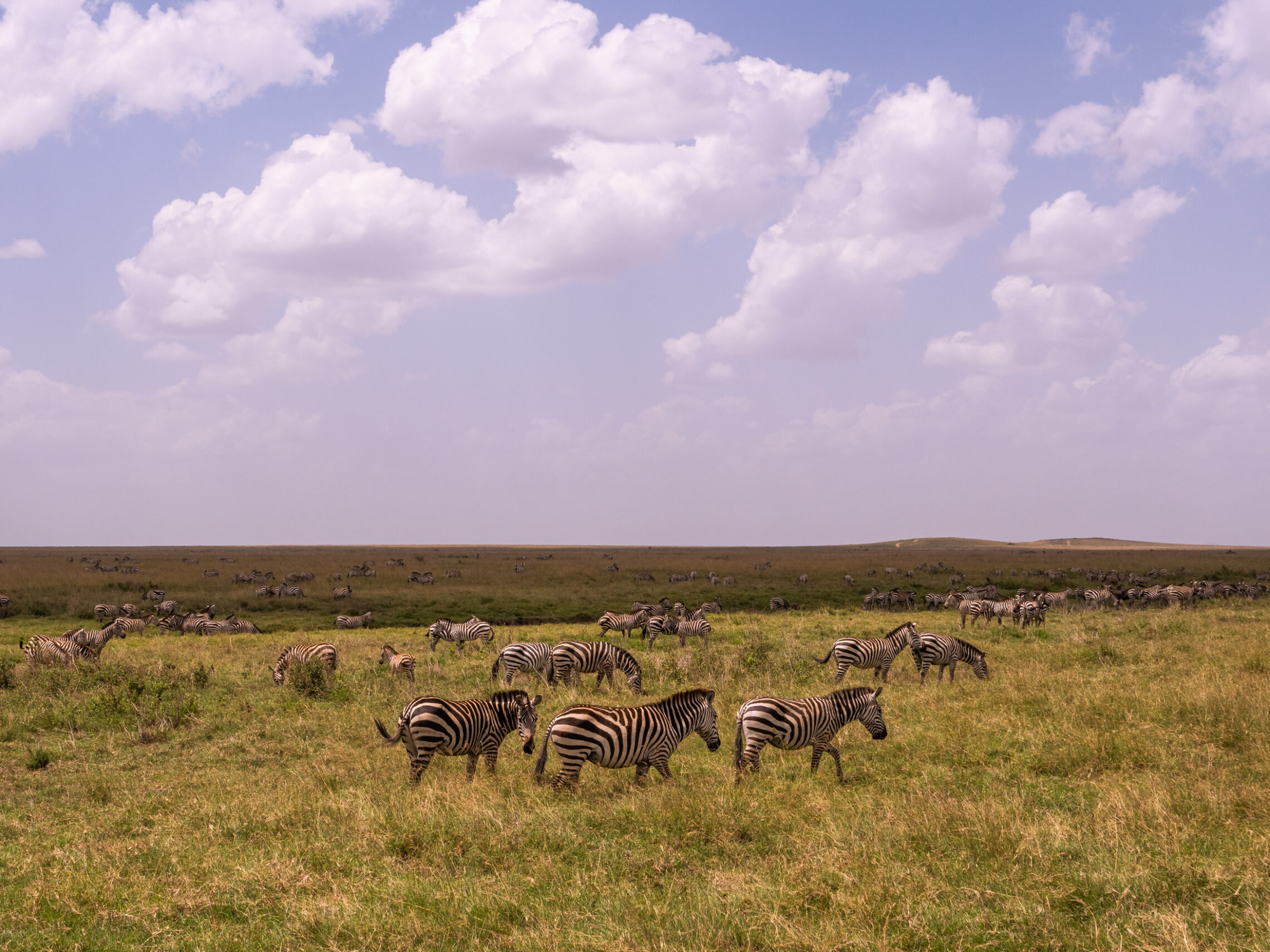
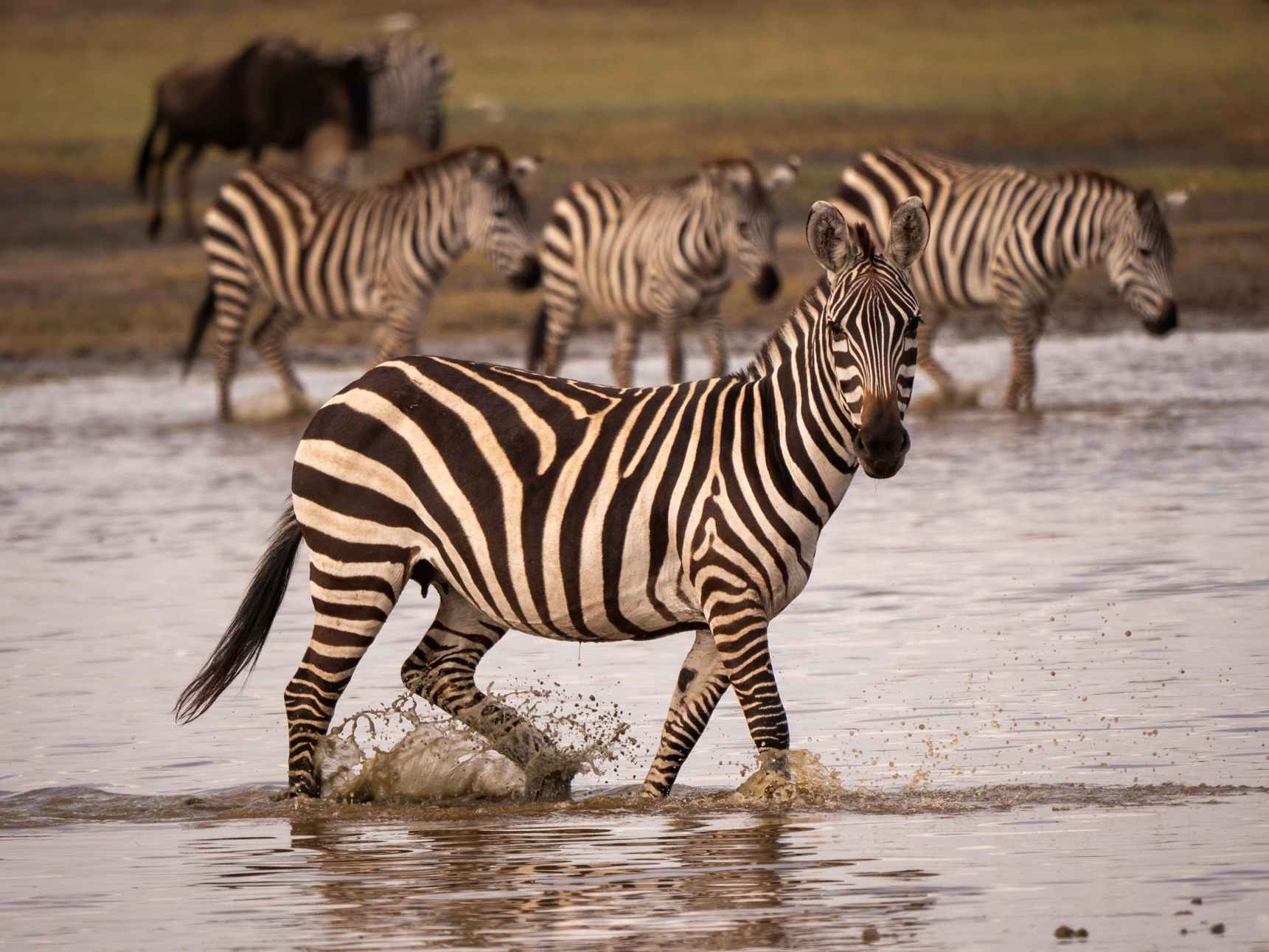
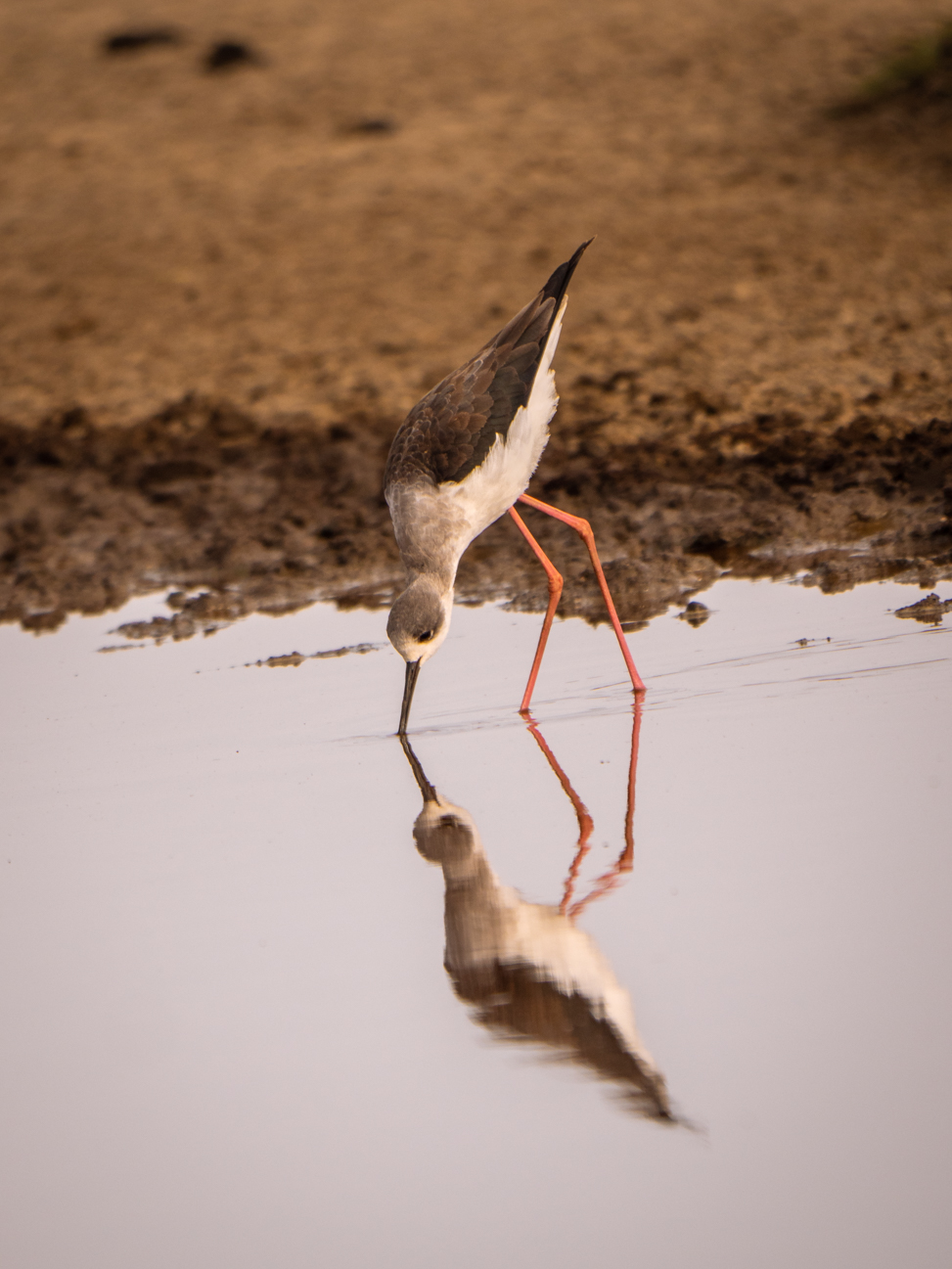
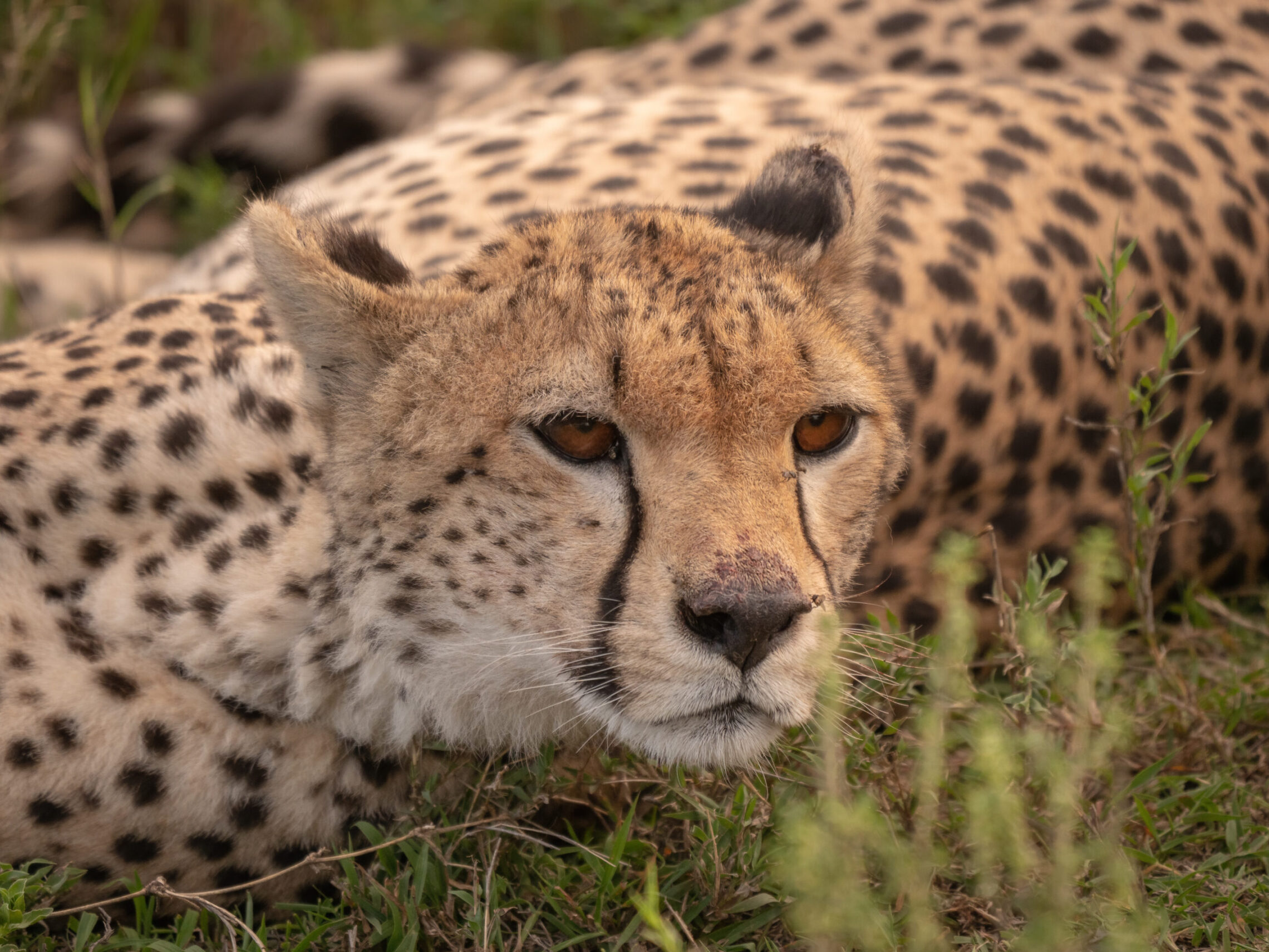
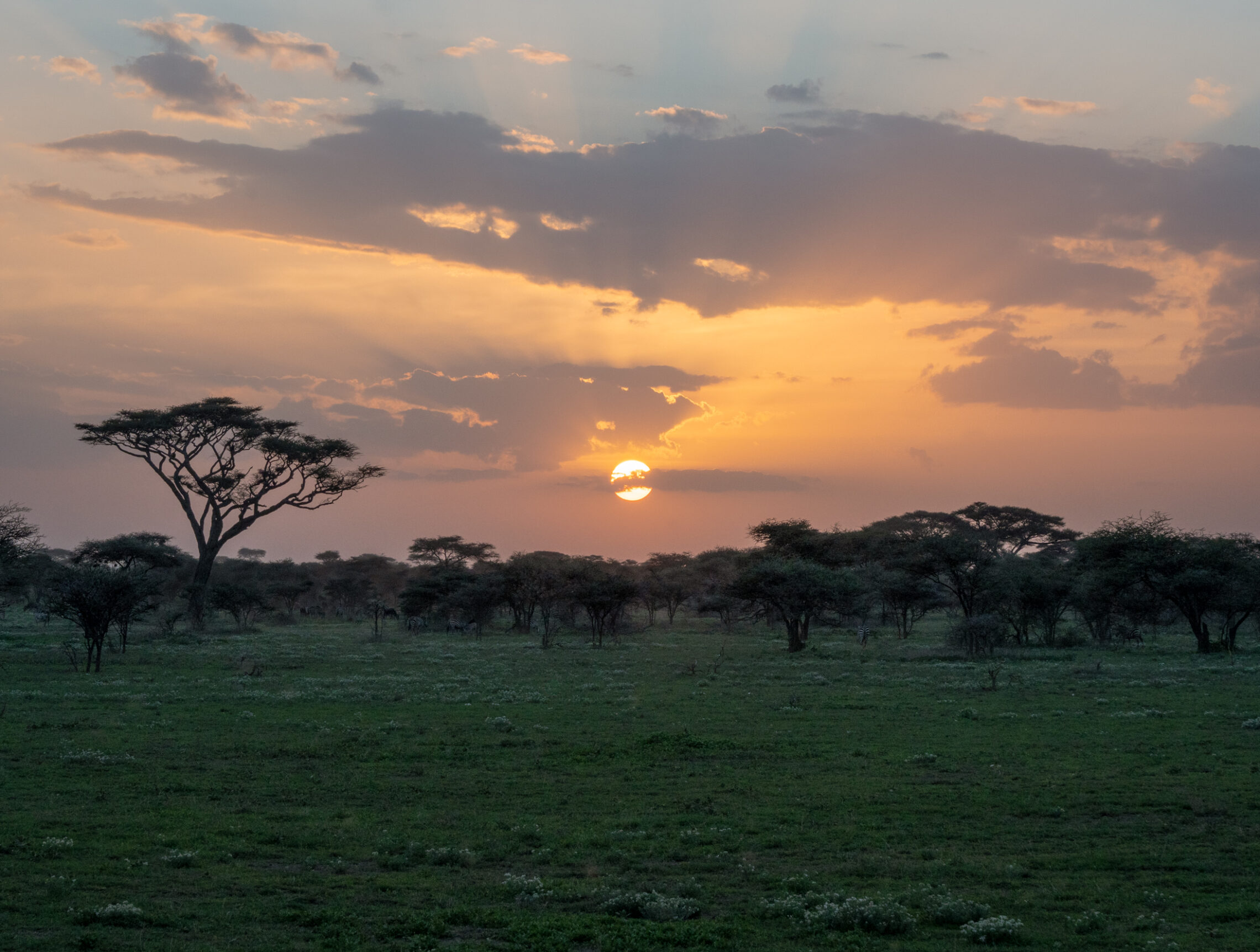
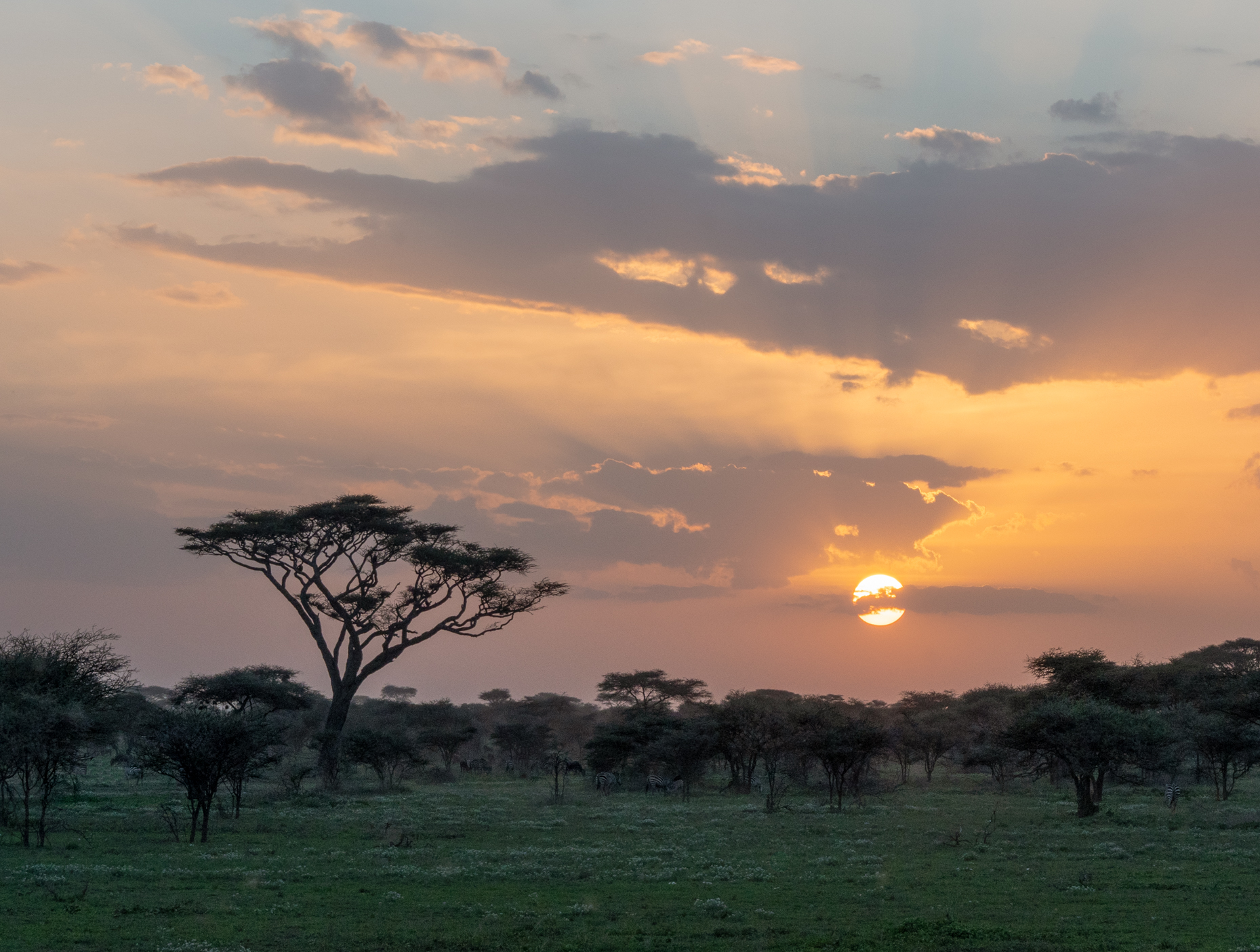
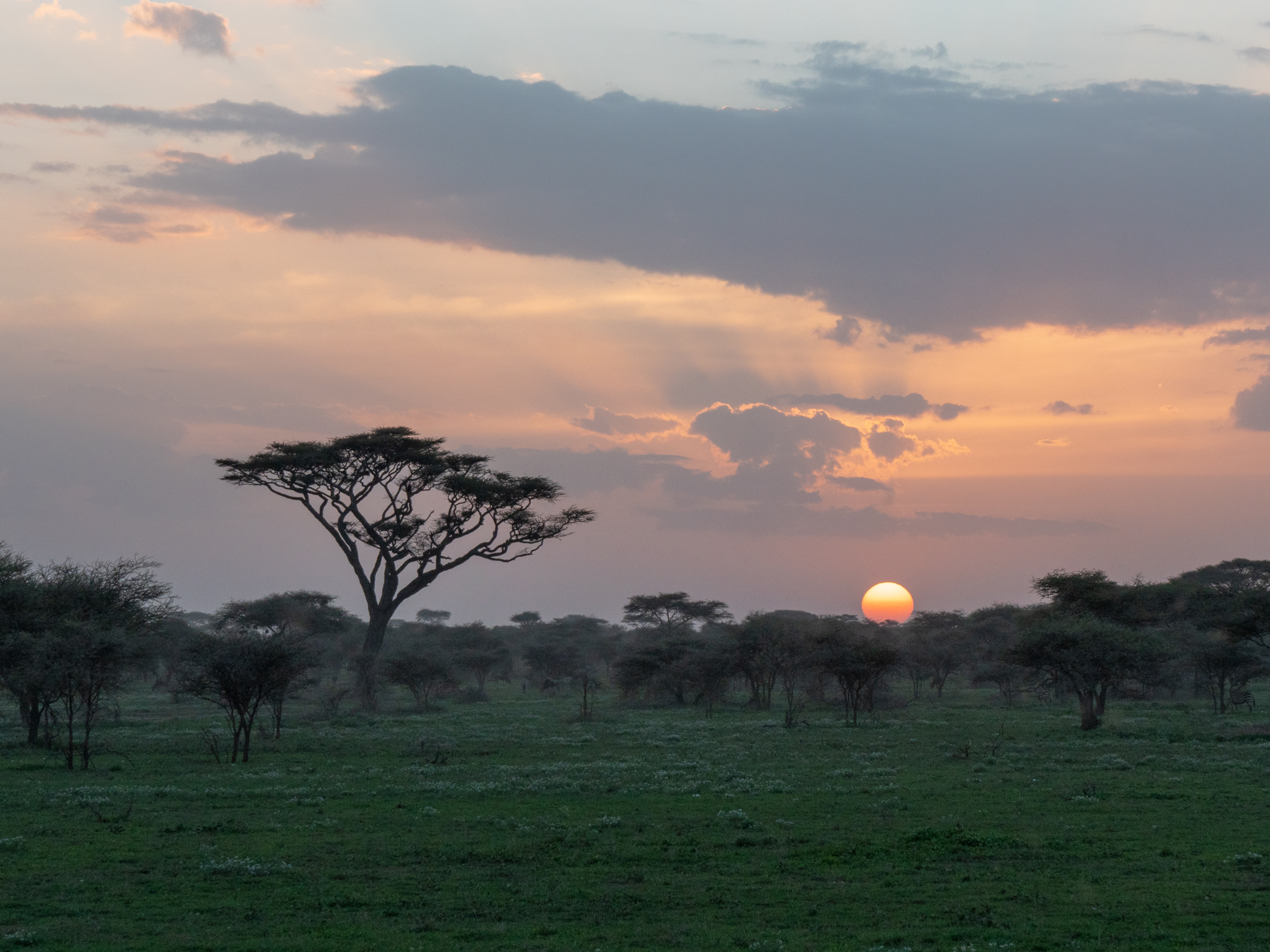
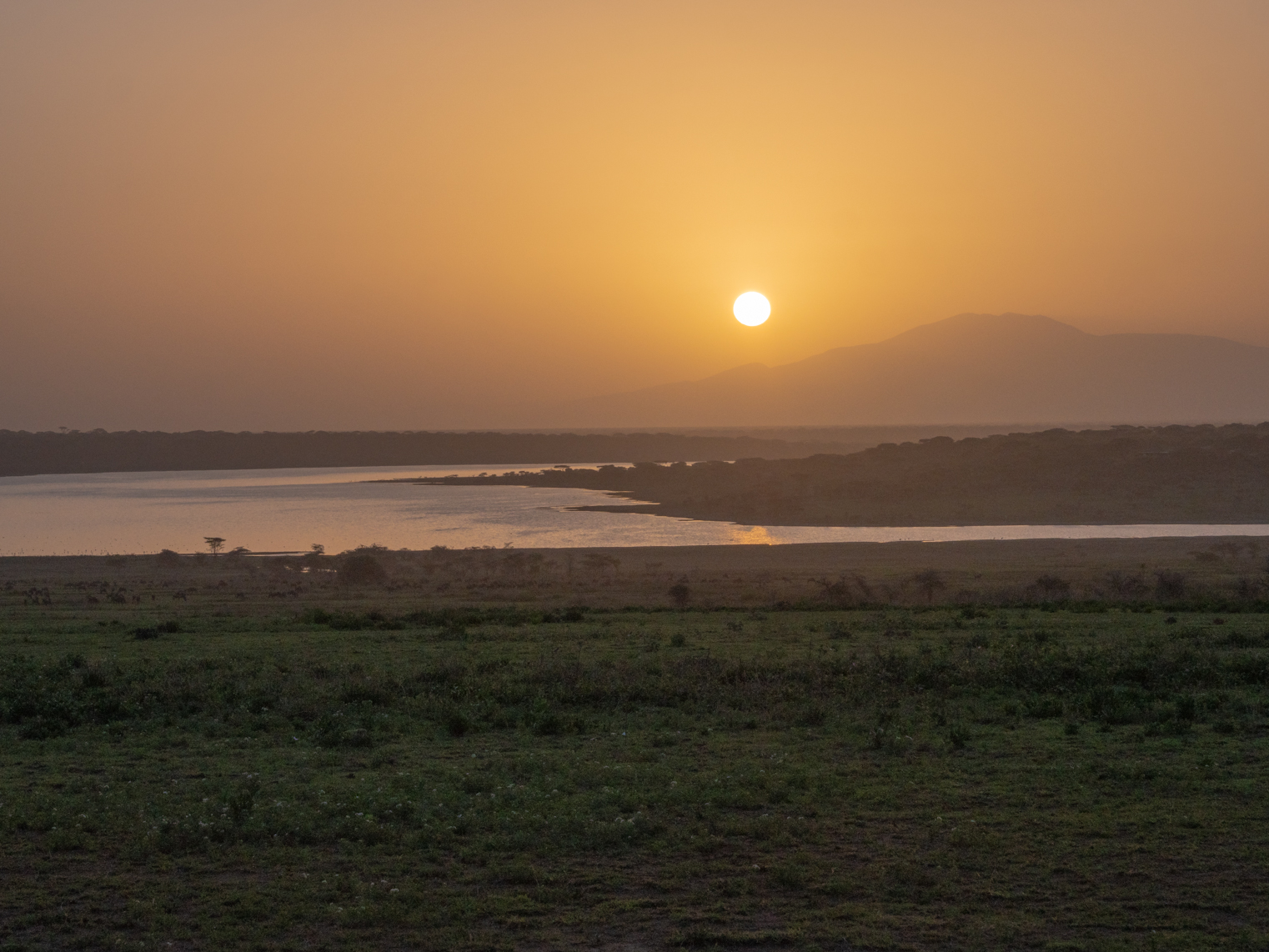
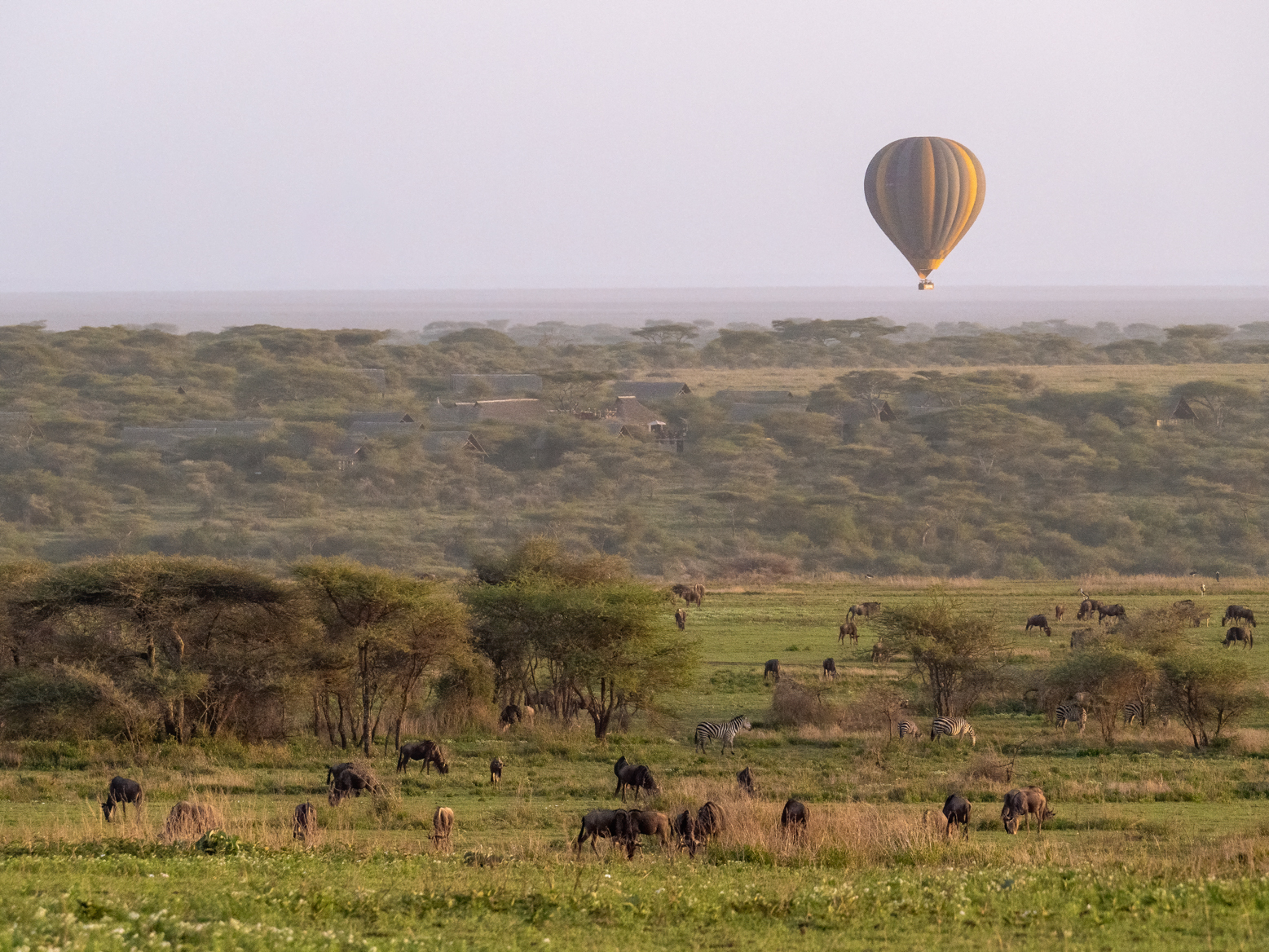
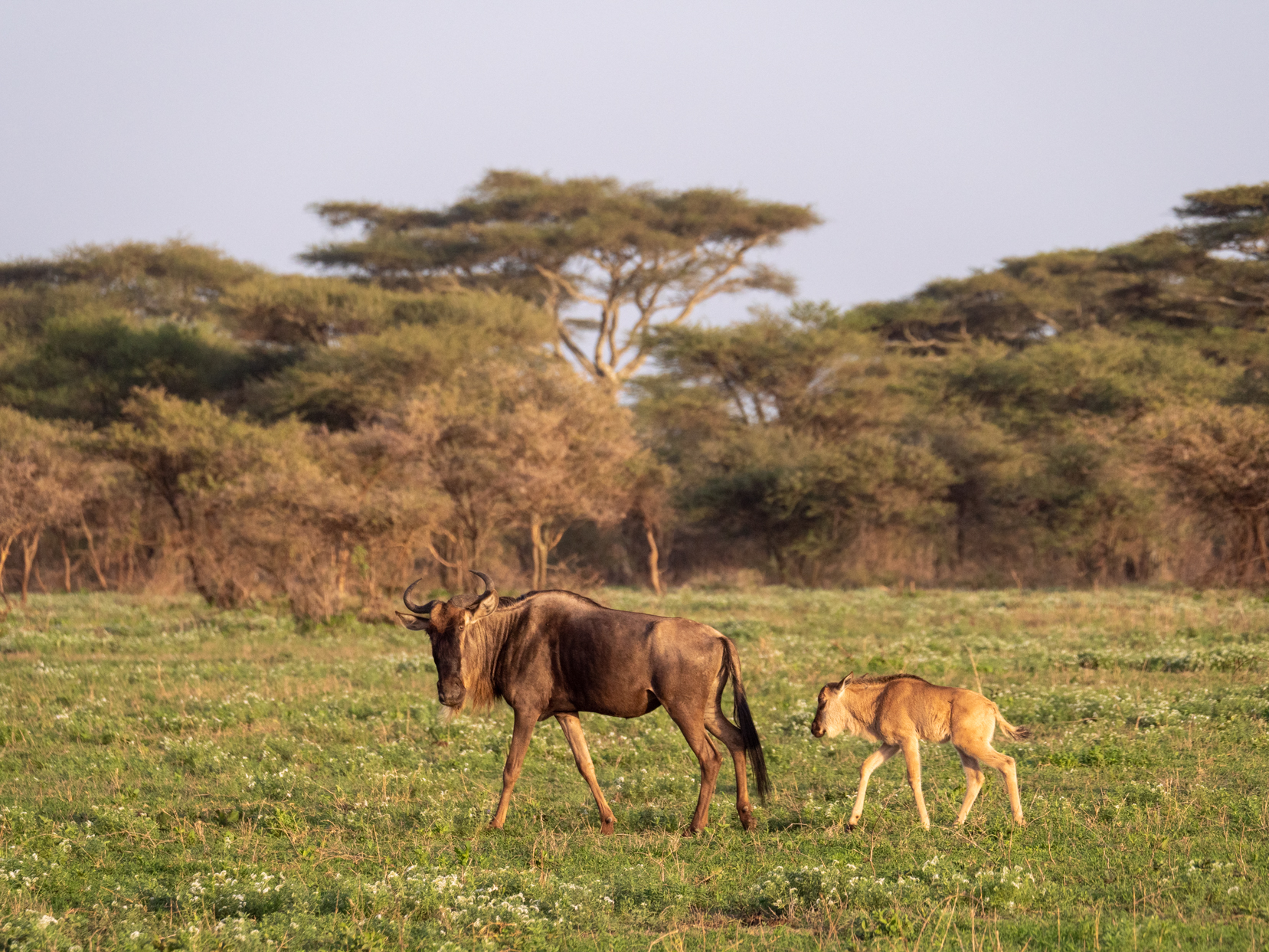
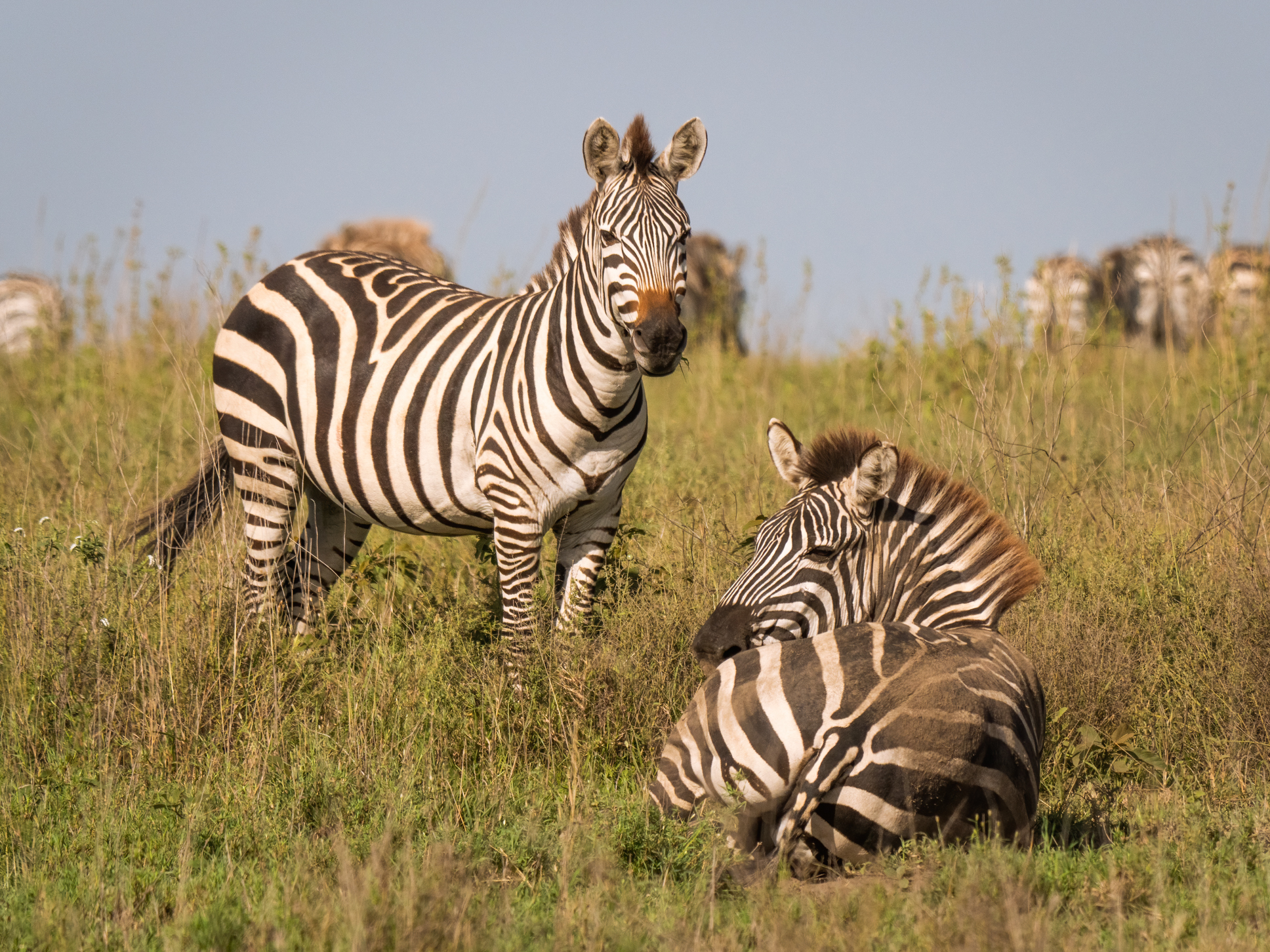
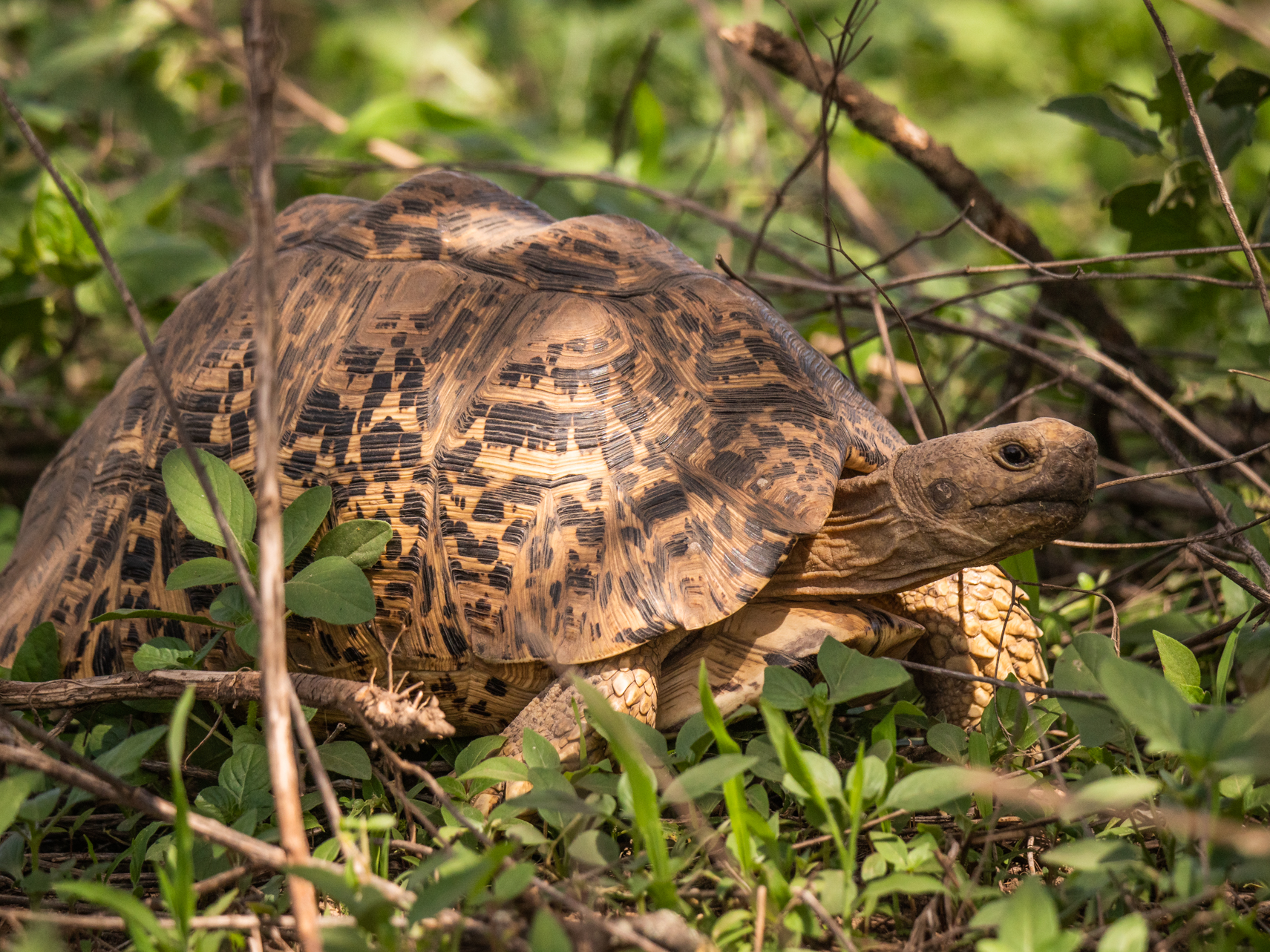
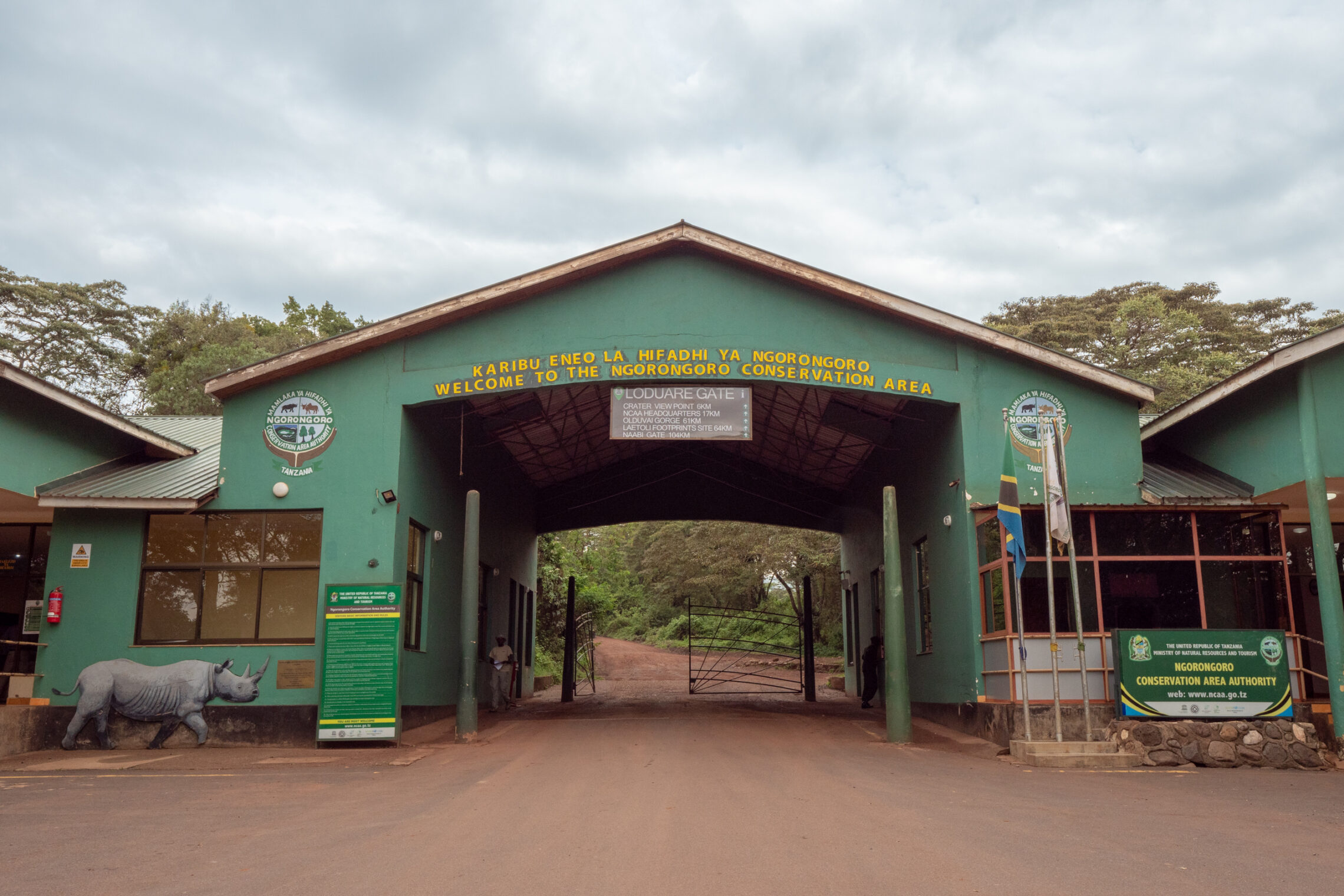
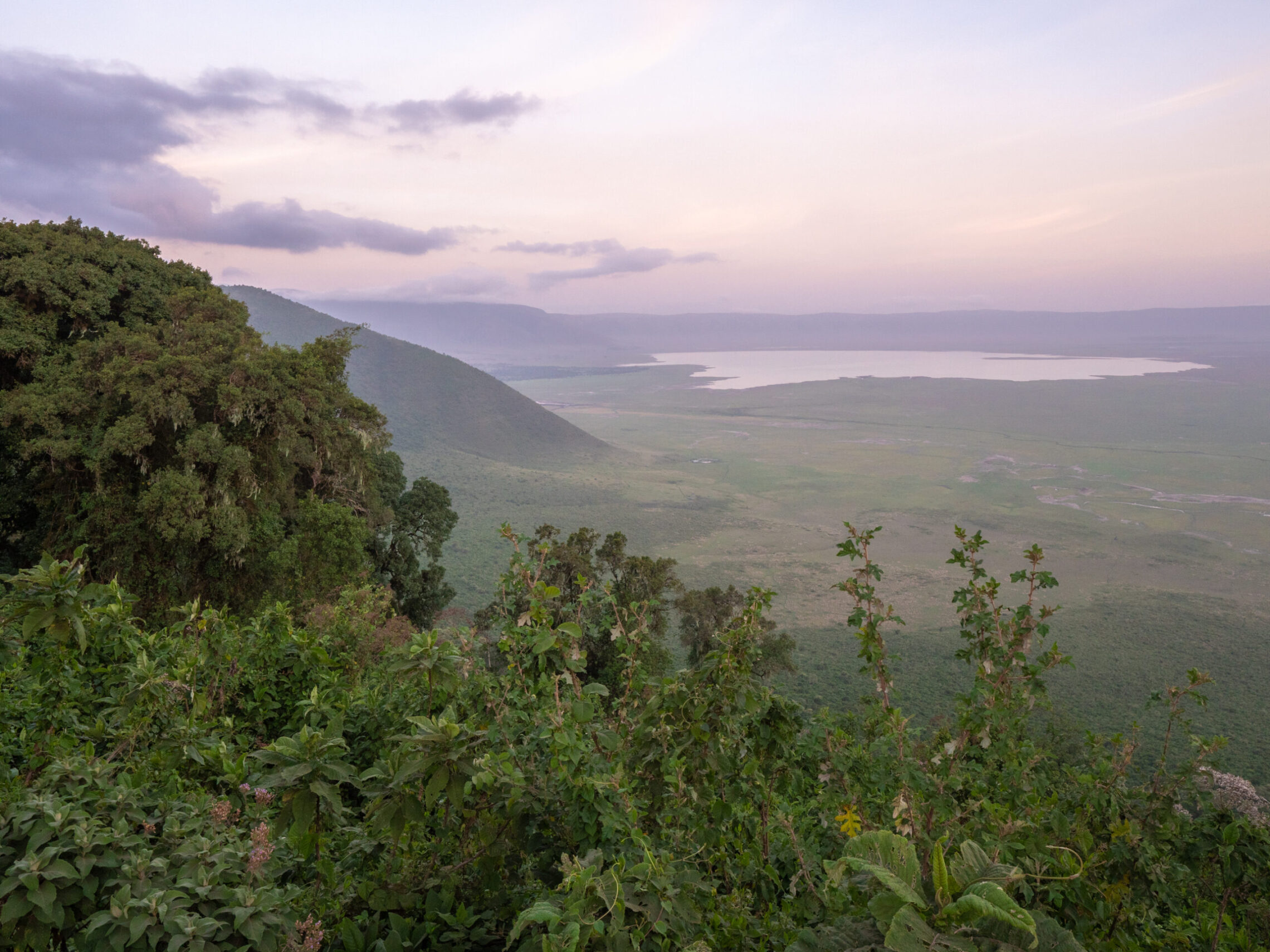
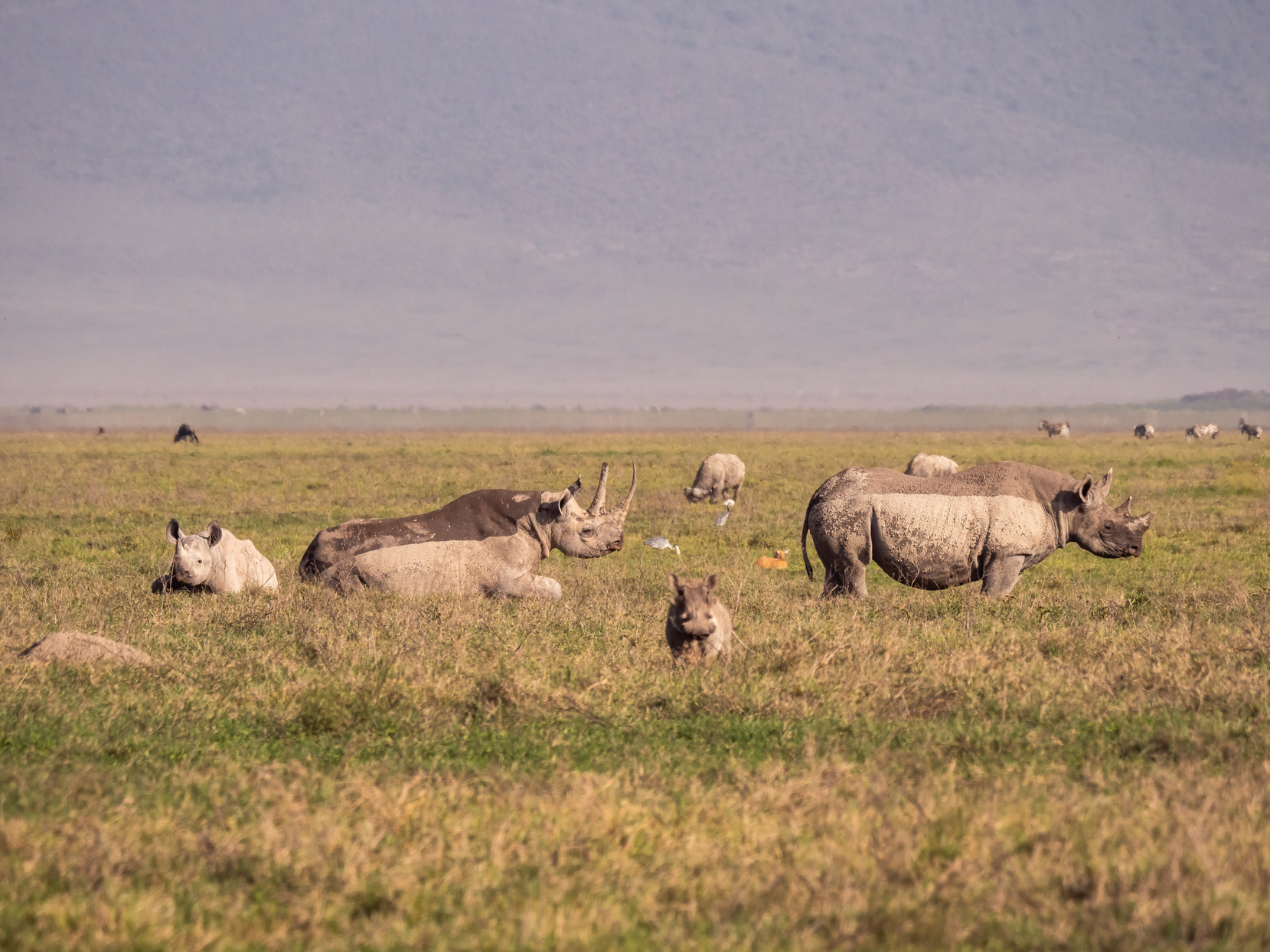
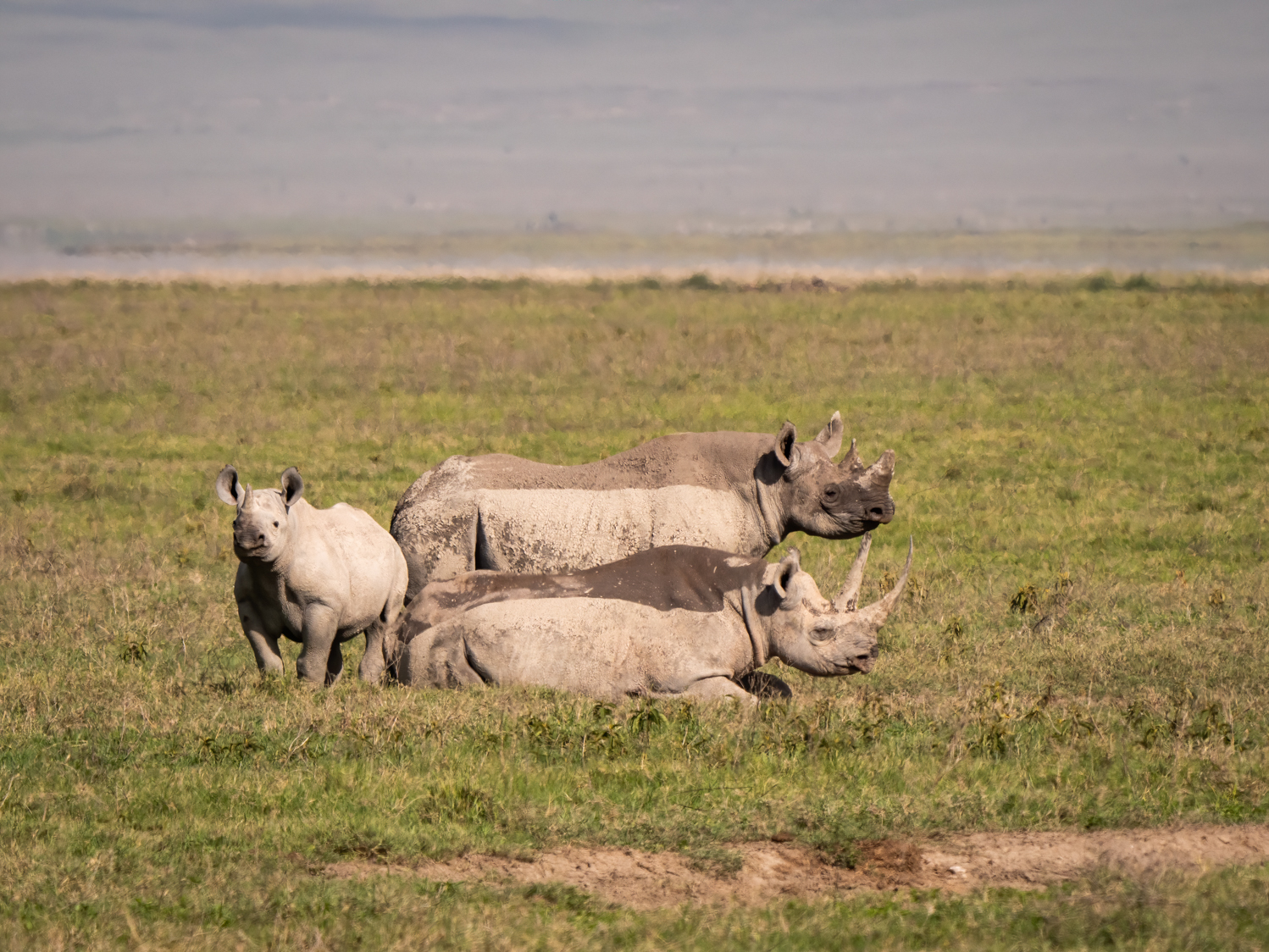
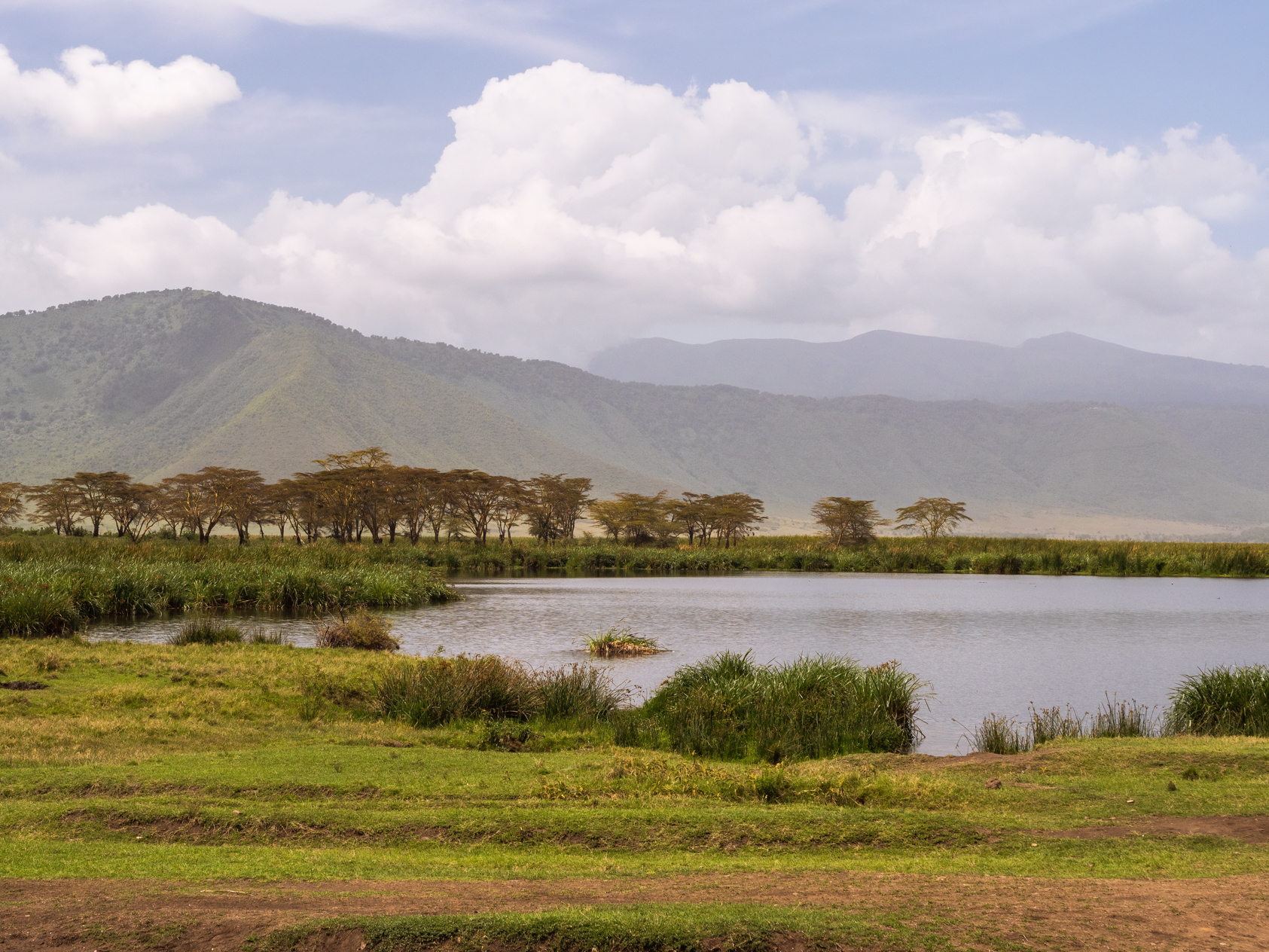
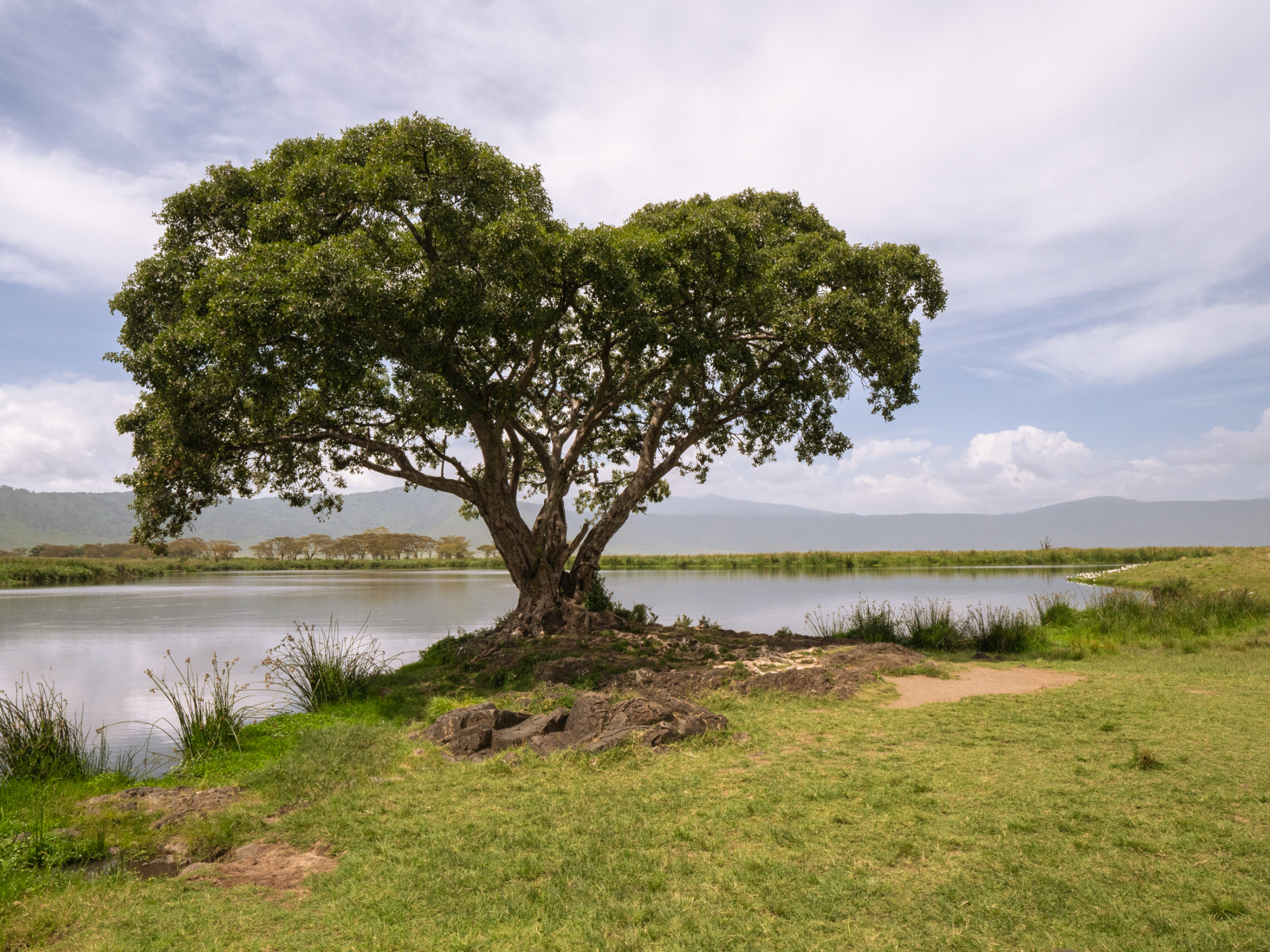
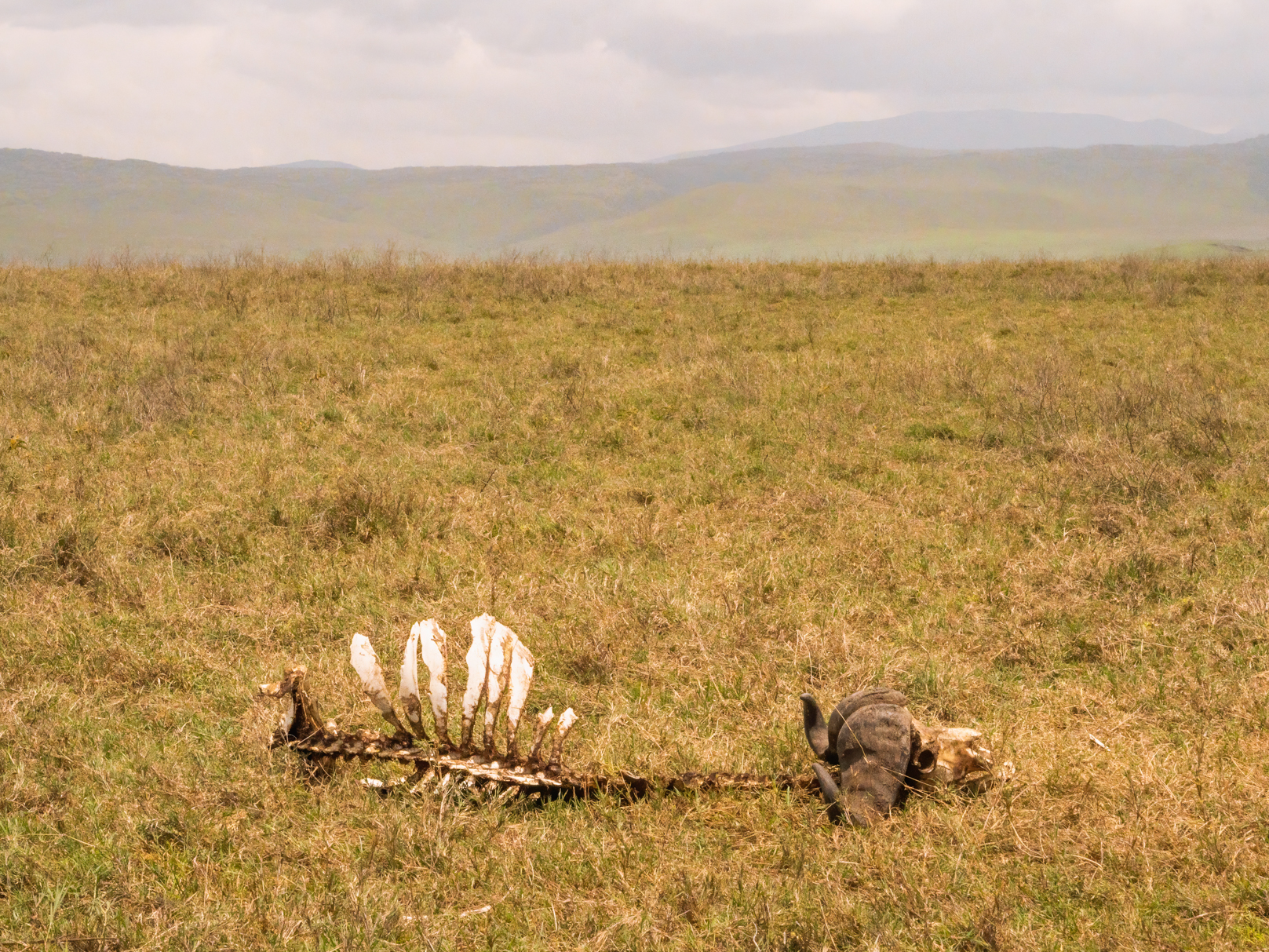
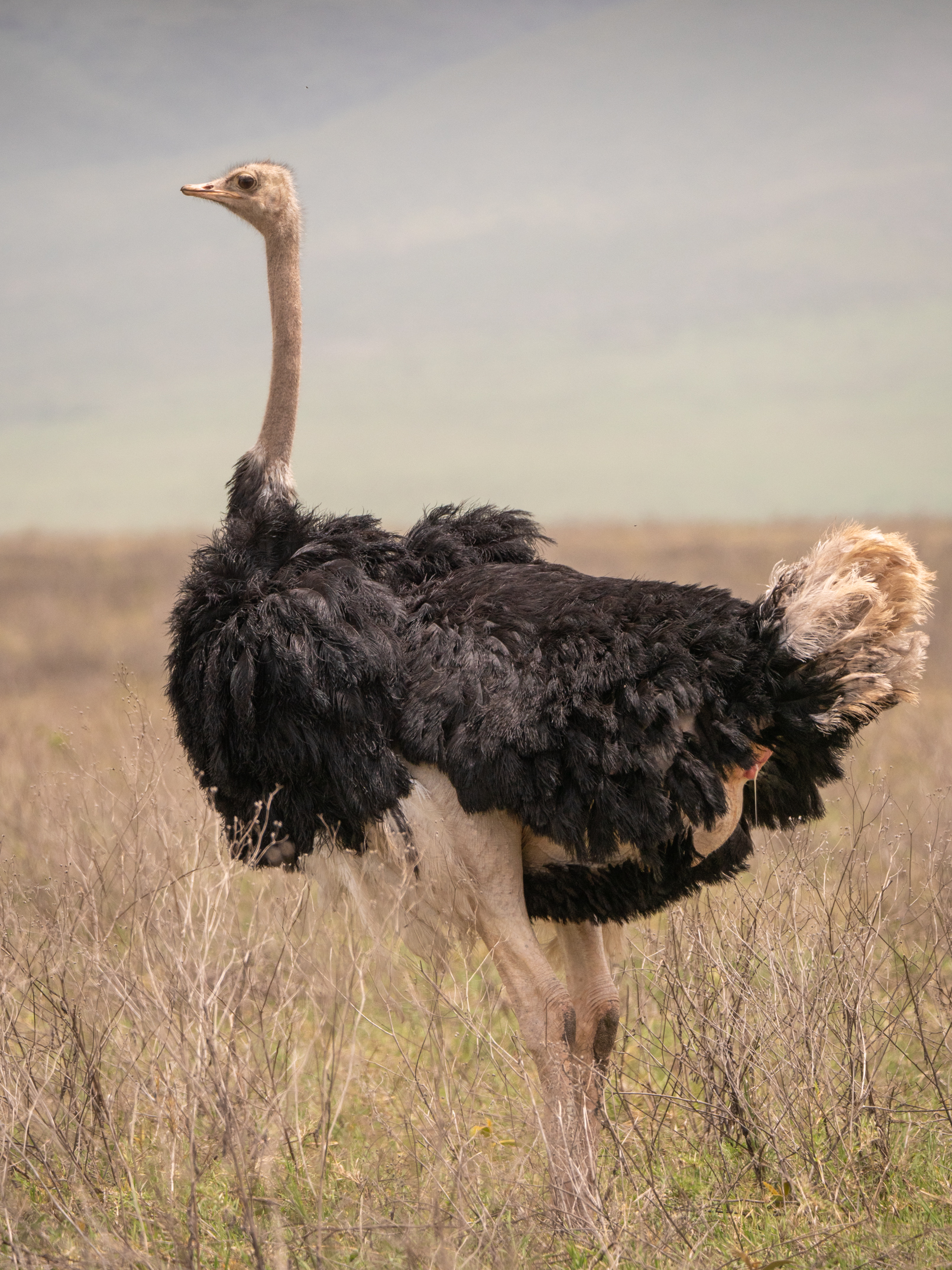
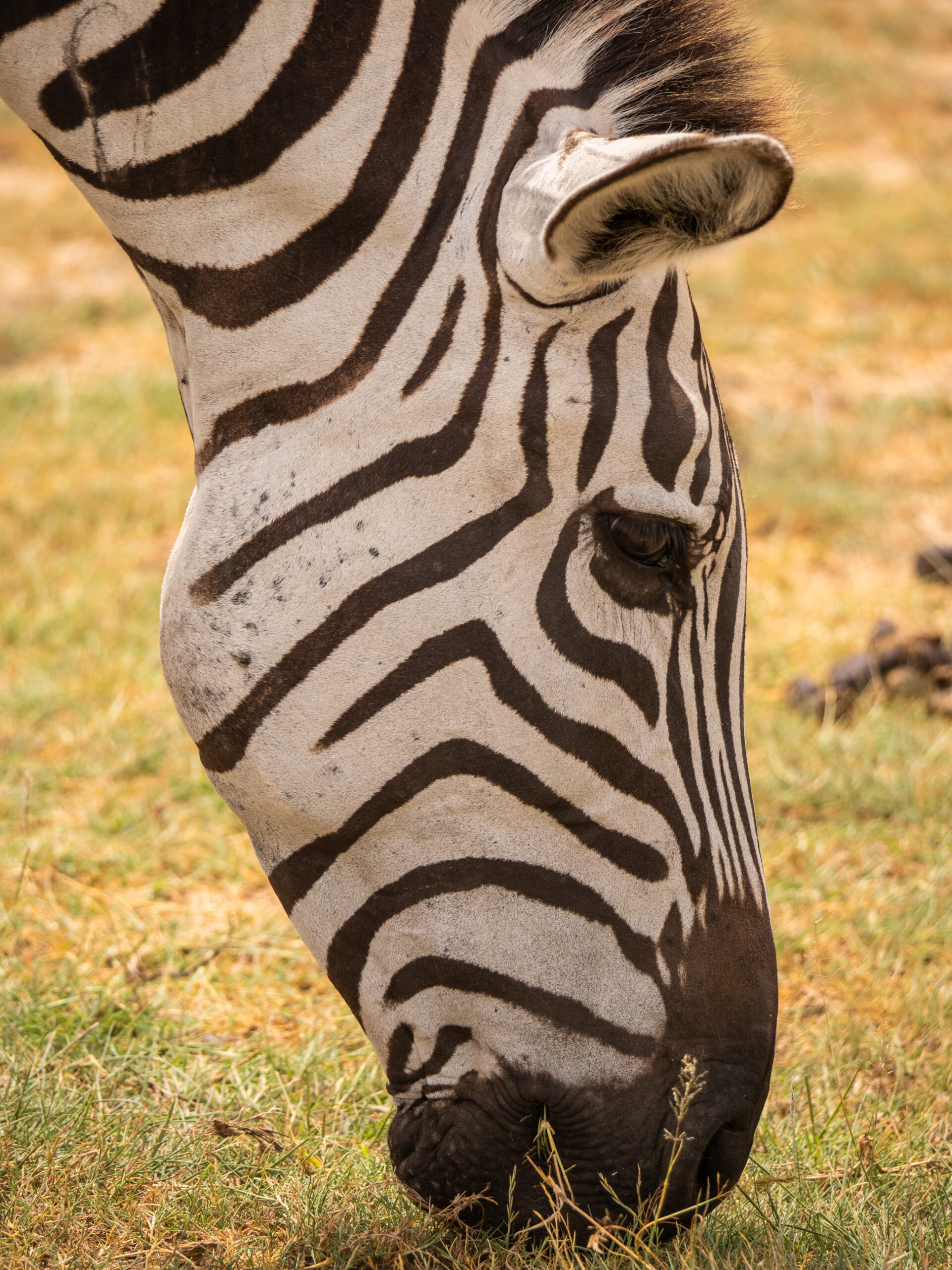
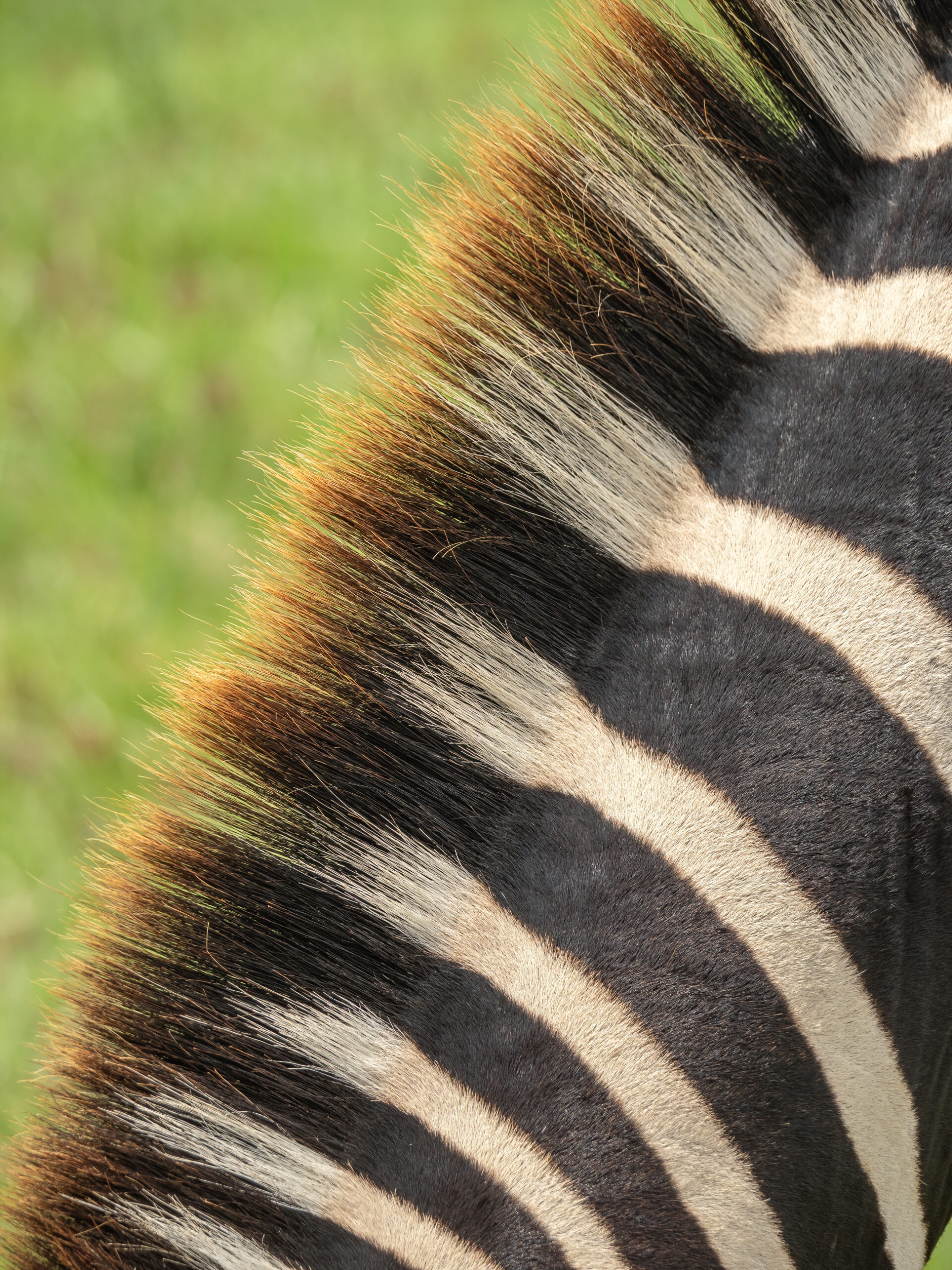
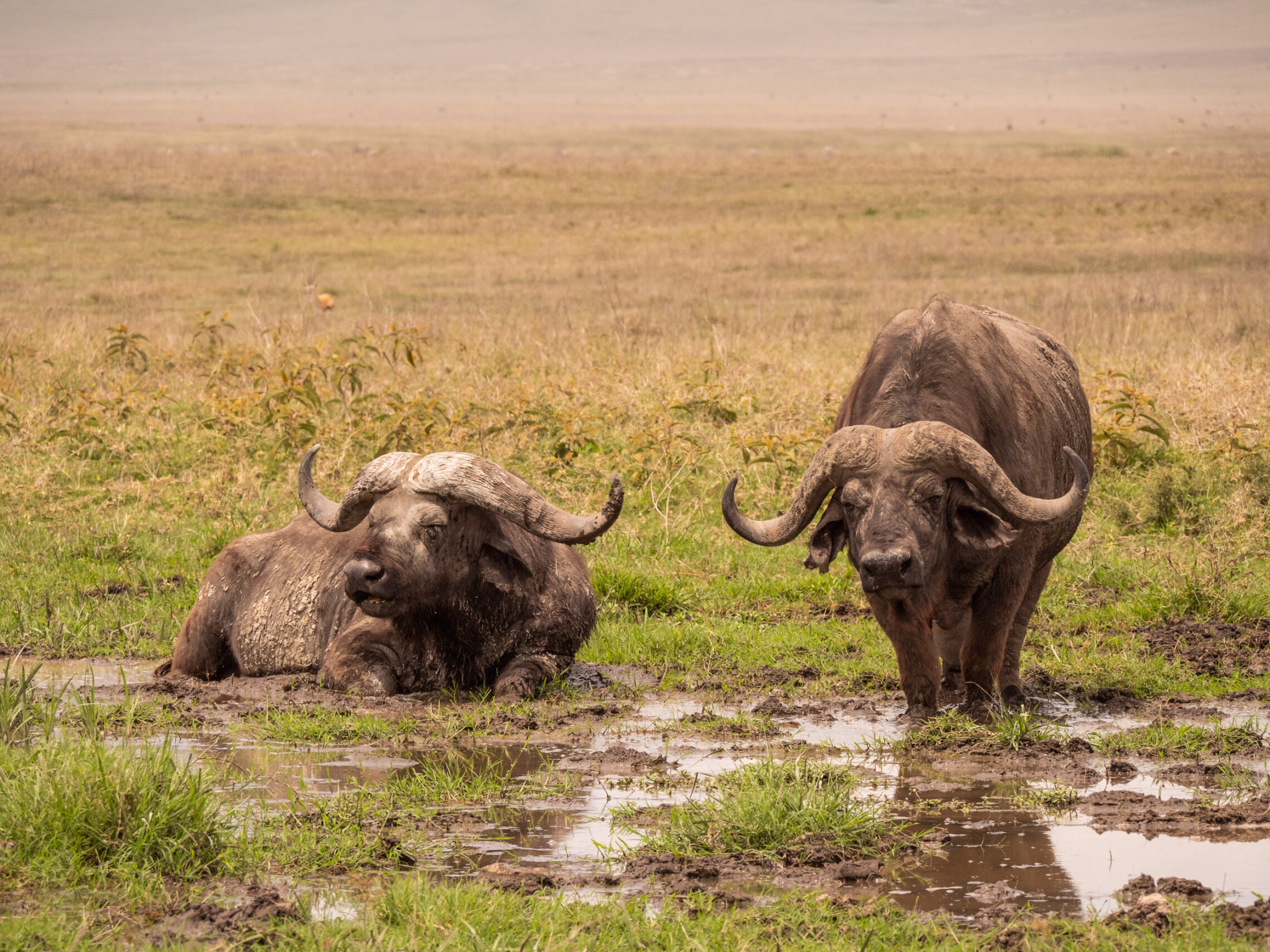
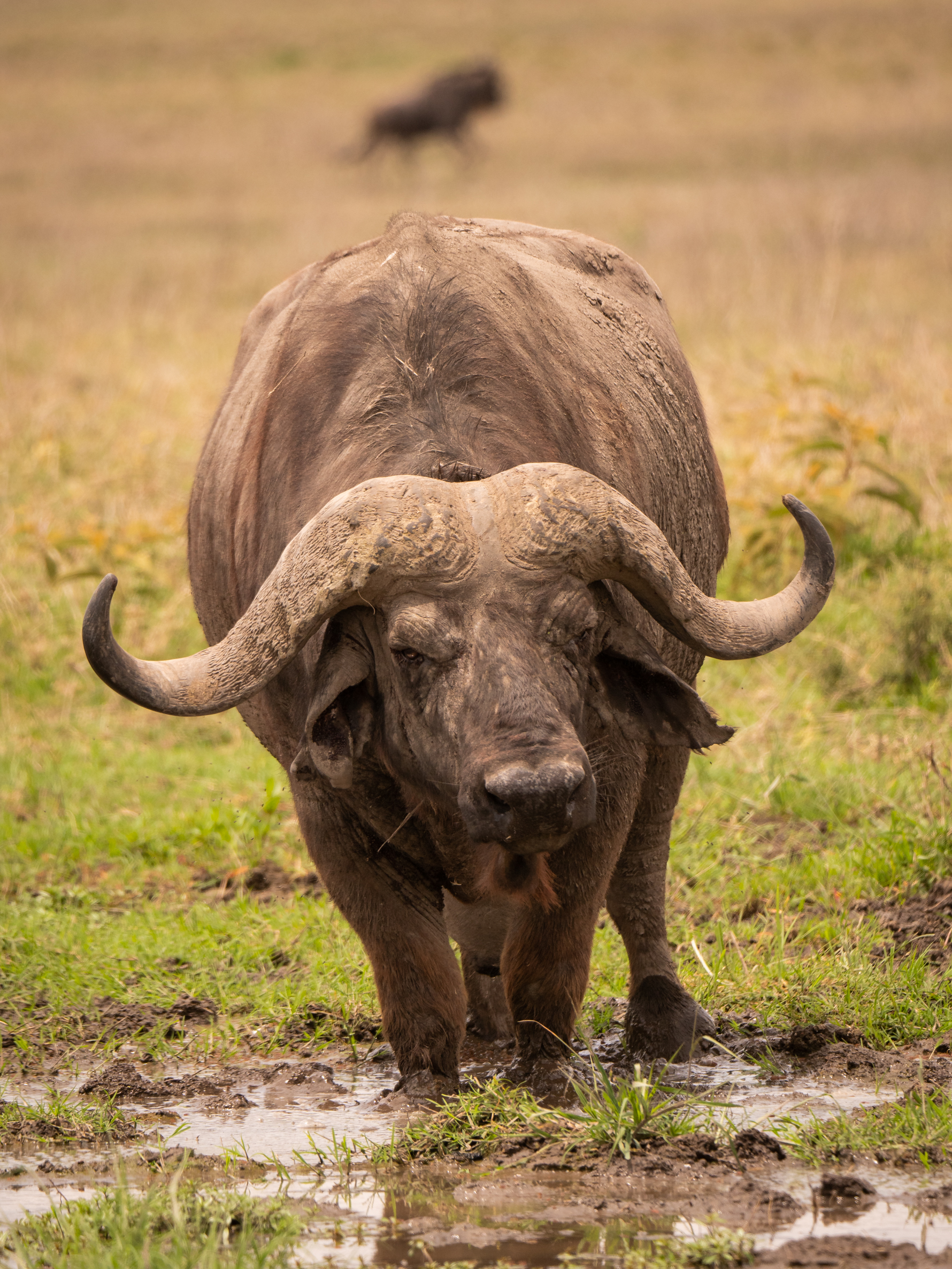
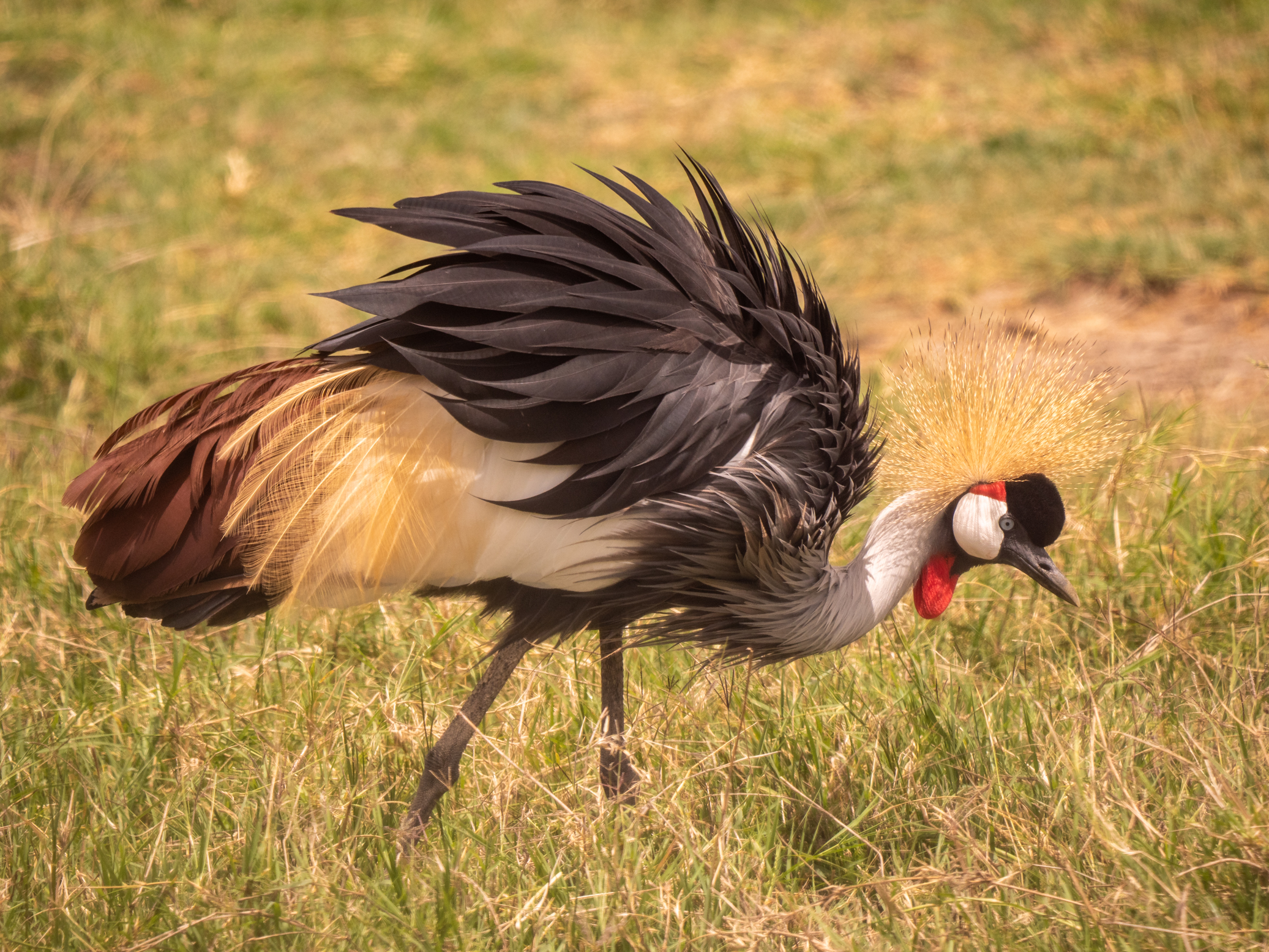
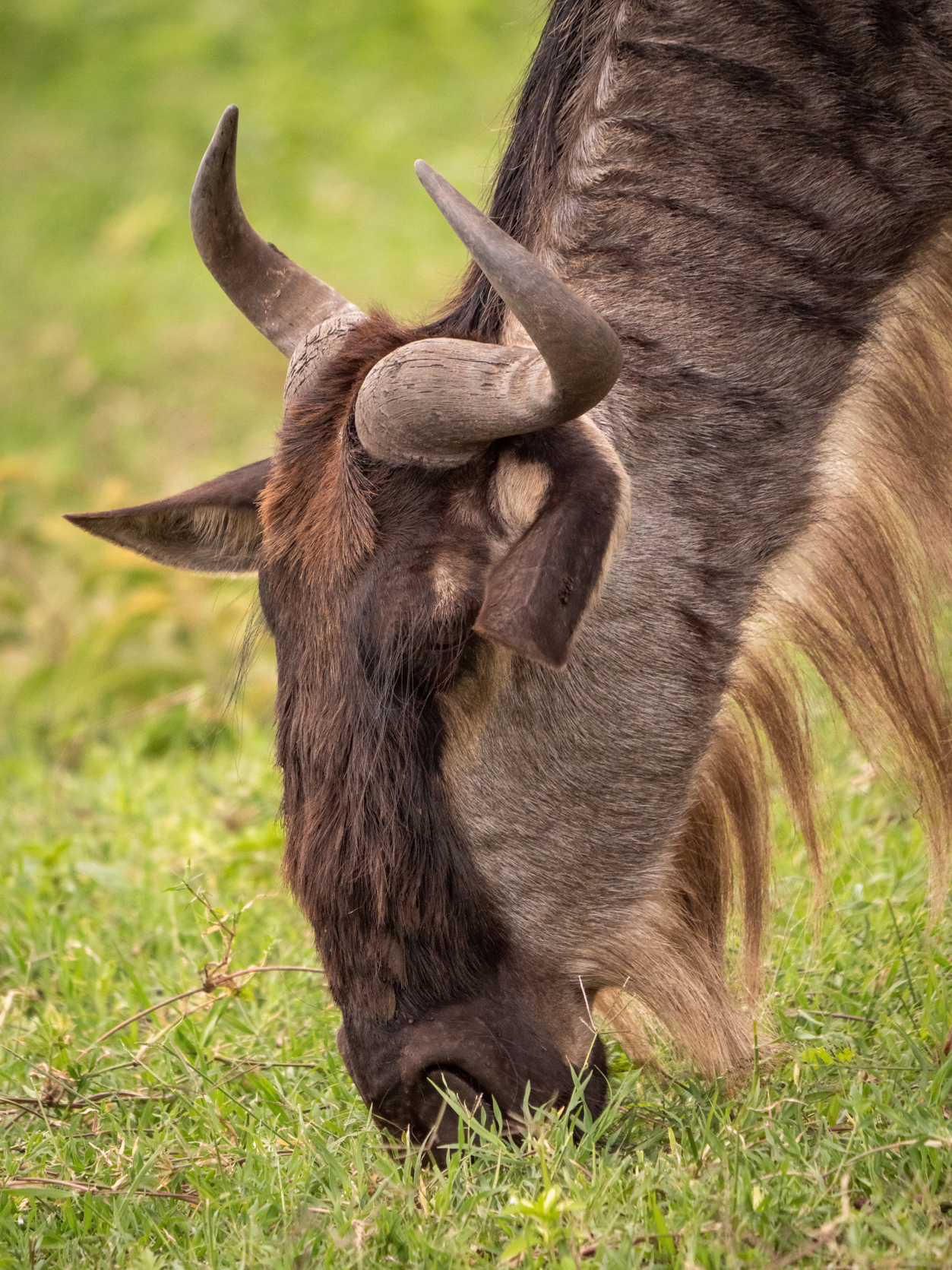
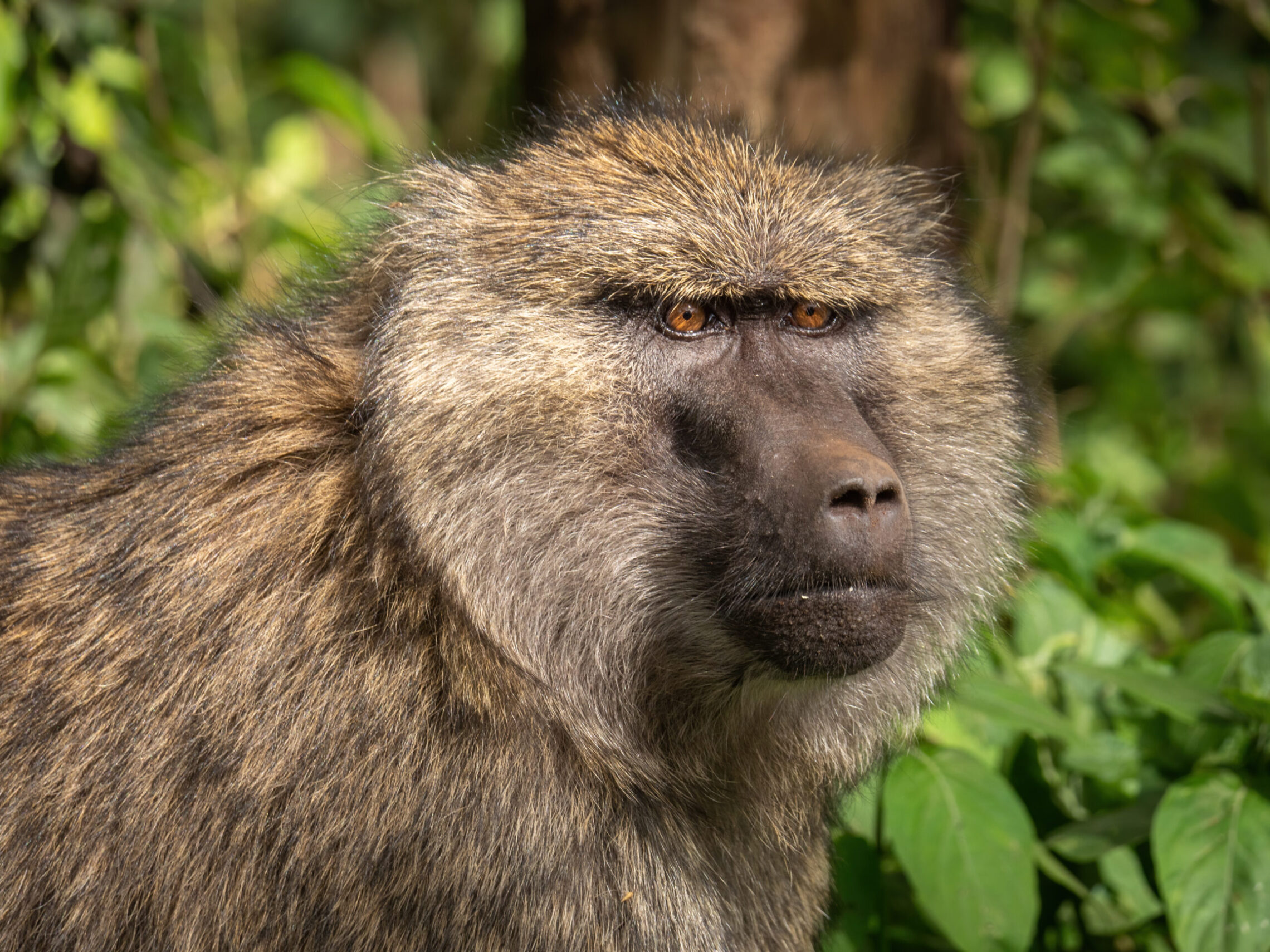
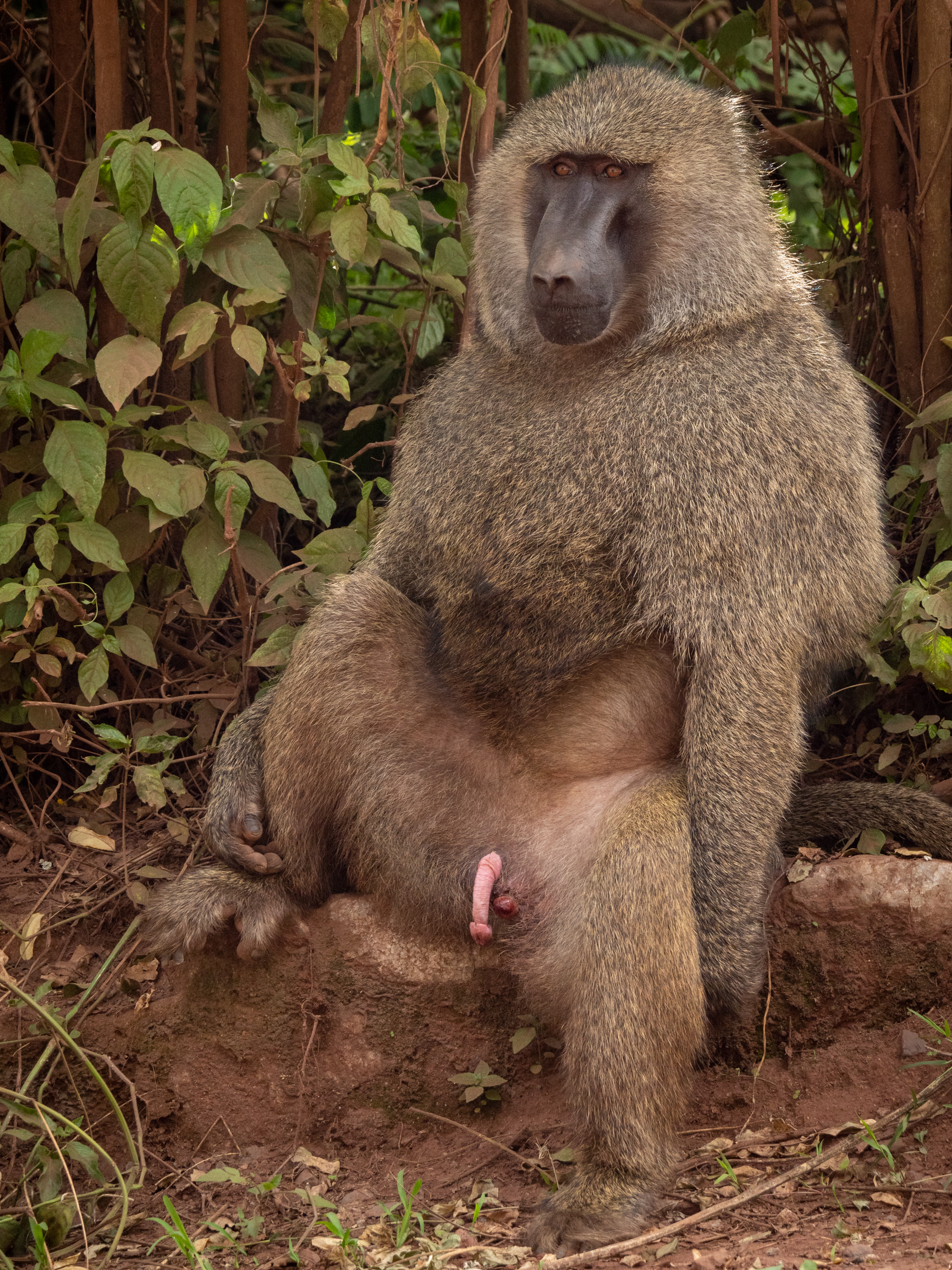
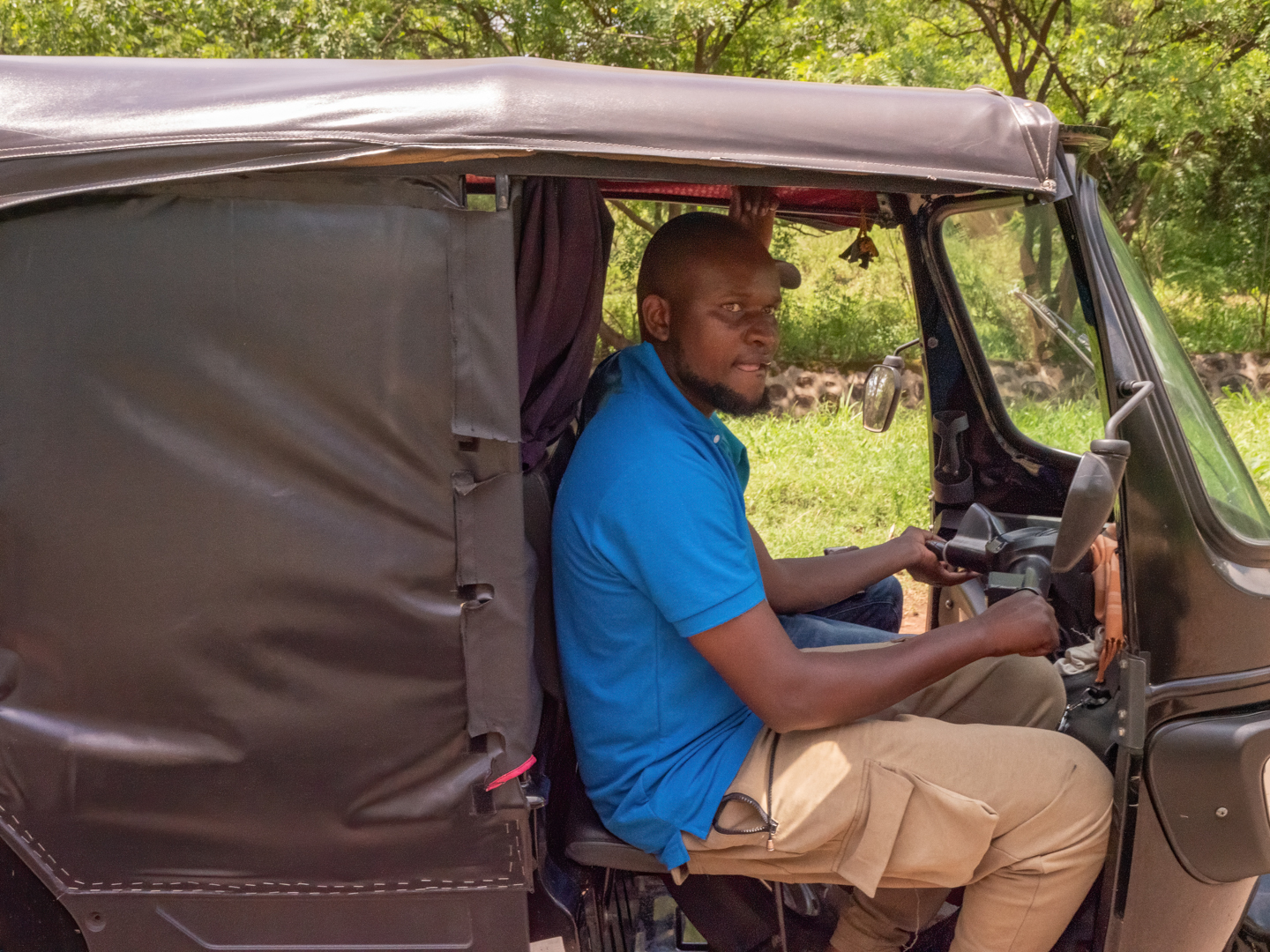
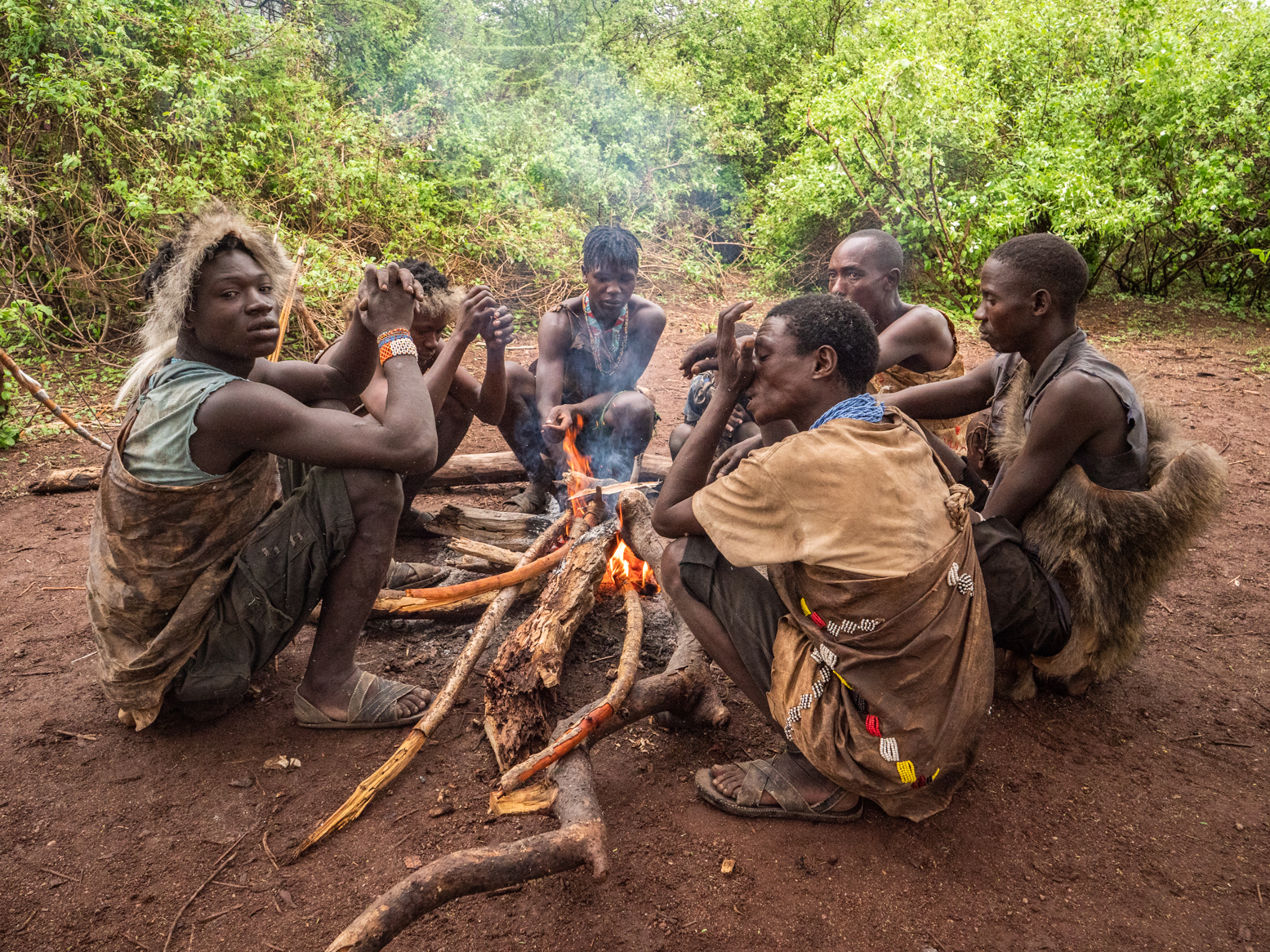
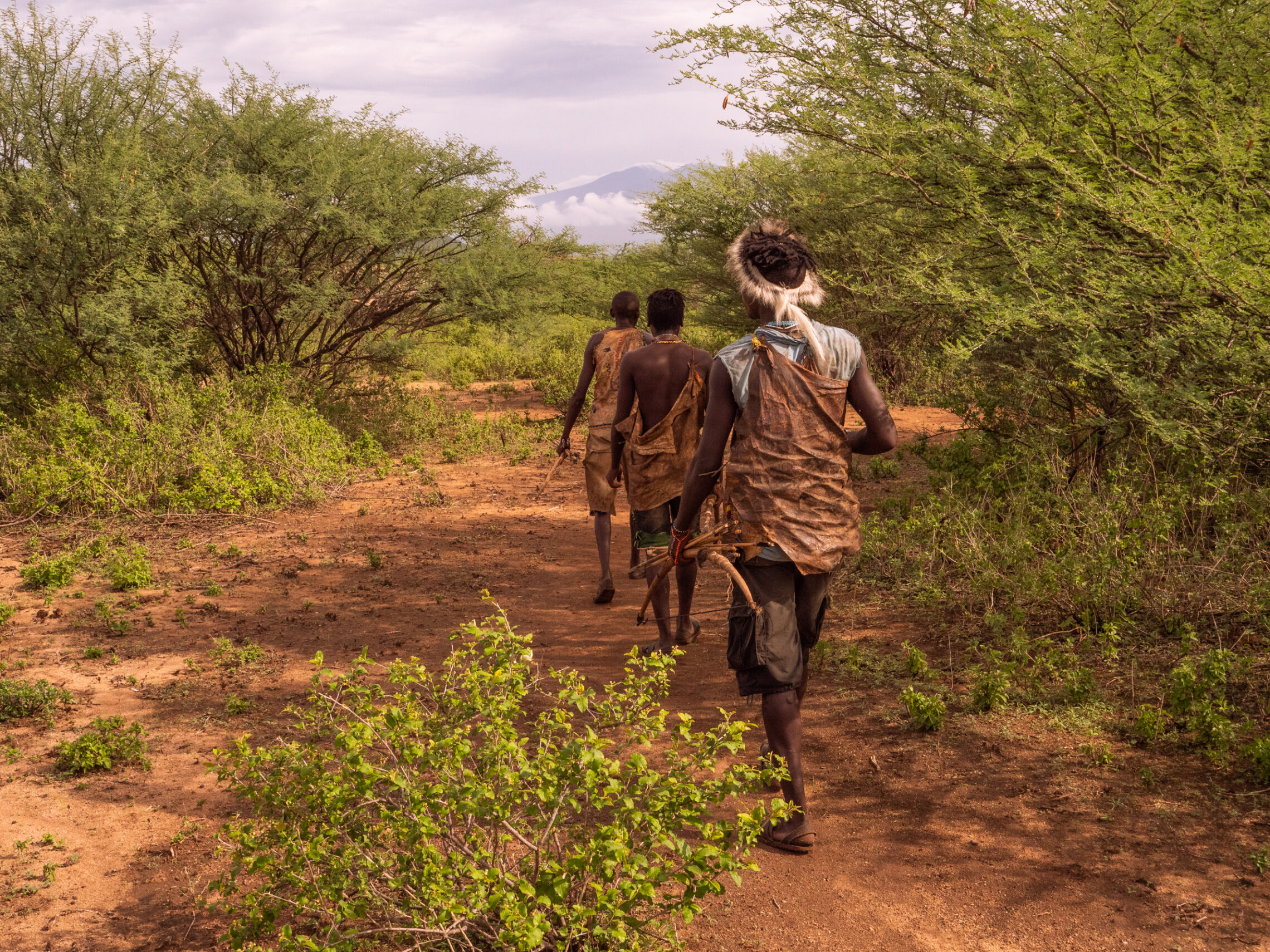
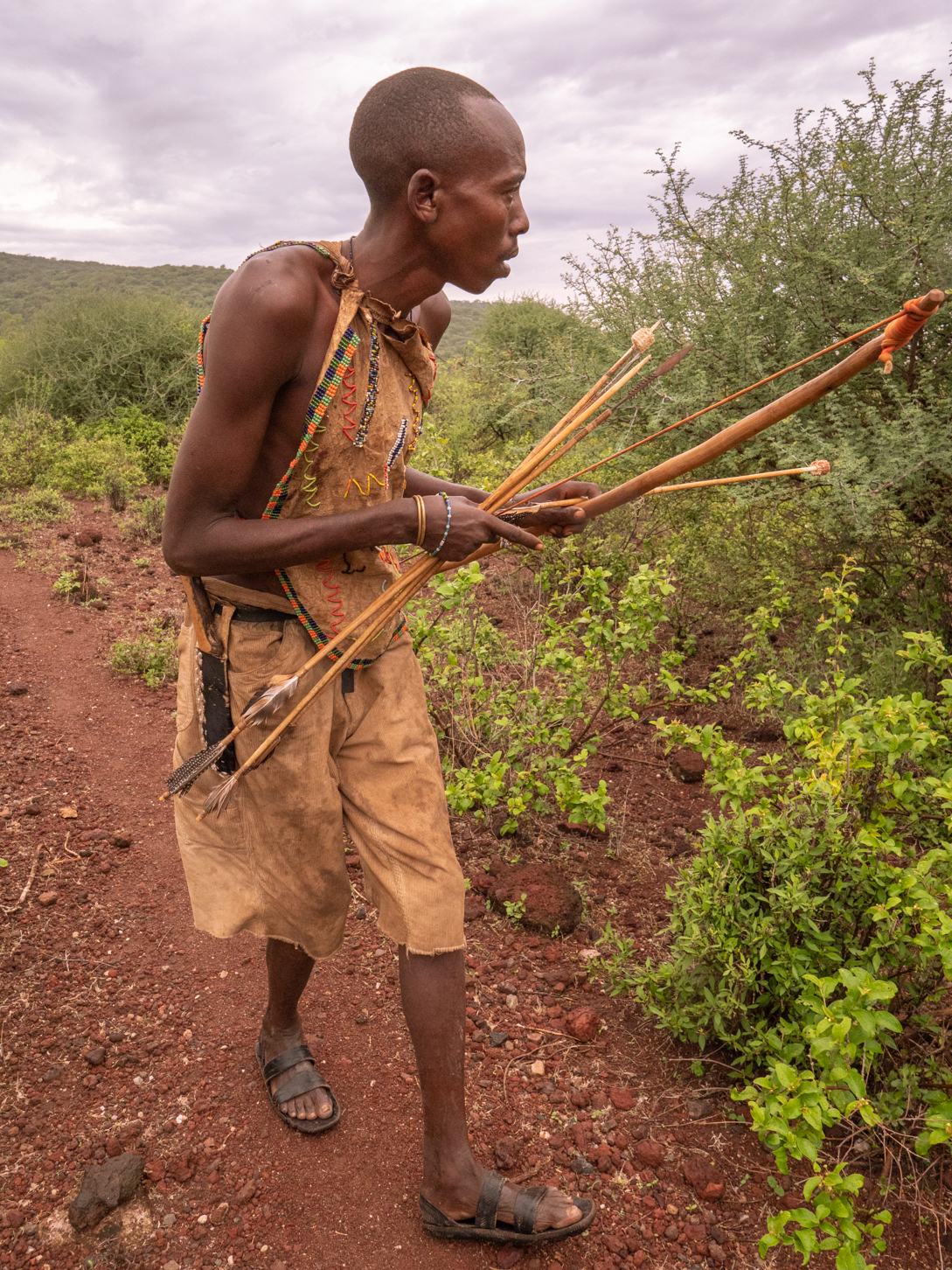
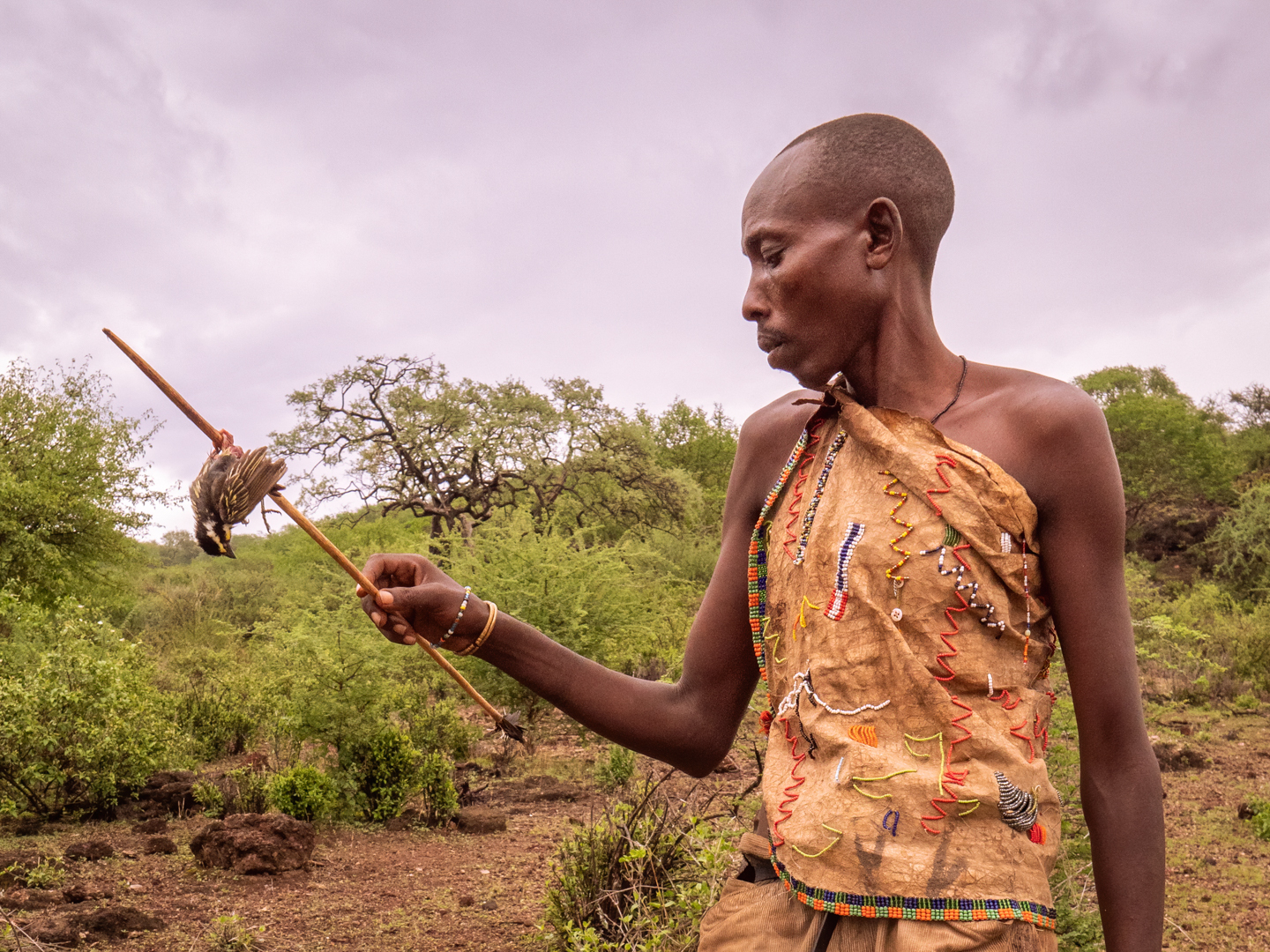
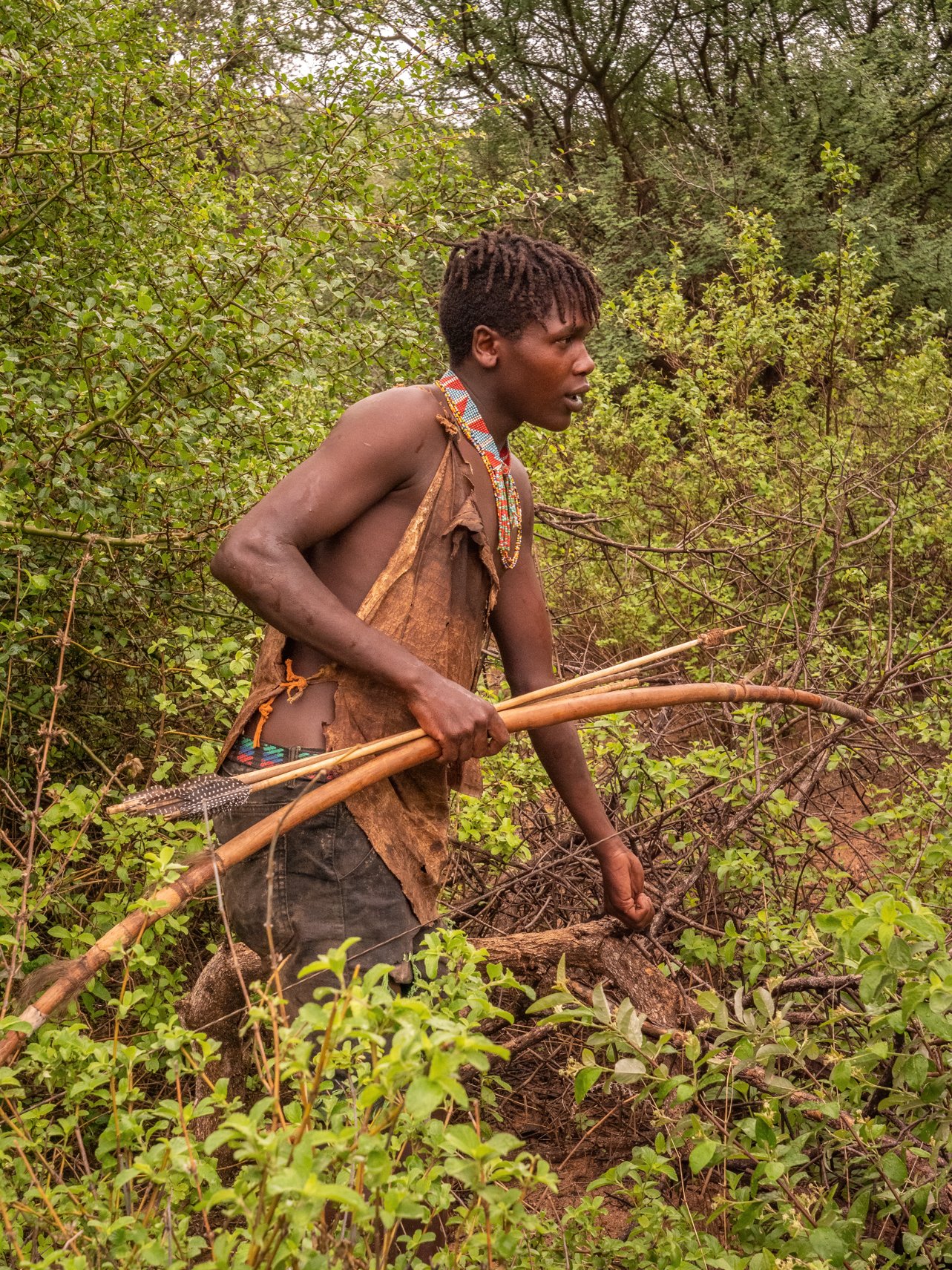
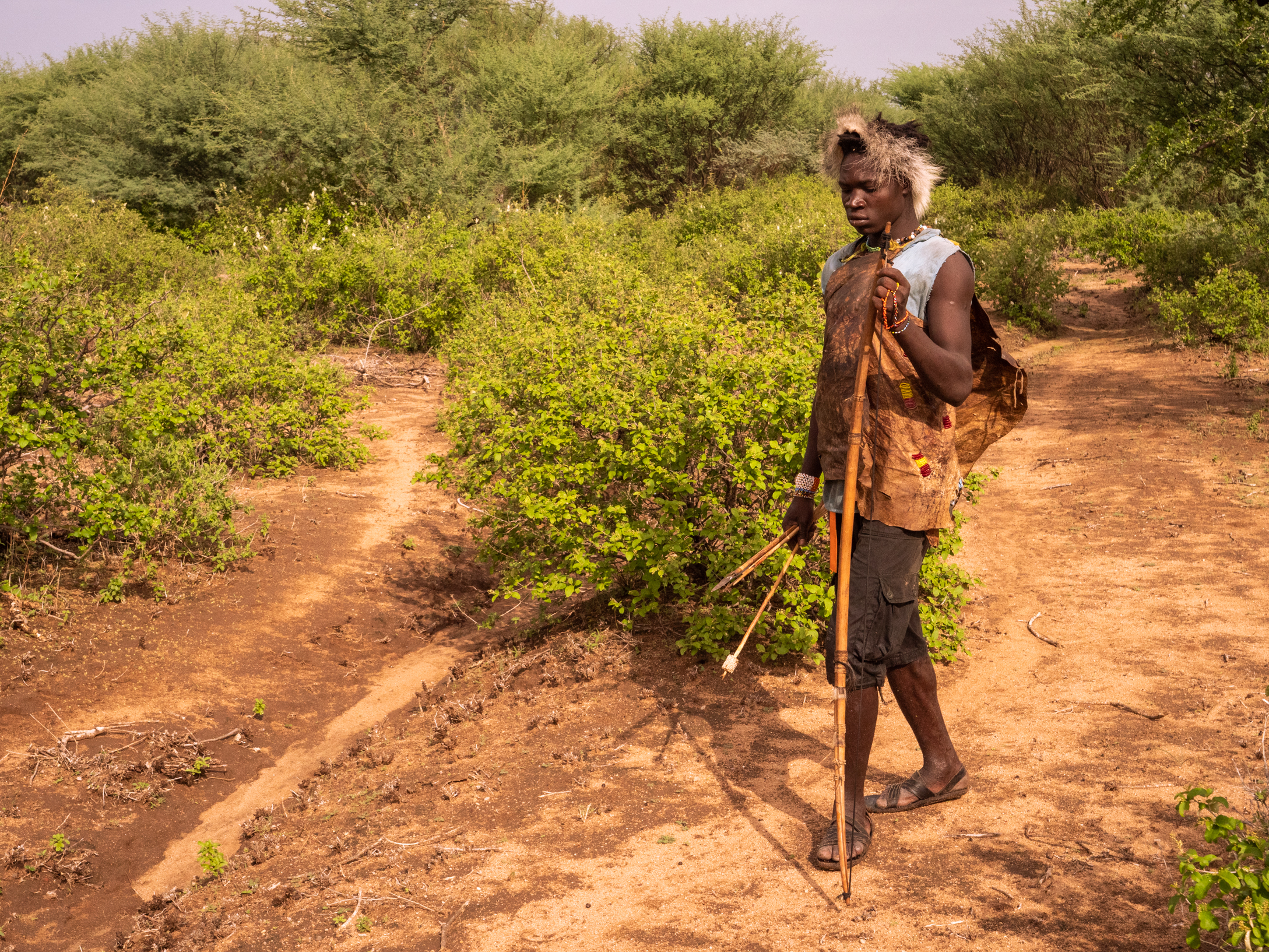
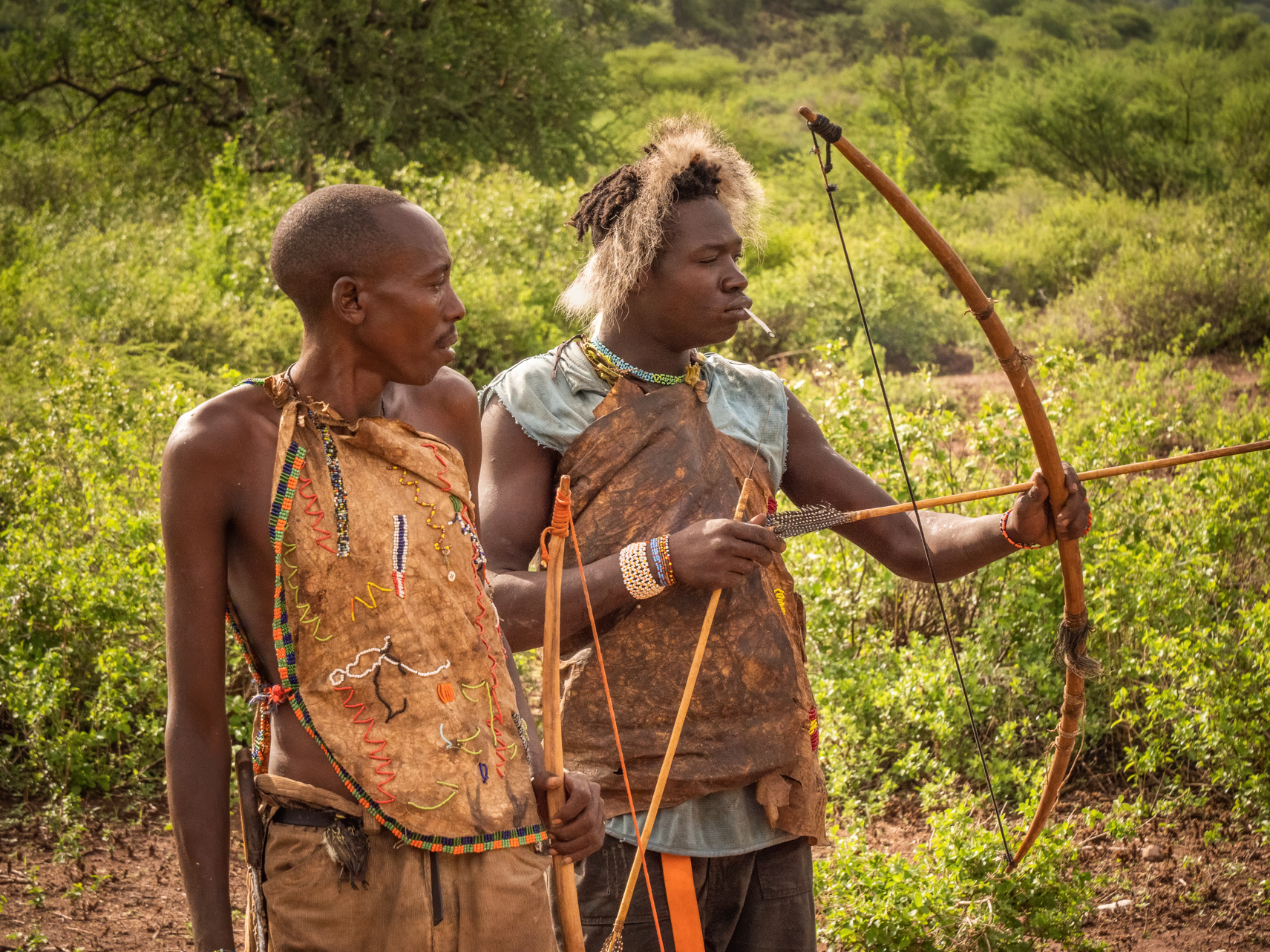
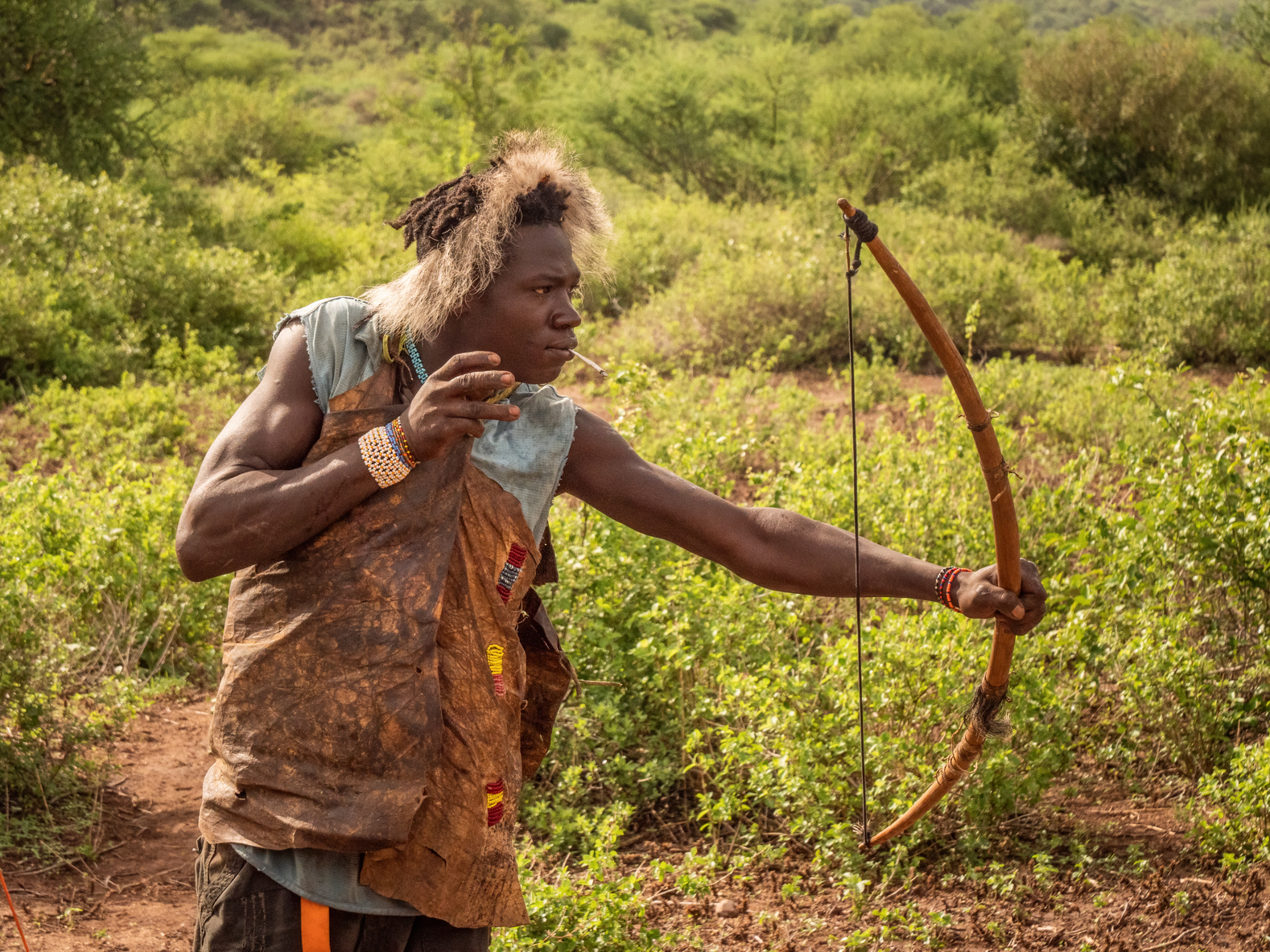
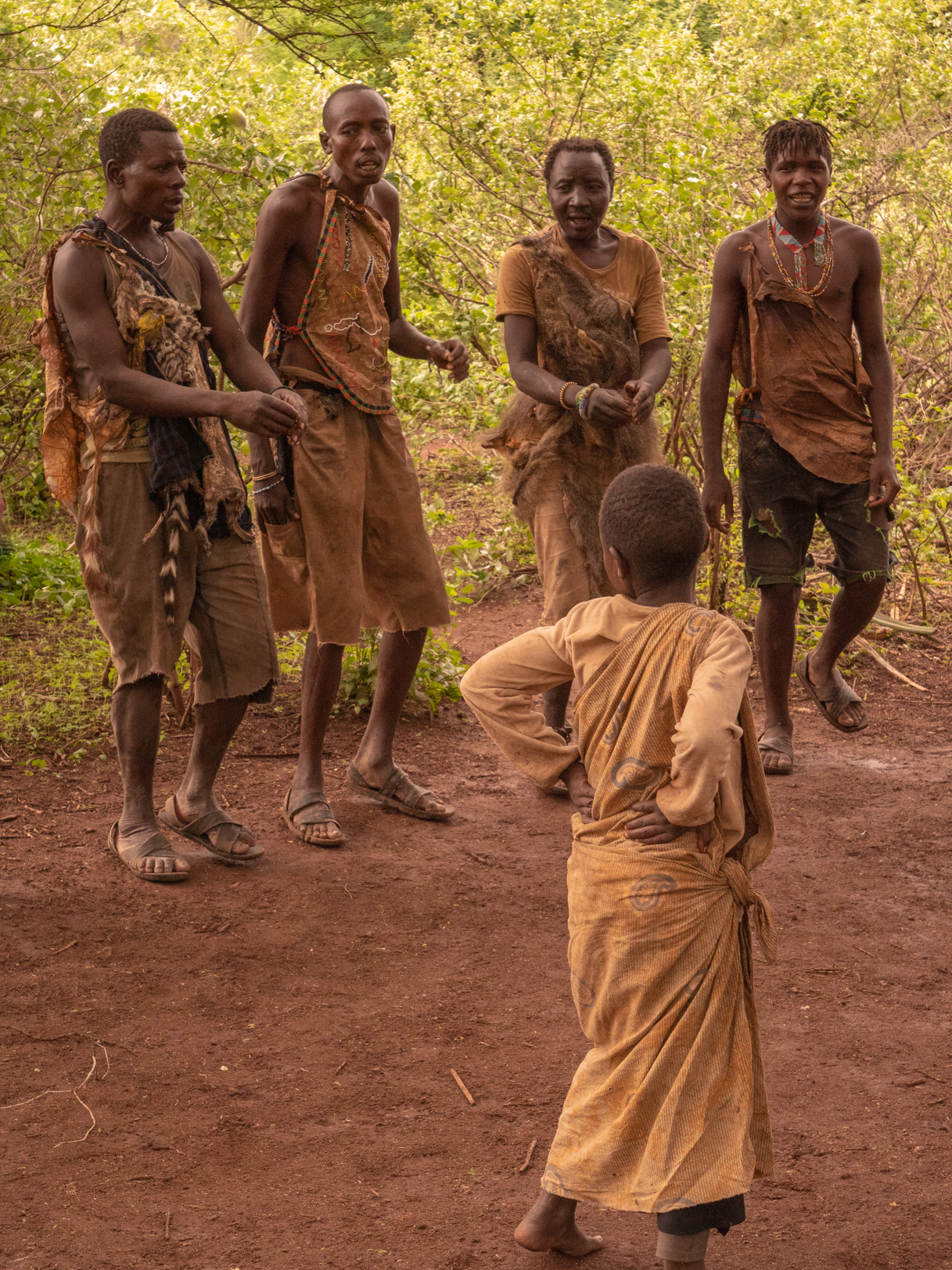
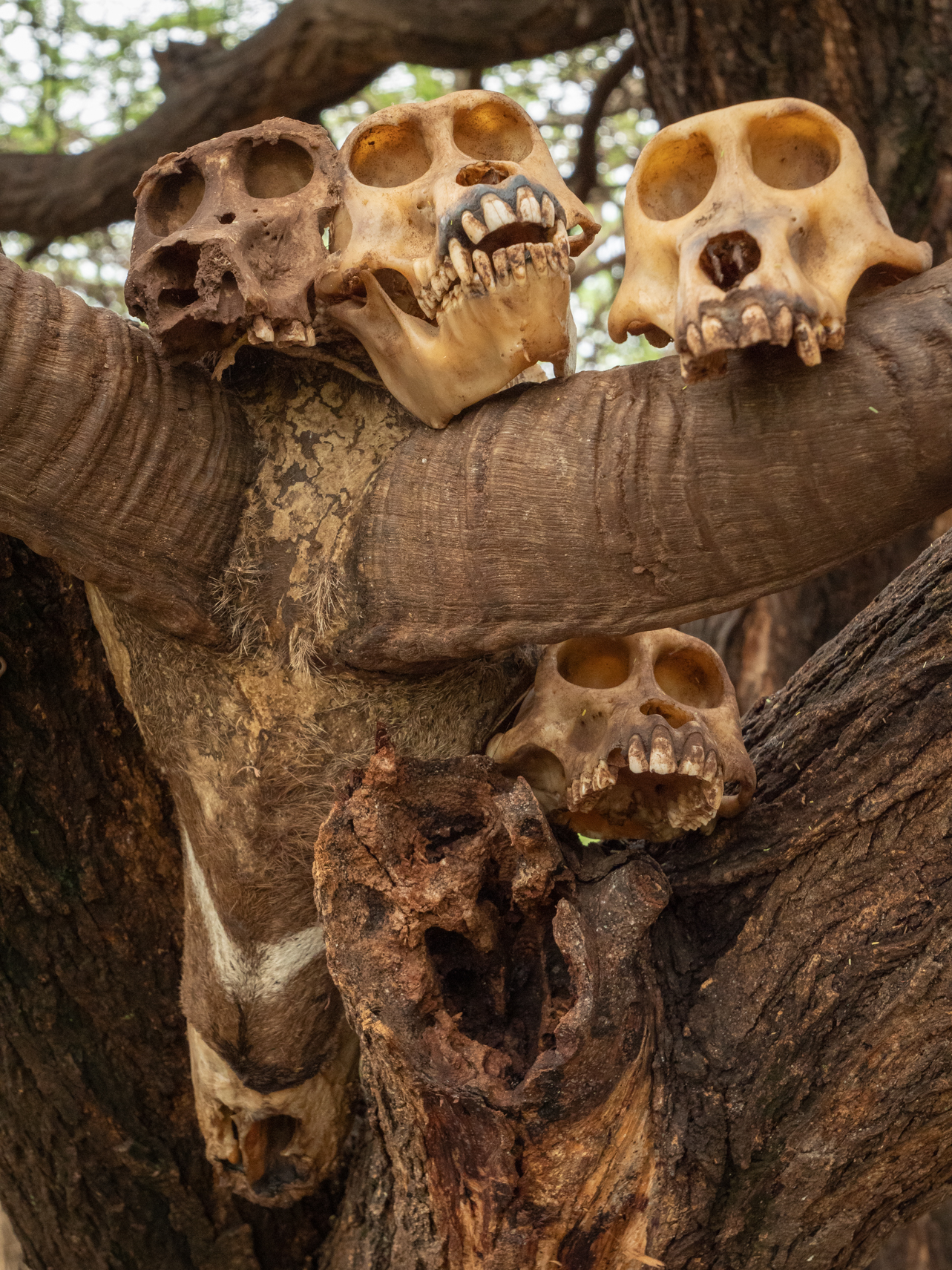
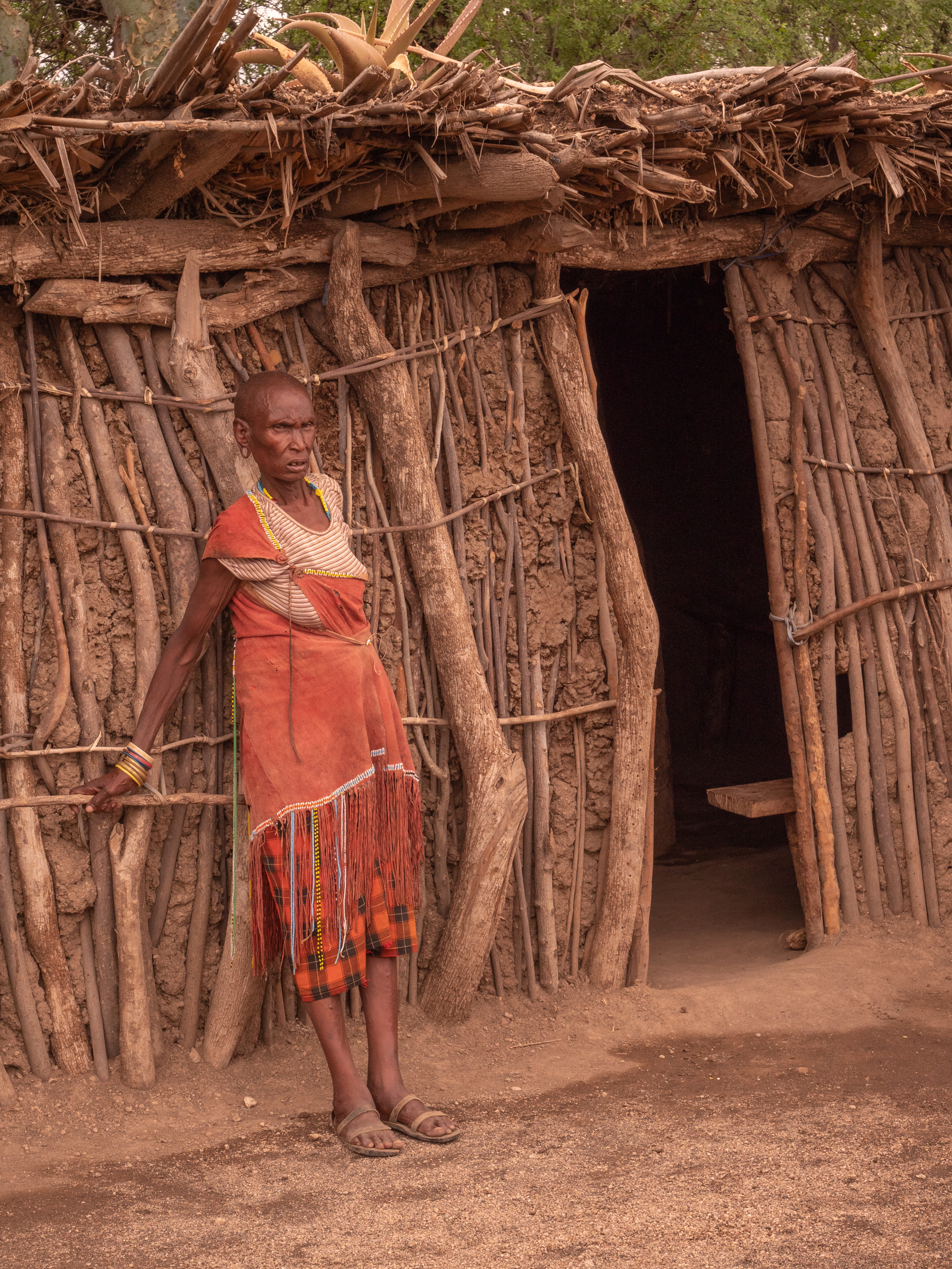
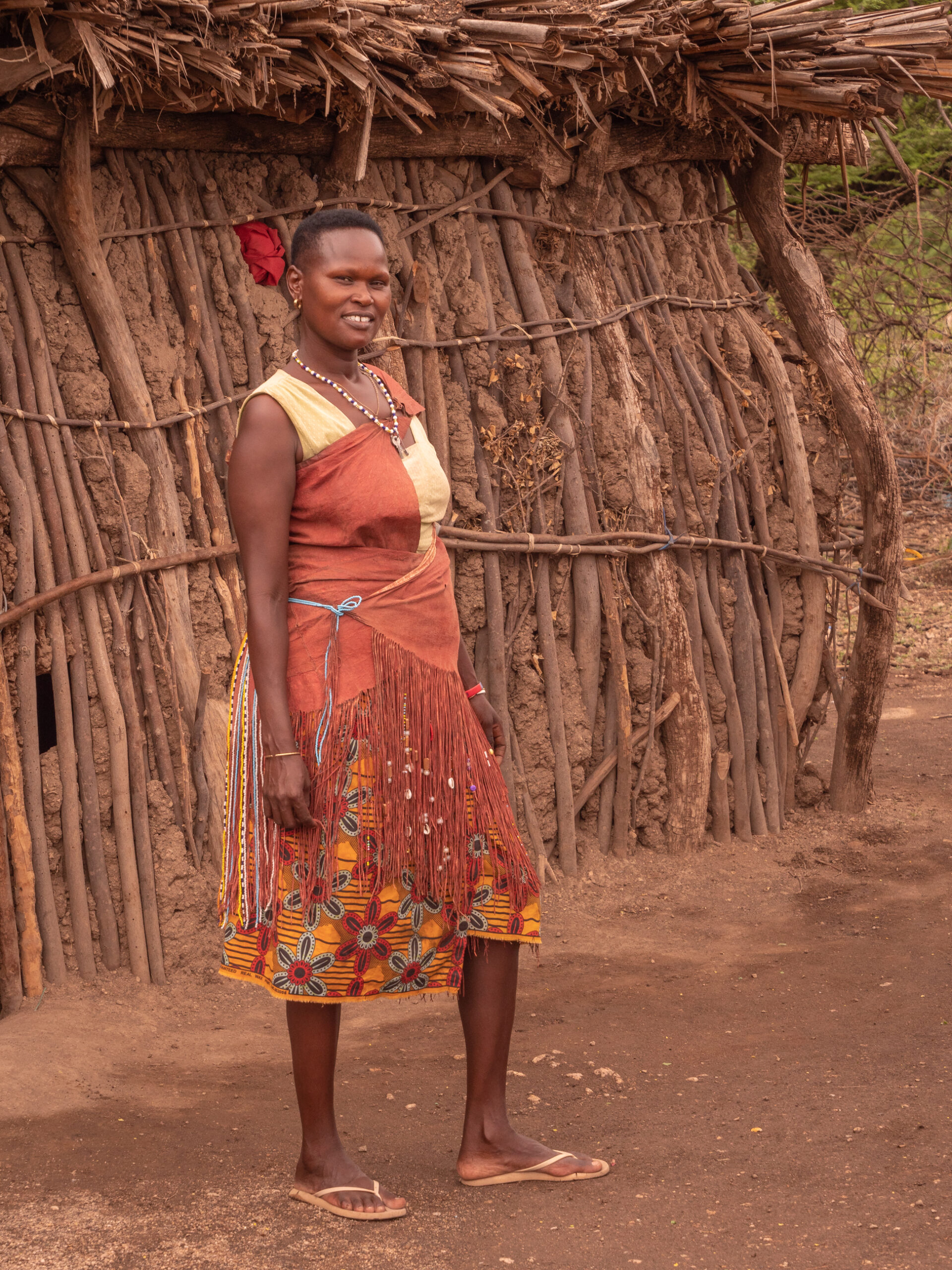
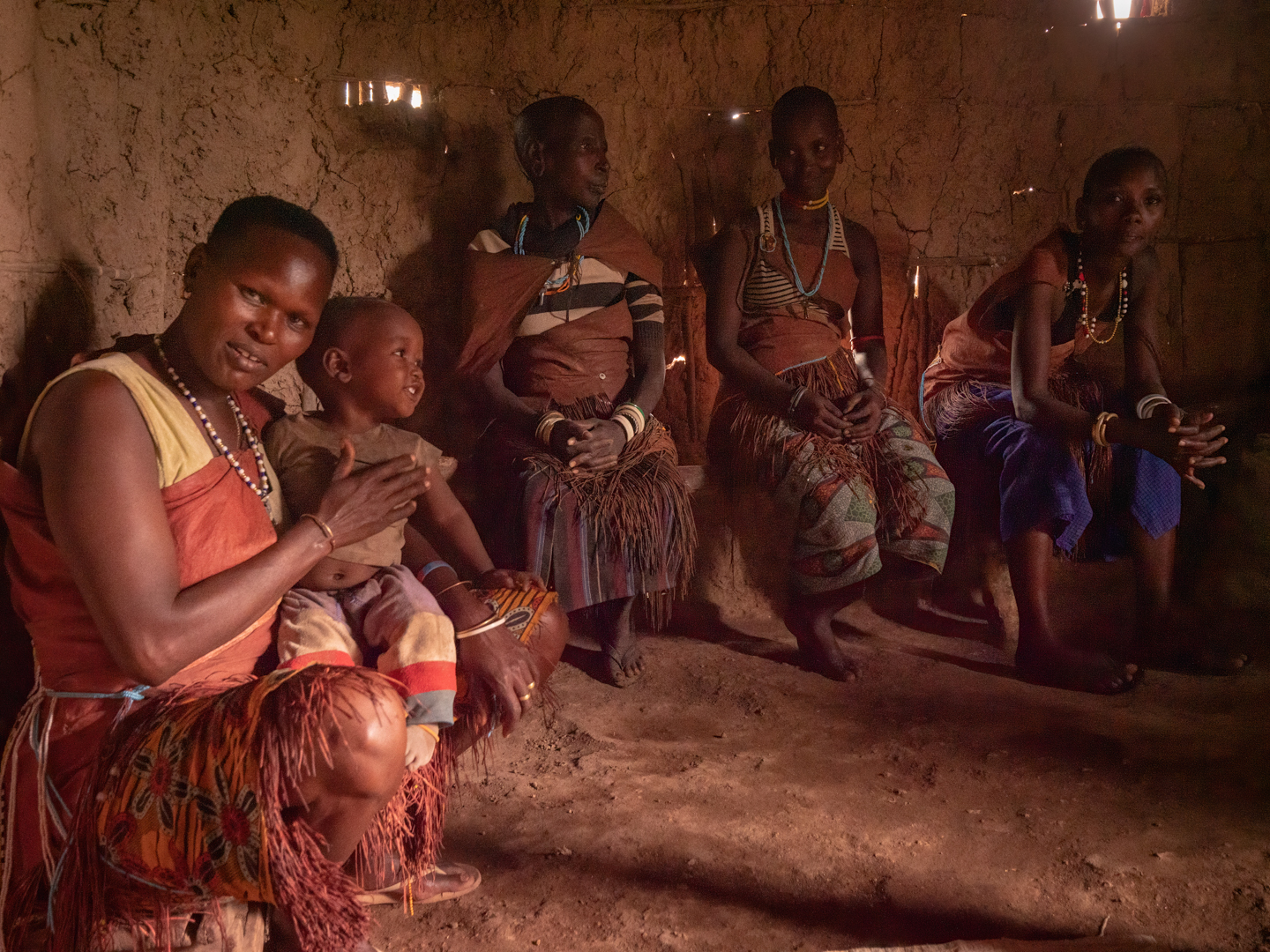
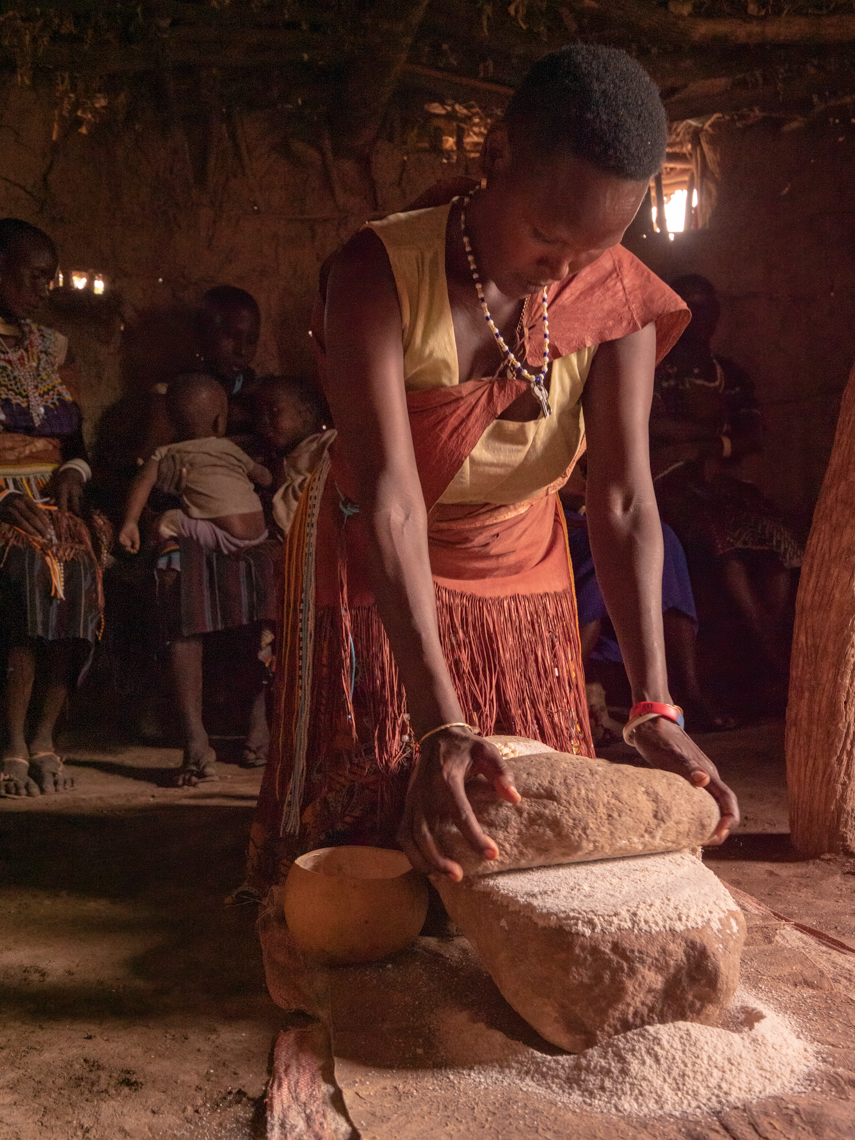
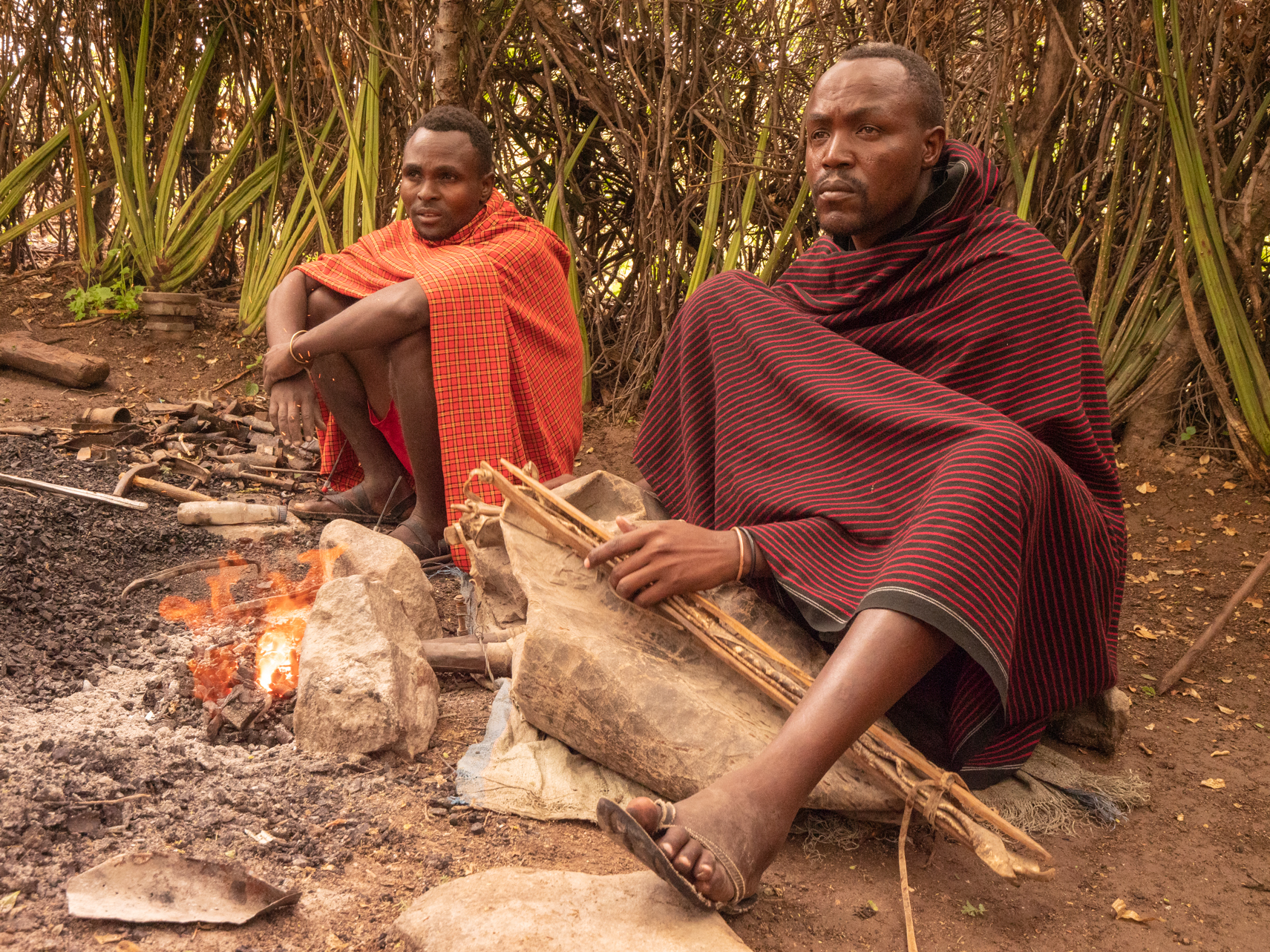
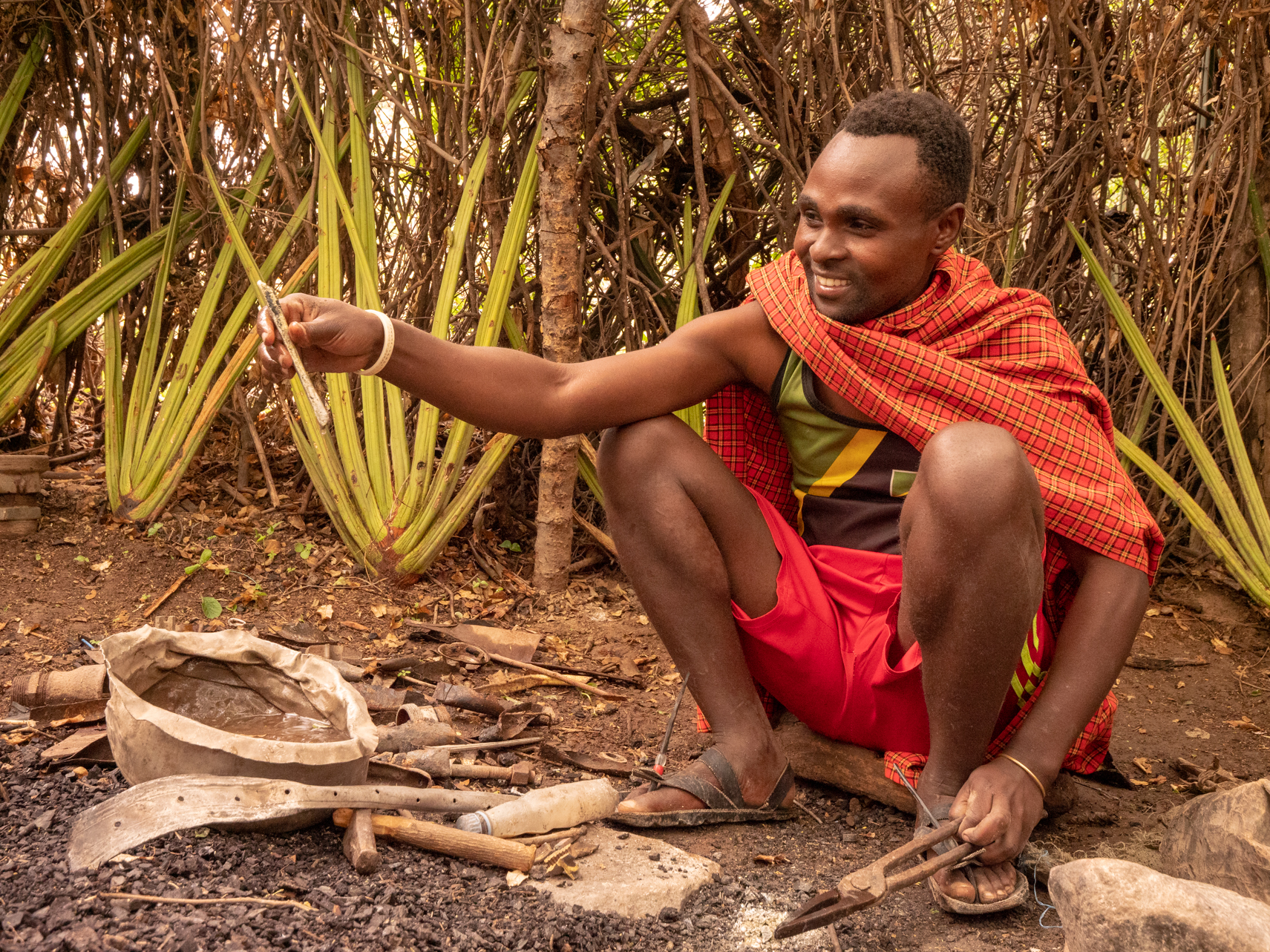
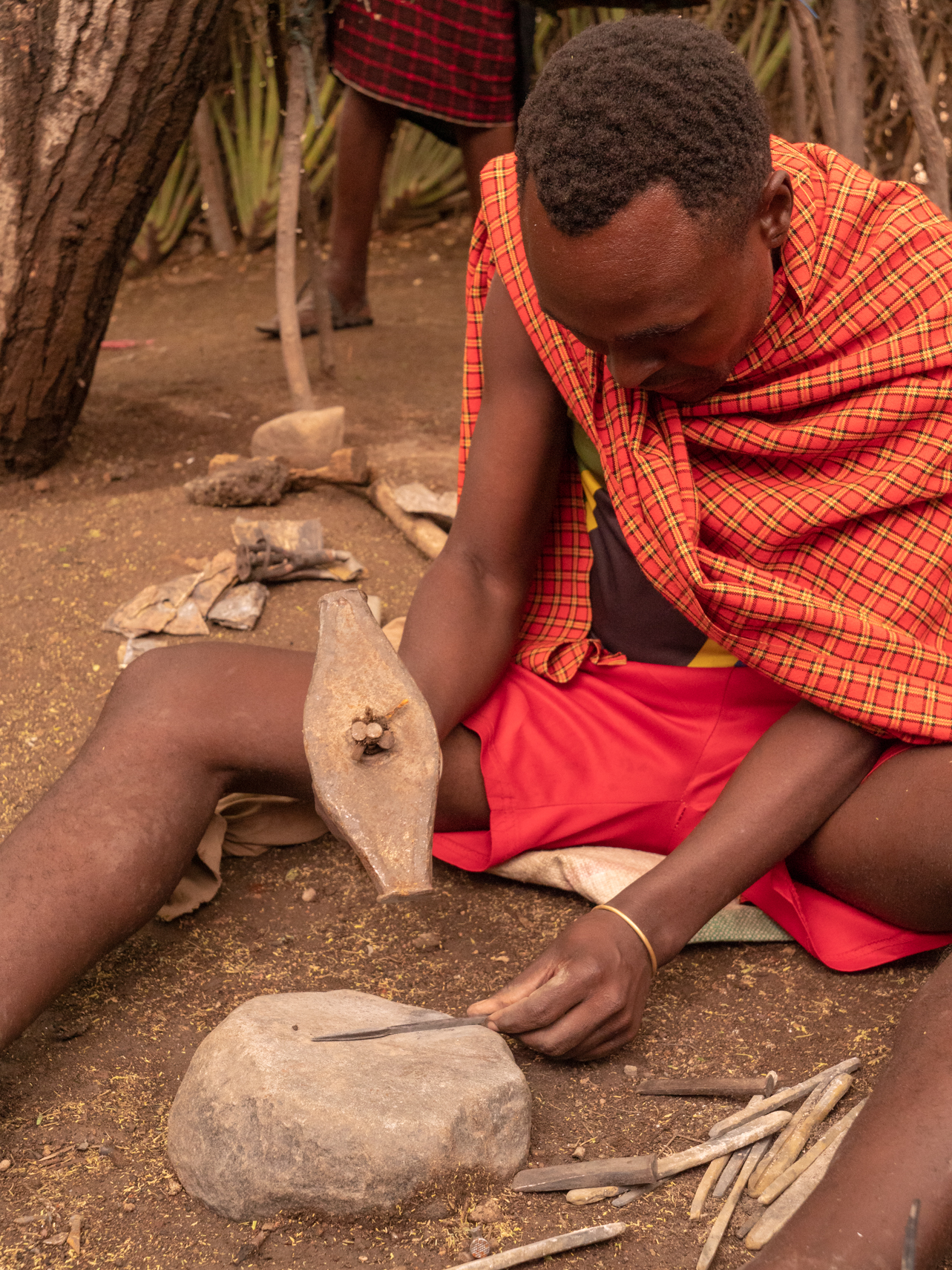
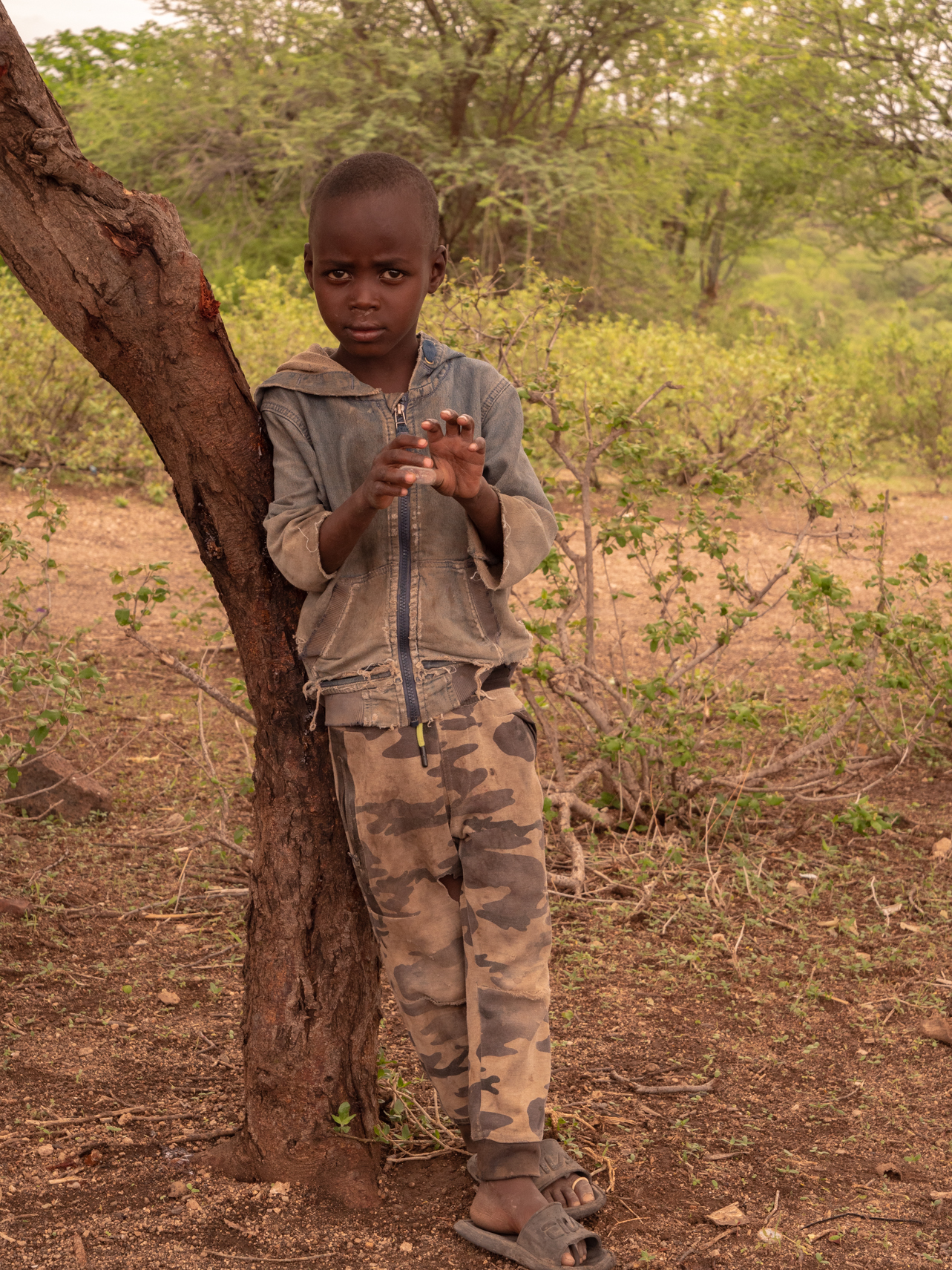
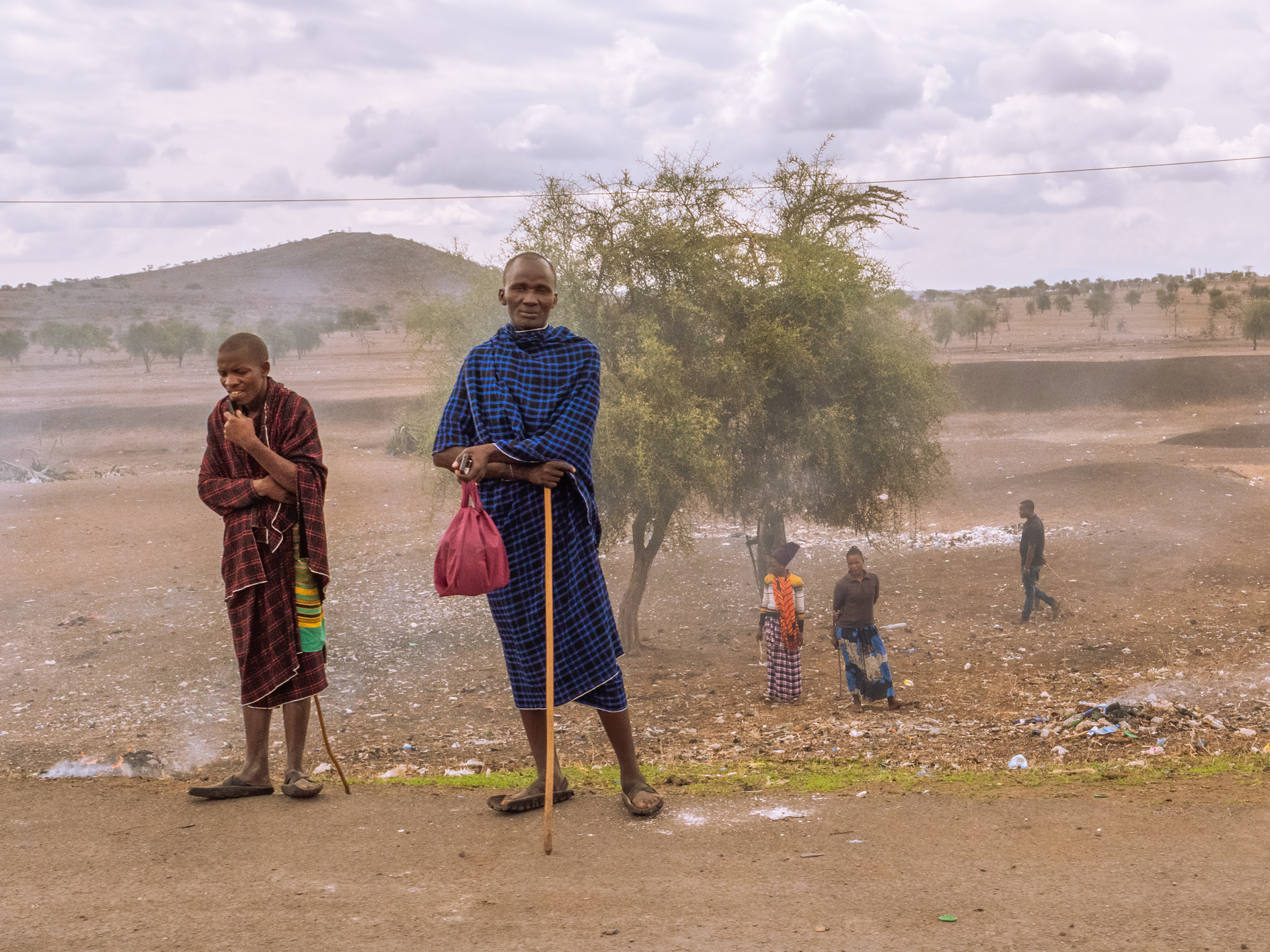
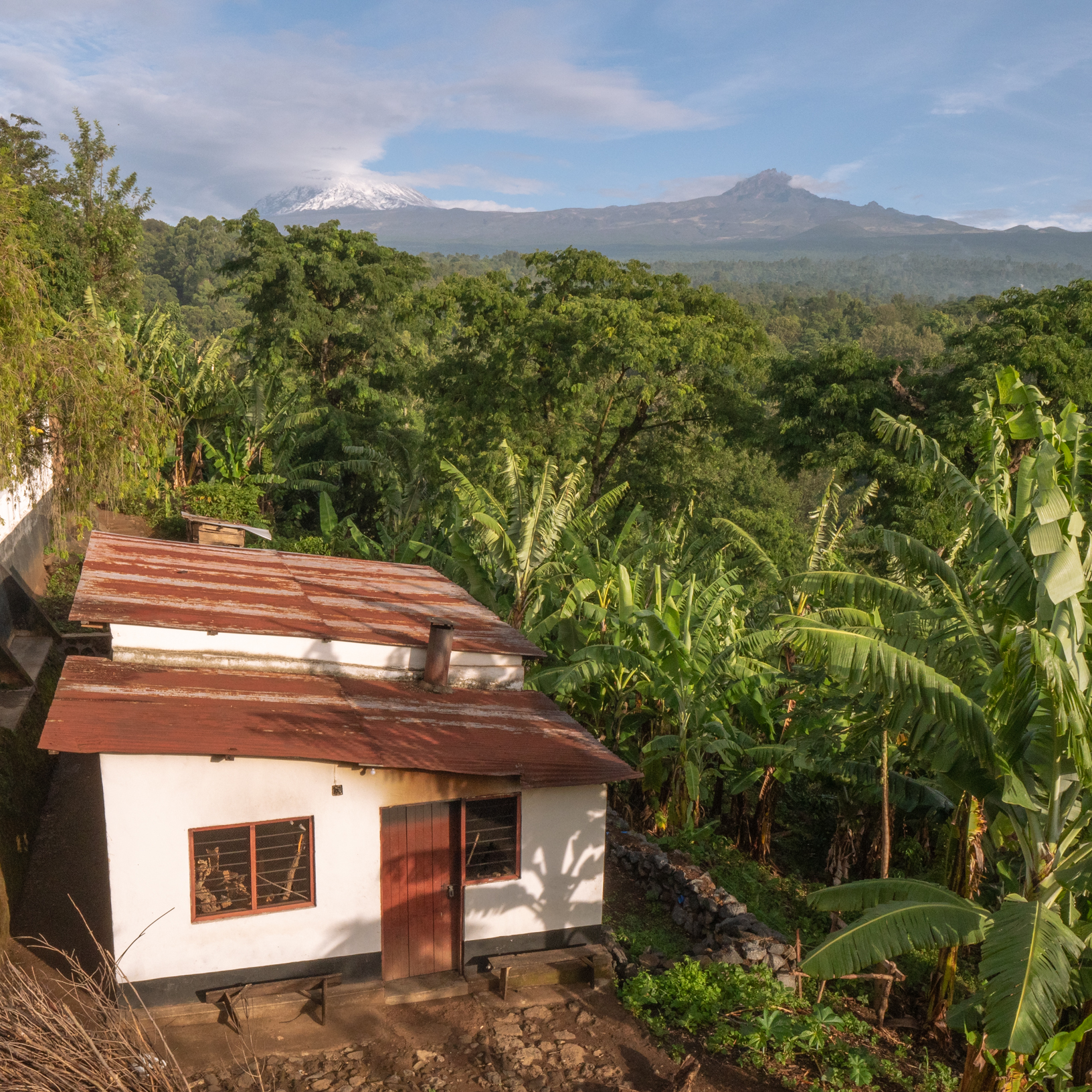
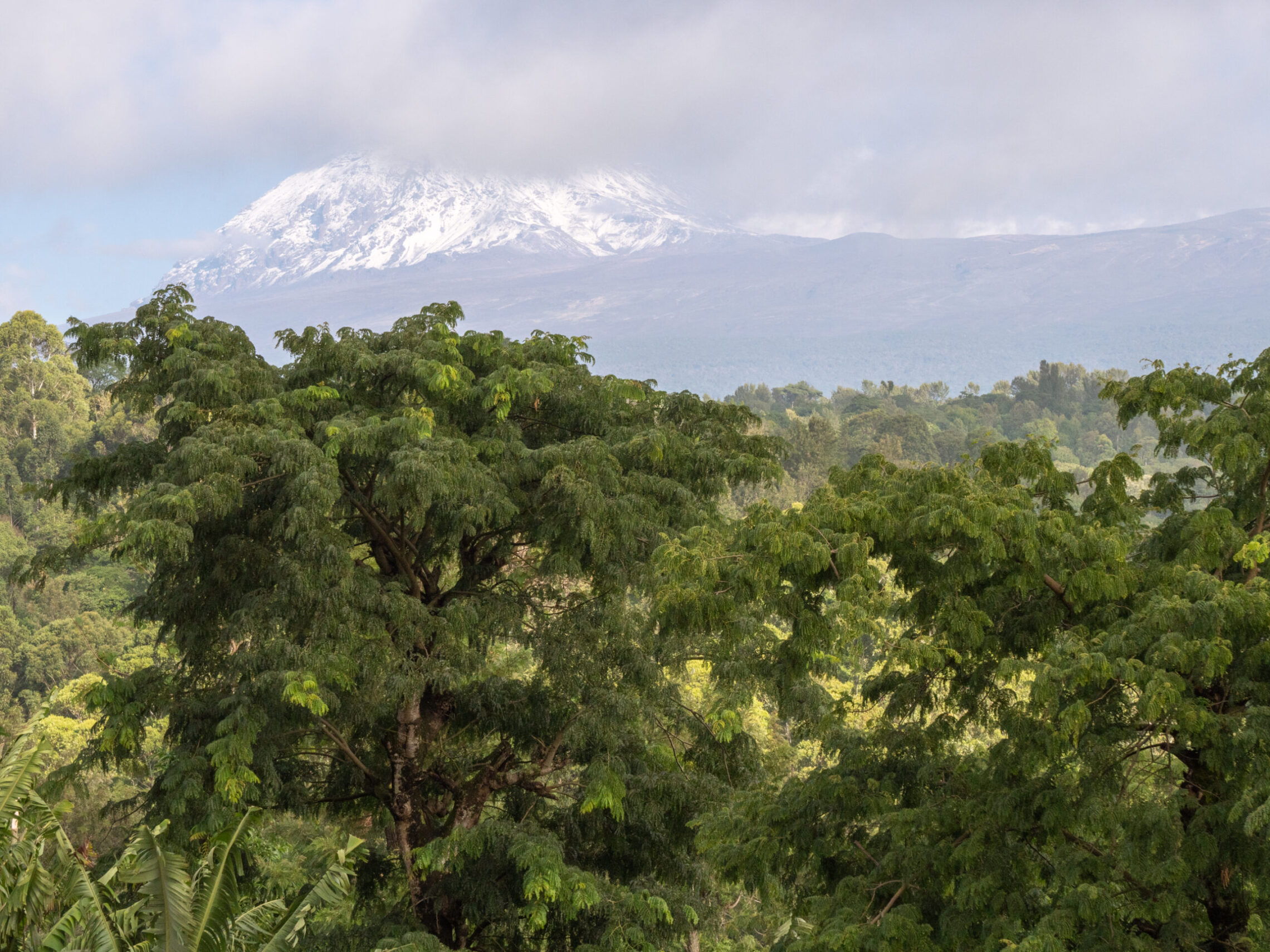
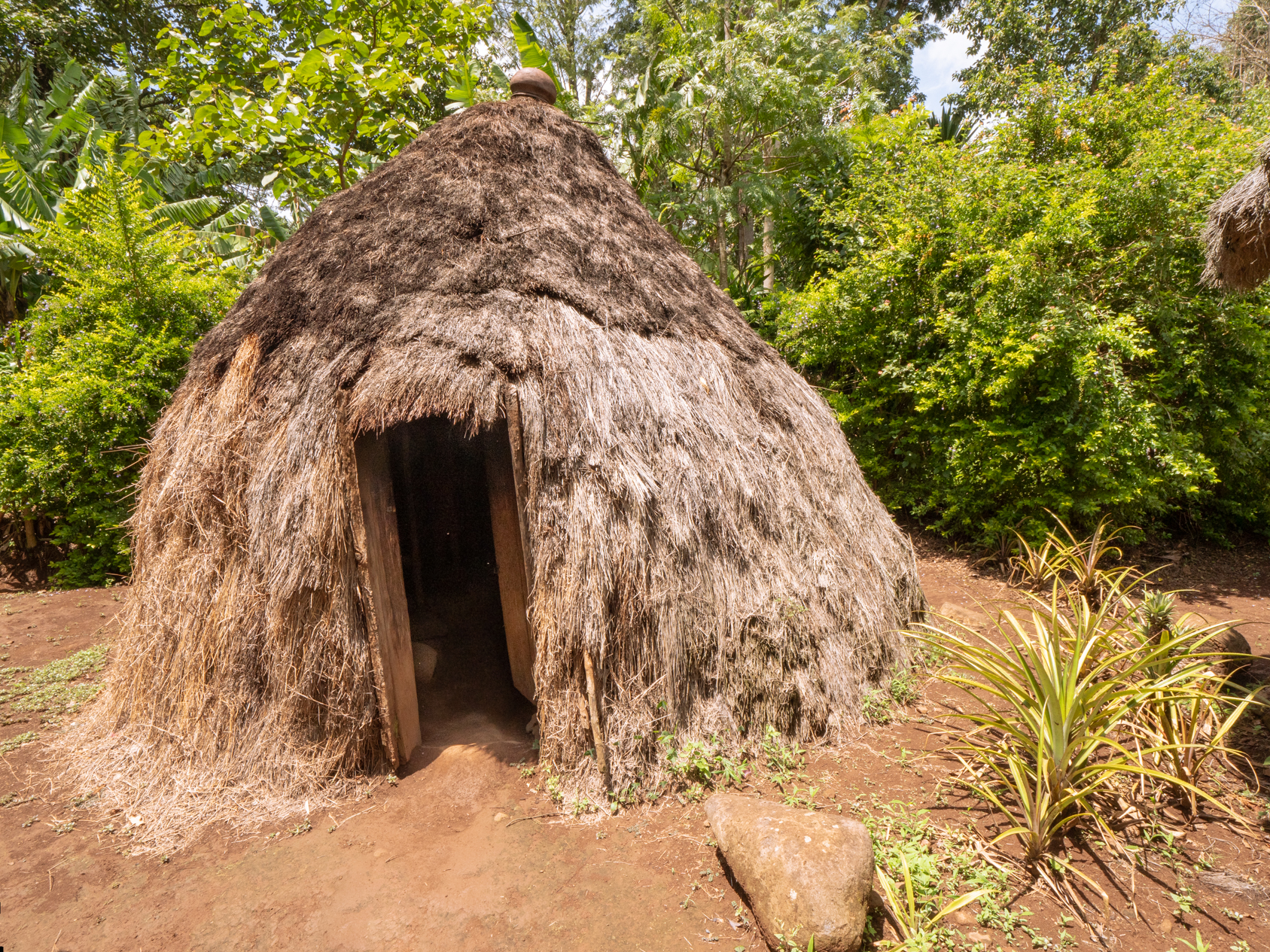
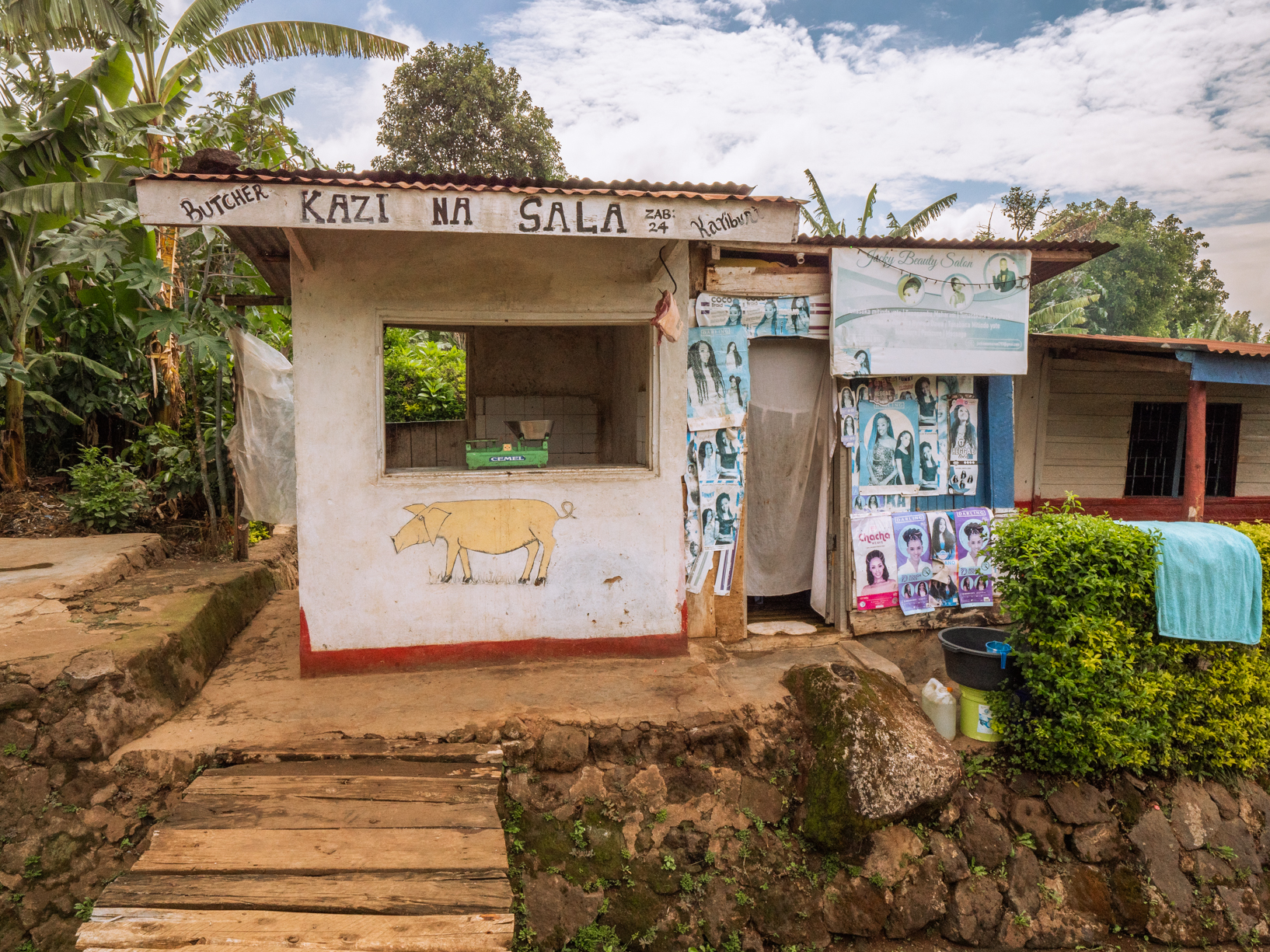
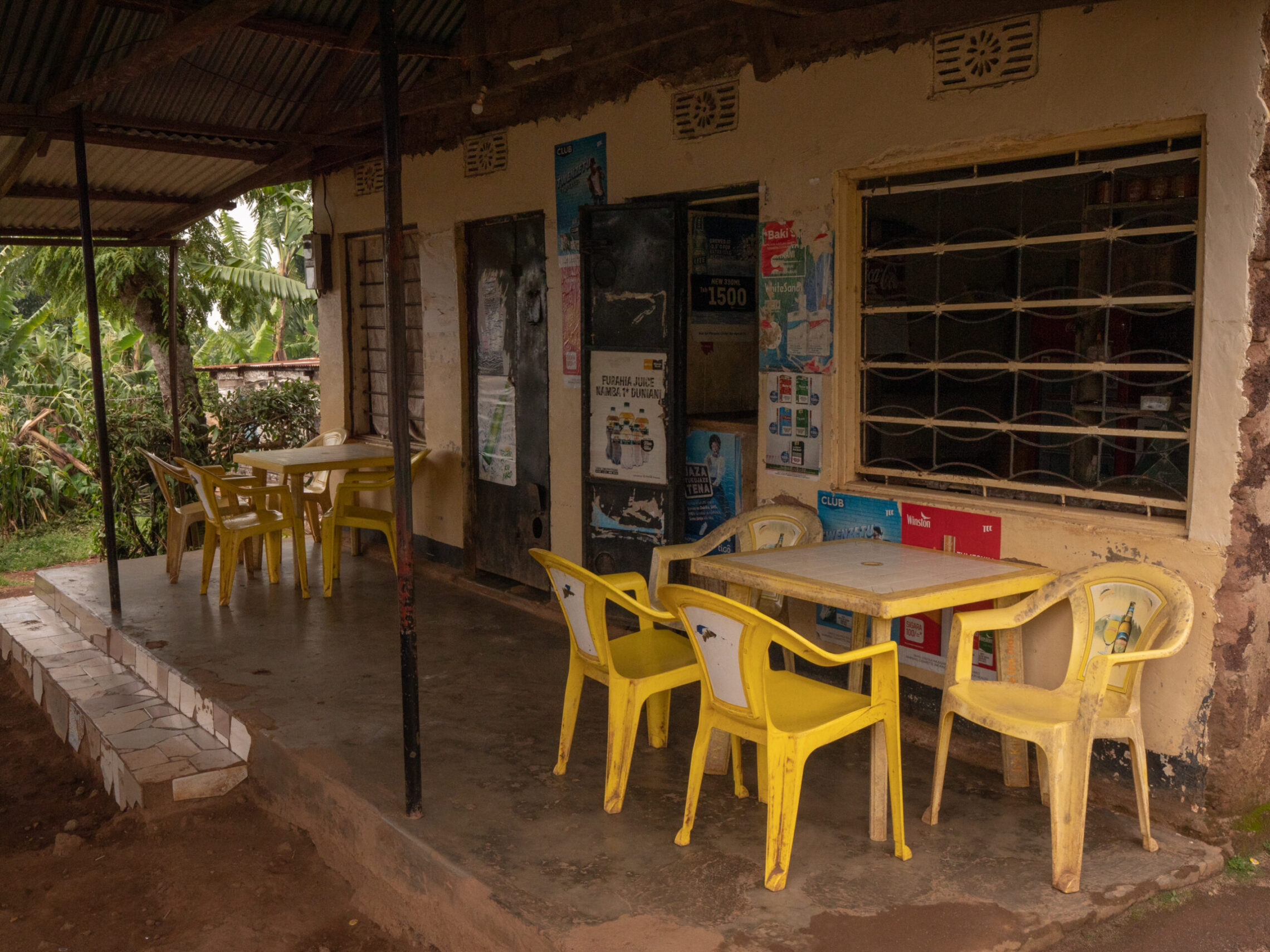
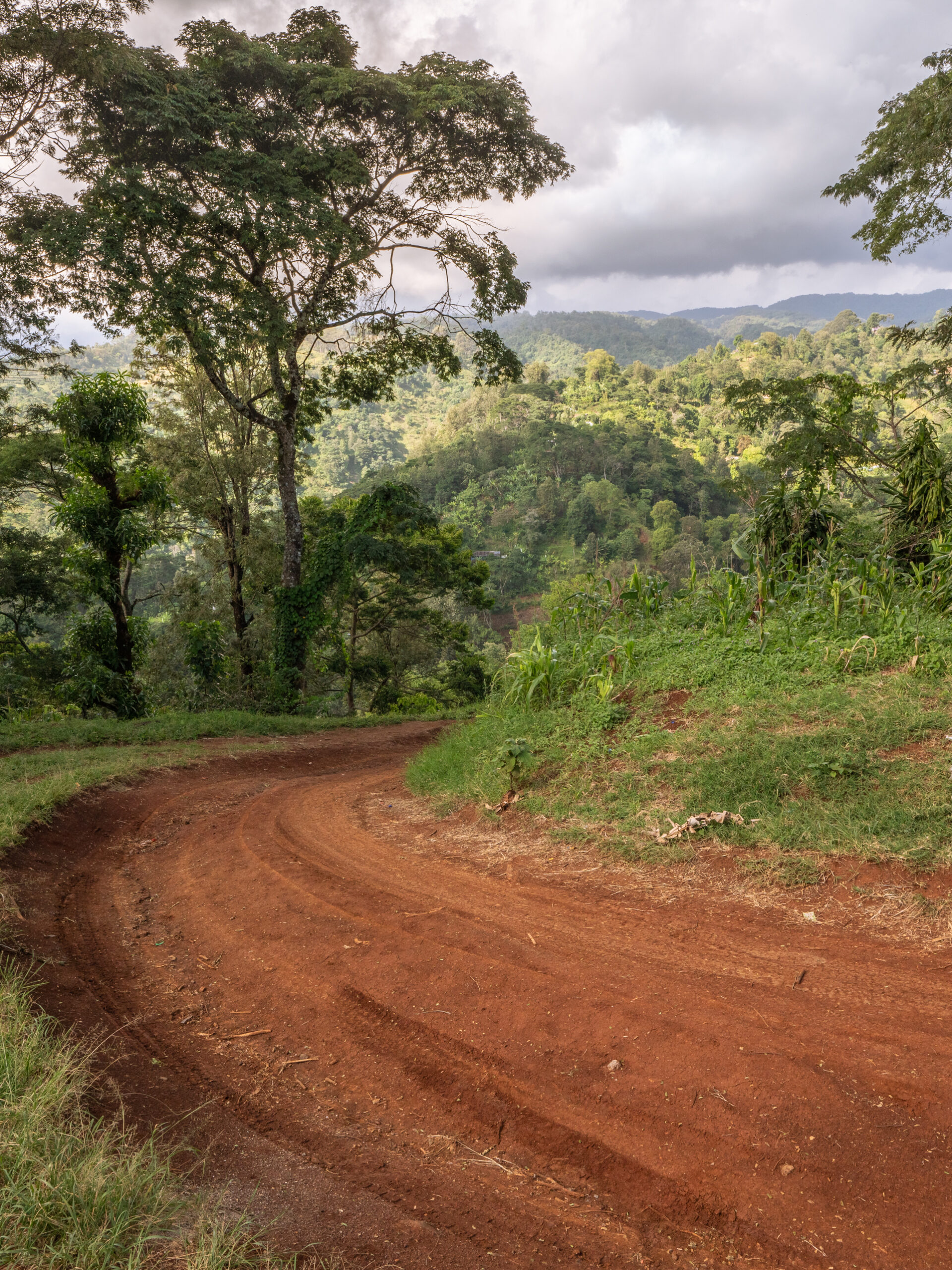
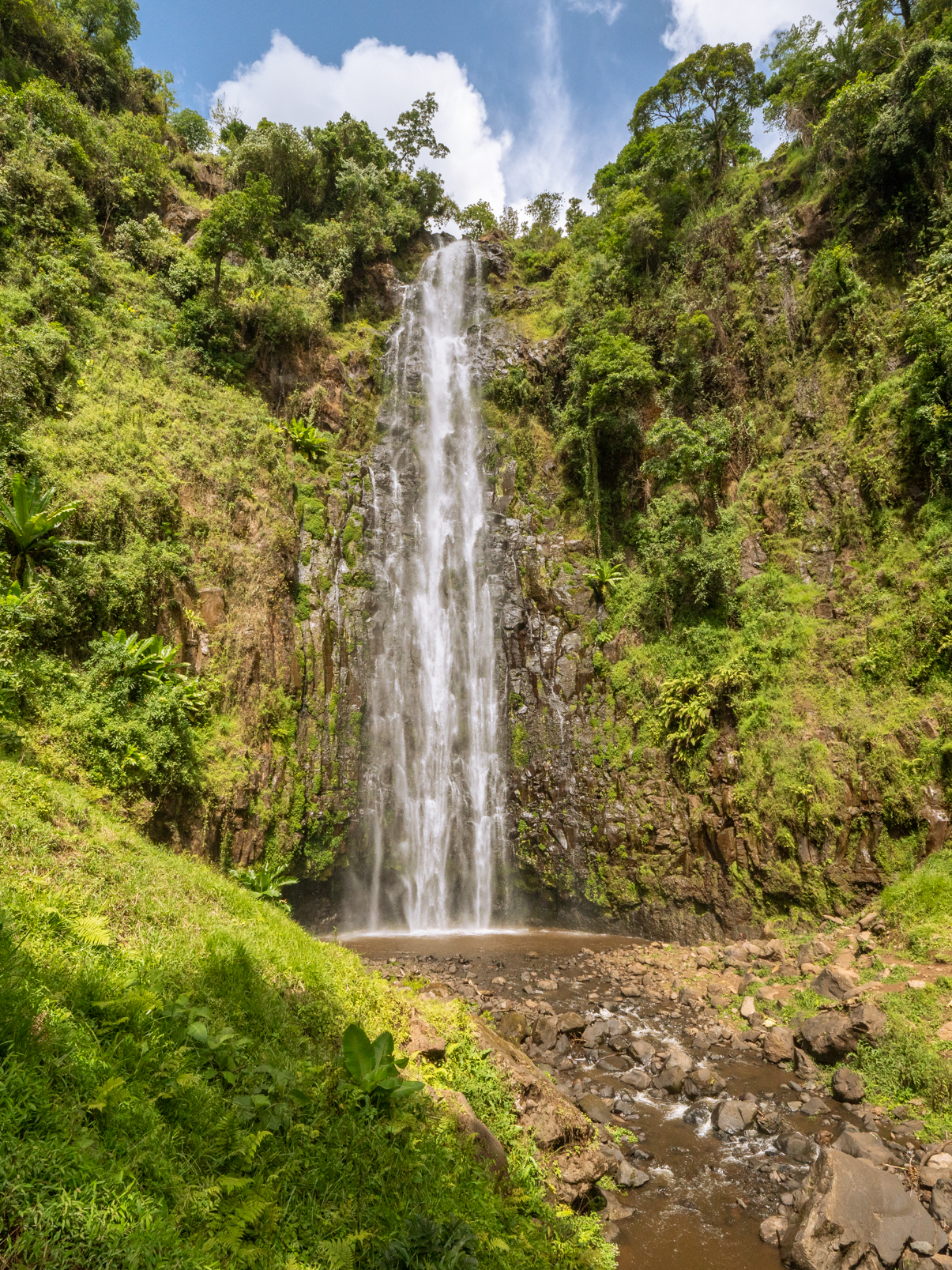
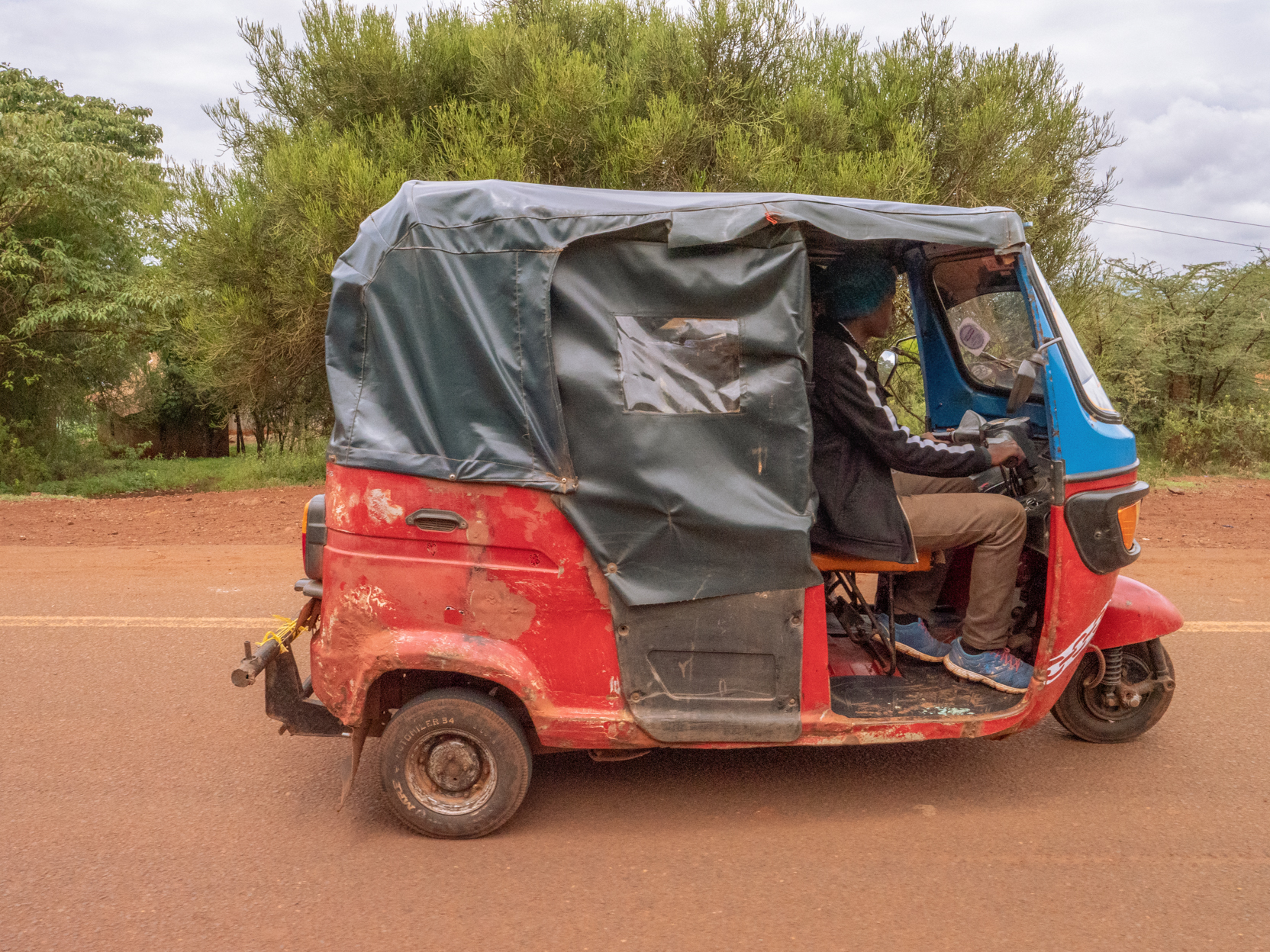
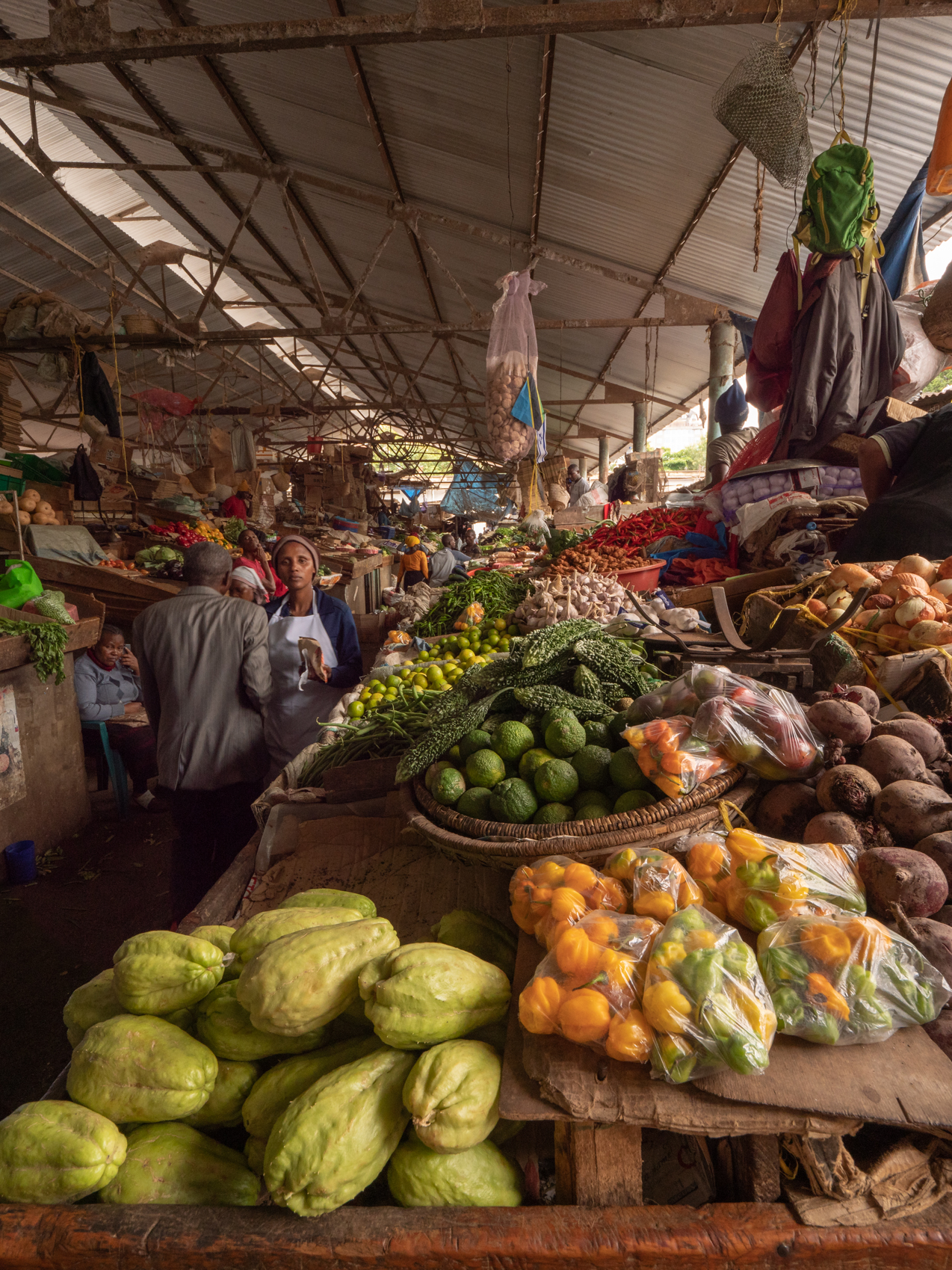
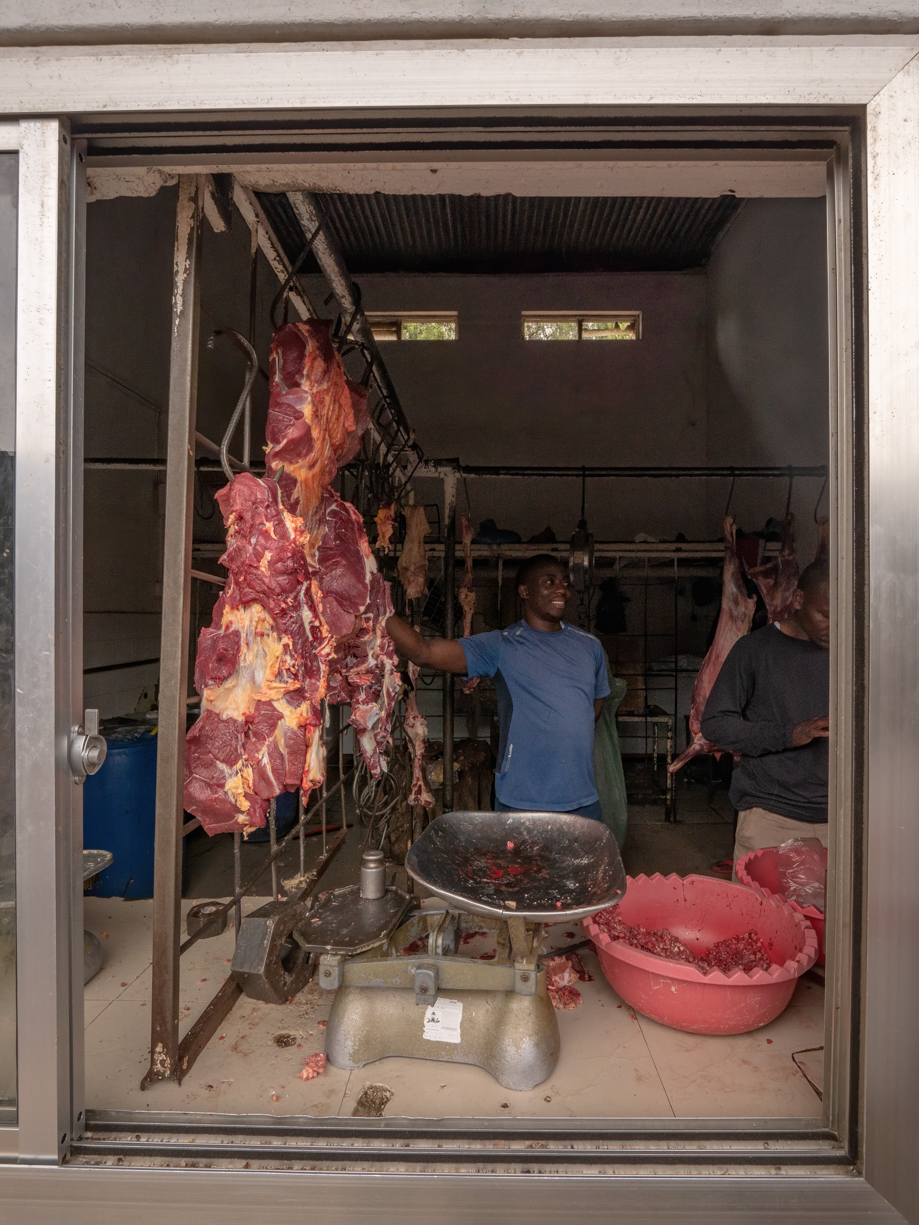
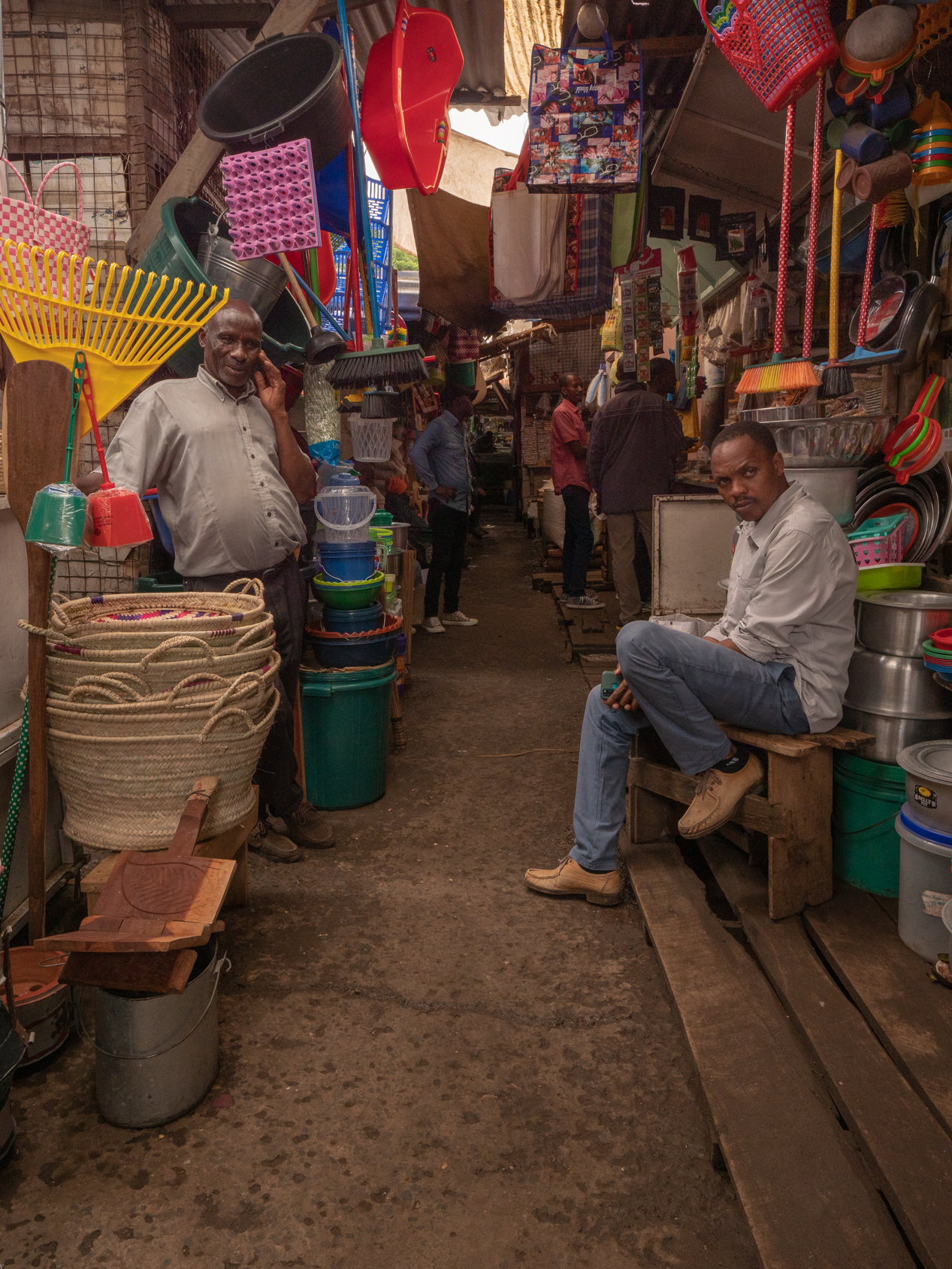
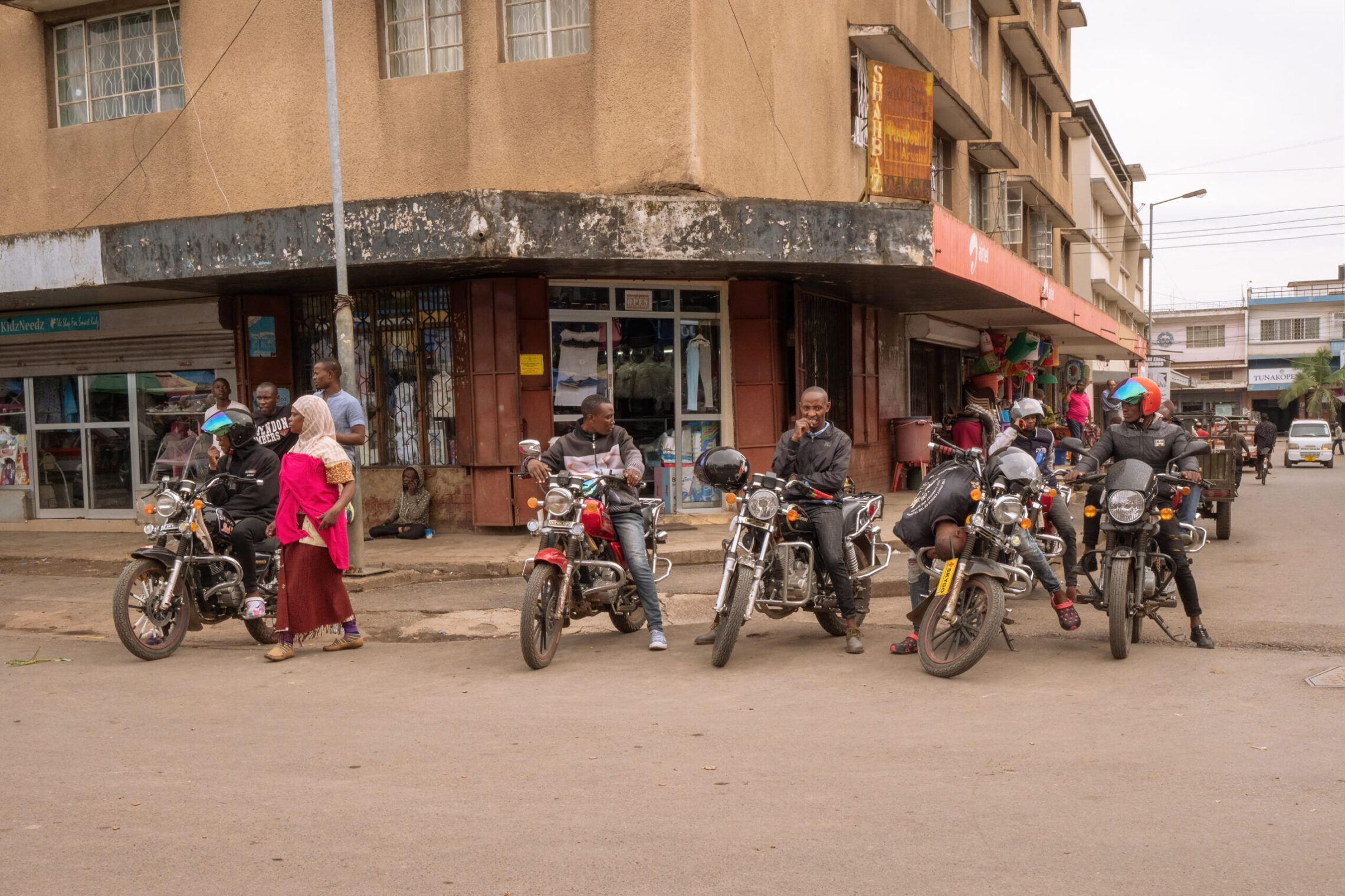
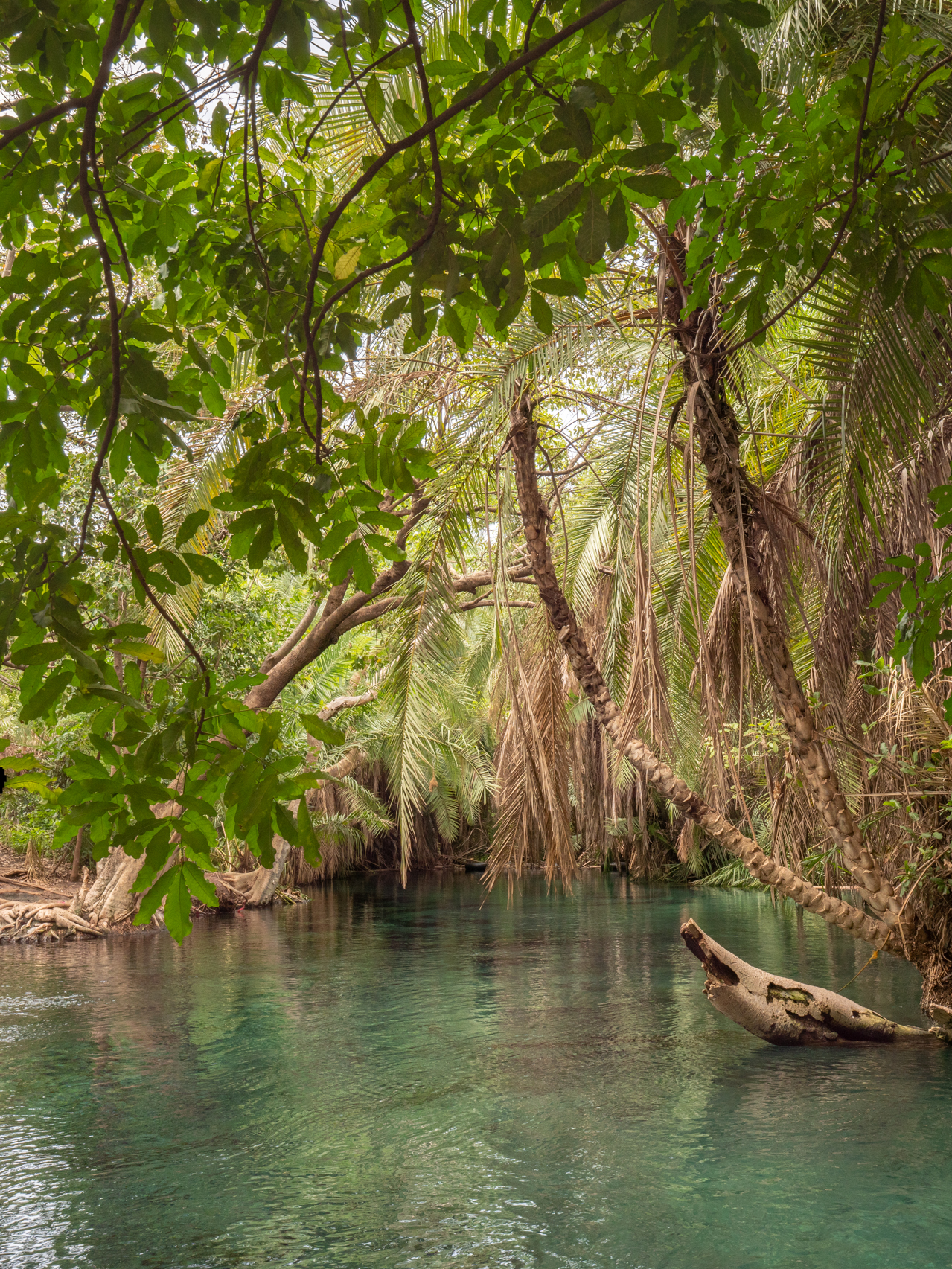
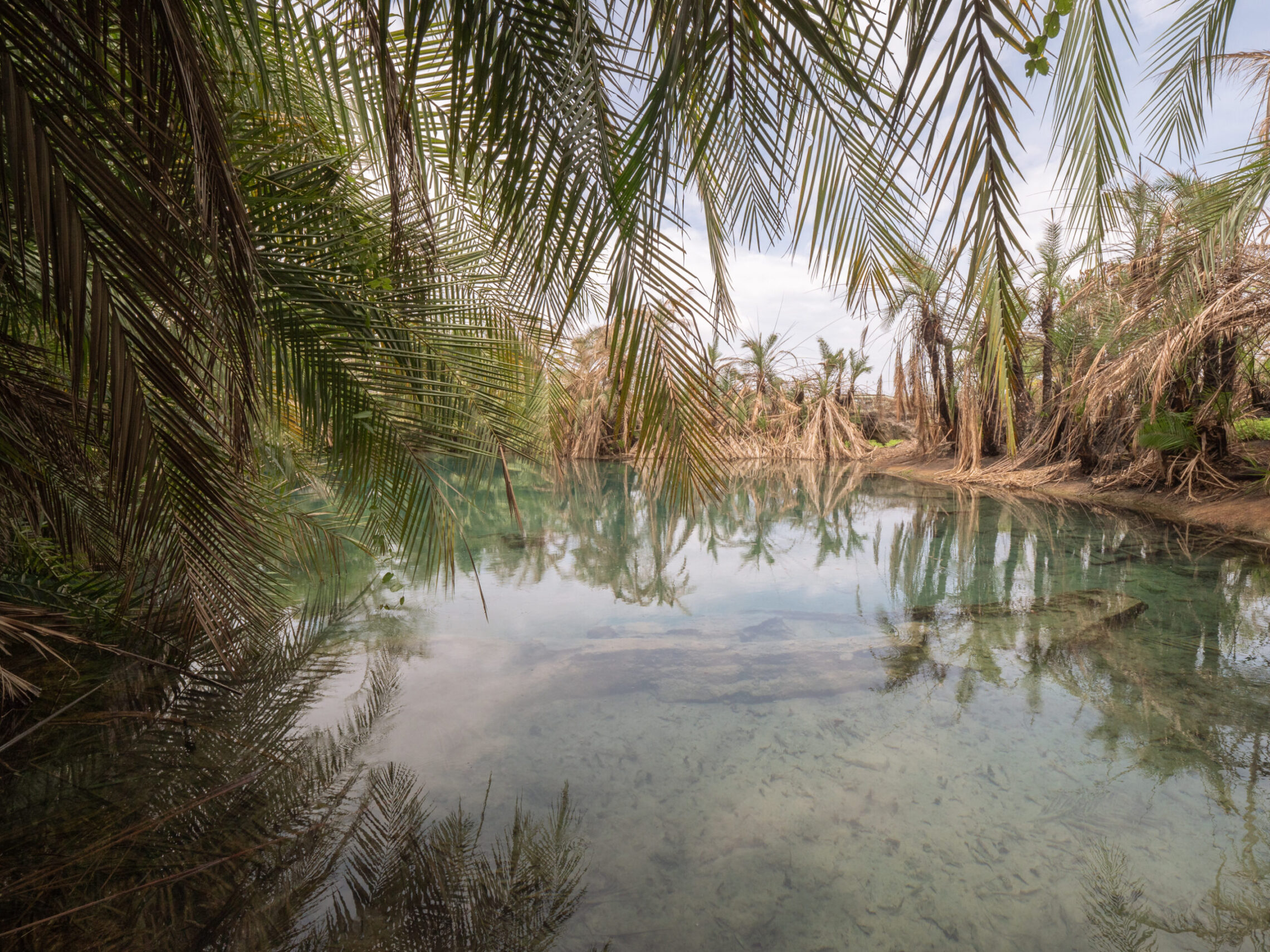
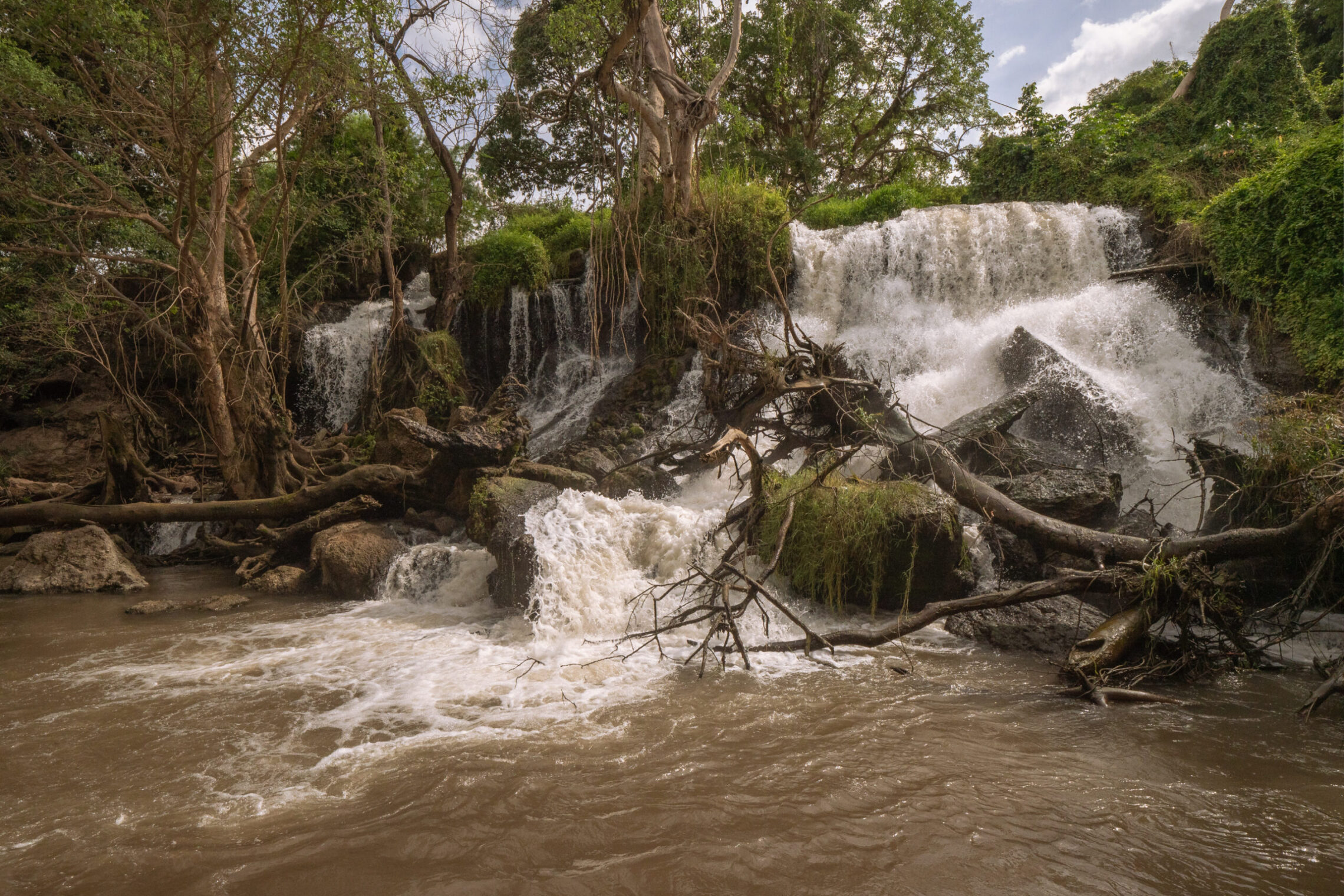
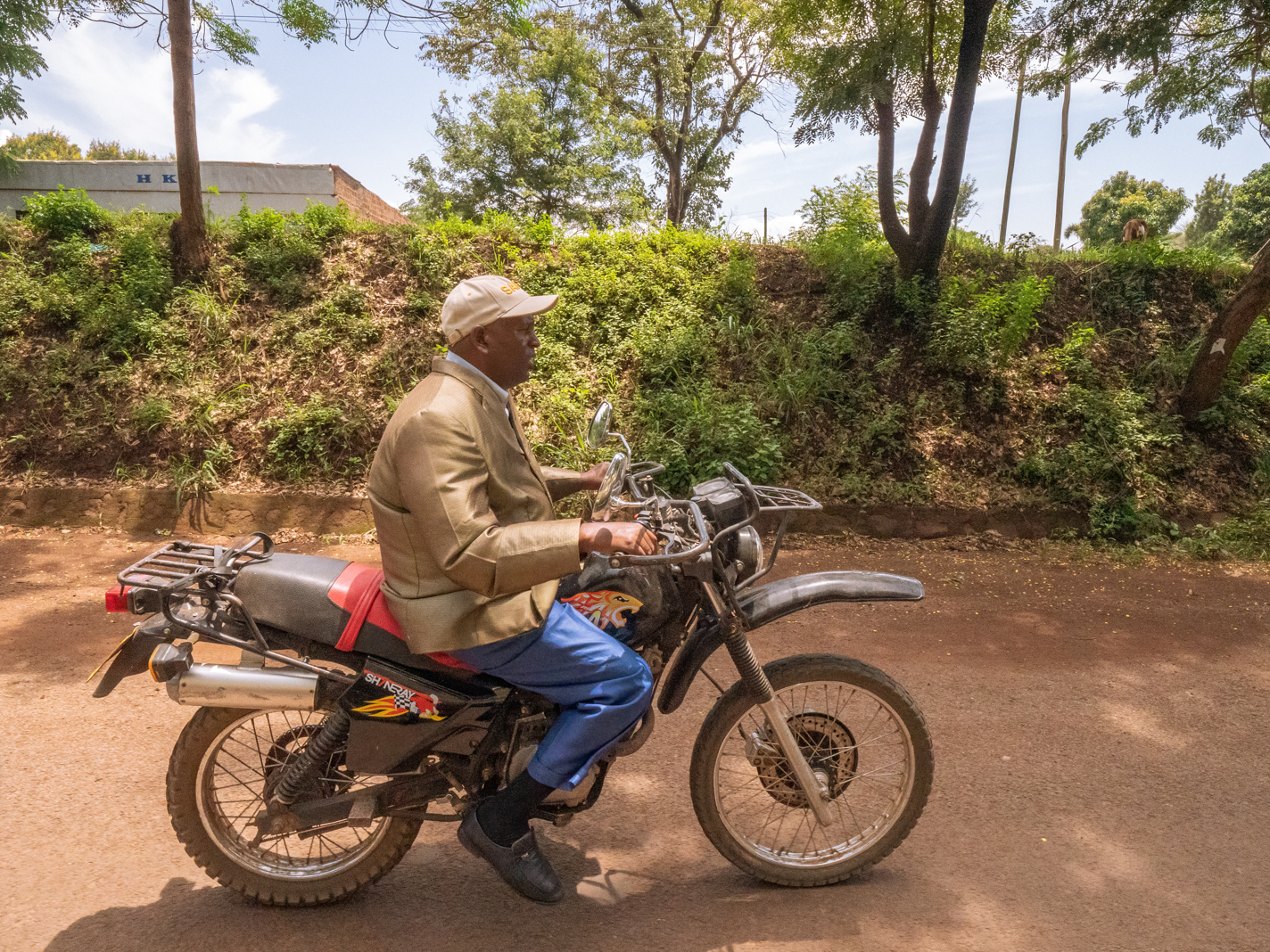
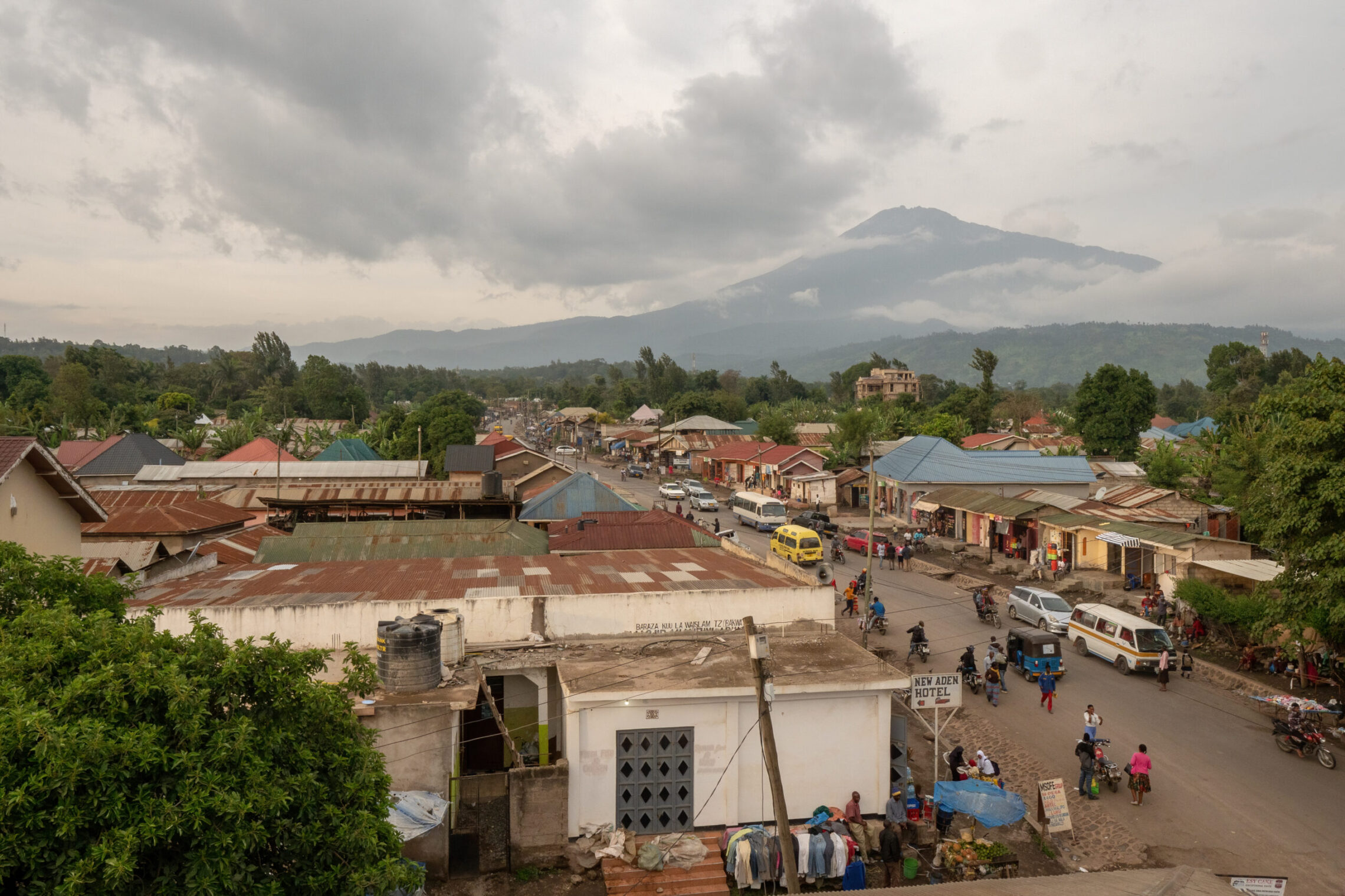
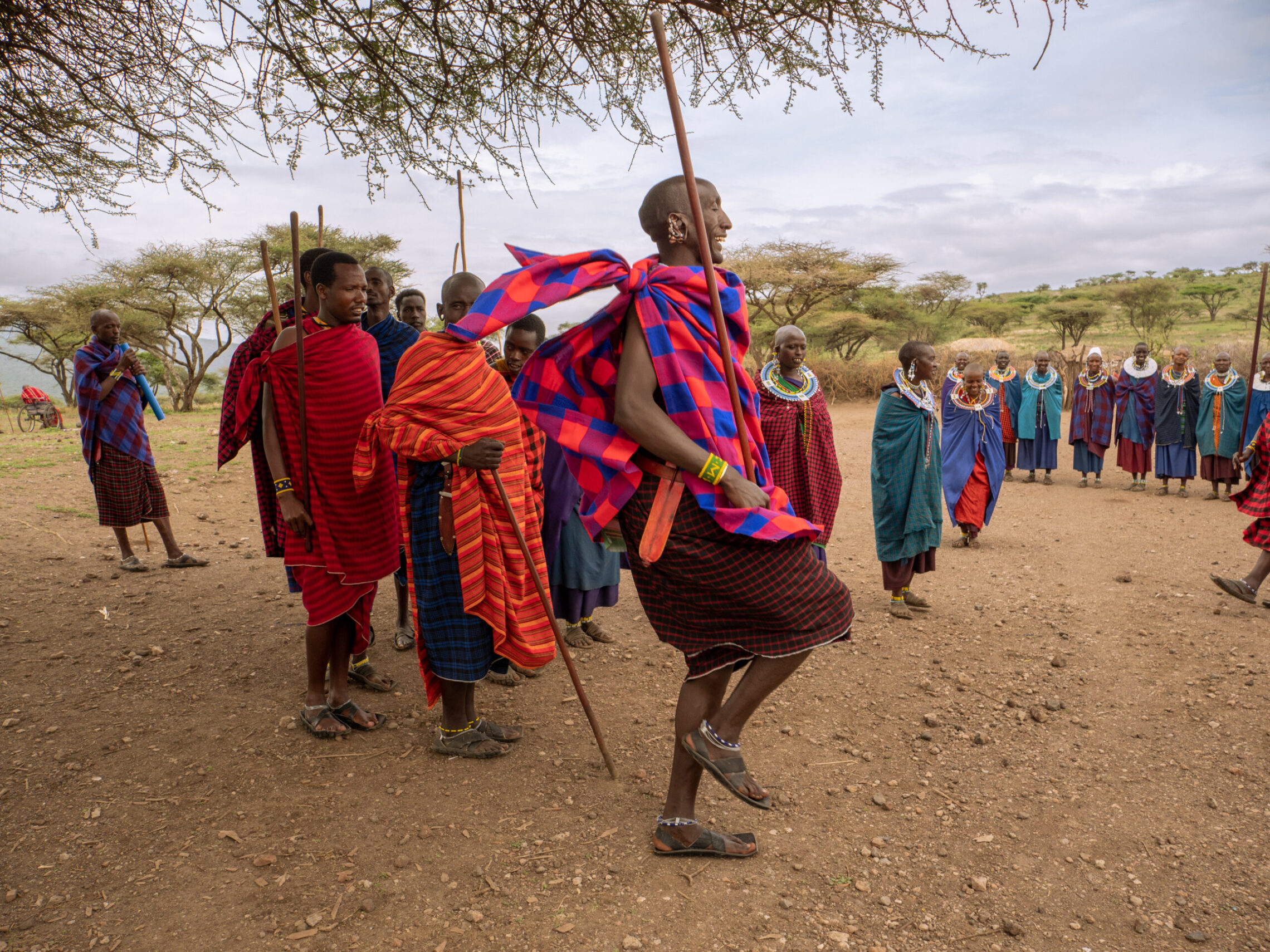
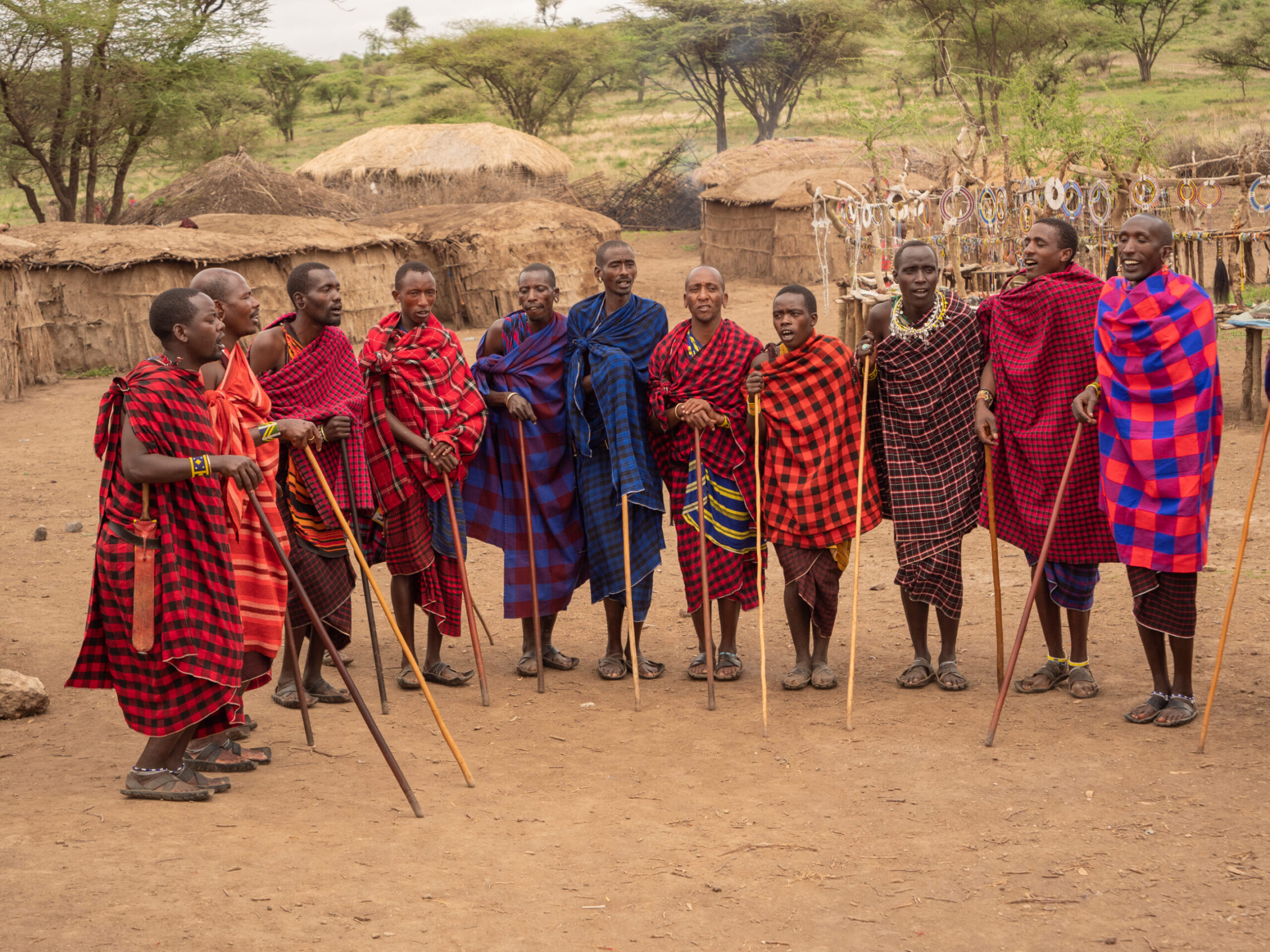
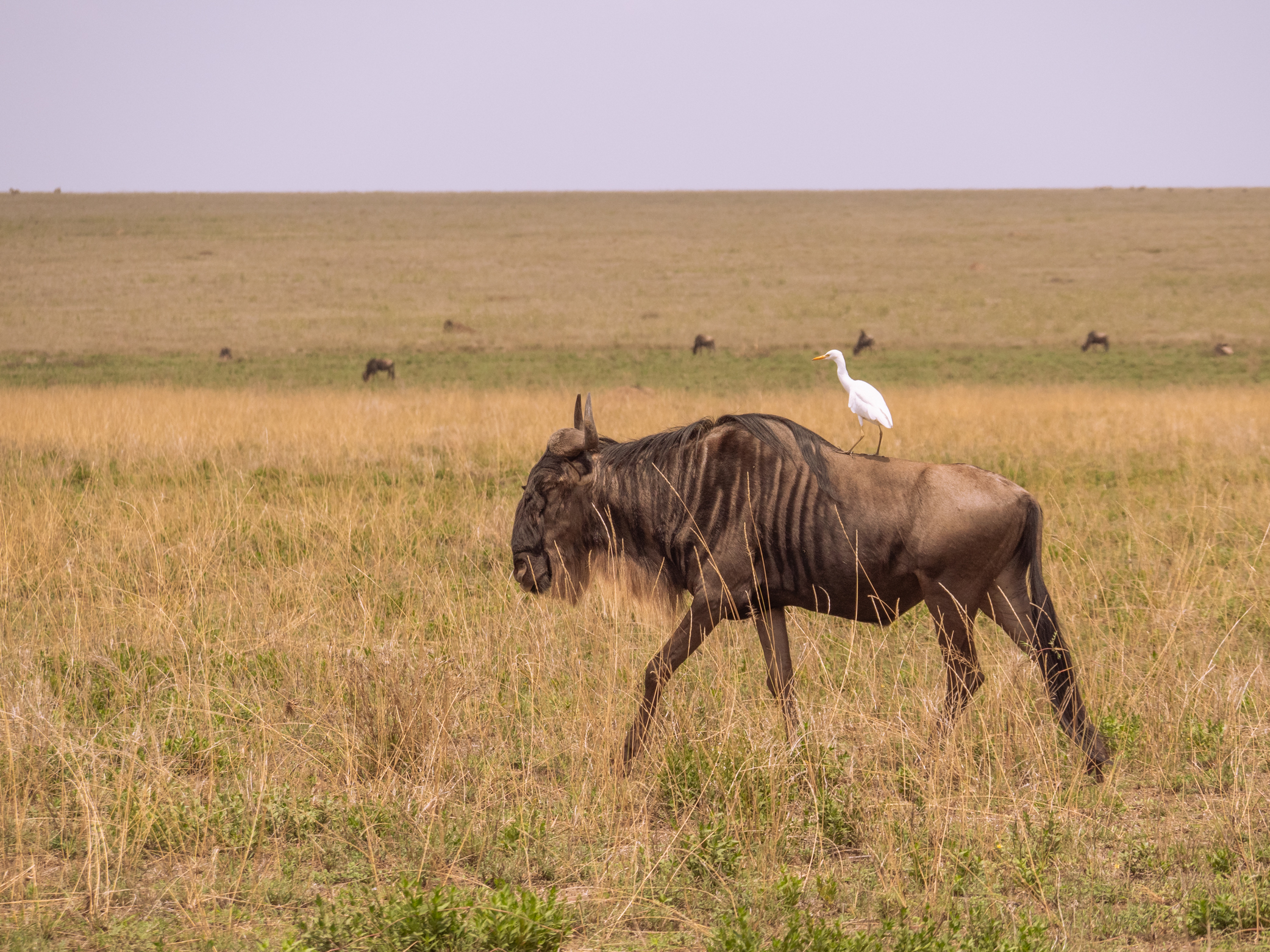
To see the Tanzania photo post, click here. 
To see the Tanzania standard length album version, click here.
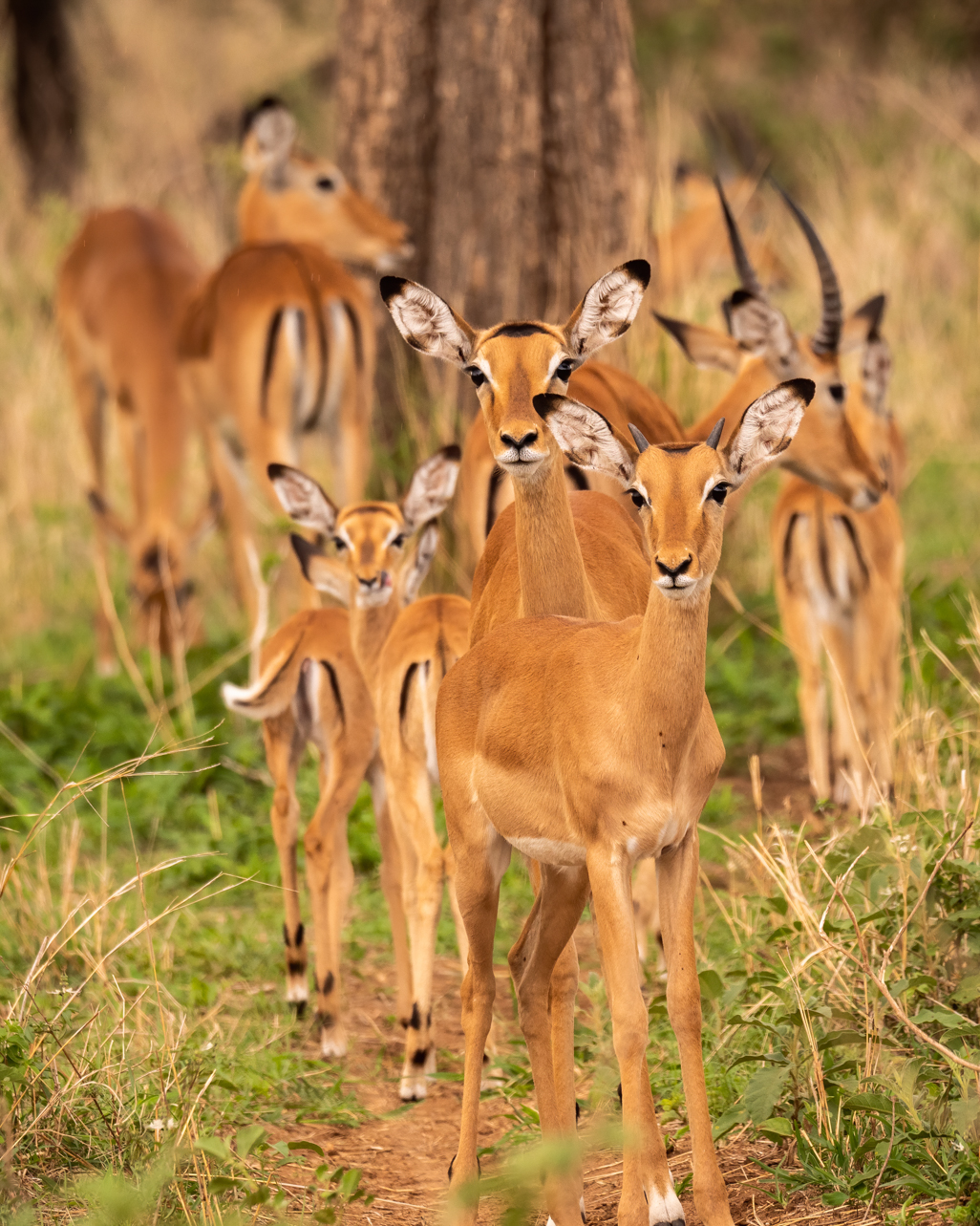
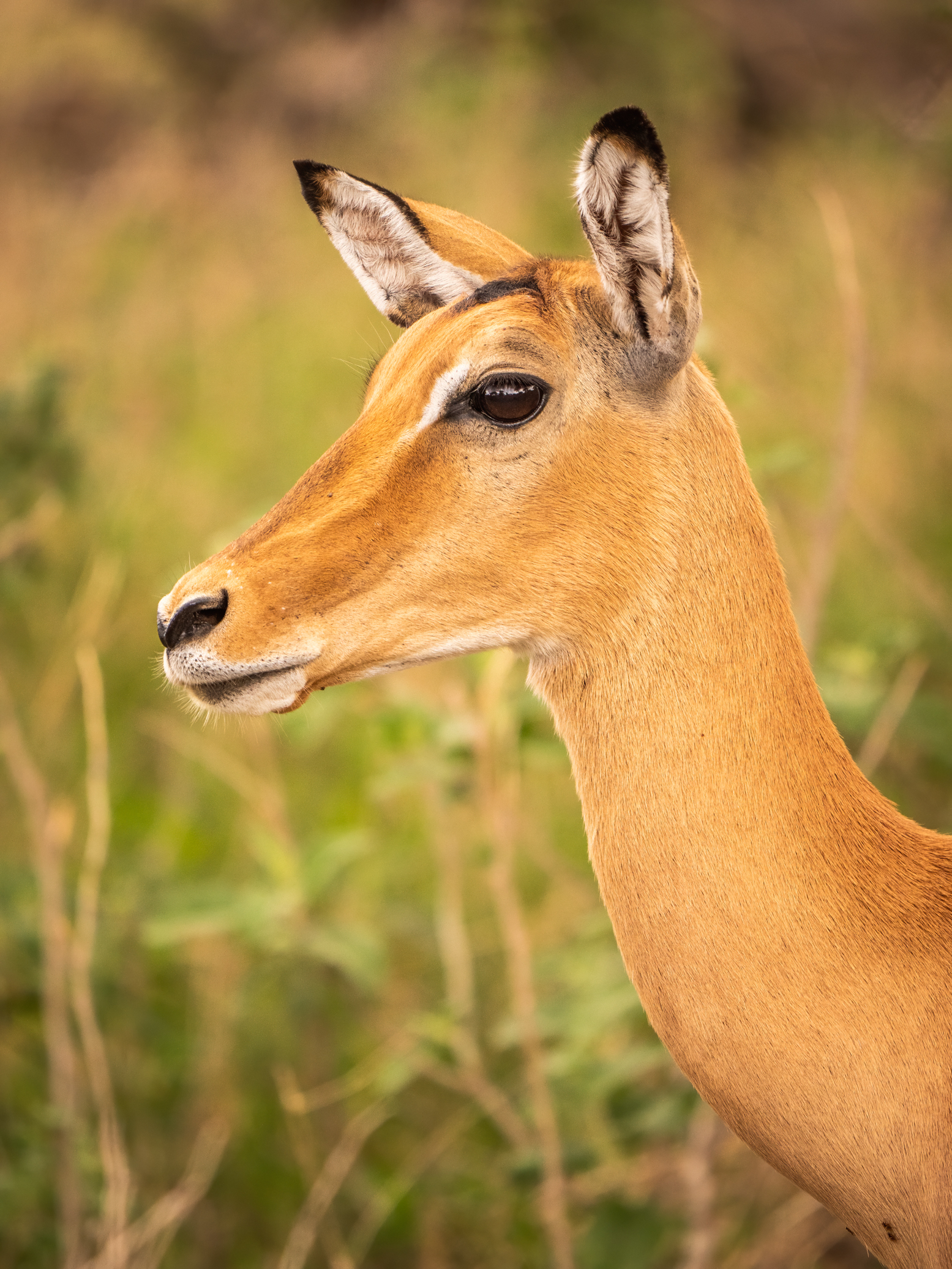
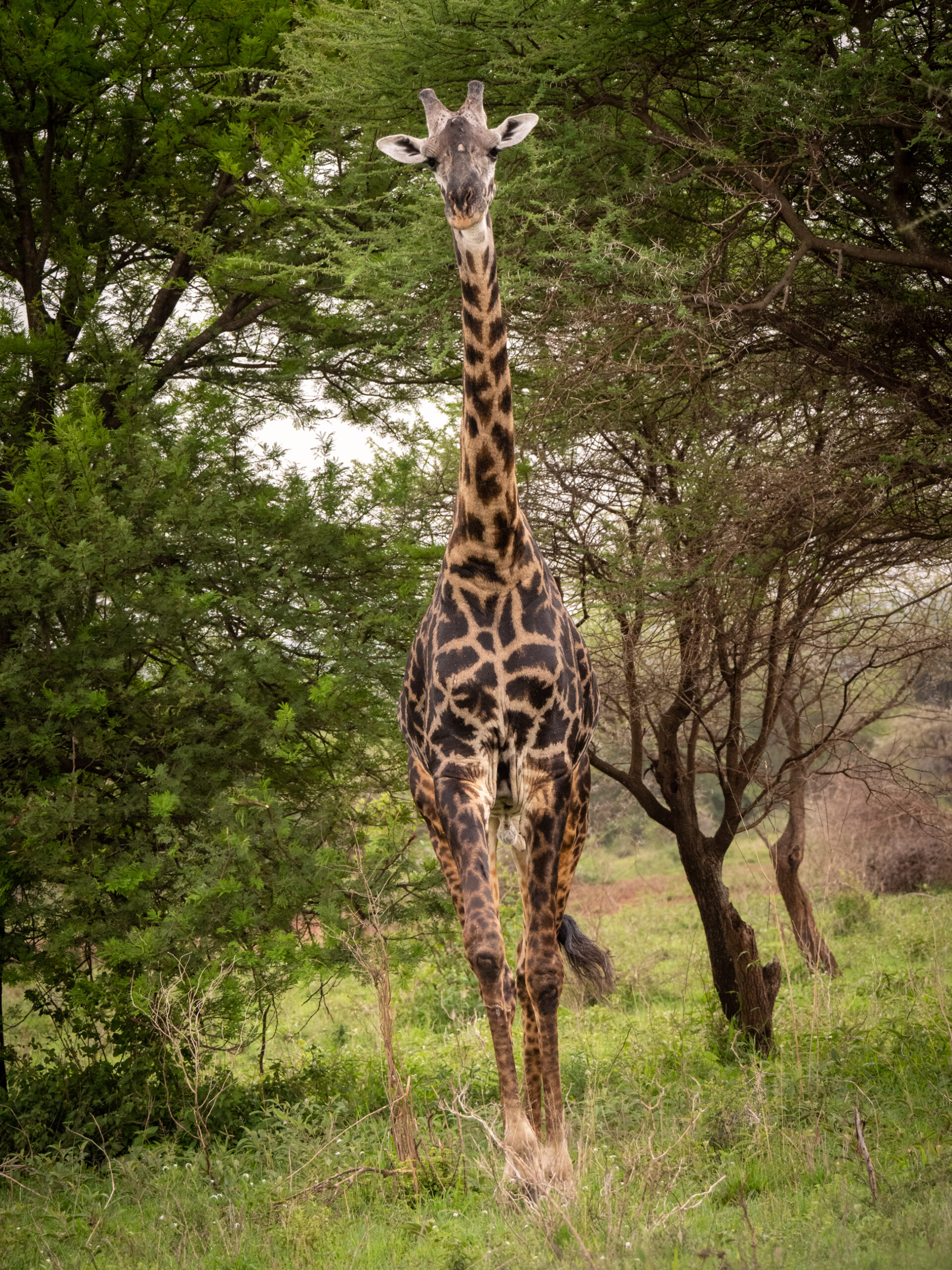
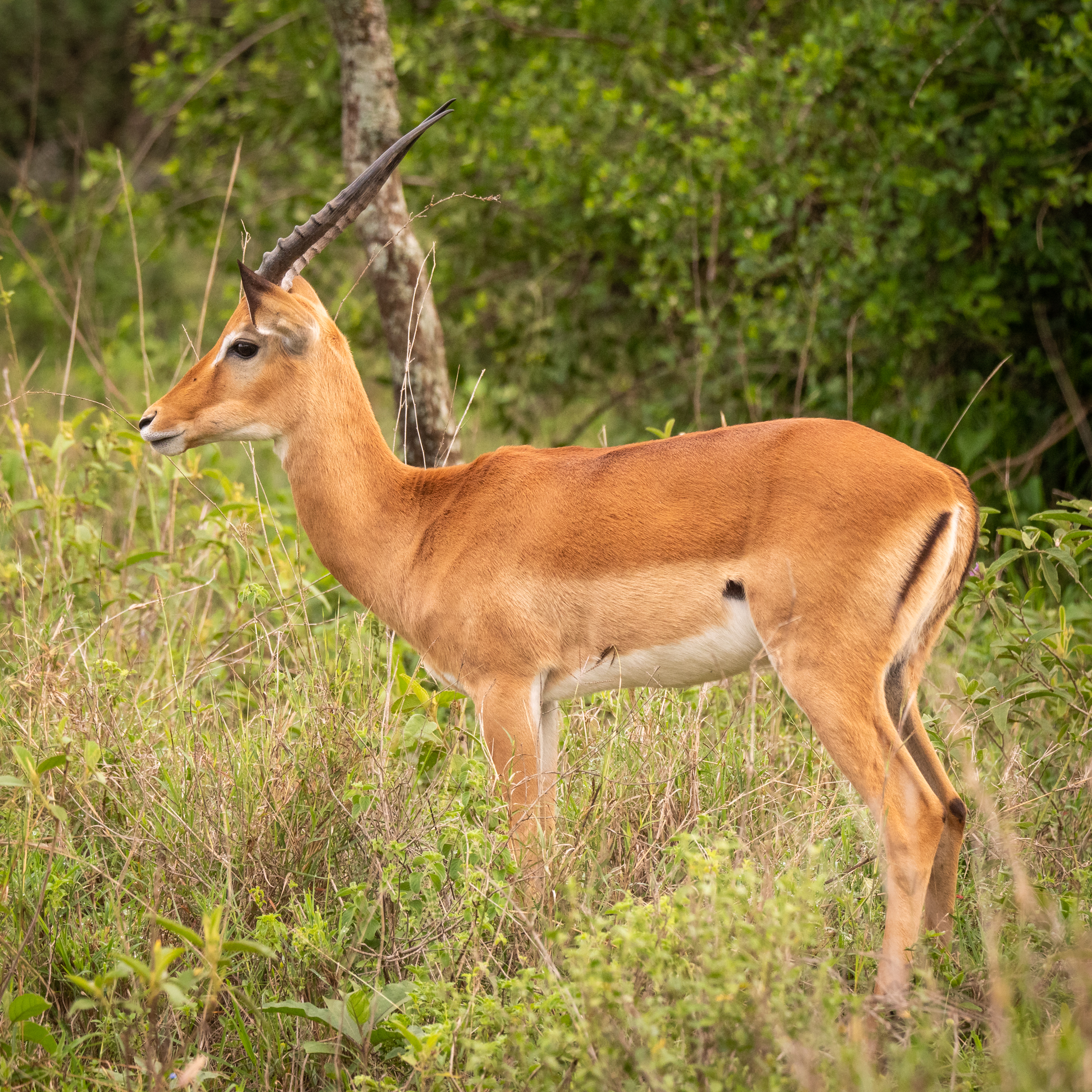
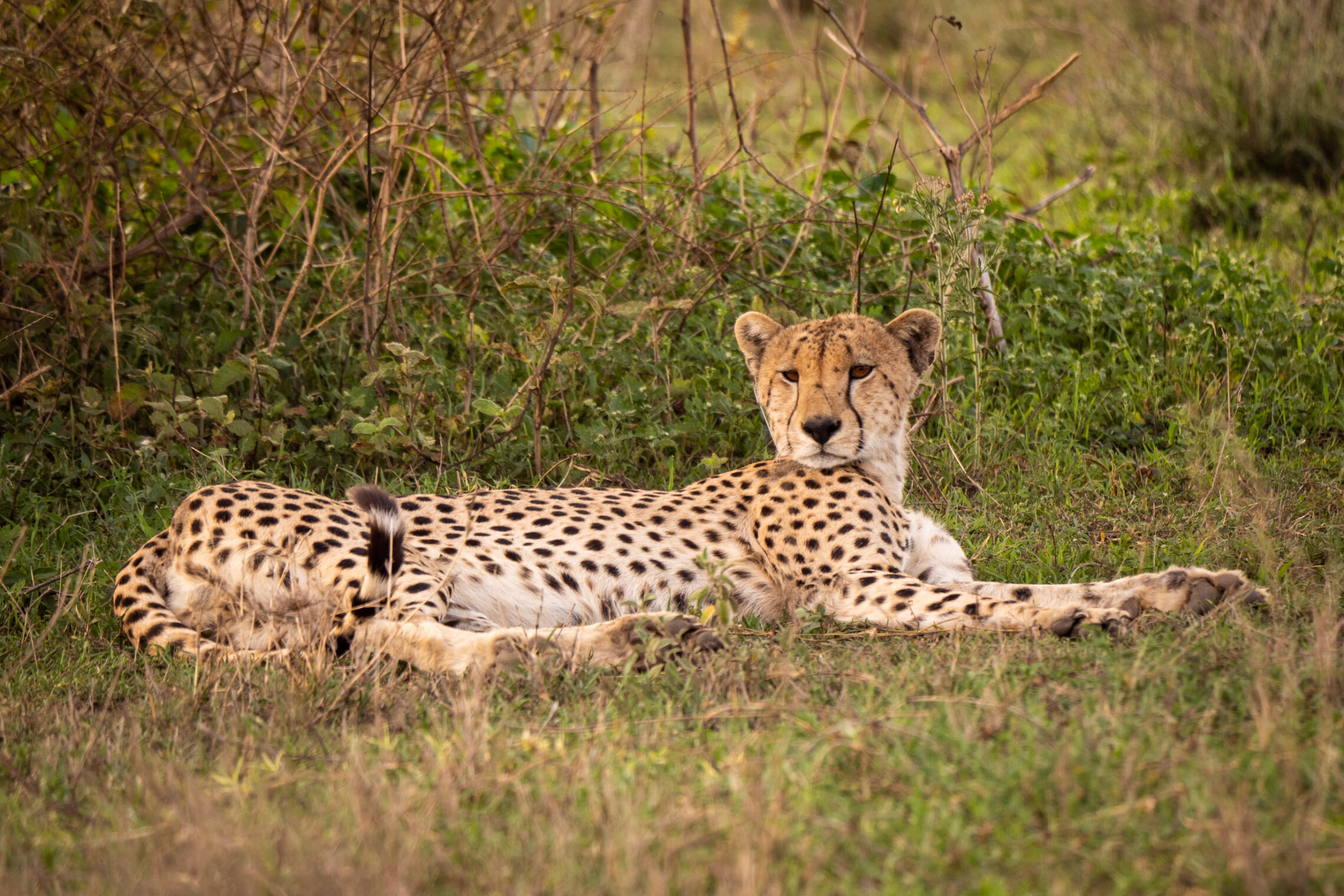
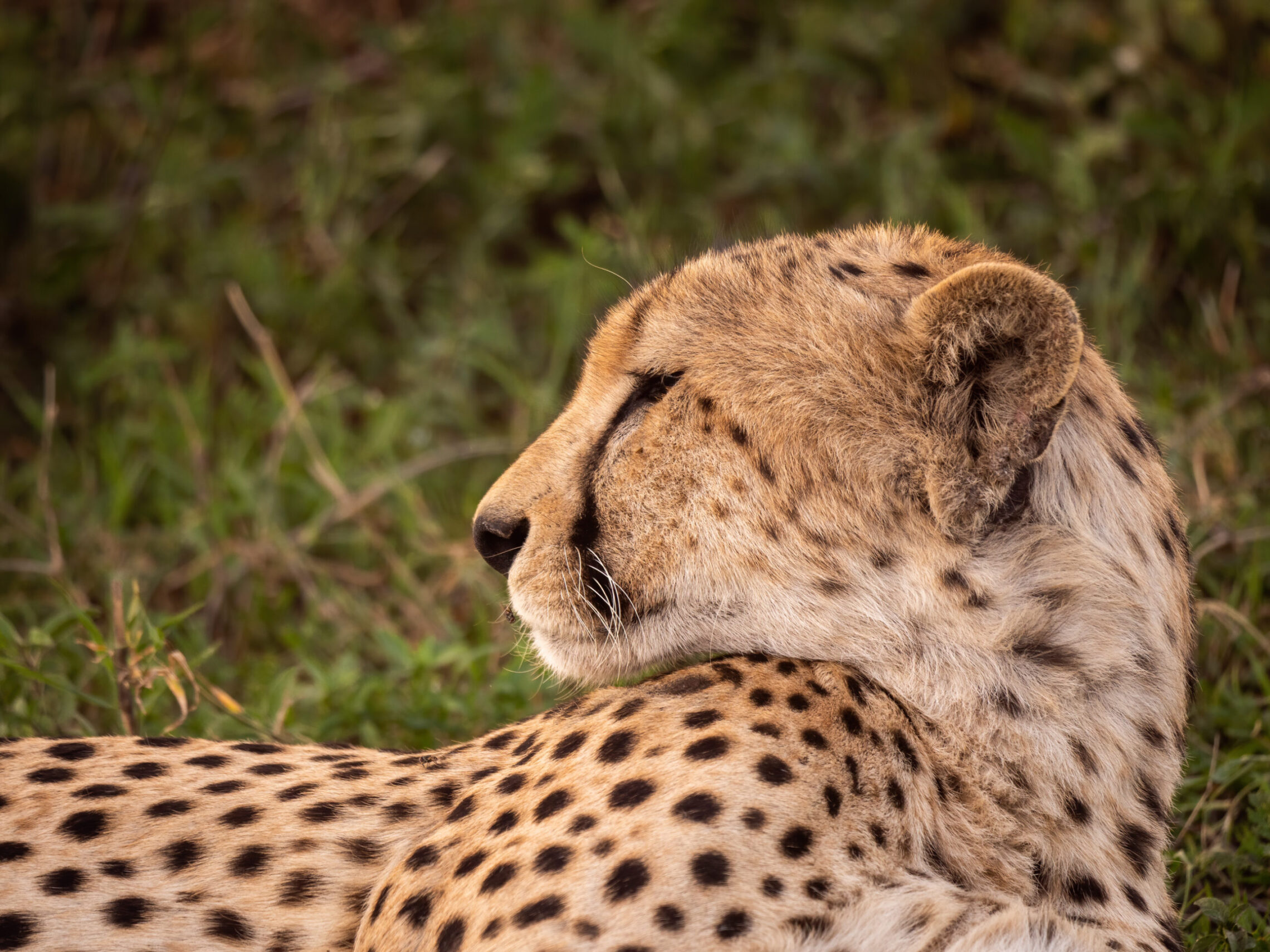
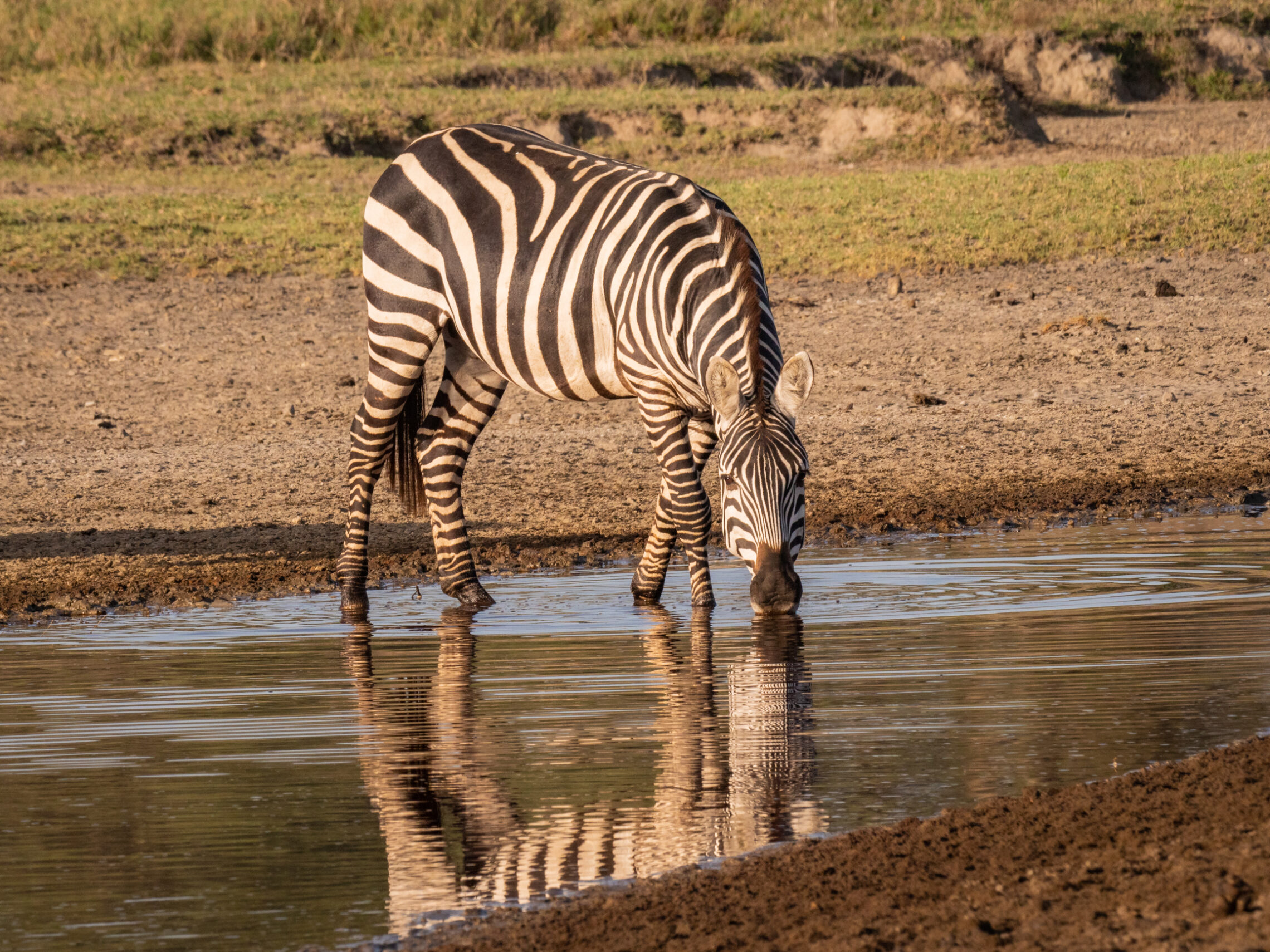
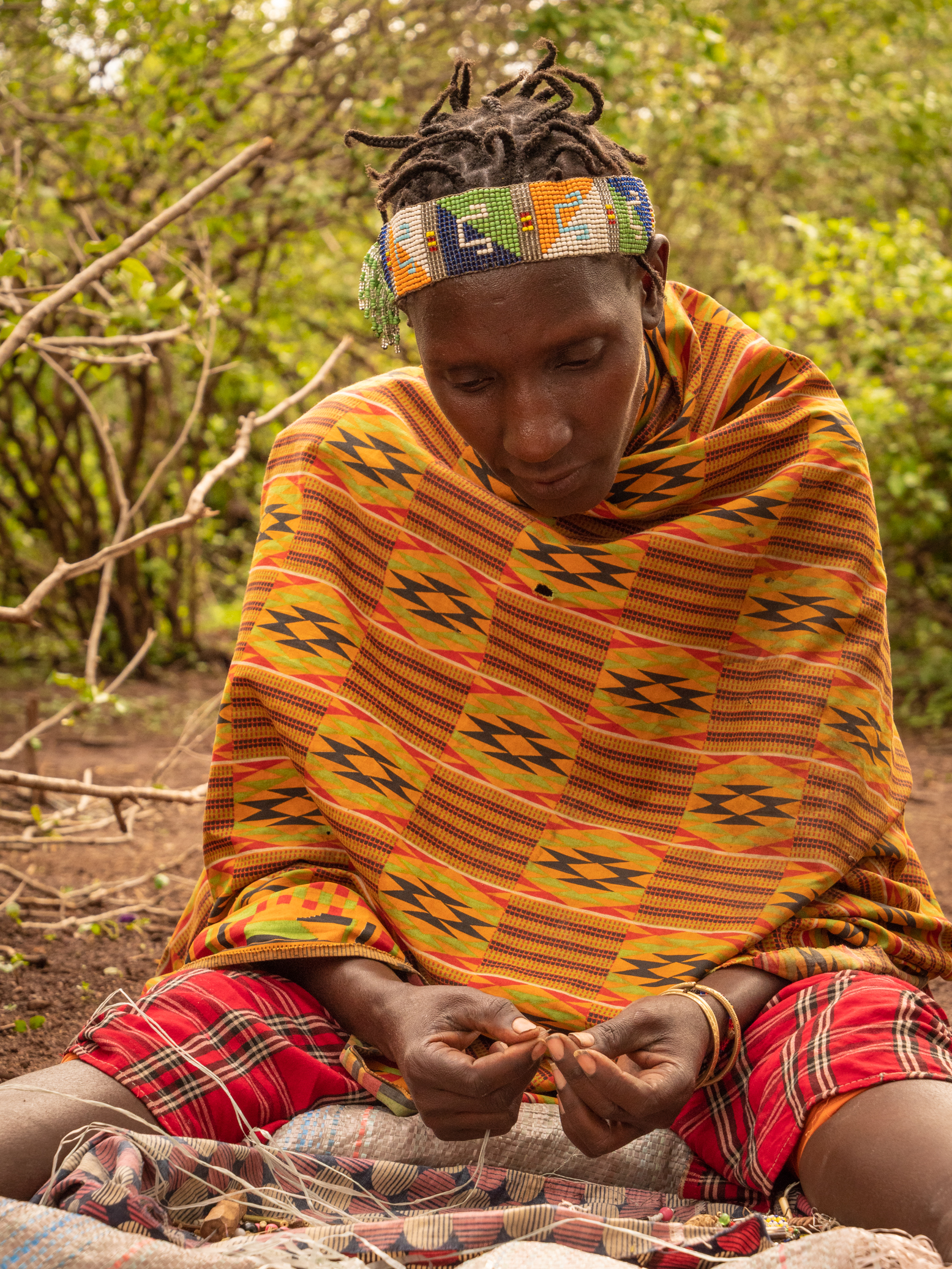
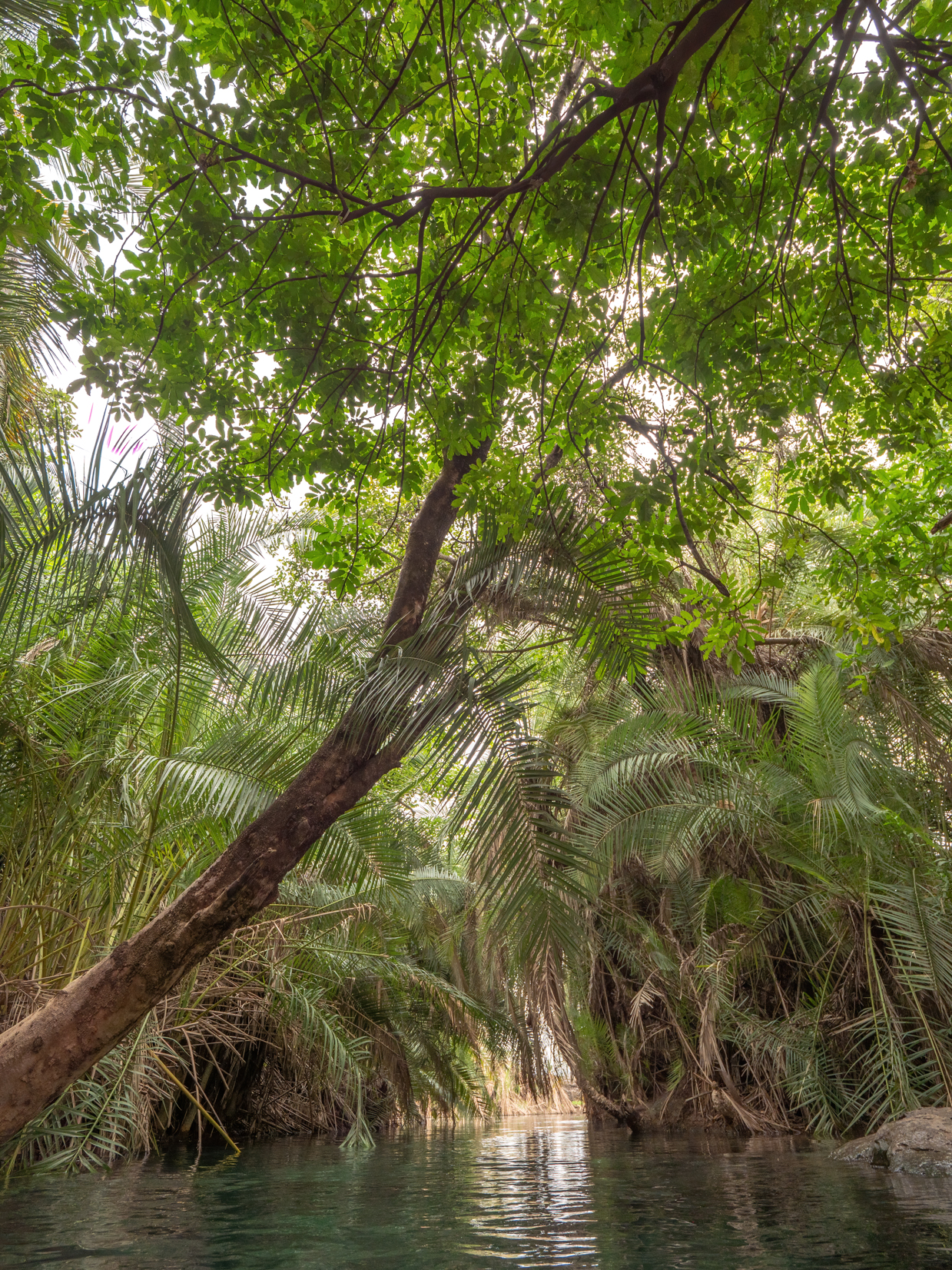
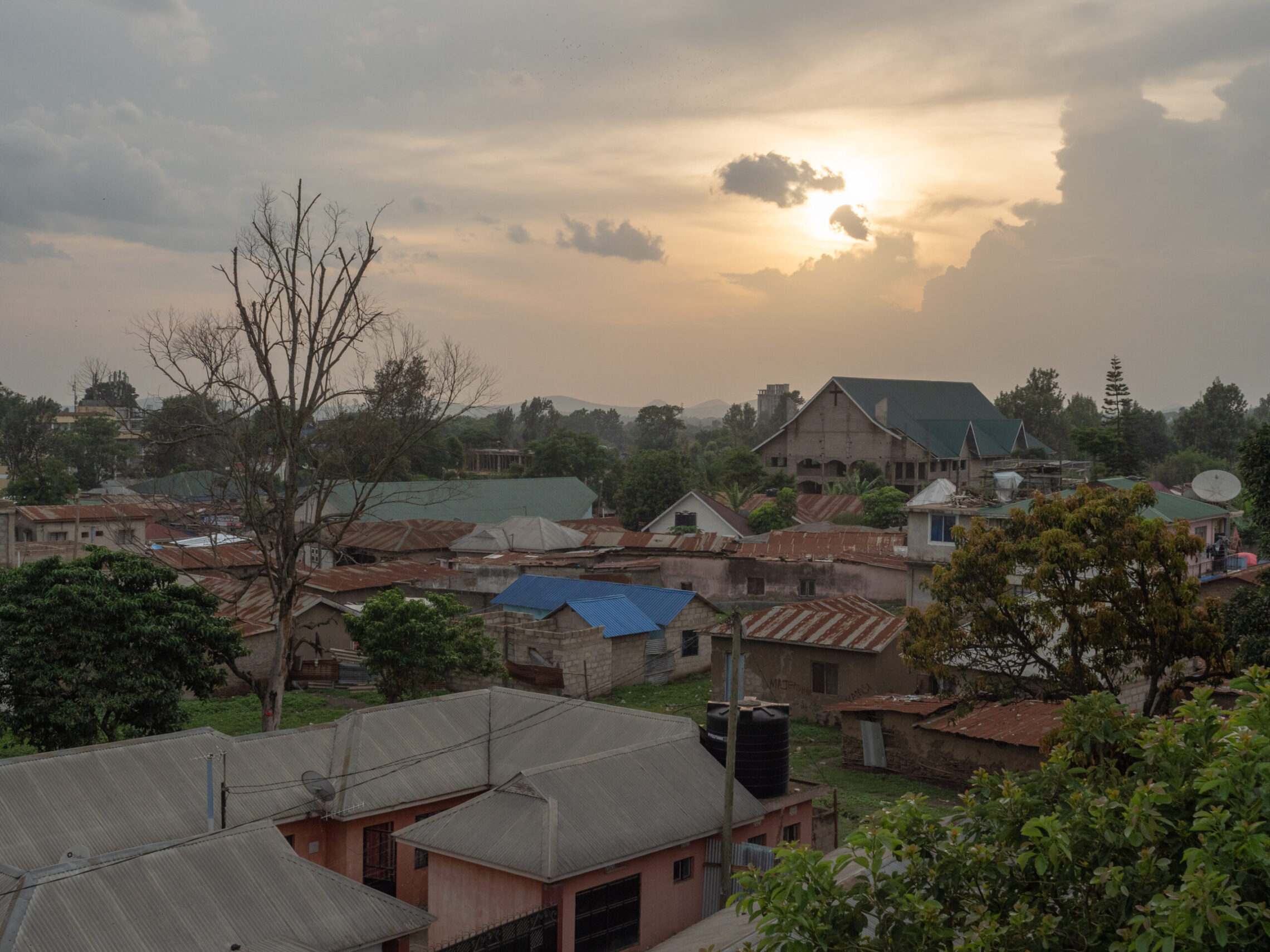
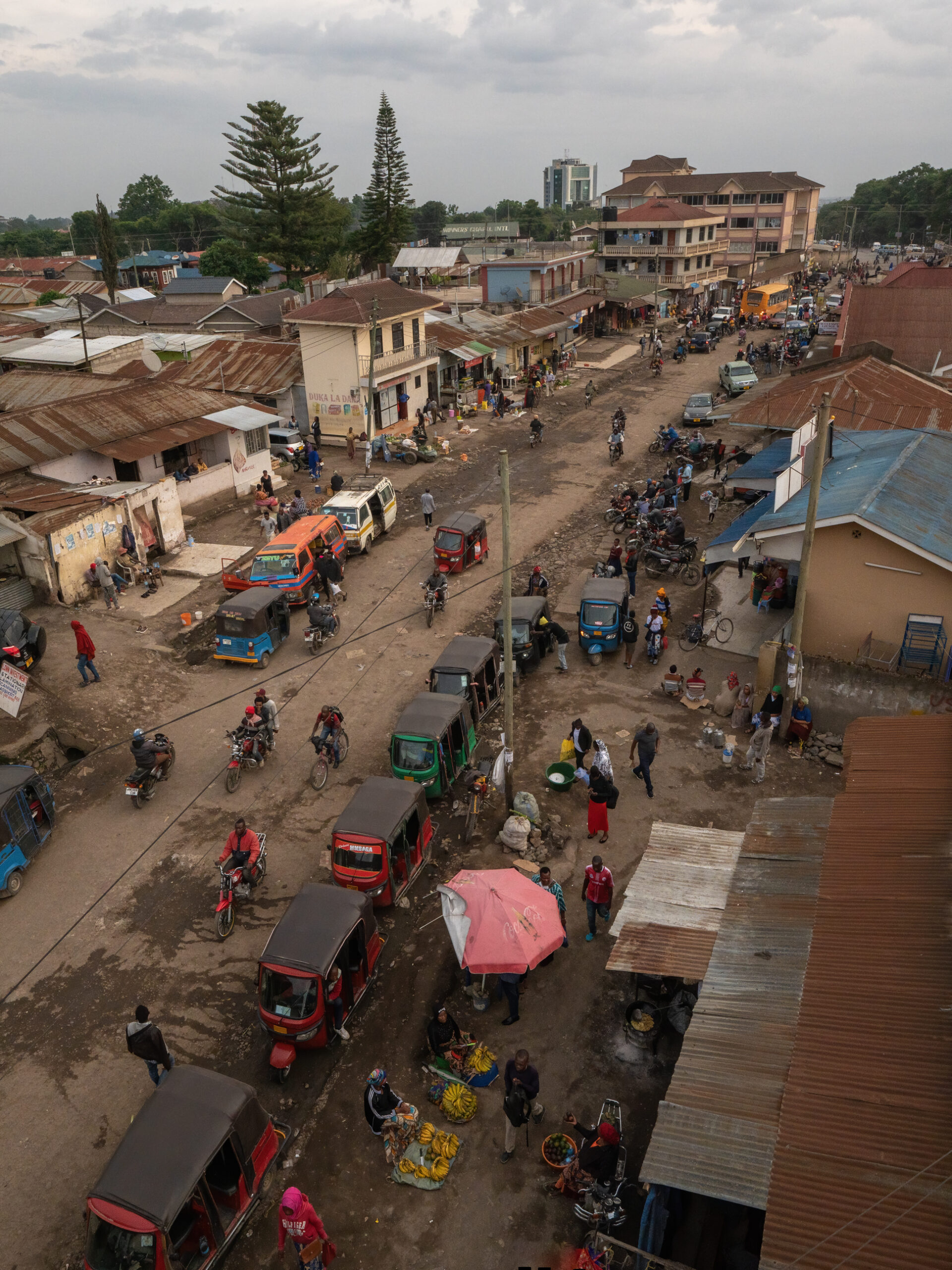
To see the Zanzibar photo post, click here. 
To see the Zanzibar album, click here. 


Instagram

Looking up through the narrow and flowing sandstone walls of Lower Antelope Canyon in Page, Arizona.⁠
⁠
I recently posted a photo I took inside Upper Antelope Canyon on my trip to Page, Arizona. But almost equally as popular and beautiful is the nearby Lower Antelope Canyon. Both are slot canyons, with Upper having more of an A-shaped profile, gradually getting narrower toward the top, while Lower has more of a V-shaped profile, gradually opening up toward the top. One thing is the same, though: both were born from ancient sand dunes that eventually hardened into sandstone before being carved into the canyons we see today.⁠
⁠
The wave-like patterns formed in the sandstone in this photo were primarily sculpted by the very thing they resemble: flowing water. While weathering from wind certainly plays a role in shaping exposed sandstone, flash floods are the major sculpting force inside these narrow canyons. Water forcing its way through the confined passages carries sand, gravel and other debris with it, which act as abrasives, gradually cutting deeper into the sandstone as they pass. This means that the work of art that is Lower Antelope Canyon is not a finished one, but a landscape that continues to change with every significant flood.
•
Follow
Looking up through the narrow and flowing sandstone walls of Lower Antelope Canyon in Page, Arizona.⁠ ⁠ I recently posted a photo I took inside Upper Antelope Canyon on my trip to Page, Arizona. But almost equally as popular and beautiful is the nearby Lower Antelope Canyon. Both are slot canyons, with Upper having more of an A-shaped profile, gradually getting narrower toward the top, while Lower has more of a V-shaped profile, gradually opening up toward the top. One thing is the same, though: both were born from ancient sand dunes that eventually hardened into sandstone before being carved into the canyons we see today.⁠ ⁠ The wave-like patterns formed in the sandstone in this photo were primarily sculpted by the very thing they resemble: flowing water. While weathering from wind certainly plays a role in shaping exposed sandstone, flash floods are the major sculpting force inside these narrow canyons. Water forcing its way through the confined passages carries sand, gravel and other debris with it, which act as abrasives, gradually cutting deeper into the sandstone as they pass. This means that the work of art that is Lower Antelope Canyon is not a finished one, but a landscape that continues to change with every significant flood.
7 days ago
View on Instagram |
1/9
Two large mushroom hoodoos rise from a cross-bedded sandstone base beneath a sky filled with cumulus clouds in northern Arizona.⁠
⁠
What was probably my favorite place to photograph during my brief trip to Page, Arizona, Stud Horse Point is an area that sits on a mesa near the Arizona-Utah border, where a concentration of these unique hoodoo formations can be found.⁠
⁠
Much of the sandstone here is cross-bedded, a feature created when layers of sand were deposited at angles along the slopes of ancient dunes before eventually becoming solid rock. Those layers remain visible today as sweeping bands through the sandstone, preserving evidence of the direction and movement of sediment across this ancient landscape.⁠
⁠
The hoodoos themselves form through differential erosion, where a harder layer of caprock resists weathering better than the softer material beneath it. As the surrounding rock gradually erodes away, the caprock acts somewhat like a stone umbrella, slowing the erosion of the narrower pedestal directly below it and helping preserve the distinctive mushroom-shaped formation.
•
Follow
Two large mushroom hoodoos rise from a cross-bedded sandstone base beneath a sky filled with cumulus clouds in northern Arizona.⁠ ⁠ What was probably my favorite place to photograph during my brief trip to Page, Arizona, Stud Horse Point is an area that sits on a mesa near the Arizona-Utah border, where a concentration of these unique hoodoo formations can be found.⁠ ⁠ Much of the sandstone here is cross-bedded, a feature created when layers of sand were deposited at angles along the slopes of ancient dunes before eventually becoming solid rock. Those layers remain visible today as sweeping bands through the sandstone, preserving evidence of the direction and movement of sediment across this ancient landscape.⁠ ⁠ The hoodoos themselves form through differential erosion, where a harder layer of caprock resists weathering better than the softer material beneath it. As the surrounding rock gradually erodes away, the caprock acts somewhat like a stone umbrella, slowing the erosion of the narrower pedestal directly below it and helping preserve the distinctive mushroom-shaped formation.
1 week ago
View on Instagram |
2/9
A Laughing Gull vigorously shakes the backbone of a fish on the shores of Honeymoon Island State Park, Florida.⁠
⁠
Laughing Gulls are found along the coasts of North, Central and South America, generally sticking close to the water and rarely venturing far inland. They are extremely opportunistic feeders, helping themselves to fish, squid, crabs, snails, insects, berries and just about any other morsel of food that comes their way, including those provided, intentionally or otherwise, by humans.⁠
⁠
Since this Laughing Gull was seen in an area rich in predatory bird life, it is entirely possible that the backbone in its mouth came from a fish it didn’t even catch itself. Opportunistic by nature, Laughing Gulls readily scavenge the remains of meals left behind by other animals. They are certainly capable of catching fish themselves, but they are also more than willing to take advantage of someone else’s catch when given the opportunity.⁠
⁠
Fish are a particularly valuable source of protein and fat, and even a section of backbone like this one can have plenty of edible tissue still attached. To get at those remaining pieces, the gull needs to manipulate and reposition the remains with its bill until it can grab and tear off something edible. In this case, that process involved vigorously shaking the fish backbone around, sending droplets of water flying through the air and creating the moment captured in this photograph.
•
Follow
A Laughing Gull vigorously shakes the backbone of a fish on the shores of Honeymoon Island State Park, Florida.⁠ ⁠ Laughing Gulls are found along the coasts of North, Central and South America, generally sticking close to the water and rarely venturing far inland. They are extremely opportunistic feeders, helping themselves to fish, squid, crabs, snails, insects, berries and just about any other morsel of food that comes their way, including those provided, intentionally or otherwise, by humans.⁠ ⁠ Since this Laughing Gull was seen in an area rich in predatory bird life, it is entirely possible that the backbone in its mouth came from a fish it didn’t even catch itself. Opportunistic by nature, Laughing Gulls readily scavenge the remains of meals left behind by other animals. They are certainly capable of catching fish themselves, but they are also more than willing to take advantage of someone else’s catch when given the opportunity.⁠ ⁠ Fish are a particularly valuable source of protein and fat, and even a section of backbone like this one can have plenty of edible tissue still attached. To get at those remaining pieces, the gull needs to manipulate and reposition the remains with its bill until it can grab and tear off something edible. In this case, that process involved vigorously shaking the fish backbone around, sending droplets of water flying through the air and creating the moment captured in this photograph.
2 weeks ago
View on Instagram |
3/9
The Colorado River makes a U-turn as the sun sets behind Horseshoe Bend at the end of a windy day in Page, Arizona.⁠
⁠
This area of Glen Canyon is where the Colorado River makes its approximately 270-degree turn, creating the aptly named Horseshoe Bend. The rim of the canyon here sits roughly 1,000 feet (305 m) above the river, making the scale of this massive bend difficult to fully capture in a photograph.⁠
⁠
What is likely the most beautiful and well-known location in Page, I knew I wanted to spend at least one evening here capturing the sunset, which would turn out to be more difficult than I expected. I ended up going three nights in a row, with all three having either complete or partial cloud cover. In addition to the clouds, the wind proved to be a bigger opponent to my photography than I anticipated. This overlook is extremely exposed, with almost no vegetation or surrounding terrain to provide shelter, leaving you to experience the full force of the high desert wind when it picks up. As if standing on the edge of a 1,000-foot cliff isn’t nerve-wracking enough, adding strong, sandblasting gusts on top of it only adds to the excitement.
•
Follow
The Colorado River makes a U-turn as the sun sets behind Horseshoe Bend at the end of a windy day in Page, Arizona.⁠ ⁠ This area of Glen Canyon is where the Colorado River makes its approximately 270-degree turn, creating the aptly named Horseshoe Bend. The rim of the canyon here sits roughly 1,000 feet (305 m) above the river, making the scale of this massive bend difficult to fully capture in a photograph.⁠ ⁠ What is likely the most beautiful and well-known location in Page, I knew I wanted to spend at least one evening here capturing the sunset, which would turn out to be more difficult than I expected. I ended up going three nights in a row, with all three having either complete or partial cloud cover. In addition to the clouds, the wind proved to be a bigger opponent to my photography than I anticipated. This overlook is extremely exposed, with almost no vegetation or surrounding terrain to provide shelter, leaving you to experience the full force of the high desert wind when it picks up. As if standing on the edge of a 1,000-foot cliff isn’t nerve-wracking enough, adding strong, sandblasting gusts on top of it only adds to the excitement.
2 weeks ago
View on Instagram |
4/9
A Canyon Wren pauses very briefly between scurrying across the vertical walls of Havasu Canyon, probing its crevices for insects, in Arizona.⁠
⁠
Being named a Canyon Wren, one would expect to find these birds exactly where I did: inside of a canyon. Found across much of southwestern North America, Canyon Wrens thrive in arid, rocky environments such as canyons, cliffs, large rock piles and talus slopes. They don’t just prefer these types of ecosystems; they’re built for them. Their short, powerful legs, long hind toes and sharp claws help them grip vertical rock surfaces, enabling them to climb canyon walls while moving sideways and diagonally along cracks with ease. Additionally, their long, curved bills are essentially rock-crevice probing tools, allowing them to extract insects from cracks and crevices as they travel across the rock face.⁠
⁠
Which is exactly what was happening when I noticed these Canyon Wrens that morning. I was filling up my water bottle at Fern Spring inside Havasu Canyon when I spotted a group of wrens quickly moving across the steep cliff just above the spring, probing cracks as they went. Thankfully, my campsite was only about 50 feet away, so I was able to head back and grab my camera, managing to capture this shot during one of the brief moments when a bird remained still.
•
Follow
A Canyon Wren pauses very briefly between scurrying across the vertical walls of Havasu Canyon, probing its crevices for insects, in Arizona.⁠ ⁠ Being named a Canyon Wren, one would expect to find these birds exactly where I did: inside of a canyon. Found across much of southwestern North America, Canyon Wrens thrive in arid, rocky environments such as canyons, cliffs, large rock piles and talus slopes. They don’t just prefer these types of ecosystems; they’re built for them. Their short, powerful legs, long hind toes and sharp claws help them grip vertical rock surfaces, enabling them to climb canyon walls while moving sideways and diagonally along cracks with ease. Additionally, their long, curved bills are essentially rock-crevice probing tools, allowing them to extract insects from cracks and crevices as they travel across the rock face.⁠ ⁠ Which is exactly what was happening when I noticed these Canyon Wrens that morning. I was filling up my water bottle at Fern Spring inside Havasu Canyon when I spotted a group of wrens quickly moving across the steep cliff just above the spring, probing cracks as they went. Thankfully, my campsite was only about 50 feet away, so I was able to head back and grab my camera, managing to capture this shot during one of the brief moments when a bird remained still.
2 weeks ago
View on Instagram |
5/9
A female Siberian Stonechat perched on a shrub, surveying the grasslands of Kanha National Park, India.⁠
⁠
Siberian Stonechats are not year-round residents in India; they are winter migrants, flying south from breeding grounds across temperate Asia and Siberia. They favor open habitats such as grasslands and scrub, both of which are abundant throughout Kanha National Park.⁠
⁠
The great distances they are able to cover during their migrations are quite remarkable, especially considering their small size. Siberian Stonechats are only about 5 inches (13 cm) long and weigh, on average, just 1/2 an ounce (15 g). Despite this, some travel upwards of 3,000 miles between wintering grounds in India and breeding grounds as far north as Siberia and Mongolia. That is almost half the distance I flew just to get here, making their journey especially impressive given their size.
•
Follow
A female Siberian Stonechat perched on a shrub, surveying the grasslands of Kanha National Park, India.⁠ ⁠ Siberian Stonechats are not year-round residents in India; they are winter migrants, flying south from breeding grounds across temperate Asia and Siberia. They favor open habitats such as grasslands and scrub, both of which are abundant throughout Kanha National Park.⁠ ⁠ The great distances they are able to cover during their migrations are quite remarkable, especially considering their small size. Siberian Stonechats are only about 5 inches (13 cm) long and weigh, on average, just 1/2 an ounce (15 g). Despite this, some travel upwards of 3,000 miles between wintering grounds in India and breeding grounds as far north as Siberia and Mongolia. That is almost half the distance I flew just to get here, making their journey especially impressive given their size.
3 weeks ago
View on Instagram |
6/9
The rising sun crests over the edge of a wave-sculpted sandstone bowl early in the morning near Page, Arizona.⁠
⁠
On a recent trip to Page, Arizona, I wanted to make sure I took advantage of as many photographic locations as this region had to offer, which is quite a few. Most prominently known for Horseshoe Bend and Antelope Canyon, the sandstone wonders don’t stop there. As I was searching for other spots to photograph before embarking on this trip, something referred to as “The New Wave” caught my attention. I have always wanted to visit the actual Wave, about two hours farther west from Page, so surely the New Wave would be something worth visiting.⁠
⁠
Located along the Beehive Trail in Glen Canyon National Recreation Area, finding the actual New Wave proved to be fairly difficult. After about an hour of climbing around the sandstone mounds and bowls in this area, I finally arrived at the New Wave, which, coincidentally, is not where I took this photograph. This was the afternoon before I captured this image, and I was looking for a specific area where I could photograph the rising sun. The New Wave did not provide an appealing way of achieving this, so I continued scouting, eventually finding this particular wavy bowl about 500 feet away, sporting a pretty similar aesthetic.⁠
⁠
I made note of the spot and ventured back the following morning, about an hour before sunrise. I picked my composition and waited for the sun to pass over the top of the sandstone walls, illuminating the rock face with its warm glow and signaling the start of a new day.
•
Follow
The rising sun crests over the edge of a wave-sculpted sandstone bowl early in the morning near Page, Arizona.⁠ ⁠ On a recent trip to Page, Arizona, I wanted to make sure I took advantage of as many photographic locations as this region had to offer, which is quite a few. Most prominently known for Horseshoe Bend and Antelope Canyon, the sandstone wonders don’t stop there. As I was searching for other spots to photograph before embarking on this trip, something referred to as “The New Wave” caught my attention. I have always wanted to visit the actual Wave, about two hours farther west from Page, so surely the New Wave would be something worth visiting.⁠ ⁠ Located along the Beehive Trail in Glen Canyon National Recreation Area, finding the actual New Wave proved to be fairly difficult. After about an hour of climbing around the sandstone mounds and bowls in this area, I finally arrived at the New Wave, which, coincidentally, is not where I took this photograph. This was the afternoon before I captured this image, and I was looking for a specific area where I could photograph the rising sun. The New Wave did not provide an appealing way of achieving this, so I continued scouting, eventually finding this particular wavy bowl about 500 feet away, sporting a pretty similar aesthetic.⁠ ⁠ I made note of the spot and ventured back the following morning, about an hour before sunrise. I picked my composition and waited for the sun to pass over the top of the sandstone walls, illuminating the rock face with its warm glow and signaling the start of a new day.
3 weeks ago
View on Instagram |
7/9
The Chicago skyline starts to glow as day turns to night, as seen from Northerly Island Park.⁠
⁠
I posted a photo from this exact area about two months ago, taken roughly 15 minutes before this one and only about 50 feet away. Chicago has one of the most beautiful skylines in the world, and there is no shortage of picturesque vantage points from which to appreciate it. What makes the view from Northerly Island Park unique is the combination of the natural elements found throughout this 100-acre park with the urban skyline rising behind them.⁠
⁠
The stillness of the 5-acre lagoon in the middle of the park created a perfect opportunity to reflect the last colors of daylight as the lights of the Chicago skyline began to come to life.
•
Follow
The Chicago skyline starts to glow as day turns to night, as seen from Northerly Island Park.⁠ ⁠ I posted a photo from this exact area about two months ago, taken roughly 15 minutes before this one and only about 50 feet away. Chicago has one of the most beautiful skylines in the world, and there is no shortage of picturesque vantage points from which to appreciate it. What makes the view from Northerly Island Park unique is the combination of the natural elements found throughout this 100-acre park with the urban skyline rising behind them.⁠ ⁠ The stillness of the 5-acre lagoon in the middle of the park created a perfect opportunity to reflect the last colors of daylight as the lights of the Chicago skyline began to come to life.

3 weeks ago
View on Instagram |
8/9
A desert bighorn sheep emerges from the lush Arizona wild grape vines blanketing this section of Havasu Canyon.⁠
⁠
When I think of desert bighorn sheep, the environmental visuals that come to mind are them navigating a dry sandstone landscape surrounded by various desert scrub and cacti. Which is why the lush, oasis-like environment found inside Havasu Canyon felt a bit out of place to see them casually passing through.⁠
⁠
Havasu Canyon is supplied by a huge groundwater system beneath the Coconino Plateau, where water eventually emerges through springs and provides Havasu Creek with a reliable, year-round flow. In an otherwise arid section of Arizona, this abundance of water allows portions of the canyon floor to feel almost tropical.⁠
⁠
This reliable source of water creates a riparian corridor, an area of lush vegetation found alongside bodies of freshwater, in this instance, Havasu Creek. These conditions make the canyon particularly well suited for moisture-loving plants such as Arizona wild grape to thrive, while also providing desert bighorn sheep with reliable water, shade and abundant vegetation.
•
Follow
A desert bighorn sheep emerges from the lush Arizona wild grape vines blanketing this section of Havasu Canyon.⁠ ⁠ When I think of desert bighorn sheep, the environmental visuals that come to mind are them navigating a dry sandstone landscape surrounded by various desert scrub and cacti. Which is why the lush, oasis-like environment found inside Havasu Canyon felt a bit out of place to see them casually passing through.⁠ ⁠ Havasu Canyon is supplied by a huge groundwater system beneath the Coconino Plateau, where water eventually emerges through springs and provides Havasu Creek with a reliable, year-round flow. In an otherwise arid section of Arizona, this abundance of water allows portions of the canyon floor to feel almost tropical.⁠ ⁠ This reliable source of water creates a riparian corridor, an area of lush vegetation found alongside bodies of freshwater, in this instance, Havasu Creek. These conditions make the canyon particularly well suited for moisture-loving plants such as Arizona wild grape to thrive, while also providing desert bighorn sheep with reliable water, shade and abundant vegetation.
1 month ago
View on Instagram |
9/9
View on Instagram

Evan

All types of photography, with an emphasis on wildlife and landscape.

Follow me

  • instagram
  • reddit
  • mail
  • facebook
  • youtube
  • x
  • tiktok
  • pinterest

Categories

  • Animals (10)
  • Birds (6)
  • City (3)
  • Culture (2)
  • Hiking (9)
  • Landscape (14)
  • Nature (14)
  • People (2)
  • Travel (16)

Copyright © 2023 Evan T Photography

Designed by WPZOOM