Evan T Photography

Different types of photography, with short and longform photo album stories.

Follow me

  • instagram
  • reddit
  • mail
  • facebook
  • youtube
  • x
  • tiktok
  • pinterest
  • Home
  • Photo Posts
  • Photo Albums
  • Gallery
  • About
  • Contact
  • Shop
  • 0 items – $0.00
  • Home
  • Photo Posts
  • Photo Albums
  • Gallery
  • About
  • Contact
  • Shop
  • 0 items – $0.00

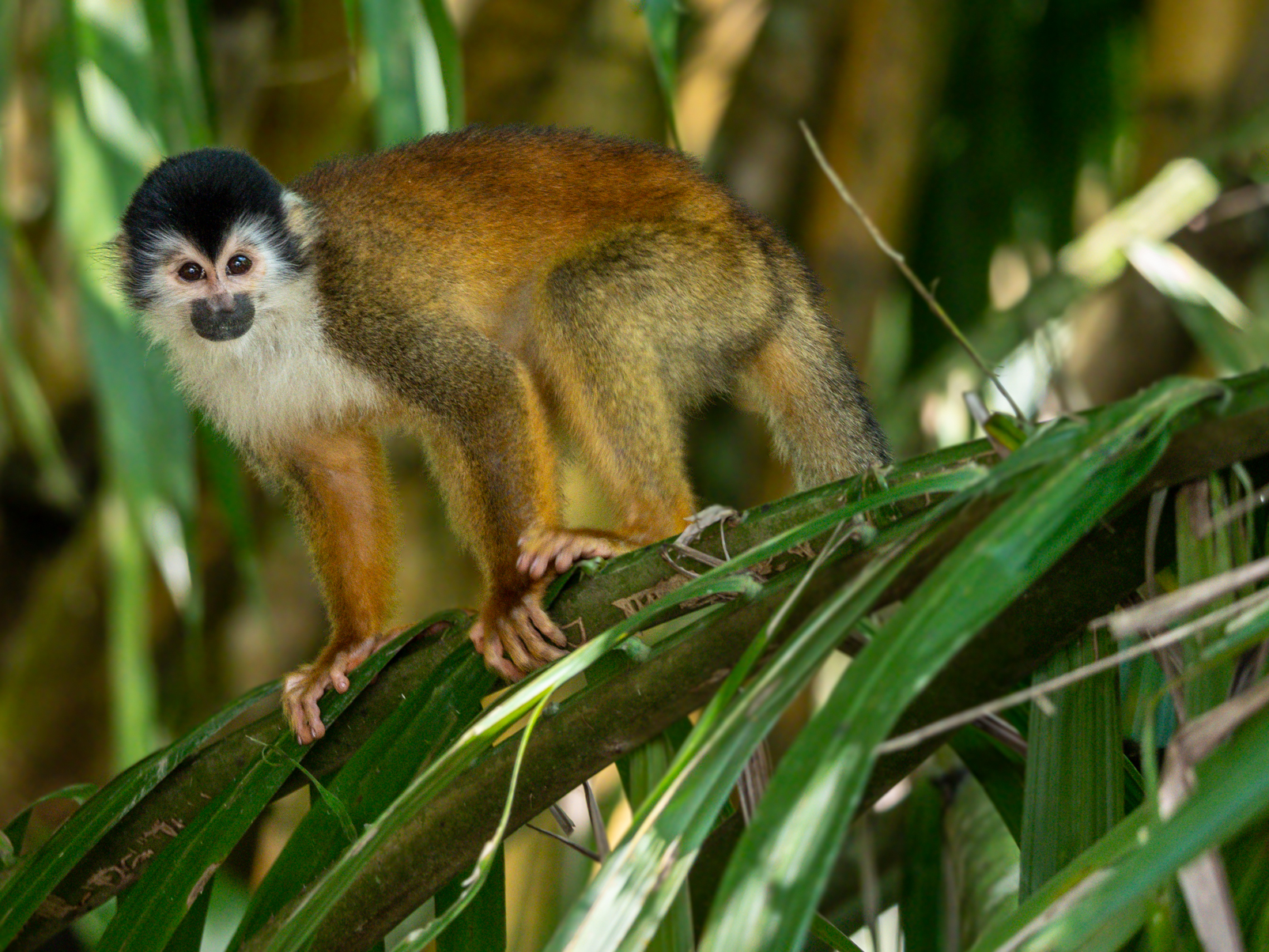
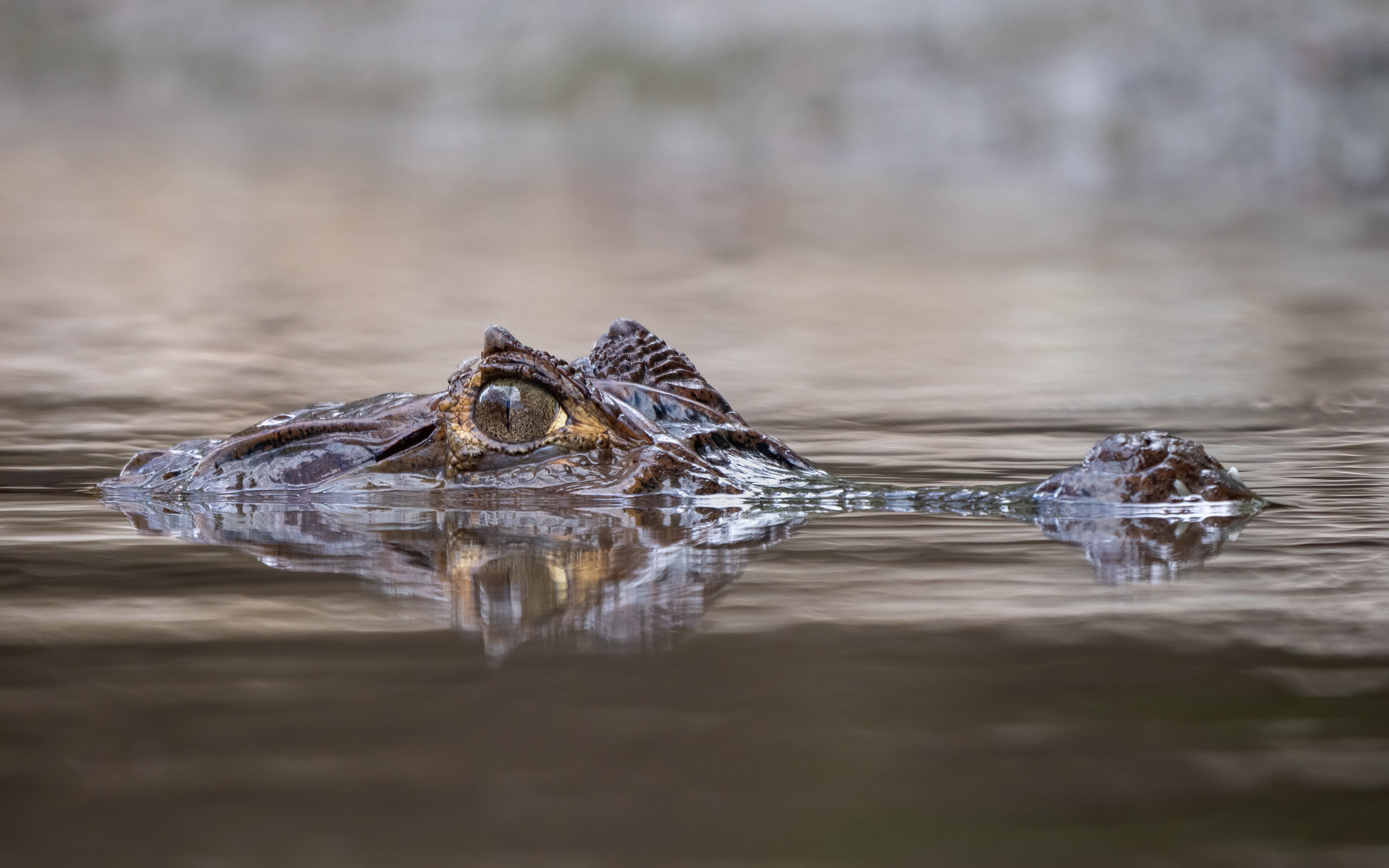
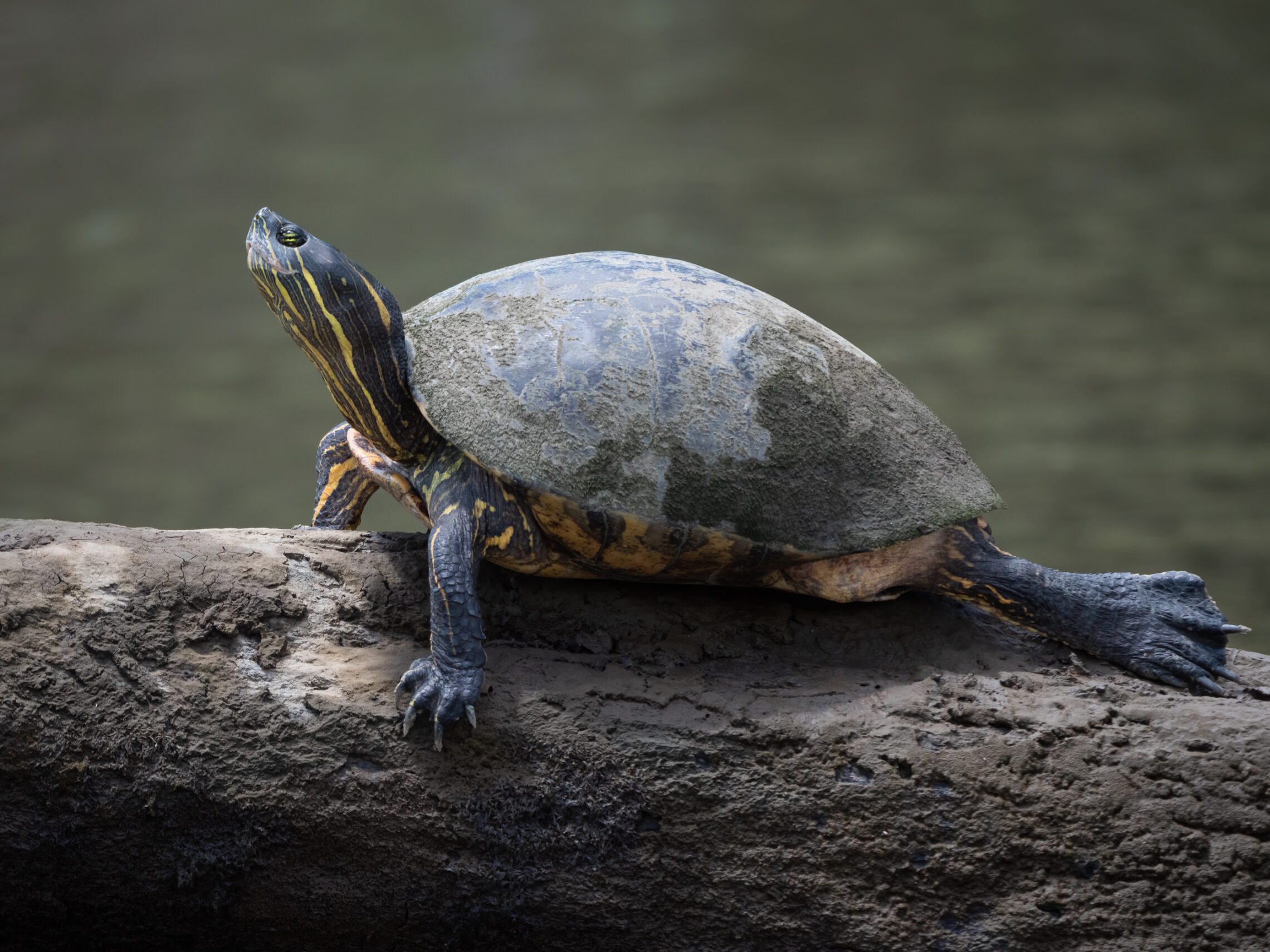
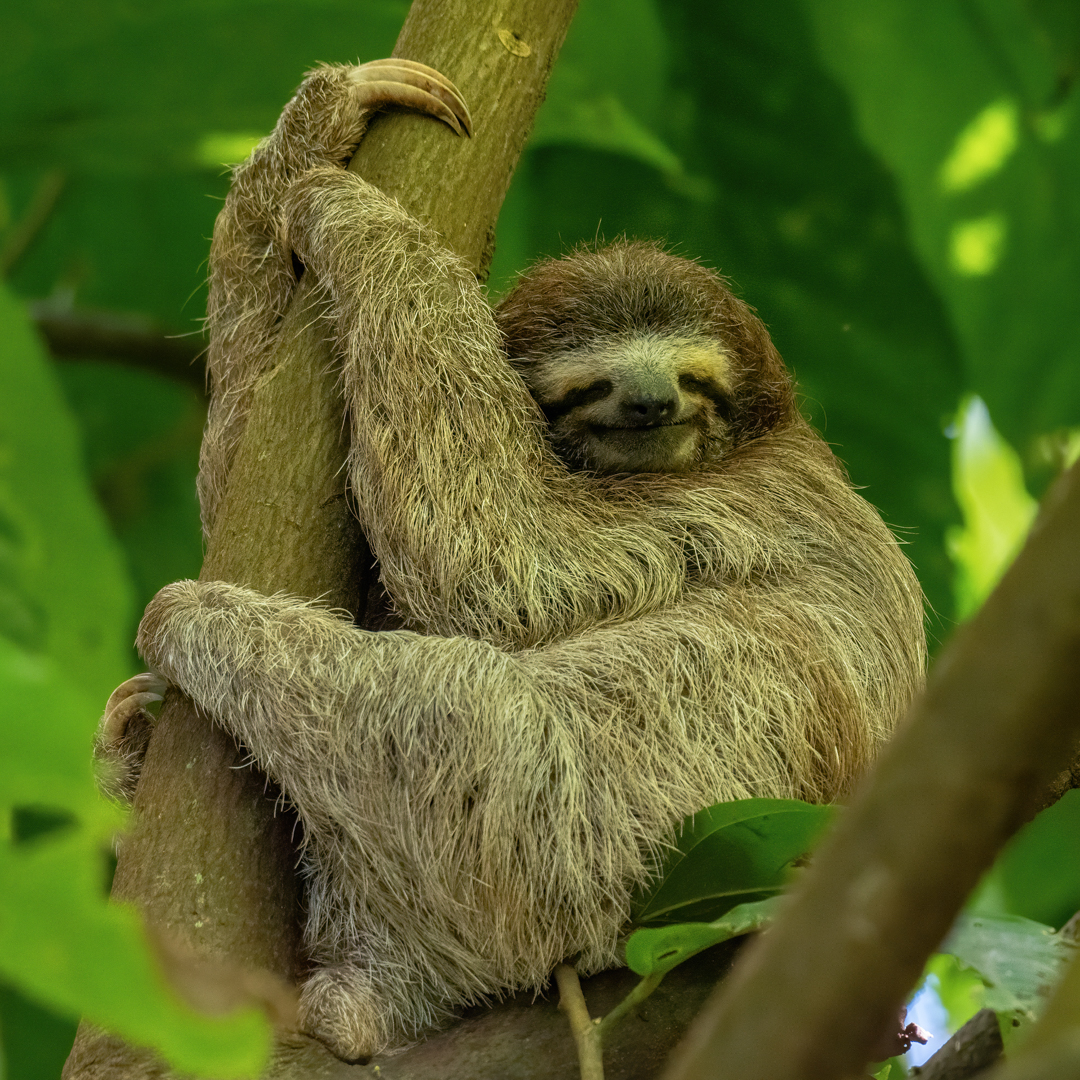
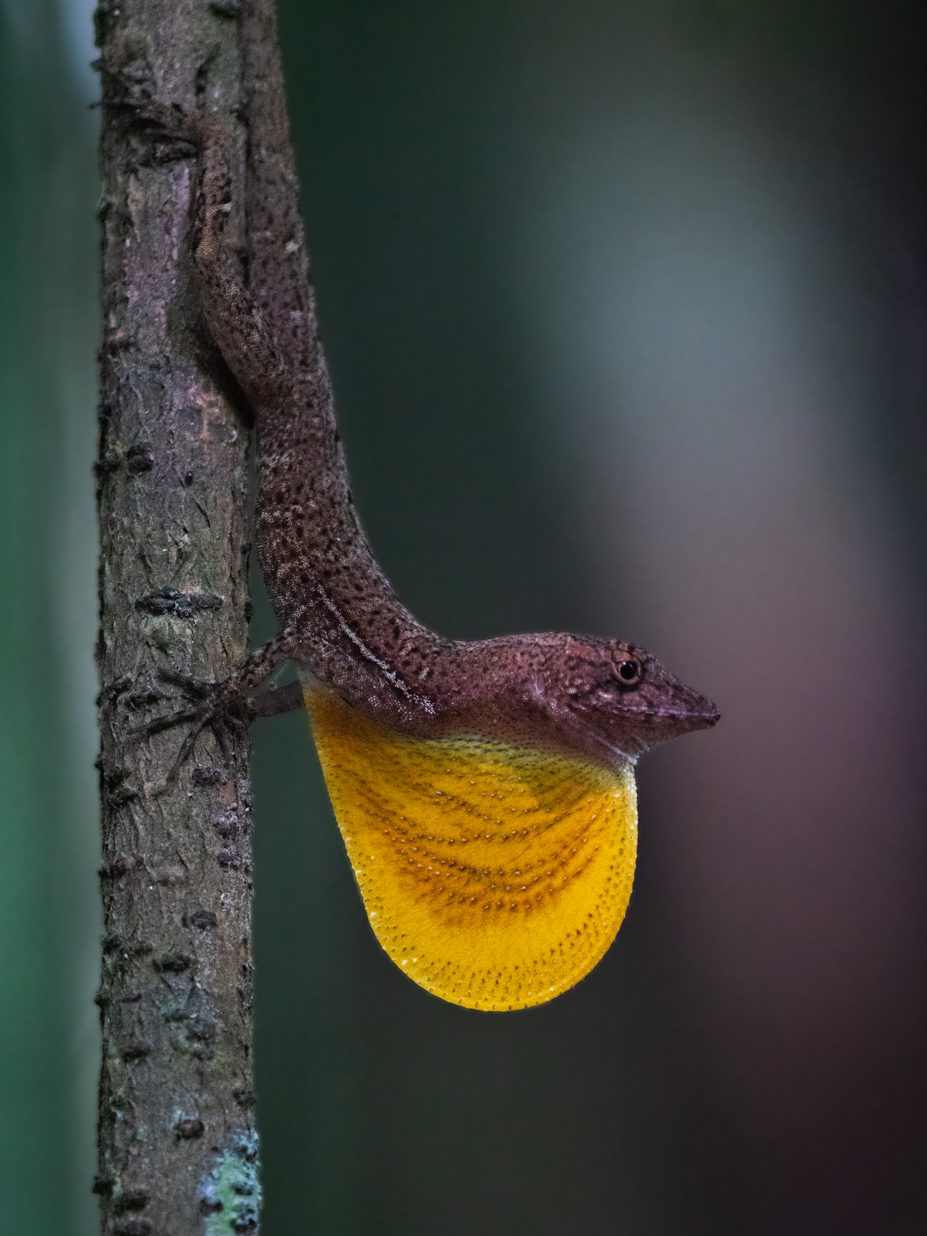
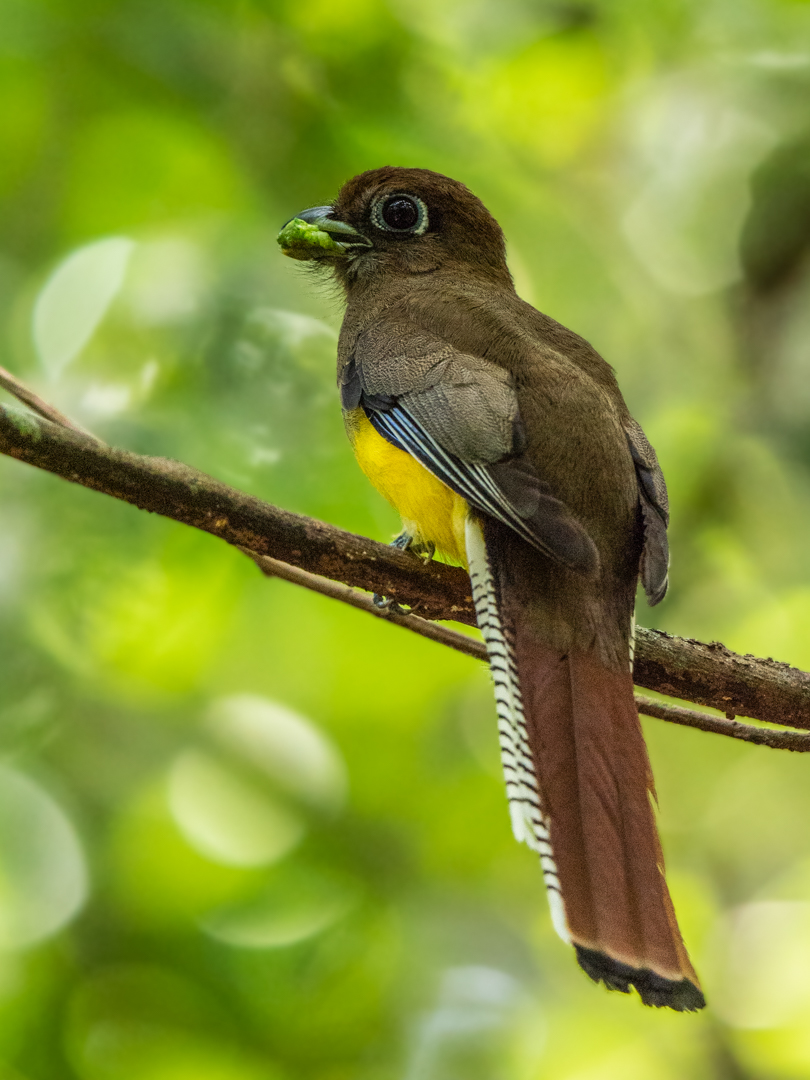
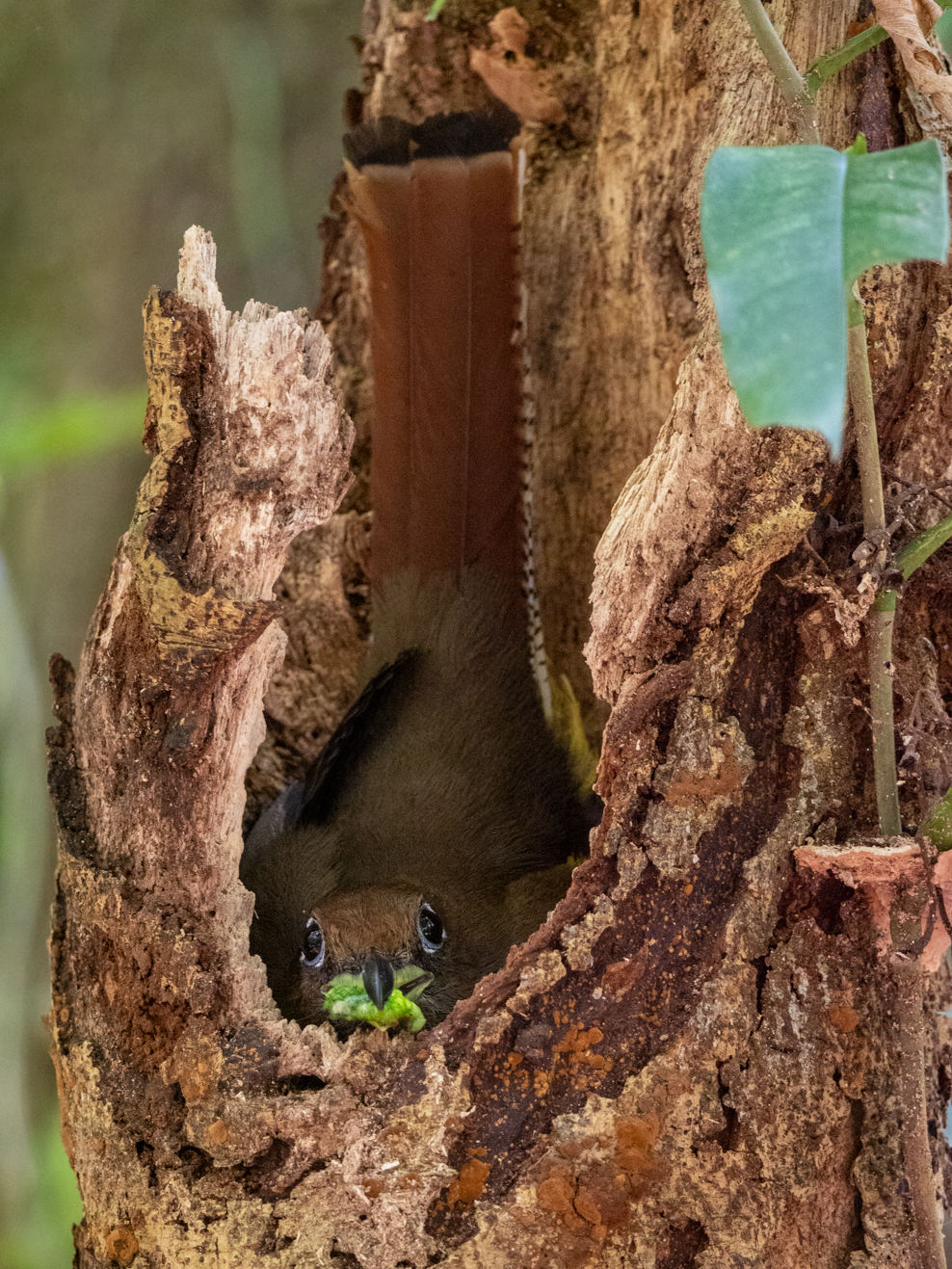
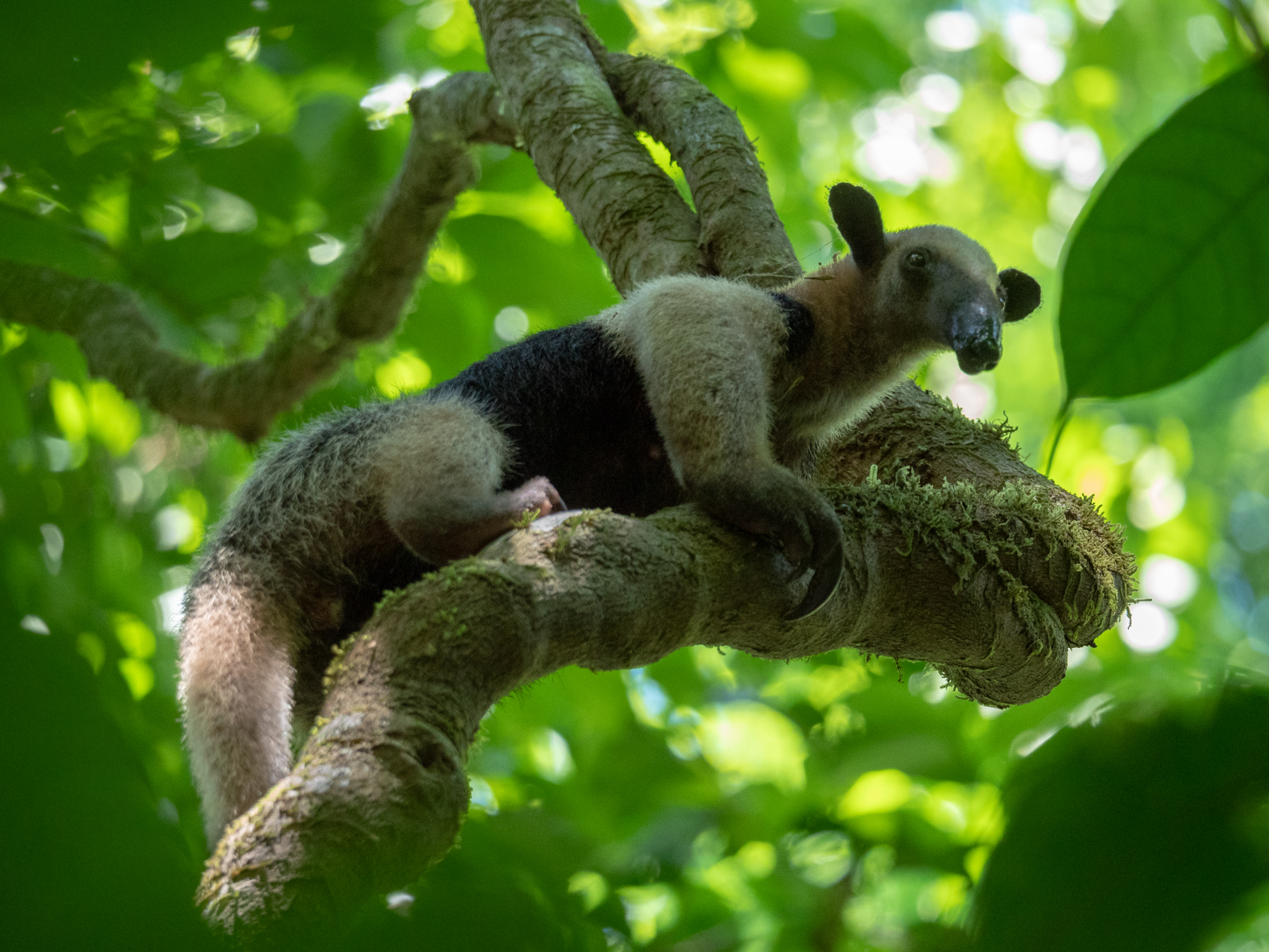
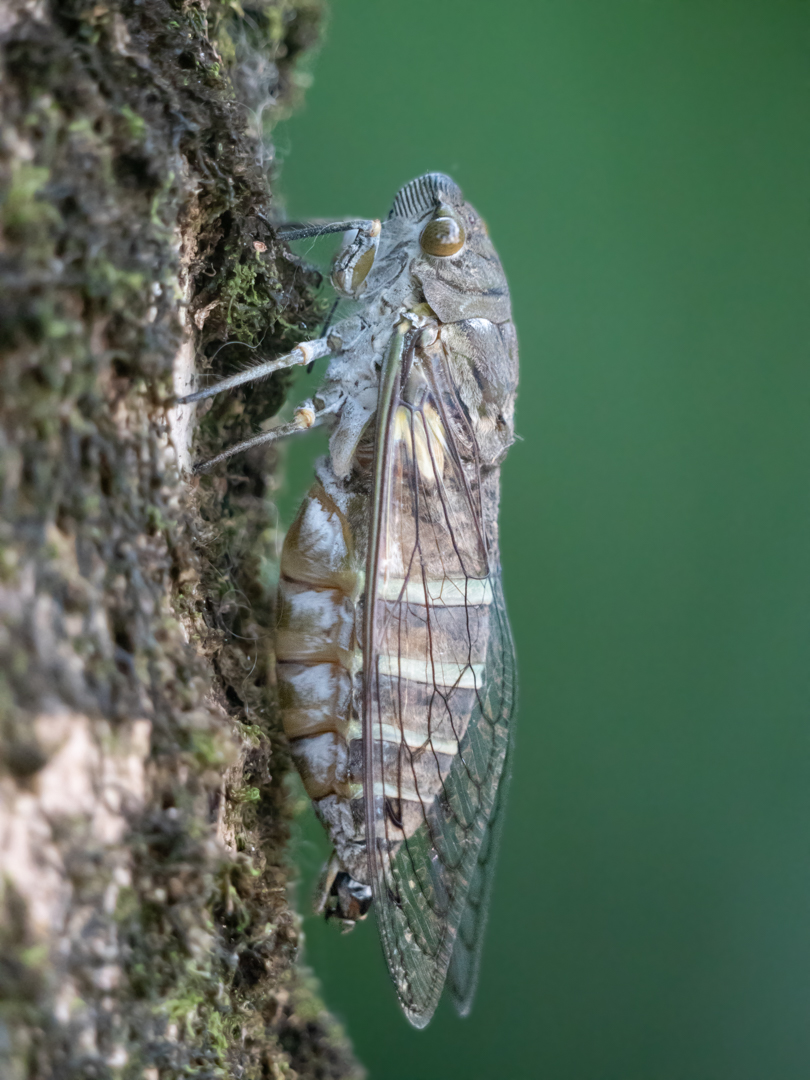
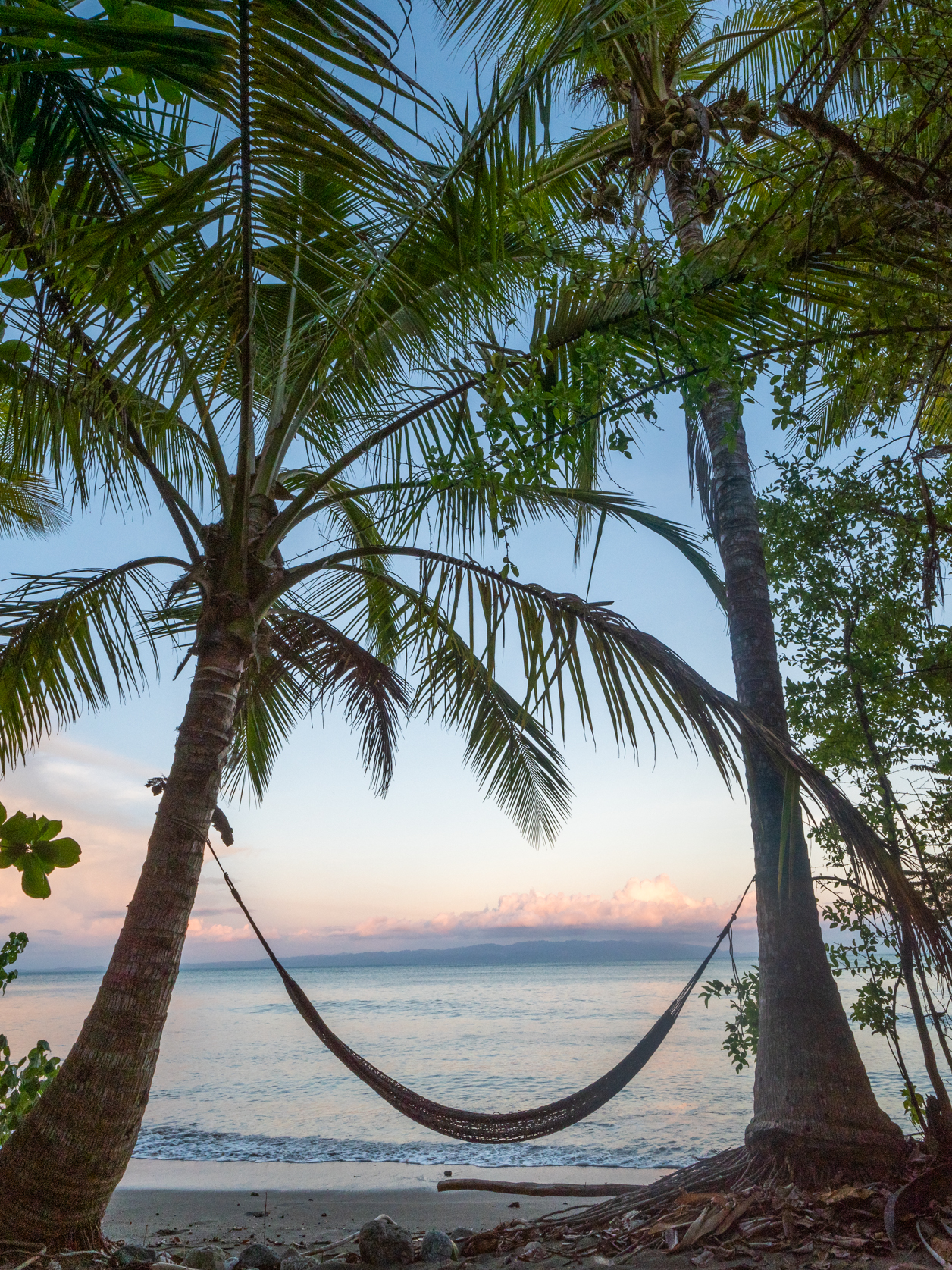
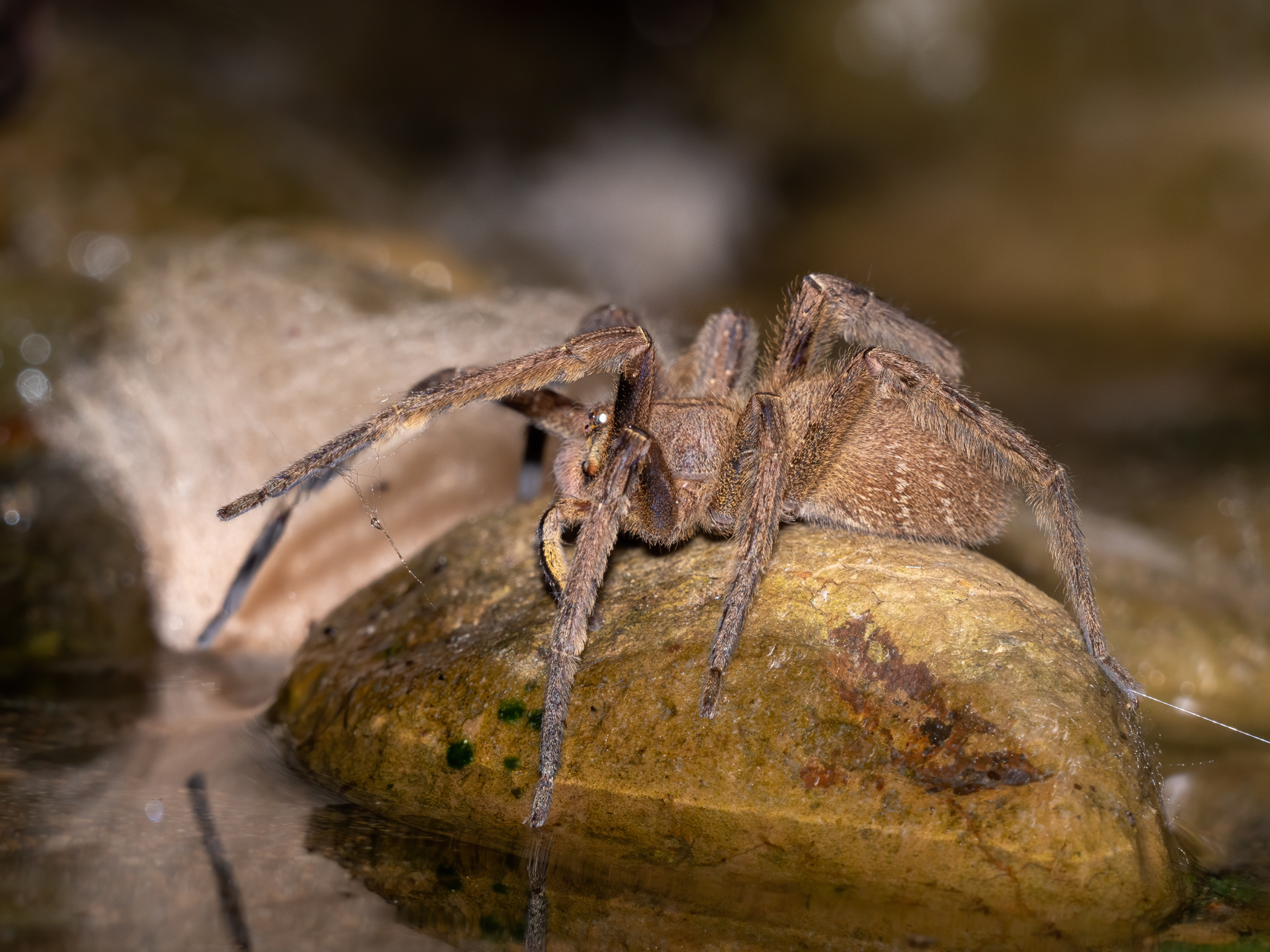
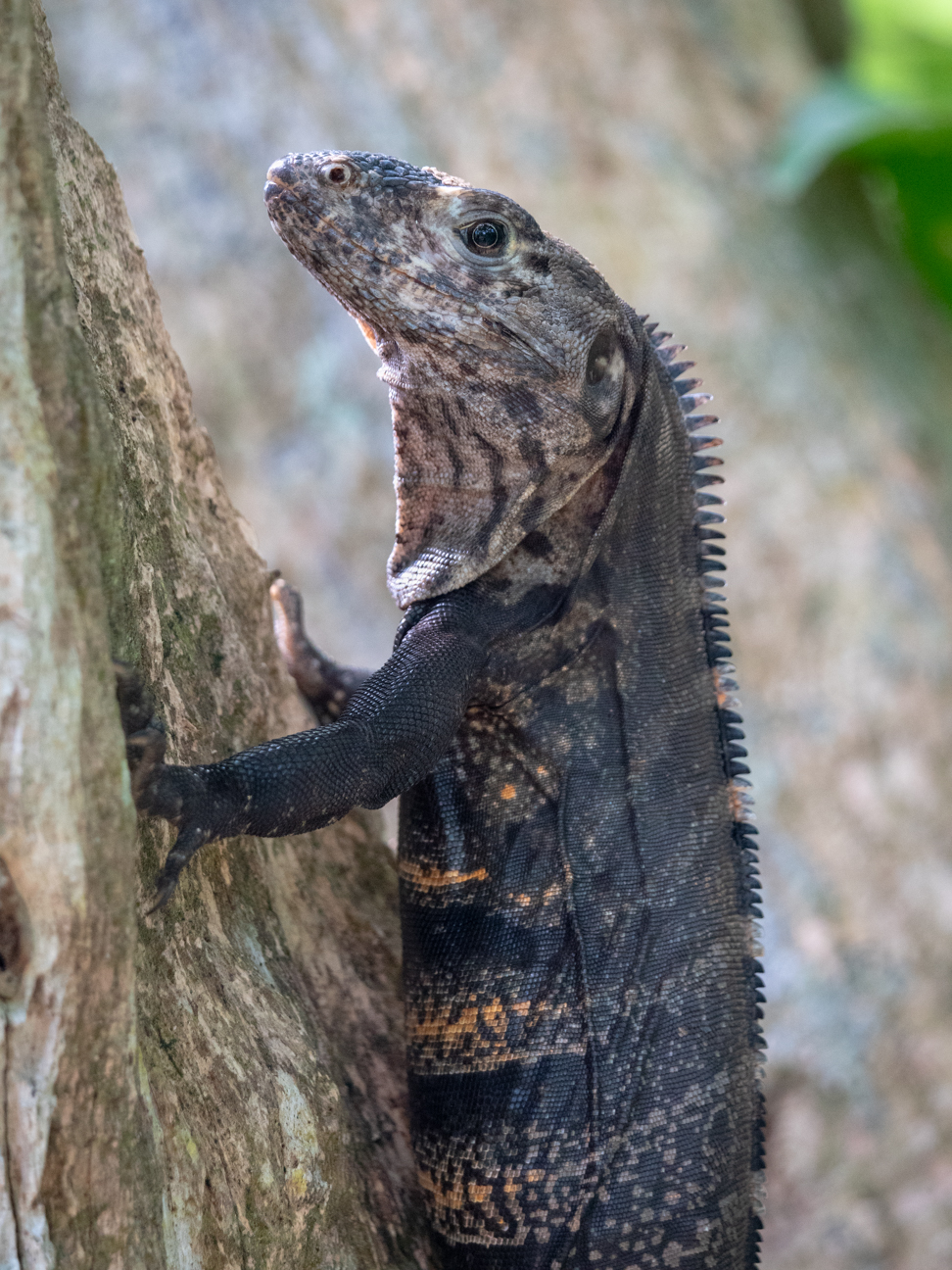
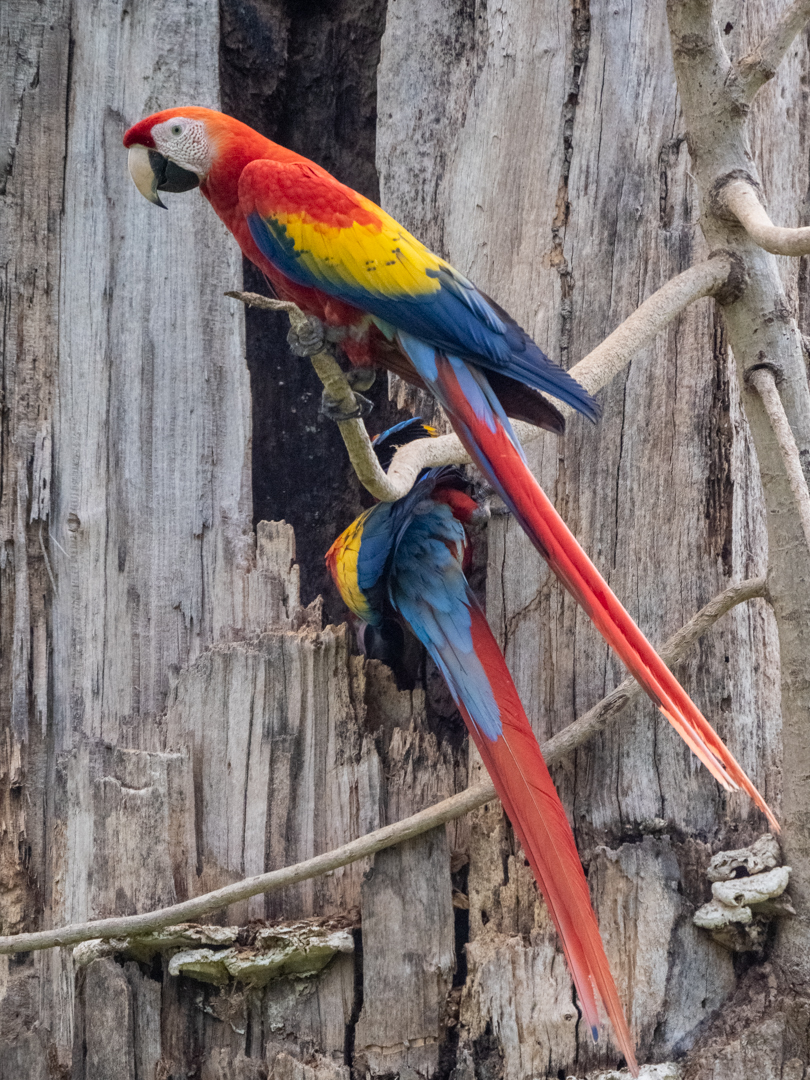
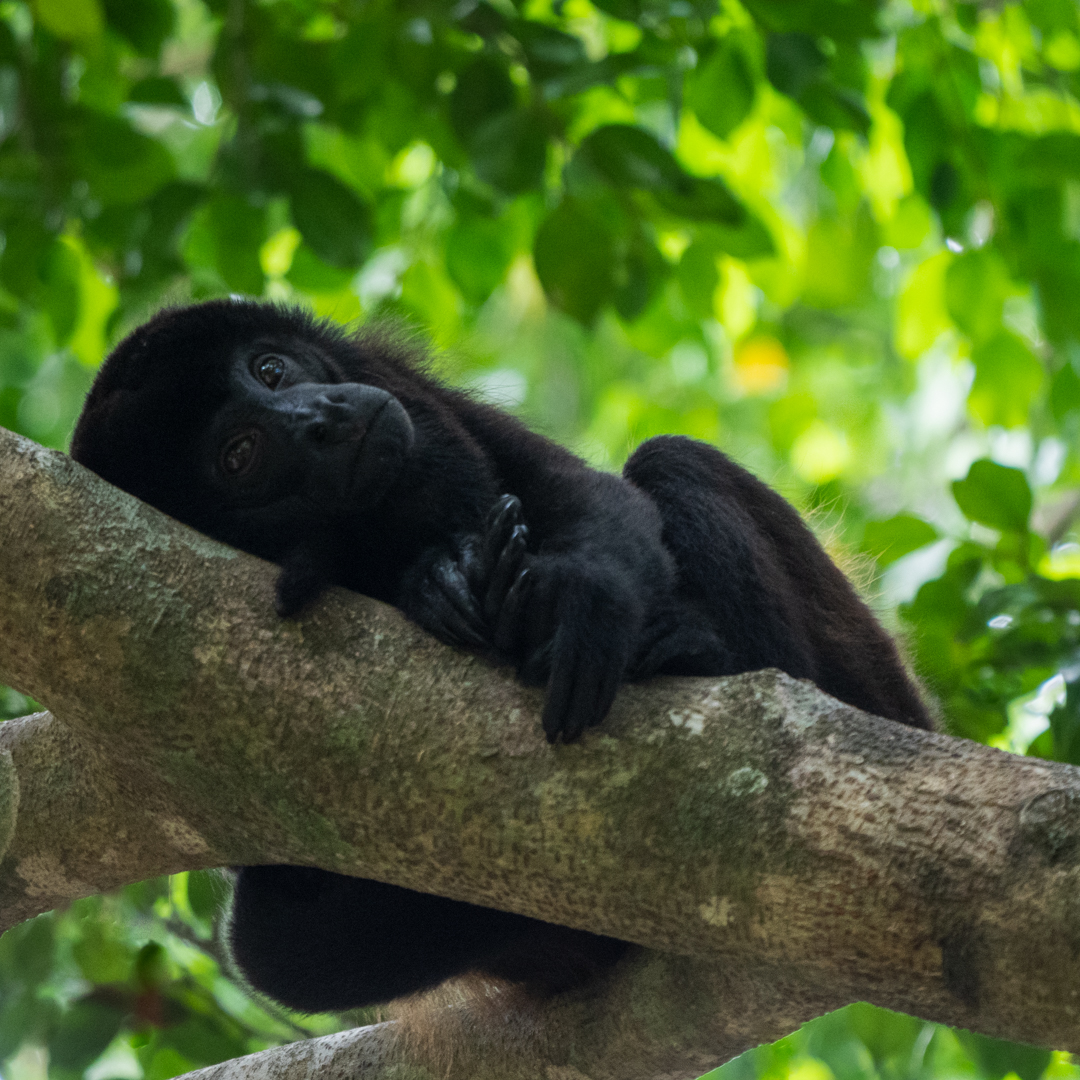
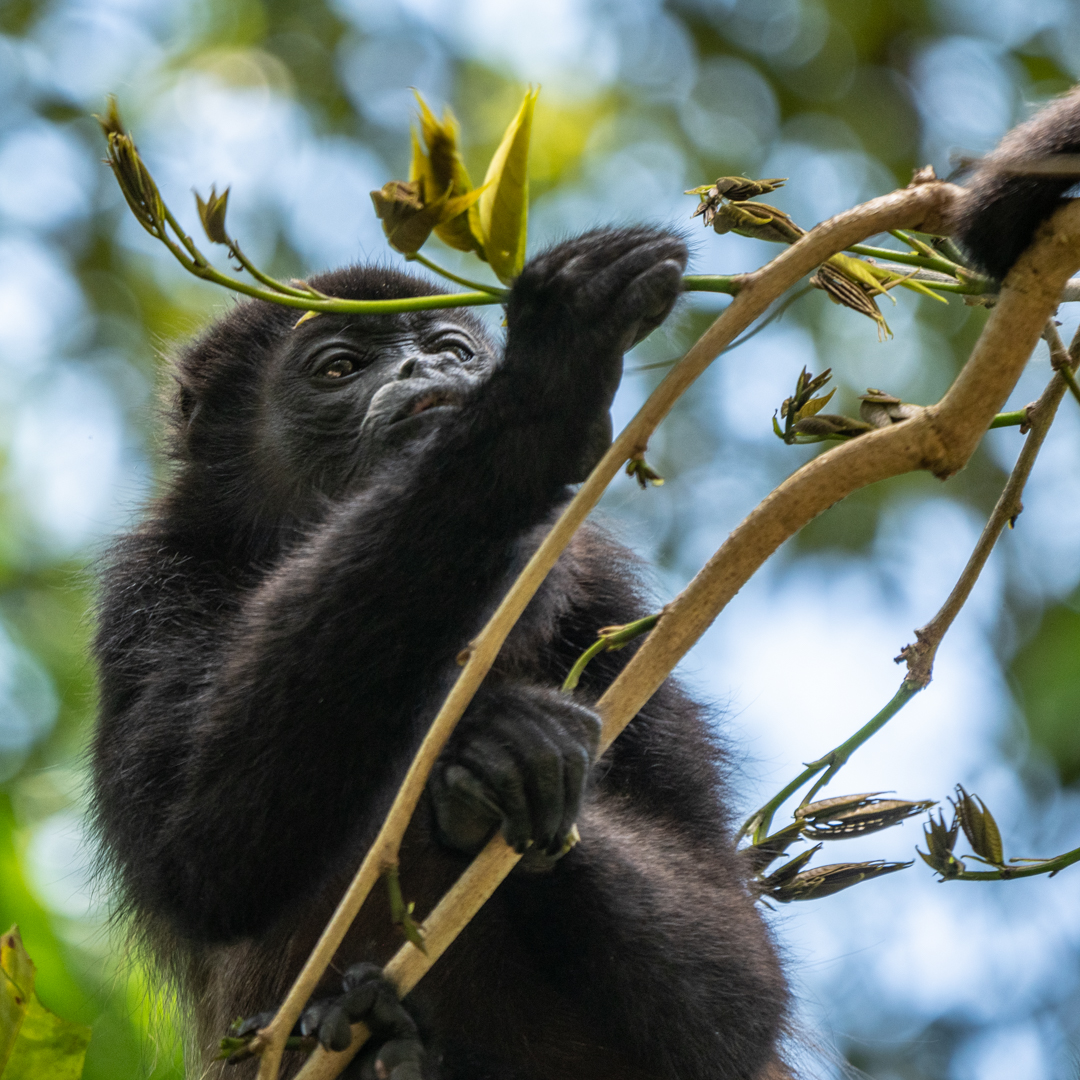
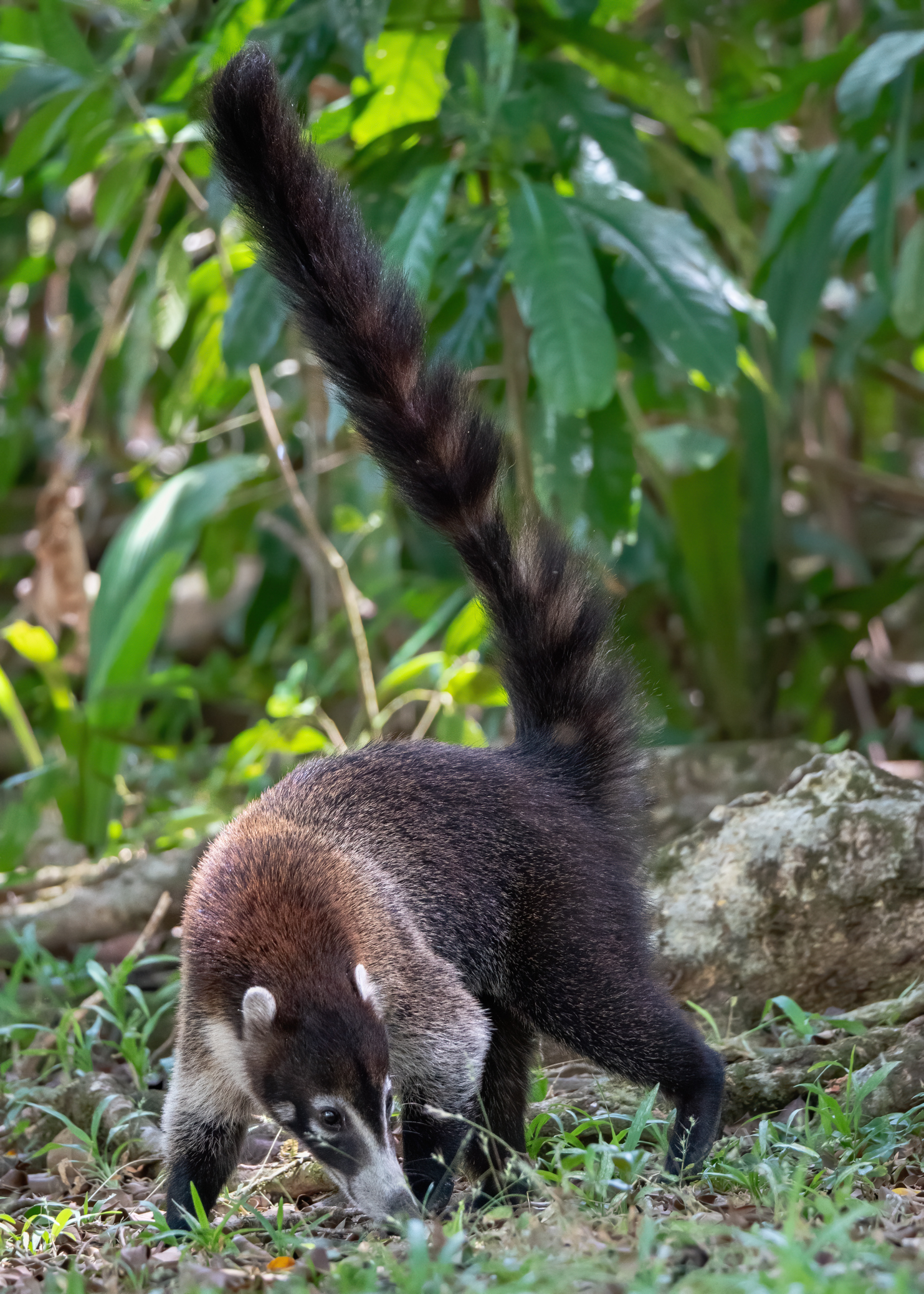
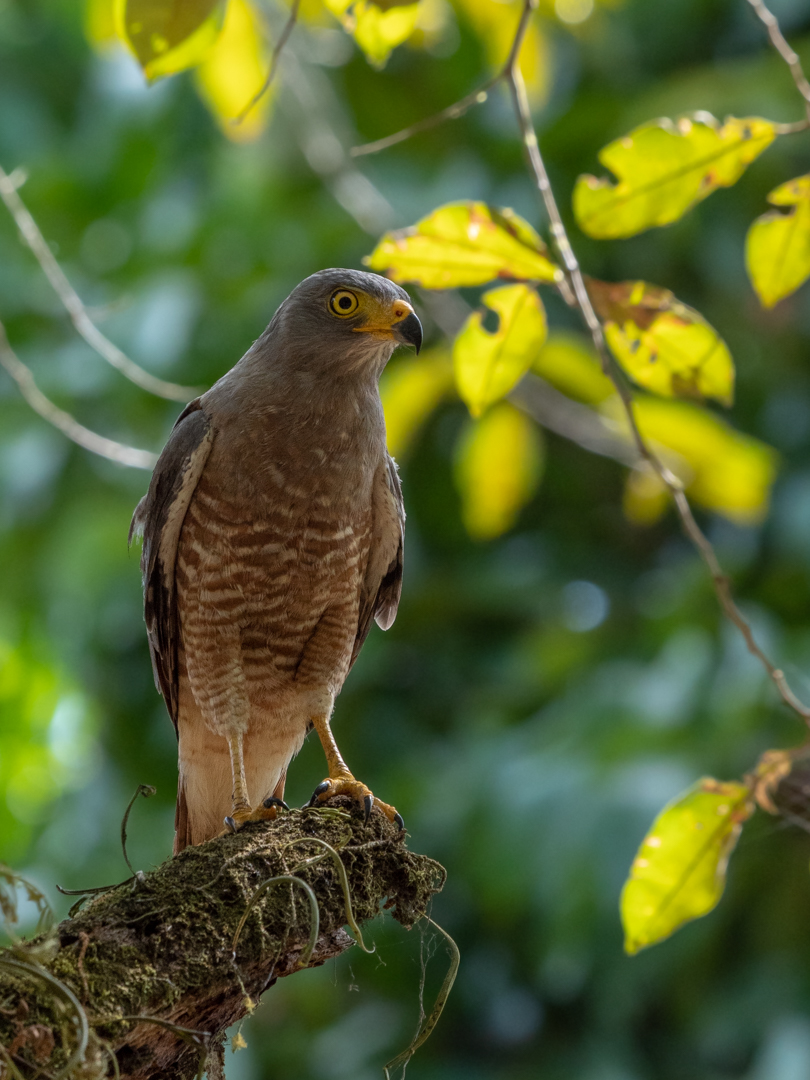
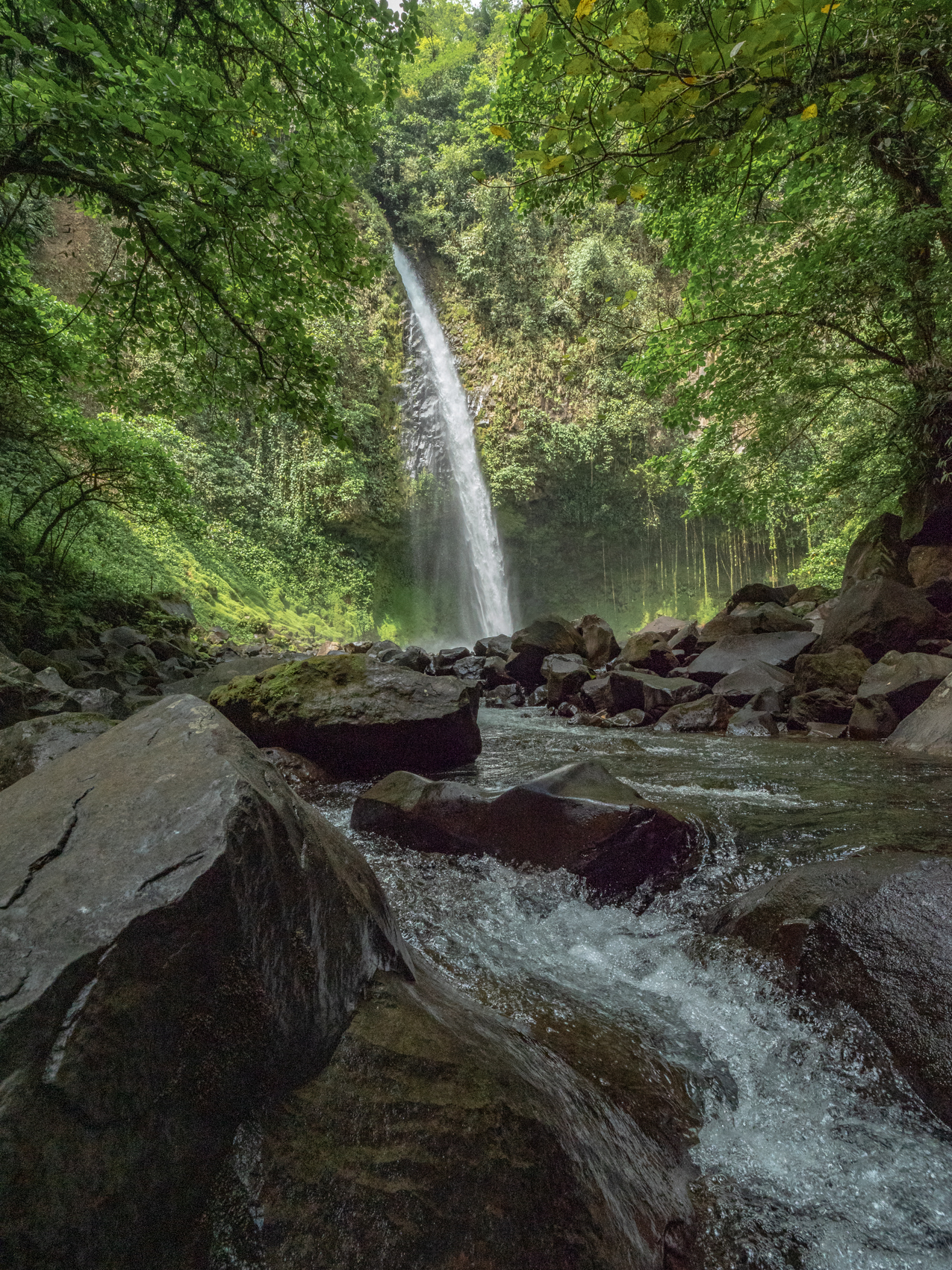
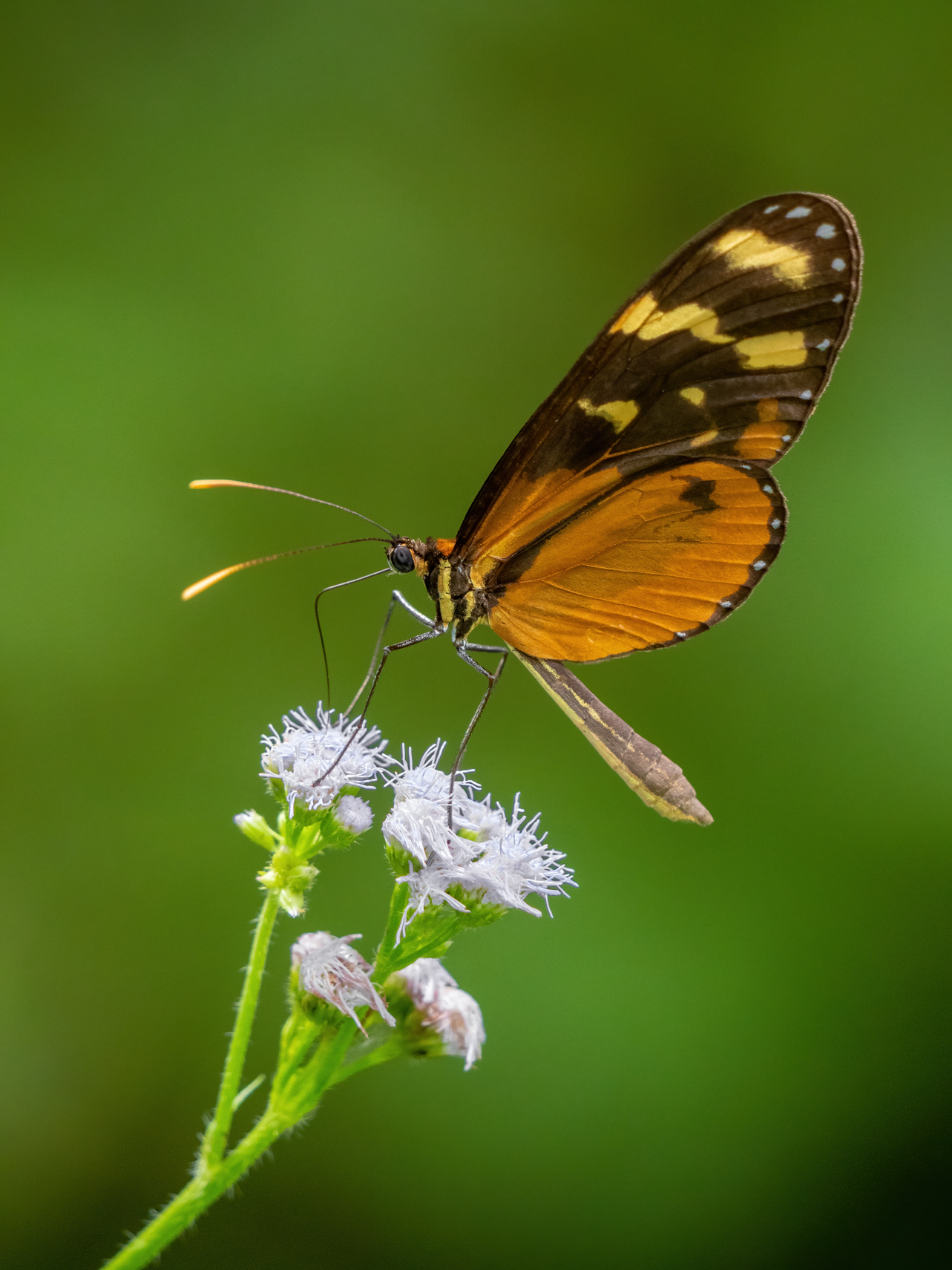
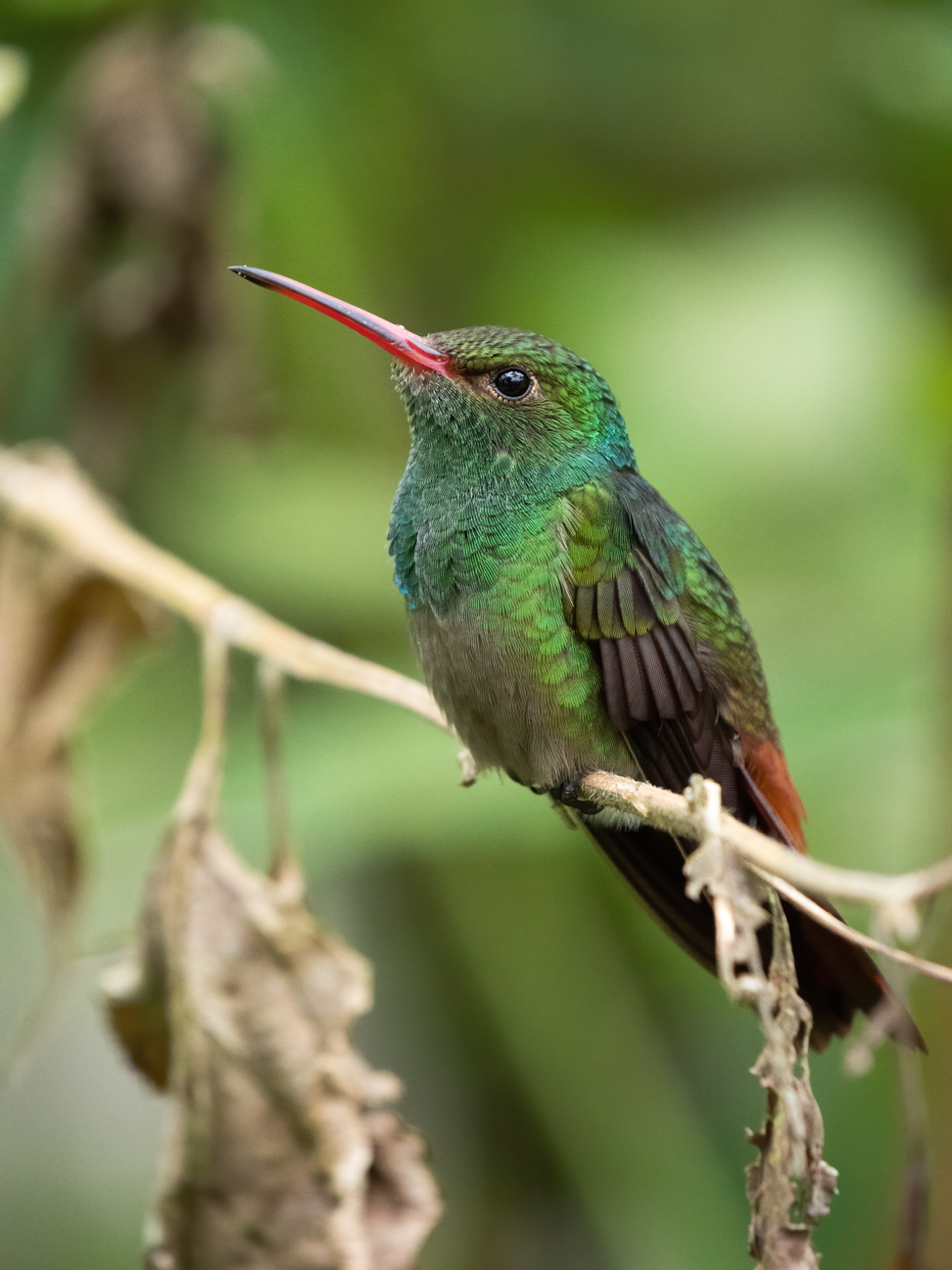
2021-03 – Costa Rica (Extended Album)

This is an extended version of an existing album, and includes additional photos.  This type of album presents a longer-form and richer version of the album, and paint a fuller picture of my experience and the story this album is sharing.  

This album can be viewed as a full screen slideshow in addition to the tile method below.  Each image can also be zoomed in to full resolution.

My initial post featuring my story and photo highlights can be viewed here.

The standard length version of this album can also be viewed here.

Instagram

An eastern garter snake basking in the sun of a field still bare from winter, on a warm spring evening in Western Massachusetts.⁠
⁠
Eastern garter snakes are one of the most widespread and commonly encountered snakes in North America. And the most common reason you might encounter one? Because it needed some heat. Garter snakes (and snakes in general) are ectothermic, meaning they rely on external heat sources to regulate their body temperature, which is even more critical in spring because ground temperatures are still cool from winter, leading to snakes needing to bask in the sun more frequently.⁠
⁠
I took this photo three days ago while walking the trails of some local conservation land near me, something I try to do at least a few times a week. While walking through a field that is normally tall and thick with plants, its early-spring bare status not only provided this snake a perfectly exposed area to absorb the sunlight, but also made spotting a basking snake much easier.
•
Follow
An eastern garter snake basking in the sun of a field still bare from winter, on a warm spring evening in Western Massachusetts.⁠ ⁠ Eastern garter snakes are one of the most widespread and commonly encountered snakes in North America. And the most common reason you might encounter one? Because it needed some heat. Garter snakes (and snakes in general) are ectothermic, meaning they rely on external heat sources to regulate their body temperature, which is even more critical in spring because ground temperatures are still cool from winter, leading to snakes needing to bask in the sun more frequently.⁠ ⁠ I took this photo three days ago while walking the trails of some local conservation land near me, something I try to do at least a few times a week. While walking through a field that is normally tall and thick with plants, its early-spring bare status not only provided this snake a perfectly exposed area to absorb the sunlight, but also made spotting a basking snake much easier.
2 days ago
View on Instagram |
1/9
A little blue heron catching a juvenile Atlantic ghost crab, along the white shores of Honeymoon Island State Park, Dunedin, Florida.⁠
⁠
When walking up and down the picturesque white sand beaches of Honeymoon Island State Park, you may miss the plethora of crab life taking place below and on top of the surface of the fine quartz sand. This is partly due to most of the crabs here being quite pale in color, blending quite well into their environment. You are also likely to miss them because they spend much of the day inside their burrows, emerging predominantly at night, preferring to stay inside the safety and cooler atmosphere below the surface. So, there is a good chance they would go unnoticed to the casual beachgoer, walking up and down the beach, never seeing a crab.⁠
⁠
But the same cannot be said of the predatory water birds who frequent these beaches, such as the little blue heron, who notice these crabs with ninja-like precision. Little blue herons are wading birds whose hunting behavior involves slowly walking the shore, pausing frequently to inspect these crabs’ burrows, waiting for signs of movement. Towards the end of the day, these crabs will emerge, seeking out water to moisten their gills, making them temporarily susceptible to attack from these opportunistic birds.⁠
⁠
I spent the better part of this evening photographing the varied bird life along the Pelican Cove area of Honeymoon Island, hoping to catch some birds zeroing in on their prey. It happens incredibly fast, striking down at the crab, quickly repositioning and shaking their newly caught meal before swallowing it whole. Not only was this little blue heron satisfied with its catch, I was equally pleased with capturing this moment. Two catches in one.
•
Follow
A little blue heron catching a juvenile Atlantic ghost crab, along the white shores of Honeymoon Island State Park, Dunedin, Florida.⁠ ⁠ When walking up and down the picturesque white sand beaches of Honeymoon Island State Park, you may miss the plethora of crab life taking place below and on top of the surface of the fine quartz sand. This is partly due to most of the crabs here being quite pale in color, blending quite well into their environment. You are also likely to miss them because they spend much of the day inside their burrows, emerging predominantly at night, preferring to stay inside the safety and cooler atmosphere below the surface. So, there is a good chance they would go unnoticed to the casual beachgoer, walking up and down the beach, never seeing a crab.⁠ ⁠ But the same cannot be said of the predatory water birds who frequent these beaches, such as the little blue heron, who notice these crabs with ninja-like precision. Little blue herons are wading birds whose hunting behavior involves slowly walking the shore, pausing frequently to inspect these crabs’ burrows, waiting for signs of movement. Towards the end of the day, these crabs will emerge, seeking out water to moisten their gills, making them temporarily susceptible to attack from these opportunistic birds.⁠ ⁠ I spent the better part of this evening photographing the varied bird life along the Pelican Cove area of Honeymoon Island, hoping to catch some birds zeroing in on their prey. It happens incredibly fast, striking down at the crab, quickly repositioning and shaking their newly caught meal before swallowing it whole. Not only was this little blue heron satisfied with its catch, I was equally pleased with capturing this moment. Two catches in one.
4 days ago
View on Instagram |
2/9
The edge of a constantly changing tidal lagoon, just before sunset alongside the North Beach at Fort De Soto Park, in St. Petersburg, Florida.⁠
⁠
Incoming and outgoing tides are constantly shaping the beaches they interact with, a relationship exemplified in the different water features created as the ocean’s waters come in and then recede. One of these features is a tidal pool (or lagoon), which forms when waves and currents build up sandbars parallel to the shoreline, trapping the water which comes in during high tide, forming a long, shallow pool as the tide goes back out. Being protected from direct wave action, these lagoons are quite peaceful, with the ridges in the sand (seen in this photo) forming by gentle oscillation inside the pool, not from crashing waves. These tidal lagoons are also mini-ecosystems, often trapping small fish, crabs, shrimp, and mollusks as the tide drops. As a result, wading birds focus on these areas, as their isolated density of creatures results in a buffet-like opportunity for them.⁠
⁠
I took this photograph a couple weeks ago while spending a handful of days around the Tampa area in Florida. I went to photograph the sun setting over the Gulf of Mexico on this evening at North Beach, one of the more scenic areas of Fort De Soto Park in St. Petersburg. While scoping out my sunset location, I was taken by the low-angle sun emphasizing the ripple lines along this tidal pool. I took off my gear, stepped into the sun-warmed shallow pool, and set up my tripod quite low to the water. I used the curvature of this lagoon as a natural leading line, took a few photographs, then proceeded onward in search of my sunset.⁠
⁠
#fortdesotopark #stpetersburgflorida #floridabeaches #gulfcoast #tidalpools #tidallagoon #coastallandscape #beachphotography #sunsetphotography #landscapephotography #naturephotography #leadinglines #sandpatterns #ripples #earthfocus #ourplanetdaily #discoverearth #coastalliving #floridanature #beachvibes #naturelovers #EvanTPhotog
•
Follow
The edge of a constantly changing tidal lagoon, just before sunset alongside the North Beach at Fort De Soto Park, in St. Petersburg, Florida.⁠ ⁠ Incoming and outgoing tides are constantly shaping the beaches they interact with, a relationship exemplified in the different water features created as the ocean’s waters come in and then recede. One of these features is a tidal pool (or lagoon), which forms when waves and currents build up sandbars parallel to the shoreline, trapping the water which comes in during high tide, forming a long, shallow pool as the tide goes back out. Being protected from direct wave action, these lagoons are quite peaceful, with the ridges in the sand (seen in this photo) forming by gentle oscillation inside the pool, not from crashing waves. These tidal lagoons are also mini-ecosystems, often trapping small fish, crabs, shrimp, and mollusks as the tide drops. As a result, wading birds focus on these areas, as their isolated density of creatures results in a buffet-like opportunity for them.⁠ ⁠ I took this photograph a couple weeks ago while spending a handful of days around the Tampa area in Florida. I went to photograph the sun setting over the Gulf of Mexico on this evening at North Beach, one of the more scenic areas of Fort De Soto Park in St. Petersburg. While scoping out my sunset location, I was taken by the low-angle sun emphasizing the ripple lines along this tidal pool. I took off my gear, stepped into the sun-warmed shallow pool, and set up my tripod quite low to the water. I used the curvature of this lagoon as a natural leading line, took a few photographs, then proceeded onward in search of my sunset.⁠ ⁠ #fortdesotopark #stpetersburgflorida #floridabeaches #gulfcoast #tidalpools #tidallagoon #coastallandscape #beachphotography #sunsetphotography #landscapephotography #naturephotography #leadinglines #sandpatterns #ripples #earthfocus #ourplanetdaily #discoverearth #coastalliving #floridanature #beachvibes #naturelovers #EvanTPhotog
2 weeks ago
View on Instagram |
3/9
An American pika harvesting vegetation to store underground in preparation for their long winter inside the high elevations of Grand Teton National Park, Wyoming.⁠
⁠
Pikas live in high-elevation alpine environments, such as those found in the higher elevation regions of Grand Teton National Park. They are especially fond of talus slopes made up of broken rock, giving them places to not only make a burrow, but places for them to store the hay that they harvest throughout the year, to help them get through winter.⁠
⁠
Pikas do not hibernate like many winter mammals, and in order to survive the upwards of 9 months of being covered in snow, they must engage in haying, which is harvesting vegetation in the form of grasses, wildflowers, and other leafy plants to feed on while their environment is inhospitable in the winter.⁠
⁠
They maintain multiple haypiles, and on this day, the pika was quite busy gathering vegetation to store for the winter. I watched this pika, along with a handful of others, essentially gather plants nonstop, over and over and over again. On this particular trip, this pika grabbed a mouthful of two separate plants, a bit of alpine forb vegetation with some fern mixed into it. They prefer plants which dry well without molding, with small and narrow leaves, that are able to retain their nutrients over the winter, which both of these are.
•
Follow
An American pika harvesting vegetation to store underground in preparation for their long winter inside the high elevations of Grand Teton National Park, Wyoming.⁠ ⁠ Pikas live in high-elevation alpine environments, such as those found in the higher elevation regions of Grand Teton National Park. They are especially fond of talus slopes made up of broken rock, giving them places to not only make a burrow, but places for them to store the hay that they harvest throughout the year, to help them get through winter.⁠ ⁠ Pikas do not hibernate like many winter mammals, and in order to survive the upwards of 9 months of being covered in snow, they must engage in haying, which is harvesting vegetation in the form of grasses, wildflowers, and other leafy plants to feed on while their environment is inhospitable in the winter.⁠ ⁠ They maintain multiple haypiles, and on this day, the pika was quite busy gathering vegetation to store for the winter. I watched this pika, along with a handful of others, essentially gather plants nonstop, over and over and over again. On this particular trip, this pika grabbed a mouthful of two separate plants, a bit of alpine forb vegetation with some fern mixed into it. They prefer plants which dry well without molding, with small and narrow leaves, that are able to retain their nutrients over the winter, which both of these are.
2 months ago
View on Instagram |
4/9
A tricolor heron wades through a sawgrass marsh, hunting for fish inside Everglades National Park, Florida.⁠
⁠
Tricolor herons are medium-sized herons found along the eastern coast of the United States, extending through Mexico and into parts of the coastal regions of northern South America. During their breeding season, they are commonly found in mangroves, coastal estuaries, salt marshes, and lagoons. Outside of the breeding season, they also utilize lakes, canals, and freshwater marshes, of which the Everglades has plenty.⁠
⁠
In the Everglades, the dry season typically spans from November through April. During this time, receding water levels concentrate fish into increasingly confined areas, creating highly productive feeding opportunities for wading birds such as tricolor herons.⁠
⁠
Their hunting style is more active than that of many other herons, as they deliberately walk through shallow water rather than standing motionless, using quick jabs and sudden lunges to capture small fish concentrated within narrow water channels and open pockets between vegetation.
•
Follow
A tricolor heron wades through a sawgrass marsh, hunting for fish inside Everglades National Park, Florida.⁠ ⁠ Tricolor herons are medium-sized herons found along the eastern coast of the United States, extending through Mexico and into parts of the coastal regions of northern South America. During their breeding season, they are commonly found in mangroves, coastal estuaries, salt marshes, and lagoons. Outside of the breeding season, they also utilize lakes, canals, and freshwater marshes, of which the Everglades has plenty.⁠ ⁠ In the Everglades, the dry season typically spans from November through April. During this time, receding water levels concentrate fish into increasingly confined areas, creating highly productive feeding opportunities for wading birds such as tricolor herons.⁠ ⁠ Their hunting style is more active than that of many other herons, as they deliberately walk through shallow water rather than standing motionless, using quick jabs and sudden lunges to capture small fish concentrated within narrow water channels and open pockets between vegetation.
2 months ago
View on Instagram |
5/9
A supercell with lowered wall-cloud passes over some farmland in Lawton, Oklahoma, on June 18th, 2025.⁠
⁠
This was toward the end of a day following this storm passing through southern Oklahoma, which had a strong likelihood of producing a tornado. Although no tornado formed on this day, the storm exhibited a strong, persistent rotating updraft, and a wall cloud which could have easily transformed into one. Wall clouds form when warm, moist inflow is pulled upward into the storm’s updraft. As this warm air rises, it cools and condenses at a level lower than the existing cloud base, creating a lowering known as a wall cloud.⁠
⁠
We pulled over on the side of the road here next to a bunch of farmland, which, if you are traveling around Oklahoma, is quite abundant. Waiting for a tornado to potentially form, while we may not have witnessed a tornado on this day, we were certainly exposed to plenty of strong wind, rain, hail, and lightning.
•
Follow
A supercell with lowered wall-cloud passes over some farmland in Lawton, Oklahoma, on June 18th, 2025.⁠ ⁠ This was toward the end of a day following this storm passing through southern Oklahoma, which had a strong likelihood of producing a tornado. Although no tornado formed on this day, the storm exhibited a strong, persistent rotating updraft, and a wall cloud which could have easily transformed into one. Wall clouds form when warm, moist inflow is pulled upward into the storm’s updraft. As this warm air rises, it cools and condenses at a level lower than the existing cloud base, creating a lowering known as a wall cloud.⁠ ⁠ We pulled over on the side of the road here next to a bunch of farmland, which, if you are traveling around Oklahoma, is quite abundant. Waiting for a tornado to potentially form, while we may not have witnessed a tornado on this day, we were certainly exposed to plenty of strong wind, rain, hail, and lightning.
2 months ago
View on Instagram |
6/9
The setting sun peeks over the Sandwich Range, at the end of a wintry day in the White Mountain National Forest, New Hampshire.⁠
⁠
Unlike the sharper, more alpine peaks of the Presidential Range of the White Mountains, the Sandwich Range has more rounded summits and longer ridgelines, due to this being an older mountain range, shaped over millions of years by heavy erosion and repeated glaciation. The most prominent peaks here are Mount and East Osceola, and the forested bowl in the midground of this photograph drains toward the Pemigewasset River. The foreground is filled with young balsam firs and red spruce saplings, short in size and barely able to push up through the thick snow here.⁠
⁠
This photograph was taken from the Pemigewasset Overlook, one of the four major overlooks featured on the Kancamagus Scenic Byway. I stopped at all four on this day, and while the other three were fully plowed of snow, this one, for whatever reason, was not. Which, being in an all-wheel drive vehicle, proved to not be a major issue. The same could not be said for a couple of the other visitors who happened to pull into this parking lot on this afternoon. Of the upwards of an hour spent at this overlook, the majority of it was spent listening to the whirring wheels and laborious manpower efforts of the passengers trying to push their vehicles back out of the thick snow this parking lot was composed of.
•
Follow
The setting sun peeks over the Sandwich Range, at the end of a wintry day in the White Mountain National Forest, New Hampshire.⁠ ⁠ Unlike the sharper, more alpine peaks of the Presidential Range of the White Mountains, the Sandwich Range has more rounded summits and longer ridgelines, due to this being an older mountain range, shaped over millions of years by heavy erosion and repeated glaciation. The most prominent peaks here are Mount and East Osceola, and the forested bowl in the midground of this photograph drains toward the Pemigewasset River. The foreground is filled with young balsam firs and red spruce saplings, short in size and barely able to push up through the thick snow here.⁠ ⁠ This photograph was taken from the Pemigewasset Overlook, one of the four major overlooks featured on the Kancamagus Scenic Byway. I stopped at all four on this day, and while the other three were fully plowed of snow, this one, for whatever reason, was not. Which, being in an all-wheel drive vehicle, proved to not be a major issue. The same could not be said for a couple of the other visitors who happened to pull into this parking lot on this afternoon. Of the upwards of an hour spent at this overlook, the majority of it was spent listening to the whirring wheels and laborious manpower efforts of the passengers trying to push their vehicles back out of the thick snow this parking lot was composed of.
2 months ago
View on Instagram |
7/9
Two male barasingha deer engage in ritualized sparring, inside Kanha National Park, India.⁠
⁠
The barasingha, also known as the swamp deer, is a species of deer commonly found inside Kanha National Park, a park famous for its conservation efforts focused on this very species. Barasingha once faced near extinction due to the destruction of their natural habitats across India, primarily swampy grasslands and meadow systems. In the 1970s, Kanha established a conservation program that restored and protected these habitats, allowing the population to recover from just 66 individuals to over 1,000 found there today.⁠
⁠
Barasingha stags practice these sparring rehearsals as a way of assessing each other’s strength, interlocking their antlers and applying pressure gradually. The goal is not injury, but to test and establish dominance hierarchies before peak breeding begins. They will almost always avoid full, injurious fights unless absolutely necessary, choosing controlled sparring instead. No charging or twisting of antlers takes place, as the interaction functions more like a negotiation of dominance. Only when rivals are evenly matched and neither backs down does true combat occur, and even then, it is quite rare.
•
Follow
Two male barasingha deer engage in ritualized sparring, inside Kanha National Park, India.⁠ ⁠ The barasingha, also known as the swamp deer, is a species of deer commonly found inside Kanha National Park, a park famous for its conservation efforts focused on this very species. Barasingha once faced near extinction due to the destruction of their natural habitats across India, primarily swampy grasslands and meadow systems. In the 1970s, Kanha established a conservation program that restored and protected these habitats, allowing the population to recover from just 66 individuals to over 1,000 found there today.⁠ ⁠ Barasingha stags practice these sparring rehearsals as a way of assessing each other’s strength, interlocking their antlers and applying pressure gradually. The goal is not injury, but to test and establish dominance hierarchies before peak breeding begins. They will almost always avoid full, injurious fights unless absolutely necessary, choosing controlled sparring instead. No charging or twisting of antlers takes place, as the interaction functions more like a negotiation of dominance. Only when rivals are evenly matched and neither backs down does true combat occur, and even then, it is quite rare.
3 months ago
View on Instagram |
8/9
The morning sun peeking through the opening of India Gate, not too long after sunrise, in New Delhi, India.⁠
⁠
Completed in 1931, this 138-foot (42 m) tall triumphal arch was built as a war memorial to the British Indian Army soldiers who died during World War I and the Third Anglo-Afghan War, with over 13,000 names of those who died inscribed in its stone. It is primarily built from yellow and red Bharatpur sandstone, with its base being made of granite. The current statue featured behind it (and to the left in this photo) is also made of granite, dedicated to Netaji Subhas Chandra Bose, installed in 2022.⁠
⁠
I arrived here early this morning, prior to sunrise, setting up dead-center and further away from the monument, taking a photo I previously posted here, featuring the sun just above the horizon and to the right of the monument. After the sun rose, I wanted to get a shot of the sun itself visible through its center, with its light beaming outward like a massive spotlight. Using an app on my phone, I looked at the sun’s future path, set up my tripod in a position that would accomplish this, and waited for this moment to take place.
•
Follow
The morning sun peeking through the opening of India Gate, not too long after sunrise, in New Delhi, India.⁠ ⁠ Completed in 1931, this 138-foot (42 m) tall triumphal arch was built as a war memorial to the British Indian Army soldiers who died during World War I and the Third Anglo-Afghan War, with over 13,000 names of those who died inscribed in its stone. It is primarily built from yellow and red Bharatpur sandstone, with its base being made of granite. The current statue featured behind it (and to the left in this photo) is also made of granite, dedicated to Netaji Subhas Chandra Bose, installed in 2022.⁠ ⁠ I arrived here early this morning, prior to sunrise, setting up dead-center and further away from the monument, taking a photo I previously posted here, featuring the sun just above the horizon and to the right of the monument. After the sun rose, I wanted to get a shot of the sun itself visible through its center, with its light beaming outward like a massive spotlight. Using an app on my phone, I looked at the sun’s future path, set up my tripod in a position that would accomplish this, and waited for this moment to take place.
3 months ago
View on Instagram |
9/9
View on Instagram

Evan

All types of photography, with an emphasis on wildlife and landscape.

Follow me

  • instagram
  • reddit
  • mail
  • facebook
  • youtube
  • x
  • tiktok
  • pinterest

Categories

  • Animals (9)
  • Birds (5)
  • City (3)
  • Culture (2)
  • Hiking (9)
  • Landscape (14)
  • Nature (13)
  • People (2)
  • Travel (15)

Copyright © 2023 Evan T Photography

Designed by WPZOOM