Evan T Photography

Different types of photography, with short and longform photo album stories.

Follow me

  • instagram
  • reddit
  • mail
  • facebook
  • youtube
  • x
  • tiktok
  • pinterest
  • Home
  • Photo Posts
  • Photo Albums
  • Gallery
  • About
  • Contact
  • Shop
  • 0 items – $0.00
  • Home
  • Photo Posts
  • Photo Albums
  • Gallery
  • About
  • Contact
  • Shop
  • 0 items – $0.00

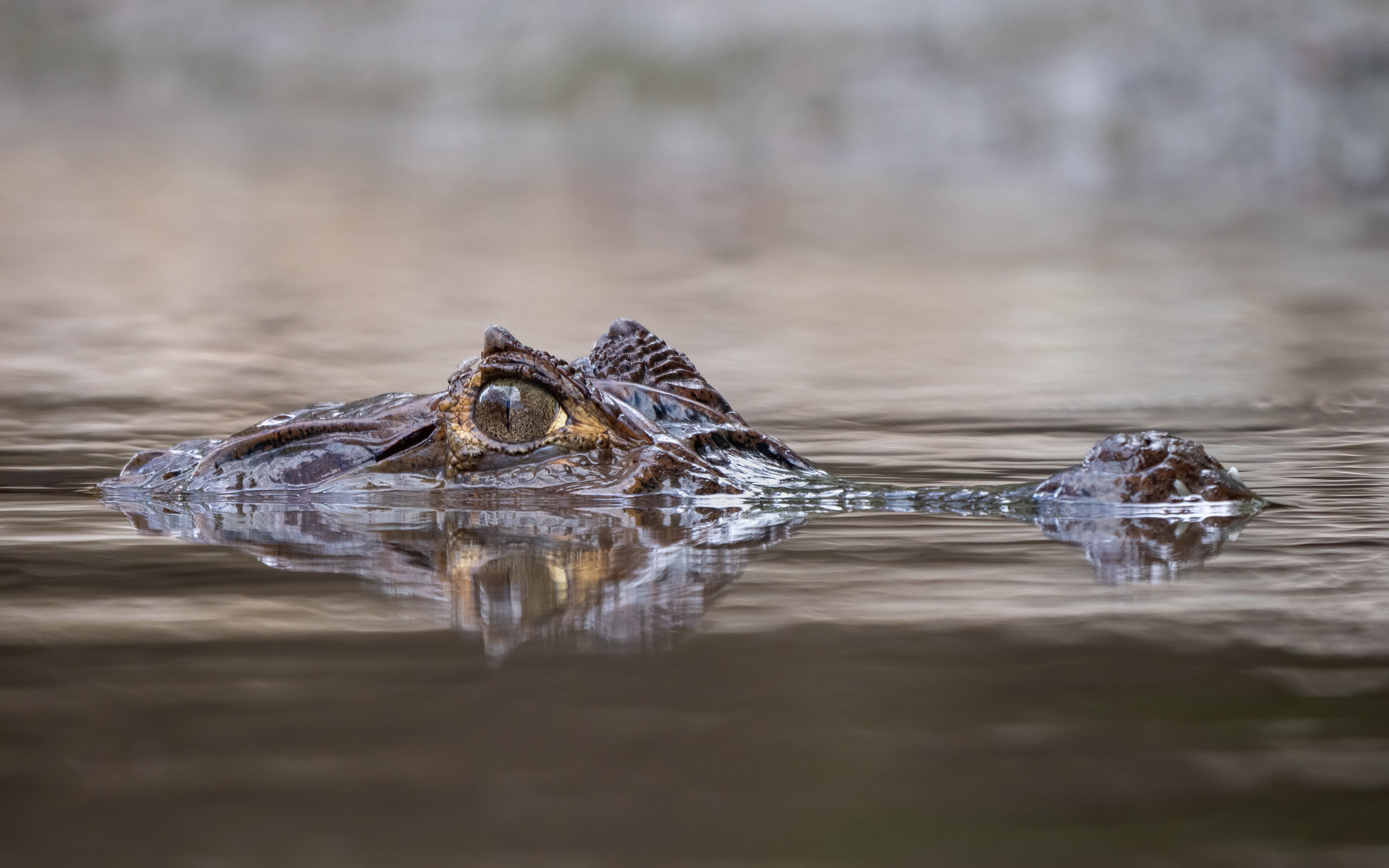
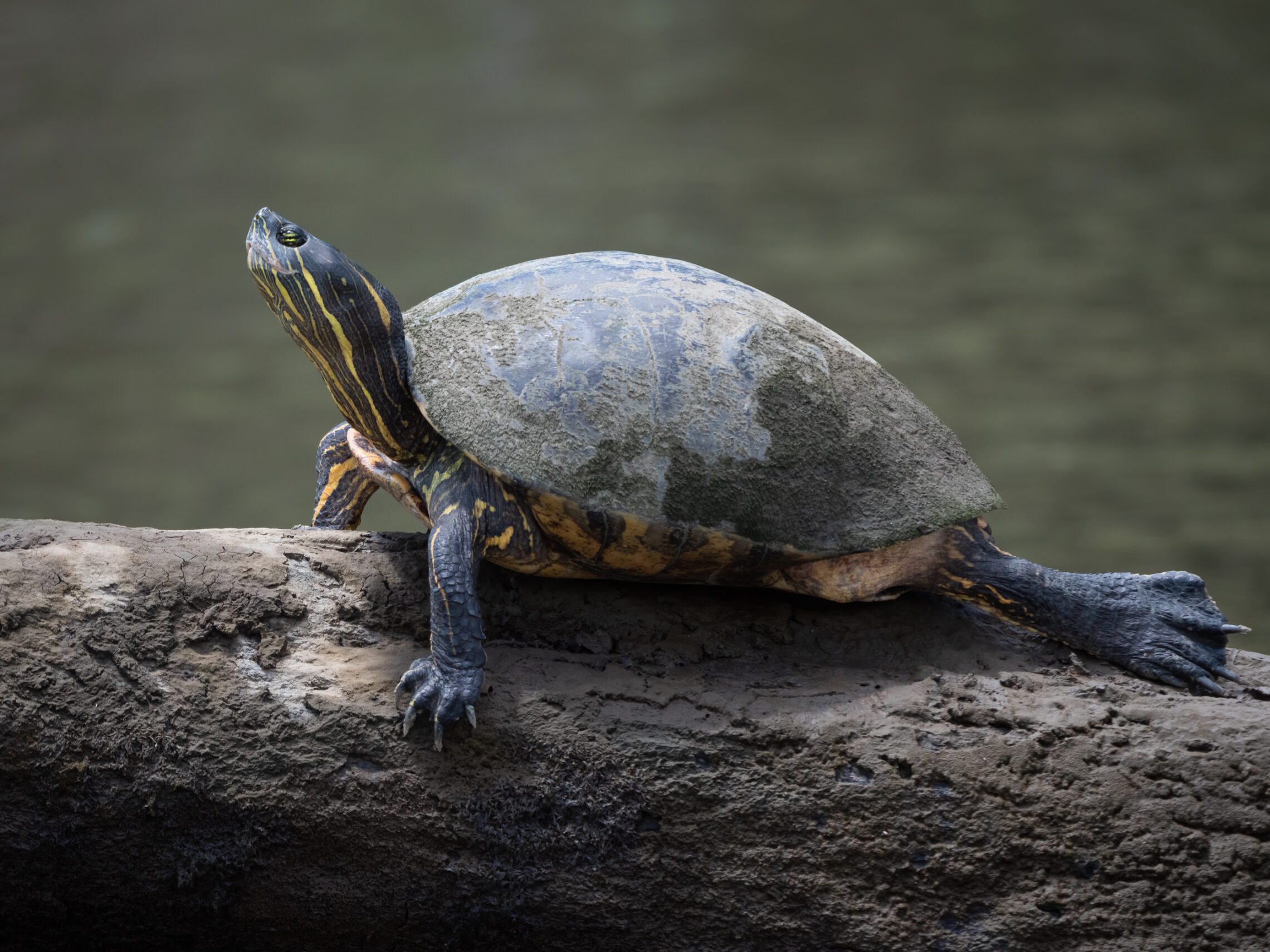
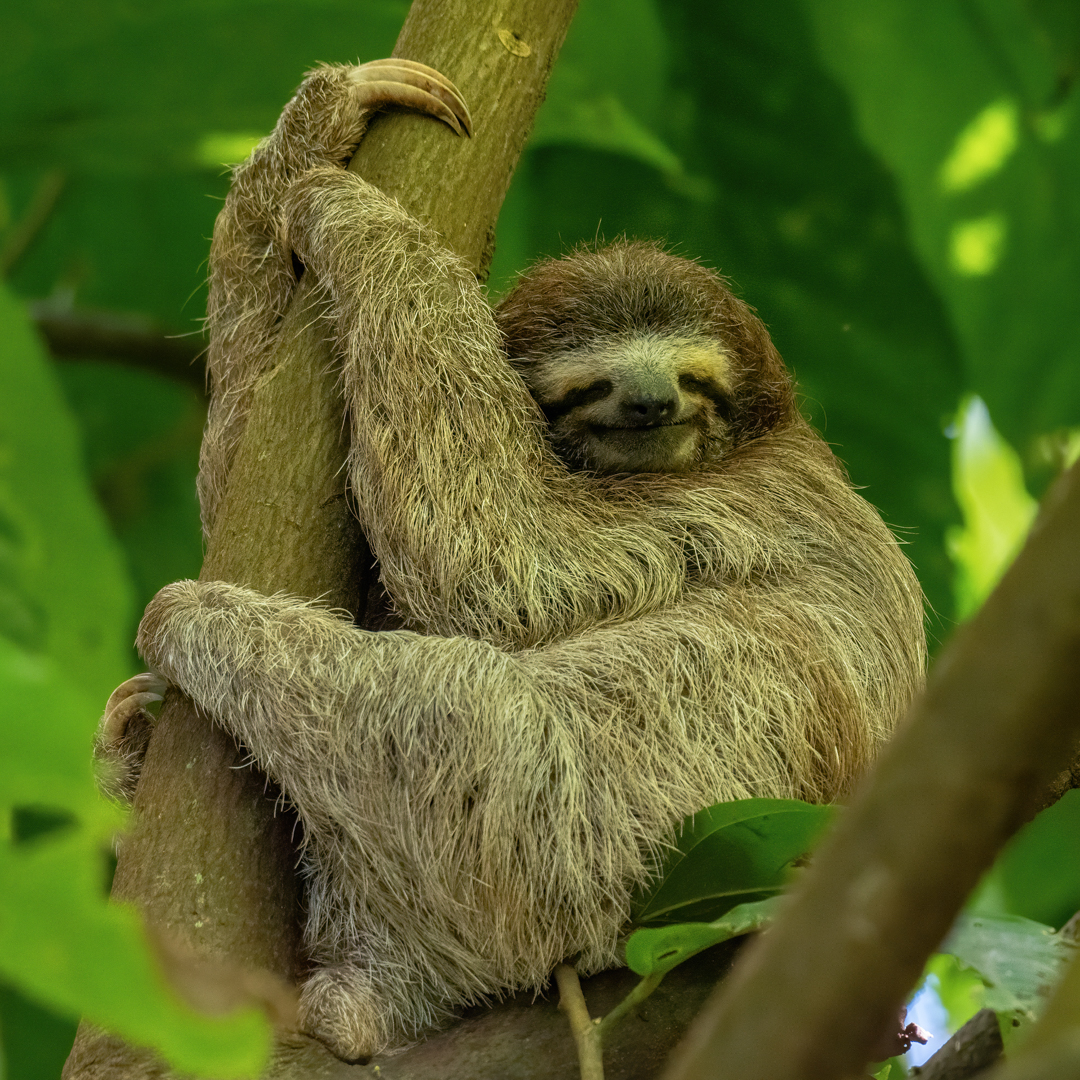
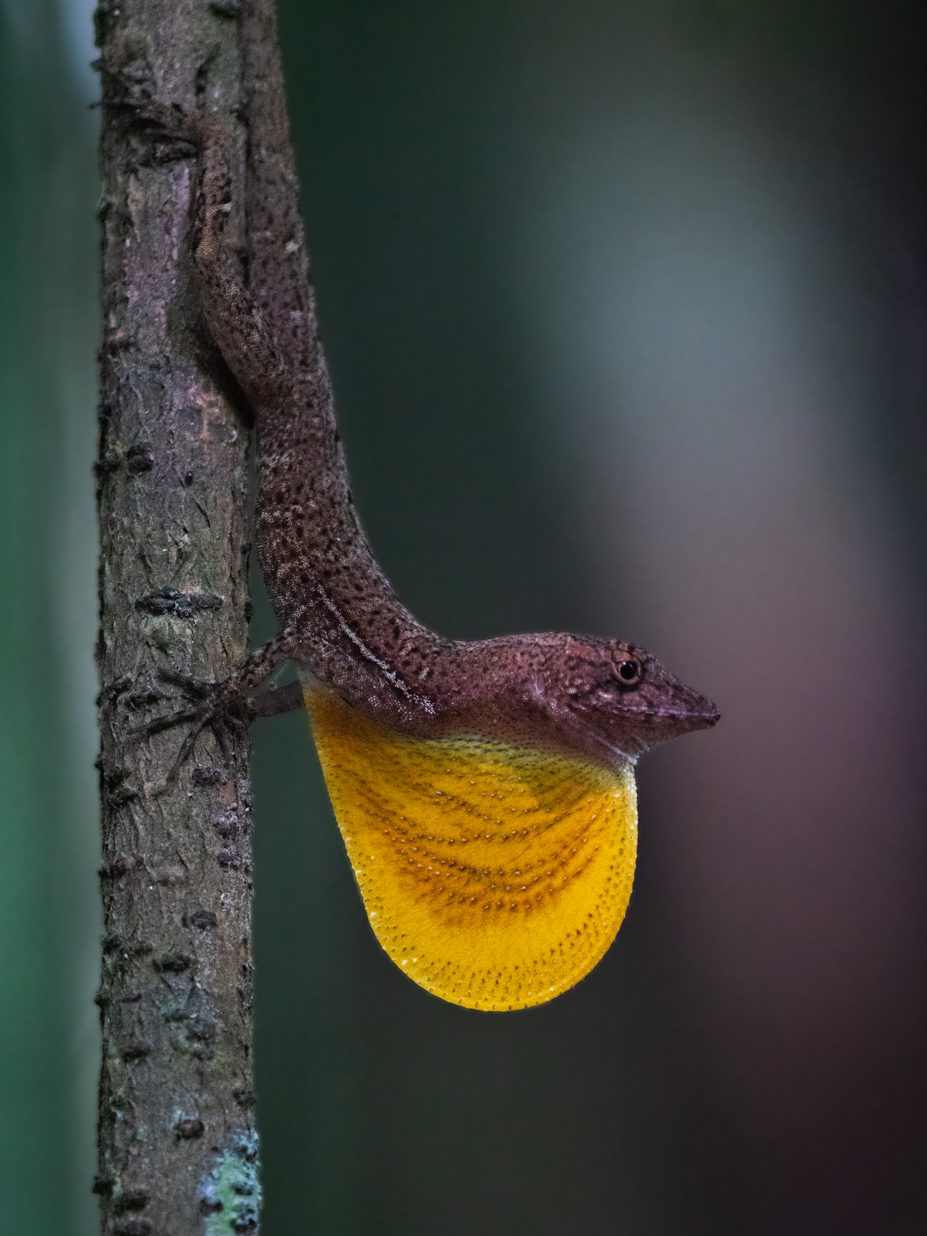
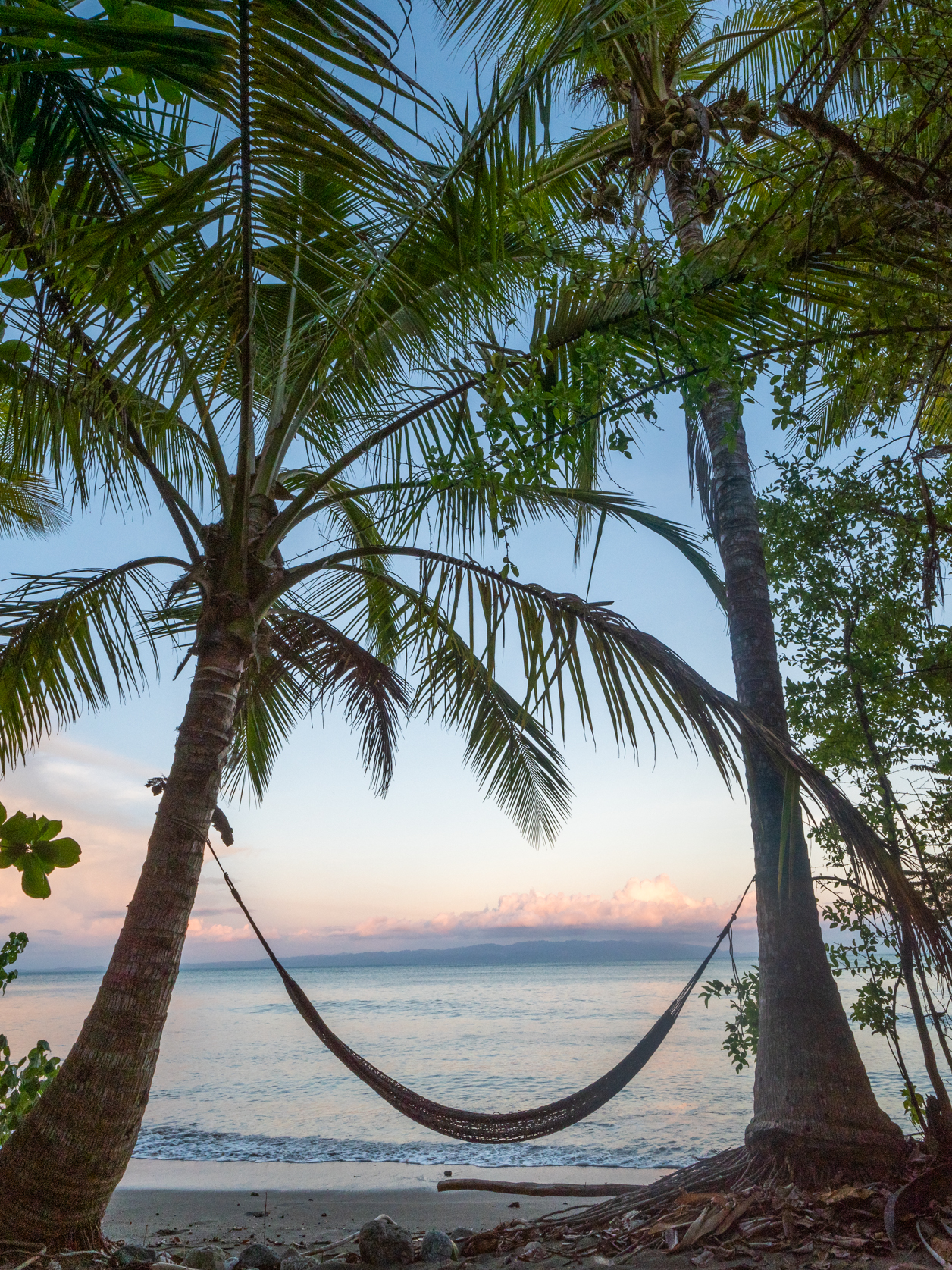
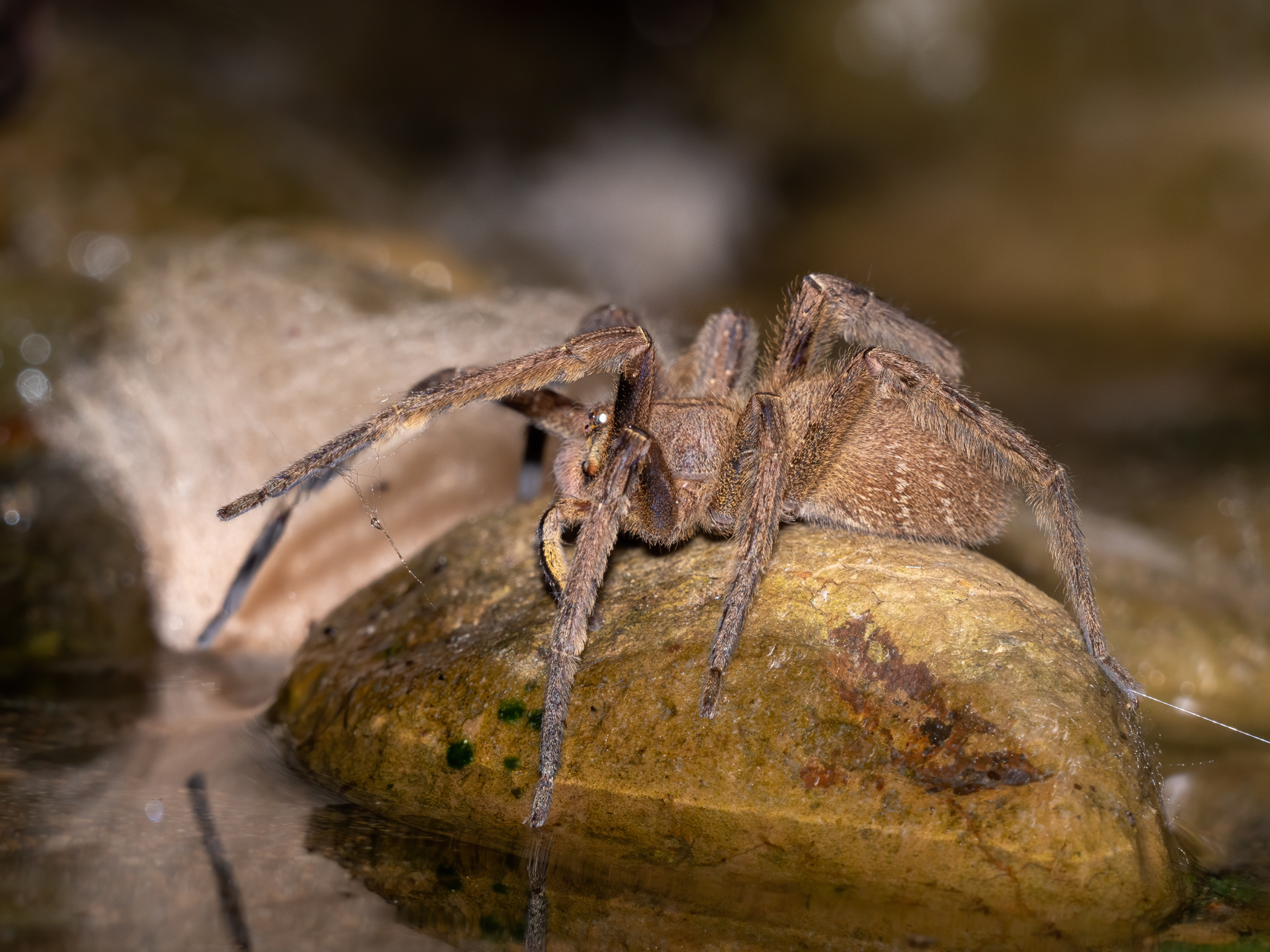
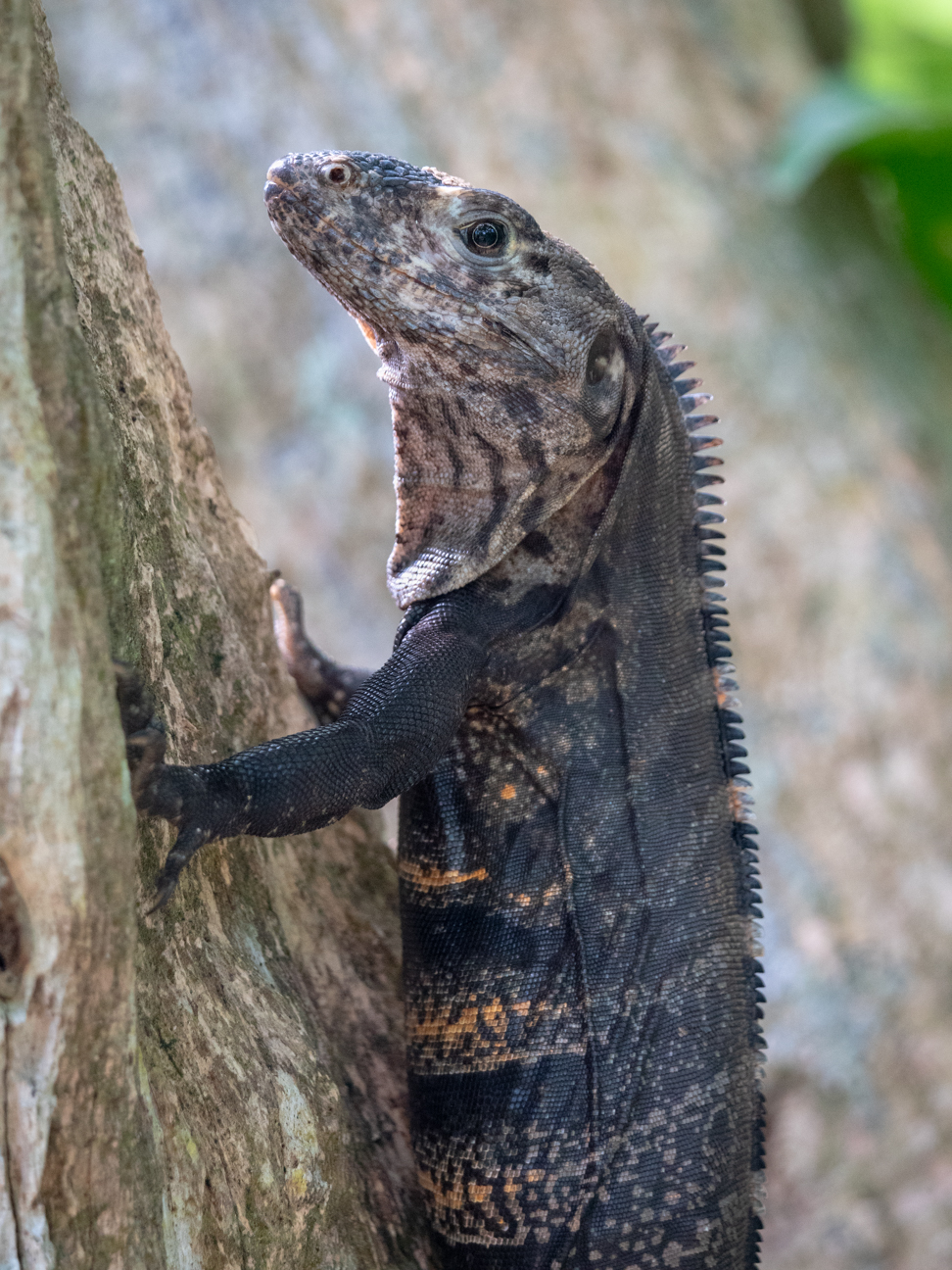
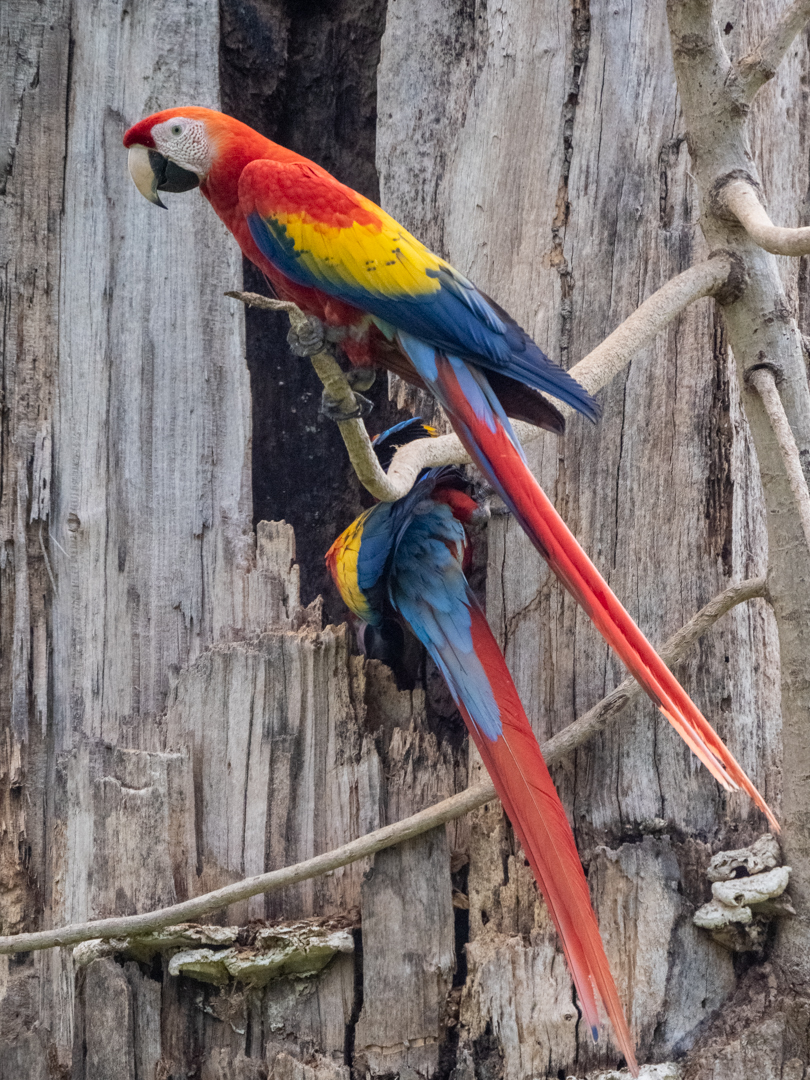
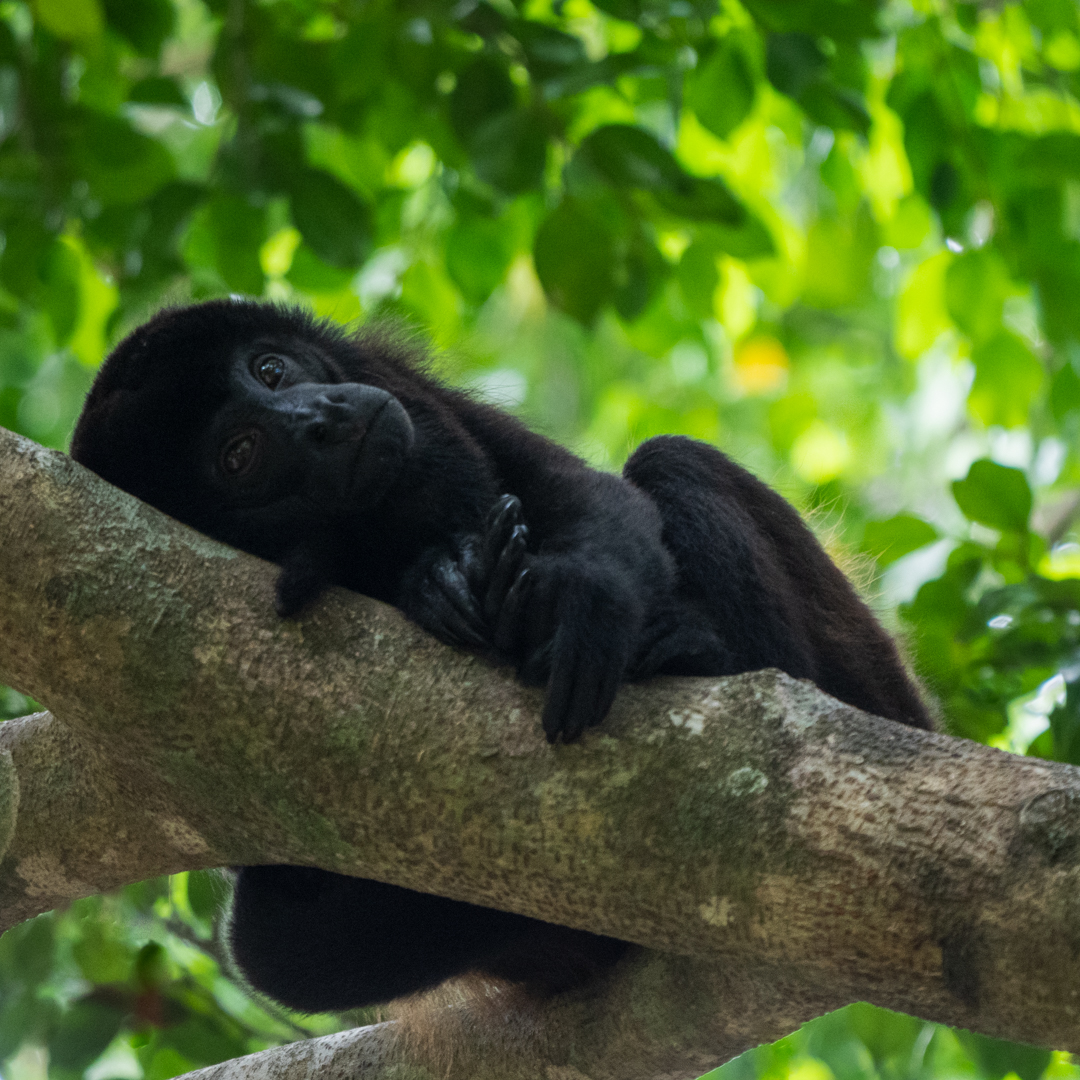
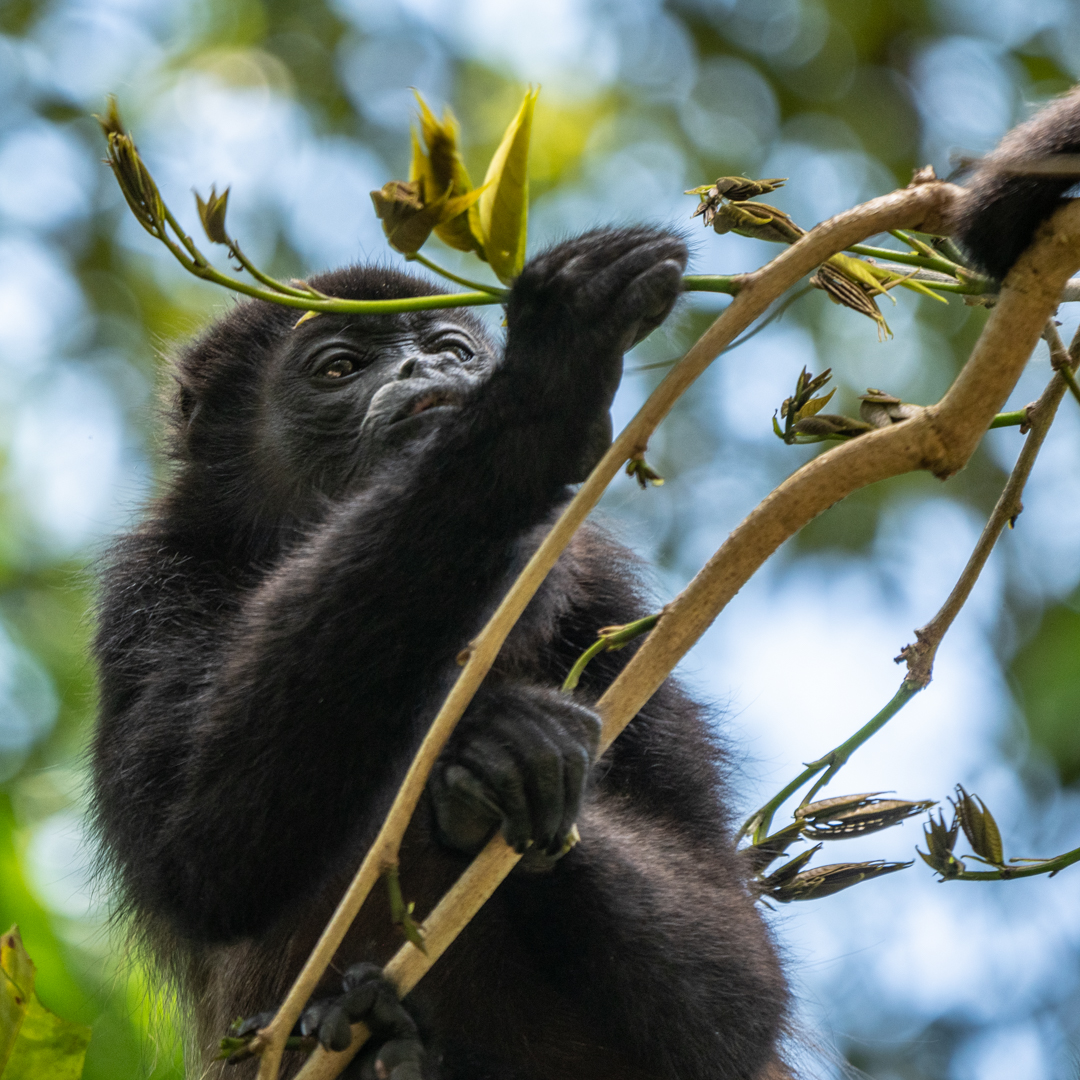
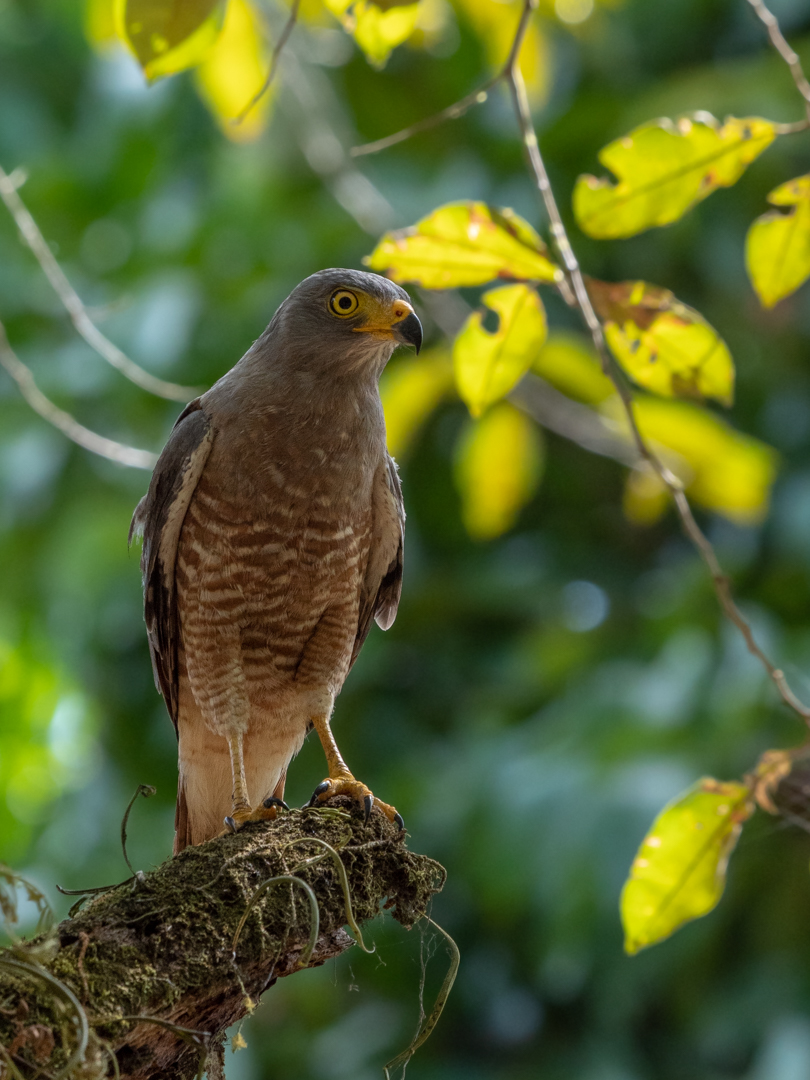
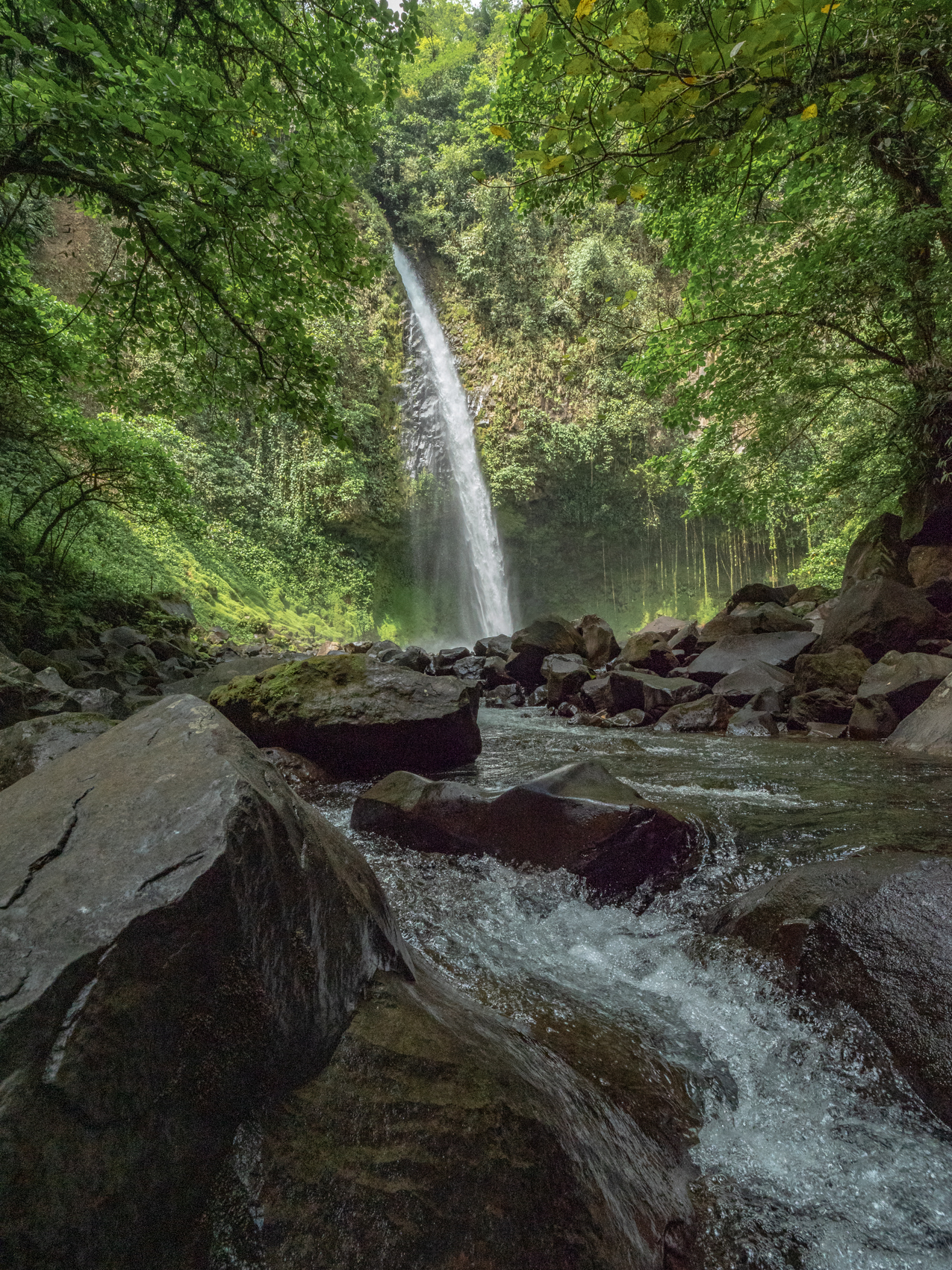
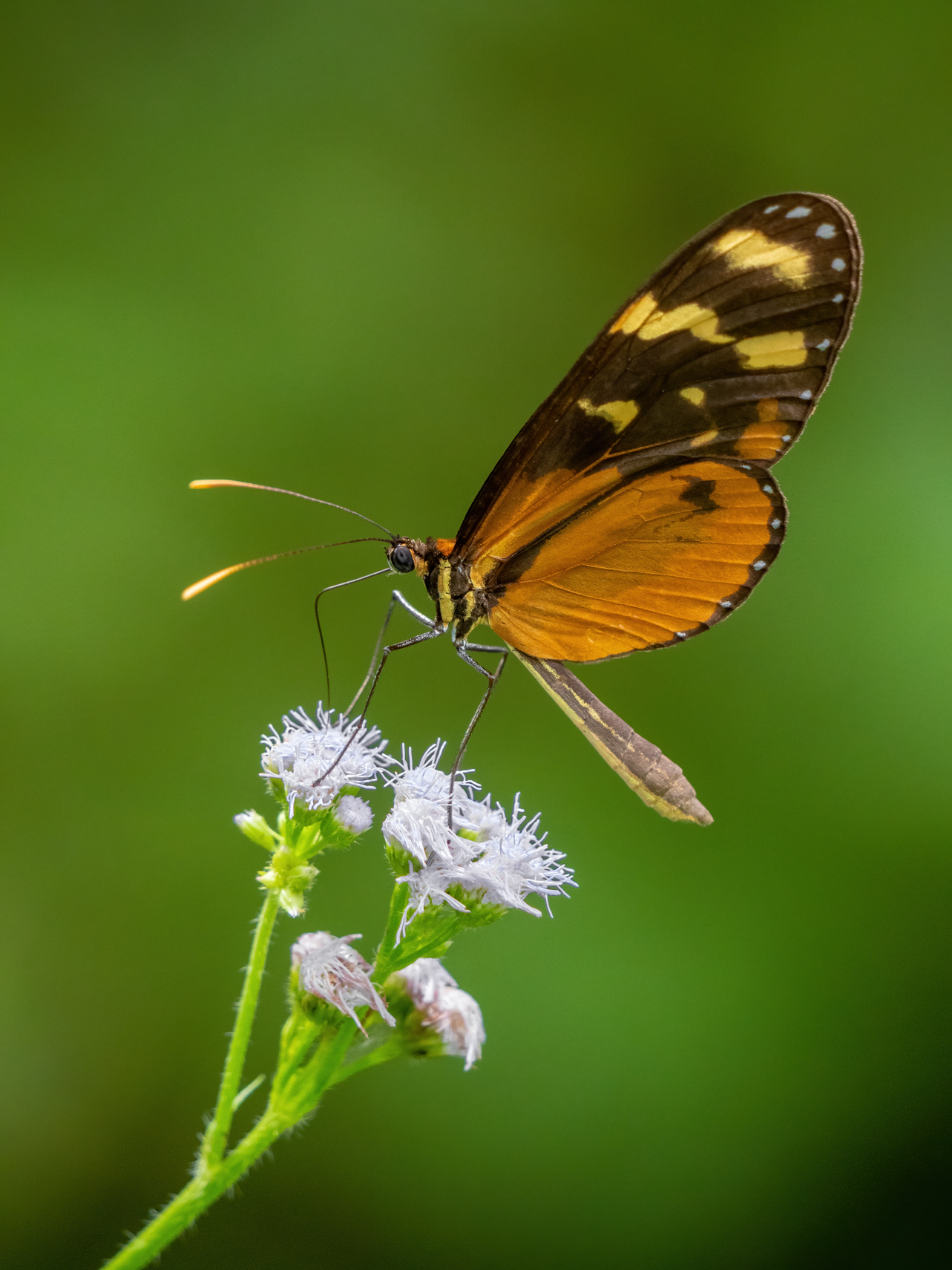
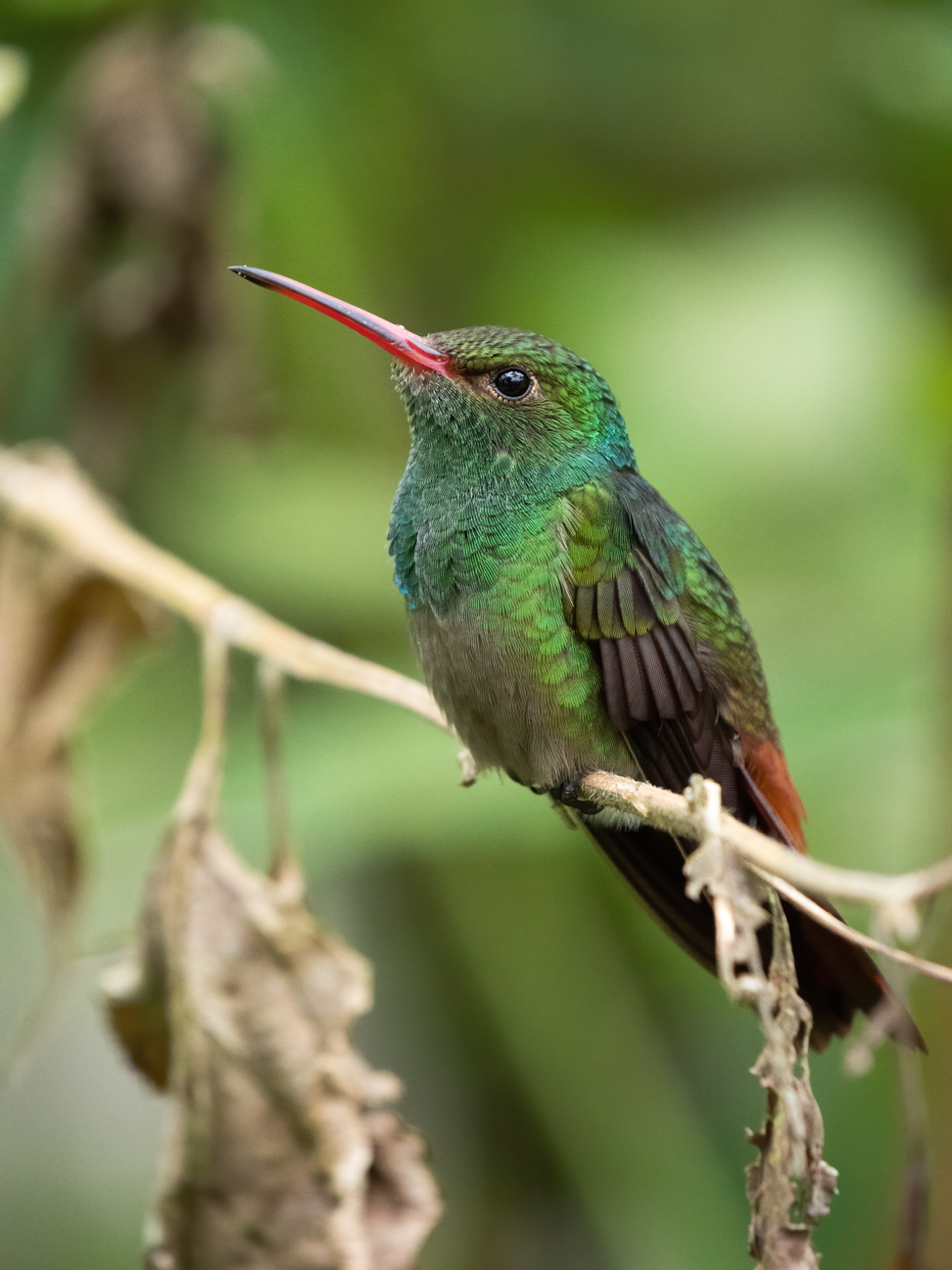
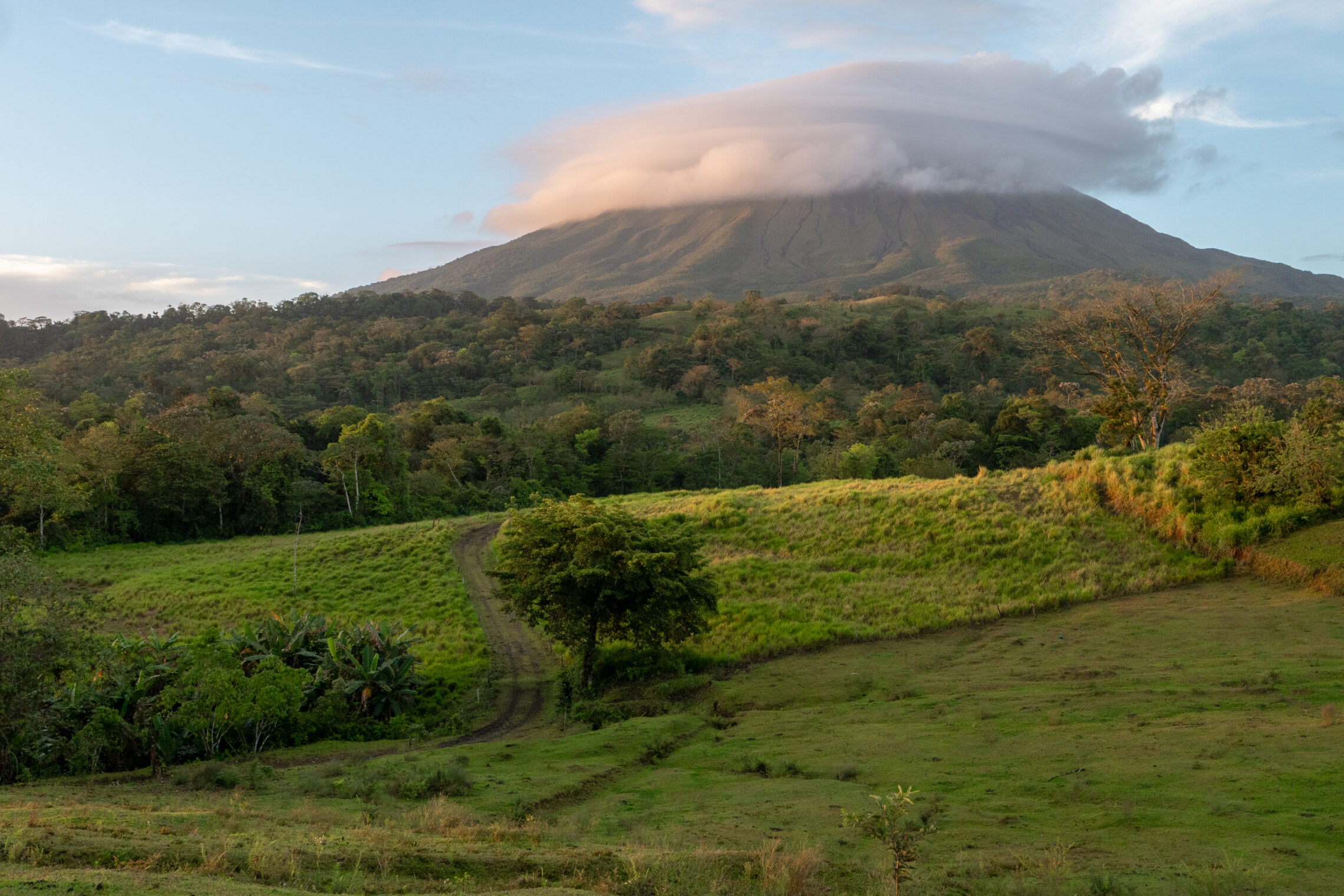
2021-03 – Costa Rica (Extended Album)

This is an extended version of an existing album, and includes additional photos.  This type of album presents a longer-form and richer version of the album, and paint a fuller picture of my experience and the story this album is sharing.  

This album can be viewed as a full screen slideshow in addition to the tile method below.  Each image can also be zoomed in to full resolution.

My initial post featuring my story and photo highlights can be viewed here.

The standard length version of this album can also be viewed here.

Instagram

A female Siberian stonechat perches atop the dried grasses of Kanha National Park, scanning the grasslands below.⁠
⁠
Siberian stonechats can be found across most of temperate Asia, with their breeding territory extending as far as northeastern Europe. Although India, where I photographed this, is outside of their normal breeding range, their wintering range does extend to much of the Indian subcontinent when its climate is more temperate. They prefer open rough scrublands or grasslands with scattered shrubs, as they are insectivorous, and these habitats support their hunting behaviors.⁠
⁠
They are “perch-and-pounce” style hunters, where exposed stems or shrubs serve as elevated points of observation, allowing them to scan the areas below them for movement, dropping down quickly to catch the insects below before returning to their lookout perch. This strategy helps them conserve energy while maximizing visibility over the surrounding tall grass.
•
Follow
A female Siberian stonechat perches atop the dried grasses of Kanha National Park, scanning the grasslands below.⁠ ⁠ Siberian stonechats can be found across most of temperate Asia, with their breeding territory extending as far as northeastern Europe. Although India, where I photographed this, is outside of their normal breeding range, their wintering range does extend to much of the Indian subcontinent when its climate is more temperate. They prefer open rough scrublands or grasslands with scattered shrubs, as they are insectivorous, and these habitats support their hunting behaviors.⁠ ⁠ They are “perch-and-pounce” style hunters, where exposed stems or shrubs serve as elevated points of observation, allowing them to scan the areas below them for movement, dropping down quickly to catch the insects below before returning to their lookout perch. This strategy helps them conserve energy while maximizing visibility over the surrounding tall grass.
2 days ago
View on Instagram |
1/9
The Tomb of Isa Khan stands beyond the sandstone archways and gardens of Delhi, India.⁠
⁠
Inside of the Humayun’s Tomb complex in Delhi, and actually predating Humayun’s Tomb by about two decades, this tomb for Isa Khan Niyazi, a noble in the court of Sher Shah Suri during the Sur dynasty period, was built in the 1540s. This tomb sits inside of a walled-in garden enclosure and is one of the earliest examples of a garden-tomb setting in India today.⁠
⁠
On this particular day, I had an action-packed day inside of Delhi. Starting with photographing a flower market at 4am, before the sun even rose, I then proceeded to India Gate to see and photograph the sunrise from it. After the sun broke the horizon, I headed to Humayun’s Tomb, as I wanted to get there early enough to beat out the crowds that would trickle in throughout the day. When approaching the massive structure that is Humayun’s Tomb, you first encounter a side path which leads to the Tomb of Isa Khan, which is almost equally impressive in its design and garden.
•
Follow
The Tomb of Isa Khan stands beyond the sandstone archways and gardens of Delhi, India.⁠ ⁠ Inside of the Humayun’s Tomb complex in Delhi, and actually predating Humayun’s Tomb by about two decades, this tomb for Isa Khan Niyazi, a noble in the court of Sher Shah Suri during the Sur dynasty period, was built in the 1540s. This tomb sits inside of a walled-in garden enclosure and is one of the earliest examples of a garden-tomb setting in India today.⁠ ⁠ On this particular day, I had an action-packed day inside of Delhi. Starting with photographing a flower market at 4am, before the sun even rose, I then proceeded to India Gate to see and photograph the sunrise from it. After the sun broke the horizon, I headed to Humayun’s Tomb, as I wanted to get there early enough to beat out the crowds that would trickle in throughout the day. When approaching the massive structure that is Humayun’s Tomb, you first encounter a side path which leads to the Tomb of Isa Khan, which is almost equally impressive in its design and garden.
5 days ago
View on Instagram |
2/9
A male pronghorn stands atop the rolling ridgelines of Lamar Valley, Yellowstone National Park, Wyoming.⁠
⁠
Pronghorn are native to the western portions of North America, from the northern deserts of Mexico to the southern sections of Alberta and Saskatchewan in Canada, covering the western United States in between. Their highest population is found in Wyoming, where this one was seen, inside of Yellowstone National Park. Their habitat preference is open plains and prairies, sagebrush steppes, and rolling hills with long sightlines, which almost perfectly fits the landscape of the Lamar Valley region in Yellowstone.⁠
⁠
Given their preference for rolling hills with long sightlines, it makes sense that they have adapted to seeing long distances, aiding their ability to spot predators. They have some of the largest eyes relative to body size of any land mammal, allowing them to detect movement several miles away, which was certainly useful on this morning, as there was in fact a coyote in the distance this pronghorn was keeping his eye on, using this ridgeline for its raised view.
•
Follow
A male pronghorn stands atop the rolling ridgelines of Lamar Valley, Yellowstone National Park, Wyoming.⁠ ⁠ Pronghorn are native to the western portions of North America, from the northern deserts of Mexico to the southern sections of Alberta and Saskatchewan in Canada, covering the western United States in between. Their highest population is found in Wyoming, where this one was seen, inside of Yellowstone National Park. Their habitat preference is open plains and prairies, sagebrush steppes, and rolling hills with long sightlines, which almost perfectly fits the landscape of the Lamar Valley region in Yellowstone.⁠ ⁠ Given their preference for rolling hills with long sightlines, it makes sense that they have adapted to seeing long distances, aiding their ability to spot predators. They have some of the largest eyes relative to body size of any land mammal, allowing them to detect movement several miles away, which was certainly useful on this morning, as there was in fact a coyote in the distance this pronghorn was keeping his eye on, using this ridgeline for its raised view.
1 week ago
View on Instagram |
3/9
A male Indian rose-ringed parakeet poking out of his nest, inside the cavity of a tree in Pench National Park, India.⁠
⁠
Indian rose-ringed parakeets are cavity nesters, meaning they do not build traditional nests. Instead, they search for naturally occurring tree hollows or the holes left by woodpeckers to build inside of. More often than not, they rely on mature trees with internal decay, and with suitable cavities being a finite resource, they compete with other birds and small mammals for the right to occupy them.⁠
⁠
The teak and mixed hardwood species found within the tropical dry deciduous forest of Pench National Park are a valuable resource for cavity nesters, as the trees found there can be quite old, with plenty to choose from. Since their nests are hidden inside trees, they must peer out in order to keep an eye on their surroundings, which was the case with this bird on this occasion, who took a few moments to peek outside its cavity, allowing me to sneak my own peek, capturing this photograph.
•
Follow
A male Indian rose-ringed parakeet poking out of his nest, inside the cavity of a tree in Pench National Park, India.⁠ ⁠ Indian rose-ringed parakeets are cavity nesters, meaning they do not build traditional nests. Instead, they search for naturally occurring tree hollows or the holes left by woodpeckers to build inside of. More often than not, they rely on mature trees with internal decay, and with suitable cavities being a finite resource, they compete with other birds and small mammals for the right to occupy them.⁠ ⁠ The teak and mixed hardwood species found within the tropical dry deciduous forest of Pench National Park are a valuable resource for cavity nesters, as the trees found there can be quite old, with plenty to choose from. Since their nests are hidden inside trees, they must peer out in order to keep an eye on their surroundings, which was the case with this bird on this occasion, who took a few moments to peek outside its cavity, allowing me to sneak my own peek, capturing this photograph.
1 week ago
View on Instagram |
4/9
The delicate flow of Marymere Falls cascades over moss-covered cliffs within the temperate rainforest of Olympic National Park, Washington.⁠
⁠
Marymere Falls drops around 90 feet (27.5 m), and its water has carved a steep and recessed channel in the rock over time. It is fed by snowmelt and rainfall from the Olympic Mountains, which is why the flow is strongest in late spring. I took this photograph in late August, resulting in the more delicate flow experienced this morning.⁠
⁠
The temperate rainforest zone of Olympic National Park is fed by moisture-laden air from the Pacific, which is forced upward by the Olympic Mountains. The mountain-influenced precipitation which occurs from this leads to heavy rainfall and year-round high humidity. Those types of conditions allow the mosses and ferns seen on the rock surface to thrive, which are also aided by the mist and splash created by the waterfall itself.
•
Follow
The delicate flow of Marymere Falls cascades over moss-covered cliffs within the temperate rainforest of Olympic National Park, Washington.⁠ ⁠ Marymere Falls drops around 90 feet (27.5 m), and its water has carved a steep and recessed channel in the rock over time. It is fed by snowmelt and rainfall from the Olympic Mountains, which is why the flow is strongest in late spring. I took this photograph in late August, resulting in the more delicate flow experienced this morning.⁠ ⁠ The temperate rainforest zone of Olympic National Park is fed by moisture-laden air from the Pacific, which is forced upward by the Olympic Mountains. The mountain-influenced precipitation which occurs from this leads to heavy rainfall and year-round high humidity. Those types of conditions allow the mosses and ferns seen on the rock surface to thrive, which are also aided by the mist and splash created by the waterfall itself.
2 weeks ago
View on Instagram |
5/9
The sun’s rays break through layered clouds before fading into an autumn evening in Connecticut.⁠
⁠
I took this photograph during the peak to late fall transition last year, in northern Connecticut. I knew the cloud cover on this evening was quite promising in terms of sunset potential, but when I got to this location, it became clear that the sunset was either going to be completely amazing or completely blocked out, due to the extensive stratocumulus cloud deck.⁠
⁠
Ultimately, the sunset was completely blocked. But, for just a brief moment, the sun was visible through a gap in the clouds before being completely blanketed from that point on, allowing me to take this one photograph.
•
Follow
The sun’s rays break through layered clouds before fading into an autumn evening in Connecticut.⁠ ⁠ I took this photograph during the peak to late fall transition last year, in northern Connecticut. I knew the cloud cover on this evening was quite promising in terms of sunset potential, but when I got to this location, it became clear that the sunset was either going to be completely amazing or completely blocked out, due to the extensive stratocumulus cloud deck.⁠ ⁠ Ultimately, the sunset was completely blocked. But, for just a brief moment, the sun was visible through a gap in the clouds before being completely blanketed from that point on, allowing me to take this one photograph.
2 weeks ago
View on Instagram |
6/9
The glowing Seattle skyline rises beneath a fog-laced night sky, viewed from Kerry Park.⁠
⁠
On my trip to the Pacific Northwest, I spent a total of one brief night in Seattle, and I knew I wanted to photograph the skyline. Kerry Park is considered by most as the classic iconic place to do so, as it is located on the south slope of Queen Anne Hill, giving it a direct and elevated line of sight at downtown Seattle. Prominently featured from this vantage point is, of course, the Space Needle, with the Seattle Great Wheel peeking through a gap in some of the buildings to the right-hand side.⁠
⁠
The fog-laced sky is typical of the atmosphere here, when a marine layer of cloud cover forms as cool Pacific air moves inland, condensing at low elevations. Not only do these clouds mingle with the skyscrapers themselves and create great depth and visual contrast, but their low level allows the lights of the city to reflect off of them, amplifying their brightness. It was slightly raining on this evening, which, when combined with the atmospheric fog, resulted in my brief night here being classic Seattle, matching the classic nature of this viewpoint.
•
Follow
The glowing Seattle skyline rises beneath a fog-laced night sky, viewed from Kerry Park.⁠ ⁠ On my trip to the Pacific Northwest, I spent a total of one brief night in Seattle, and I knew I wanted to photograph the skyline. Kerry Park is considered by most as the classic iconic place to do so, as it is located on the south slope of Queen Anne Hill, giving it a direct and elevated line of sight at downtown Seattle. Prominently featured from this vantage point is, of course, the Space Needle, with the Seattle Great Wheel peeking through a gap in some of the buildings to the right-hand side.⁠ ⁠ The fog-laced sky is typical of the atmosphere here, when a marine layer of cloud cover forms as cool Pacific air moves inland, condensing at low elevations. Not only do these clouds mingle with the skyscrapers themselves and create great depth and visual contrast, but their low level allows the lights of the city to reflect off of them, amplifying their brightness. It was slightly raining on this evening, which, when combined with the atmospheric fog, resulted in my brief night here being classic Seattle, matching the classic nature of this viewpoint.
2 weeks ago
View on Instagram |
7/9
Pastel sunset colors fan across the sky over the white sands of Fort De Soto Park, Florida.⁠
⁠
A month ago, I spent a few days in the Tampa area, on the Gulf Coast of Florida. When I know I will be photographing an array of sunsets, I use an app on my phone to identify which locations (and dates) have the highest probability of color in the sky during sunset, using live weather data. My original plan after landing this afternoon was to go to the Palm Harbor area, as I was staying nearby, and the original forecast had that area being ideal for color.⁠
⁠
But once my plane landed, I connected to that app again, and things had shifted a bit. Now the St. Petersburg area (about an hour further south) was forecasted to have significantly higher color potential than Palm Harbor. So, I shifted my plans, grabbed my rental car, and headed straight for Fort De Soto Park, one of the more visually stunning beaches in that region, and in the center of this color forecast.⁠
⁠
What I didn’t realize is that this park closes at sunset. Which, in all fairness, I did see the signs proclaiming this as I drove in, but I figured there was a bit of a buffer in terms of the adherence of this policy, and I would have a good 15 minutes or so to take my photographs after the sun dropped behind the horizon.⁠
⁠
So, to my surprise, as I adjusted and relocated my tripod based on which parts of the sky had the best color, a park ranger drove her truck up to me (literally about 30 seconds after the sun set), alerting me that they were now closed, and that I must leave. I took an extra ten seconds in this moment to take this photograph, packed up, and made my way back to my car.
•
Follow
Pastel sunset colors fan across the sky over the white sands of Fort De Soto Park, Florida.⁠ ⁠ A month ago, I spent a few days in the Tampa area, on the Gulf Coast of Florida. When I know I will be photographing an array of sunsets, I use an app on my phone to identify which locations (and dates) have the highest probability of color in the sky during sunset, using live weather data. My original plan after landing this afternoon was to go to the Palm Harbor area, as I was staying nearby, and the original forecast had that area being ideal for color.⁠ ⁠ But once my plane landed, I connected to that app again, and things had shifted a bit. Now the St. Petersburg area (about an hour further south) was forecasted to have significantly higher color potential than Palm Harbor. So, I shifted my plans, grabbed my rental car, and headed straight for Fort De Soto Park, one of the more visually stunning beaches in that region, and in the center of this color forecast.⁠ ⁠ What I didn’t realize is that this park closes at sunset. Which, in all fairness, I did see the signs proclaiming this as I drove in, but I figured there was a bit of a buffer in terms of the adherence of this policy, and I would have a good 15 minutes or so to take my photographs after the sun dropped behind the horizon.⁠ ⁠ So, to my surprise, as I adjusted and relocated my tripod based on which parts of the sky had the best color, a park ranger drove her truck up to me (literally about 30 seconds after the sun set), alerting me that they were now closed, and that I must leave. I took an extra ten seconds in this moment to take this photograph, packed up, and made my way back to my car.
3 weeks ago
View on Instagram |
8/9
The frigid waters of Sabbaday Brook flow alongside their frozen counterparts on a winter afternoon in the White Mountains of New Hampshire.⁠
⁠
The few days spent in the White Mountains this past winter were quite frigid, with the temperature being around 5°F (-15°C) on this afternoon. Even in the depths of winter, where the water temperatures are extremely cold, the fast-moving, oxygen-rich water resists freezing completely over. The parts which are calmer and slower-moving develop surface ice and anchor ice formations. The swirling water in the foreground and the area where it plunges into remain unfrozen, while the water around the perimeter freezes over.⁠
⁠
This photograph was taken just below Sabbaday Falls, literally behind my back as I took this photo facing away from it. The curtain icicles forming along the rock face occur where seepage or splash freezes gradually over time. I placed one of the fully extended legs of my tripod directly in the rushing water, with the other two (much shorter) legs on the ice shelf to the side, with the camera only a few inches above the rushing water. This allowed me to use the flow of the water as a leading line into the plunge pool and icicle display.
•
Follow
The frigid waters of Sabbaday Brook flow alongside their frozen counterparts on a winter afternoon in the White Mountains of New Hampshire.⁠ ⁠ The few days spent in the White Mountains this past winter were quite frigid, with the temperature being around 5°F (-15°C) on this afternoon. Even in the depths of winter, where the water temperatures are extremely cold, the fast-moving, oxygen-rich water resists freezing completely over. The parts which are calmer and slower-moving develop surface ice and anchor ice formations. The swirling water in the foreground and the area where it plunges into remain unfrozen, while the water around the perimeter freezes over.⁠ ⁠ This photograph was taken just below Sabbaday Falls, literally behind my back as I took this photo facing away from it. The curtain icicles forming along the rock face occur where seepage or splash freezes gradually over time. I placed one of the fully extended legs of my tripod directly in the rushing water, with the other two (much shorter) legs on the ice shelf to the side, with the camera only a few inches above the rushing water. This allowed me to use the flow of the water as a leading line into the plunge pool and icicle display.
3 weeks ago
View on Instagram |
9/9
View on Instagram

Evan

All types of photography, with an emphasis on wildlife and landscape.

Follow me

  • instagram
  • reddit
  • mail
  • facebook
  • youtube
  • x
  • tiktok
  • pinterest

Categories

  • Animals (10)
  • Birds (6)
  • City (3)
  • Culture (2)
  • Hiking (9)
  • Landscape (14)
  • Nature (14)
  • People (2)
  • Travel (16)

Copyright © 2023 Evan T Photography

Designed by WPZOOM