Evan T Photography

Different types of photography, with short and longform photo album stories.

Follow me

  • instagram
  • reddit
  • mail
  • facebook
  • youtube
  • x
  • tiktok
  • pinterest
  • Home
  • Photo Posts
  • Photo Albums
  • Gallery
  • About
  • Contact
  • Shop
  • 0 items – $0.00
  • Home
  • Photo Posts
  • Photo Albums
  • Gallery
  • About
  • Contact
  • Shop
  • 0 items – $0.00

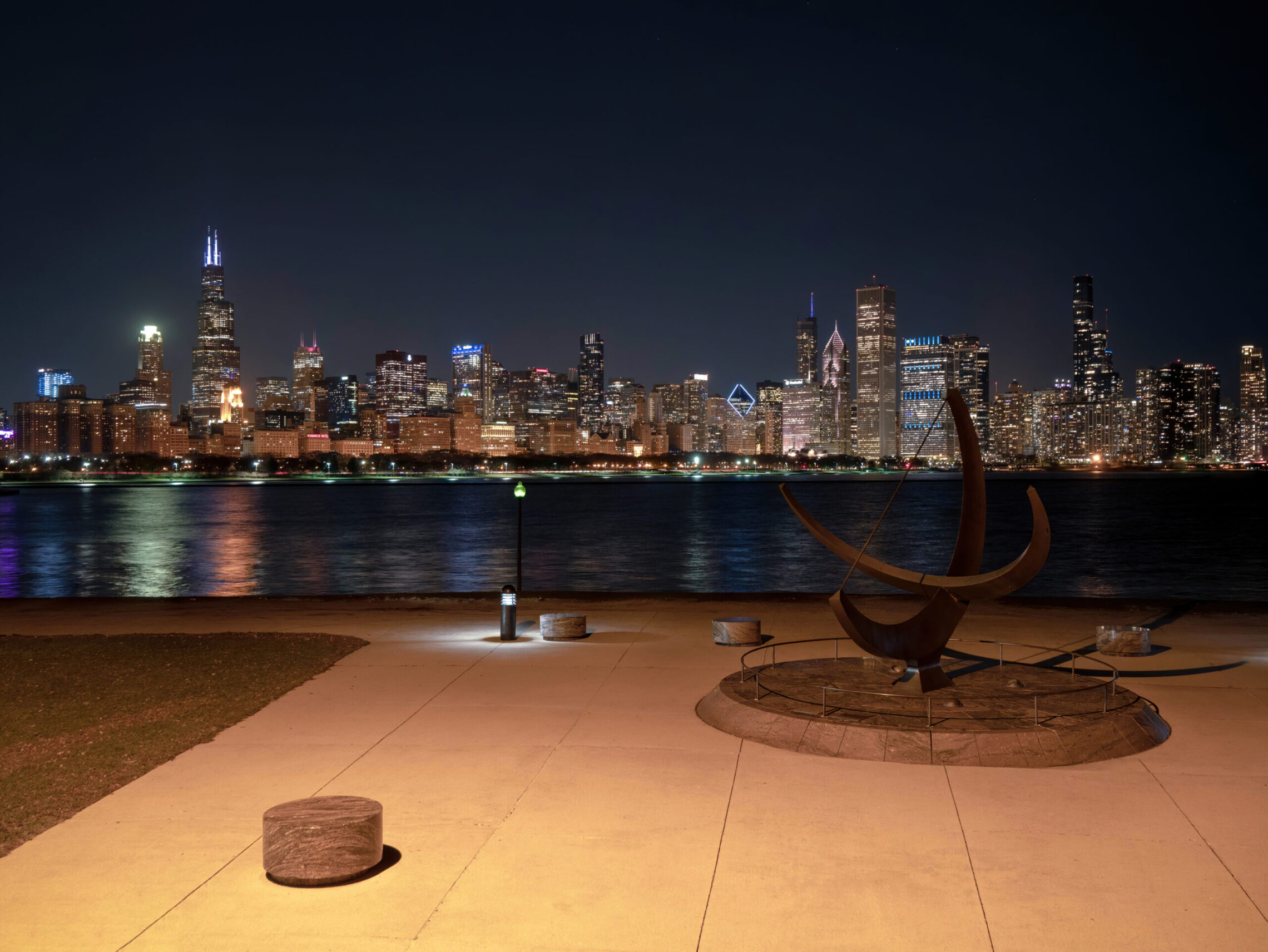
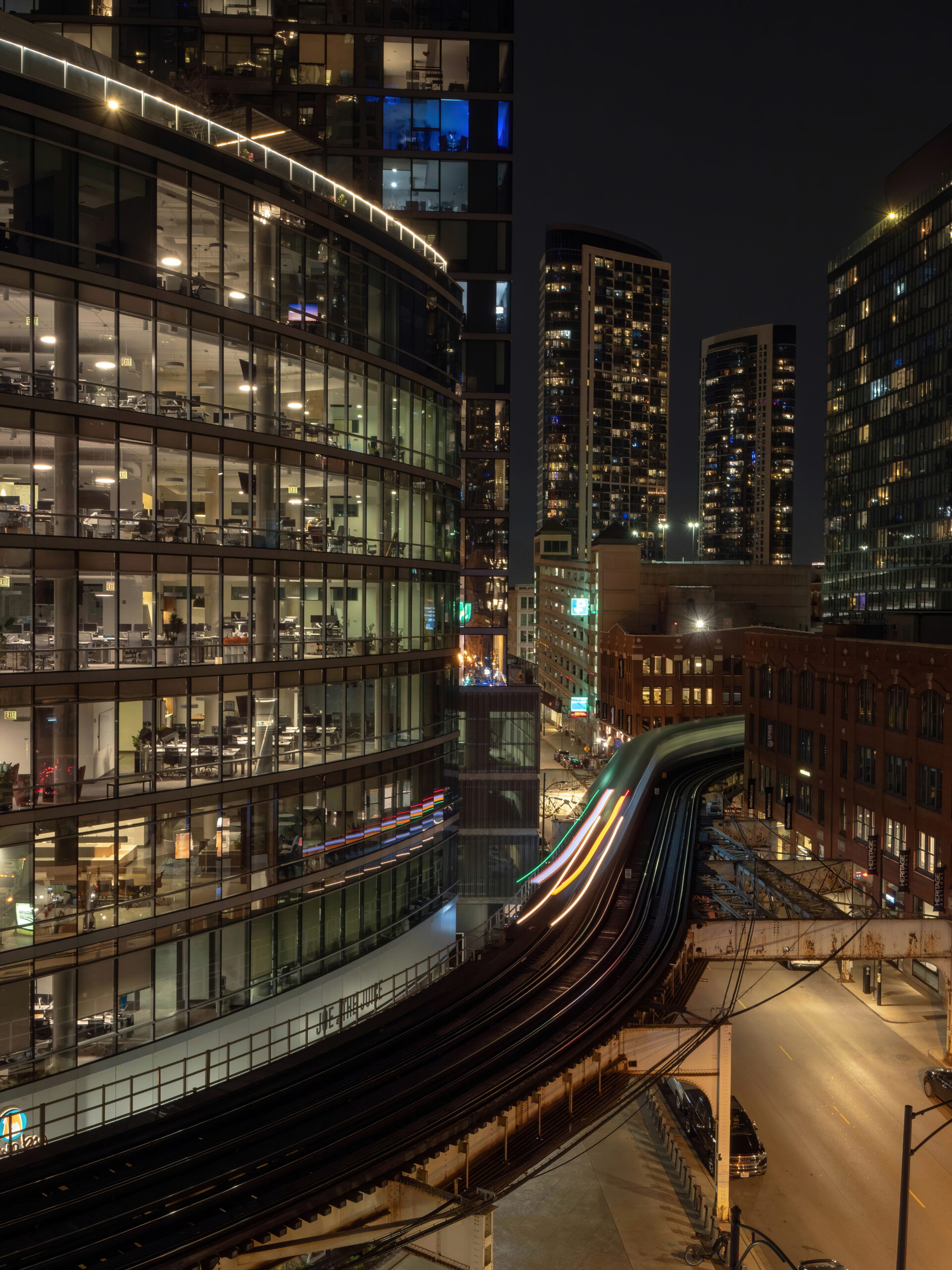
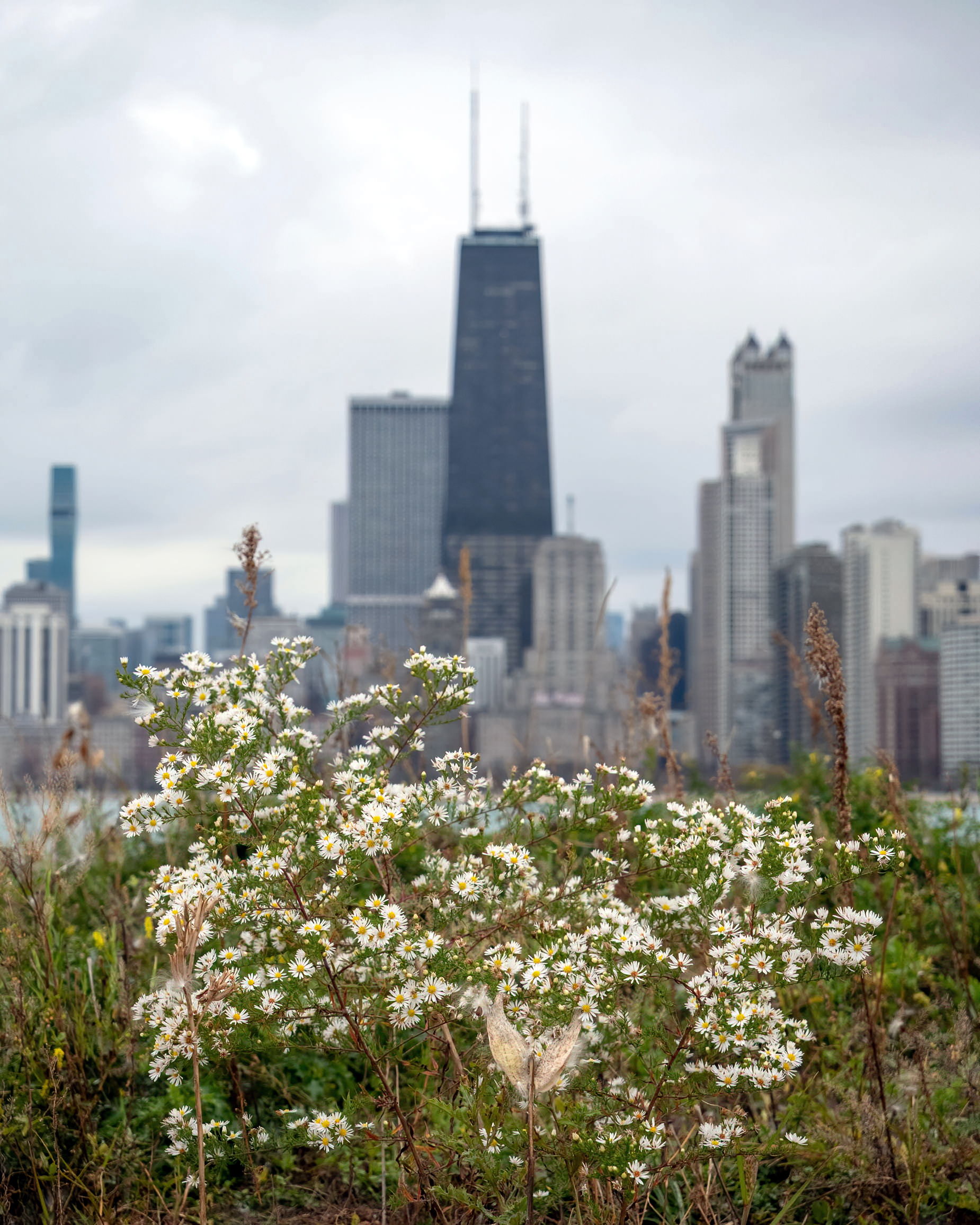
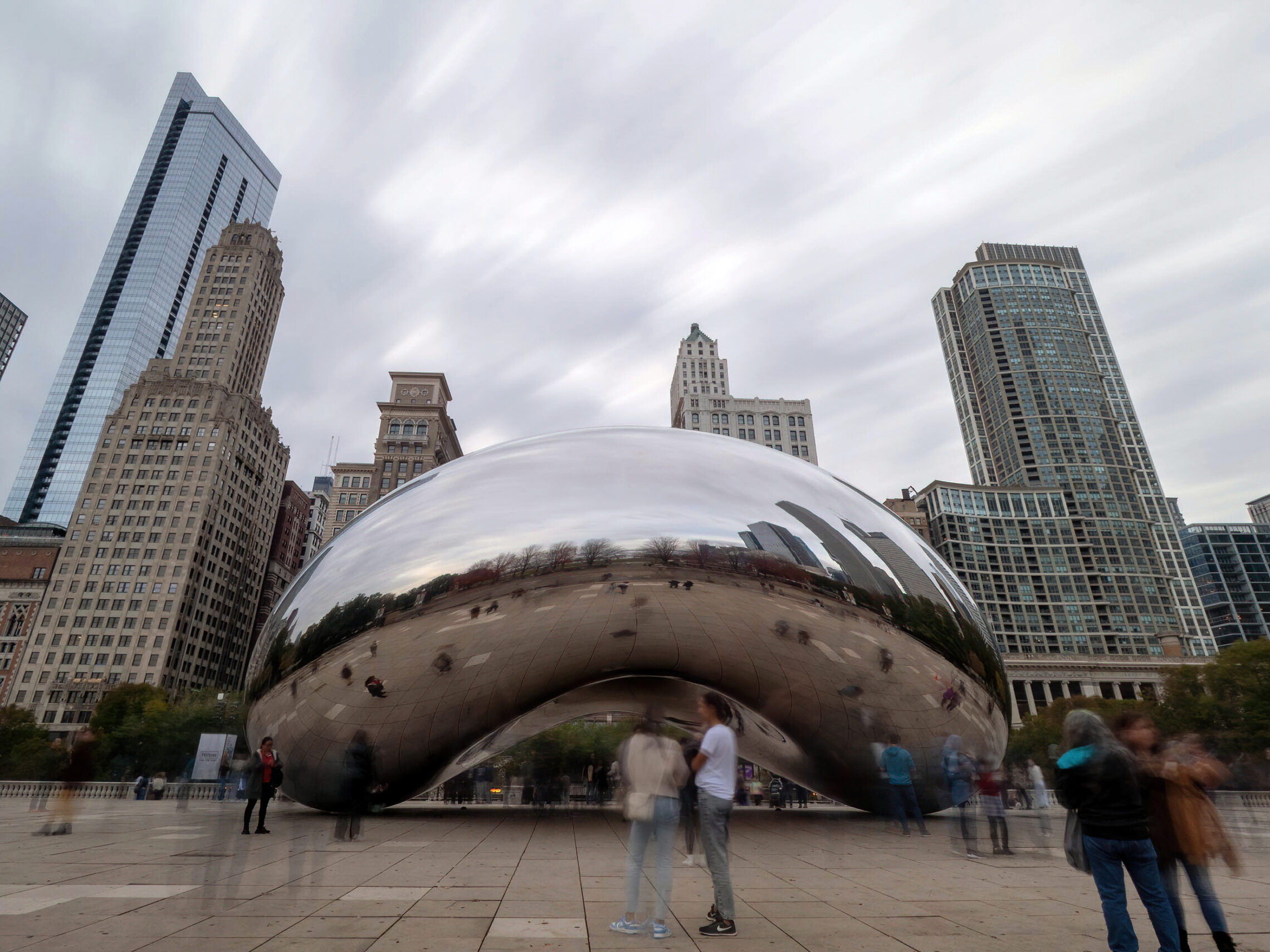
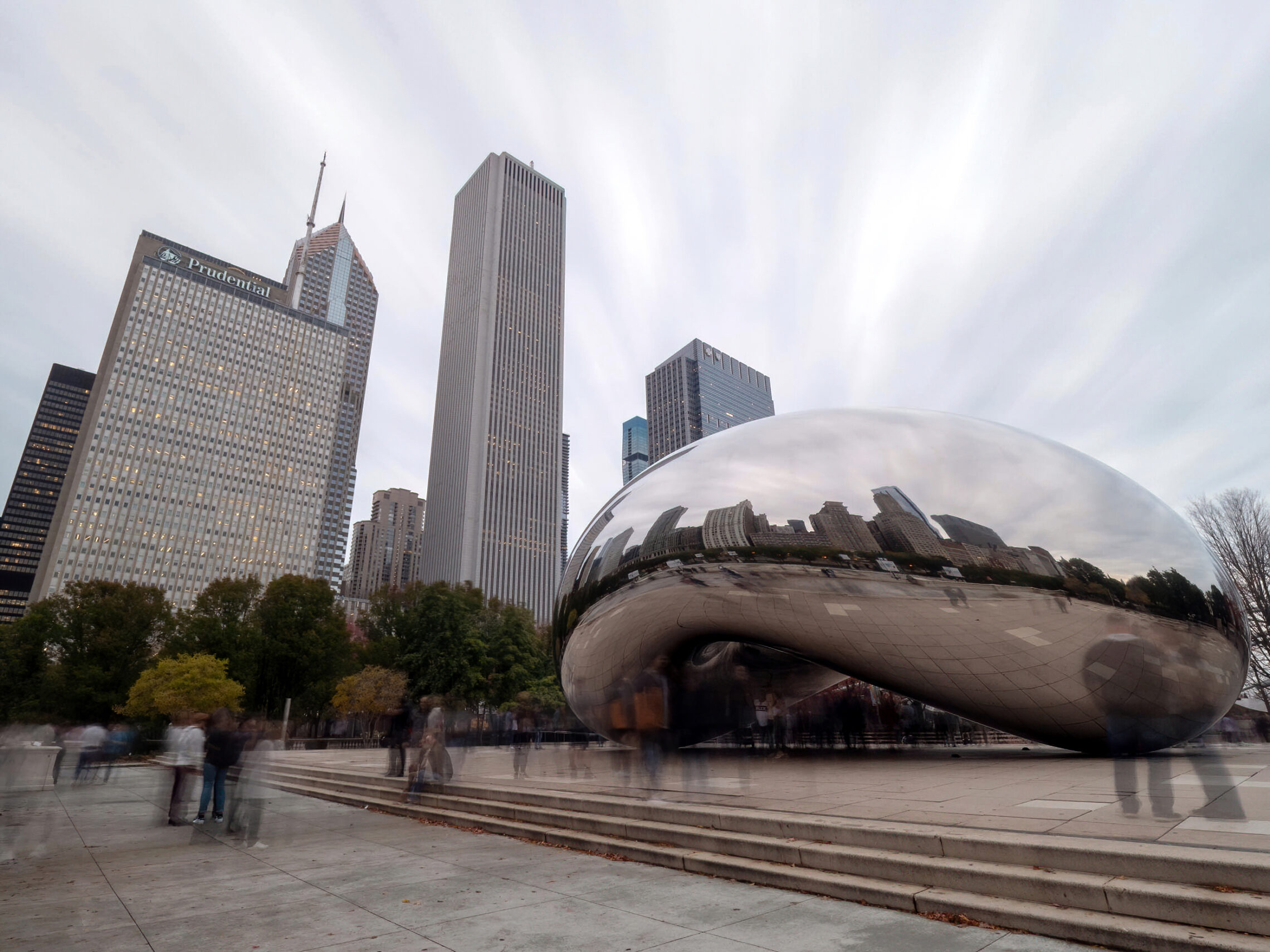
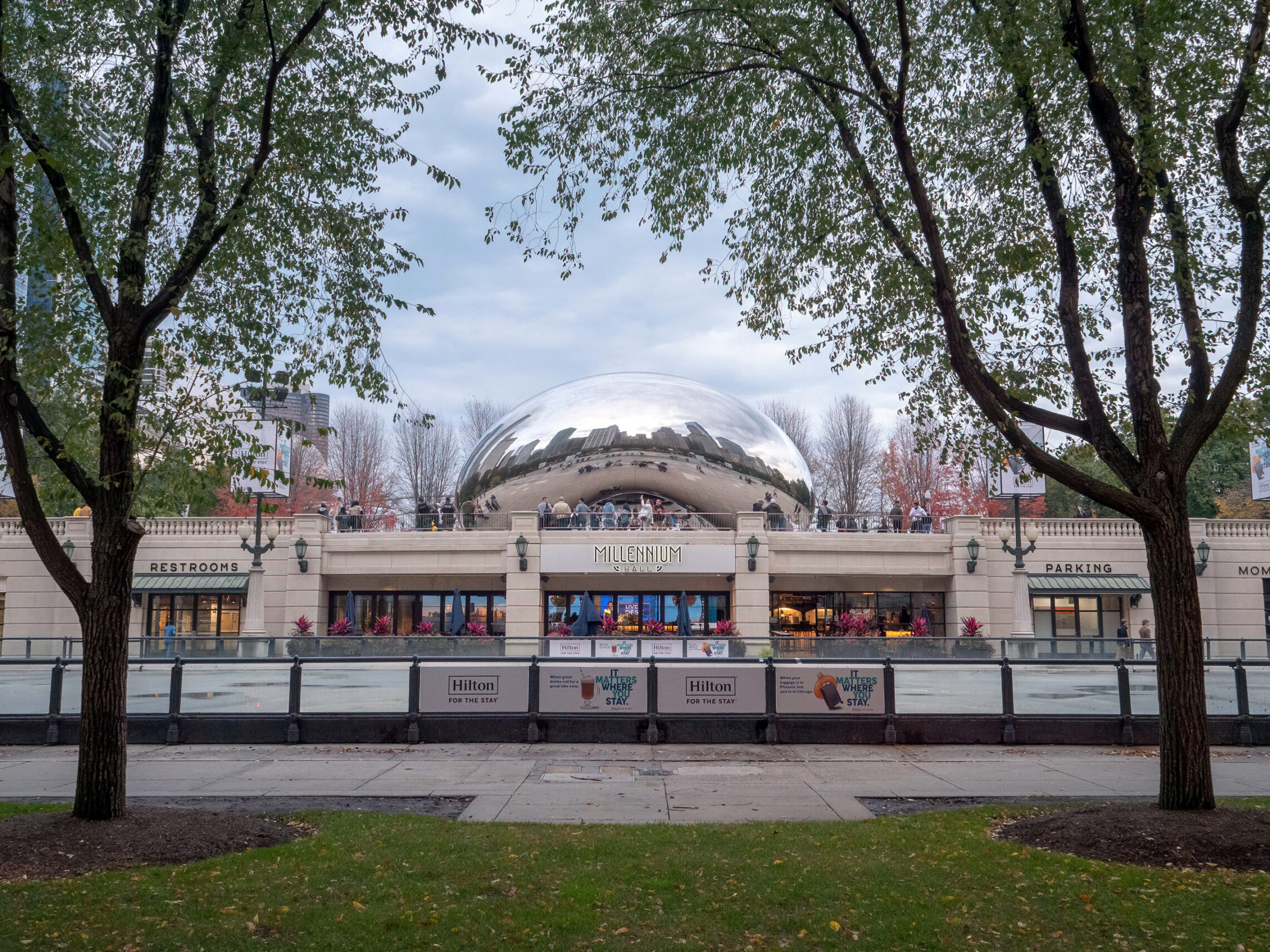
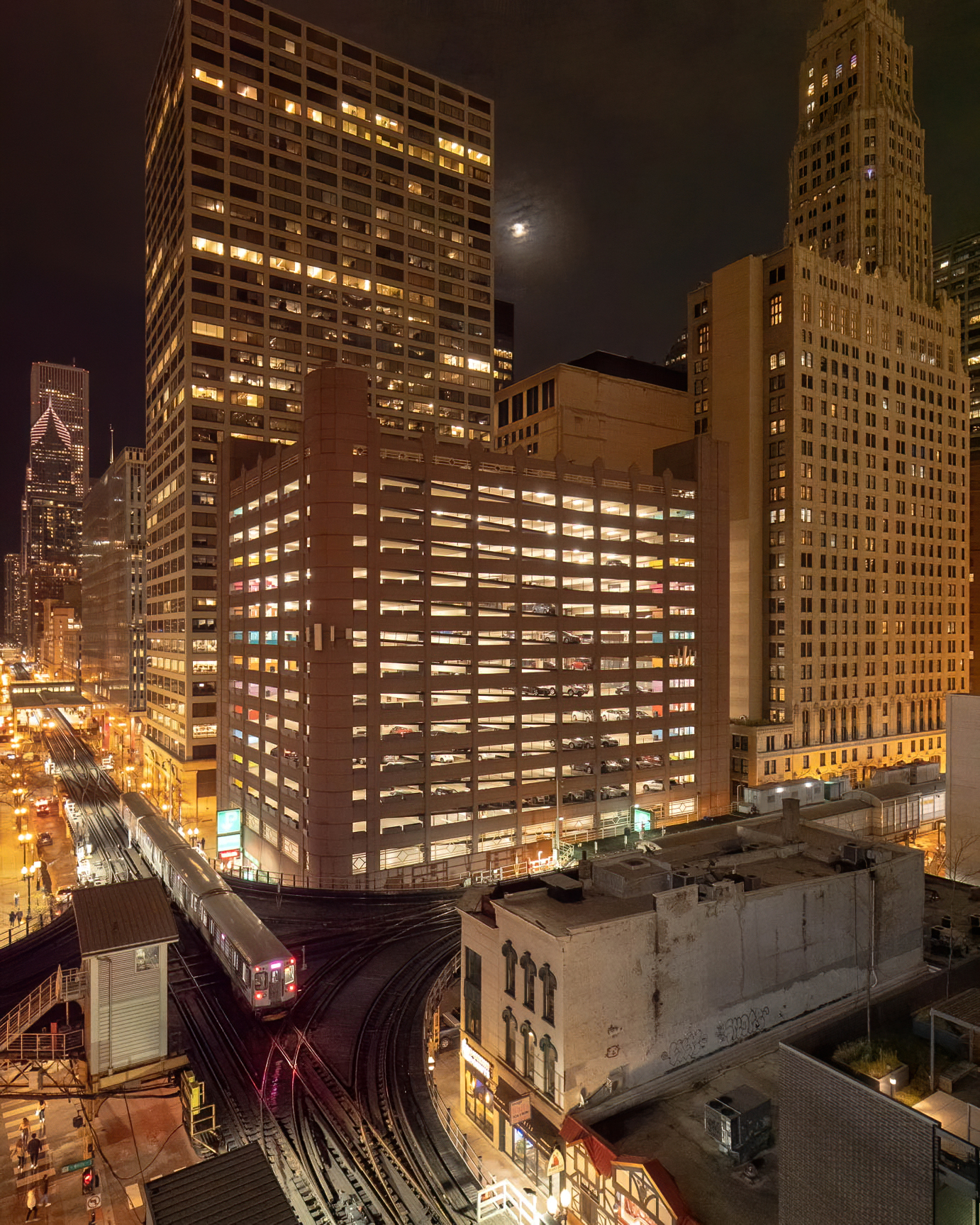
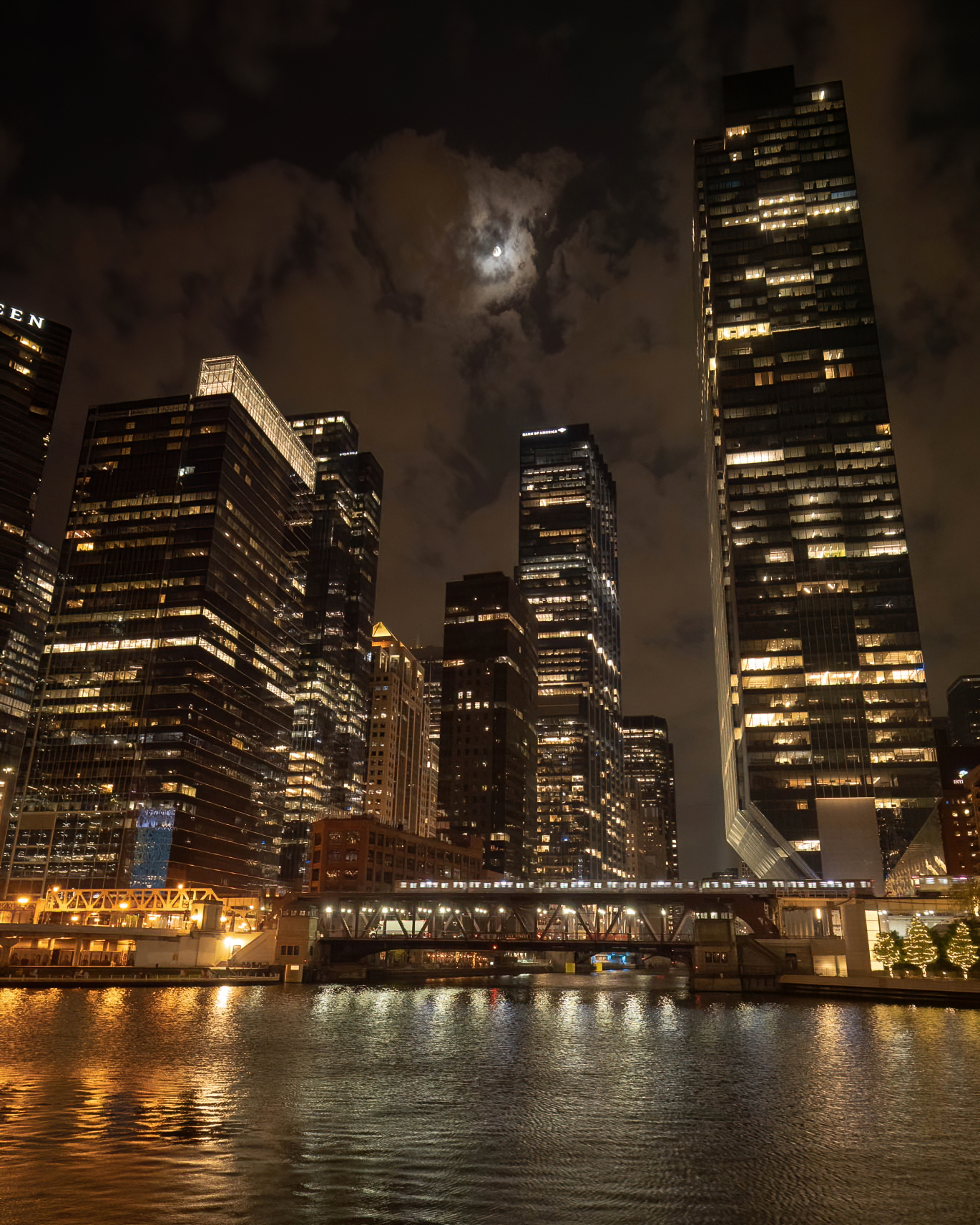
To see the Chicago photo post, click here. 
To see the Chicago standard length album version, click here.


Instagram

A newborn baby Hanuman langur clings tightly to its mother inside Pench National Park.⁠
⁠
Being most likely less than a few days old, this newborn Hanuman langur is highly dependent on its mother, not only for milk and warmth, but also for protection while moving through the trees or across the ground. Newborns stay almost continuously attached to their mother during the first weeks of life, relying on them for safety and comfort throughout those crucial early days.⁠
⁠
While traveling throughout Pench, seeing these monkeys became quite common, and after the first day I found myself almost ignoring their constant presence, rarely feeling the urge to stop and photograph them. I was so focused on finding tigers and leopards that stopping for every langur we saw would have eaten up too much valuable time. Of course, that instantly changed the moment something special was happening, like a recently born baby holding tightly onto its mother. I’ll stop for that every single time.
•
Follow
A newborn baby Hanuman langur clings tightly to its mother inside Pench National Park.⁠ ⁠ Being most likely less than a few days old, this newborn Hanuman langur is highly dependent on its mother, not only for milk and warmth, but also for protection while moving through the trees or across the ground. Newborns stay almost continuously attached to their mother during the first weeks of life, relying on them for safety and comfort throughout those crucial early days.⁠ ⁠ While traveling throughout Pench, seeing these monkeys became quite common, and after the first day I found myself almost ignoring their constant presence, rarely feeling the urge to stop and photograph them. I was so focused on finding tigers and leopards that stopping for every langur we saw would have eaten up too much valuable time. Of course, that instantly changed the moment something special was happening, like a recently born baby holding tightly onto its mother. I’ll stop for that every single time.
6 hours ago
View on Instagram |
1/9
Old Faithful erupts high above the geothermal landscape of Yellowstone National Park, Wyoming.⁠
⁠
What is considered the most famous geyser in the world, Old Faithful is in part popular due to its frequent and consistent eruptions, as well as its easy accessibility within Yellowstone National Park. It erupts every 60 to 110 minutes, can exceed 180 feet (55 m) in height, and lasts anywhere from 1.5 to 5 minutes. Its regularity is what led to it being named Old Faithful during the Washburn Expedition of 1870.⁠
⁠
After erupting, the hot water flows away through runoff channels, as seen in the foreground of this photograph. The water is highly alkaline, extremely hot, and deposits thick layers of silica as it flows, creating a hard, non-porous surface that suffocates roots and prevents plant growth. This leads to the bare patches surrounding the base of this geyser, as well as many others throughout Yellowstone’s geothermal basins.
•
Follow
Old Faithful erupts high above the geothermal landscape of Yellowstone National Park, Wyoming.⁠ ⁠ What is considered the most famous geyser in the world, Old Faithful is in part popular due to its frequent and consistent eruptions, as well as its easy accessibility within Yellowstone National Park. It erupts every 60 to 110 minutes, can exceed 180 feet (55 m) in height, and lasts anywhere from 1.5 to 5 minutes. Its regularity is what led to it being named Old Faithful during the Washburn Expedition of 1870.⁠ ⁠ After erupting, the hot water flows away through runoff channels, as seen in the foreground of this photograph. The water is highly alkaline, extremely hot, and deposits thick layers of silica as it flows, creating a hard, non-porous surface that suffocates roots and prevents plant growth. This leads to the bare patches surrounding the base of this geyser, as well as many others throughout Yellowstone’s geothermal basins.
3 days ago
View on Instagram |
2/9
A frozen waterfall clings to the towering granite walls of Flume Gorge, on a subzero morning in the White Mountains, New Hampshire.⁠
⁠
I took this photograph over the winter on a few days trip through the White Mountains, in New Hampshire. This was on the first day, and temperatures were hovering around 0 F (-18 C) this morning, which coupled with the wind made for a blustery winter stroll to get here.⁠

⁠
This waterfall is quite popular with ice climbers, so to grab a photo or two before they arrived meant showing up shortly after sunrise. This provided a good 45 minutes of shooting before the started to show up. The reason this is a popular ice climbing spot is partly due to how thick and solid these ice curtains are. Unlike bigger waterfalls with higher discharge, these smaller cliffside ones freeze more completely due to their slower flow and volume. Also aiding the freezing is the Flume Gorge itself. The narrow gorge traps cold air, while restricting the sunlight which can reach below.

•
Follow
A frozen waterfall clings to the towering granite walls of Flume Gorge, on a subzero morning in the White Mountains, New Hampshire.⁠ ⁠ I took this photograph over the winter on a few days trip through the White Mountains, in New Hampshire. This was on the first day, and temperatures were hovering around 0 F (-18 C) this morning, which coupled with the wind made for a blustery winter stroll to get here.⁠ ⁠ This waterfall is quite popular with ice climbers, so to grab a photo or two before they arrived meant showing up shortly after sunrise. This provided a good 45 minutes of shooting before the started to show up. The reason this is a popular ice climbing spot is partly due to how thick and solid these ice curtains are. Unlike bigger waterfalls with higher discharge, these smaller cliffside ones freeze more completely due to their slower flow and volume. Also aiding the freezing is the Flume Gorge itself. The narrow gorge traps cold air, while restricting the sunlight which can reach below.
5 days ago
View on Instagram |
3/9
A bull moose emerges from the dense riverside conifers of Grand Teton National Park, Wyoming.⁠
⁠
In the two times I have been fortunate to visit Grand Teton National Park, I have seen a moose foraging at this almost exact same spot on both occasions. The reason being that this stretch of riverside tree growth, as well as many other riverside regions in GTNP, align perfectly with the habitat preferences of moose.⁠
⁠
The riparian zones where rivers transition into forest provide the perfect mix of young tree species to aid the moose in its daily struggle for survival. The young conifers provide dense cover, whose lower branches cloak the moose better than any adult tree could ever do. The river systems also create cooler microclimates during the summer heat. But most importantly, the young willows and aquatic vegetation mixed within the conifers provide the exact nutrients that moose need, with the added benefit of being easier to chew and higher in nutritional content versus mature plants.
•
Follow
A bull moose emerges from the dense riverside conifers of Grand Teton National Park, Wyoming.⁠ ⁠ In the two times I have been fortunate to visit Grand Teton National Park, I have seen a moose foraging at this almost exact same spot on both occasions. The reason being that this stretch of riverside tree growth, as well as many other riverside regions in GTNP, align perfectly with the habitat preferences of moose.⁠ ⁠ The riparian zones where rivers transition into forest provide the perfect mix of young tree species to aid the moose in its daily struggle for survival. The young conifers provide dense cover, whose lower branches cloak the moose better than any adult tree could ever do. The river systems also create cooler microclimates during the summer heat. But most importantly, the young willows and aquatic vegetation mixed within the conifers provide the exact nutrients that moose need, with the added benefit of being easier to chew and higher in nutritional content versus mature plants.
1 week ago
View on Instagram |
4/9
A female Siberian stonechat perches atop the dried grasses of Kanha National Park, scanning the grasslands below.⁠
⁠
Siberian stonechats can be found across most of temperate Asia, with their breeding territory extending as far as northeastern Europe. Although India, where I photographed this, is outside of their normal breeding range, their wintering range does extend to much of the Indian subcontinent when its climate is more temperate. They prefer open rough scrublands or grasslands with scattered shrubs, as they are insectivorous, and these habitats support their hunting behaviors.⁠
⁠
They are “perch-and-pounce” style hunters, where exposed stems or shrubs serve as elevated points of observation, allowing them to scan the areas below them for movement, dropping down quickly to catch the insects below before returning to their lookout perch. This strategy helps them conserve energy while maximizing visibility over the surrounding tall grass.
•
Follow
A female Siberian stonechat perches atop the dried grasses of Kanha National Park, scanning the grasslands below.⁠ ⁠ Siberian stonechats can be found across most of temperate Asia, with their breeding territory extending as far as northeastern Europe. Although India, where I photographed this, is outside of their normal breeding range, their wintering range does extend to much of the Indian subcontinent when its climate is more temperate. They prefer open rough scrublands or grasslands with scattered shrubs, as they are insectivorous, and these habitats support their hunting behaviors.⁠ ⁠ They are “perch-and-pounce” style hunters, where exposed stems or shrubs serve as elevated points of observation, allowing them to scan the areas below them for movement, dropping down quickly to catch the insects below before returning to their lookout perch. This strategy helps them conserve energy while maximizing visibility over the surrounding tall grass.
2 weeks ago
View on Instagram |
5/9
The Tomb of Isa Khan stands beyond the sandstone archways and gardens of Delhi, India.⁠
⁠
Inside of the Humayun’s Tomb complex in Delhi, and actually predating Humayun’s Tomb by about two decades, this tomb for Isa Khan Niyazi, a noble in the court of Sher Shah Suri during the Sur dynasty period, was built in the 1540s. This tomb sits inside of a walled-in garden enclosure and is one of the earliest examples of a garden-tomb setting in India today.⁠
⁠
On this particular day, I had an action-packed day inside of Delhi. Starting with photographing a flower market at 4am, before the sun even rose, I then proceeded to India Gate to see and photograph the sunrise from it. After the sun broke the horizon, I headed to Humayun’s Tomb, as I wanted to get there early enough to beat out the crowds that would trickle in throughout the day. When approaching the massive structure that is Humayun’s Tomb, you first encounter a side path which leads to the Tomb of Isa Khan, which is almost equally impressive in its design and garden.
•
Follow
The Tomb of Isa Khan stands beyond the sandstone archways and gardens of Delhi, India.⁠ ⁠ Inside of the Humayun’s Tomb complex in Delhi, and actually predating Humayun’s Tomb by about two decades, this tomb for Isa Khan Niyazi, a noble in the court of Sher Shah Suri during the Sur dynasty period, was built in the 1540s. This tomb sits inside of a walled-in garden enclosure and is one of the earliest examples of a garden-tomb setting in India today.⁠ ⁠ On this particular day, I had an action-packed day inside of Delhi. Starting with photographing a flower market at 4am, before the sun even rose, I then proceeded to India Gate to see and photograph the sunrise from it. After the sun broke the horizon, I headed to Humayun’s Tomb, as I wanted to get there early enough to beat out the crowds that would trickle in throughout the day. When approaching the massive structure that is Humayun’s Tomb, you first encounter a side path which leads to the Tomb of Isa Khan, which is almost equally impressive in its design and garden.
2 weeks ago
View on Instagram |
6/9
A male pronghorn stands atop the rolling ridgelines of Lamar Valley, Yellowstone National Park, Wyoming.⁠
⁠
Pronghorn are native to the western portions of North America, from the northern deserts of Mexico to the southern sections of Alberta and Saskatchewan in Canada, covering the western United States in between. Their highest population is found in Wyoming, where this one was seen, inside of Yellowstone National Park. Their habitat preference is open plains and prairies, sagebrush steppes, and rolling hills with long sightlines, which almost perfectly fits the landscape of the Lamar Valley region in Yellowstone.⁠
⁠
Given their preference for rolling hills with long sightlines, it makes sense that they have adapted to seeing long distances, aiding their ability to spot predators. They have some of the largest eyes relative to body size of any land mammal, allowing them to detect movement several miles away, which was certainly useful on this morning, as there was in fact a coyote in the distance this pronghorn was keeping his eye on, using this ridgeline for its raised view.
•
Follow
A male pronghorn stands atop the rolling ridgelines of Lamar Valley, Yellowstone National Park, Wyoming.⁠ ⁠ Pronghorn are native to the western portions of North America, from the northern deserts of Mexico to the southern sections of Alberta and Saskatchewan in Canada, covering the western United States in between. Their highest population is found in Wyoming, where this one was seen, inside of Yellowstone National Park. Their habitat preference is open plains and prairies, sagebrush steppes, and rolling hills with long sightlines, which almost perfectly fits the landscape of the Lamar Valley region in Yellowstone.⁠ ⁠ Given their preference for rolling hills with long sightlines, it makes sense that they have adapted to seeing long distances, aiding their ability to spot predators. They have some of the largest eyes relative to body size of any land mammal, allowing them to detect movement several miles away, which was certainly useful on this morning, as there was in fact a coyote in the distance this pronghorn was keeping his eye on, using this ridgeline for its raised view.
3 weeks ago
View on Instagram |
7/9
A male Indian rose-ringed parakeet poking out of his nest, inside the cavity of a tree in Pench National Park, India.⁠
⁠
Indian rose-ringed parakeets are cavity nesters, meaning they do not build traditional nests. Instead, they search for naturally occurring tree hollows or the holes left by woodpeckers to build inside of. More often than not, they rely on mature trees with internal decay, and with suitable cavities being a finite resource, they compete with other birds and small mammals for the right to occupy them.⁠
⁠
The teak and mixed hardwood species found within the tropical dry deciduous forest of Pench National Park are a valuable resource for cavity nesters, as the trees found there can be quite old, with plenty to choose from. Since their nests are hidden inside trees, they must peer out in order to keep an eye on their surroundings, which was the case with this bird on this occasion, who took a few moments to peek outside its cavity, allowing me to sneak my own peek, capturing this photograph.
•
Follow
A male Indian rose-ringed parakeet poking out of his nest, inside the cavity of a tree in Pench National Park, India.⁠ ⁠ Indian rose-ringed parakeets are cavity nesters, meaning they do not build traditional nests. Instead, they search for naturally occurring tree hollows or the holes left by woodpeckers to build inside of. More often than not, they rely on mature trees with internal decay, and with suitable cavities being a finite resource, they compete with other birds and small mammals for the right to occupy them.⁠ ⁠ The teak and mixed hardwood species found within the tropical dry deciduous forest of Pench National Park are a valuable resource for cavity nesters, as the trees found there can be quite old, with plenty to choose from. Since their nests are hidden inside trees, they must peer out in order to keep an eye on their surroundings, which was the case with this bird on this occasion, who took a few moments to peek outside its cavity, allowing me to sneak my own peek, capturing this photograph.
3 weeks ago
View on Instagram |
8/9
The delicate flow of Marymere Falls cascades over moss-covered cliffs within the temperate rainforest of Olympic National Park, Washington.⁠
⁠
Marymere Falls drops around 90 feet (27.5 m), and its water has carved a steep and recessed channel in the rock over time. It is fed by snowmelt and rainfall from the Olympic Mountains, which is why the flow is strongest in late spring. I took this photograph in late August, resulting in the more delicate flow experienced this morning.⁠
⁠
The temperate rainforest zone of Olympic National Park is fed by moisture-laden air from the Pacific, which is forced upward by the Olympic Mountains. The mountain-influenced precipitation which occurs from this leads to heavy rainfall and year-round high humidity. Those types of conditions allow the mosses and ferns seen on the rock surface to thrive, which are also aided by the mist and splash created by the waterfall itself.
•
Follow
The delicate flow of Marymere Falls cascades over moss-covered cliffs within the temperate rainforest of Olympic National Park, Washington.⁠ ⁠ Marymere Falls drops around 90 feet (27.5 m), and its water has carved a steep and recessed channel in the rock over time. It is fed by snowmelt and rainfall from the Olympic Mountains, which is why the flow is strongest in late spring. I took this photograph in late August, resulting in the more delicate flow experienced this morning.⁠ ⁠ The temperate rainforest zone of Olympic National Park is fed by moisture-laden air from the Pacific, which is forced upward by the Olympic Mountains. The mountain-influenced precipitation which occurs from this leads to heavy rainfall and year-round high humidity. Those types of conditions allow the mosses and ferns seen on the rock surface to thrive, which are also aided by the mist and splash created by the waterfall itself.
3 weeks ago
View on Instagram |
9/9
View on Instagram

Evan

All types of photography, with an emphasis on wildlife and landscape.

Follow me

  • instagram
  • reddit
  • mail
  • facebook
  • youtube
  • x
  • tiktok
  • pinterest

Categories

  • Animals (10)
  • Birds (6)
  • City (3)
  • Culture (2)
  • Hiking (9)
  • Landscape (14)
  • Nature (14)
  • People (2)
  • Travel (16)

Copyright © 2023 Evan T Photography

Designed by WPZOOM