Evan T Photography

Different types of photography, with short and longform photo album stories.

Follow me

  • instagram
  • reddit
  • mail
  • facebook
  • youtube
  • x
  • tiktok
  • pinterest
  • Home
  • Photo Posts
  • Photo Albums
  • Gallery
  • About
  • Contact
  • Shop
  • 0 items – $0.00
  • Home
  • Photo Posts
  • Photo Albums
  • Gallery
  • About
  • Contact
  • Shop
  • 0 items – $0.00

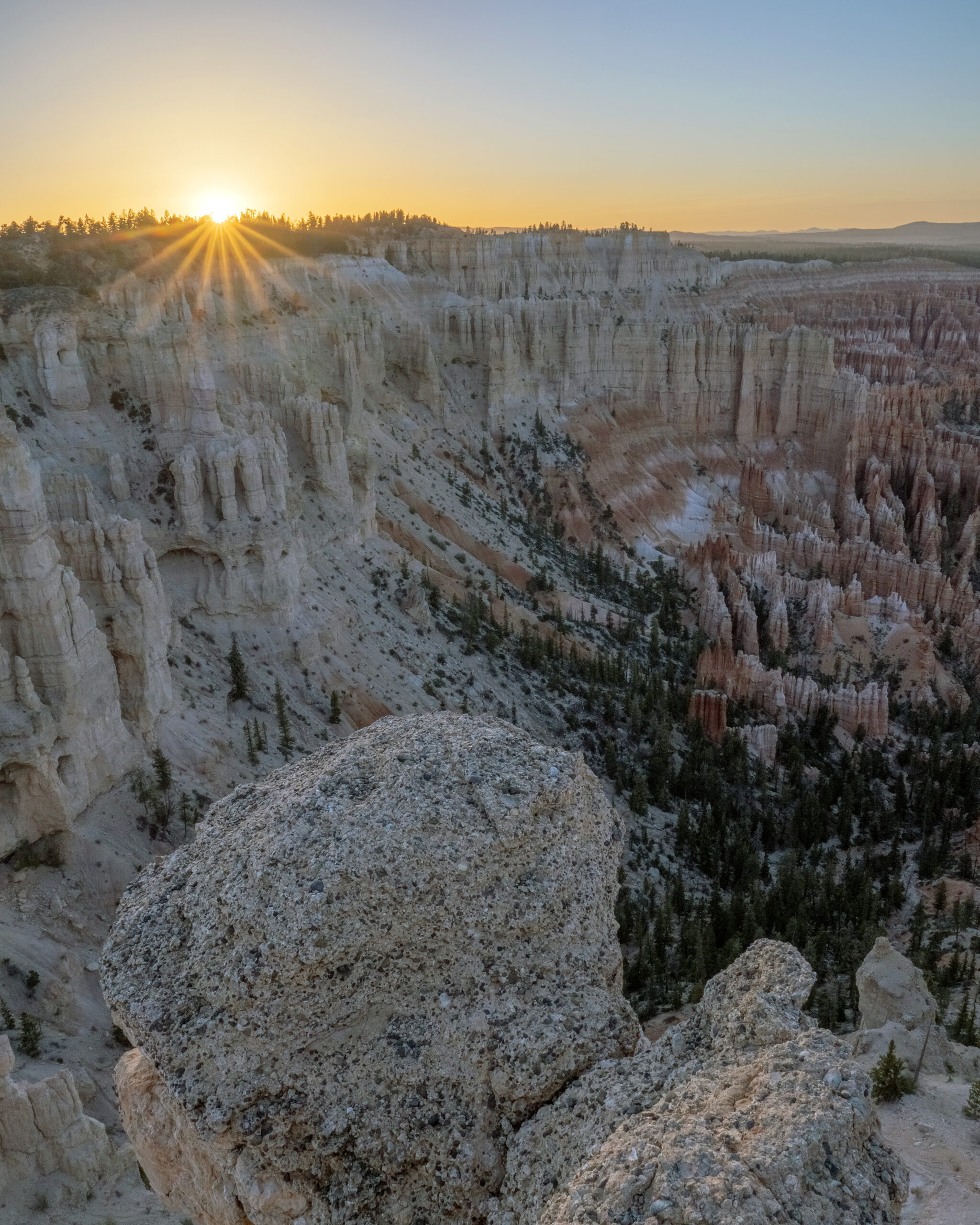
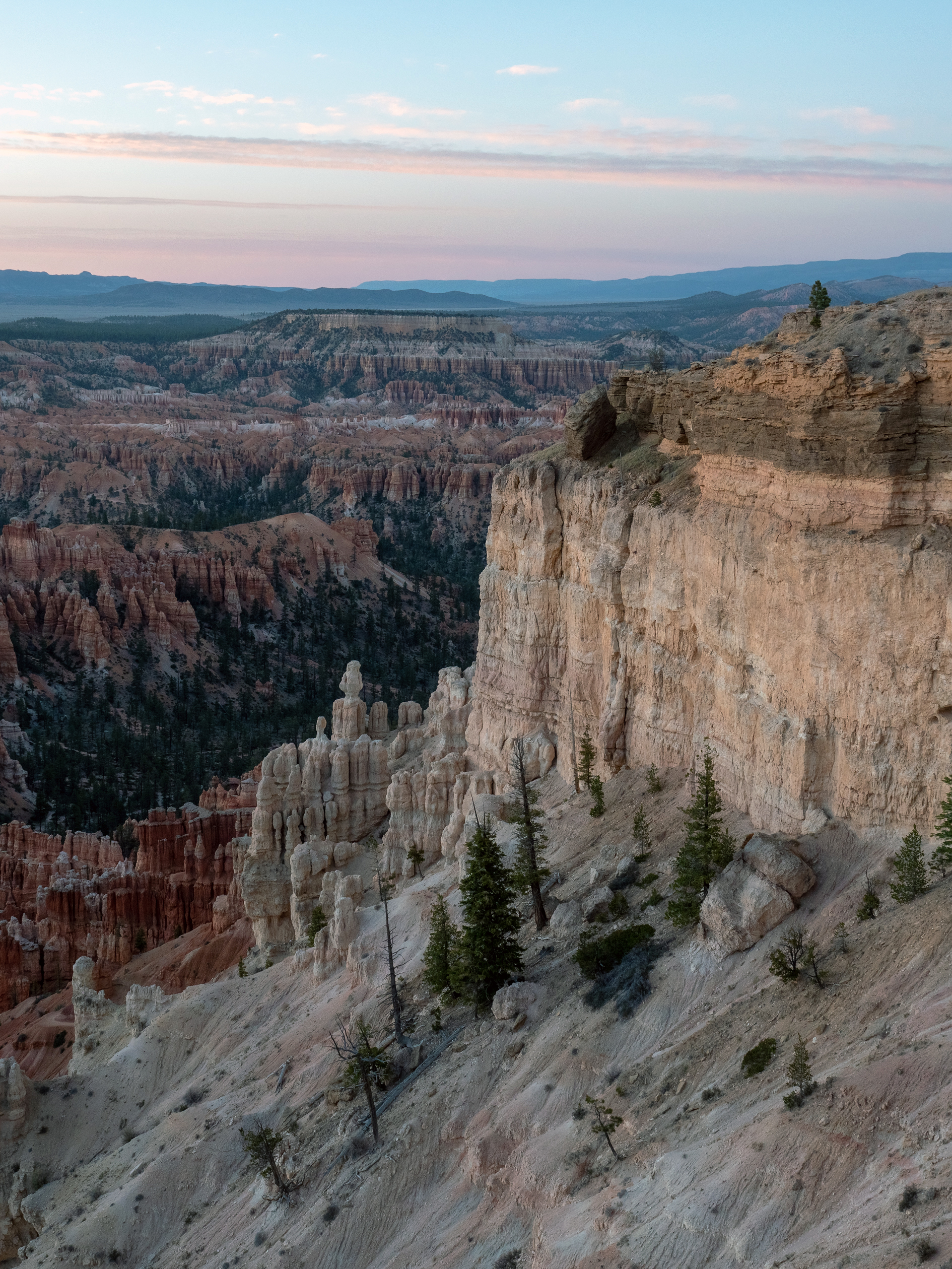
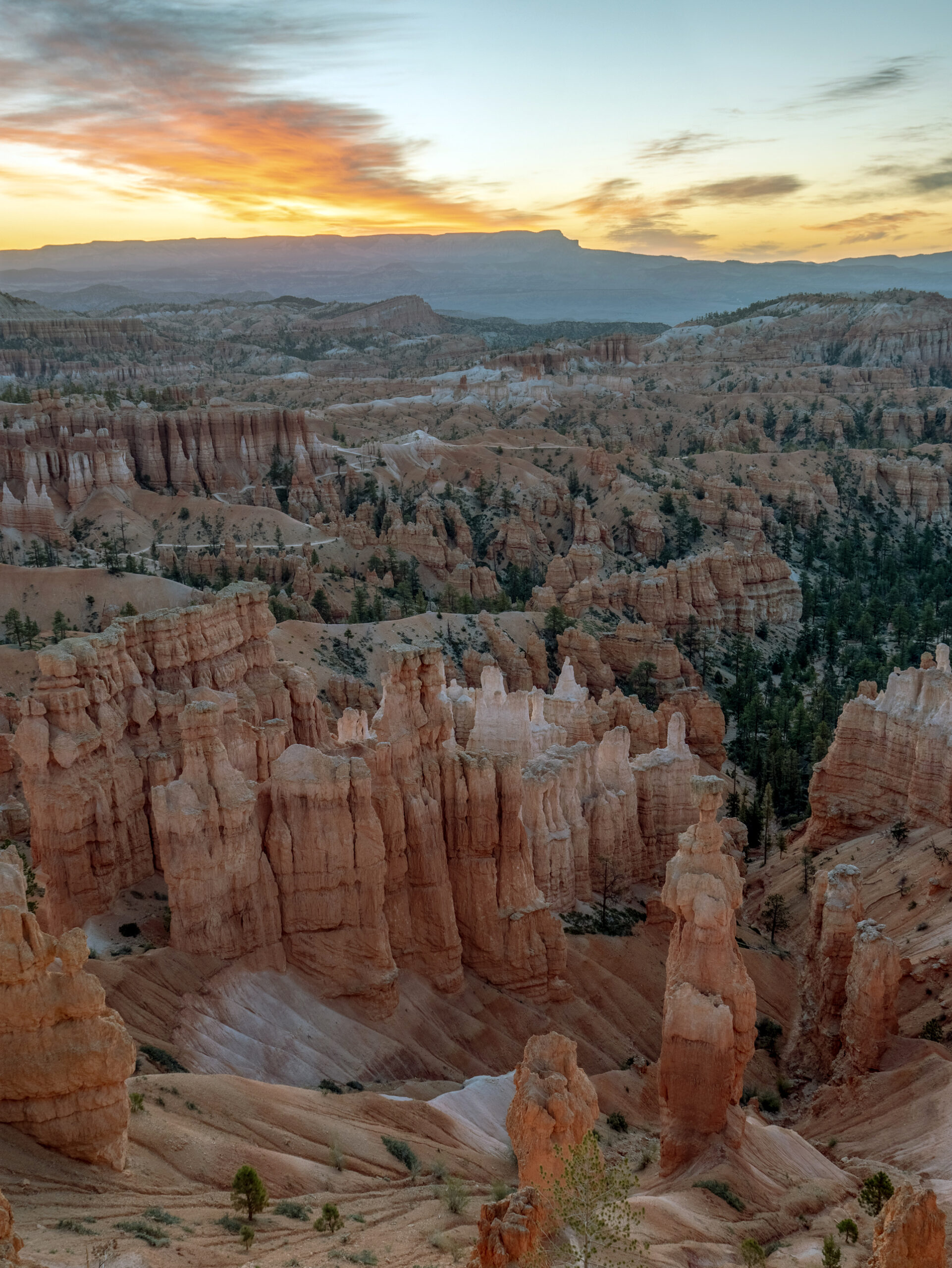
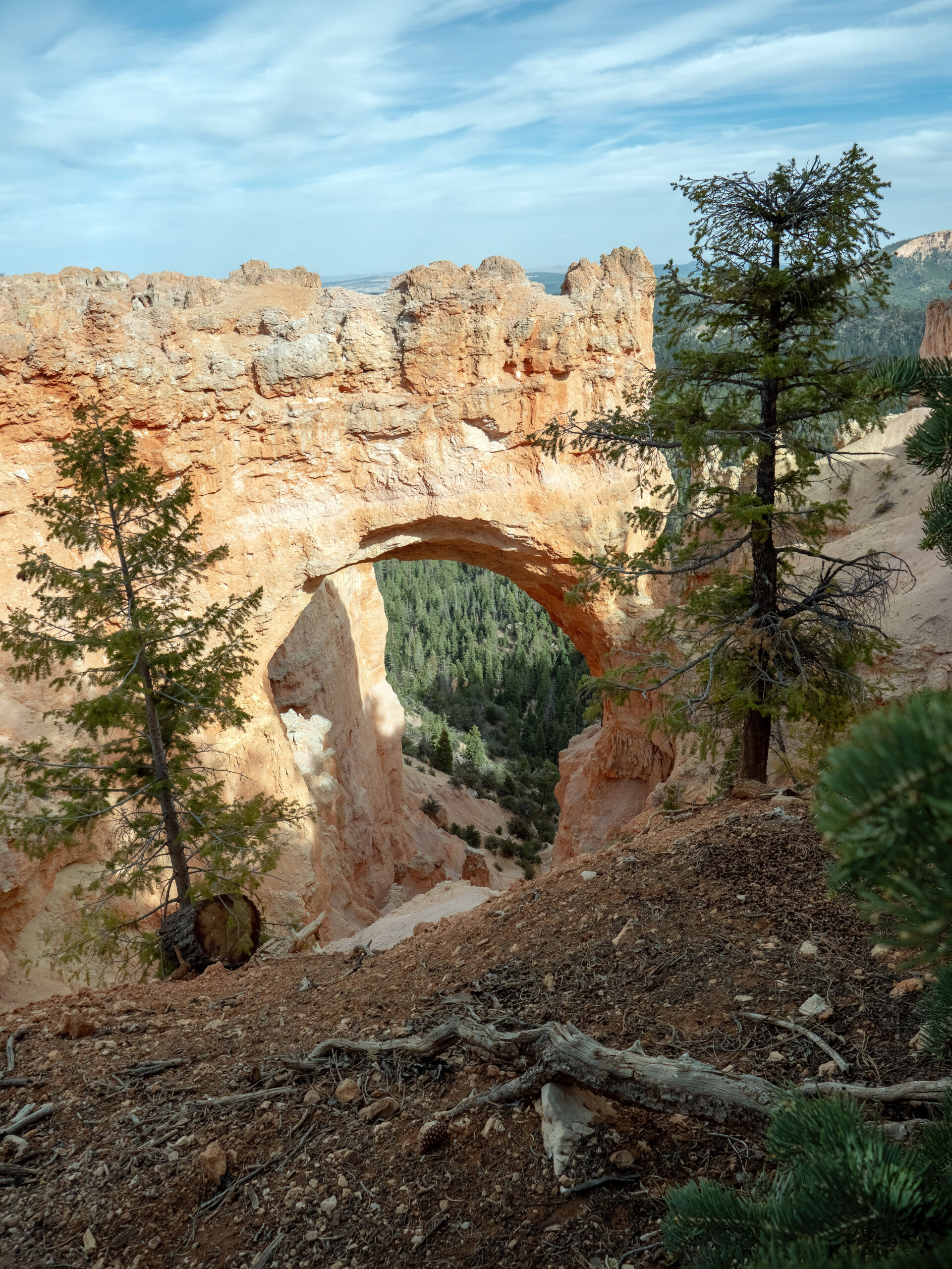
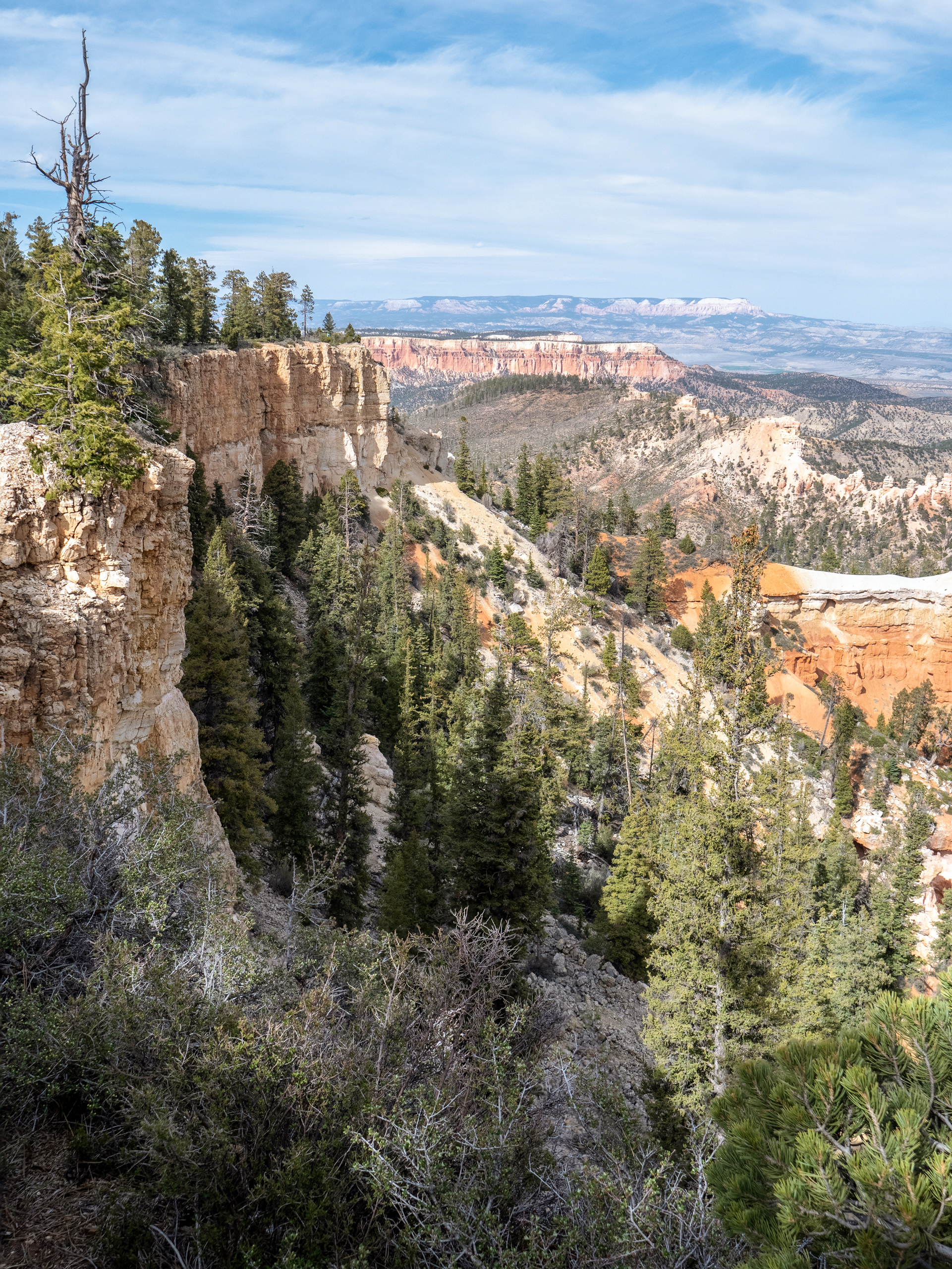
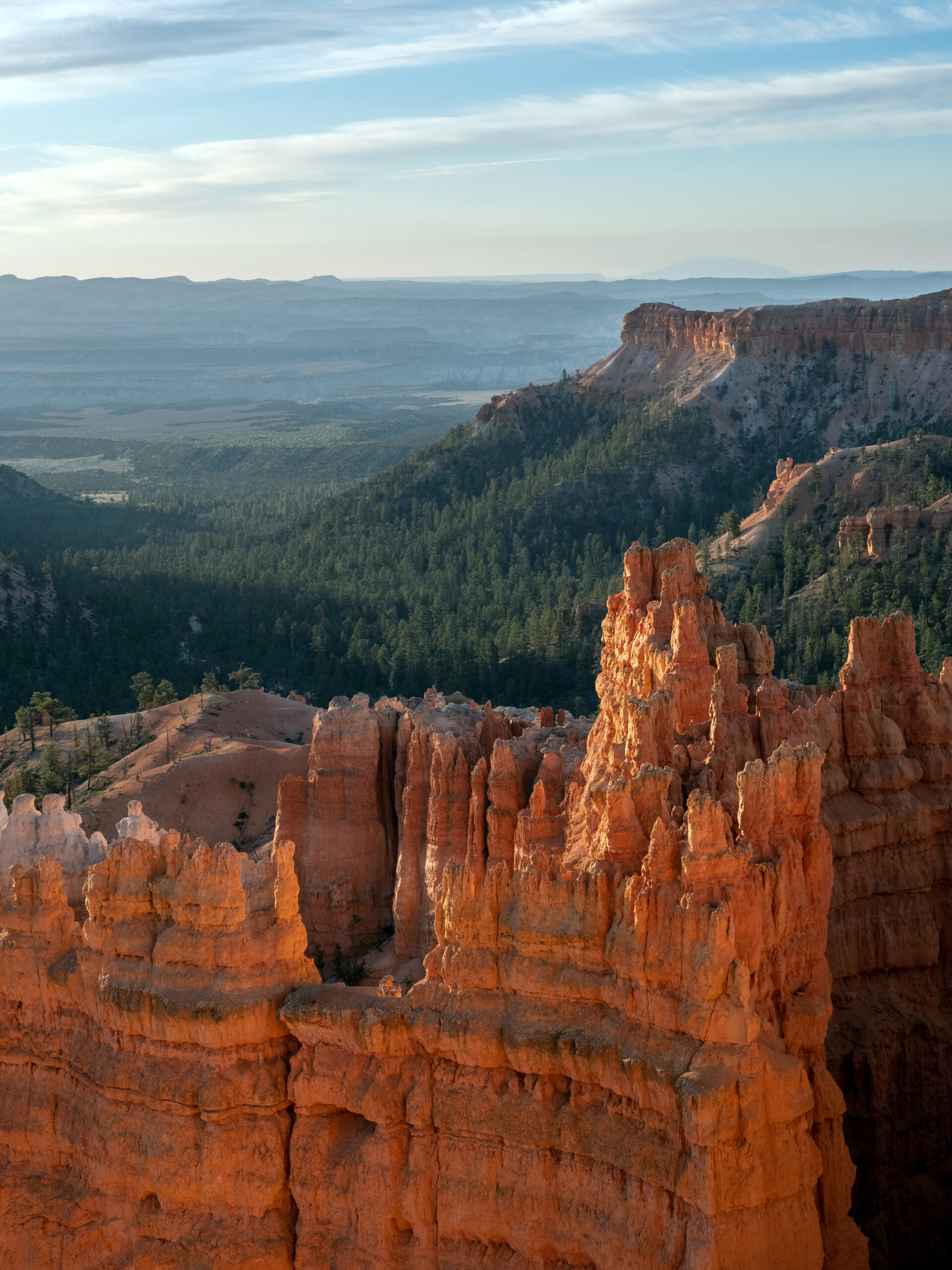
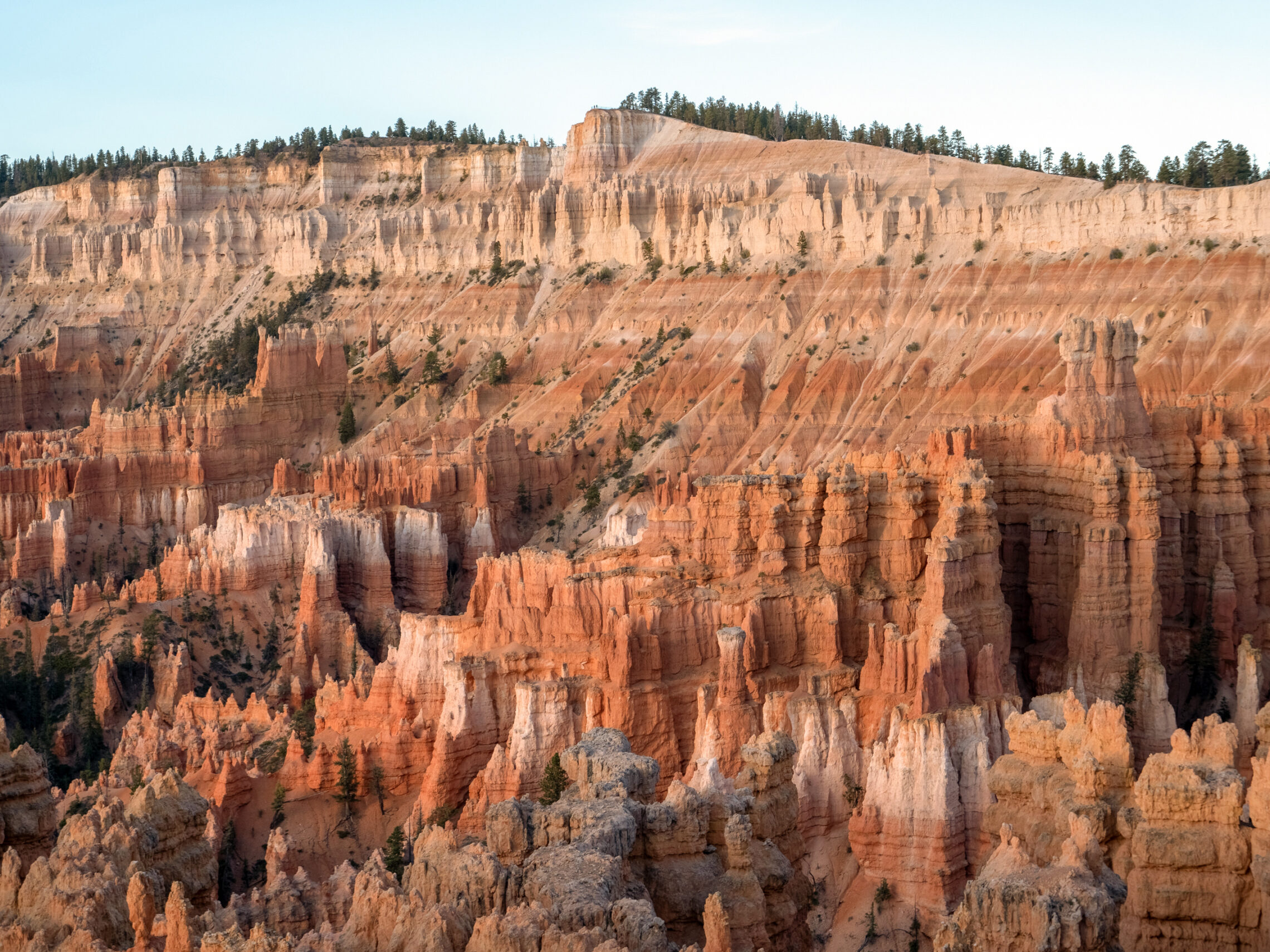
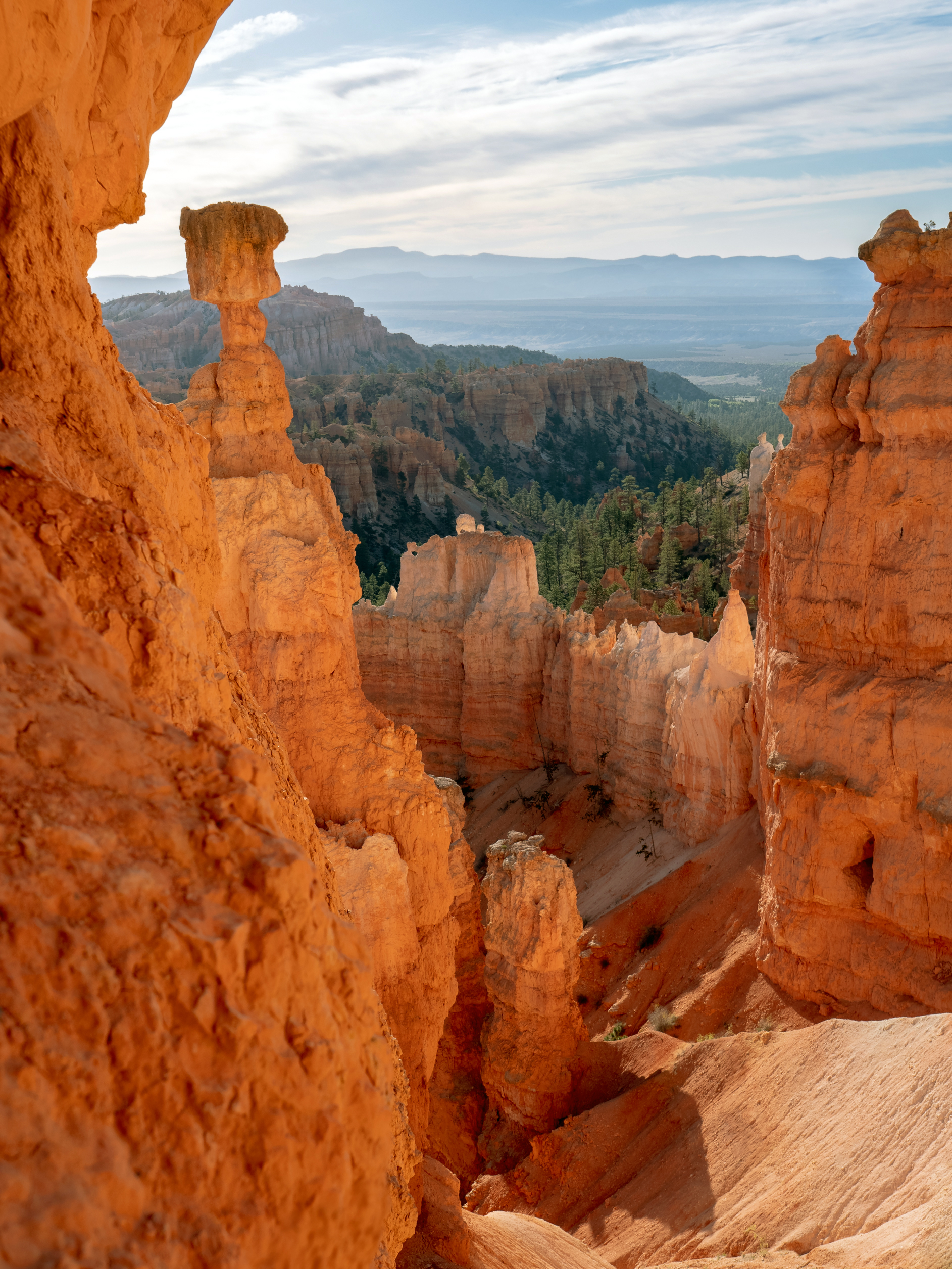
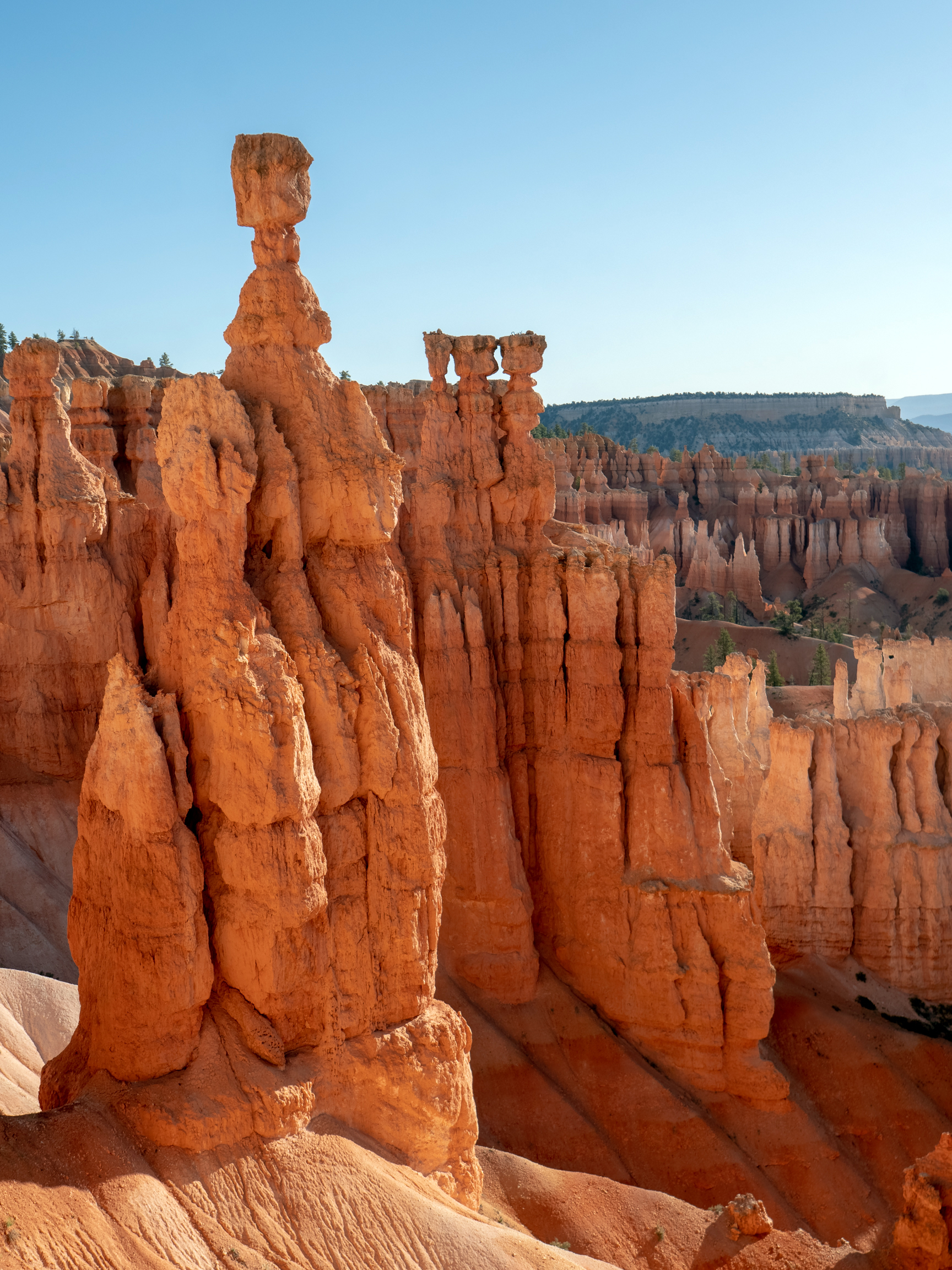
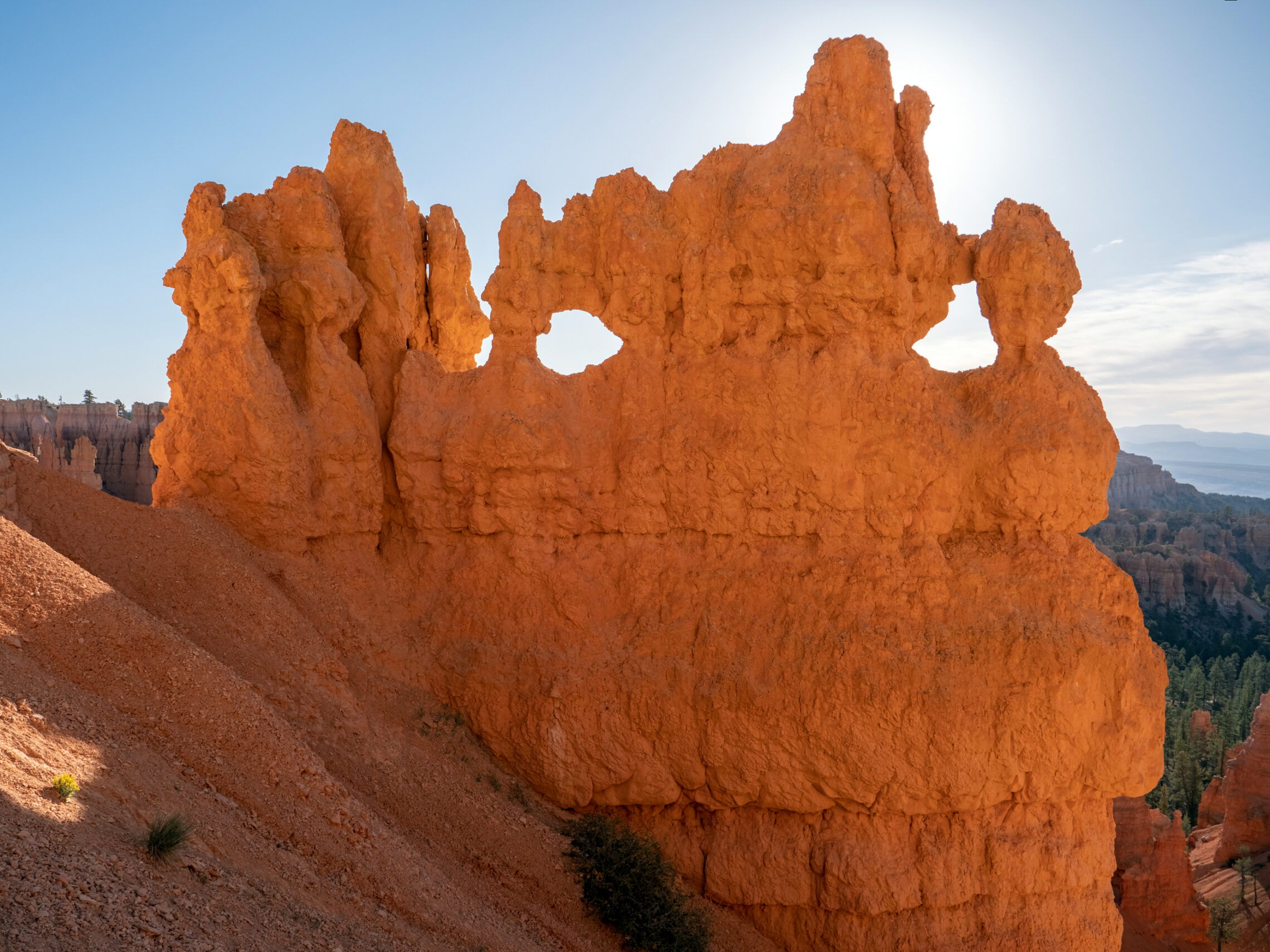
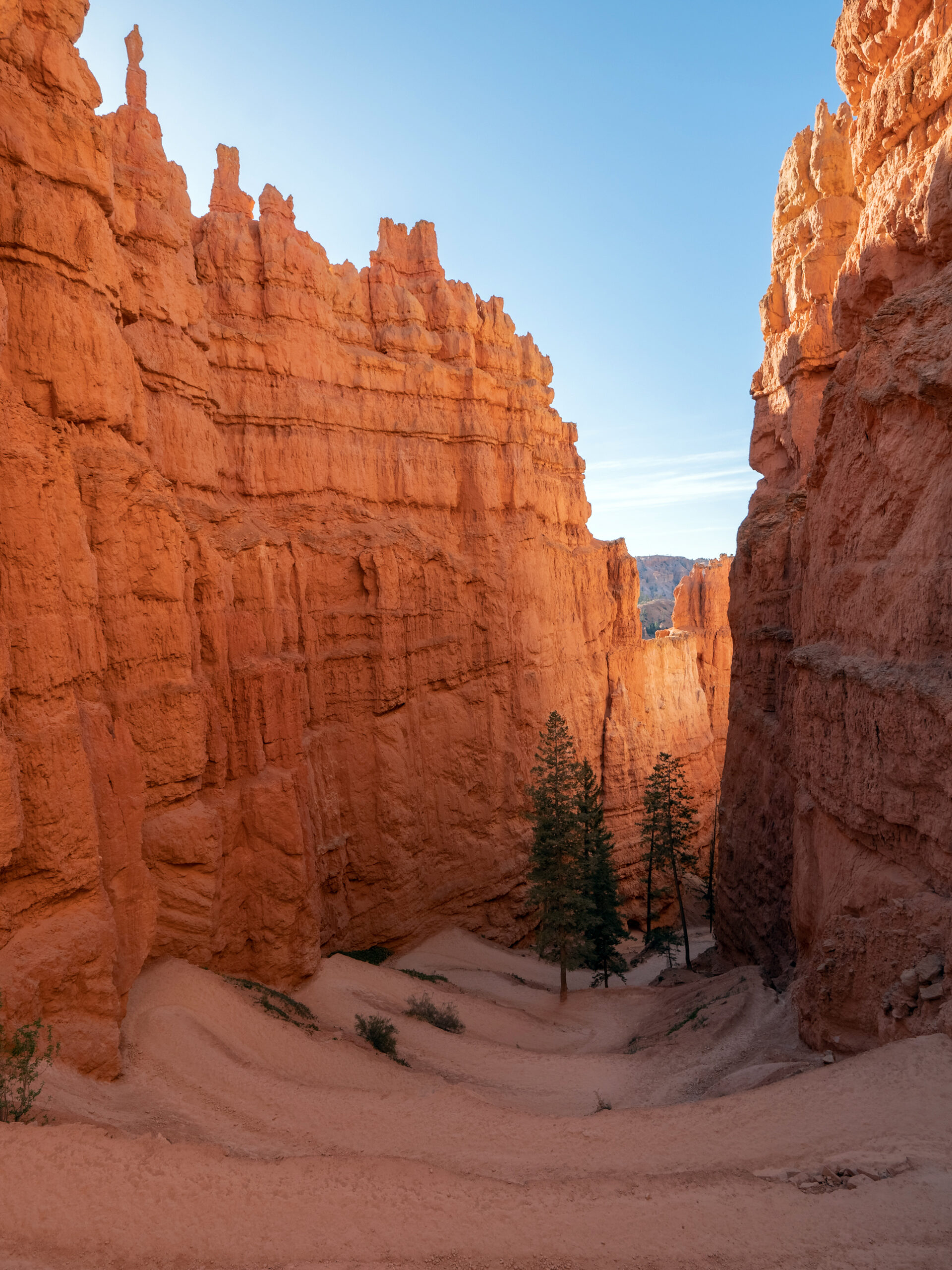
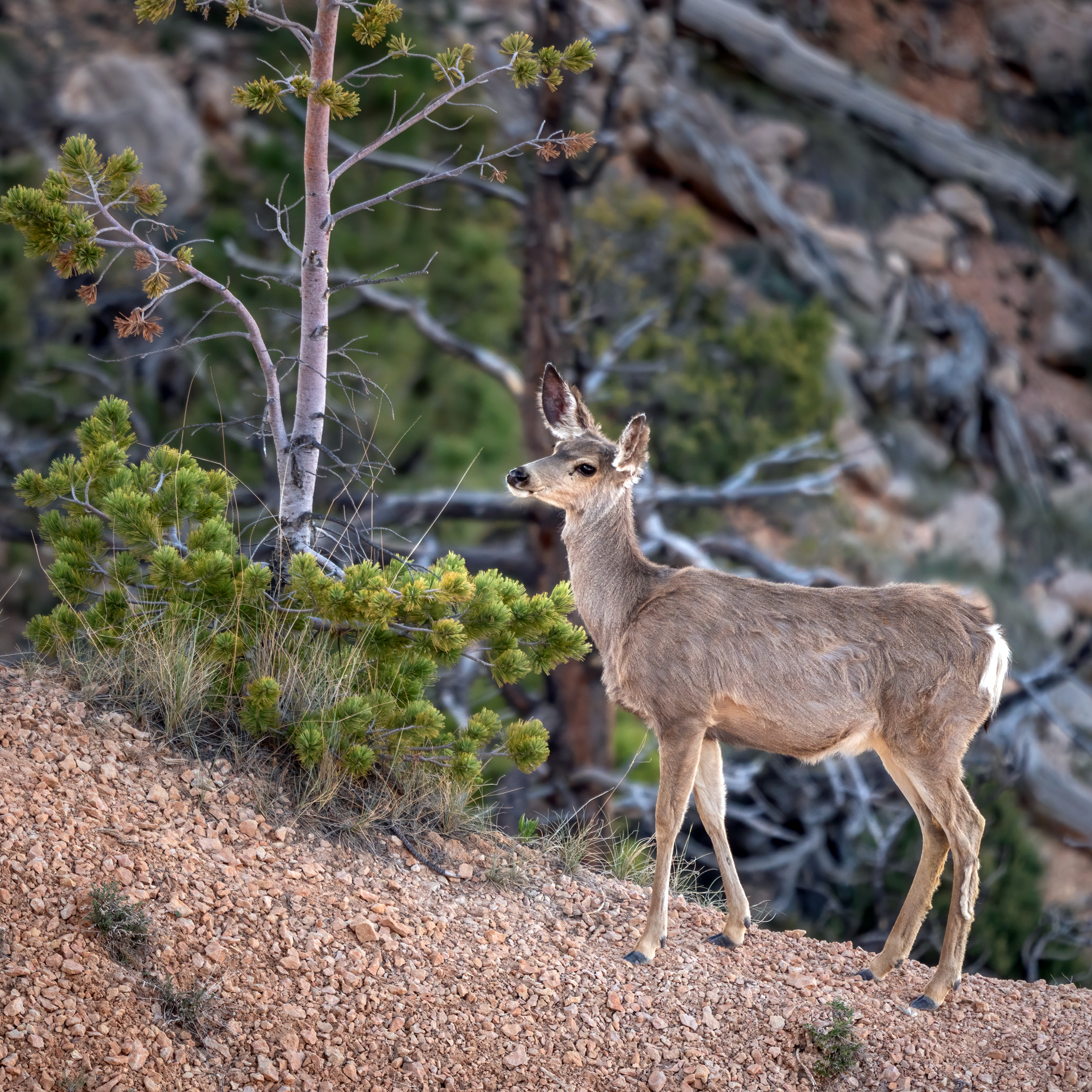
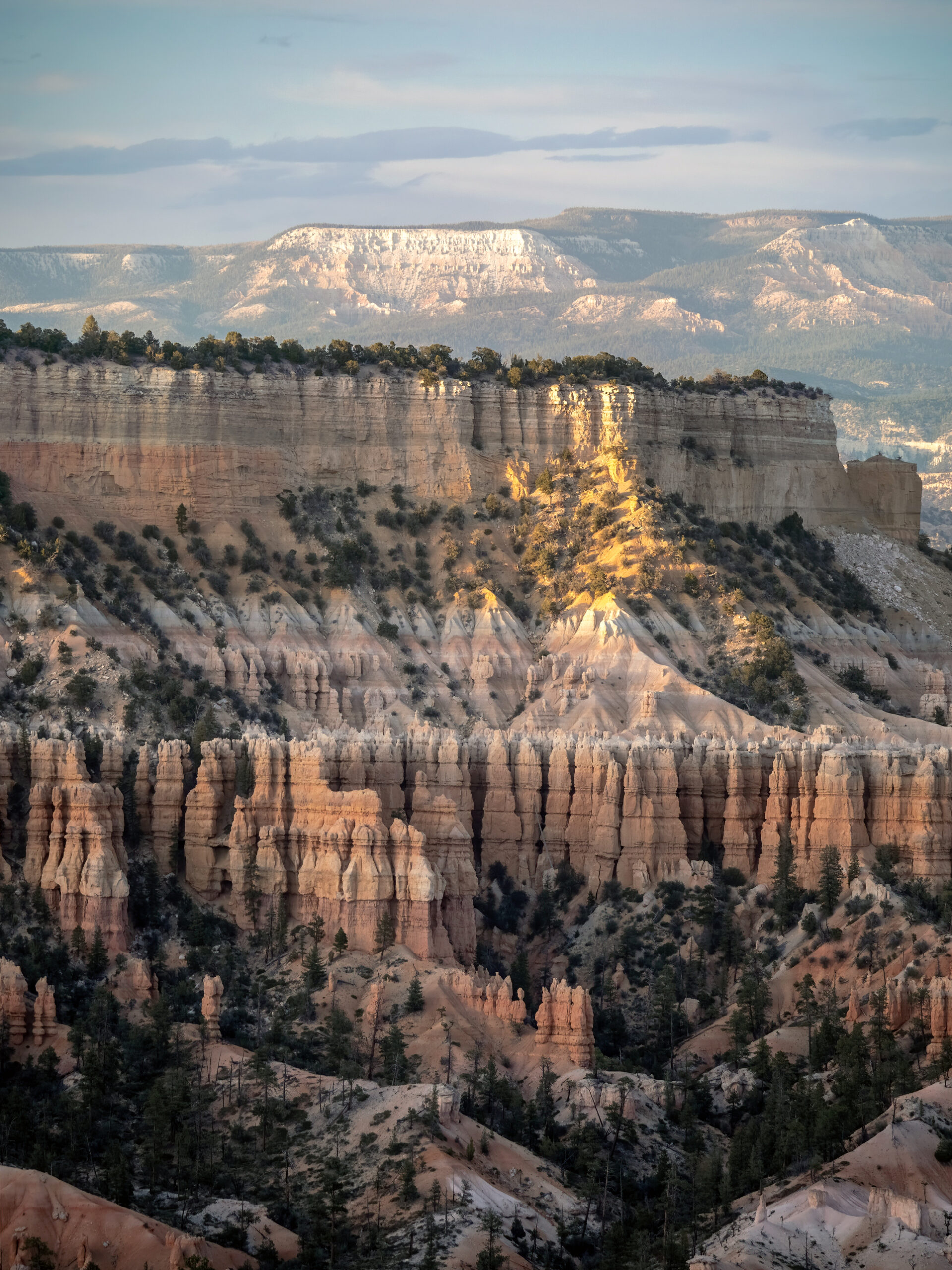
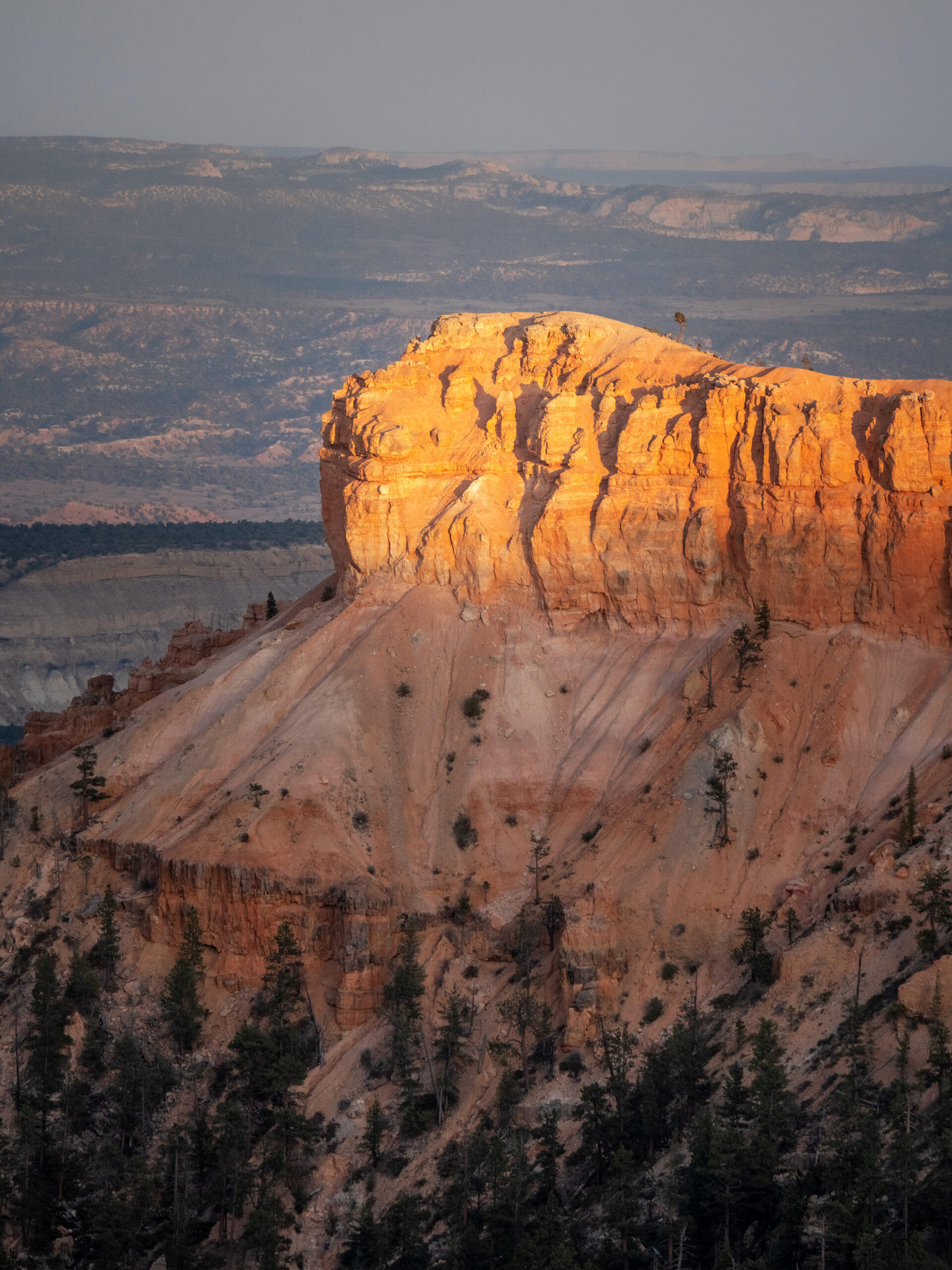
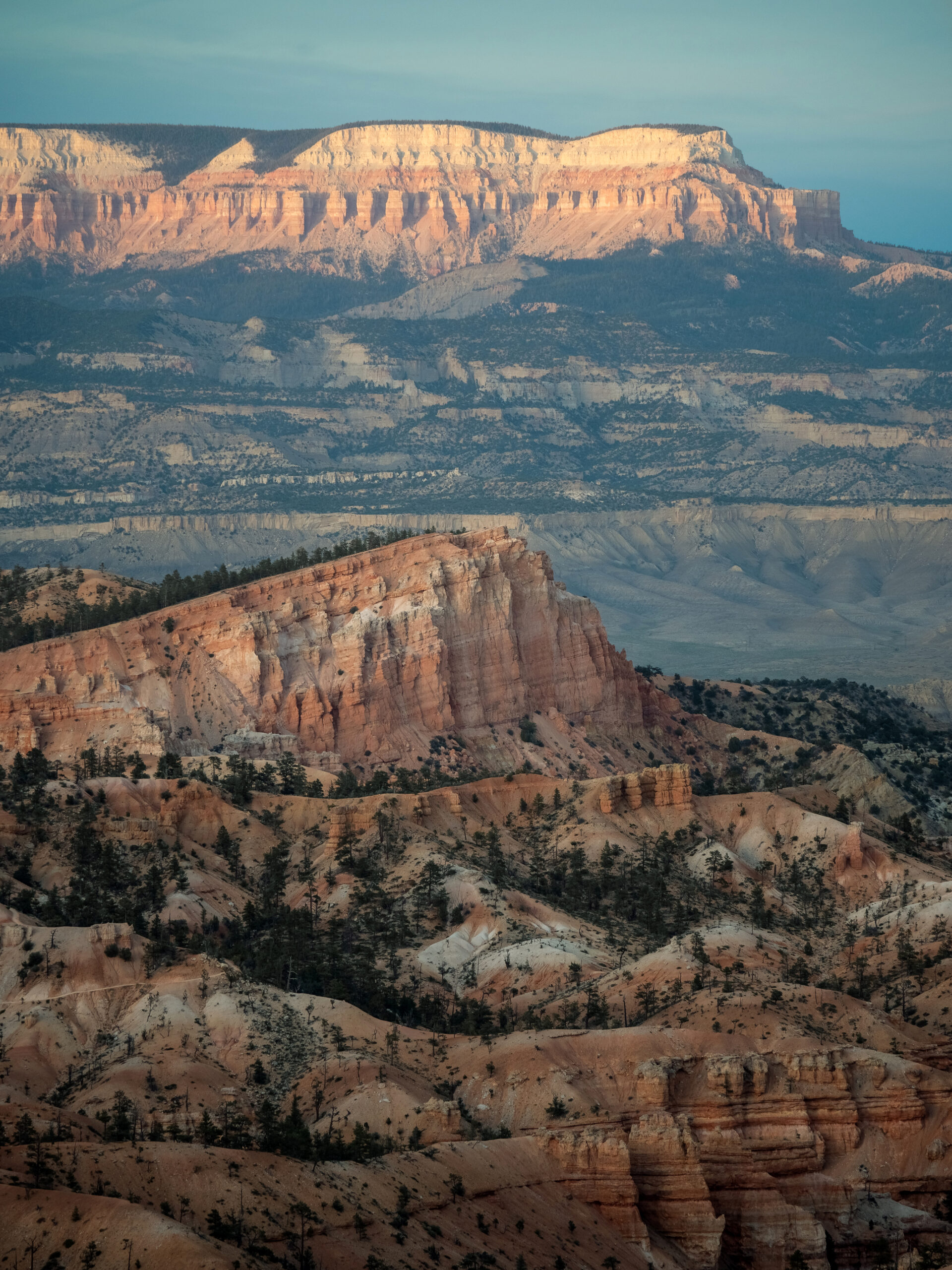
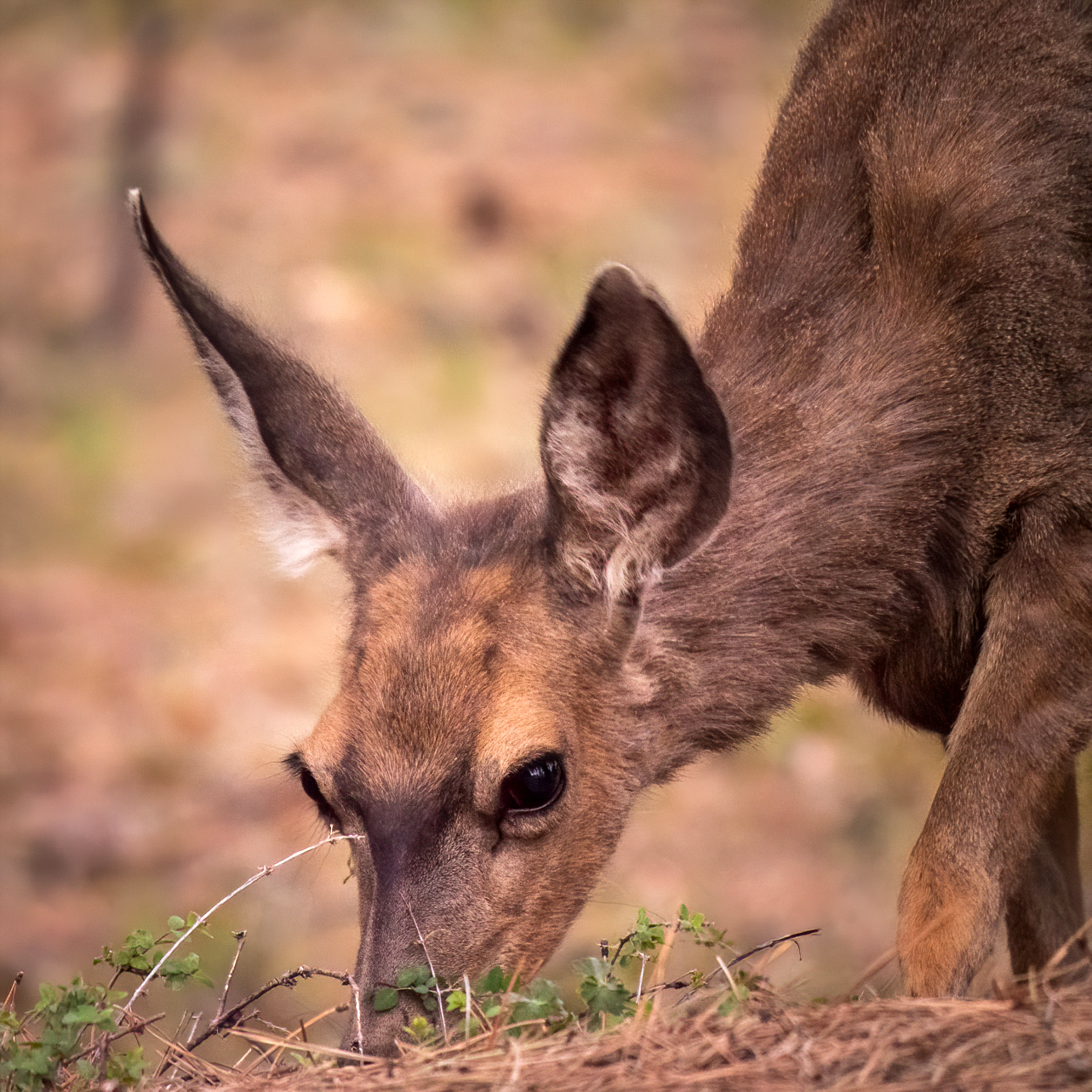
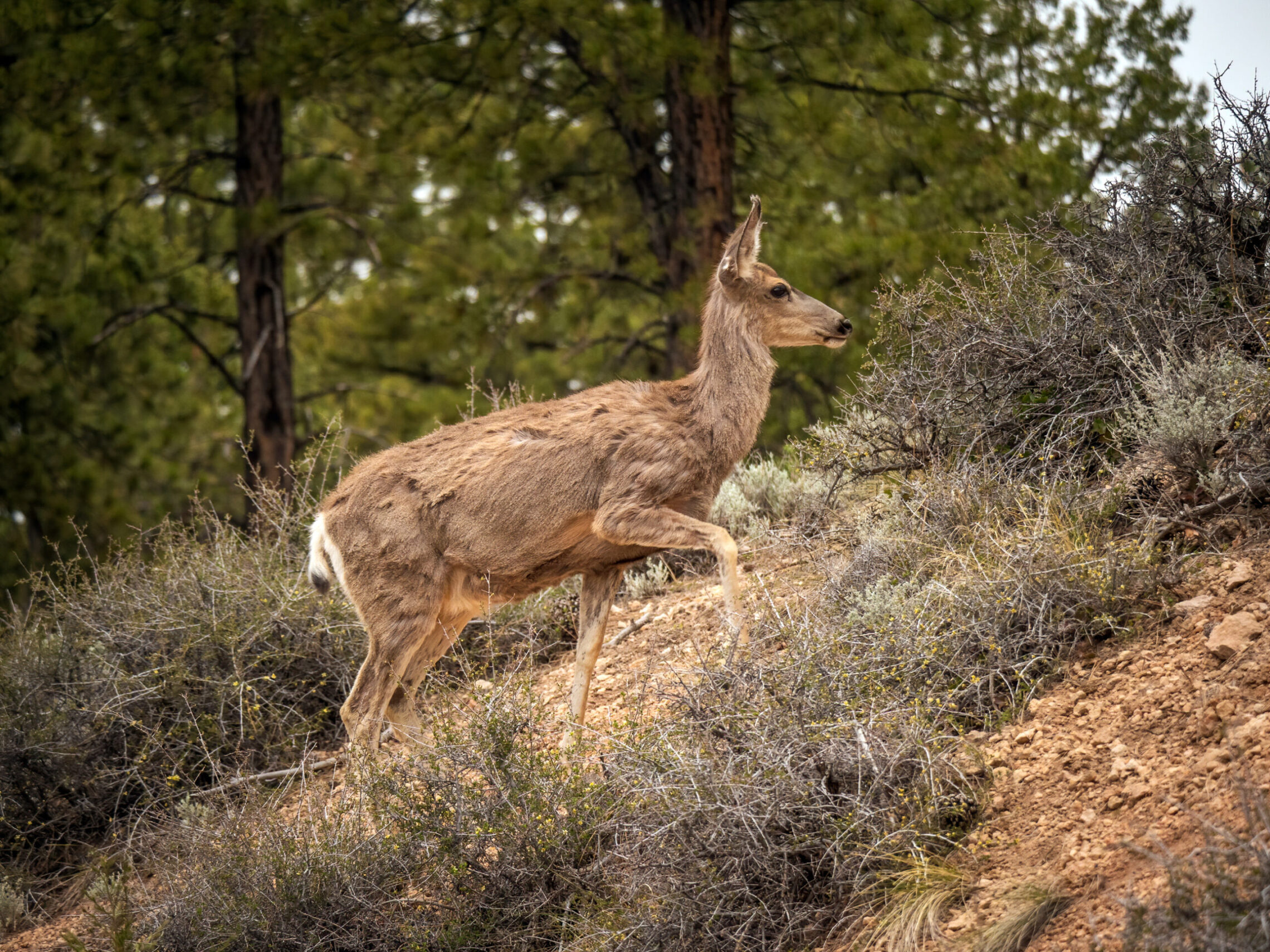
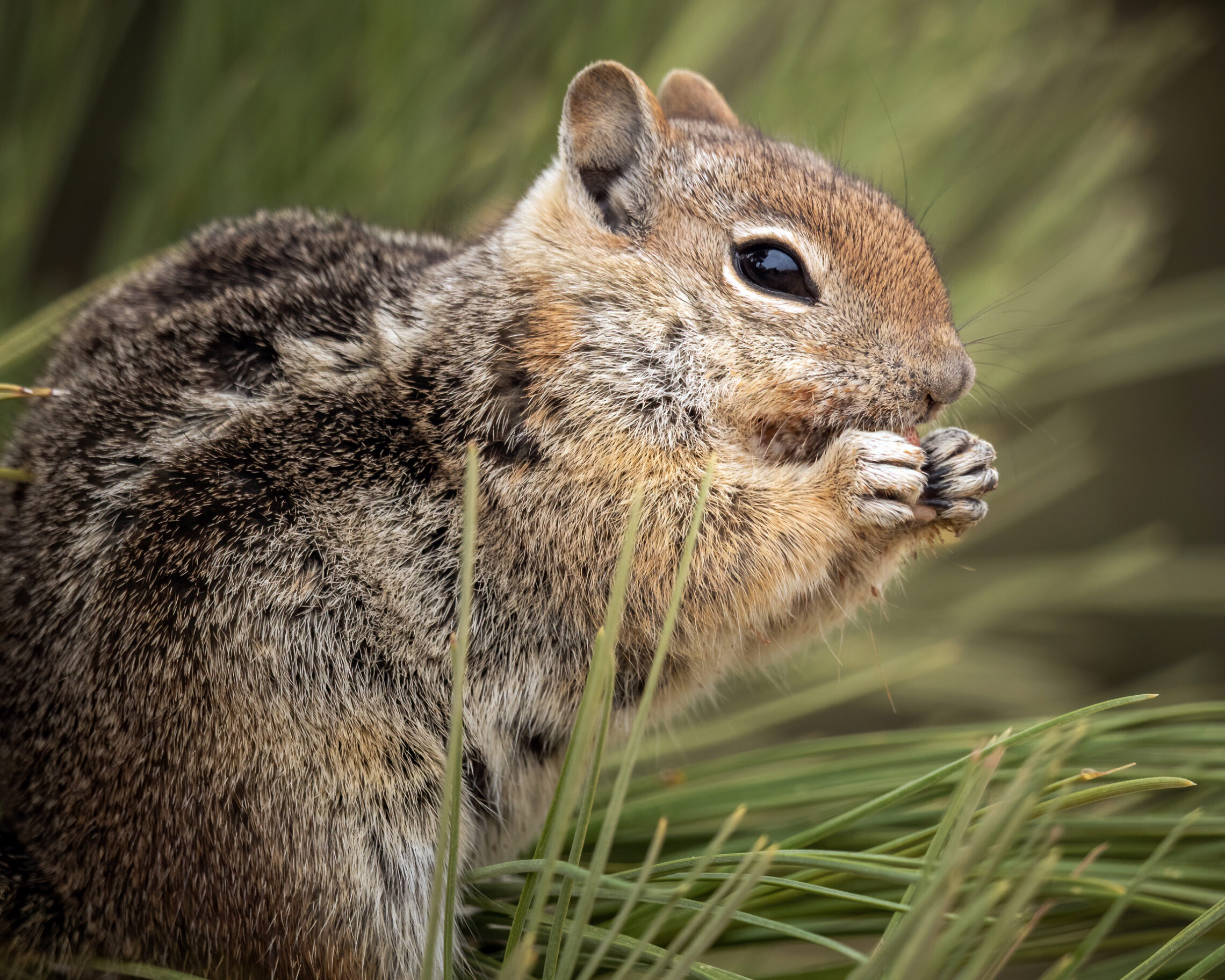
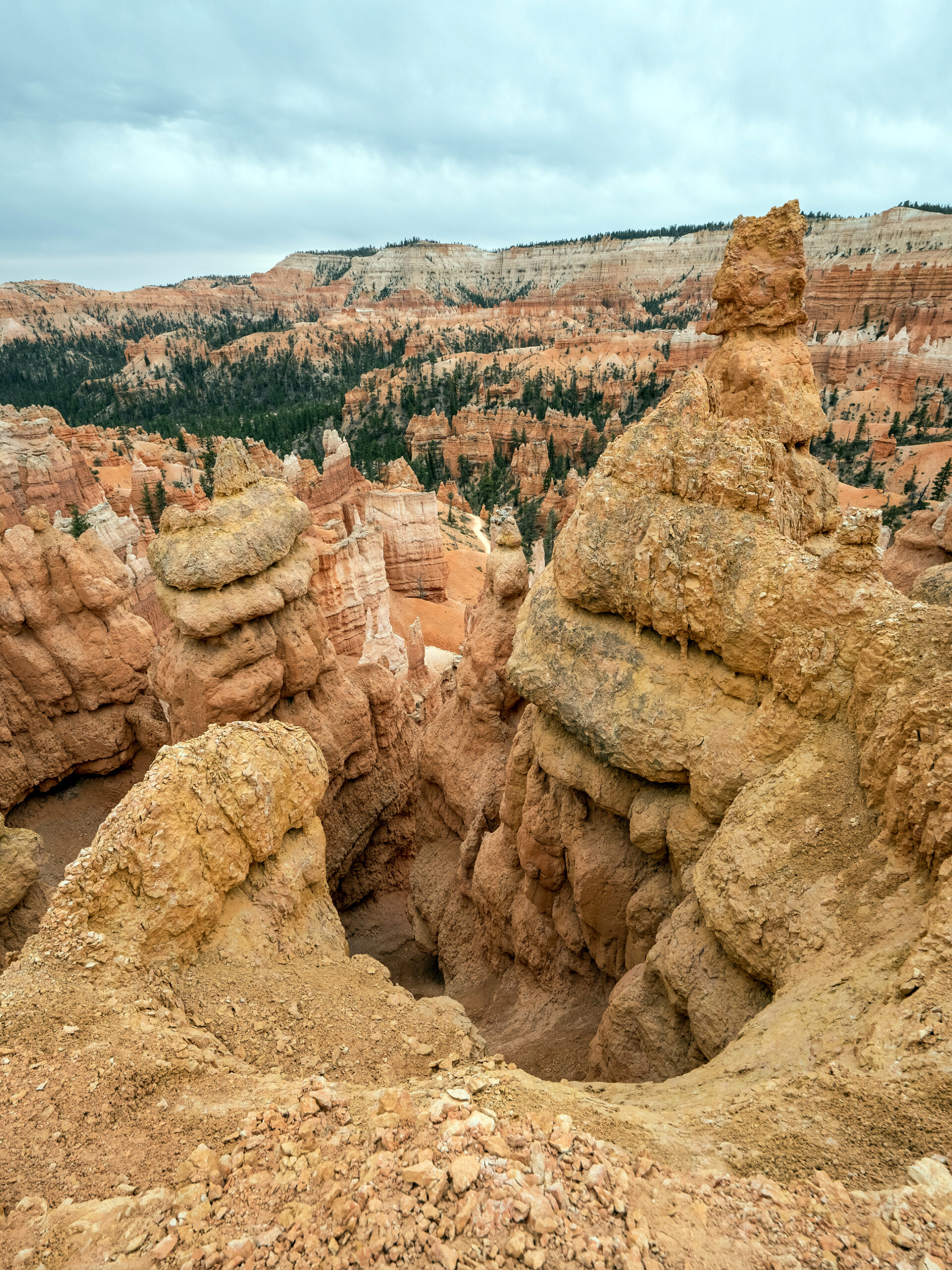
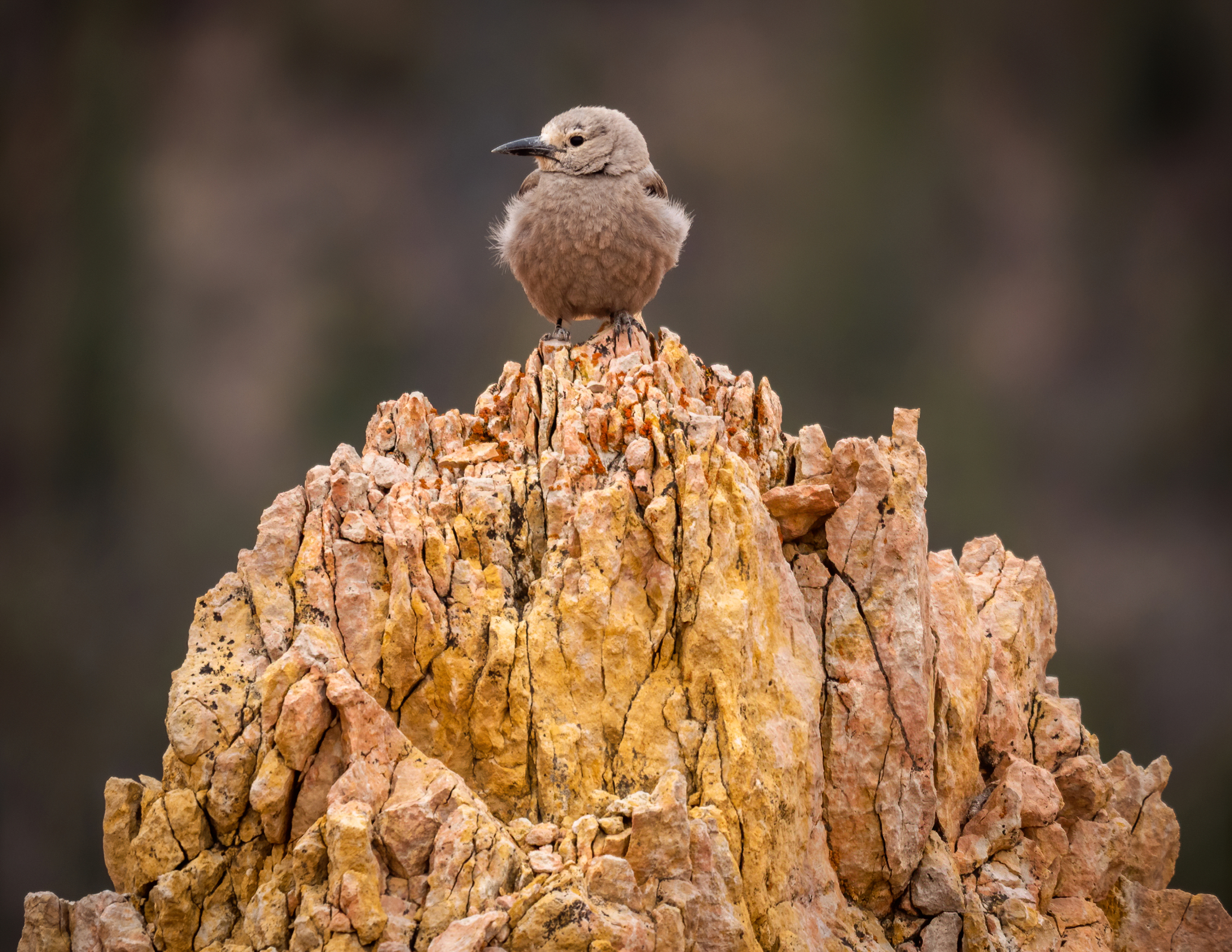
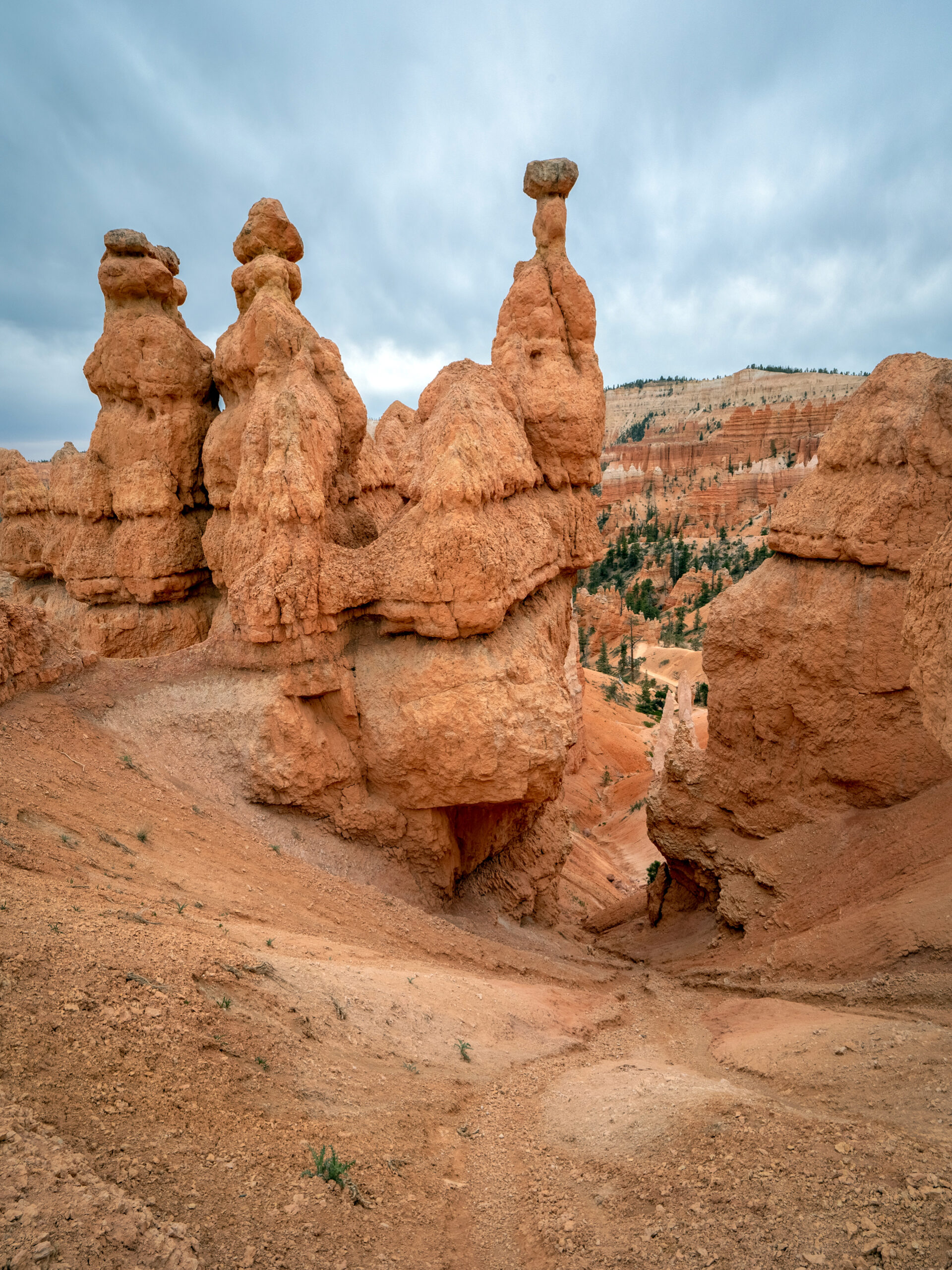
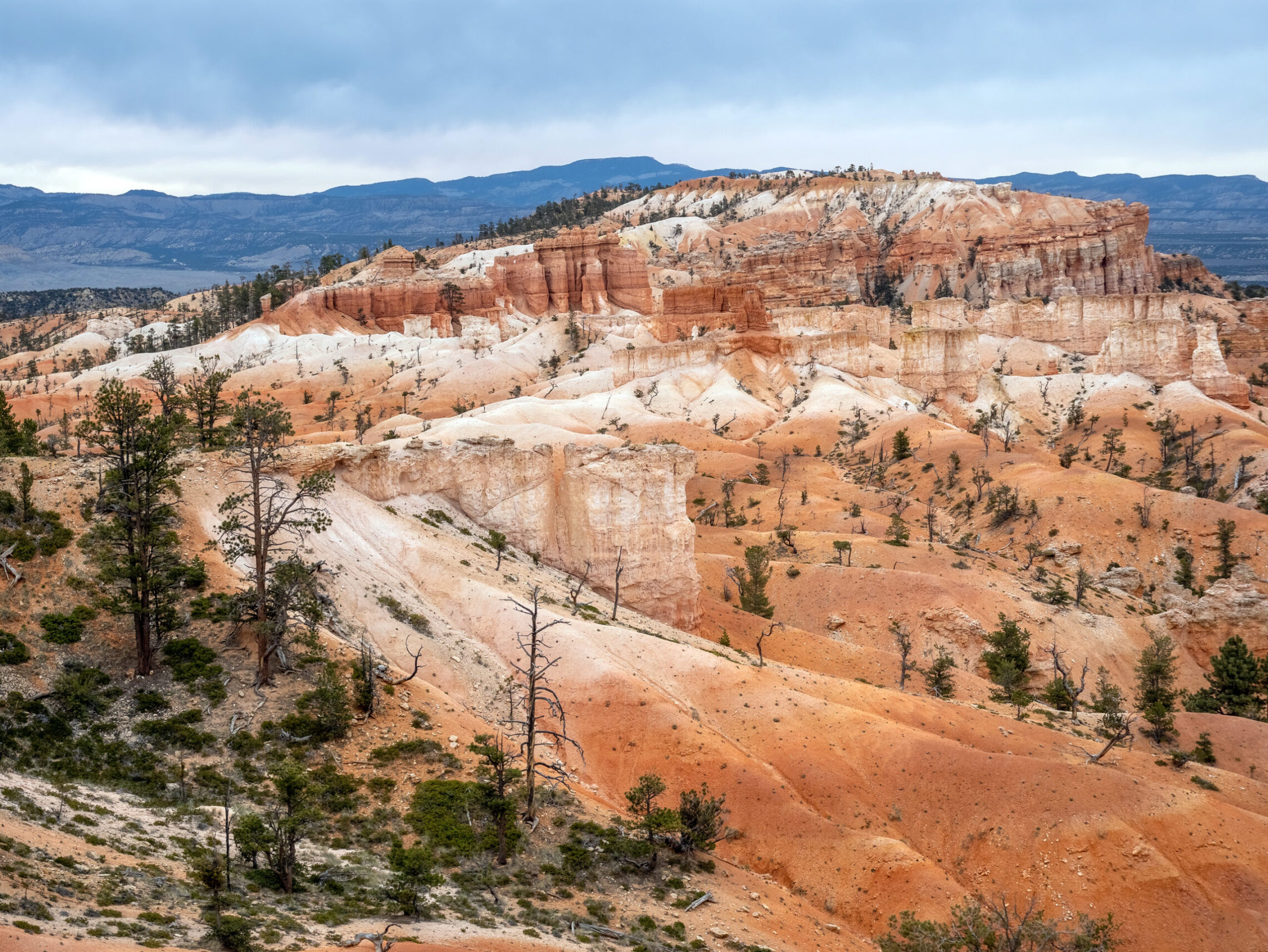
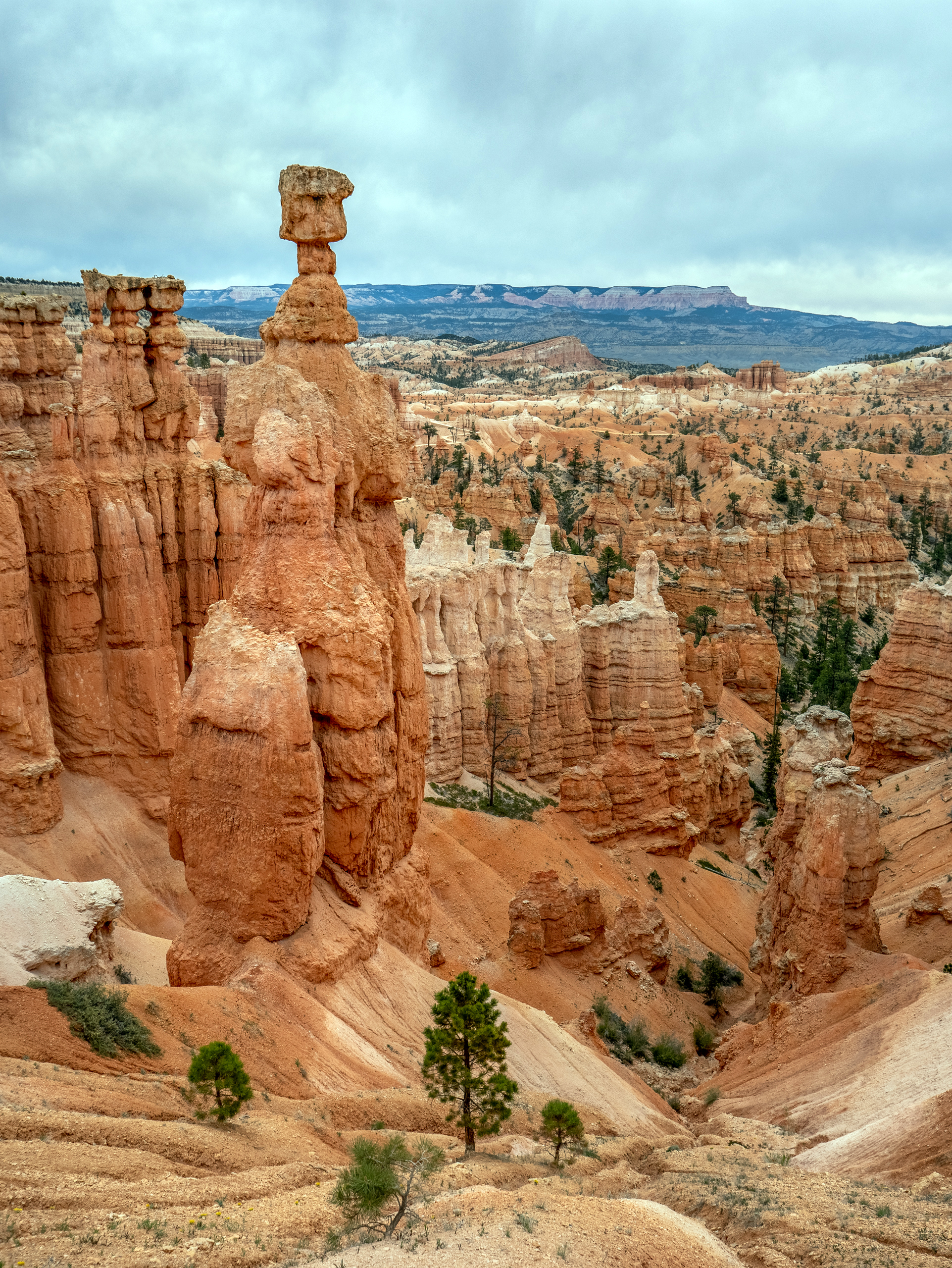
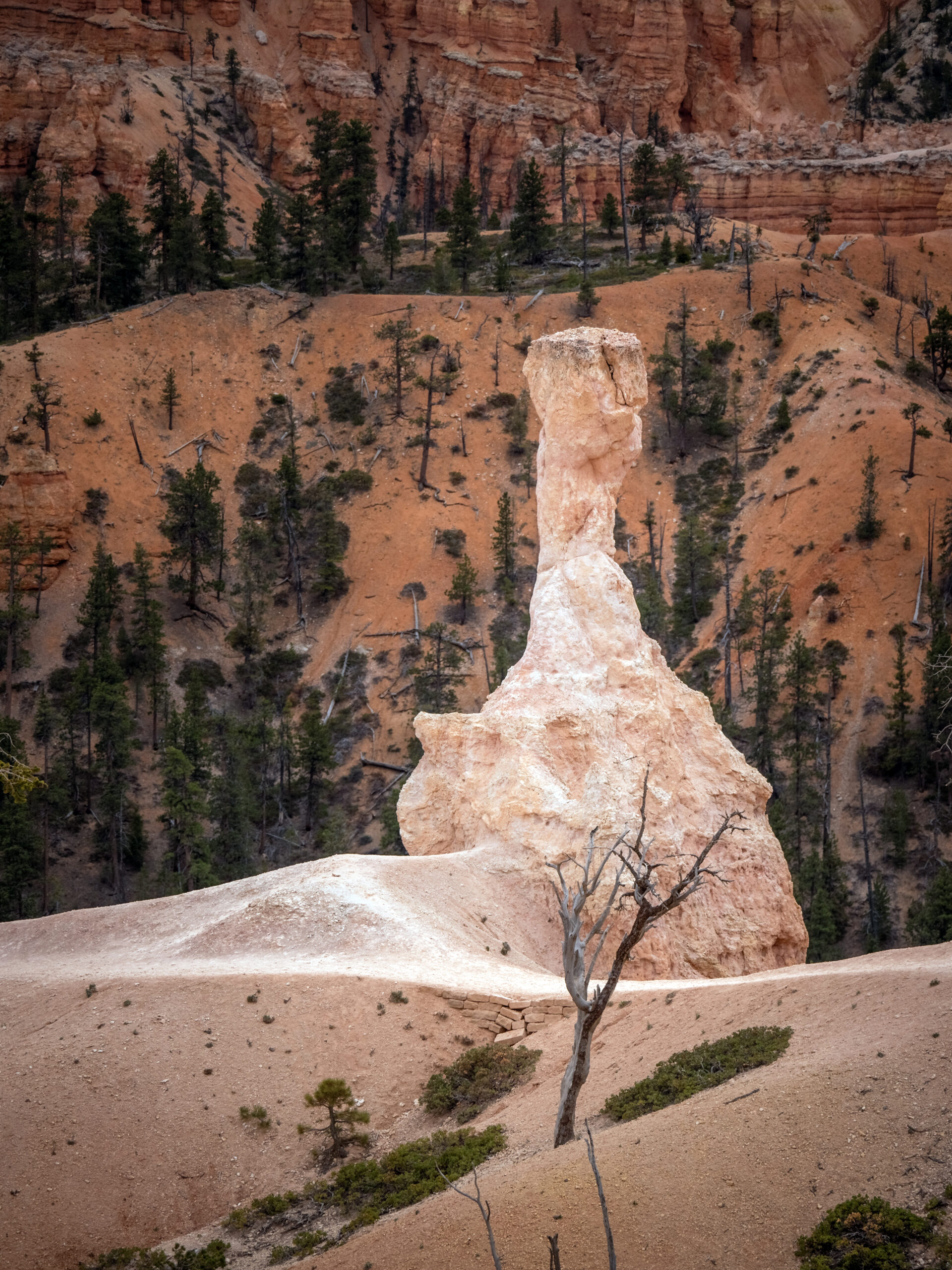
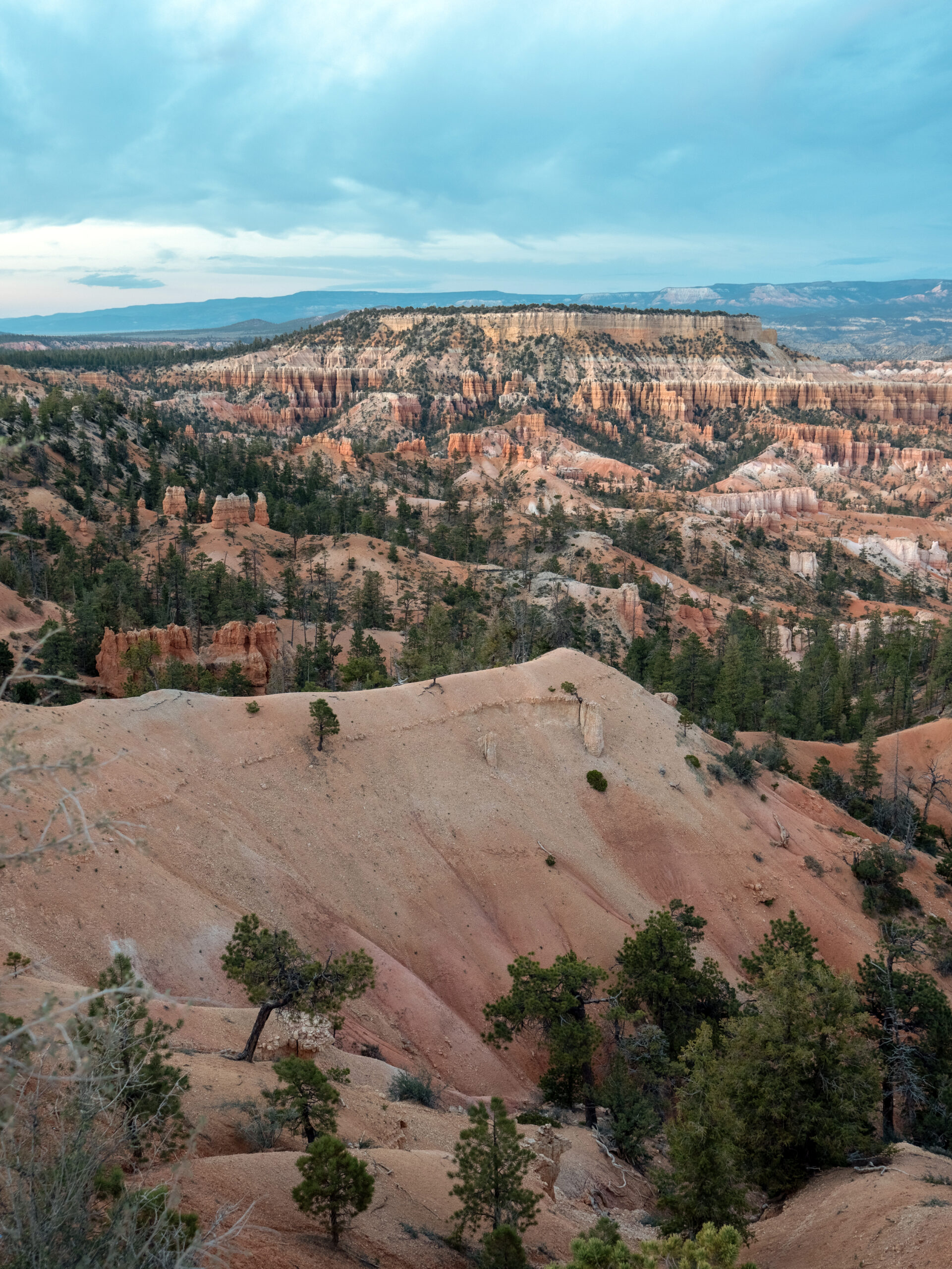
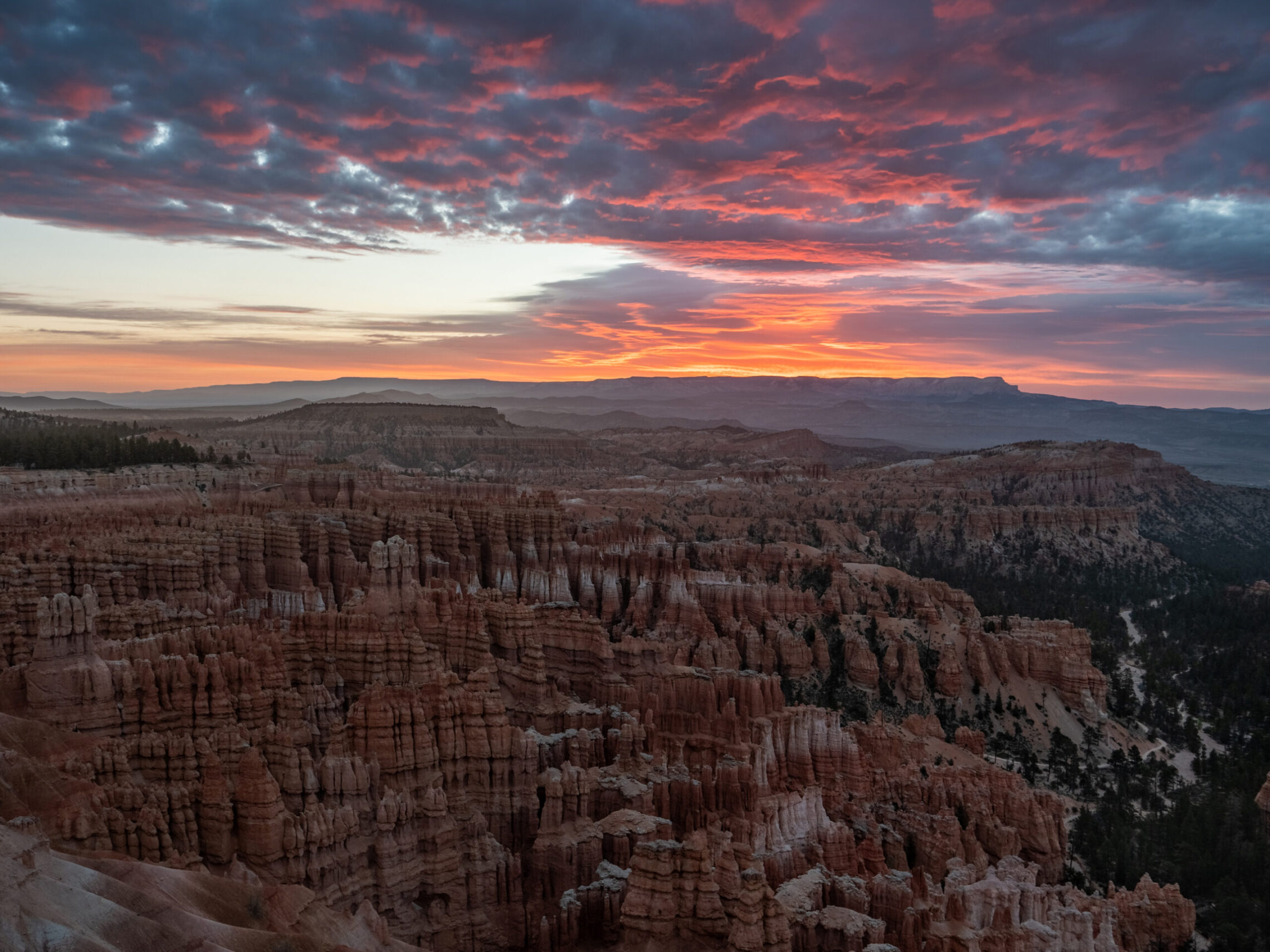
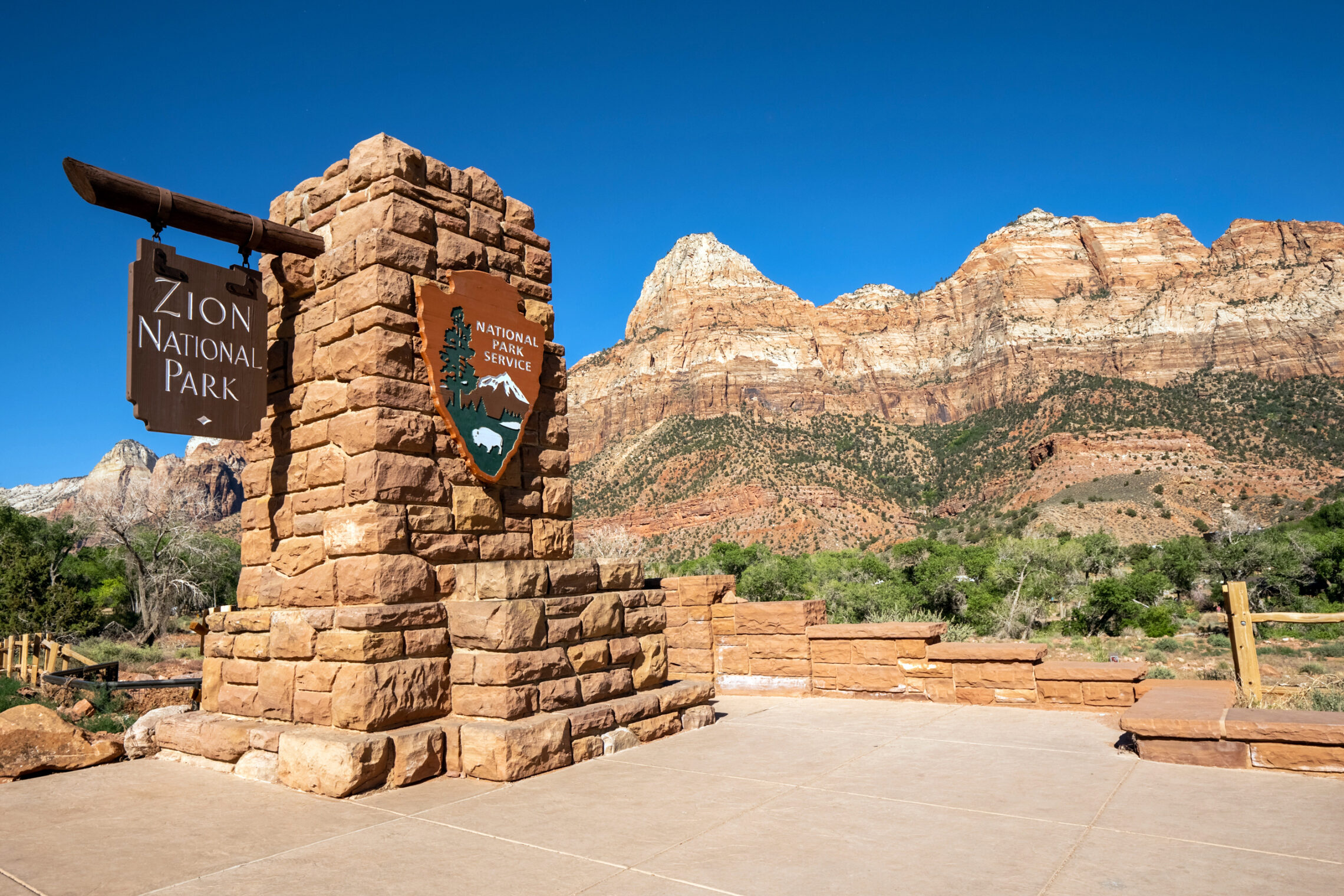
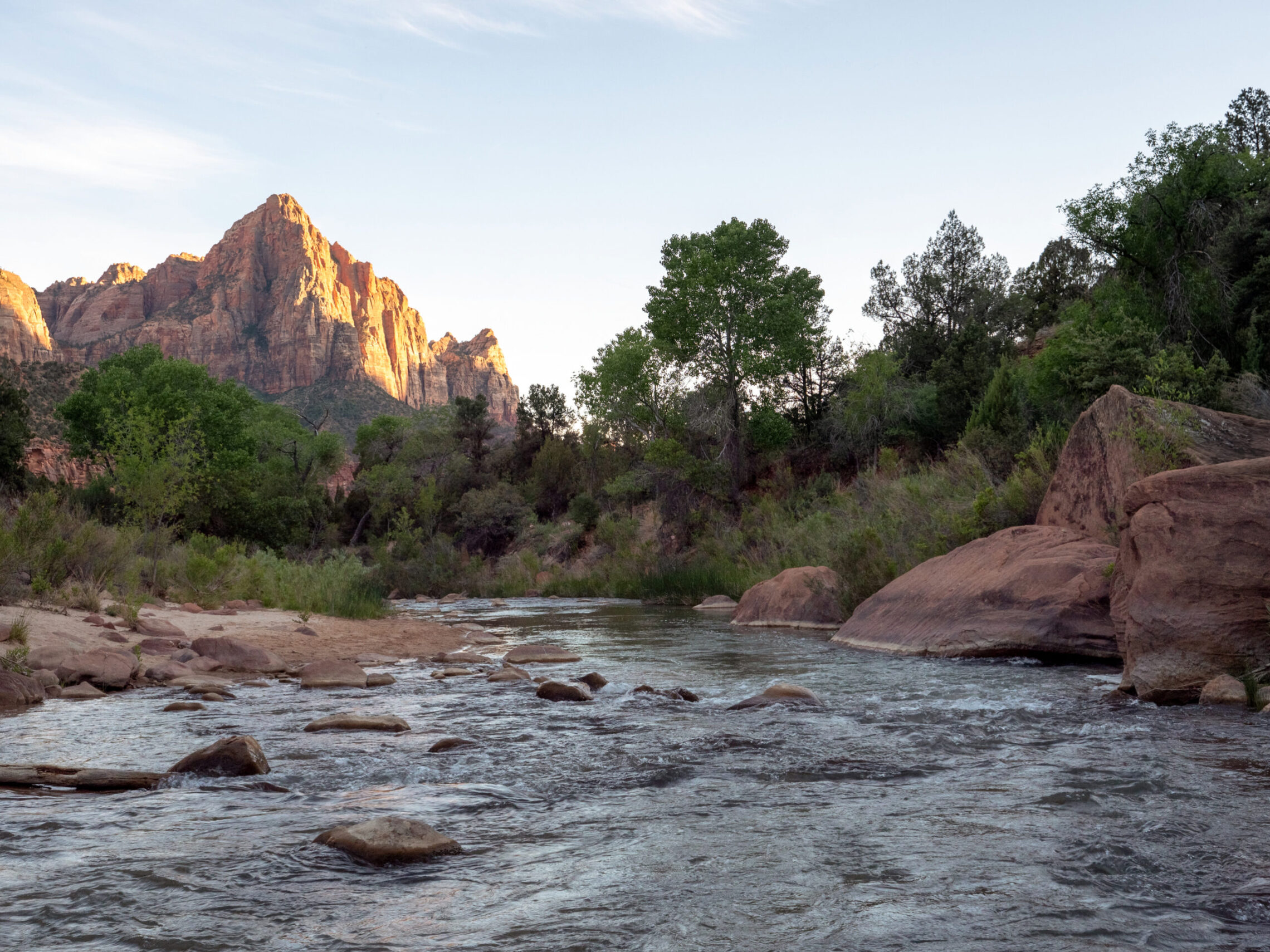
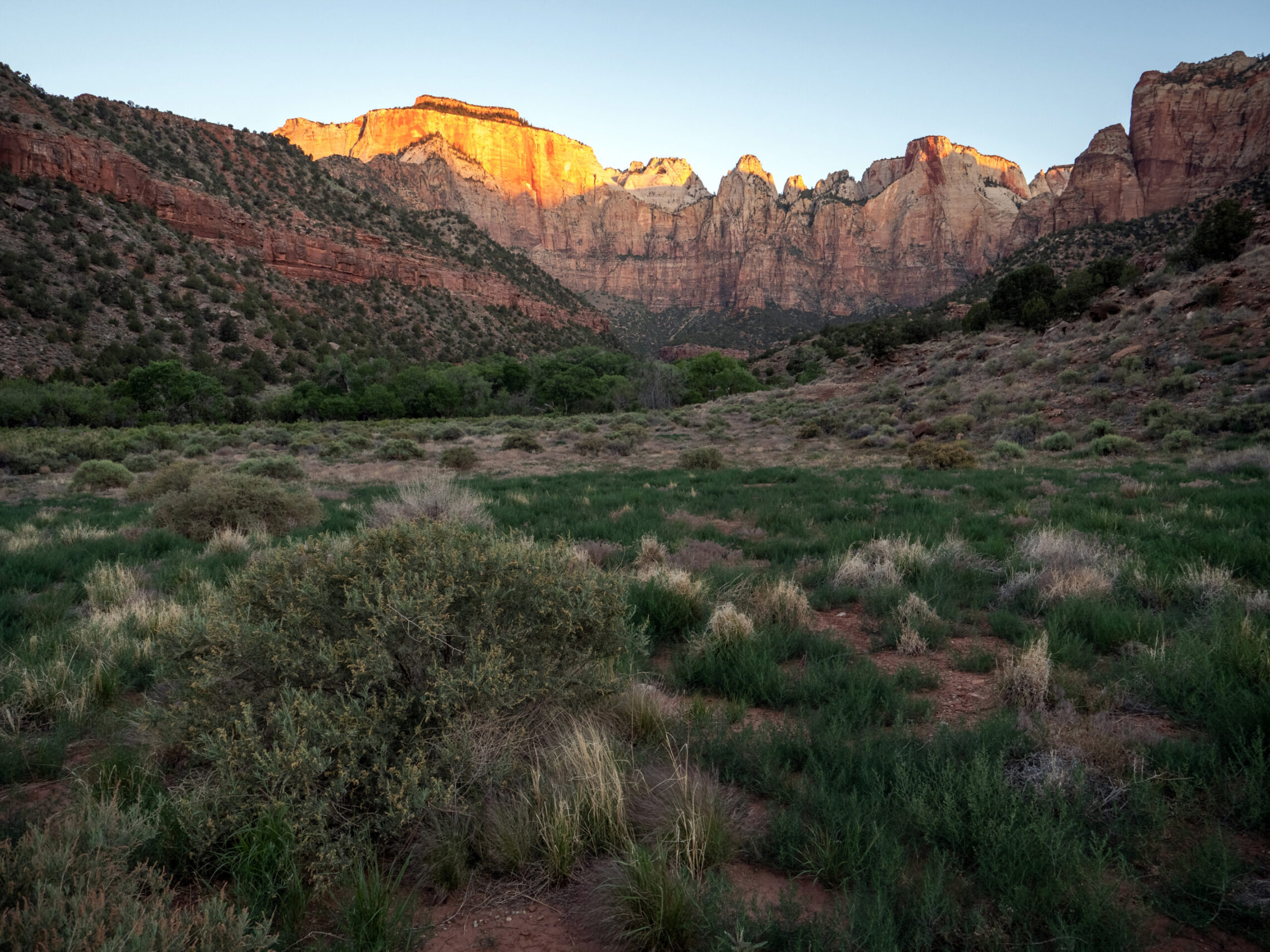
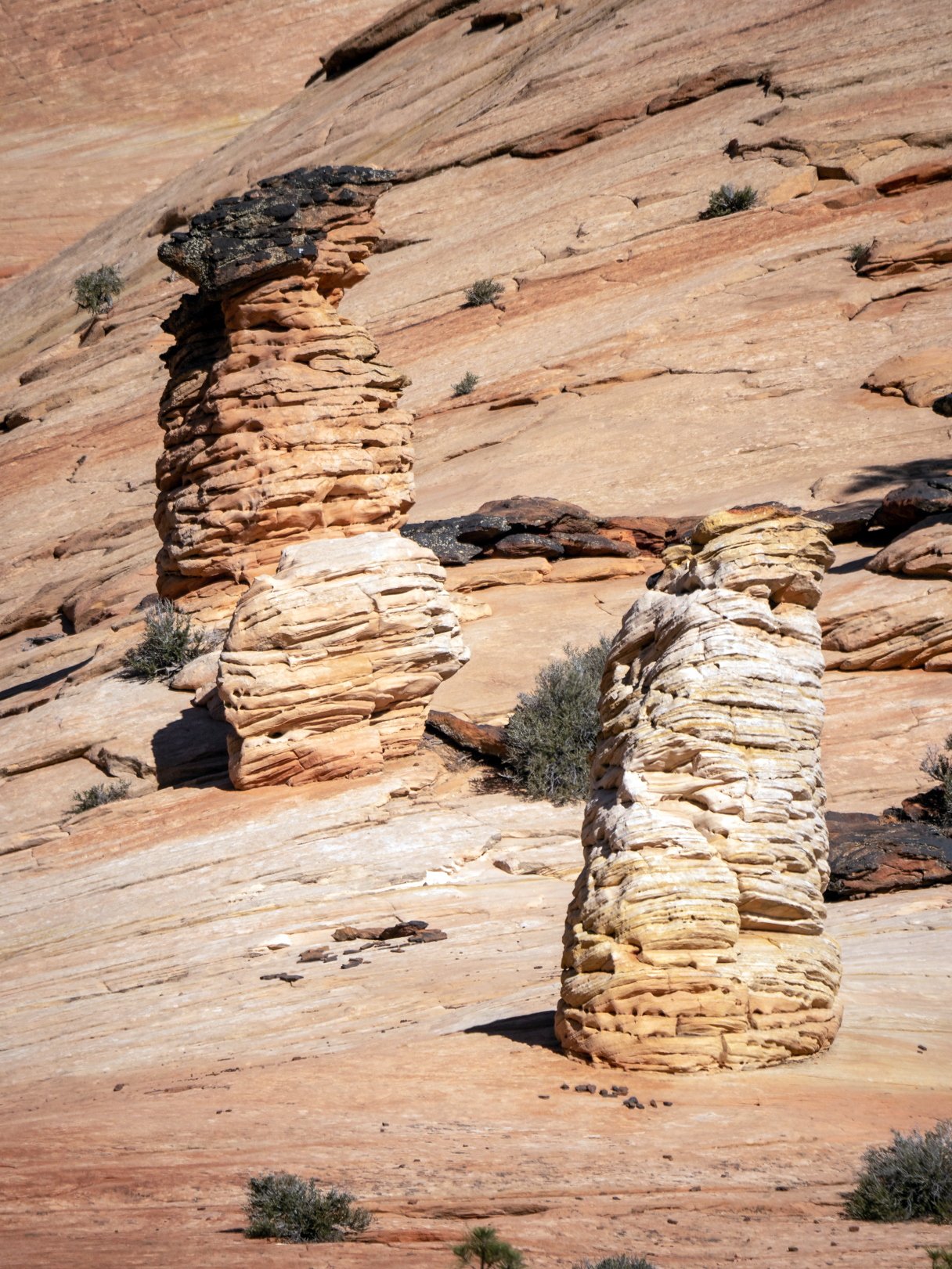
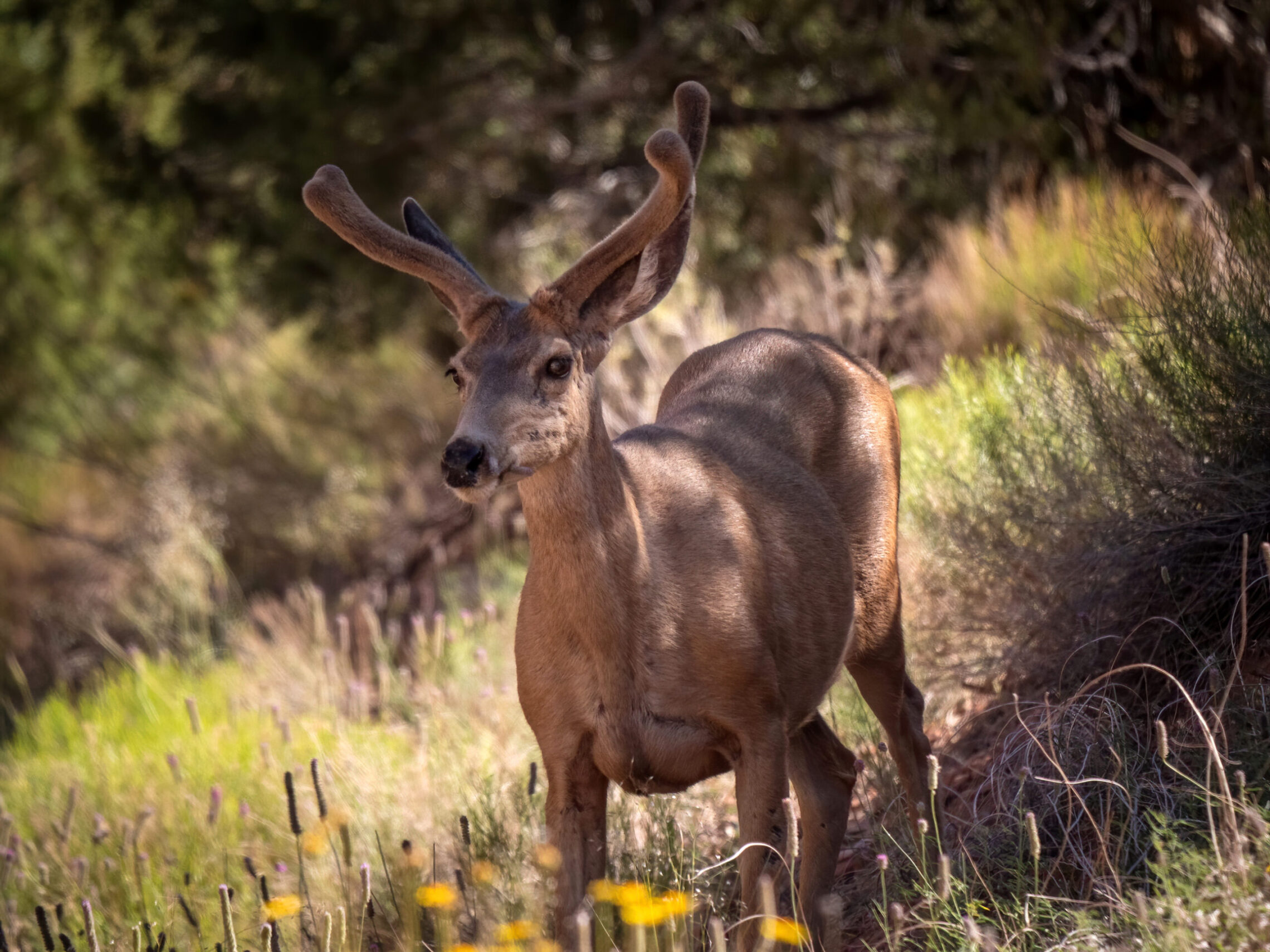
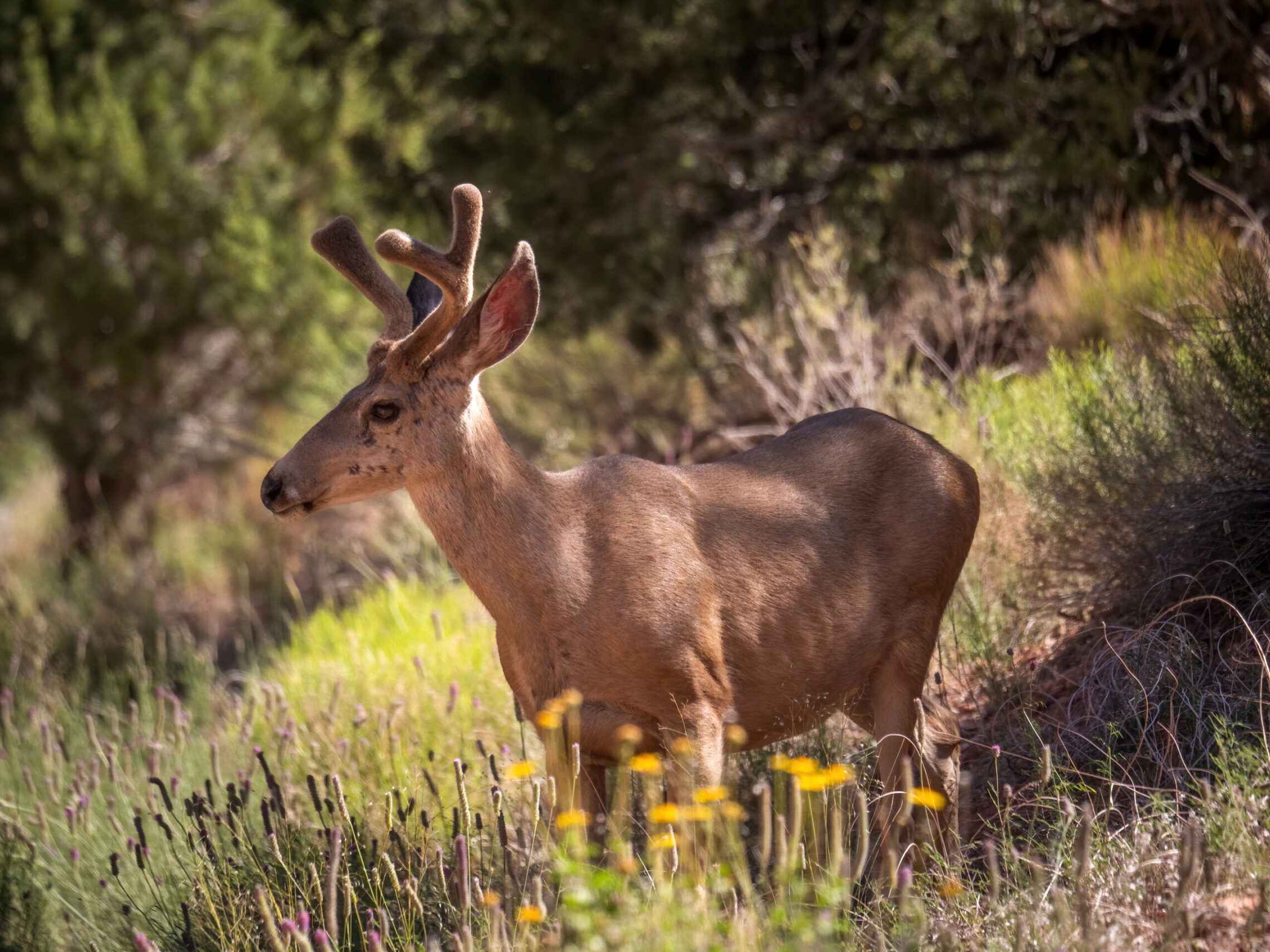
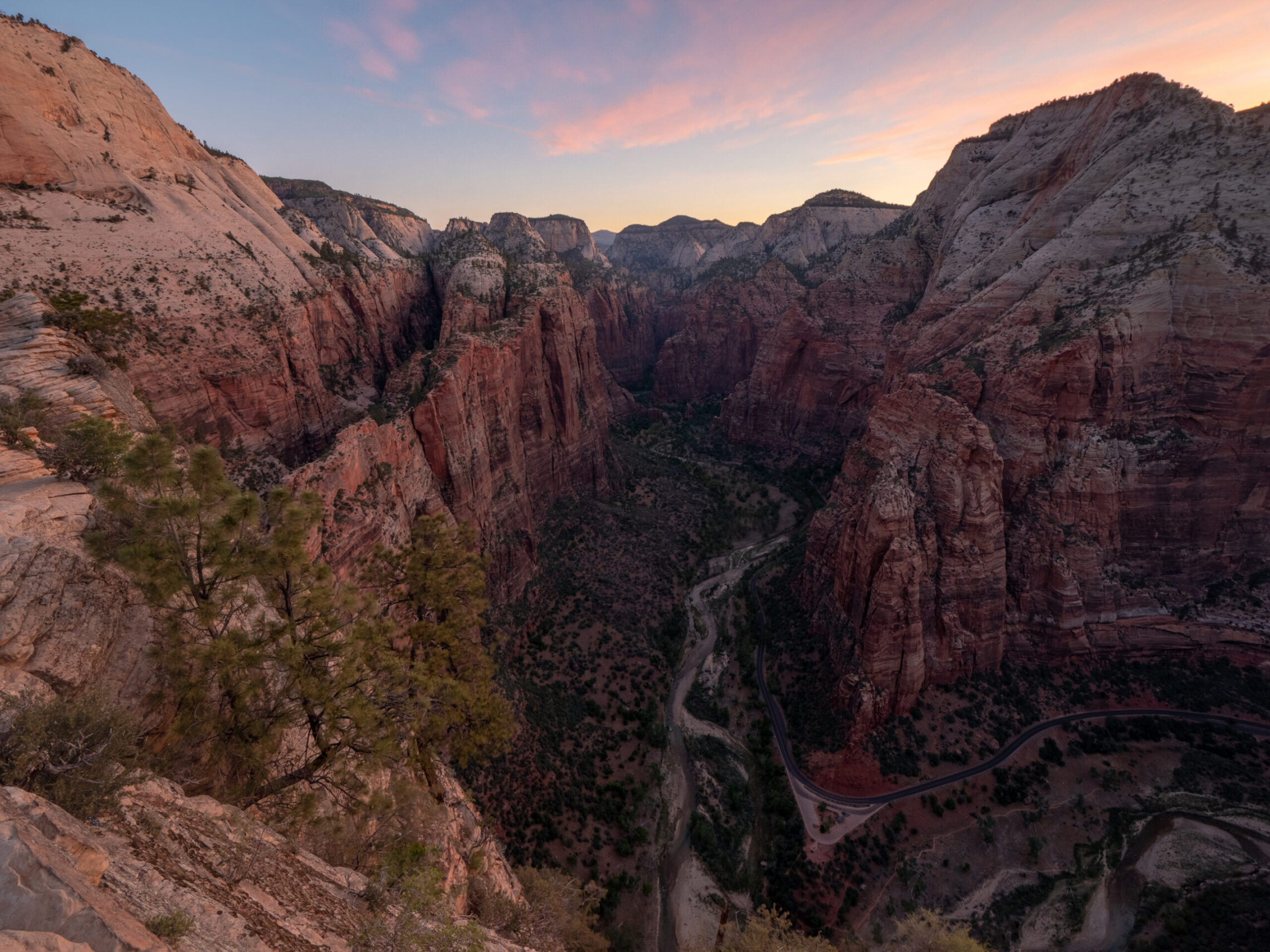
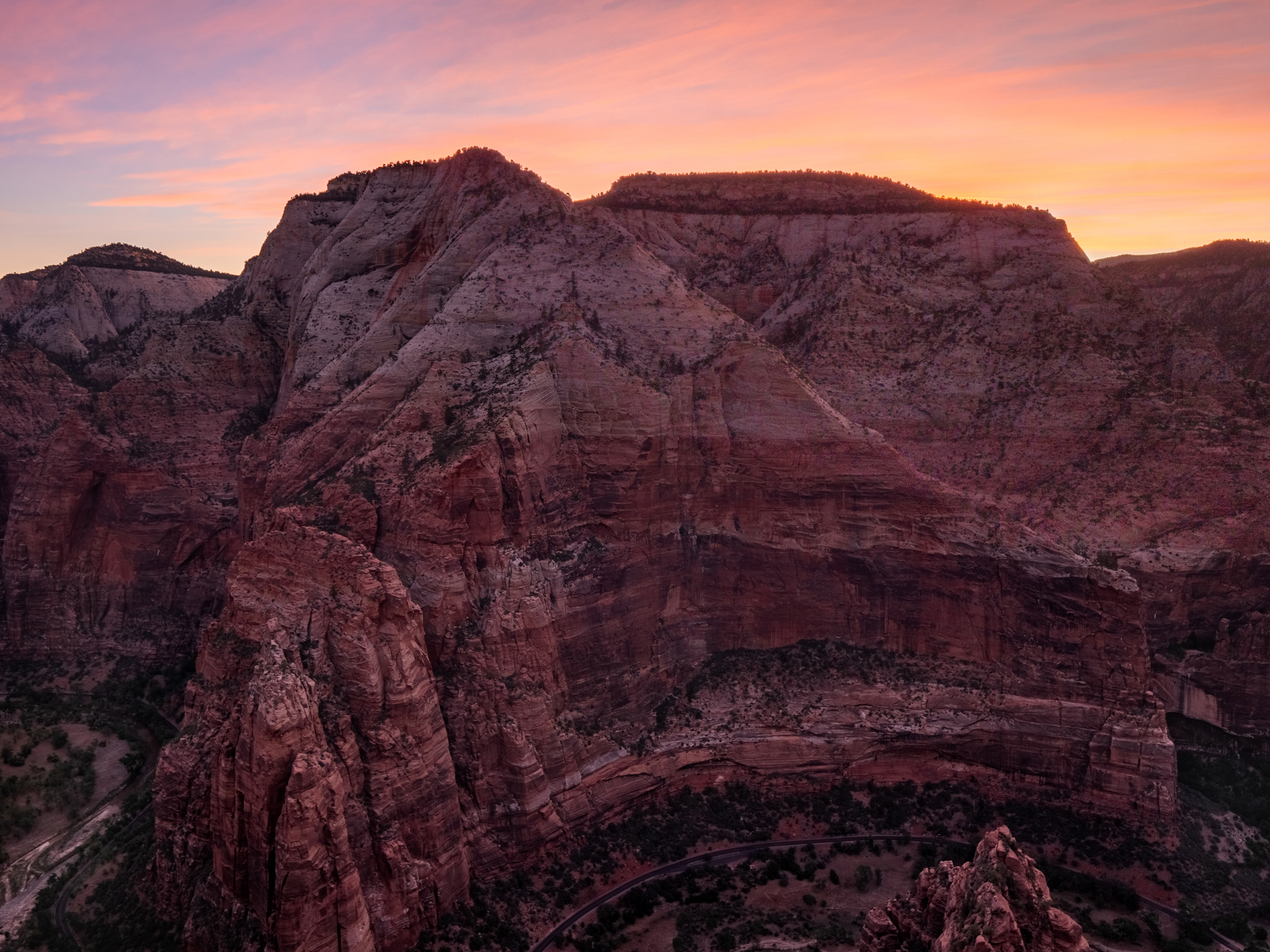
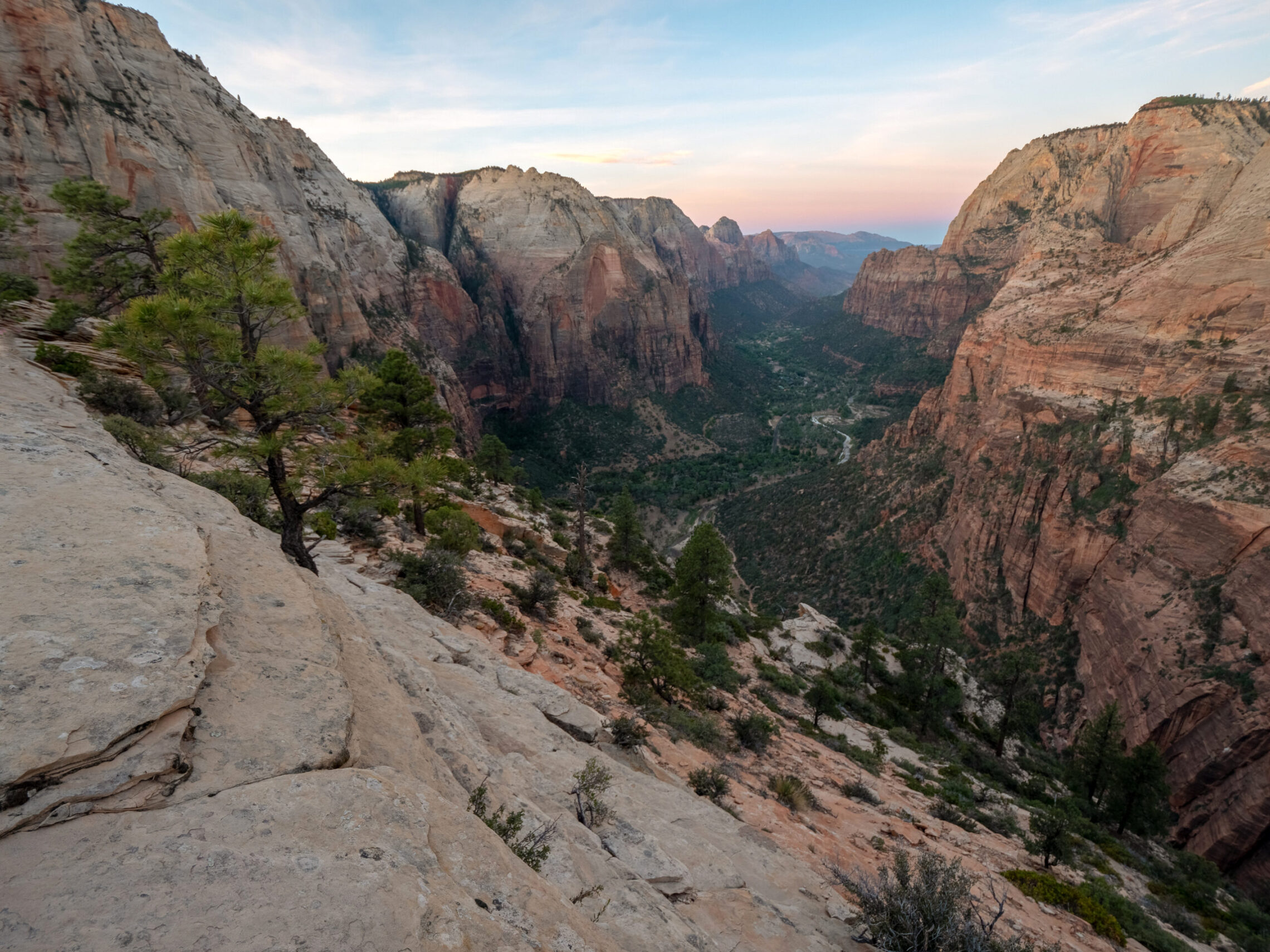
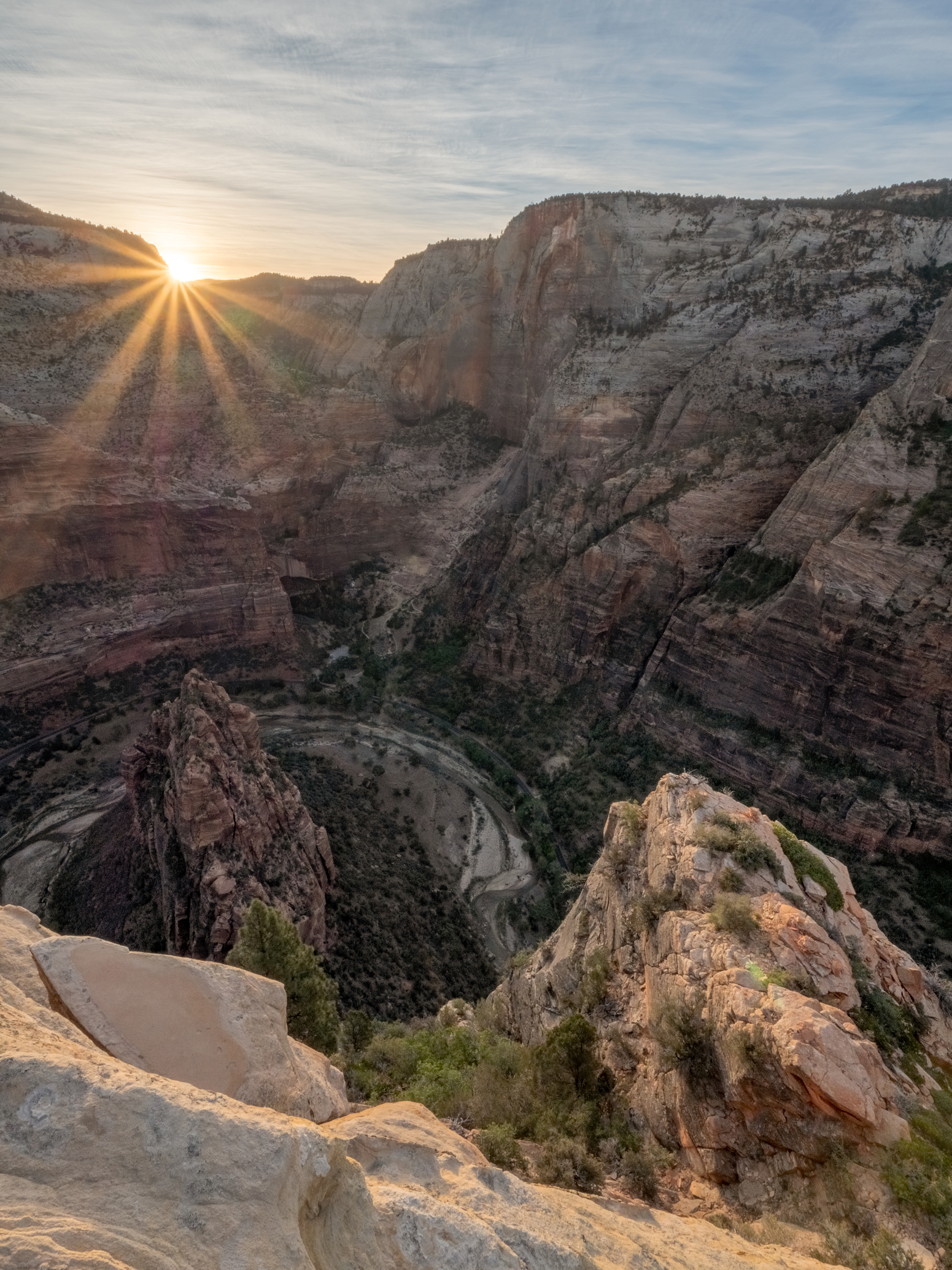
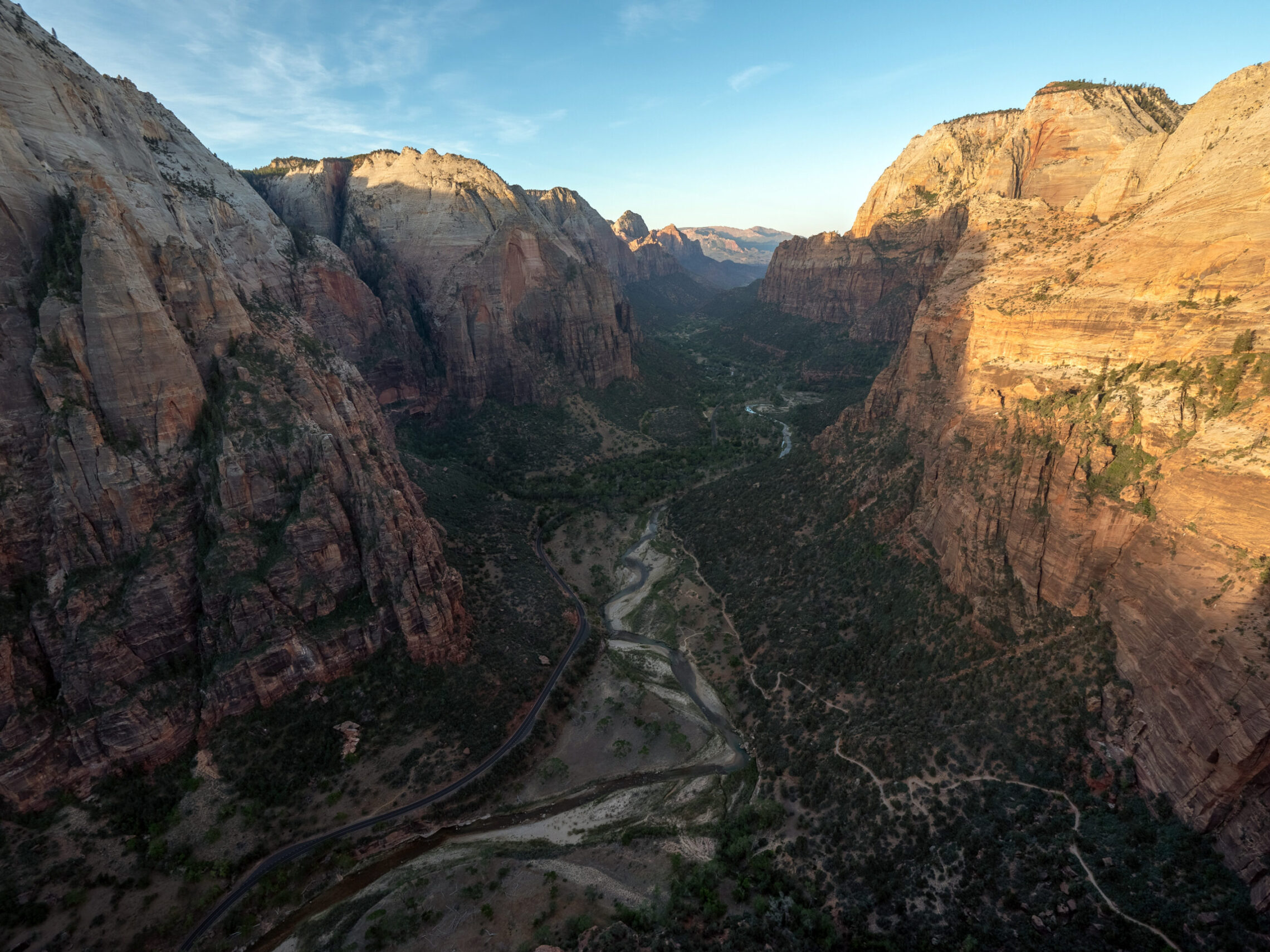
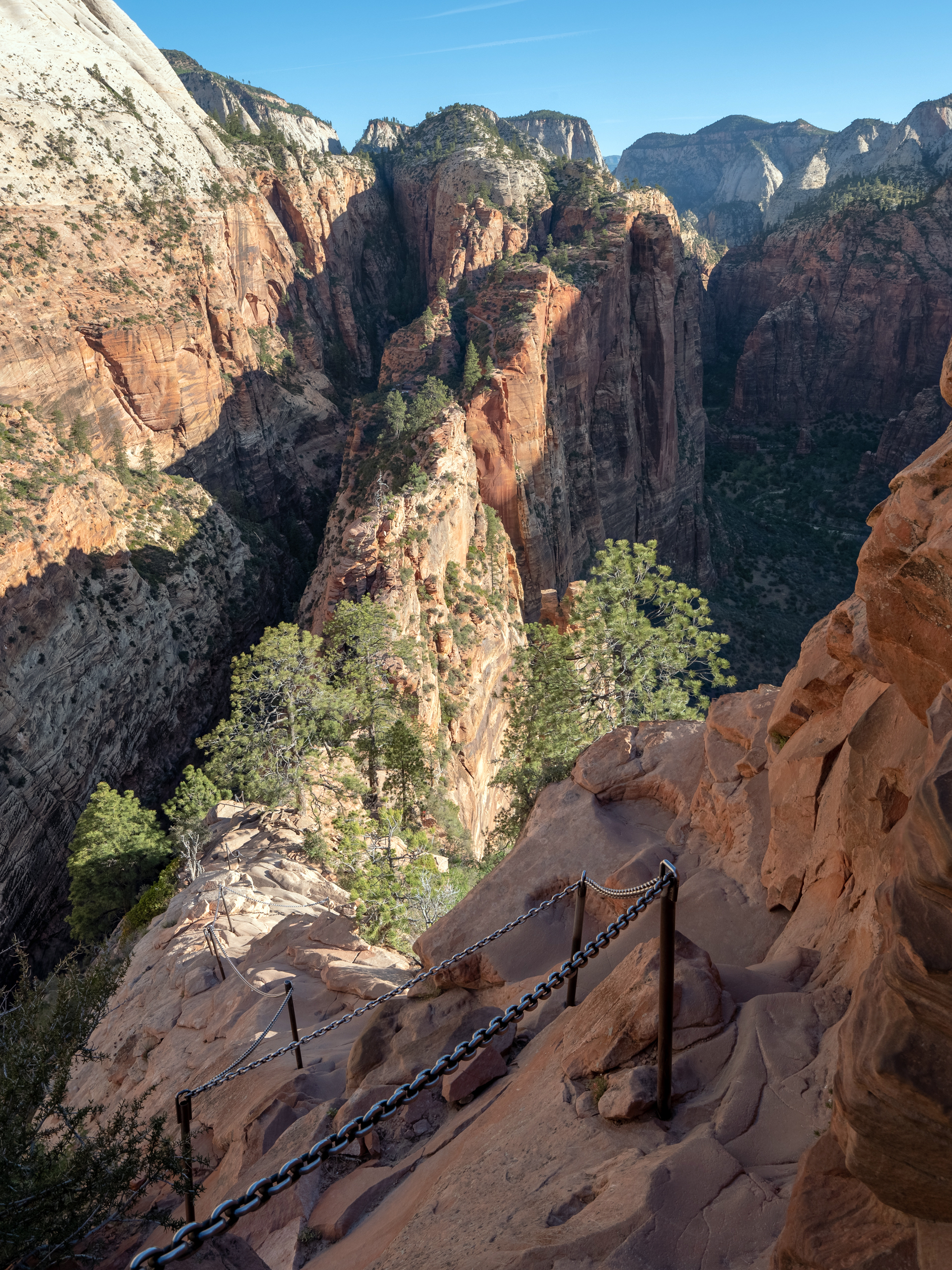
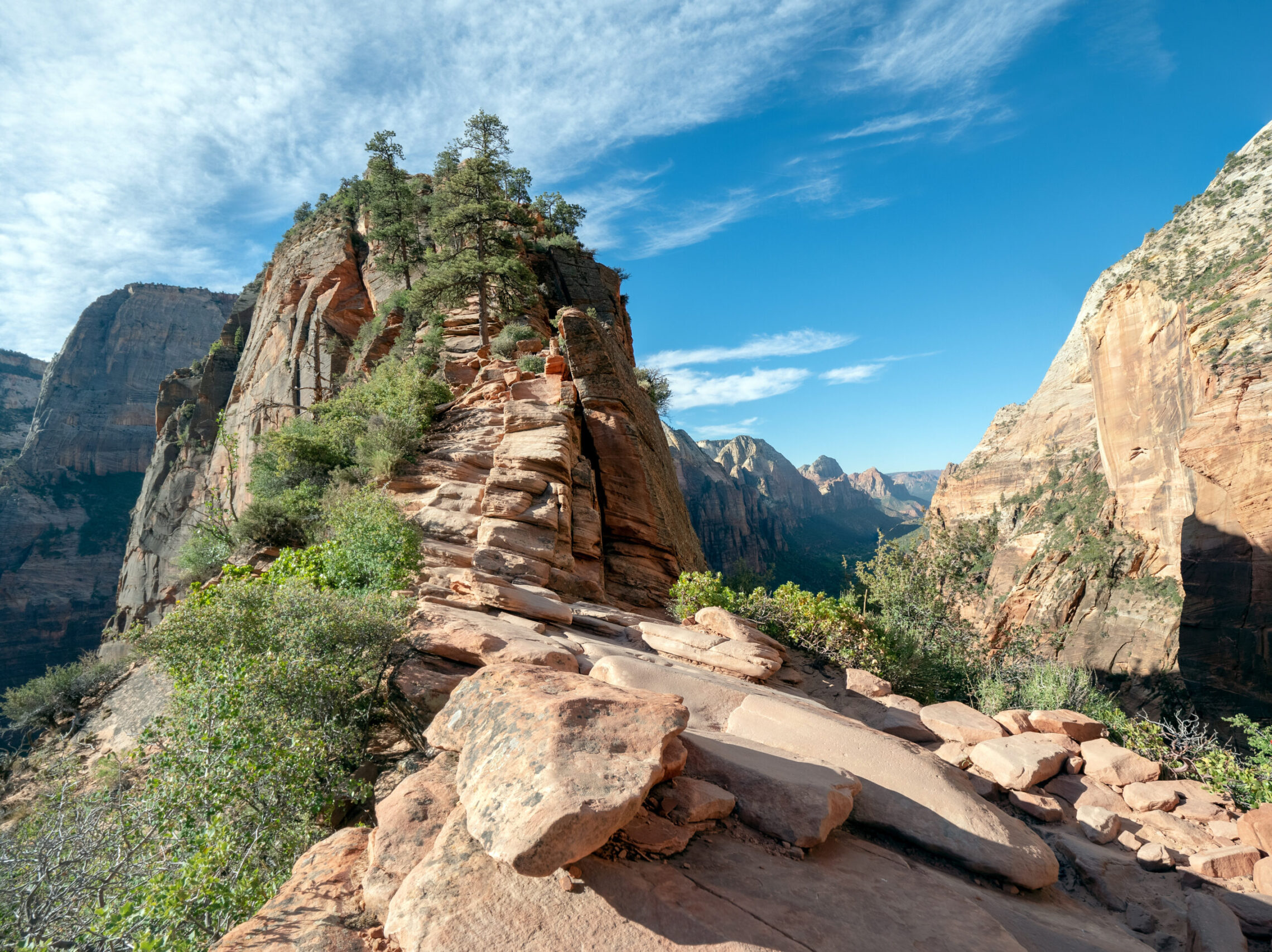
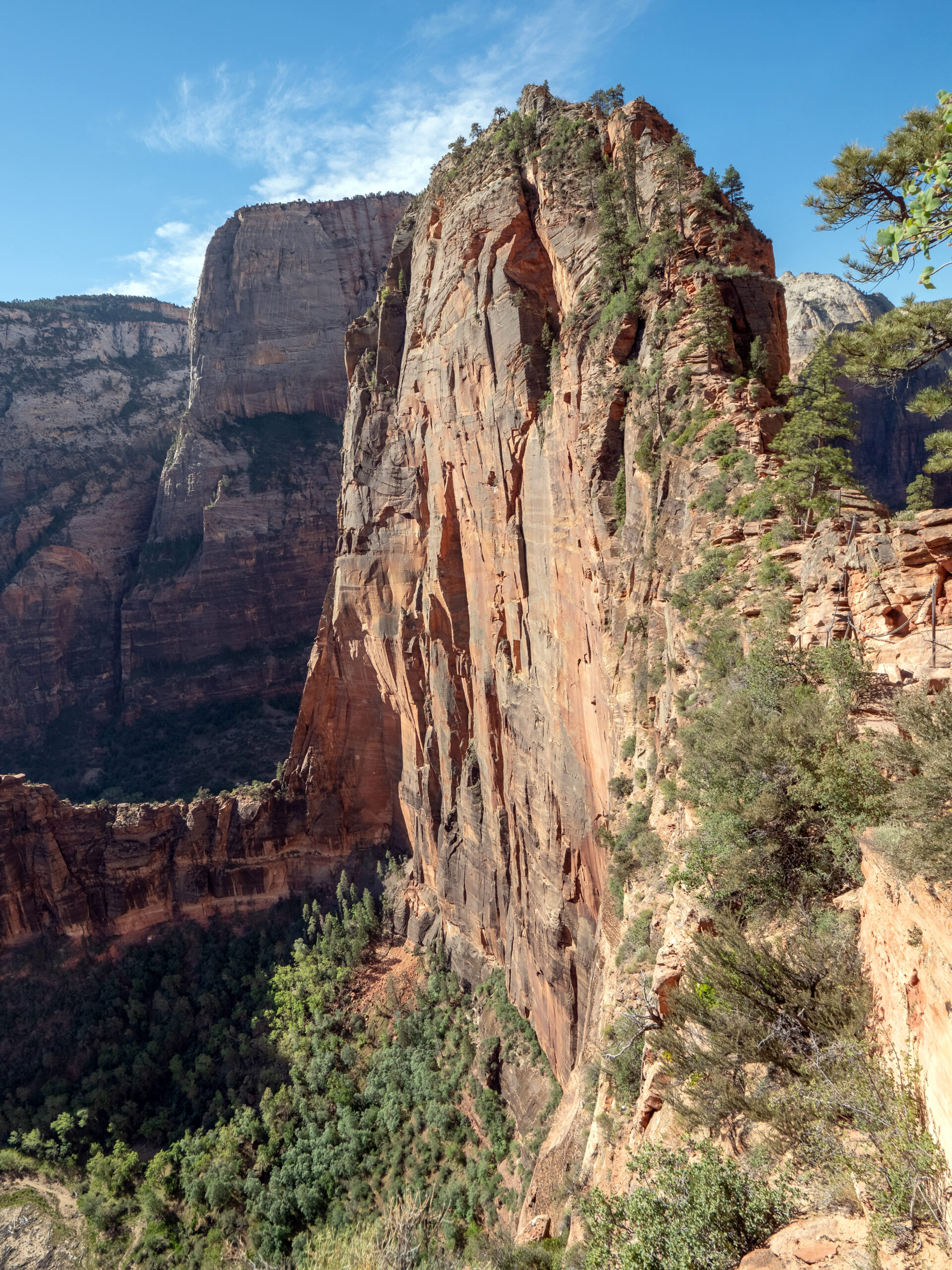
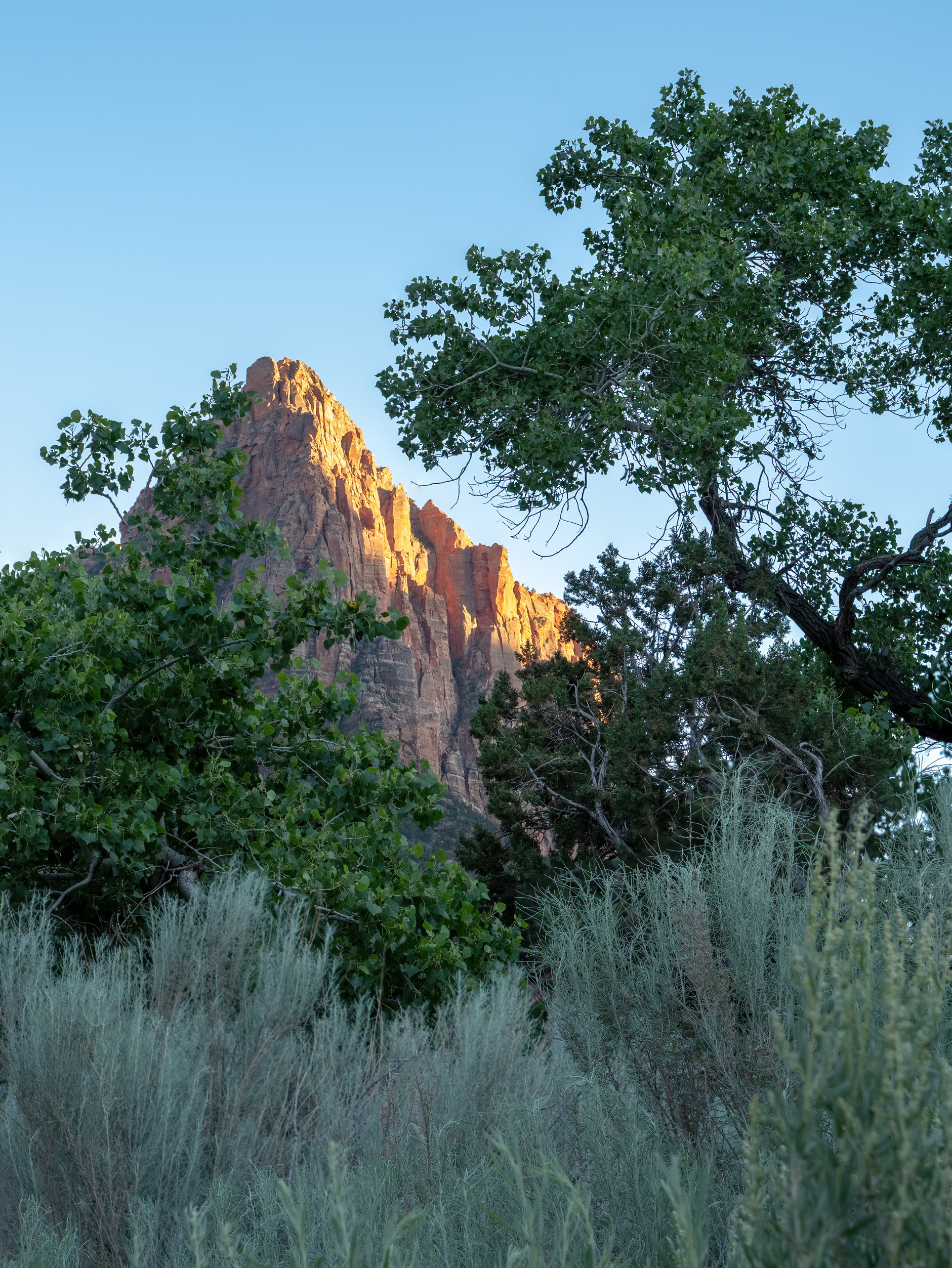
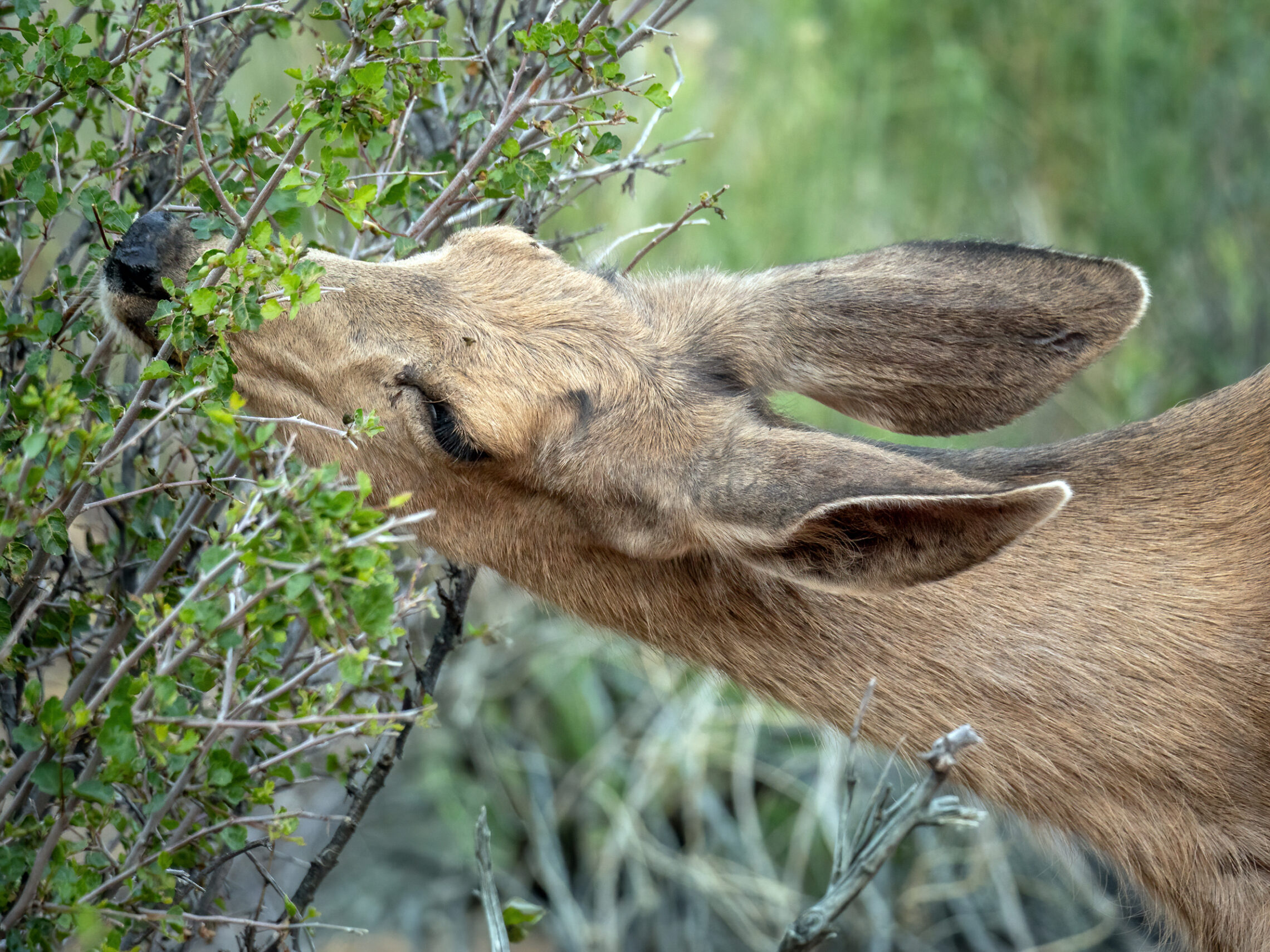
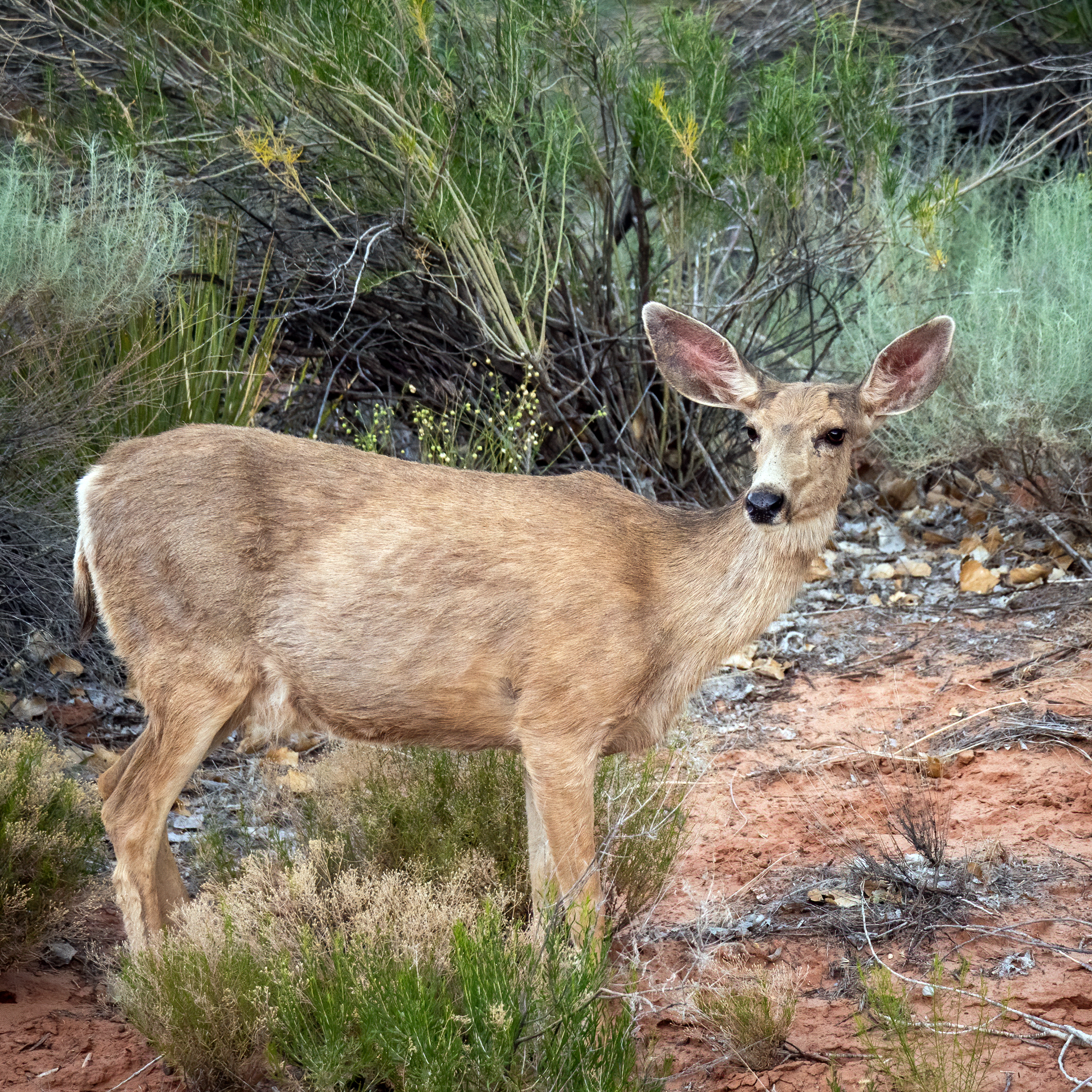
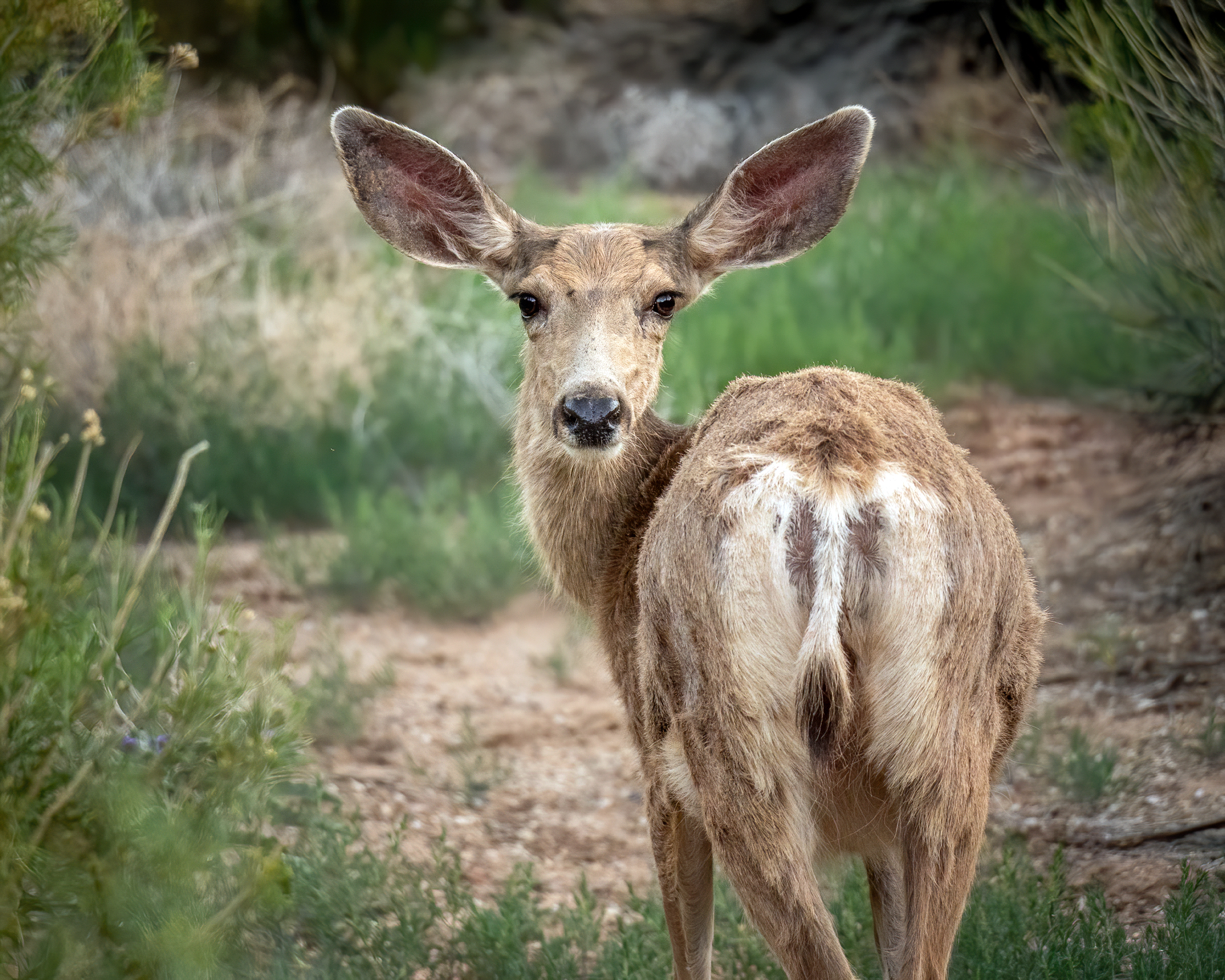
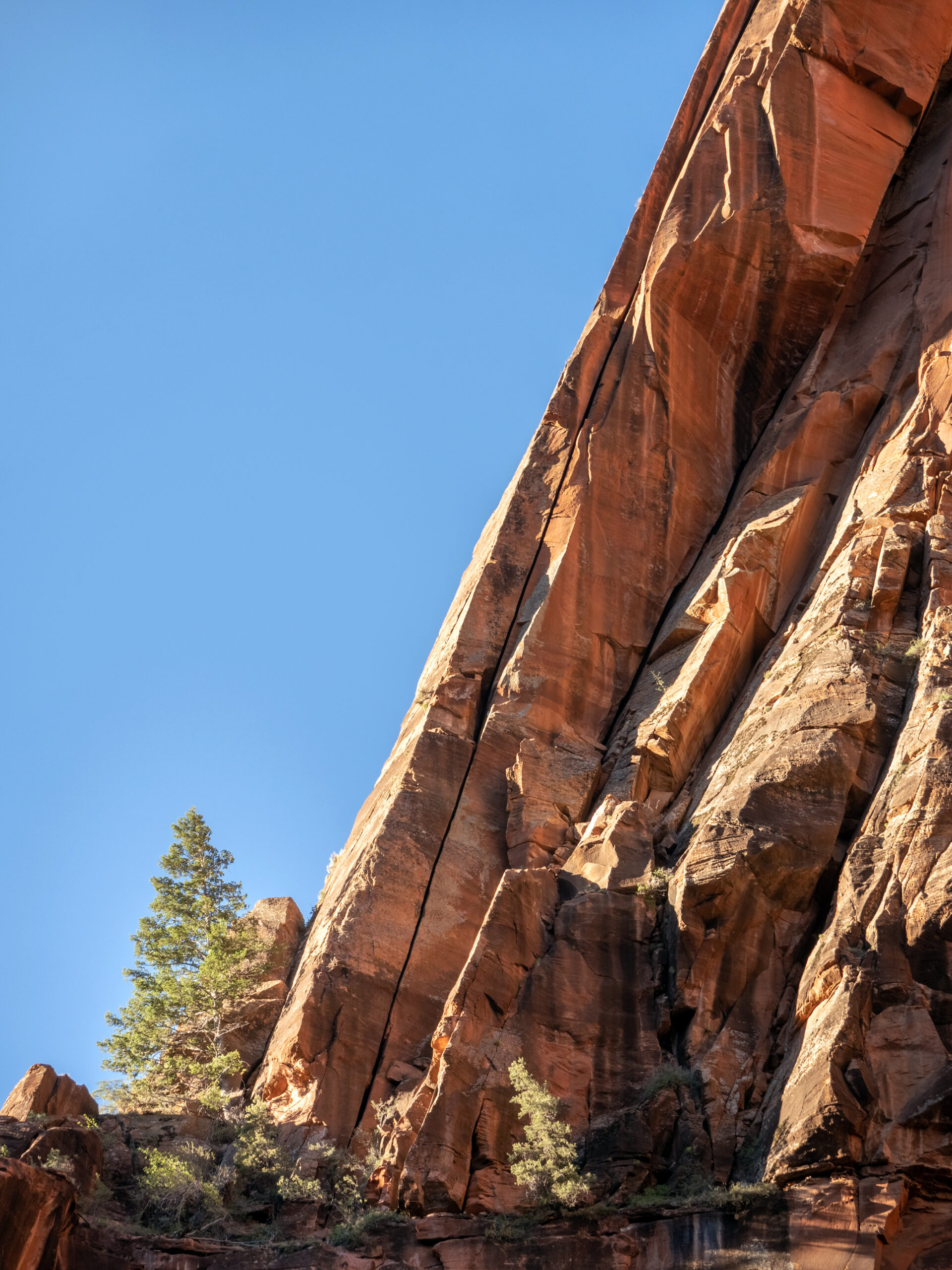
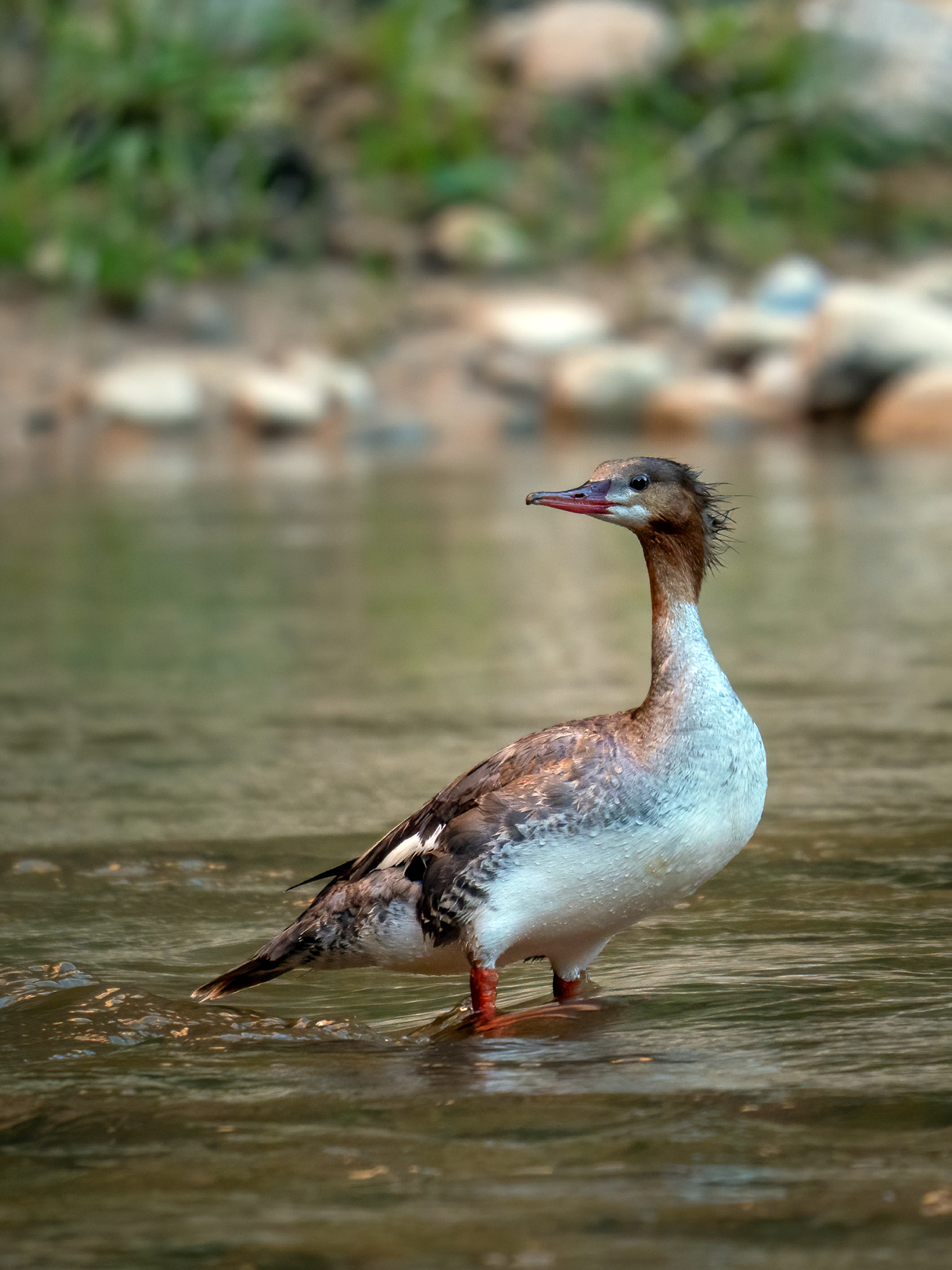
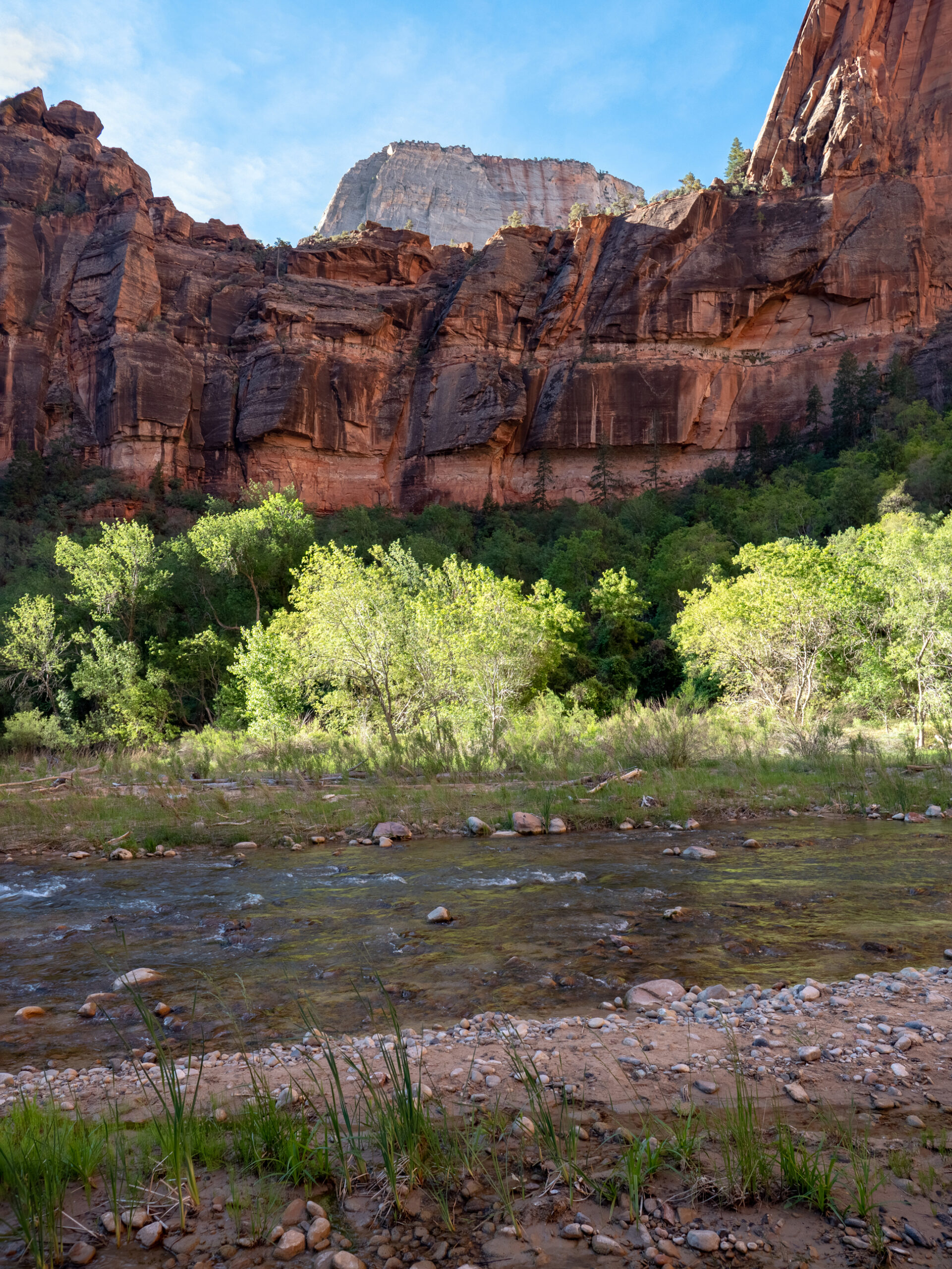
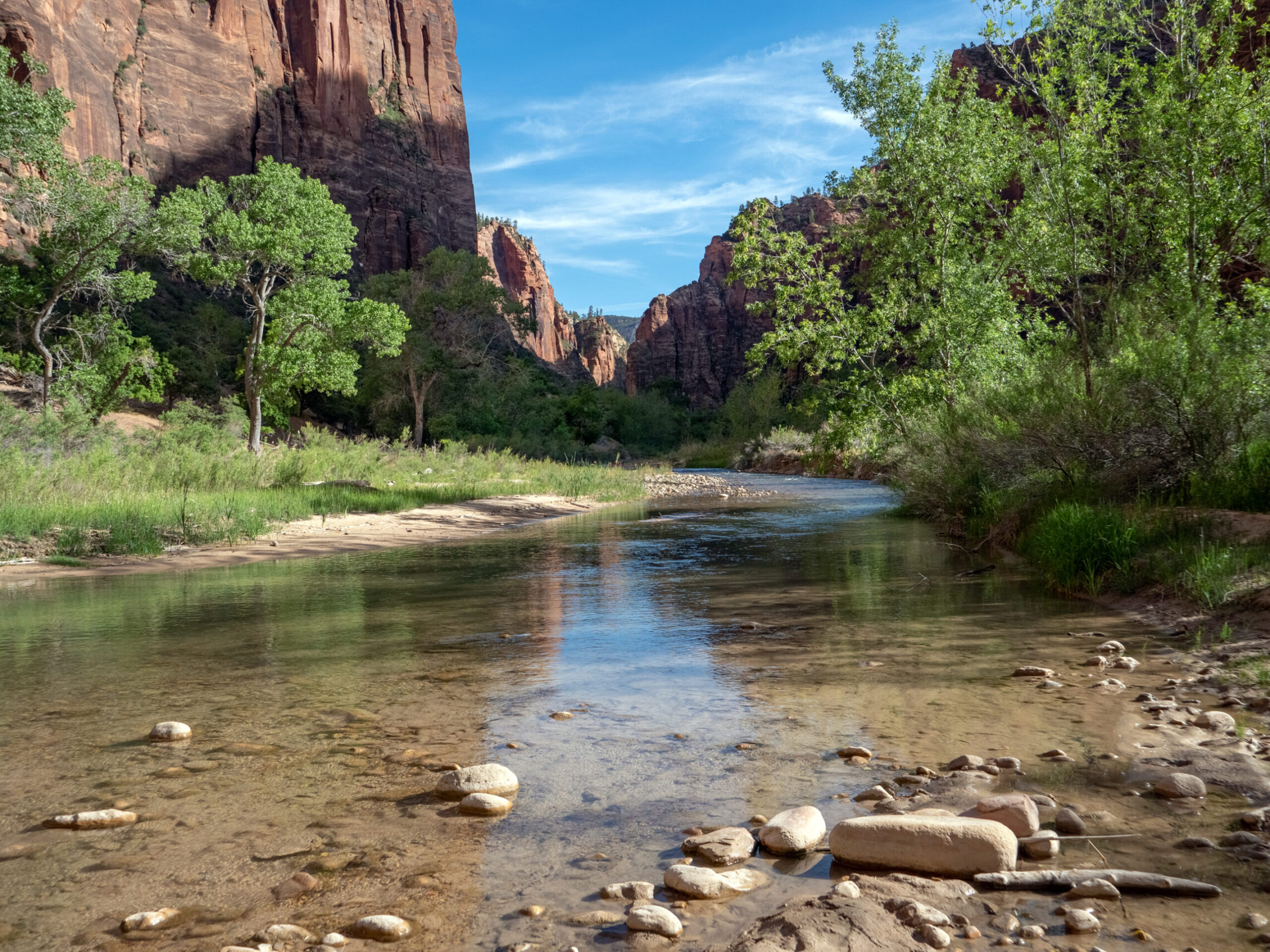
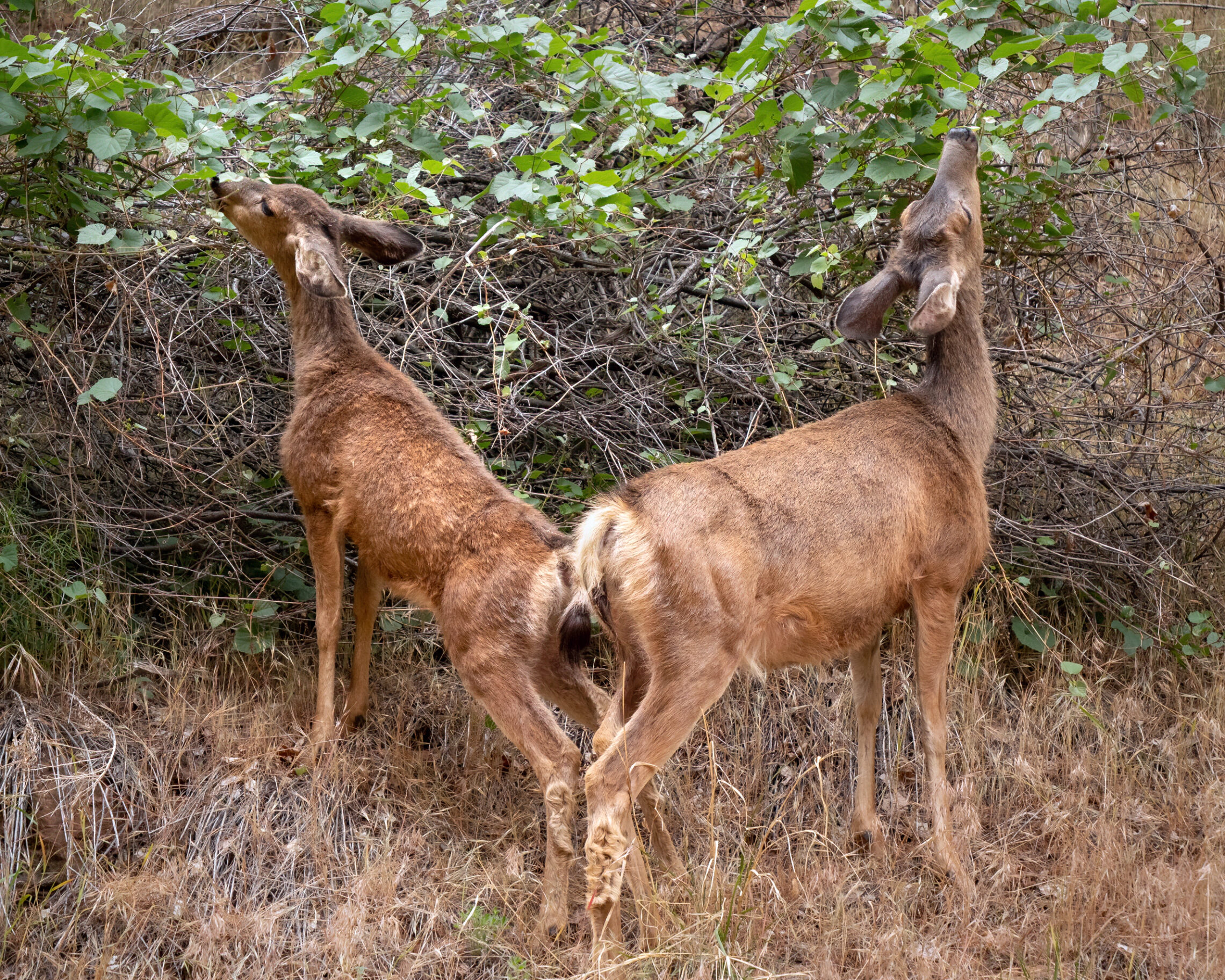
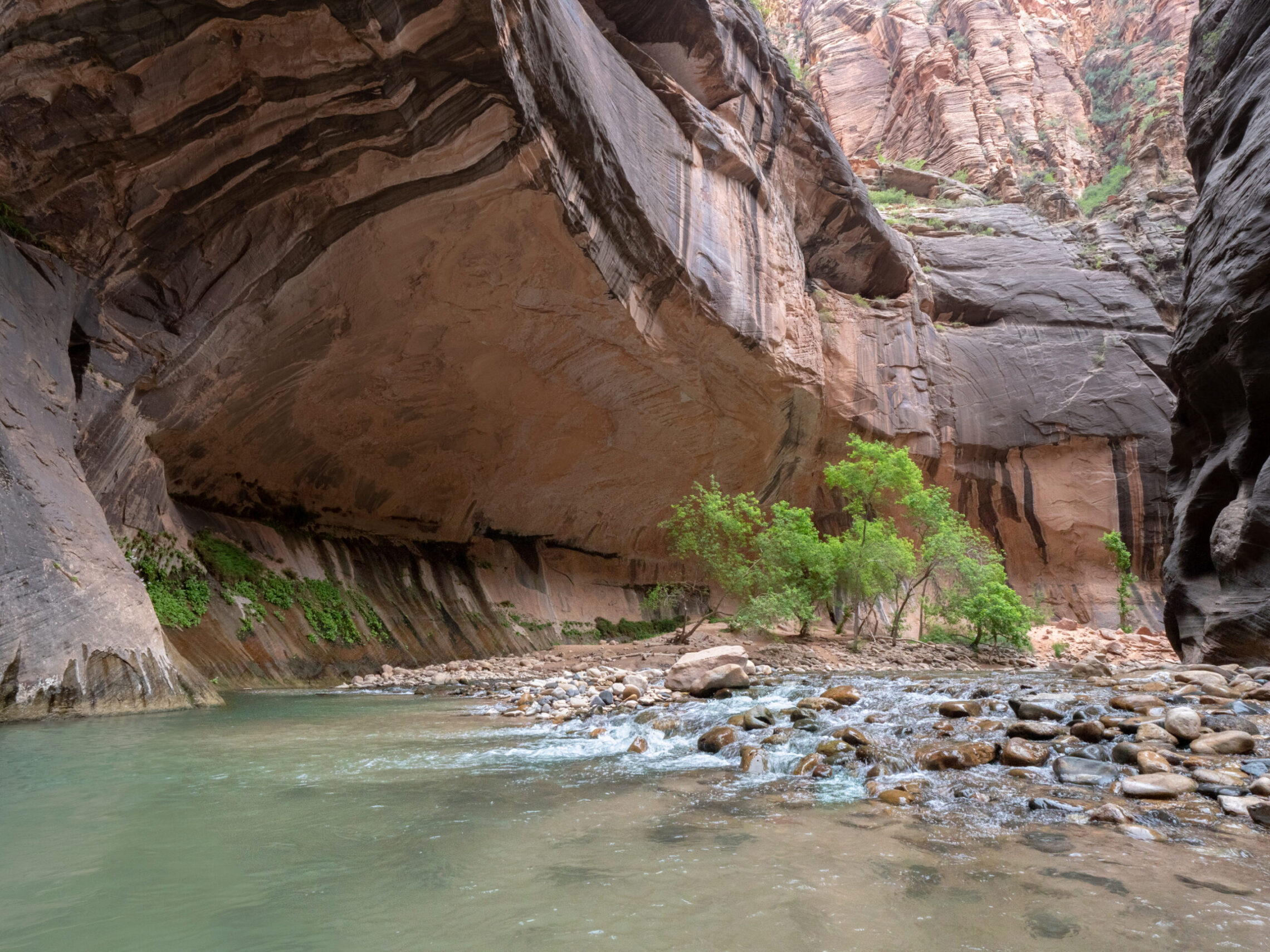
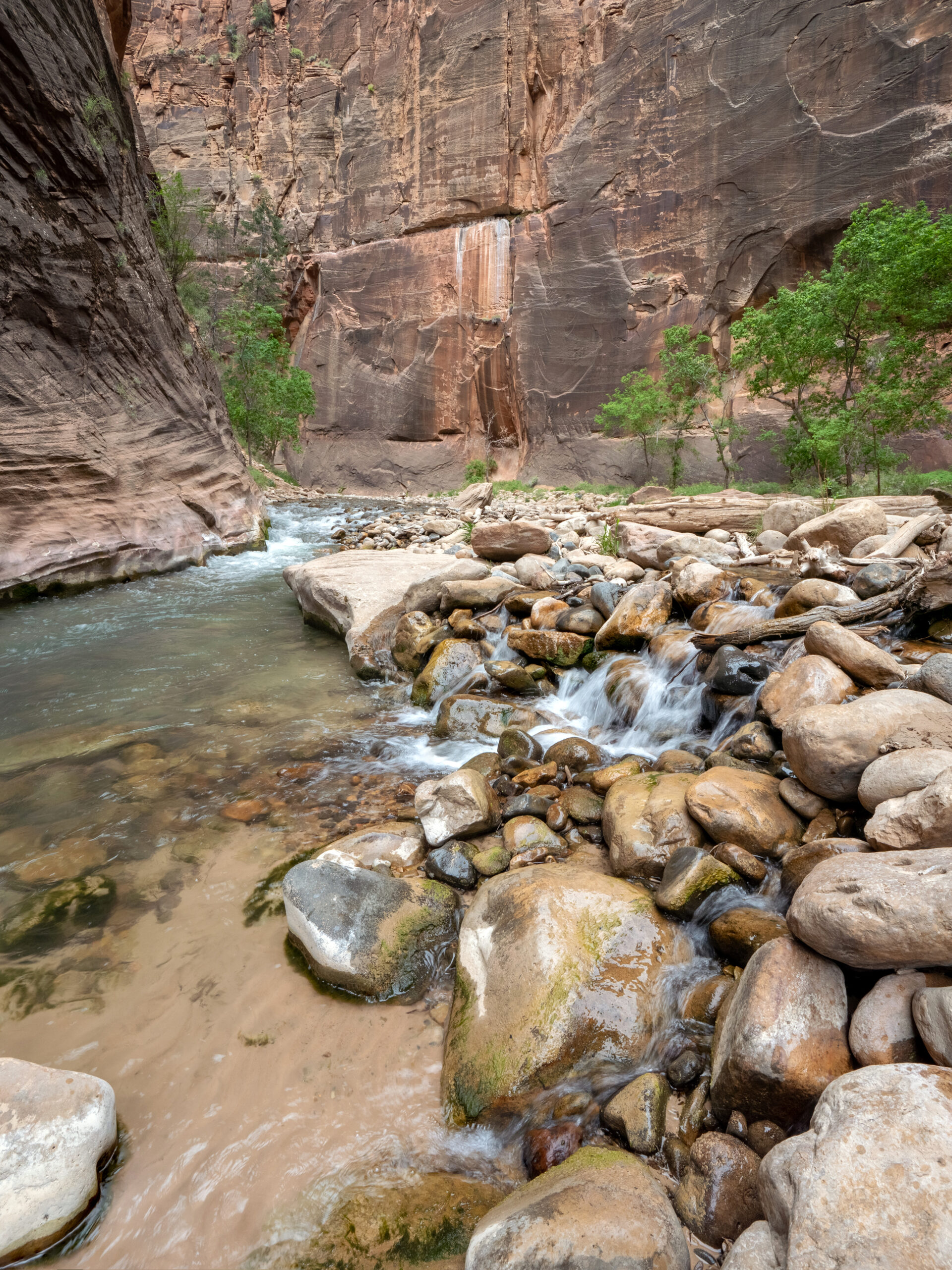
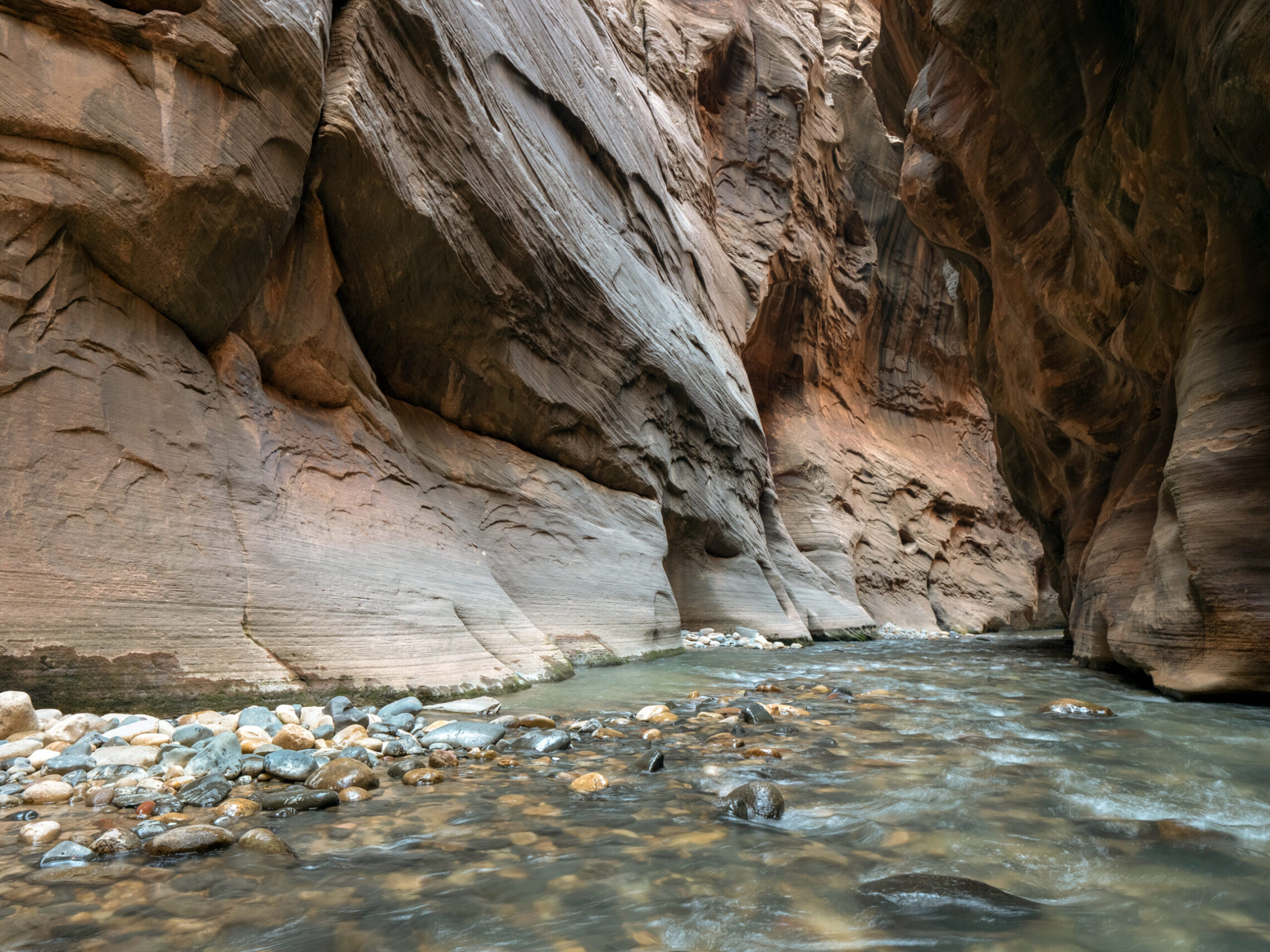
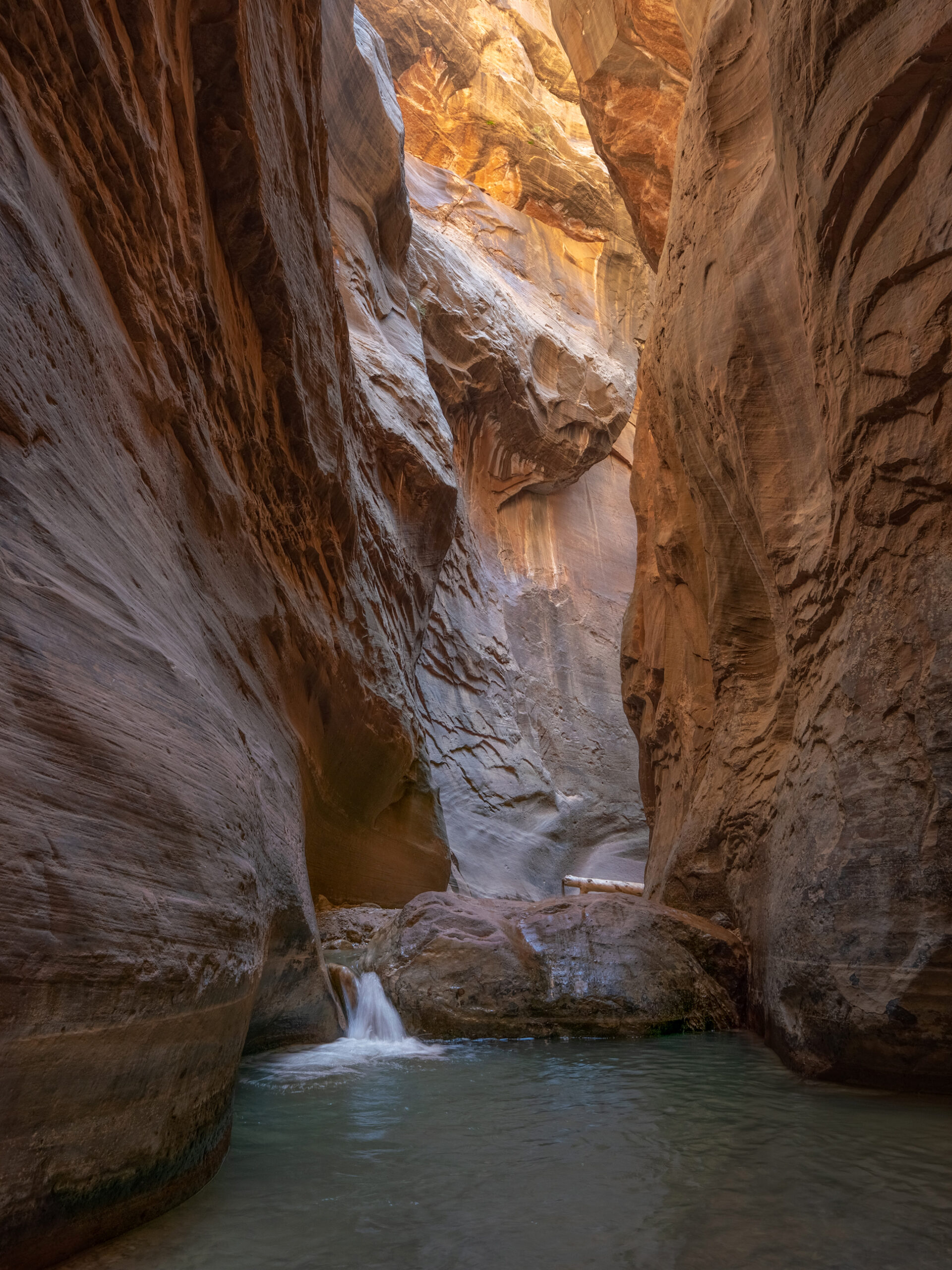
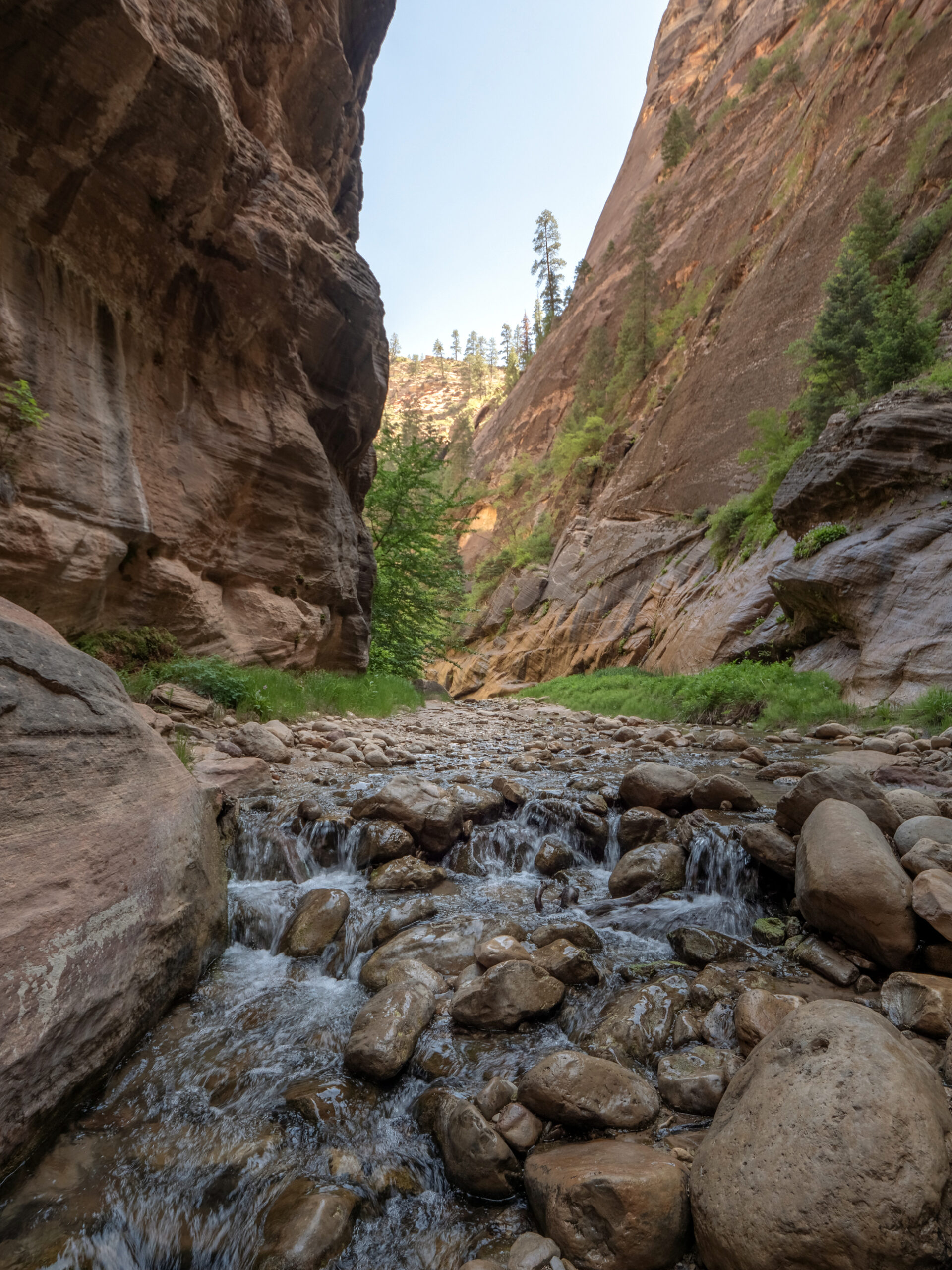
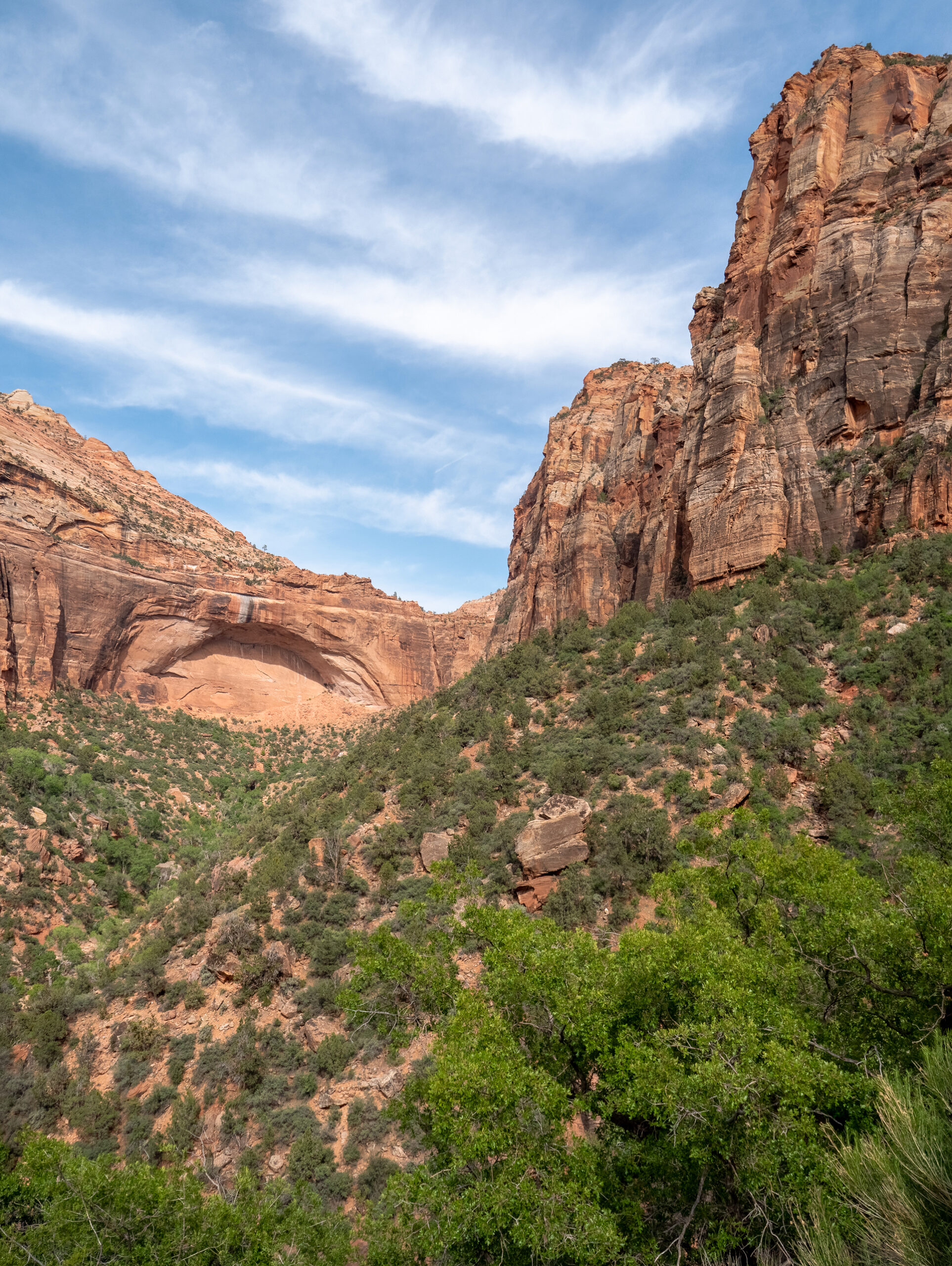
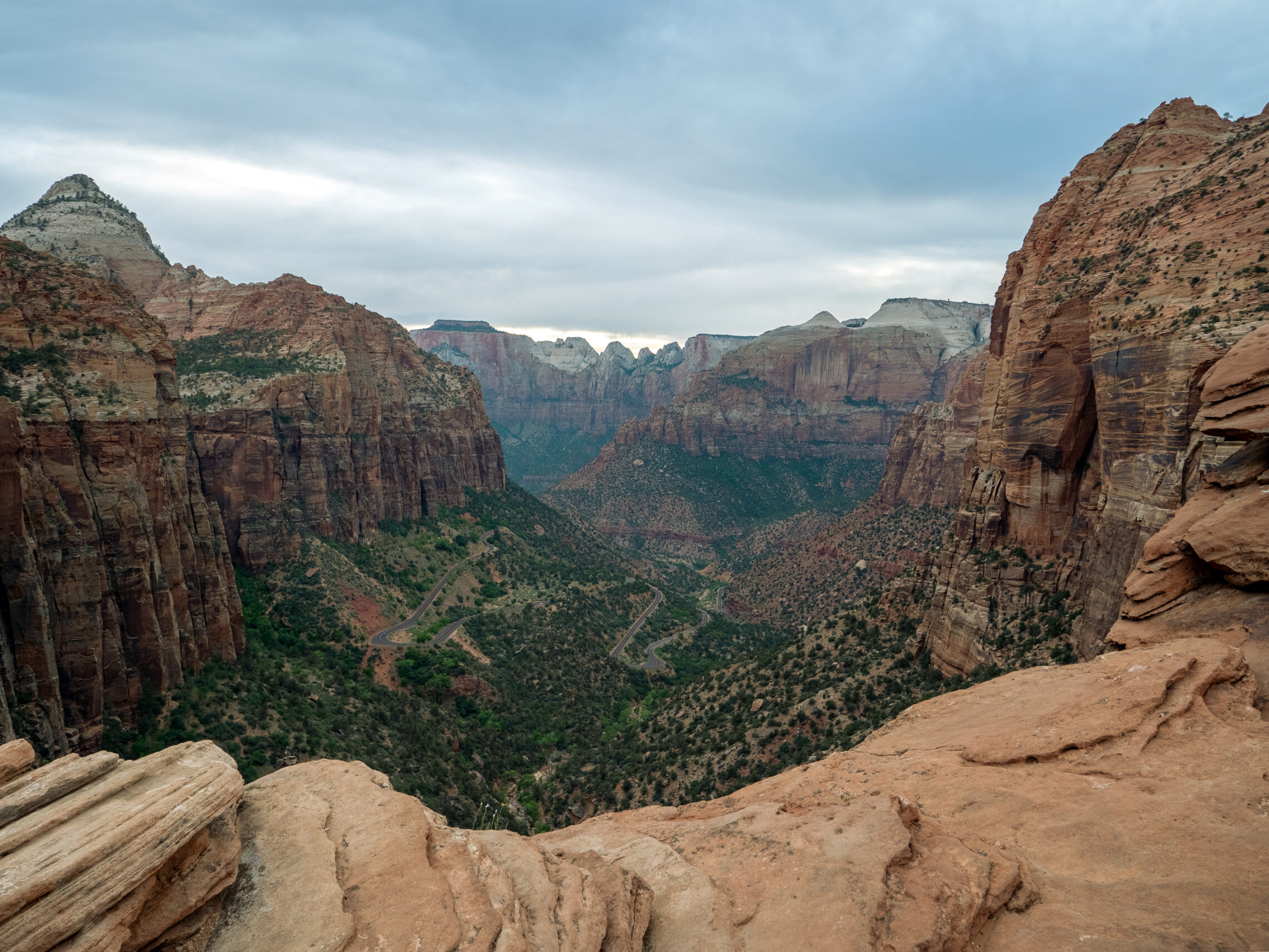
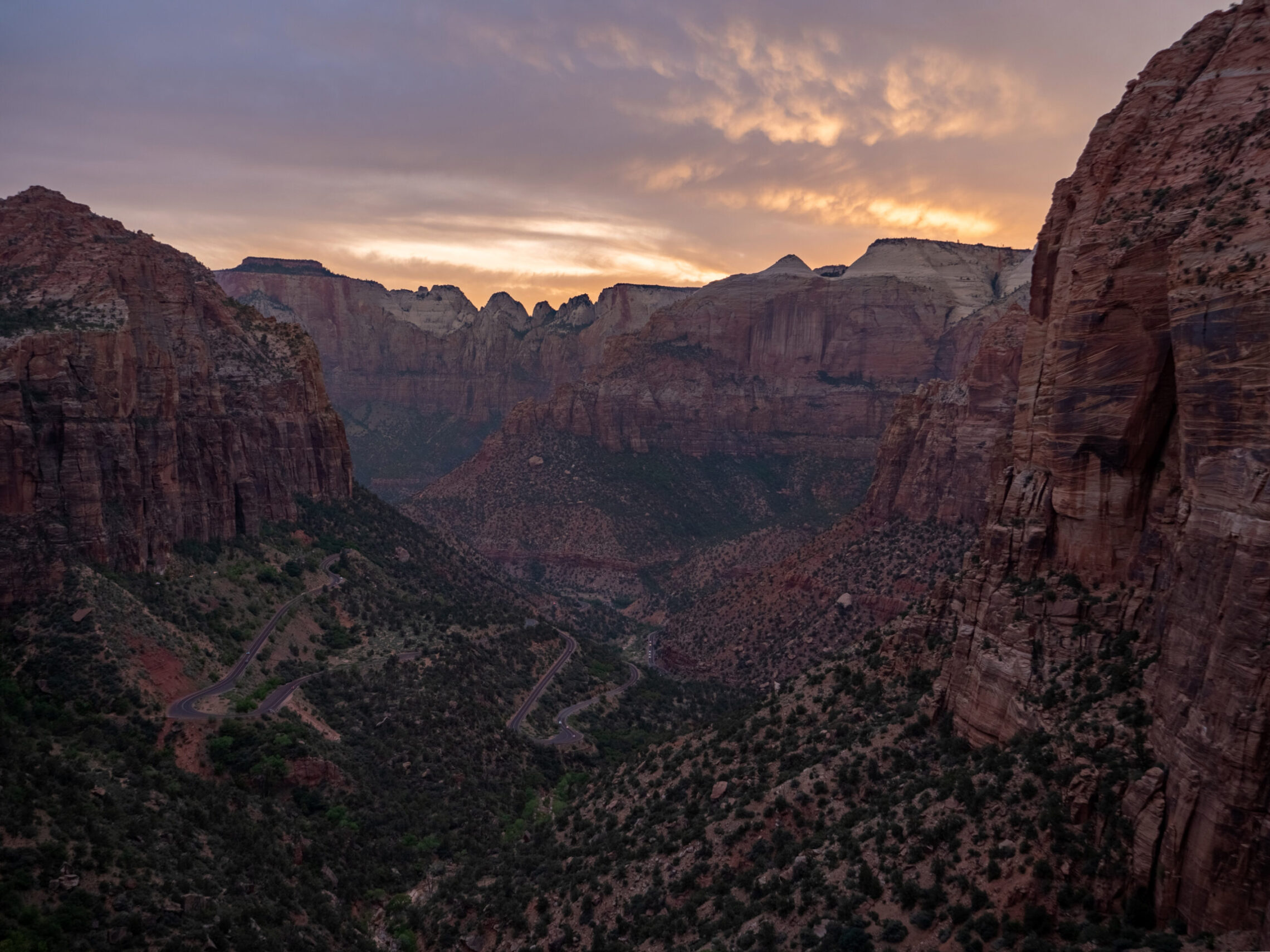
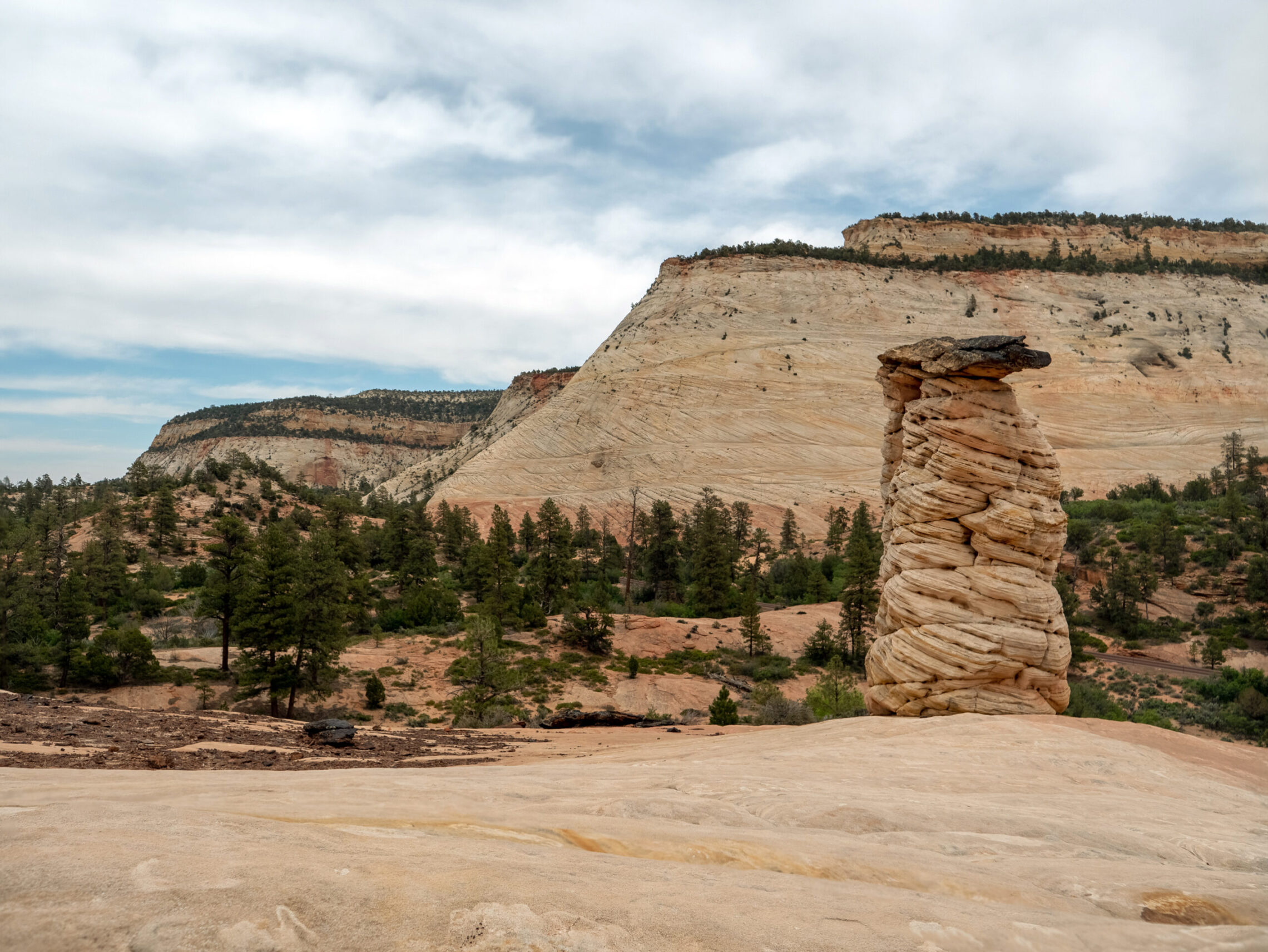
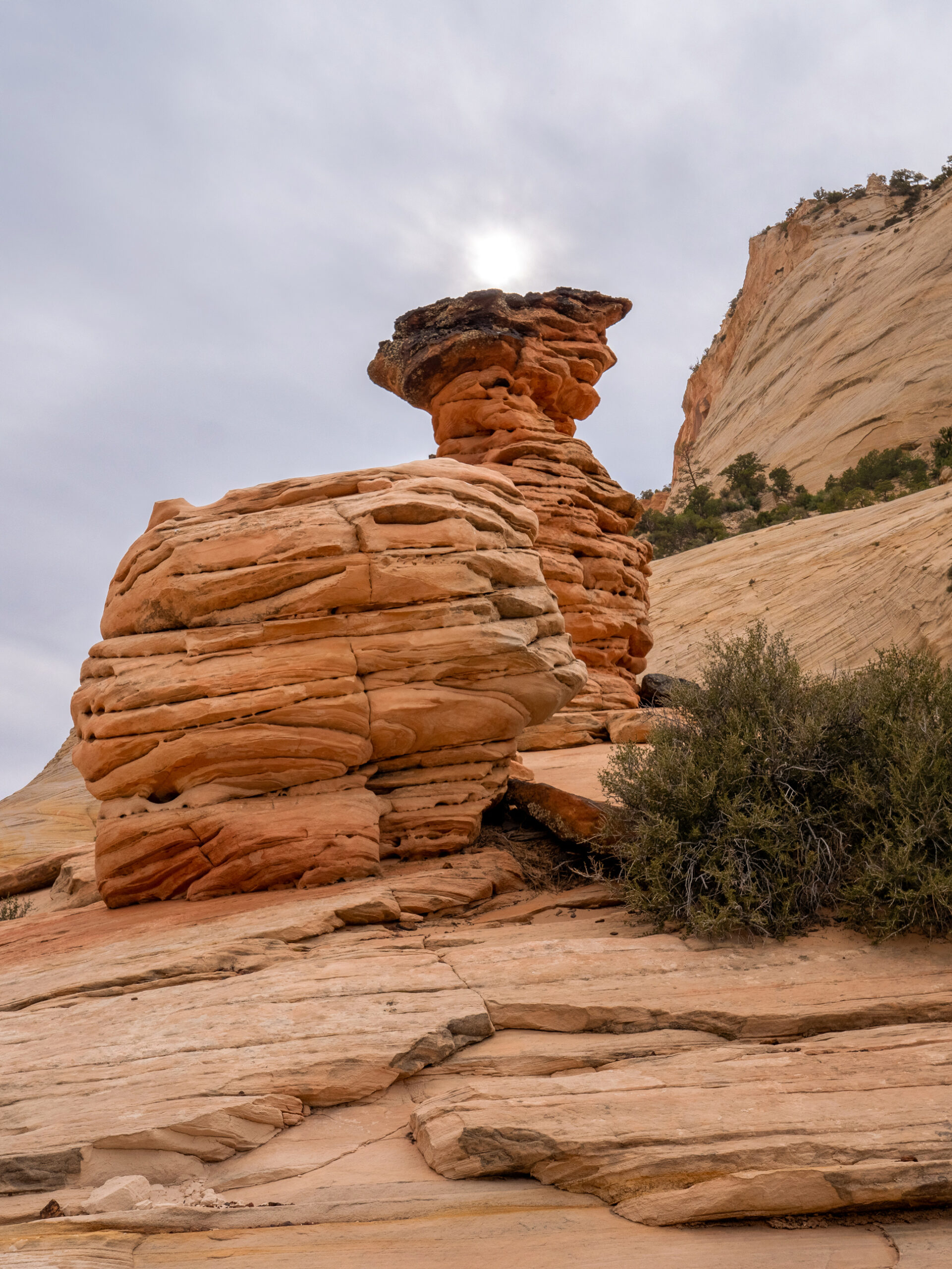
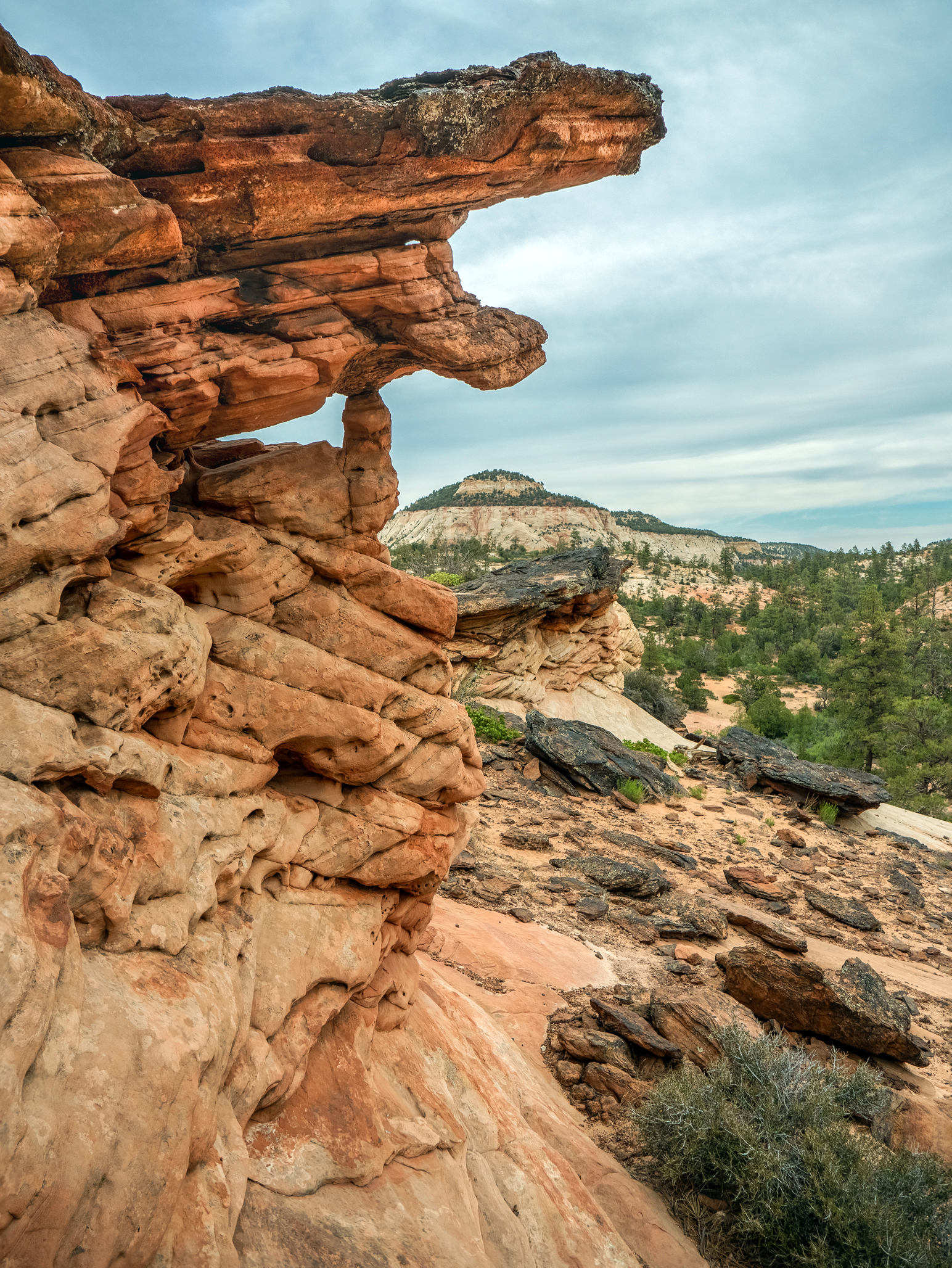
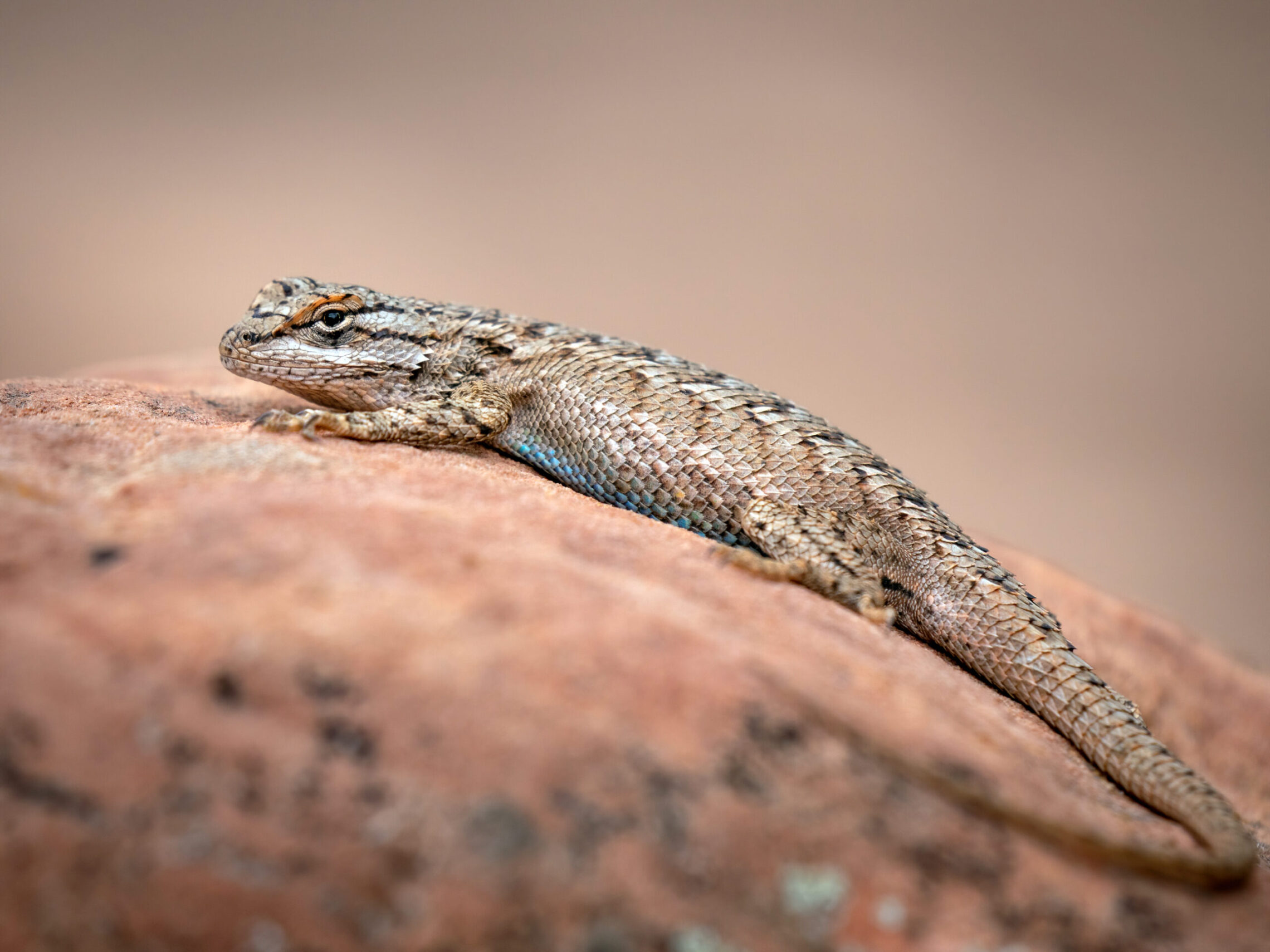
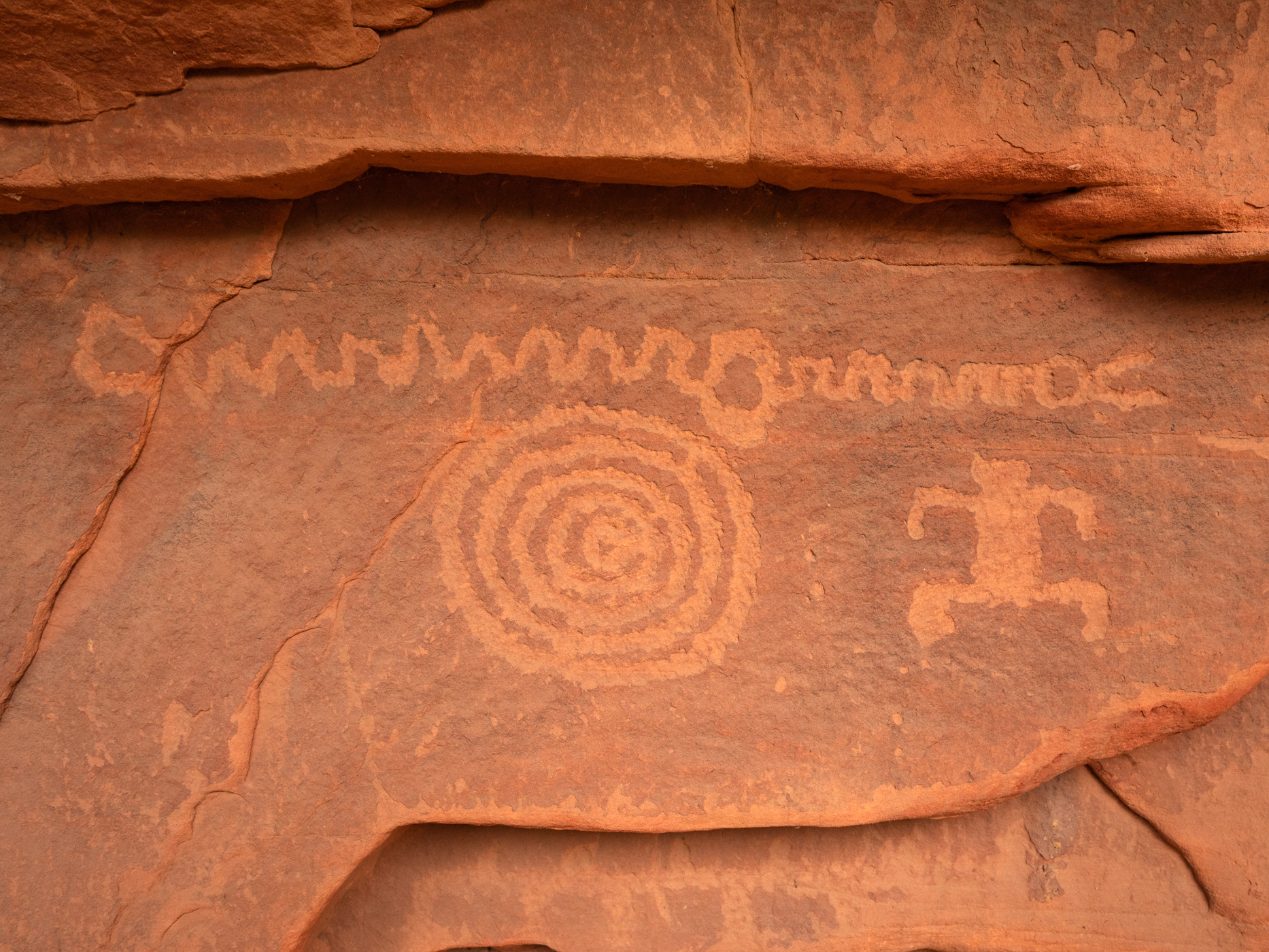
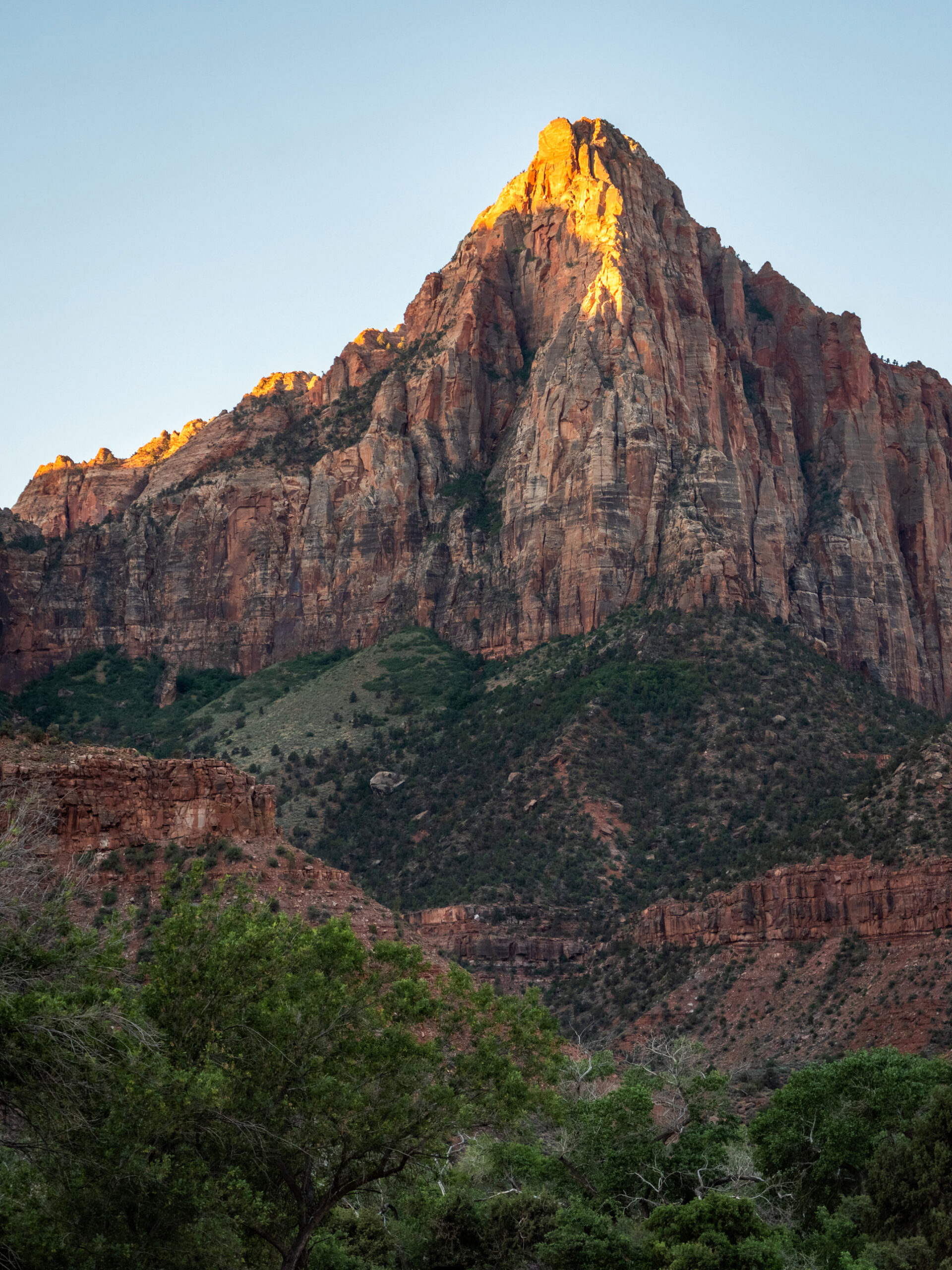
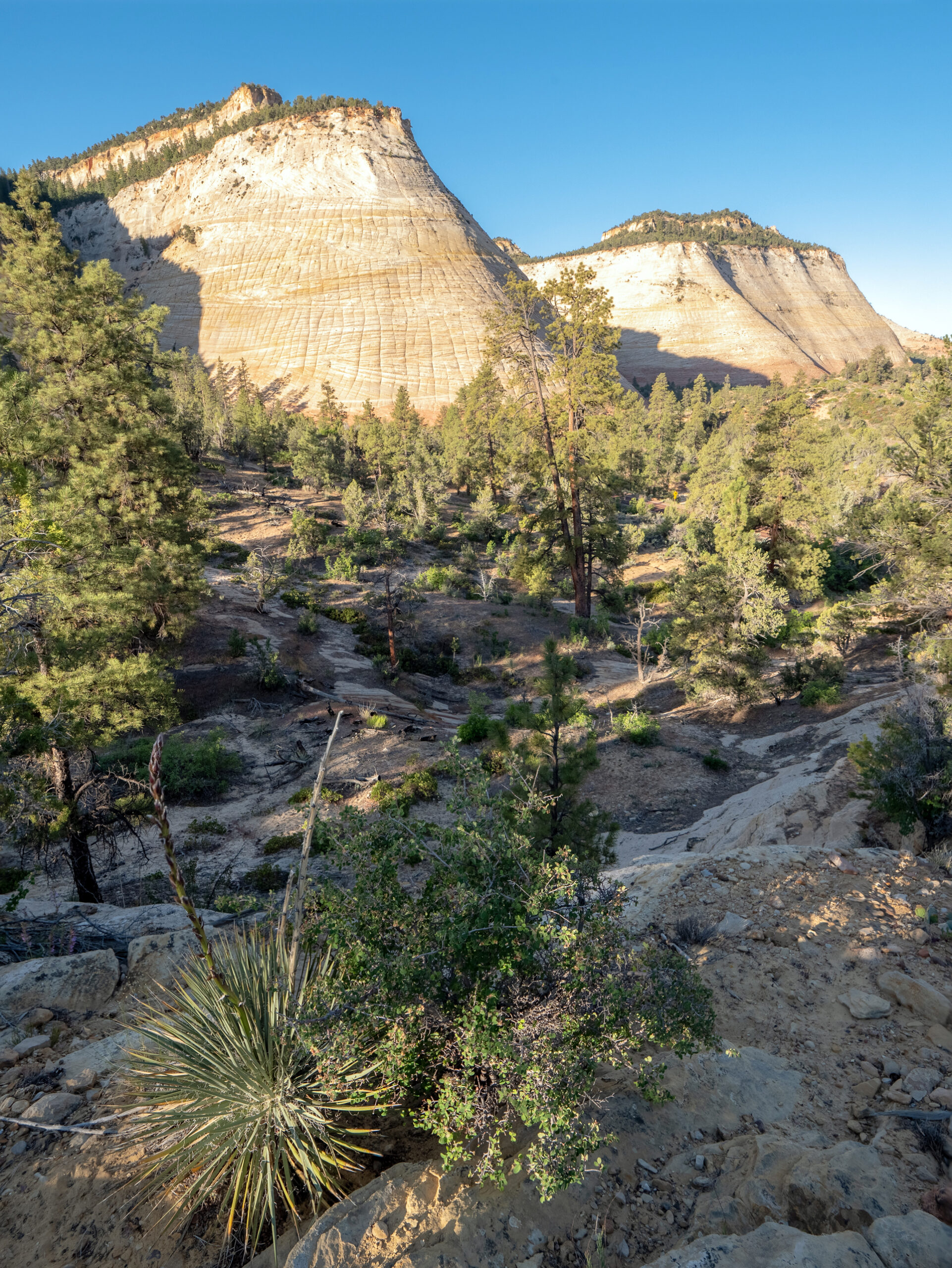
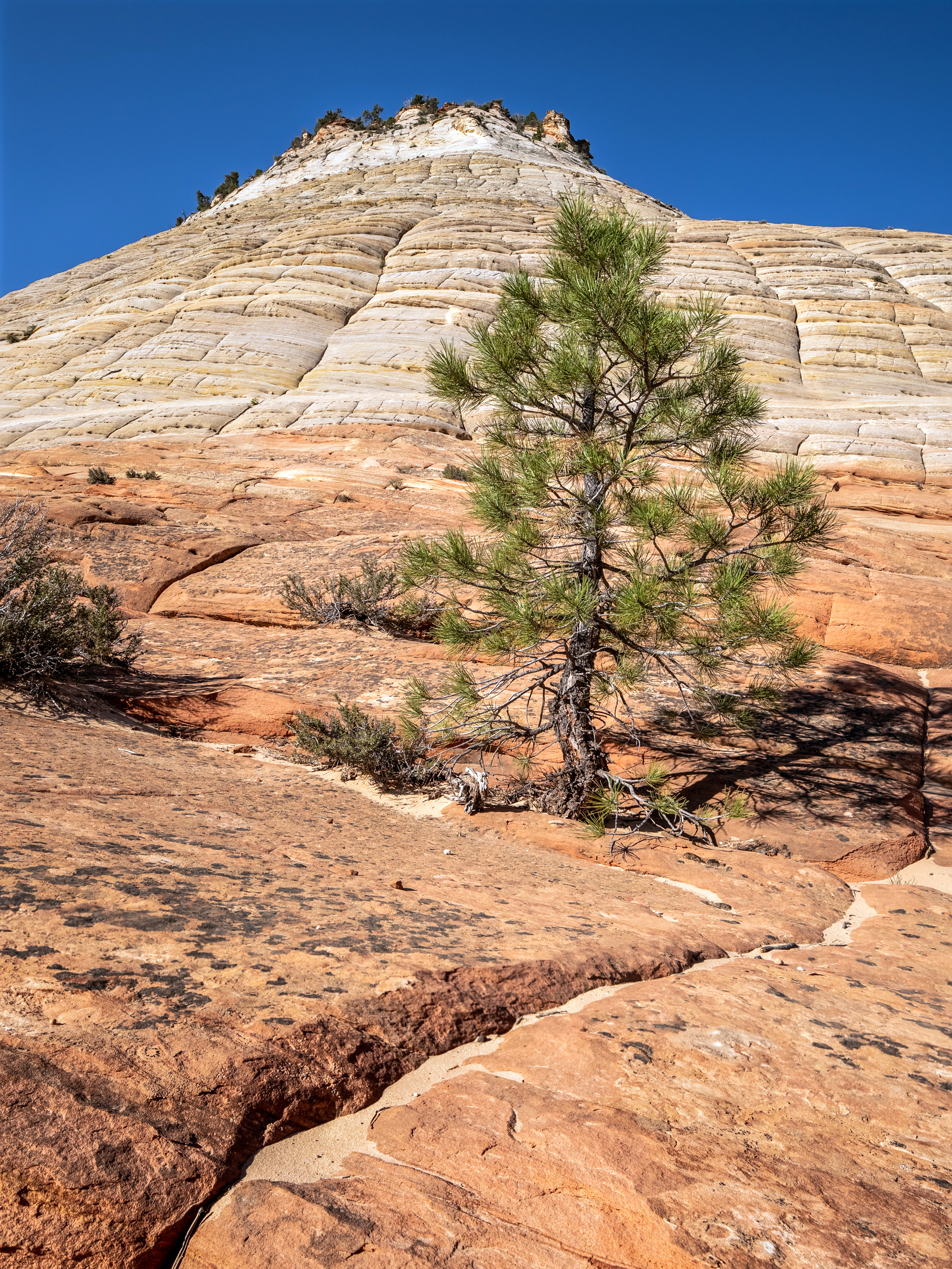
To see the Bryce Canyon and Zion National Park photo post, click here. 
To see the Bryce Canyon and Zion National Park extended length album version, click here.


Instagram

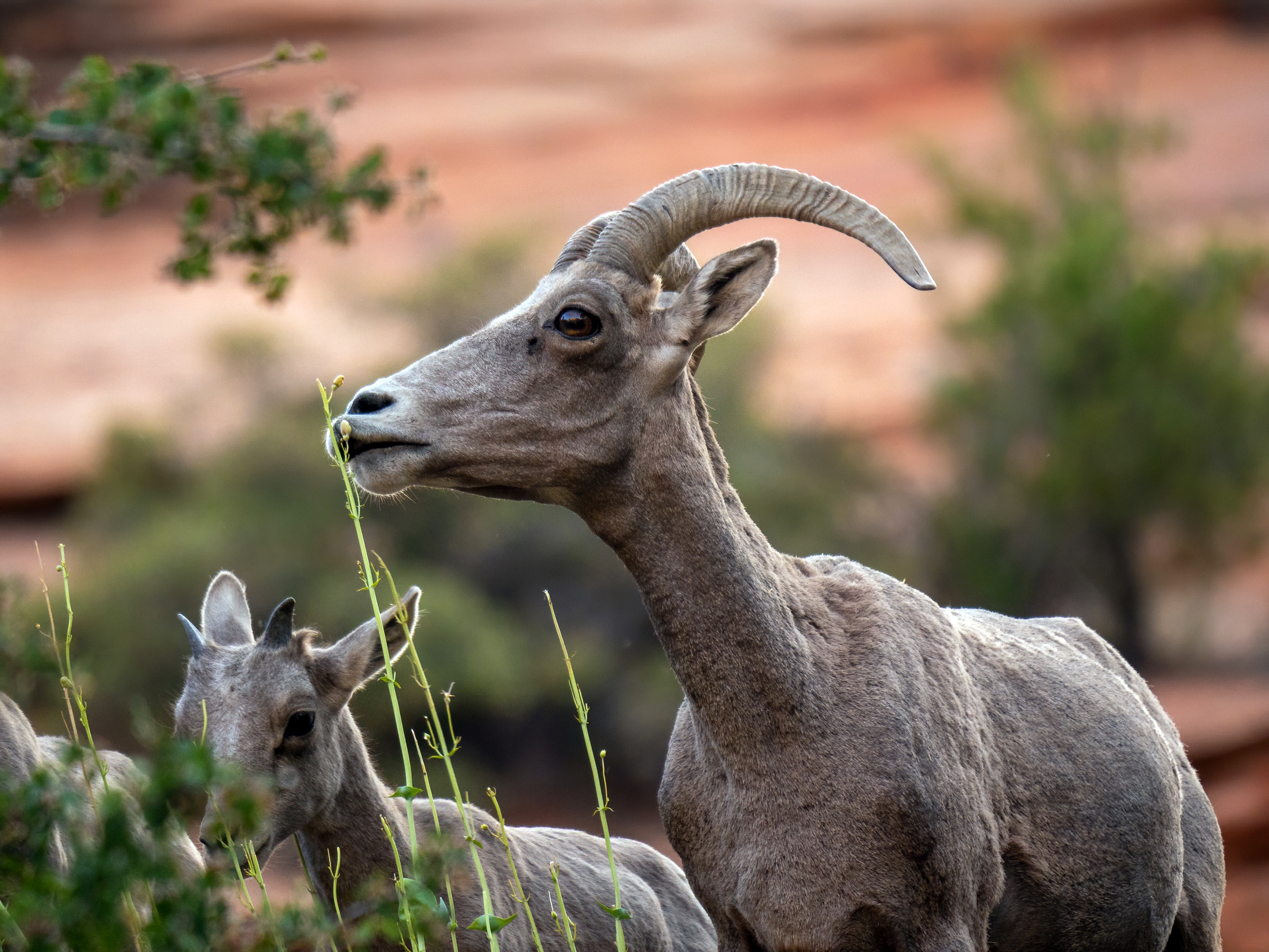
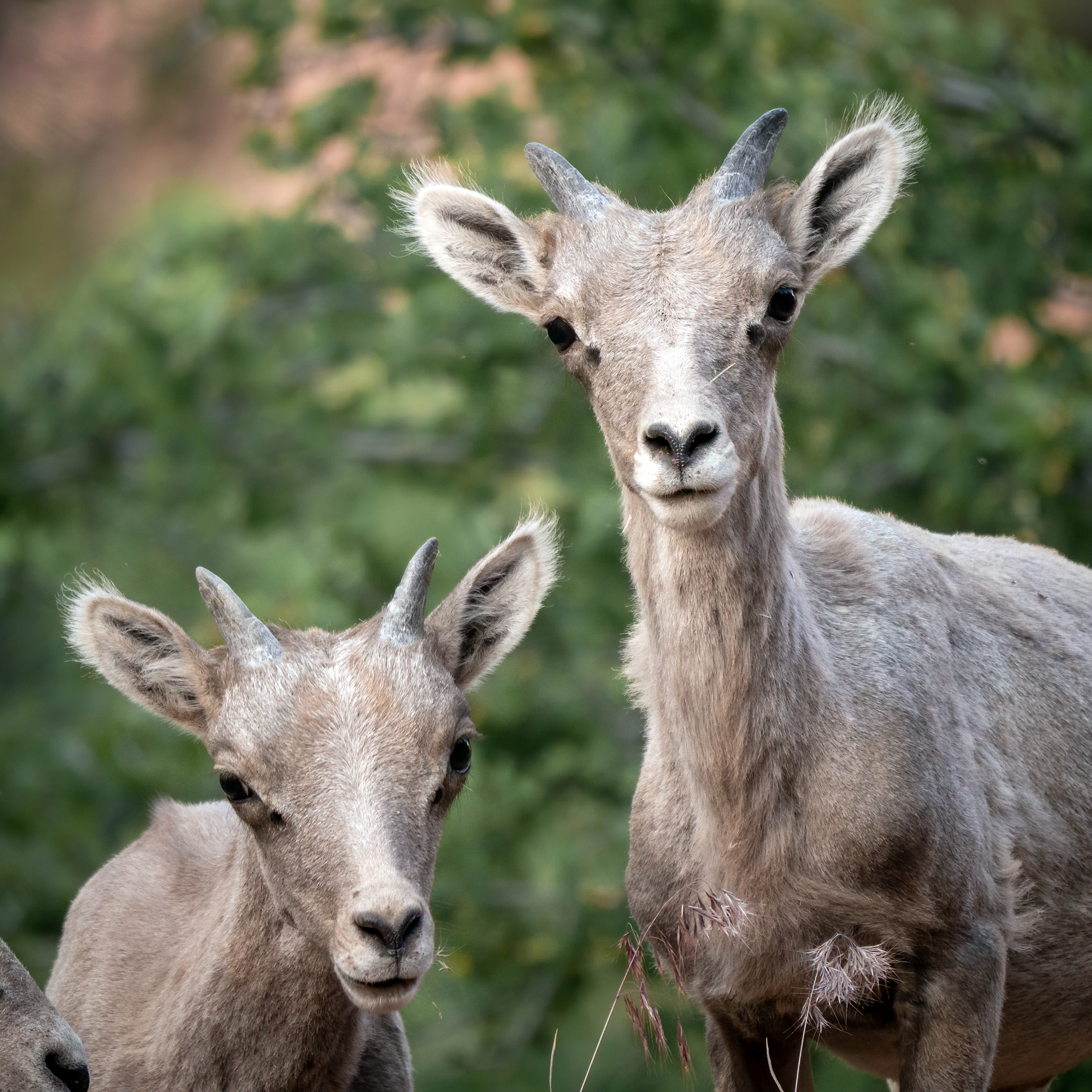
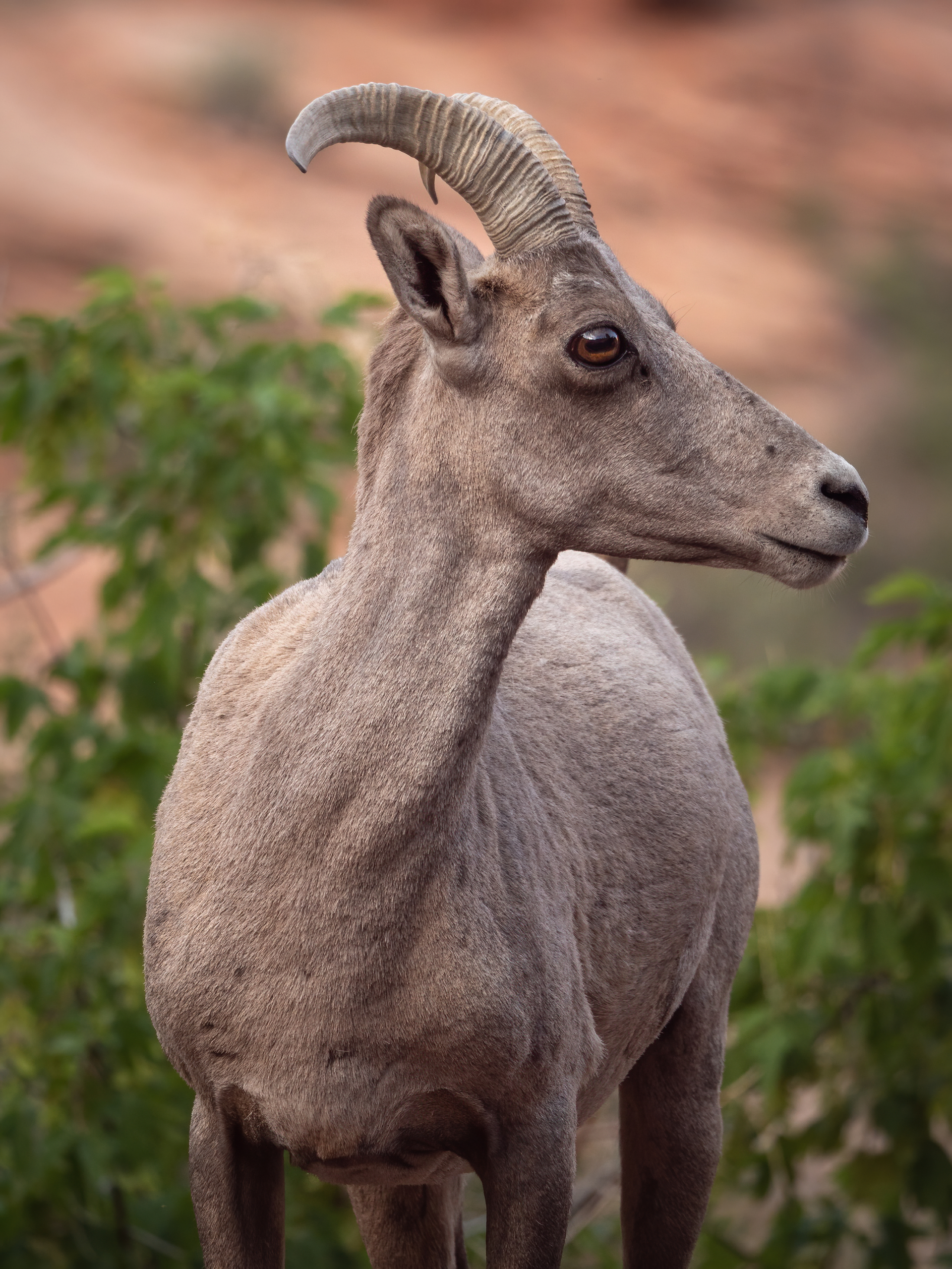
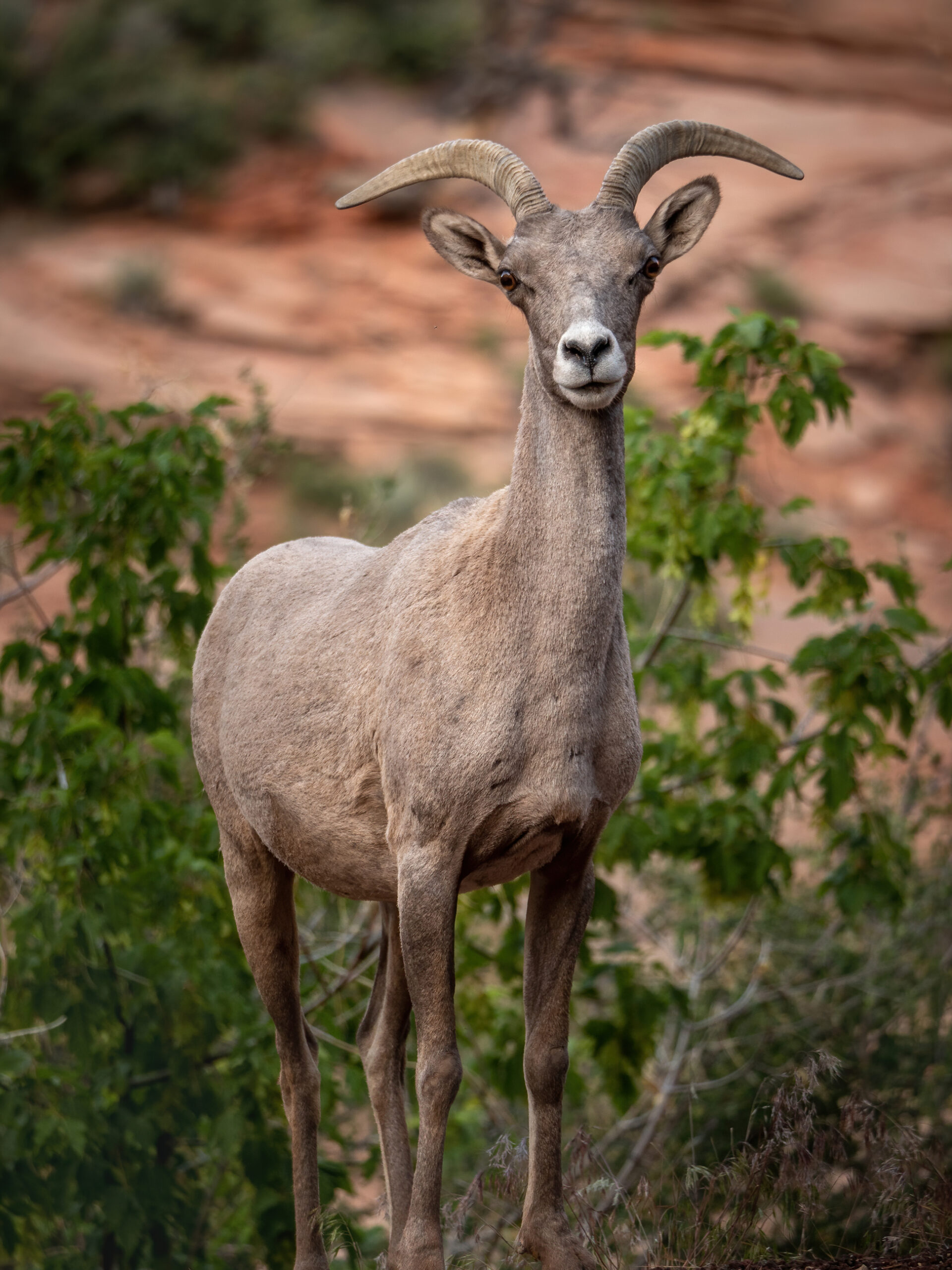
A desert bighorn sheep emerges from the lush Arizona wild grape vines blanketing this section of Havasu Canyon.⁠
⁠
When I think of desert bighorn sheep, the environmental visuals that come to mind are them navigating a dry sandstone landscape surrounded by various desert scrub and cacti. Which is why the lush, oasis-like environment found inside Havasu Canyon felt a bit out of place to see them casually passing through.⁠
⁠
Havasu Canyon is supplied by a huge groundwater system beneath the Coconino Plateau, where water eventually emerges through springs and provides Havasu Creek with a reliable, year-round flow. In an otherwise arid section of Arizona, this abundance of water allows portions of the canyon floor to feel almost tropical.⁠
⁠
This reliable source of water creates a riparian corridor, an area of lush vegetation found alongside bodies of freshwater, in this instance, Havasu Creek. These conditions make the canyon particularly well suited for moisture-loving plants such as Arizona wild grape to thrive, while also providing desert bighorn sheep with reliable water, shade and abundant vegetation.
•
Follow
A desert bighorn sheep emerges from the lush Arizona wild grape vines blanketing this section of Havasu Canyon.⁠ ⁠ When I think of desert bighorn sheep, the environmental visuals that come to mind are them navigating a dry sandstone landscape surrounded by various desert scrub and cacti. Which is why the lush, oasis-like environment found inside Havasu Canyon felt a bit out of place to see them casually passing through.⁠ ⁠ Havasu Canyon is supplied by a huge groundwater system beneath the Coconino Plateau, where water eventually emerges through springs and provides Havasu Creek with a reliable, year-round flow. In an otherwise arid section of Arizona, this abundance of water allows portions of the canyon floor to feel almost tropical.⁠ ⁠ This reliable source of water creates a riparian corridor, an area of lush vegetation found alongside bodies of freshwater, in this instance, Havasu Creek. These conditions make the canyon particularly well suited for moisture-loving plants such as Arizona wild grape to thrive, while also providing desert bighorn sheep with reliable water, shade and abundant vegetation.
3 days ago
View on Instagram |
1/9
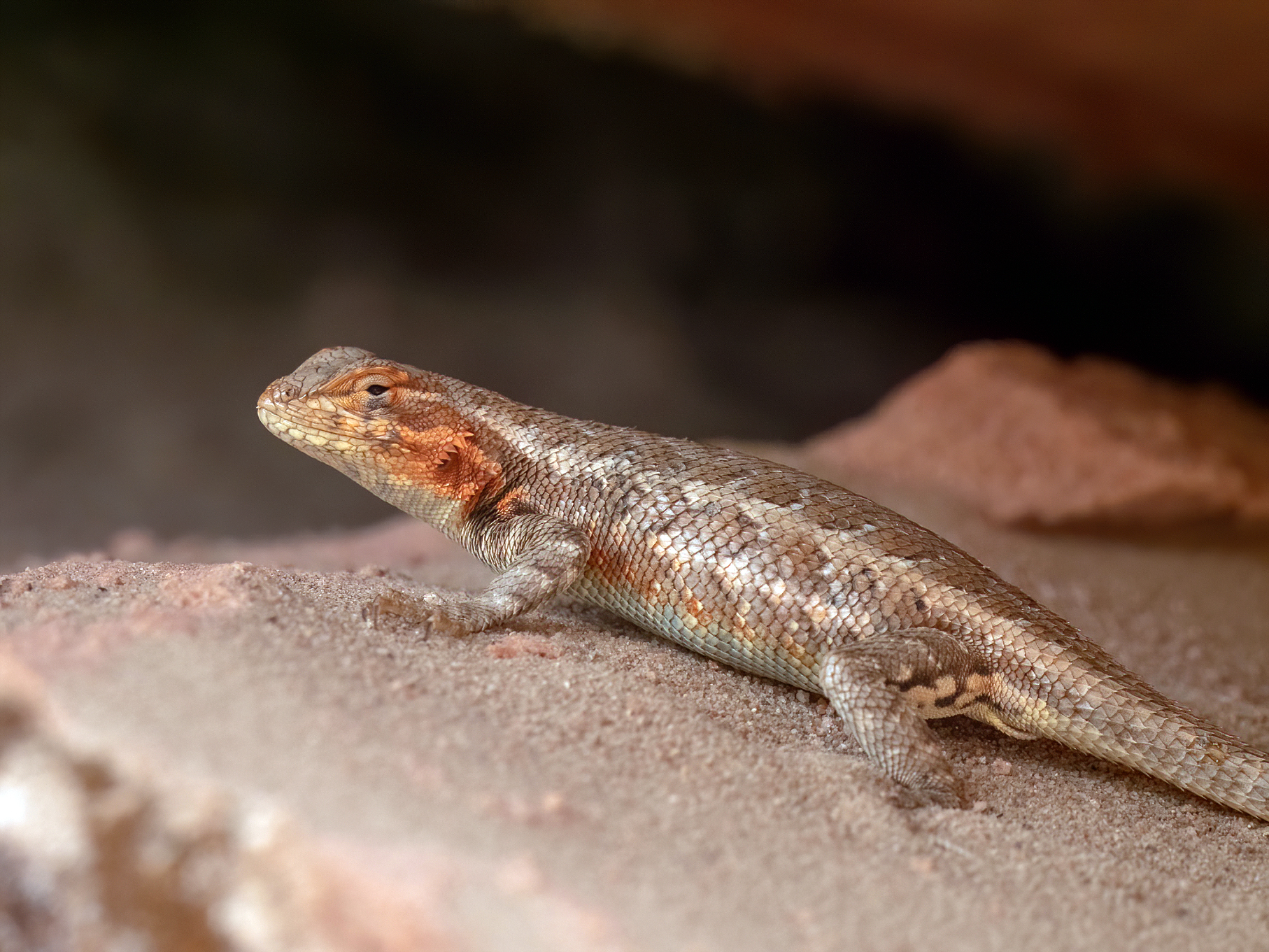
A male Yellow-backed Spiny Lizard basks in a patch of sunlight on a tree branch in Havasu Canyon, Arizona.⁠
⁠
While normally masters of camouflage, adult male Yellow-backed Spiny Lizards can be quite the opposite when they want to be. During the breeding season, males flash their colorful throats while performing push-ups and head-bobs to attract females and warn off rival males. Yet even colorful individuals, like the one I photographed here, become surprisingly difficult to spot when they remain motionless against tree bark, where their mottled scales blend in remarkably well.⁠
⁠
Thankfully, this male wasn't completely motionless that afternoon, or I may have missed him entirely. He was climbing along the branches and trunk of a tree before making his way to this sunny spot on one of the lower limbs. Since they are ectotherms, they constantly move between sun and shade to maintain an ideal body temperature, which was most likely what this individual was doing when I noticed him. They also spend much of their time on trees, where they can quickly scurry around to the opposite side of the trunk or branch, using it as a shield from predators.
•
Follow
A male Yellow-backed Spiny Lizard basks in a patch of sunlight on a tree branch in Havasu Canyon, Arizona.⁠ ⁠ While normally masters of camouflage, adult male Yellow-backed Spiny Lizards can be quite the opposite when they want to be. During the breeding season, males flash their colorful throats while performing push-ups and head-bobs to attract females and warn off rival males. Yet even colorful individuals, like the one I photographed here, become surprisingly difficult to spot when they remain motionless against tree bark, where their mottled scales blend in remarkably well.⁠ ⁠ Thankfully, this male wasn't completely motionless that afternoon, or I may have missed him entirely. He was climbing along the branches and trunk of a tree before making his way to this sunny spot on one of the lower limbs. Since they are ectotherms, they constantly move between sun and shade to maintain an ideal body temperature, which was most likely what this individual was doing when I noticed him. They also spend much of their time on trees, where they can quickly scurry around to the opposite side of the trunk or branch, using it as a shield from predators.
5 days ago
View on Instagram |
2/9
An osprey pins its fresh catch against a pine branch with one talon while tearing off bite-sized pieces with its bill, in Honeymoon Island State Park, Florida.⁠
⁠
On a recent trip to the Dunedin area of Florida, I spent three separate occasions exploring Honeymoon Island State Park. Known mostly for its beautiful white sandy shorelines and mangroves, the slash pine flatwoods in its interior often go overlooked. The northern peninsula of the island is home to the roughly 2.5-mile (4 km) Osprey and Pelican Trail. This trail winds through a slash pine forest, and in addition to the ospreys and pelicans the trail is named after, great horned owls are also quite common here.⁠
⁠
Ospreys are so easy to come by in this part of the park that I often found myself resisting the urge to photograph every sighting, as there were just so many of them. But when I saw this osprey perched in a pine tree not too far off the side of the trail, I was surprised to see this fish draped over the branch, with the osprey preparing to feed. They generally begin eating at the head first, as this is where many of the softer tissues and nutrient-rich organs are located. Consuming the head first also makes the rest of the body easier to handle and manipulate while perched.
•
Follow
An osprey pins its fresh catch against a pine branch with one talon while tearing off bite-sized pieces with its bill, in Honeymoon Island State Park, Florida.⁠ ⁠ On a recent trip to the Dunedin area of Florida, I spent three separate occasions exploring Honeymoon Island State Park. Known mostly for its beautiful white sandy shorelines and mangroves, the slash pine flatwoods in its interior often go overlooked. The northern peninsula of the island is home to the roughly 2.5-mile (4 km) Osprey and Pelican Trail. This trail winds through a slash pine forest, and in addition to the ospreys and pelicans the trail is named after, great horned owls are also quite common here.⁠ ⁠ Ospreys are so easy to come by in this part of the park that I often found myself resisting the urge to photograph every sighting, as there were just so many of them. But when I saw this osprey perched in a pine tree not too far off the side of the trail, I was surprised to see this fish draped over the branch, with the osprey preparing to feed. They generally begin eating at the head first, as this is where many of the softer tissues and nutrient-rich organs are located. Consuming the head first also makes the rest of the body easier to handle and manipulate while perched.
2 weeks ago
View on Instagram |
3/9
A shaft of sunlight illuminates the sculpted sandstone walls of Upper Antelope Canyon in the Navajo Nation, Arizona.⁠
⁠
Upper Antelope Canyon is carved into Navajo Sandstone, a rock formation that originated roughly 190-200 million years ago during the Jurassic Period, when this region was covered by an immense field of desert sand dunes. Over time, those dunes were buried and eventually lithified into stone. The canyon itself was carved primarily by flash flooding, with floodwaters spiraling, accelerating, and changing direction as they moved through the narrow sandstone passages.⁠
⁠
The tall, narrow nature of the canyon creates the light beams for which it is most famous, as seen in this photograph. These beams are especially visible on windier days, when airborne sand and dust scatter the sunlight, making the shafts of light appear almost solid as they shine through openings high above the canyon floor. The effect is strongest around midday, when the sun is positioned high enough in the sky for its light to penetrate directly into the canyon.⁠
⁠
Upper Antelope Canyon is a slot canyon within the Navajo Nation, just outside of Page, Arizona. This region is rich in, and famous for, its slot canyons, most notably Upper and Lower Antelope Canyon. They are both incredibly beautiful, but also heavily visited. Taking a tour through this wonder of nature allows you to experience its beauty up close, but it also means sharing the canyon with the thousands of other visitors who pass through it each day. During peak season, Upper Antelope Canyon can host anywhere from 3,000 to 10,000 people per day. I am still very happy and fortunate to have witnessed such beauty firsthand, but numbers like that can blur the line between natural wonder and tourist attraction.
•
Follow
A shaft of sunlight illuminates the sculpted sandstone walls of Upper Antelope Canyon in the Navajo Nation, Arizona.⁠ ⁠ Upper Antelope Canyon is carved into Navajo Sandstone, a rock formation that originated roughly 190-200 million years ago during the Jurassic Period, when this region was covered by an immense field of desert sand dunes. Over time, those dunes were buried and eventually lithified into stone. The canyon itself was carved primarily by flash flooding, with floodwaters spiraling, accelerating, and changing direction as they moved through the narrow sandstone passages.⁠ ⁠ The tall, narrow nature of the canyon creates the light beams for which it is most famous, as seen in this photograph. These beams are especially visible on windier days, when airborne sand and dust scatter the sunlight, making the shafts of light appear almost solid as they shine through openings high above the canyon floor. The effect is strongest around midday, when the sun is positioned high enough in the sky for its light to penetrate directly into the canyon.⁠ ⁠ Upper Antelope Canyon is a slot canyon within the Navajo Nation, just outside of Page, Arizona. This region is rich in, and famous for, its slot canyons, most notably Upper and Lower Antelope Canyon. They are both incredibly beautiful, but also heavily visited. Taking a tour through this wonder of nature allows you to experience its beauty up close, but it also means sharing the canyon with the thousands of other visitors who pass through it each day. During peak season, Upper Antelope Canyon can host anywhere from 3,000 to 10,000 people per day. I am still very happy and fortunate to have witnessed such beauty firsthand, but numbers like that can blur the line between natural wonder and tourist attraction.
1 month ago
View on Instagram |
4/9
A panoramic of a stacked-plate supercell rotating across the plains near Laverne, Oklahoma.⁠
⁠
The rotating updraft of a supercell, known as a mesocyclone, can persist for hours. Warm, moist air feeding the storm is drawn into this rotation and wraps around the updraft, creating the layered, stacked appearance visible here.⁠
⁠
I photographed this panoramic in May of 2025 near Laverne, Oklahoma, while following a powerful supercell that had the potential to produce a tornado, though it never did on this particular day. After punching through the hail core of the storm, we emerged on the other side to find ourselves beneath a remarkably clear view of its structure. The storm's immense scale was finally revealed, allowing this panoramic image to capture nearly the entire rotating updraft at once.
A panoramic of a stacked-plate supercell rotating across the plains near Laverne, Oklahoma.⁠
⁠
The rotating updraft of a supercell, known as a mesocyclone, can persist for hours. Warm, moist air feeding the storm is drawn into this rotation and wraps around the updraft, creating the layered, stacked appearance visible here.⁠
⁠
I photographed this panoramic in May of 2025 near Laverne, Oklahoma, while following a powerful supercell that had the potential to produce a tornado, though it never did on this particular day. After punching through the hail core of the storm, we emerged on the other side to find ourselves beneath a remarkably clear view of its structure. The storm's immense scale was finally revealed, allowing this panoramic image to capture nearly the entire rotating updraft at once.
A panoramic of a stacked-plate supercell rotating across the plains near Laverne, Oklahoma.⁠
⁠
The rotating updraft of a supercell, known as a mesocyclone, can persist for hours. Warm, moist air feeding the storm is drawn into this rotation and wraps around the updraft, creating the layered, stacked appearance visible here.⁠
⁠
I photographed this panoramic in May of 2025 near Laverne, Oklahoma, while following a powerful supercell that had the potential to produce a tornado, though it never did on this particular day. After punching through the hail core of the storm, we emerged on the other side to find ourselves beneath a remarkably clear view of its structure. The storm's immense scale was finally revealed, allowing this panoramic image to capture nearly the entire rotating updraft at once.
A panoramic of a stacked-plate supercell rotating across the plains near Laverne, Oklahoma.⁠
⁠
The rotating updraft of a supercell, known as a mesocyclone, can persist for hours. Warm, moist air feeding the storm is drawn into this rotation and wraps around the updraft, creating the layered, stacked appearance visible here.⁠
⁠
I photographed this panoramic in May of 2025 near Laverne, Oklahoma, while following a powerful supercell that had the potential to produce a tornado, though it never did on this particular day. After punching through the hail core of the storm, we emerged on the other side to find ourselves beneath a remarkably clear view of its structure. The storm's immense scale was finally revealed, allowing this panoramic image to capture nearly the entire rotating updraft at once.
•
Follow
A panoramic of a stacked-plate supercell rotating across the plains near Laverne, Oklahoma.⁠ ⁠ The rotating updraft of a supercell, known as a mesocyclone, can persist for hours. Warm, moist air feeding the storm is drawn into this rotation and wraps around the updraft, creating the layered, stacked appearance visible here.⁠ ⁠ I photographed this panoramic in May of 2025 near Laverne, Oklahoma, while following a powerful supercell that had the potential to produce a tornado, though it never did on this particular day. After punching through the hail core of the storm, we emerged on the other side to find ourselves beneath a remarkably clear view of its structure. The storm's immense scale was finally revealed, allowing this panoramic image to capture nearly the entire rotating updraft at once.
1 month ago
View on Instagram |
5/9
A Black-bellied Plover briefly stands still while foraging along the shoreline of Honeymoon Island State Park, Florida.⁠
⁠
This Black-bellied Plover was photographed back in March while sporting its nonbreeding plumage during its winter stay in Florida, quite far from where it likely breeds. These long-distance migrants nest on the Arctic tundra, with some individuals traveling south from as far away as northern Alaska and Arctic Canada.⁠
⁠
Many shorebirds are known for constantly probing the sand with their bills in search of food, but Black-bellied Plovers are primarily visual hunters. Rather than relying heavily on touch, they use their excellent eyesight to scan the shoreline before suddenly running forward to capture prey. Their diet consists of a variety of crustaceans, insects, mollusks, marine worms, and other small invertebrates.⁠
⁠
Which is exactly what this plover was doing along the shoreline of Honeymoon Island State Park. Between pausing, scanning, and darting after potential prey, it stopped just long enough for me to take its picture.
•
Follow
A Black-bellied Plover briefly stands still while foraging along the shoreline of Honeymoon Island State Park, Florida.⁠ ⁠ This Black-bellied Plover was photographed back in March while sporting its nonbreeding plumage during its winter stay in Florida, quite far from where it likely breeds. These long-distance migrants nest on the Arctic tundra, with some individuals traveling south from as far away as northern Alaska and Arctic Canada.⁠ ⁠ Many shorebirds are known for constantly probing the sand with their bills in search of food, but Black-bellied Plovers are primarily visual hunters. Rather than relying heavily on touch, they use their excellent eyesight to scan the shoreline before suddenly running forward to capture prey. Their diet consists of a variety of crustaceans, insects, mollusks, marine worms, and other small invertebrates.⁠ ⁠ Which is exactly what this plover was doing along the shoreline of Honeymoon Island State Park. Between pausing, scanning, and darting after potential prey, it stopped just long enough for me to take its picture.
1 month ago
View on Instagram |
6/9
A male Chital (spotted deer) stands alert in the forests of Kanha National Park, India.⁠
⁠
Being one of the most recognizable deer species in Asia, Chital, also known as spotted deer, are a common sight throughout much of India. In many national parks, they are among the most frequently encountered large mammals, often rivaling the gray langur in abundance. The two species share a fascinating mutualistic relationship, helping each other remain alert to the many predators that inhabit the forests they call home.⁠
⁠
Given the high concentration of tigers and leopards in places such as Kanha, a constant level of vigilance is required to survive. Chital will sound alarm calls when they detect danger, with langurs often returning the favor from the safety of the treetops. As an added benefit, langurs frequently drop fruits, leaves, flowers, and seeds while feeding, providing an easy meal for the deer below. This partnership is considered one of the most well-known examples of mutualism in Indian wildlife.
•
Follow
A male Chital (spotted deer) stands alert in the forests of Kanha National Park, India.⁠ ⁠ Being one of the most recognizable deer species in Asia, Chital, also known as spotted deer, are a common sight throughout much of India. In many national parks, they are among the most frequently encountered large mammals, often rivaling the gray langur in abundance. The two species share a fascinating mutualistic relationship, helping each other remain alert to the many predators that inhabit the forests they call home.⁠ ⁠ Given the high concentration of tigers and leopards in places such as Kanha, a constant level of vigilance is required to survive. Chital will sound alarm calls when they detect danger, with langurs often returning the favor from the safety of the treetops. As an added benefit, langurs frequently drop fruits, leaves, flowers, and seeds while feeding, providing an easy meal for the deer below. This partnership is considered one of the most well-known examples of mutualism in Indian wildlife.
1 month ago
View on Instagram |
7/9
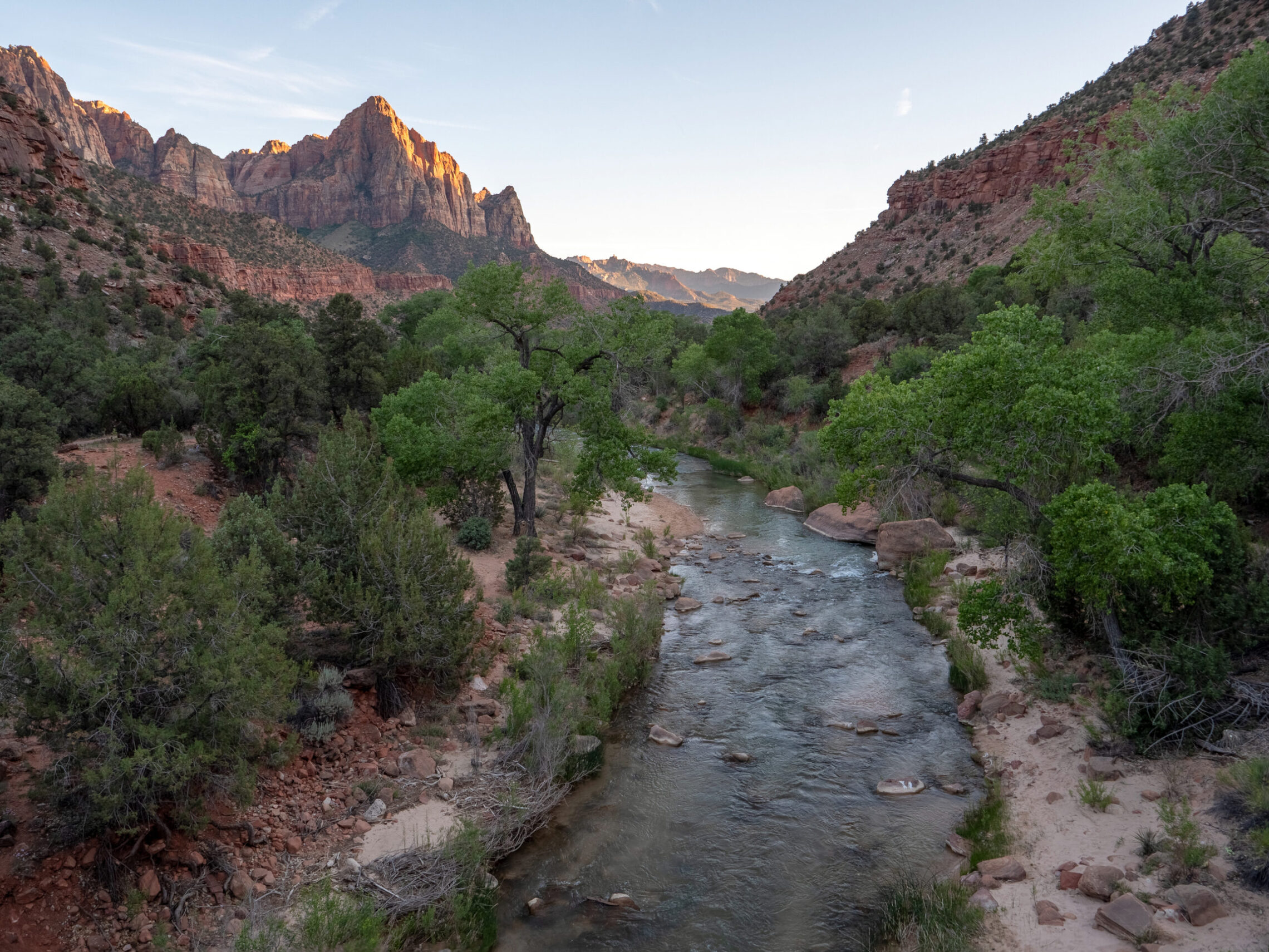
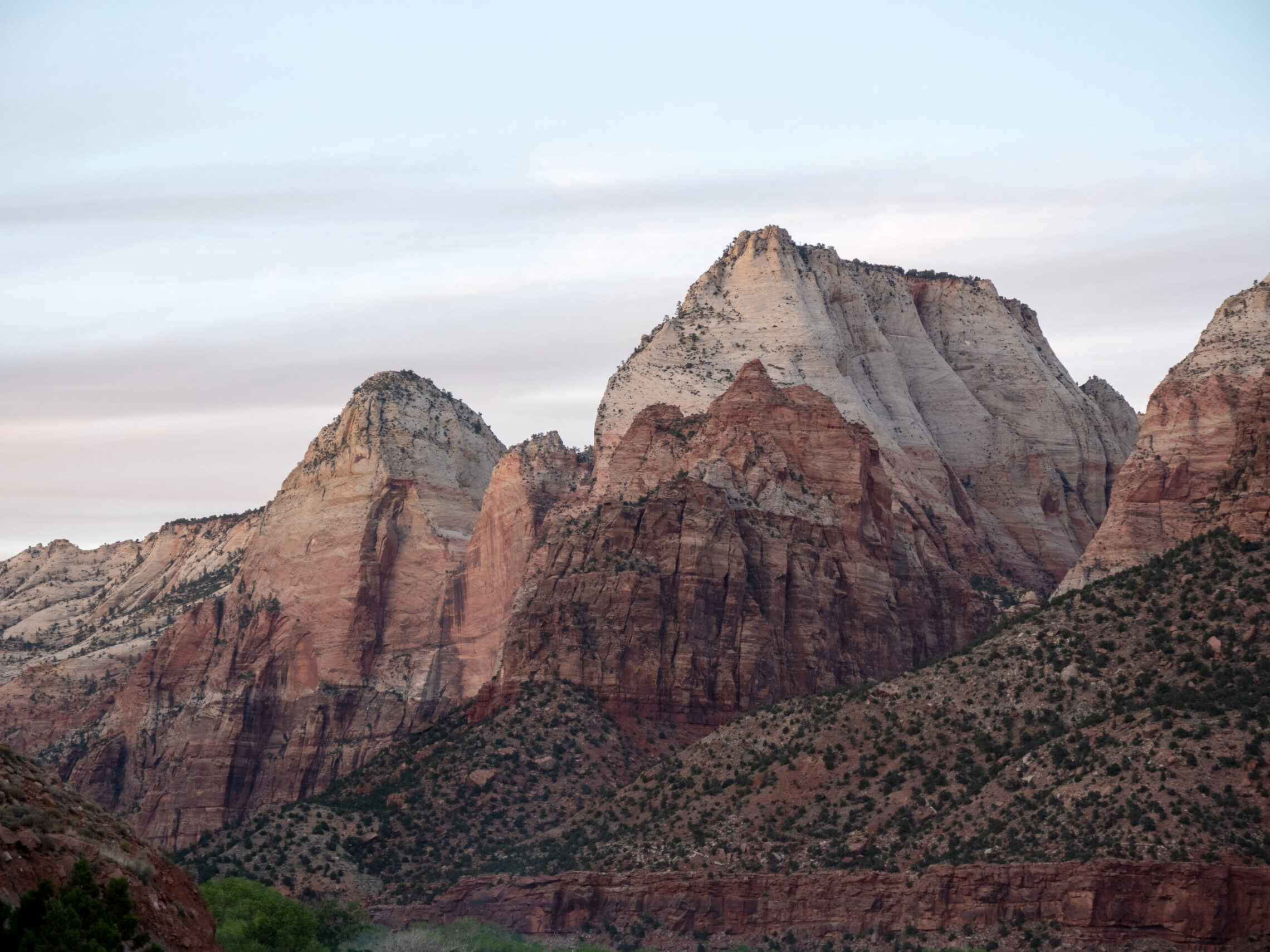
Havasu Falls drops into the turquoise waters of the travertine pool below as the sun rises above the canyon walls.⁠
⁠
Havasu Falls is the most well-known waterfall within the Havasupai Indian Reservation in Arizona, with four other major waterfalls found along Havasu Creek. Besides dropping an impressive 100 feet (30 m), the vivid turquoise color of the water is the real showstopper here. This color comes from high concentrations of dissolved calcium carbonate and magnesium. As these minerals precipitate out of the water, they form travertine, a type of limestone that is continuously reshaping the waterfalls, pools, and terraces throughout Havasu Creek.⁠
⁠
Having recently spent three days at the Havasupai Campground, I was able to photograph Mooney, Beaver, Hidden, Fifty Foot, and Havasu Falls. I captured a variety of images that I will certainly share in the future. This particular photograph was taken shortly after sunrise on my first morning in the canyon. I waited for the sun to rise above the canyon walls, allowing a sunstar to form while illuminating the vivid green vegetation, red sandstone cliffs, and brilliant blue water below.
•
Follow
Havasu Falls drops into the turquoise waters of the travertine pool below as the sun rises above the canyon walls.⁠ ⁠ Havasu Falls is the most well-known waterfall within the Havasupai Indian Reservation in Arizona, with four other major waterfalls found along Havasu Creek. Besides dropping an impressive 100 feet (30 m), the vivid turquoise color of the water is the real showstopper here. This color comes from high concentrations of dissolved calcium carbonate and magnesium. As these minerals precipitate out of the water, they form travertine, a type of limestone that is continuously reshaping the waterfalls, pools, and terraces throughout Havasu Creek.⁠ ⁠ Having recently spent three days at the Havasupai Campground, I was able to photograph Mooney, Beaver, Hidden, Fifty Foot, and Havasu Falls. I captured a variety of images that I will certainly share in the future. This particular photograph was taken shortly after sunrise on my first morning in the canyon. I waited for the sun to rise above the canyon walls, allowing a sunstar to form while illuminating the vivid green vegetation, red sandstone cliffs, and brilliant blue water below.
2 months ago
View on Instagram |
8/9
A prairie dog stands upright outside its burrow, surveying its surroundings in the high desert of northern Arizona.⁠
⁠
Prairie dogs regularly act as guards or lookouts for the rest of their colony, standing tall and scanning the surrounding environment for potential dangers such as predators. When a threat is detected, the individual emits a sharp alarm call that warns the rest of the colony to take cover, sending nearby prairie dogs diving into their burrow networks. Their colonies, known as towns, can be surprisingly large, with some historically spanning dozens or even hundreds of square miles. The hole this individual was standing in is just an entrance, as the underground network below may contain additional entrances, escape tunnels, and a variety of nesting, sleeping, and nursery chambers.⁠
⁠
I noticed this prairie dog while driving along a road within the Havasupai Reservation in northern Arizona after spending three days camping and hiking in the canyon below. This vigilant watchdog caught my attention enough for me to pull over and turn my car around. I spent a few minutes photographing it before continuing on my way, leaving it to watch over its colony in peace.
•
Follow
A prairie dog stands upright outside its burrow, surveying its surroundings in the high desert of northern Arizona.⁠ ⁠ Prairie dogs regularly act as guards or lookouts for the rest of their colony, standing tall and scanning the surrounding environment for potential dangers such as predators. When a threat is detected, the individual emits a sharp alarm call that warns the rest of the colony to take cover, sending nearby prairie dogs diving into their burrow networks. Their colonies, known as towns, can be surprisingly large, with some historically spanning dozens or even hundreds of square miles. The hole this individual was standing in is just an entrance, as the underground network below may contain additional entrances, escape tunnels, and a variety of nesting, sleeping, and nursery chambers.⁠ ⁠ I noticed this prairie dog while driving along a road within the Havasupai Reservation in northern Arizona after spending three days camping and hiking in the canyon below. This vigilant watchdog caught my attention enough for me to pull over and turn my car around. I spent a few minutes photographing it before continuing on my way, leaving it to watch over its colony in peace.
2 months ago
View on Instagram |
9/9
View on Instagram

Evan

All types of photography, with an emphasis on wildlife and landscape.

Follow me

  • instagram
  • reddit
  • mail
  • facebook
  • youtube
  • x
  • tiktok
  • pinterest

Categories

  • Animals (10)
  • Birds (6)
  • City (3)
  • Culture (2)
  • Hiking (9)
  • Landscape (14)
  • Nature (14)
  • People (2)
  • Travel (16)

Copyright © 2023 Evan T Photography

Designed by WPZOOM